
Baltimore, MD
A Journey guide to
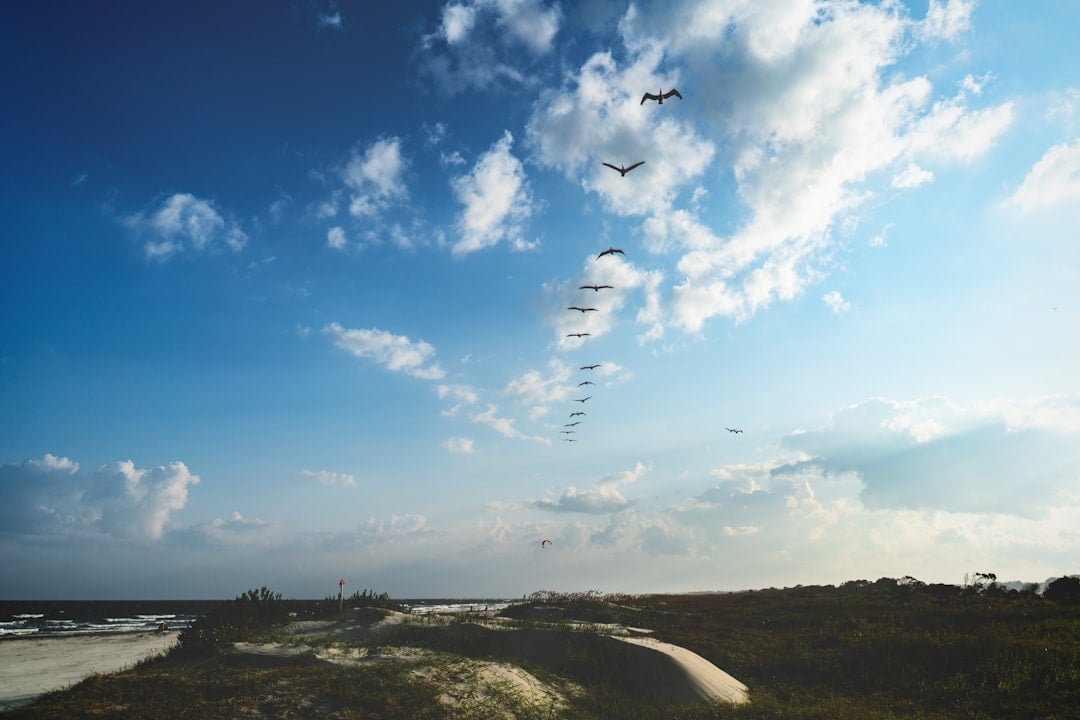
Kiawah Island is one of the East Coast's most coveted private barrier islands, set 21 miles south of Charleston along the South Carolina Lowcountry coast. It is defined above all by its ten miles of pristine, wide Atlantic beach and a commitment to conservation that has kept the island remarkably undeveloped. Loggerhead sea turtles nest along its shores each summer, and the maritime forests and tidal marshes that border the island feel genuinely wild.
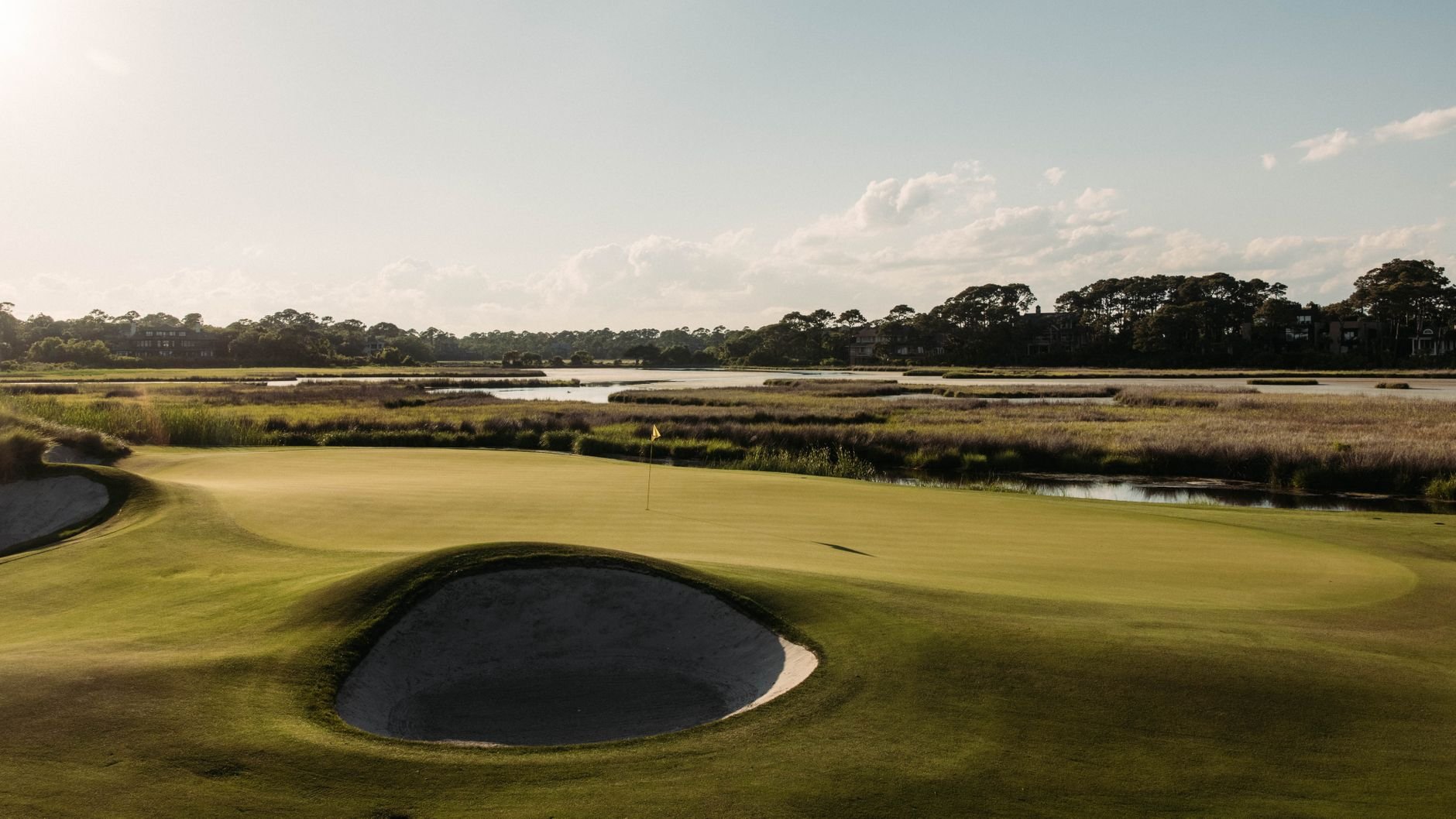
Golf is the island's other defining identity. Kiawah's Ocean Course, designed by Pete Dye and opened in 1991, ranks among the most celebrated and demanding courses in the world. It has hosted the Ryder Cup and the PGA Championship, and its exposed, wind-swept layout along the Atlantic dunes is instantly recognizable. Four additional championship courses round out a golf destination that draws serious players from around the globe.
The traveler Kiawah attracts is one who values seclusion and quality over spectacle. Families come for the calm, car-optional pace of the island's interior paths and the safe, uncrowded beaches. Couples seek out the refined dining and spa offerings at The Sanctuary, the island's landmark oceanfront hotel. Golfers plan entire trips around tee times. What unites them is a preference for a natural, unhurried coastal experience with the comforts of a world-class resort.
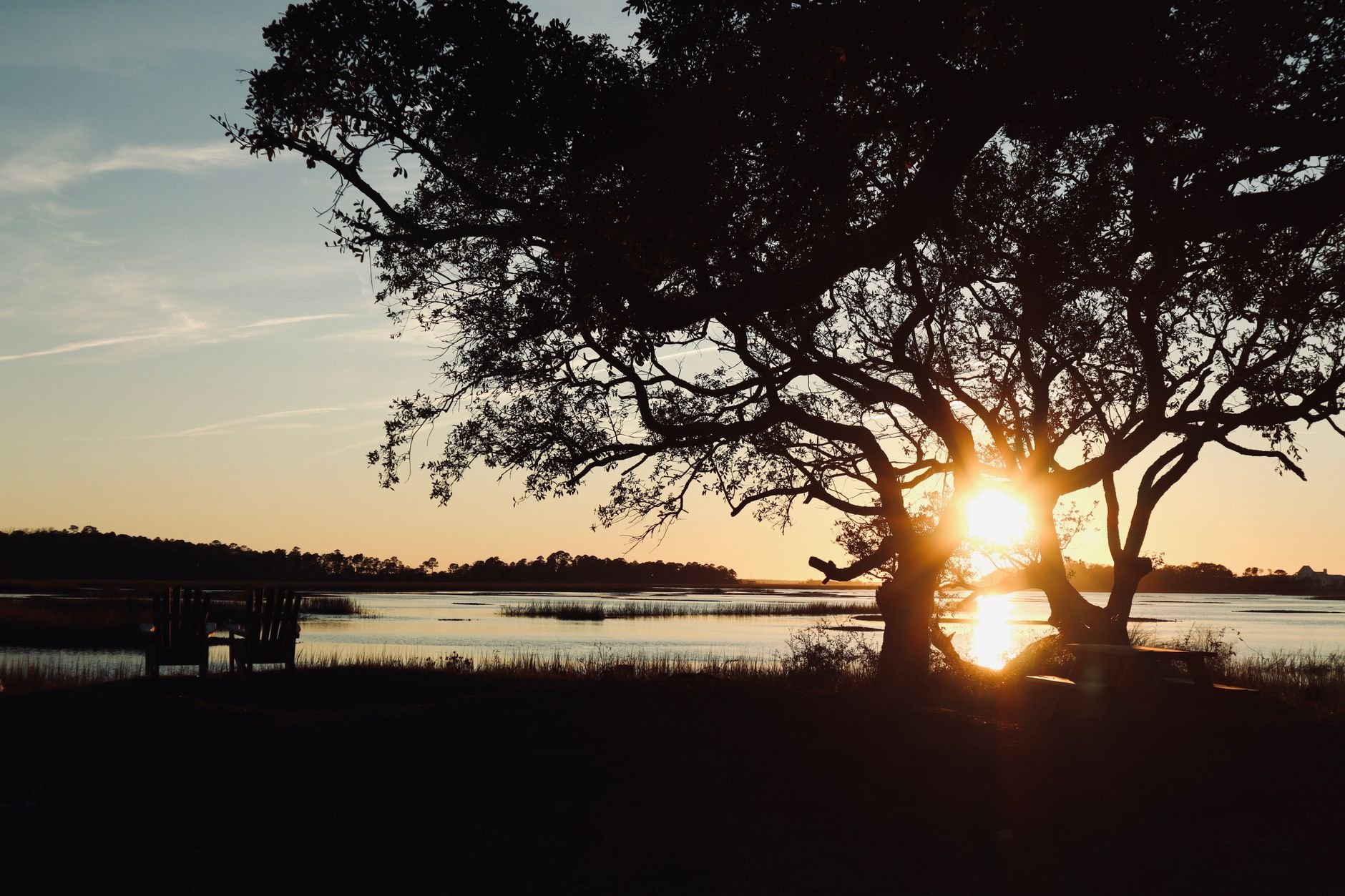
Beyond the beach and the fairways, Kiawah rewards those who slow down. Bike paths wind through maritime forest draped in Spanish moss. Kayakers paddle into the ACE Basin, one of the largest undeveloped estuaries on the Eastern Seaboard. Birders find the island's wetlands exceptional year-round. The proximity to Charleston means world-class history, cuisine, and culture are always within reach, making Kiawah a rare combination of genuine wilderness and effortless luxury.








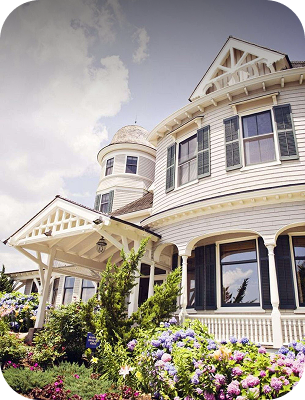

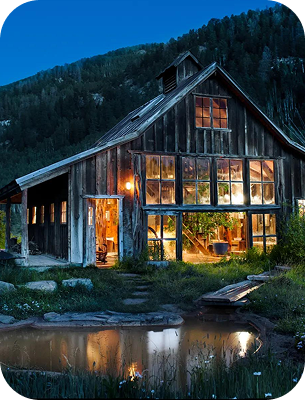

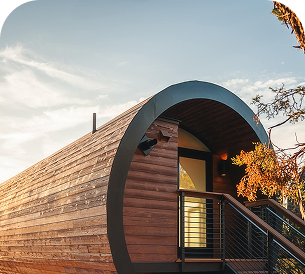

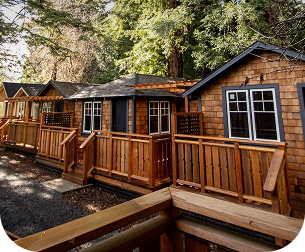





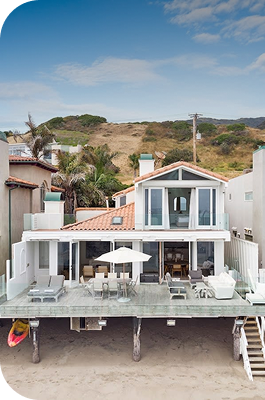

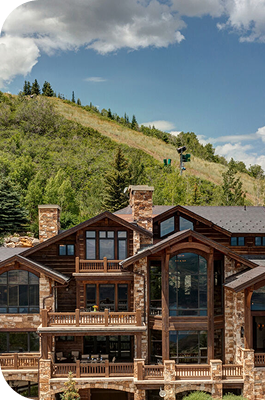

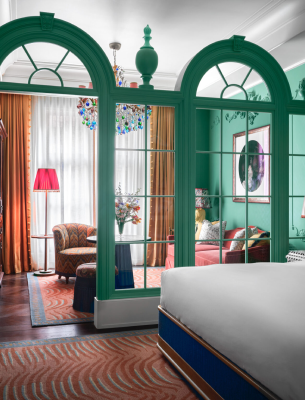

Journey connects travelers to a curated network of boutique hotels and distinctive residences around the world, all united under one rewards program. Explore handpicked stays for your trip while earning points, unlocking exclusive offers, and receiving rewards across the Journey collection.
Kiawah Island sits on a barrier island off the South Carolina coast, separated from the mainland by the Kiawah River and a network of tidal creeks and salt marshes that define the Lowcountry landscape. The island stretches roughly ten miles in length and is oriented along a northeast-to-southwest axis, with its southern edge fronting the Atlantic Ocean and its northern edge dissolving into estuarine wetlands. This geography creates a layered natural environment: open ocean beach on one side, sheltered marsh and maritime forest on the other.
The island's modern identity as a private resort community dates to 1974, when it was purchased by the Kuwait Investment Corporation and developed with a deliberate emphasis on environmental stewardship. That founding philosophy has shaped everything since. Development is restricted to a fraction of the island's total land area, and the Kiawah Island Community Association maintains strict architectural and land-use standards that keep the built environment subordinate to the natural one. The result is a place that feels genuinely preserved rather than merely marketed as such.
Culturally, Kiawah exists within the broader Lowcountry tradition of the South Carolina coast, a region shaped by Gullah Geechee heritage, antebellum plantation history, and a deep relationship with the tidal ecosystem. The island itself was once home to the Kiawah people, a tribe encountered by English settlers in the late 17th century. Later it functioned as a colonial-era plantation. These layers of history are present in the surrounding region even if the island's own landscape has been substantially reshaped by resort development.
For travelers, the atmosphere is one of intentional calm. There are no public commercial strips, no chain restaurants, and no through-traffic. The resort's amenities, including multiple hotels, private villa rentals, restaurants, and recreational facilities, are woven into the landscape rather than imposed upon it. Charleston, just 21 miles to the northeast, provides an easy counterpoint: one of America's most historically rich and gastronomically vibrant cities, accessible for a day or evening excursion without disrupting the island's restorative pace.
Choosing when to visit Kiawah Island depends largely on what kind of experience you are after, though fall and spring consistently offer the most well-rounded conditions for the widest range of travelers.
Fall, particularly October and November, is the island's sweet spot. Crowds thin noticeably after Labor Day, tee times on the championship courses become easier to secure, and the beaches feel genuinely uncrowded. Wildlife activity remains strong, with shorebirds abundant in the marshes and the tail end of sea turtle nesting season wrapping up in early fall. The ACE Basin is at its most rewarding for kayakers and birders during this period.
Spring, from late March through May, is the other premier window. The island comes alive with returning migratory birds, making it exceptional for birders. Golf demand picks up but has not yet reached peak summer intensity. Families planning beach vacations find spring a practical choice, with the island busy enough to feel lively but not overwhelmed. Loggerhead sea turtles begin nesting along the beach in May, adding a rare wildlife dimension to a late-spring visit.
Summer is peak season on Kiawah, drawing families during school holidays and golfers eager for long days on the course. The beaches and resort amenities are at full capacity, and advance booking is essential for accommodations and tee times alike. Those who do not mind the crowds will find the full range of island experiences on offer.
Winter is ideal for travelers seeking solitude and value. The island is at its quietest, resort rates drop, and the golf courses are far less congested. Charleston day trips pair particularly well with a winter stay, as the city's cultural calendar is active and its streets are uncrowded. Birding in the wetlands remains productive throughout the cooler months.
The heart of Kiawah's resort experience, this stretch anchors the island's most refined amenities around its landmark oceanfront hotel. Guests enjoy direct beach access, award-winning dining, a world-class spa, and the calm elegance that defines Kiawah at its most luxurious. The surrounding boardwalks and dune crossovers make it the natural gathering point for beach-bound visitors.
Anchoring the island's eastern tip, this area is defined by the legendary Pete Dye-designed Ocean Course, whose windswept fairways run directly along the Atlantic dunes. East Beach Village offers casual dining, bike rentals, and a tennis center, making it a hub for active travelers who want easy access to both the course and the shoreline. The atmosphere is sporty and relaxed, with golf carts and cyclists sharing the quiet lanes.
The western end of Kiawah has a quieter, more residential feel, popular with families and nature-focused visitors. Night Heron Park serves as a community green space with a pool, playground, and kayak launch into the tidal creek system. The beaches here tend to be less trafficked, and the maritime forest canopy along the bike paths creates a deeply peaceful, shaded corridor for cycling and walking.
Just outside the island's main gate, Freshfields Village is Kiawah's walkable town center, offering boutique shopping, casual cafes, a wine bar, and a well-stocked market. It serves both island residents and resort guests who want a change of pace from the beach, with a charming open-air layout that feels more like a small Lowcountry town than a resort retail strip. It is also the most accessible area for day visitors exploring the greater Kiawah corridor.

Kiawah Island has a short list of experiences that define it entirely, and travelers who know the island come specifically for these.
Playing the Ocean Course
No experience is more synonymous with Kiawah Island than a round on the Ocean Course. Pete Dye's 1991 design runs along the Atlantic dunes with ten of its eighteen holes directly exposed to the ocean, and the wind is as much a factor as any hazard on the card. It hosted the 1991 Ryder Cup, known as the War by the Shore, and the 2012 and 2021 PGA Championship. Securing a tee time here is the primary motivation for a significant share of the island's visitors, and the experience lives up to the reputation.
Walking a Loggerhead Turtle Nesting Beach
Each summer, loggerhead sea turtles haul themselves ashore on Kiawah's beach to nest, and the island's conservation program organizes guided turtle walks that allow guests to witness this ancient ritual at close range. It is a genuinely rare experience on a developed resort island, made possible only by Kiawah's strict lighting ordinances and long-standing commitment to protecting nesting habitat.
A Stay at The Sanctuary
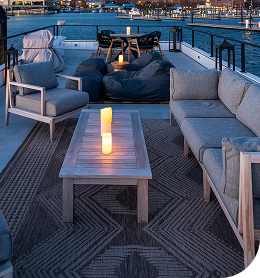
The Sanctuary at Kiawah Island is one of the Southeast's landmark oceanfront hotels, a Forbes Five-Star property set directly on the Atlantic beach. Its grand, low-country architecture, refined dining rooms, and celebrated spa make it a destination in its own right. For many guests, the rhythm of the island is organized entirely around the hotel's amenities, from early morning beach walks to evening meals overlooking the ocean.
Paddling into the ACE Basin
Guided kayak excursions into the ACE Basin give travelers access to one of the most ecologically intact estuaries remaining on the Eastern Seaboard. Paddling through these tidal channels, past great blue herons and osprey nests, feels genuinely remote, and it is the experience that most clearly reveals the wild character beneath Kiawah's polished resort surface.
Kiawah Island offers an exceptional range of activities rooted in its natural landscape, world-class golf, and proximity to the South Carolina Lowcountry. Whether you are drawn by the Atlantic shoreline, the maritime forests, or the refined resort amenities, the island delivers a full slate of pursuits for every pace.
Outdoor Recreation
The outdoors is the heart of Kiawah. Ten miles of wide, uncrowded Atlantic beach invite swimming, shelling, surf fishing, and long morning walks. An extensive network of paved bike paths winds through maritime forest draped in Spanish moss, making cycling the preferred way to explore the island's interior. Kayaking and paddleboarding launch points provide access to the tidal creeks and marshes that border the island, while the neighboring ACE Basin, one of the largest undeveloped estuaries on the Eastern Seaboard, draws kayakers seeking genuine wilderness paddling.
Wildlife and Nature Watching
Kiawah's commitment to conservation has made it a standout destination for wildlife observation. Loggerhead sea turtles nest along the beach each summer, and guided turtle walks offer a rare close encounter. The island's wetlands and maritime shrub habitats attract dozens of bird species year-round, making it a rewarding stop for birders. White-tailed deer, river otters, and bottlenose dolphins are regularly spotted along the shoreline and tidal creeks.
Golf
Five championship courses define Kiawah as one of the premier golf destinations on the East Coast. The Ocean Course, Pete Dye's celebrated layout along the Atlantic dunes, anchors the island's reputation, while Osprey Point, Turtle Point, Cougar Point, and Oak Point offer varied challenges across marsh and forest settings.
Dining and Spa
The Sanctuary hotel anchors the island's dining scene with refined coastal cuisine, while Freshfields Village, just outside the gate, provides a walkable cluster of casual restaurants, boutiques, and a market. The Sanctuary Spa rounds out the resort experience with treatments designed around relaxation and recovery.
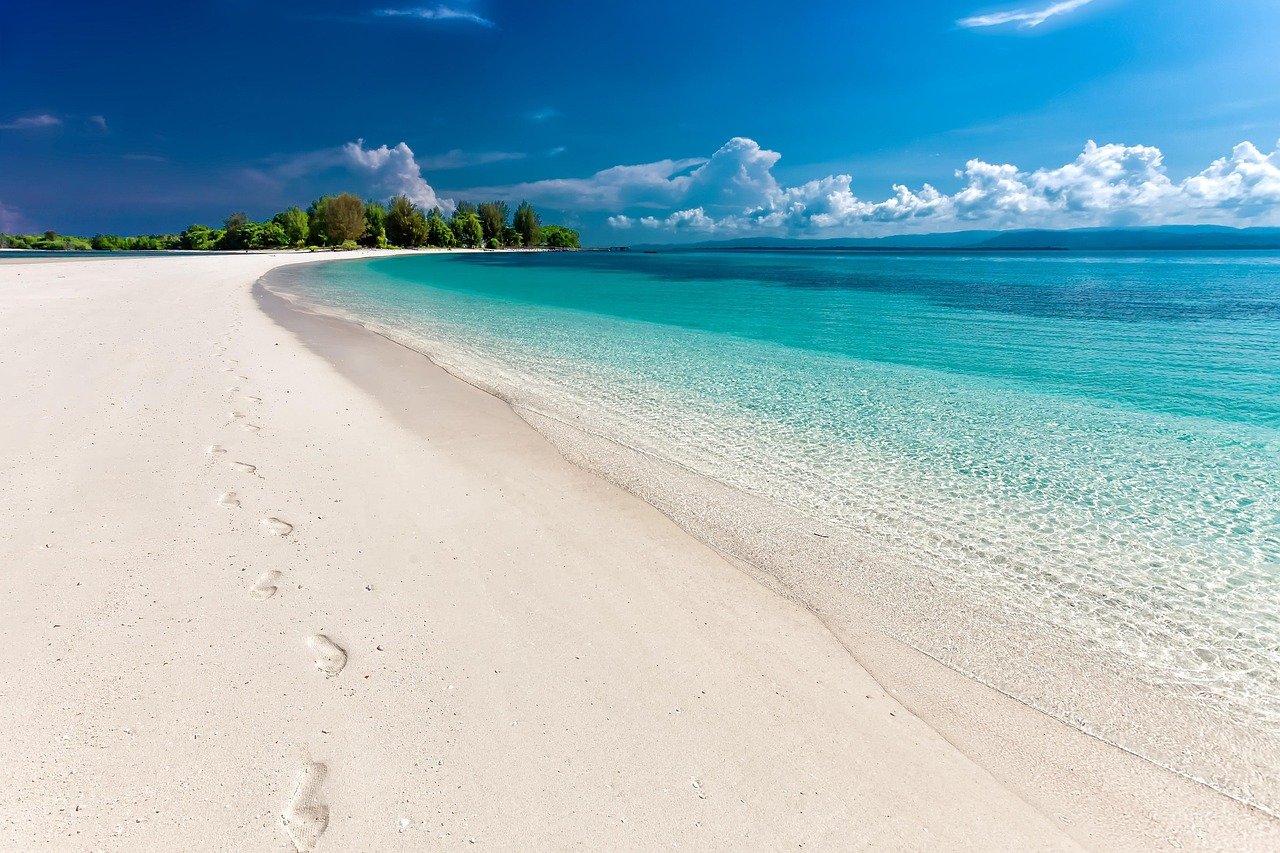
Start the morning with a long walk along Kiawah's ten miles of Atlantic beach, watching for shorebirds and loggerhead sea turtle nests. Rent bikes after lunch and cruise the island's shaded maritime forest paths. In the evening, head to The Sanctuary for cocktails and dinner at The Ocean Room, where floor-to-ceiling windows frame the coastline beautifully.
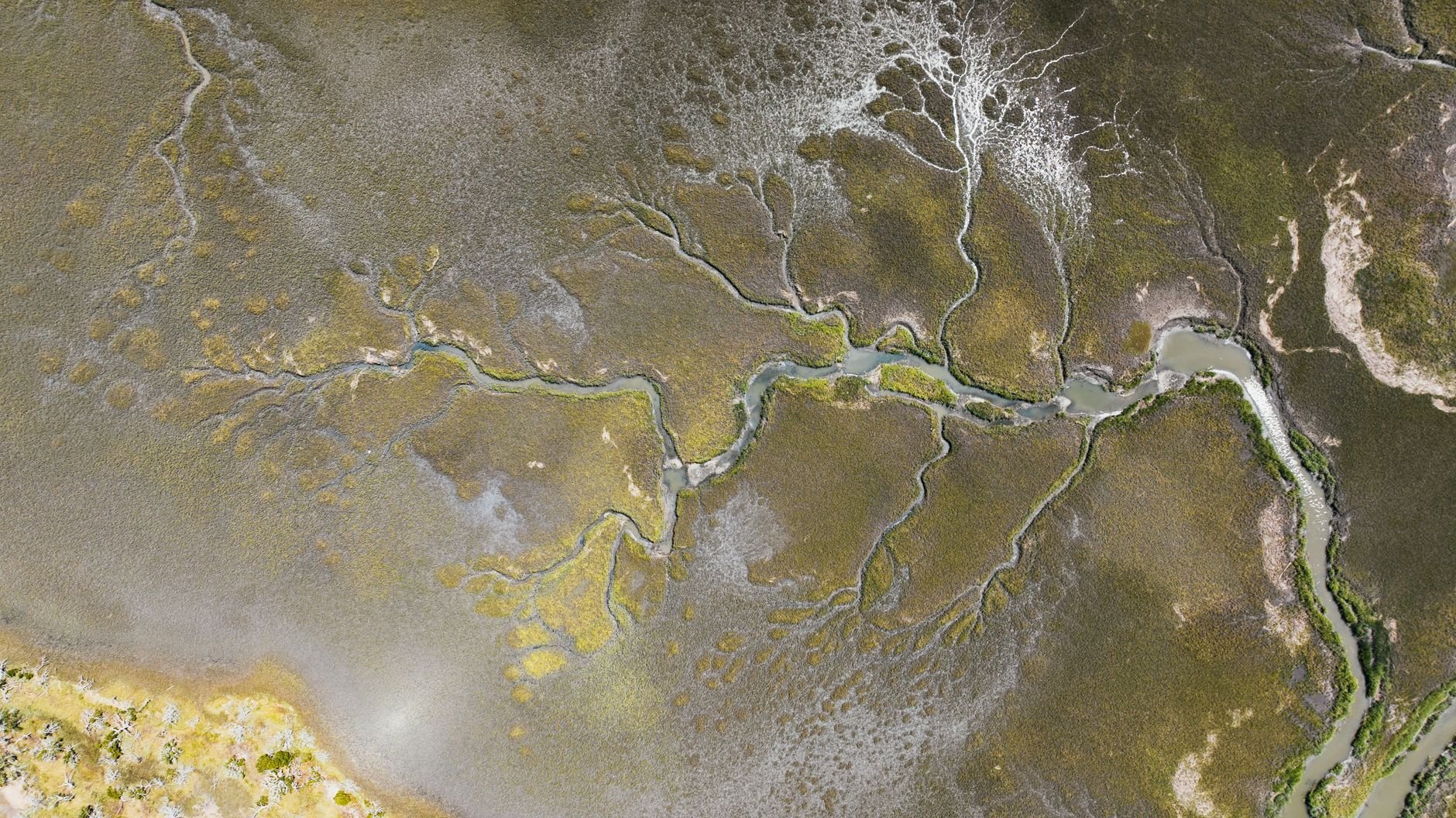
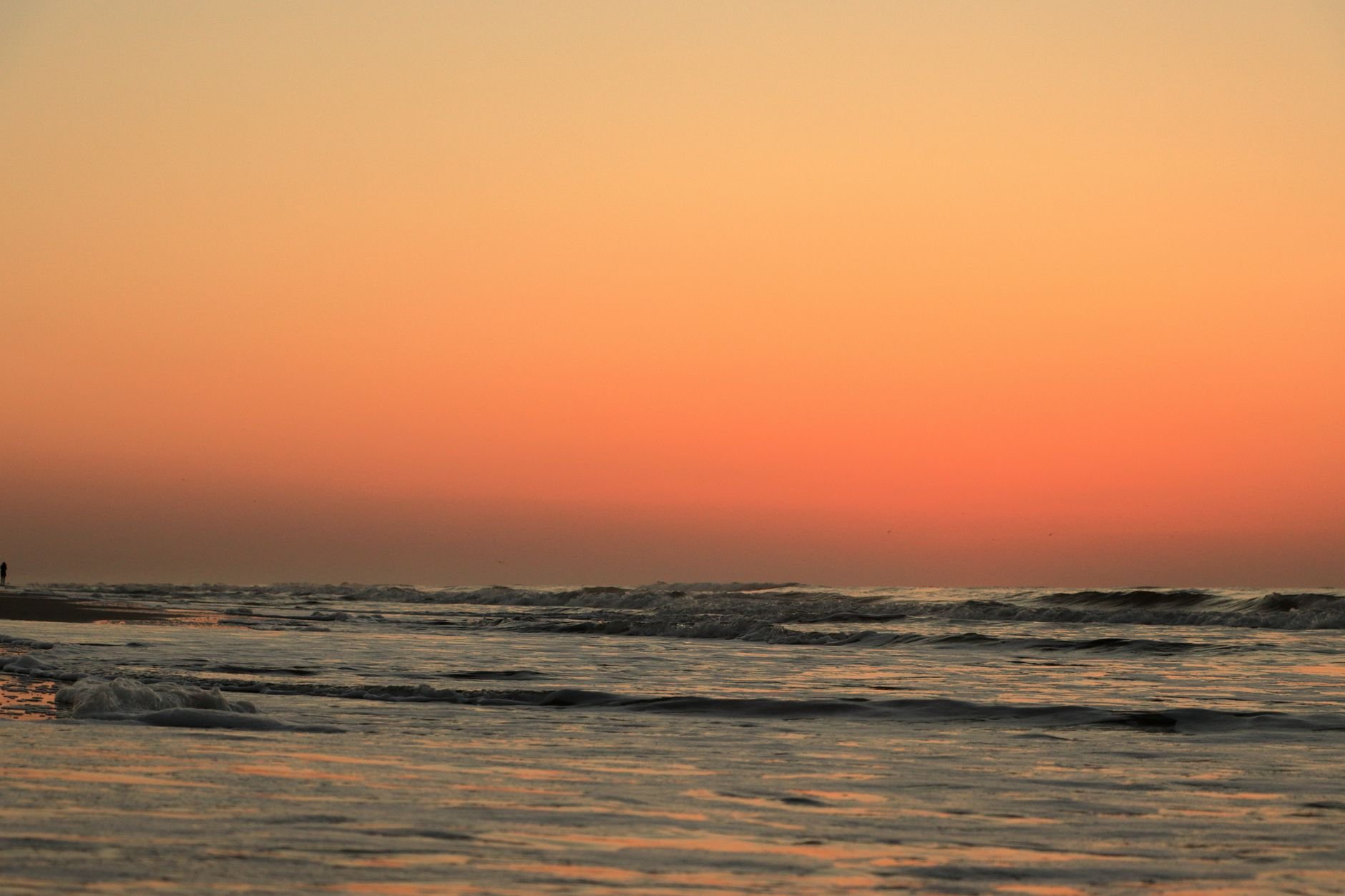
Join a guided kayak or paddleboard tour through Kiawah's tidal creeks and estuaries for exceptional birding and wildlife spotting. Grab a casual lunch at the Sandcastle community center or a poolside spot. Spend your final afternoon browsing the shops at Freshfields Village just outside the island gate, then catch a golden-hour sunset from the beach before heading home.
Kiawah Island's calendar is shaped by its natural setting and the unhurried rhythms of Lowcountry coastal life. Spring brings mild temperatures and a sense of renewal, drawing visitors for outdoor festivals celebrating the arts and local music traditions. Summer is the height of beach season, when families gather along the Atlantic shore and the island hums with activity, though its commitment to conservation keeps the pace deliberately calm. Fall marks the return of cooler weather and the island's beloved marathon, a race that winds through maritime forest and along scenic coastal paths. Winter, though quiet, carries its own appeal, with intimate gatherings and food and wine events that highlight the region's refined culinary culture.
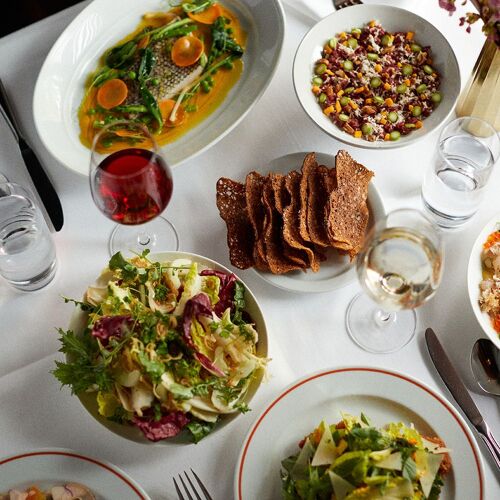
Kiawah Island's dining scene is rooted in the flavors of the South Carolina Lowcountry, where the coastal landscape shapes nearly everything on the plate. Seafood is the cornerstone: locally harvested shrimp, blue crab, oysters, and fresh-caught fish appear across menus in preparations that range from rustic to refined. Shrimp and grits, the Lowcountry's most iconic dish, is a reliable measure of any kitchen here, and the best versions draw on generations of regional tradition.


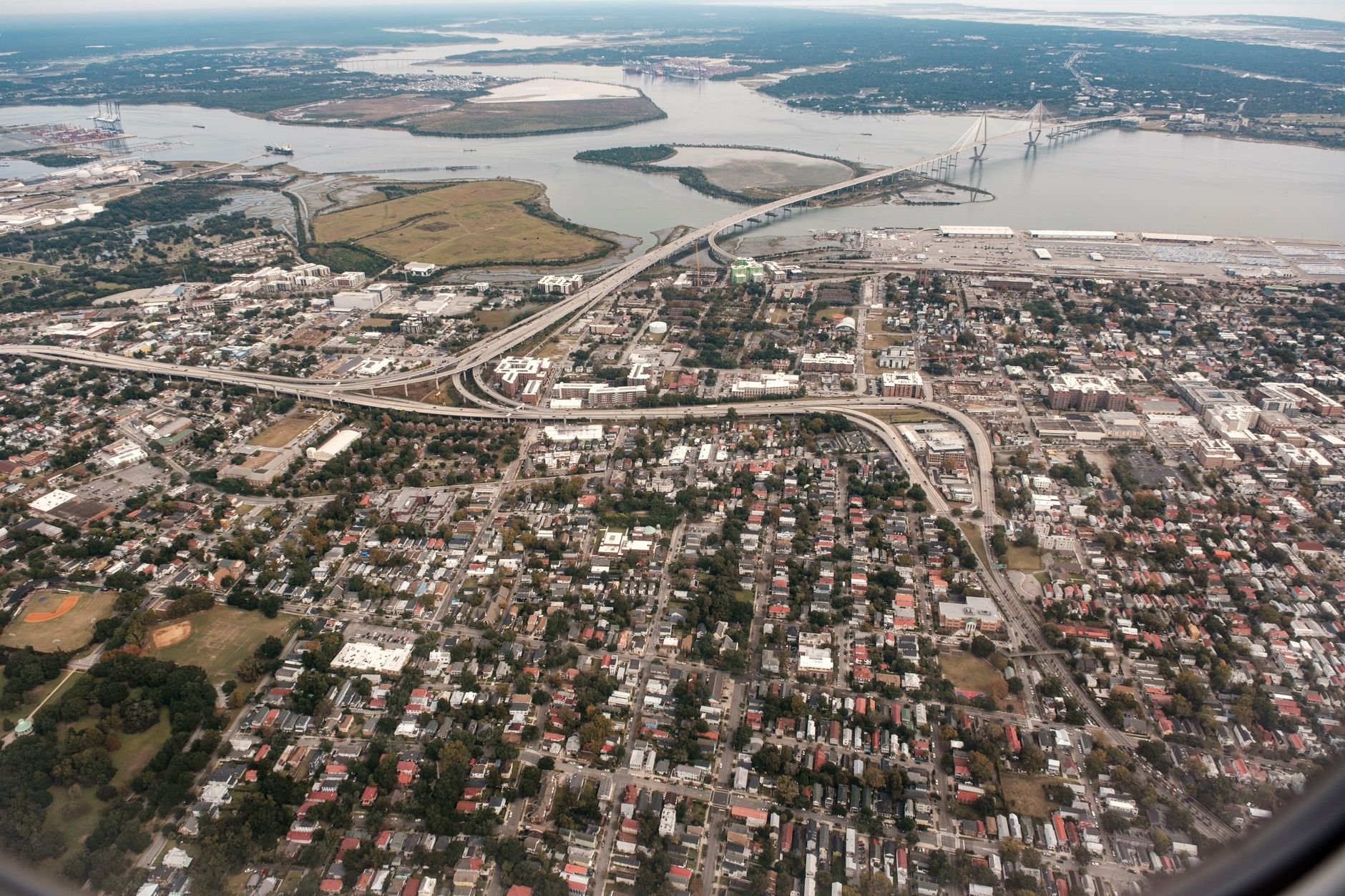
Charleston International Airport (CHS) is the primary gateway for Kiawah Island,
located about 30 miles north of the island with a drive of roughly 45 to 55 minutes via I-526 West and SC-700 South, and all major rental car companies operate on-site.
Savannah/Hilton Head International Airport (SAV) is a secondary option for travelers from the South,
but adds approximately two hours of driving compared to Charleston, making it practical only if fares are significantly lower or if combining Kiawah with a Savannah itinerary.
SC-700 South (Bohicket Road) is the primary driving route onto Kiawah Island,
branching off US-17 south of Charleston and passing through Johns Island before reaching the island's main security gate, where resort guests and property owners check in.
Kiawah Island has a staffed security gate at its entrance,
so travelers should have their resort reservation confirmation or rental property address ready to present upon arrival, as access is restricted to guests and residents.
Kiawah Island's 30-plus miles of paved bike paths connect the beach, golf courses, and resort facilities,
making cycling the most practical and enjoyable way to get around the island, with rentals available through Kiawah Island Golf Resort and several on-island outfitters.
The Kiawah Island Golf Resort operates shuttles between The Sanctuary, the golf courses, and Night Heron Park,
which is a convenient option for guests who prefer not to drive between resort facilities, though schedules vary by season and should be confirmed at check-in.
Rideshare services like Uber and Lyft are available in the Charleston area but are unreliable on Kiawah Island itself,
so travelers who plan to make day trips to Charleston or Johns Island for dining and shopping should either rent a car or arrange transportation in advance.
Parking throughout Kiawah Island is generally easy and free for resort guests and property visitors,
with dedicated lots at the beach access points, golf clubhouses, and Night Heron Park, removing the parking stress common at more urban coastal destinations.
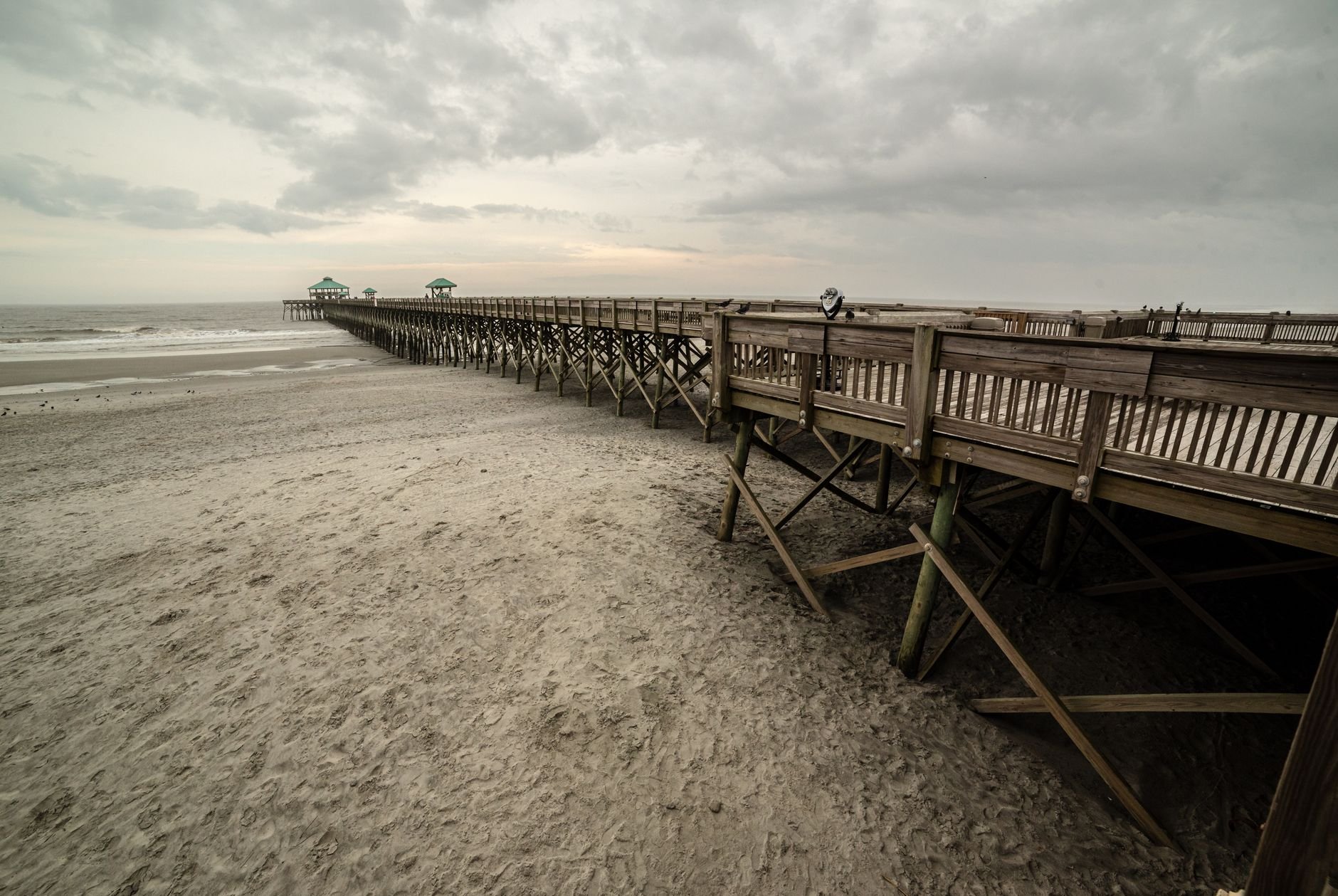
Kiawah Island operates as a private community, so access requires a valid resort reservation or rental property address. Book golf tee times as early as possible, especially for the Ocean Course, which fills weeks or months ahead during peak season. The Sanctuary and resort villas require minimum stays during summer and holiday periods, so check requirements before booking. Bring cash or cards for gratuities, as resort service staff rely on tips and contactless payment is not universal at all on-island outlets. The beach is open to the public below the high-tide line, but amenities like chairs and umbrellas are for resort guests. Mosquitoes and no-see-ums can be intense near the marshes, particularly at dawn and dusk, so pack insect repellent. If loggerhead sea turtle nesting season (May through October) coincides with your visit, respect all posted beach lighting and nesting restrictions.
Most visitors spend 3 to 5 days on Kiawah Island. That gives you enough time to enjoy the beach, fit in a round or two of golf, explore the bike paths and marshes, and make a day trip into Charleston. Golfers or families looking to fully unwind often stay a full week to take advantage of everything the island offers.
Kiawah Island is best known for its world-class golf and pristine Atlantic beaches. The Ocean Course, designed by Pete Dye, has hosted the Ryder Cup and the PGA Championship and is one of the most celebrated layouts in the world. The island is also recognized for its strong conservation ethos, loggerhead sea turtle nesting, and unspoiled maritime forests and tidal marshes.
Kiawah Island can work as a weekend trip, especially from cities like Charlotte, Raleigh, or Atlanta, which are within a 3 to 5 hour drive. A long weekend gives you time for the beach, a round of golf, and a quick visit to Charleston. However, given the premium cost of accommodations and travel, many visitors find a longer stay offers better value.
Yes, Kiawah Island is a premium destination. Accommodations range from luxury villa rentals to The Sanctuary hotel, with nightly rates typically starting in the hundreds and climbing significantly in peak season. Golf fees at the Ocean Course are among the highest in the country. Budget-conscious travelers can offset costs by self-catering in a rental property rather than dining out for every meal.
Spring (March to May) and early fall (September to October) are the best times to visit, offering mild temperatures, lower humidity, and fewer crowds than peak summer. Summer is popular for families but brings heat, humidity, and higher rates.