
Baltimore, MD
A Journey guide to
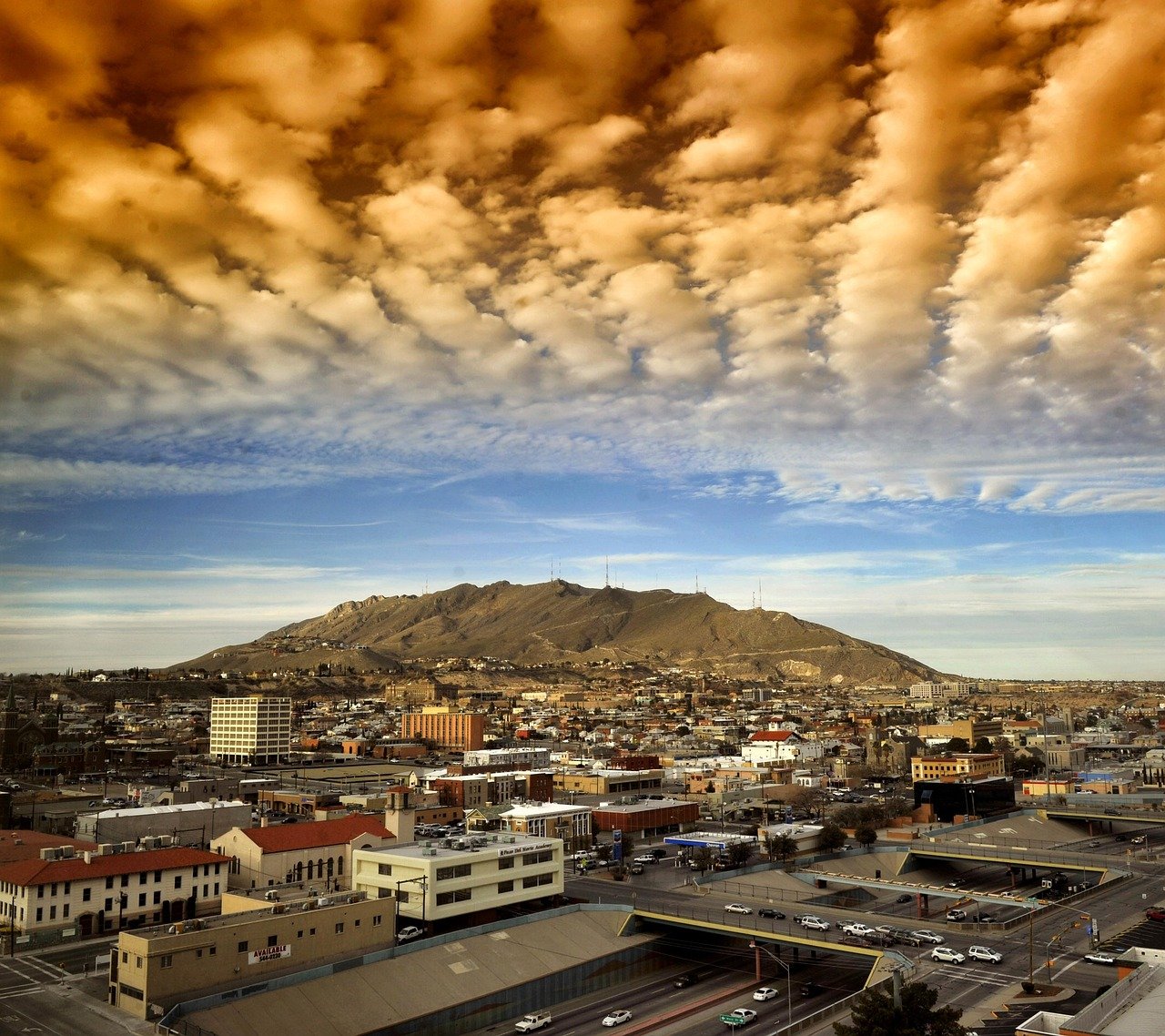
El Paso sits at the far western tip of Texas, where the Rio Grande bends and three states meet: Texas, New Mexico, and the Mexican state of Chihuahua. This is a city that defies easy categorization. It is simultaneously a major American metropolis and a deeply binational community, sharing not just a border but a cultural DNA with Ciudad Juarez directly across the river. That duality gives El Paso a character unlike anywhere else in the American Southwest.
The city draws travelers who want something authentic and unmediated. El Paso is not a manufactured destination. Its food scene is rooted in generations of border cooking: carne asada, red and green chile, and flour tortillas made the way they have been made here for over a century. The historic Segundo Barrio neighborhood and the revitalized Downtown arts district offer street art, independent galleries, and live music venues that reflect a community with a strong sense of place and pride.
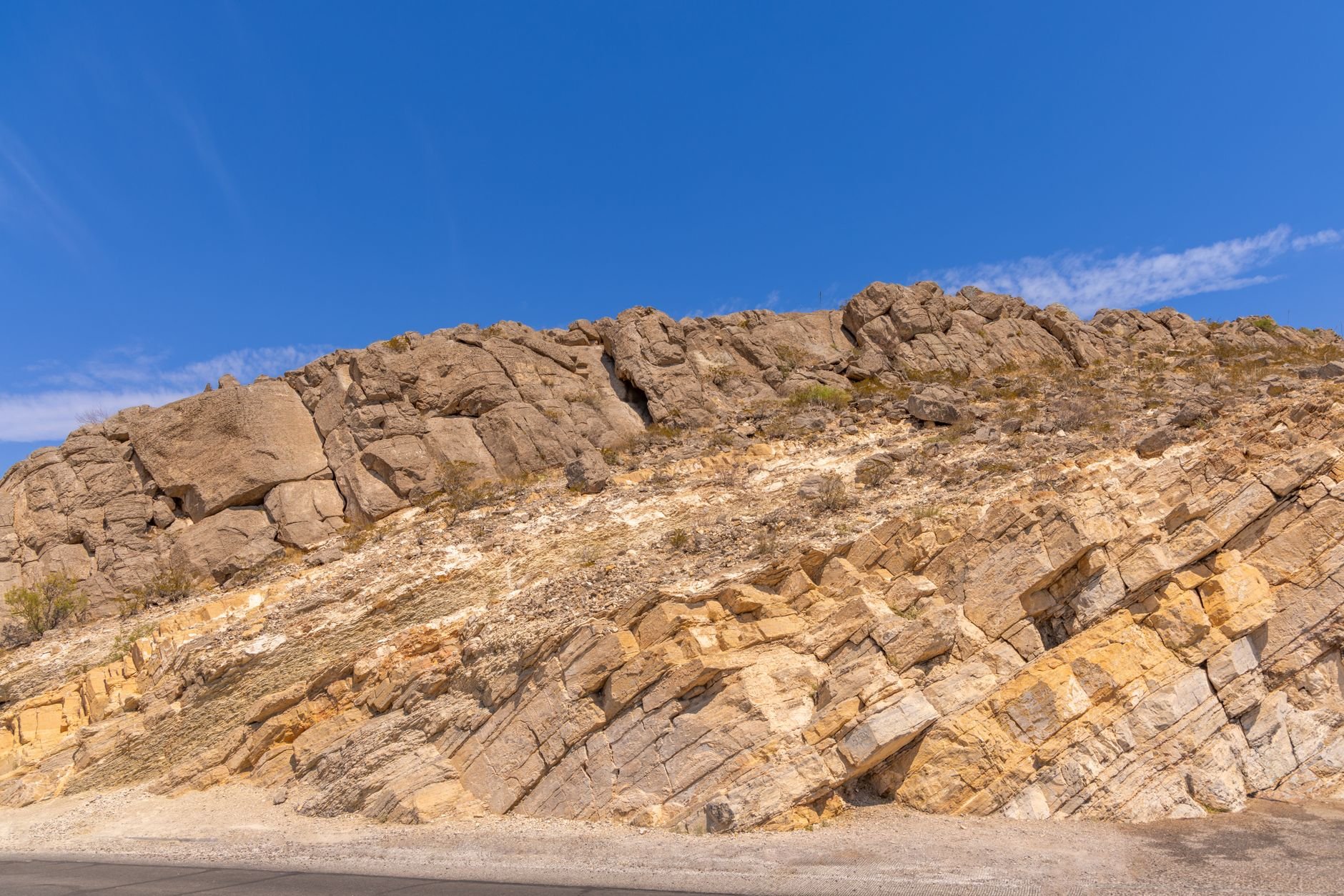
Outdoor adventurers find serious terrain here. Franklin Mountain State Park, the largest urban state park in the United States, rises dramatically from the city floor and offers over 100 miles of hiking and mountain biking trails. Hueco Tanks State Park and Historic Site, just east of the city, is world-renowned among rock climbers and holds one of the most significant collections of pictographs in North America, with thousands of images painted by indigenous peoples over thousands of years.
El Paso also carries deep military and historical significance. Fort Bliss, one of the largest military installations in the world, has shaped the city's identity for generations. The El Paso Mission Trail traces a string of Spanish colonial missions dating to the 17th century, offering a tangible connection to the region's layered past. This is a destination for the curious traveler who values depth over spectacle.
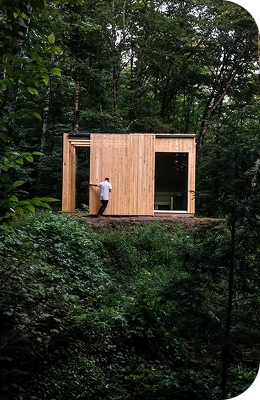



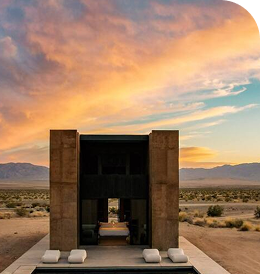

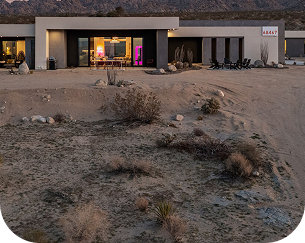

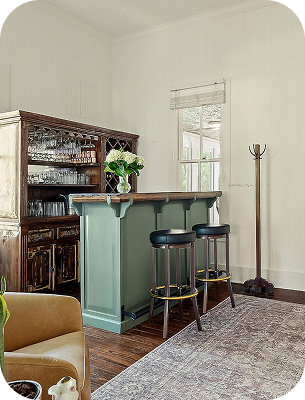

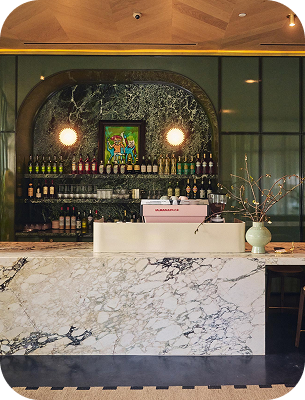

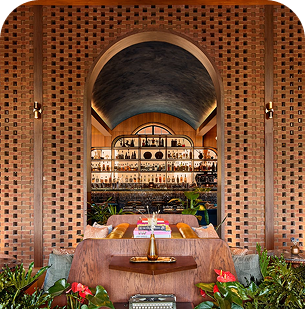

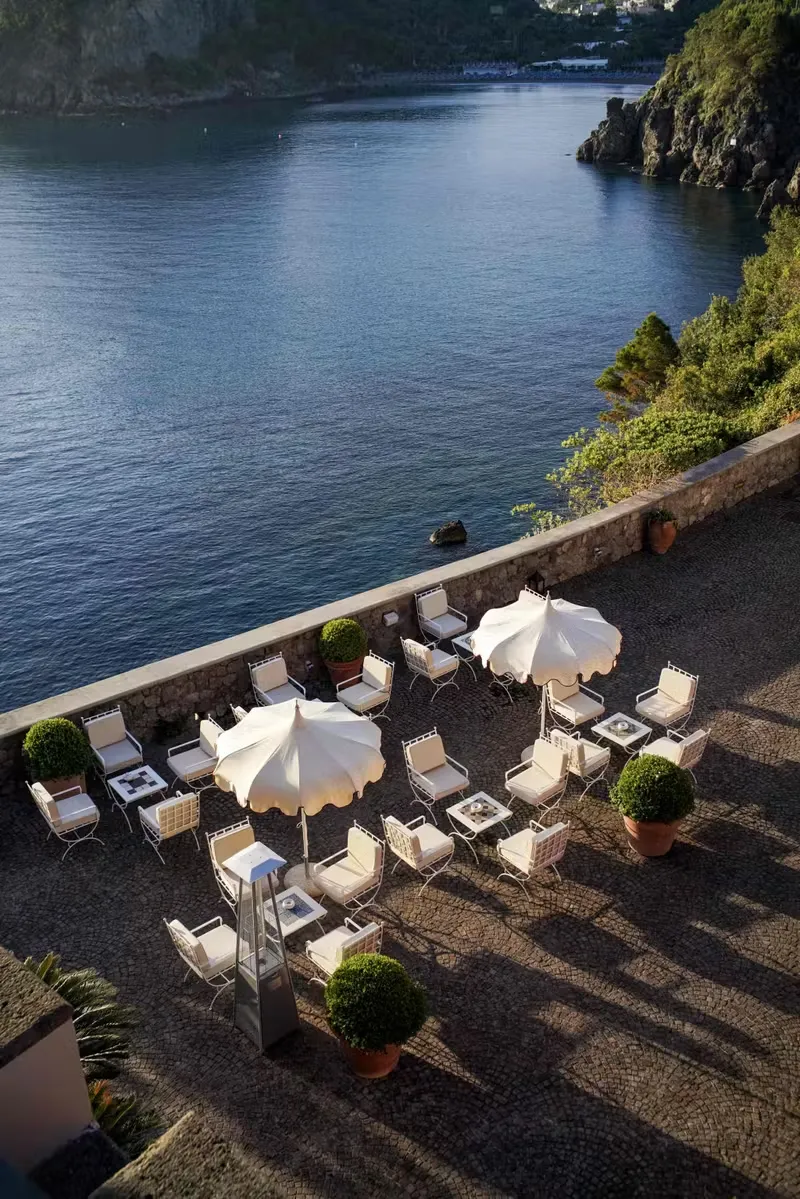

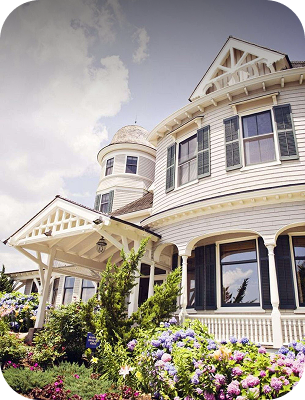

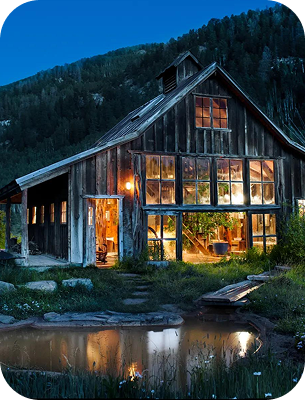

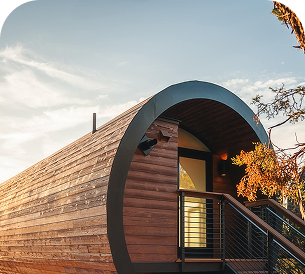

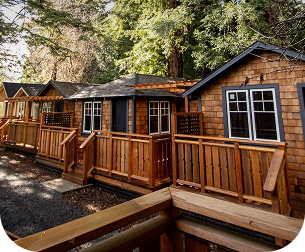

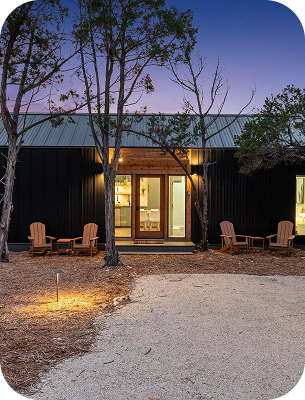

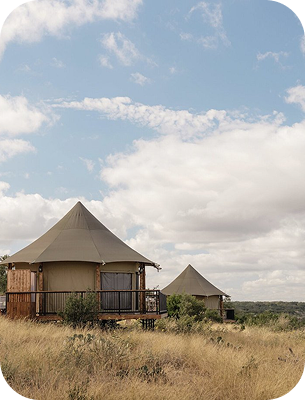

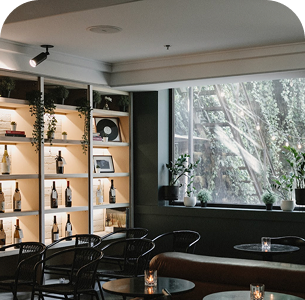

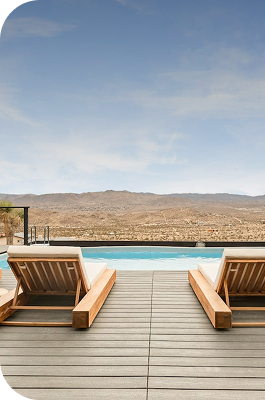

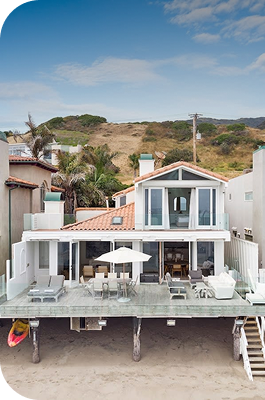

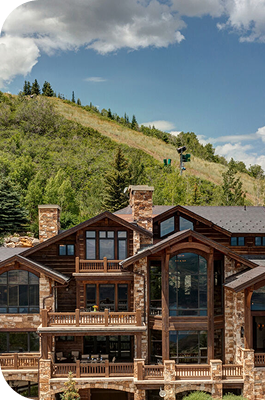


Journey connects travelers to a curated network of boutique hotels and distinctive residences around the world, all united under one rewards program. Explore handpicked stays for your trip while earning points, unlocking exclusive offers, and receiving rewards across the Journey collection.
El Paso occupies a dramatic geographic position at the westernmost point of Texas, nestled in the Chihuahuan Desert where the Franklin Mountains meet the Rio Grande. The city sits at roughly 3,700 feet above sea level, giving it a high-desert character defined by wide skies, rugged mountain silhouettes, and an expansive, sun-drenched landscape. Across the river lies Ciudad Juarez, Mexico, making this one of the largest binational metropolitan areas in the world, with a combined population exceeding two million people.
The cultural identity of El Paso is inseparable from its geography. For centuries, this corridor along the Rio Grande served as a critical passage point, a place where Indigenous peoples, Spanish colonizers, Mexican settlers, and Anglo-American migrants all converged. That layered history is visible in the city's architecture, its food, its language, and its people. Spanish is spoken as naturally as English here, and the cultural exchange between the two sides of the border is constant, organic, and generative rather than performative.
Historically, El Paso was a crossroads of the American West. The Camino Real de Tierra Adentro, the royal road connecting Mexico City to Santa Fe, passed through this valley. The arrival of the railroad in 1881 transformed it into a commercial hub, and the city grew rapidly through the 20th century into a major urban center. Today, El Paso is the sixth-largest city in Texas and one of the safest large cities in the United States, a fact that often surprises first-time visitors conditioned by outdated perceptions.
For travelers, El Paso offers a sense of discovery. The pace is unhurried, the hospitality is genuine, and the experiences on offer range from serious wilderness adventure to immersive cultural exploration. It is a city that rewards those willing to look beyond the surface, one where the border is not a barrier but the very source of what makes this place so compelling and distinct.
El Paso rewards visitors year-round, but the timing of your trip shapes the experience considerably.
Fall, from October through November, is the sweet spot for most travelers. Crowds are manageable, the desert air is crisp and clear, and conditions are ideal for hiking Franklin Mountain State Park or exploring the boulders and pictographs at Hueco Tanks. The city's cultural calendar is active in the fall, with festivals, live music, and community events drawing locals and visitors alike into Downtown and the Segundo Barrio.
Spring, from March through May, is another strong window, particularly for outdoor enthusiasts who want to catch desert wildflowers in bloom. Be aware that wind picks up significantly in March and April, and dust storms are possible. If you can time a visit for late April or May, conditions tend to stabilize and the weather is genuinely excellent for exploring the Mission Trail or getting out on the trails.
Winter is a good choice for travelers who prefer uncrowded streets and a quieter pace. The city's cultural attractions, restaurants, and historic sites are fully accessible, and the proximity to Ciudad Juarez makes for a rich cross-border experience without the heat or crowds of peak season. Holiday events in December add a festive layer to the Downtown area.
Summer is the least recommended season for most visitors. The heat is serious and outdoor activity is best limited to early morning hours. That said, the monsoon storms that roll in during July and August are a spectacle in themselves, and travelers who do not mind the heat will find lower lodging rates and a city that moves at its own unhurried rhythm. If you are drawn to the region's food and culture over its outdoor terrain, summer remains a viable option.
El Paso's historic core blends a revitalized arts scene with deep border-city heritage. The area is home to independent galleries, live music venues, murals, and the iconic Union Plaza district, where restored early 20th-century architecture lines pedestrian-friendly streets. It is the cultural heartbeat of the city and the best starting point for understanding El Paso's layered identity.
Segundo Barrio, or Second Ward, is one of El Paso's oldest and most storied neighborhoods, sitting just south of Downtown along the Rio Grande. Its streets carry generations of Mexican-American culture through family-run taquerias, colorful storefronts, and community murals that tell the history of the border. This is where El Paso's binational soul is most palpable and most authentic.
Kern Place is a leafy, walkable neighborhood near the University of Texas at El Paso, known for its bungalow architecture, independent coffee shops, and a relaxed, creative atmosphere. The broader Upper Valley stretches west along the Rio Grande, offering a quieter, greener side of El Paso with local farms, pecan orchards, and a slower pace that contrasts sharply with the city's busier corridors.
The Westside is El Paso's most developed commercial and residential district, offering upscale dining, shopping centers, and easy access to Franklin Mountain State Park. The neighborhood draws visitors who want modern amenities alongside dramatic desert mountain scenery, with trailheads accessible directly from suburban streets. It is the most polished and visitor-ready part of the city.
El Paso earns its place on the traveler's map through experiences that exist nowhere else in the American Southwest.
Rock Climbing and Pictographs at Hueco Tanks
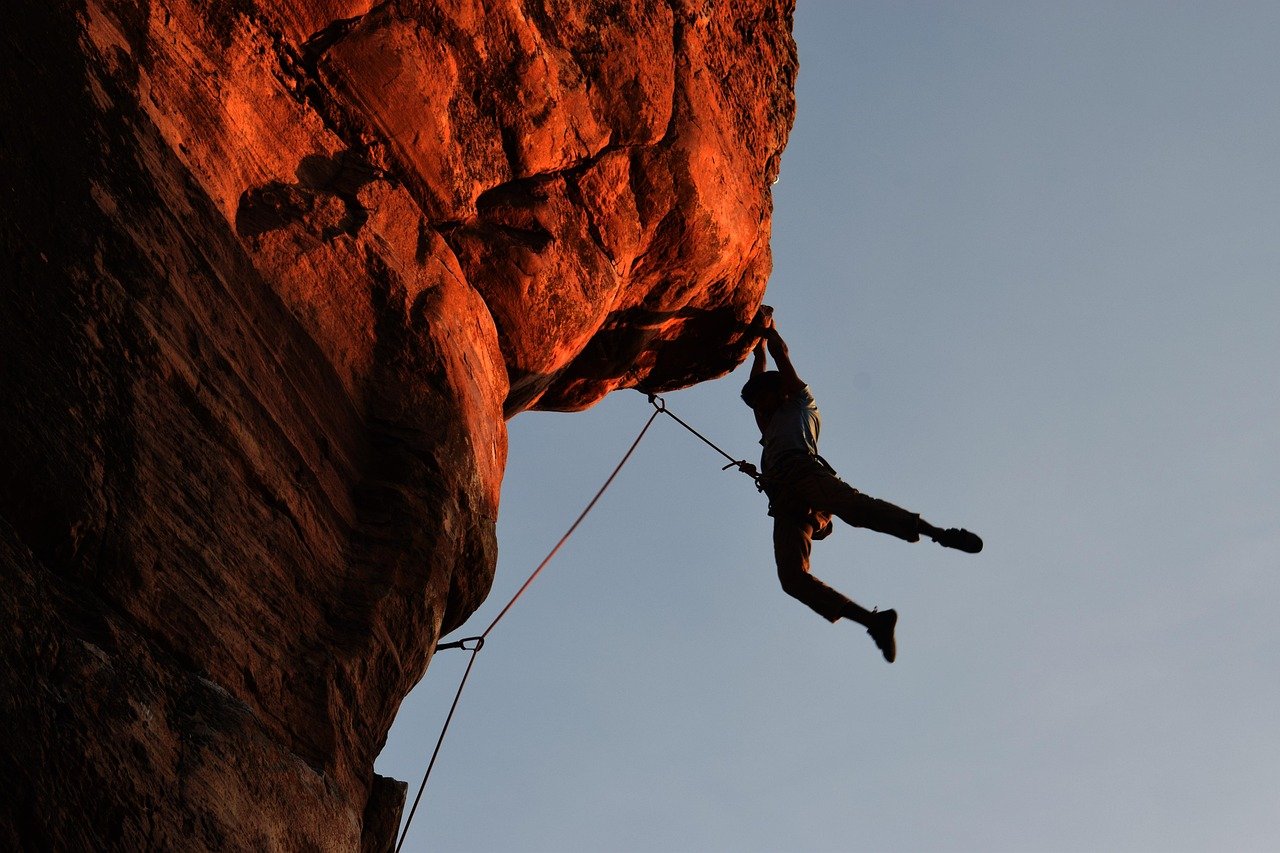
Hueco Tanks is one of the most storied climbing destinations in North America. Its volcanic rock formations and natural water basins have drawn climbers from around the world for decades, with bouldering problems that range from beginner-friendly to legendary in difficulty. But the site carries equal weight for its cultural significance: thousands of pictographs painted by indigenous peoples over thousands of years cover the rock faces, making every visit a layered encounter between sport and deep human history. Access is managed and limited to protect the site, which adds to its sense of gravity.
The El Paso Mission Trail
No comparable stretch of living colonial history exists in Texas. The Mission Trail traces a corridor of Spanish colonial missions established in the 17th century, with Ysleta Mission standing as the oldest continuously active mission in the state. These are not museum pieces but working parishes embedded in communities that have persisted here for centuries. Walking this trail is a direct encounter with the Spanish colonial era of the American Southwest.
Binational Border Culture
El Paso and Ciudad Juarez form one of the most integrated border communities in the world. Travelers who engage with both sides of the Rio Grande encounter a cultural exchange that is fluid, genuine, and unlike the experience of any purely American city. The food, music, art, and daily rhythms of El Paso are shaped by this constant cross-border relationship in ways that cannot be replicated elsewhere.
Franklin Mountains at Sunset
Watching the sun drop behind the Franklin Mountains from within the city is an experience unique to El Paso. The mountains glow in deep reds and oranges, casting long shadows across the desert floor while the lights of two countries begin to flicker on below.
El Paso offers a wide range of activities shaped by its desert landscape, binational culture, and deep historical roots.
Outdoor Recreation
Franklin Mountain State Park dominates the city's skyline and delivers serious adventure within city limits. As the largest urban state park in the United States, it offers more than 100 miles of hiking and mountain biking trails across rugged Chihuahuan Desert terrain. Hueco Tanks State Park and Historic Site, east of the city, draws world-class rock climbers to its distinctive boulder formations and sheltered basins.
Cultural Attractions
El Paso's identity is inseparable from its border heritage. The El Paso Mission Trail connects a series of Spanish colonial missions dating to the 17th century, including Ysleta Mission and Socorro Mission, offering a living thread back to the region's layered past. The Segundo Barrio neighborhood pulses with murals, community history, and authentic street life that reflects generations of border culture.
Arts and Entertainment
Downtown El Paso has undergone a creative revival. Independent galleries, live music venues, and public art installations fill the revitalized arts district. The El Paso Museum of Art holds a strong permanent collection spanning centuries of American and European work alongside significant regional pieces.
Food and Dining
Border cooking here is a tradition, not a trend. El Paso's food scene is built on carne asada, red and green chile preparations, and handmade flour tortillas with roots stretching back over a century. Local restaurants and taquerias throughout the city serve dishes shaped by both sides of the Rio Grande.
Scenic Exploration
The Rio Grande and the Franklin Mountains provide dramatic backdrops for drives, overlooks, and photography. Scenic drives along the river corridor and up into the mountains reveal sweeping views of three states and two countries.
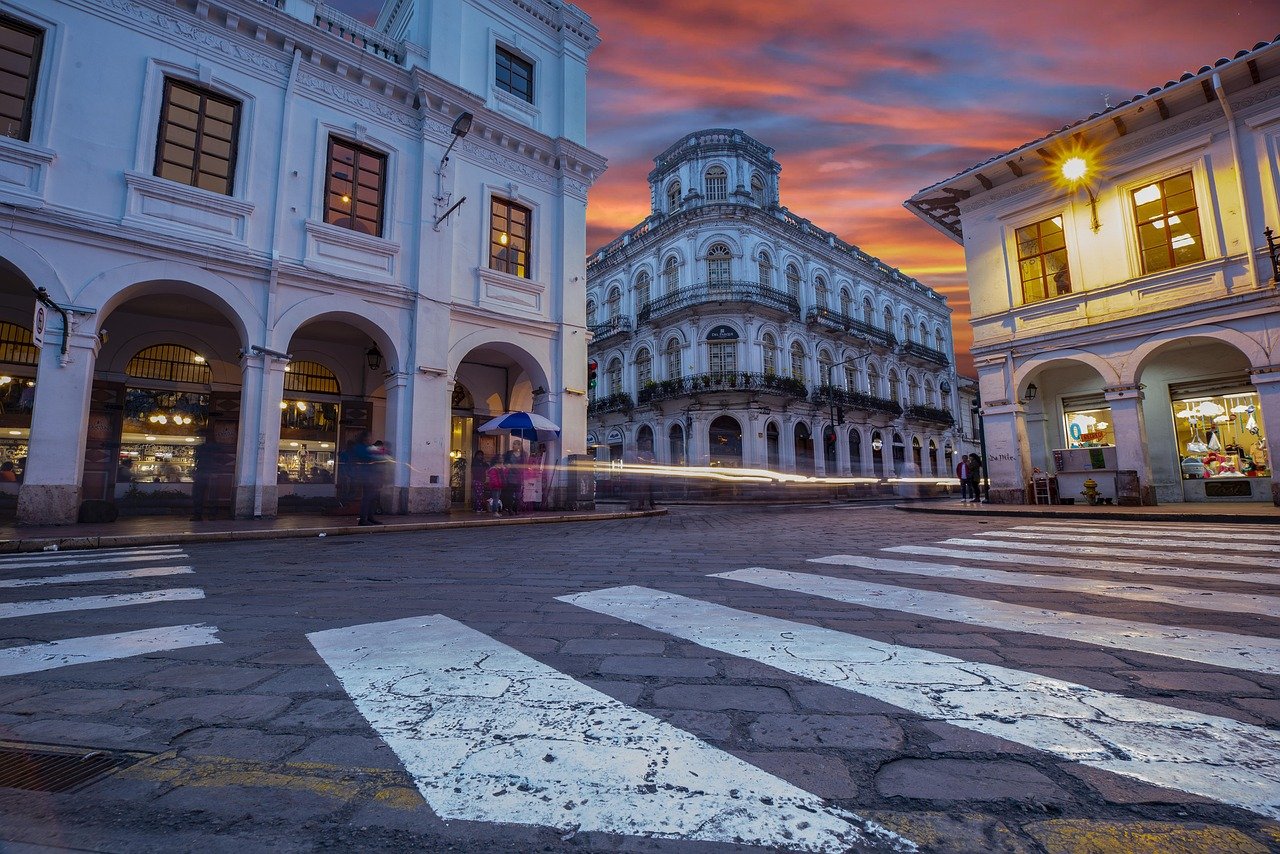
Start your morning in Downtown El Paso, exploring the El Paso Museum of Art and the historic Plaza Theatre. Head to the Segundo Barrio neighborhood for a lunch of carne asada and handmade flour tortillas at a local spot. In the afternoon, walk the street art murals along the arts district. End the evening with live music and drinks at a Downtown venue.
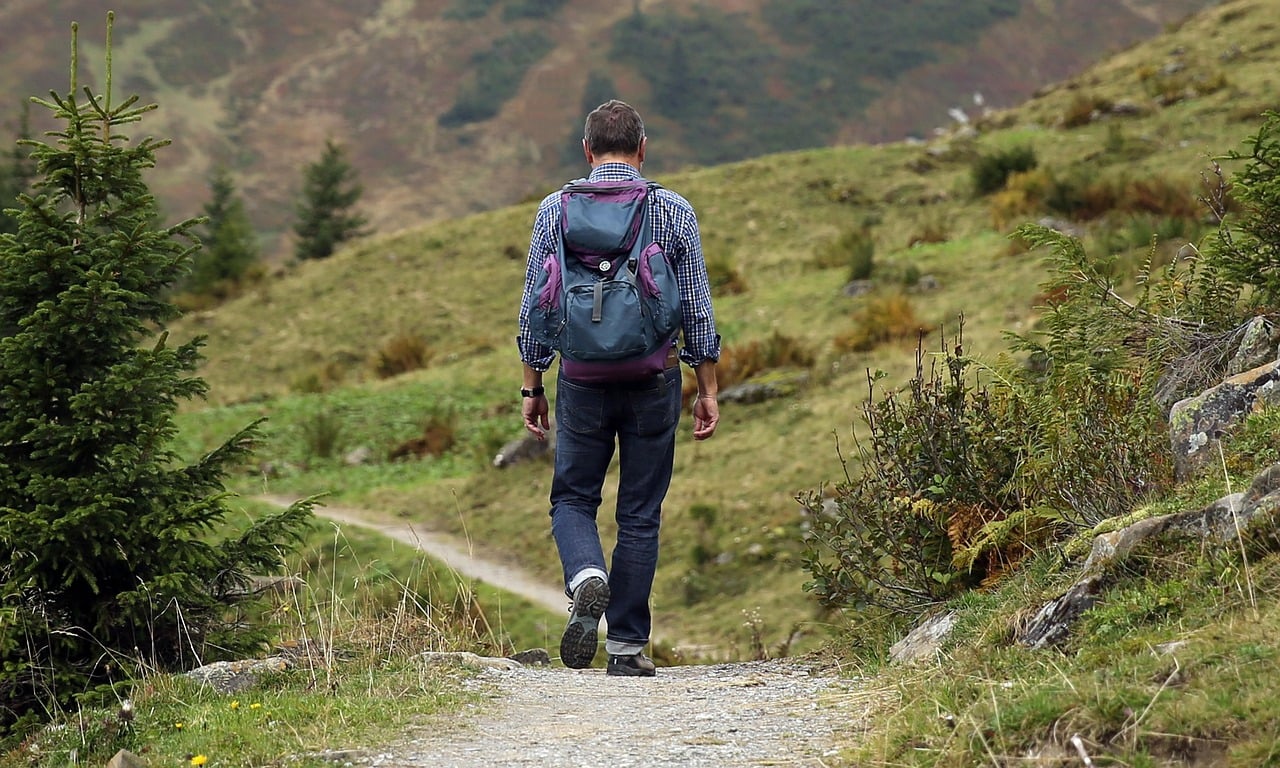
Spend the morning hiking the trails of Franklin Mountain State Park, the largest urban state park in the US, with sweeping views over the city and the Rio Grande valley. Pack a lunch and rest at a scenic overlook. In the afternoon, head east to Hueco Tanks State Park to see ancient pictographs and world-class bouldering terrain. Return to the city for a relaxed border-cuisine dinner.
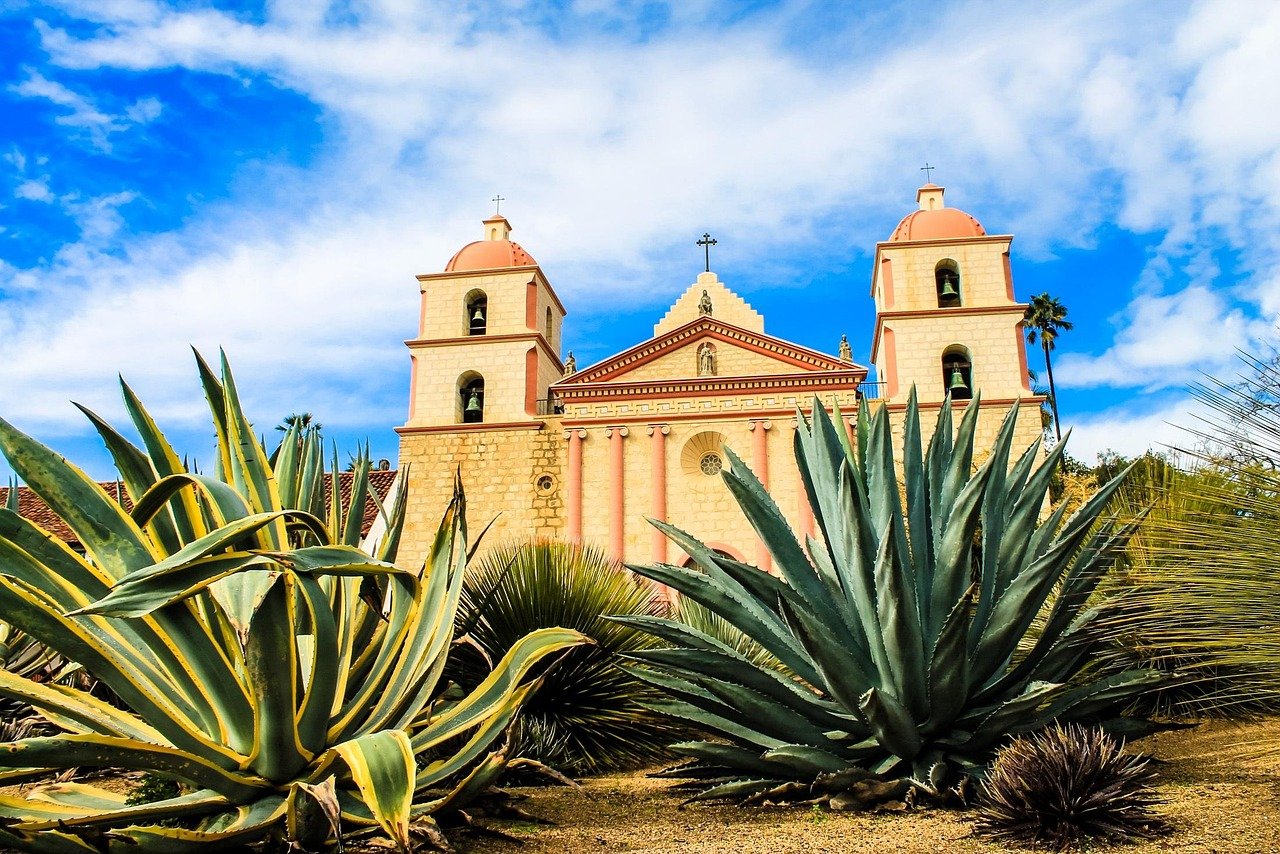
Follow the El Paso Mission Trail in the morning, visiting Ysleta Mission and Socorro Mission, two of the oldest continually active parishes in the United States. Stop for a late lunch at a family-run restaurant near the mission district. In the afternoon, browse the Chamizal National Memorial, which marks the historic US-Mexico border agreement. Close the trip with a sunset stroll along the Rio Grande.
El Paso pulses with cultural energy year-round, shaped by its border identity, desert setting, and deep community pride. Spring kicks off the festival season with outdoor music and cultural celebrations that reflect the city's binational spirit. Summer brings open-air performances and western heritage events under the wide Chihuahuan Desert sky. As temperatures cool, fall draws crowds to art festivals that transform downtown streets into open-air galleries, while the skies above host the thunderous spectacle of the Amigo Airsho. The holiday season closes the year with festive light displays and beloved performing arts traditions that bring families together across generations.
El Paso's food scene is one of the most distinctive on the American border, shaped by generations of cross-cultural exchange between Texas, New Mexico, and the Mexican state of Chihuahua. This is not Tex-Mex as it is commonly understood elsewhere. El Paso border cuisine is its own tradition, rooted in authentic northern Mexican cooking and refined over more than a century of binational life.
El Paso International Airport (ELP) sits about 5 miles northeast of Downtown
with direct flights from Dallas, Houston, Phoenix, Los Angeles, and Denver, plus on-site rental cars and rideshare pickup for a quick transfer into the city.
I-10 is the primary driving artery through El Paso
connecting the city to Tucson roughly 320 miles west and San Antonio about 550 miles east, making it a natural stop on a Southwest road trip.
From Albuquerque, the drive south on I-25 to I-10 west takes about 4 hours
covering roughly 265 miles through high desert terrain, with the Organ Mountains marking the approach to the El Paso metro.
Amtrak's Sunset Limited stops at El Paso Union Depot three times per week in each direction
linking the city to Los Angeles to the west and New Orleans to the east, though schedules are limited so book well in advance.
Greyhound and Flixbus both serve El Paso with regular routes
connecting to major Texas cities including San Antonio, Austin, and Dallas, as well as Albuquerque and other Southwest destinations at budget-friendly fares.
Renting a car at El Paso International Airport (ELP) is the most flexible option
since Franklin Mountain State Park, Hueco Tanks, and the Mission Trail are all spread out and require your own wheels to reach comfortably.
Sun Metro's Brio rapid transit line runs along Montana Avenue and Mesa Street
connecting Downtown El Paso to the UTEP campus and surrounding neighborhoods, making it a practical option if you are staying near those corridors.
Uber and Lyft are both active and reliable in El Paso
covering trips between Downtown, Kern Place, the Westside, and the airport, with wait times that are generally short during daytime hours.
Downtown El Paso and the Segundo Barrio are walkable within their own boundaries
so once you park or get dropped off, you can cover the arts district, murals, and local restaurants on foot without needing another ride.
Parking in El Paso is straightforward and inexpensive by major-city standards
with street parking and surface lots available throughout Downtown and near most attractions, so driving yourself is rarely a frustrating experience.
El Paso's desert climate means sun protection is non-negotiable year-round. Bring sunscreen, a hat, and extra water, especially if you are hiking in Franklin Mountain State Park or Hueco Tanks. Summer temperatures regularly exceed 100 degrees Fahrenheit, so plan outdoor activities for early morning.
Hueco Tanks State Park and Historic Site requires advance reservations for guided tours of the pictograph areas, and daily visitor numbers are strictly capped. Book through the Texas State Parks reservation system well before your trip.
Cash is useful at local taquerias and smaller border-area restaurants, though most Downtown establishments accept cards. Tipping follows standard American norms: 18 to 20 percent at sit-down restaurants.
The Sun City App and Google Maps both work well for navigating El Paso. Cell coverage is strong throughout the city. The border crossing into Ciudad Juarez is accessible on foot via the Paso del Norte International Bridge, but check current travel advisories before crossing.
Three to four days is a comfortable amount of time to explore El Paso. That gives you enough time to hike Franklin Mountain State Park, visit Hueco Tanks, walk the Mission Trail, explore the Downtown arts district and Segundo Barrio, and sample the local border food scene without feeling rushed.
El Paso is best known for its unique binational identity as a border city shared culturally with Ciudad Juarez, Mexico. It is also recognized for Franklin Mountain State Park, the world-class rock climbing at Hueco Tanks, its Spanish colonial Mission Trail, a deeply rooted border food tradition, and Fort Bliss, one of the largest military installations in the world.
Yes, El Paso works well as a weekend trip, especially from nearby cities like Albuquerque, Tucson, or San Antonio. In two days you can cover the highlights - Franklin Mountain State Park, the Mission Trail, and the Downtown food and arts scene. A long weekend gives you time to add Hueco Tanks.
El Paso is one of the more affordable destinations in Texas. Accommodation, dining, and activities tend to cost less than in Austin or Dallas. Many of the best experiences - hiking Franklin Mountain State Park, exploring street art, and eating at local taquerias - are low-cost or free, making it a budget-friendly trip.
Spring (March to May) and fall (September to November) offer the most pleasant weather for outdoor activities, with mild temperatures and low humidity. Summers are hot in the Chihuahuan Desert, so early morning hikes are recommended if you visit between June and August.