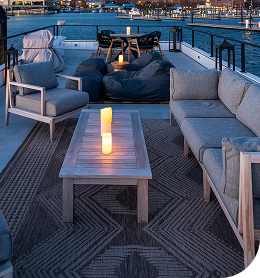

Baltimore, MD
A Journey guide to
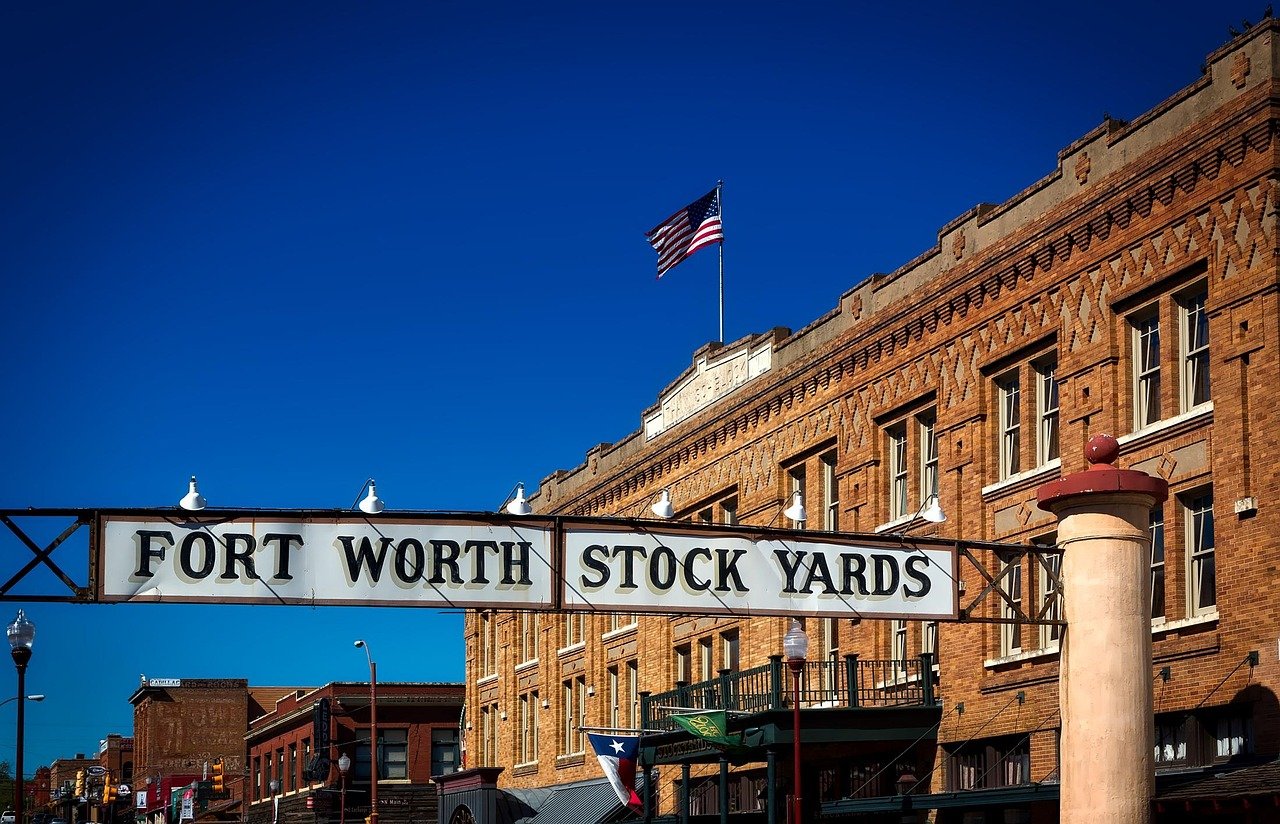
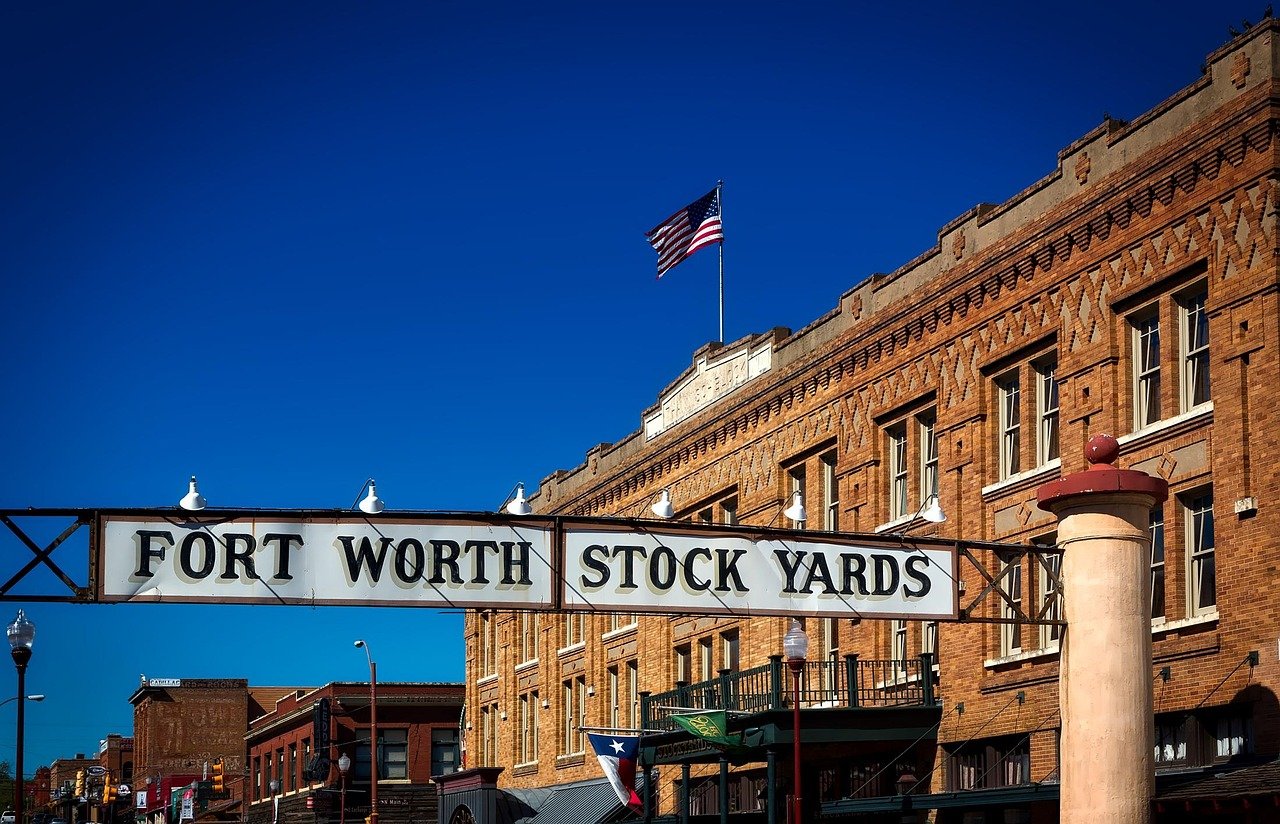
Fort Worth occupies a rare position in American travel: a city that has never had to invent its identity. Born as a military outpost on the Trinity River in 1849 and hardened by decades as the last major stop on the Chisholm Trail, it earned the nickname "Cowtown" honestly. That legacy is not nostalgia here — it is a living, daily presence felt in the morning cattle drives along Exchange Avenue, the creak of boots on wooden boardwalks, and the smell of mesquite smoke drifting through the Stockyards National Historic District.
Yet Fort Worth refuses to be reduced to a single story. The Cultural District is one of the most concentrated museum corridors in the American South, anchored by three architecturally landmark institutions: the Kimbell Art Museum, designed by Louis Kahn; the Modern Art Museum of Fort Worth, housed in a Tadao Ando building reflected across a still pond; and the Amon Carter Museum of American Art. Together, they draw serious collectors, architecture enthusiasts, and art travelers who might otherwise bypass North Texas entirely.
The city also has a thriving live music and culinary identity rooted in Texas honky-tonk, craft barbecue, and an increasingly ambitious restaurant scene centered on the Near Southside neighborhood. Billy Bob's Texas, the world's largest honky-tonk, sits within walking distance of the Stockyards, while independent chefs are redefining Texas cuisine in converted storefronts just a few miles south.
Fort Worth attracts a broad spectrum of travelers: history seekers drawn to the frontier narrative, art lovers making a dedicated pilgrimage to the Cultural District, families looking for an authentically Texan experience, and urban explorers discovering a downtown that has quietly become one of the most walkable in the state. It rewards visitors who stay long enough to move between its distinct neighborhoods and realize how much ground a single city can cover.
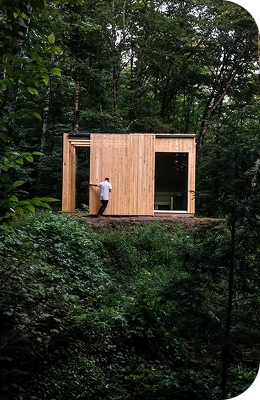

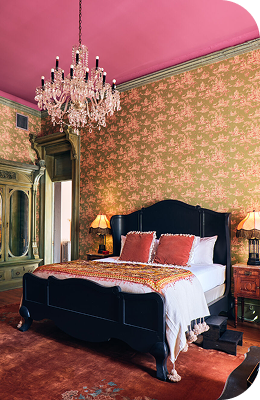

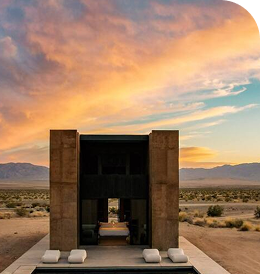

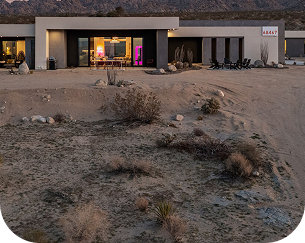

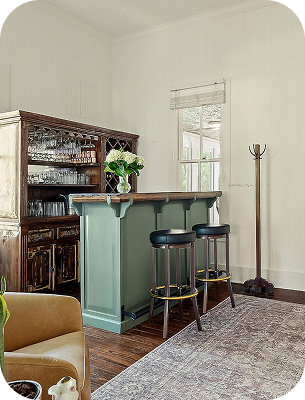

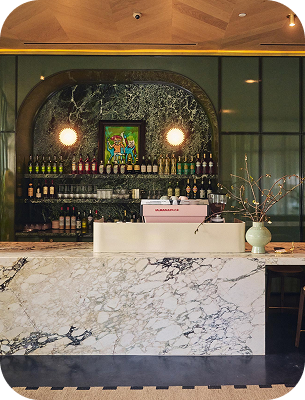

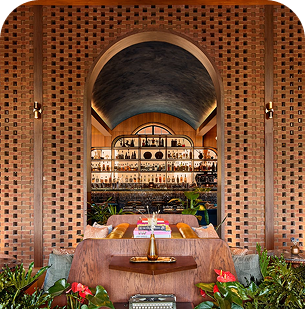

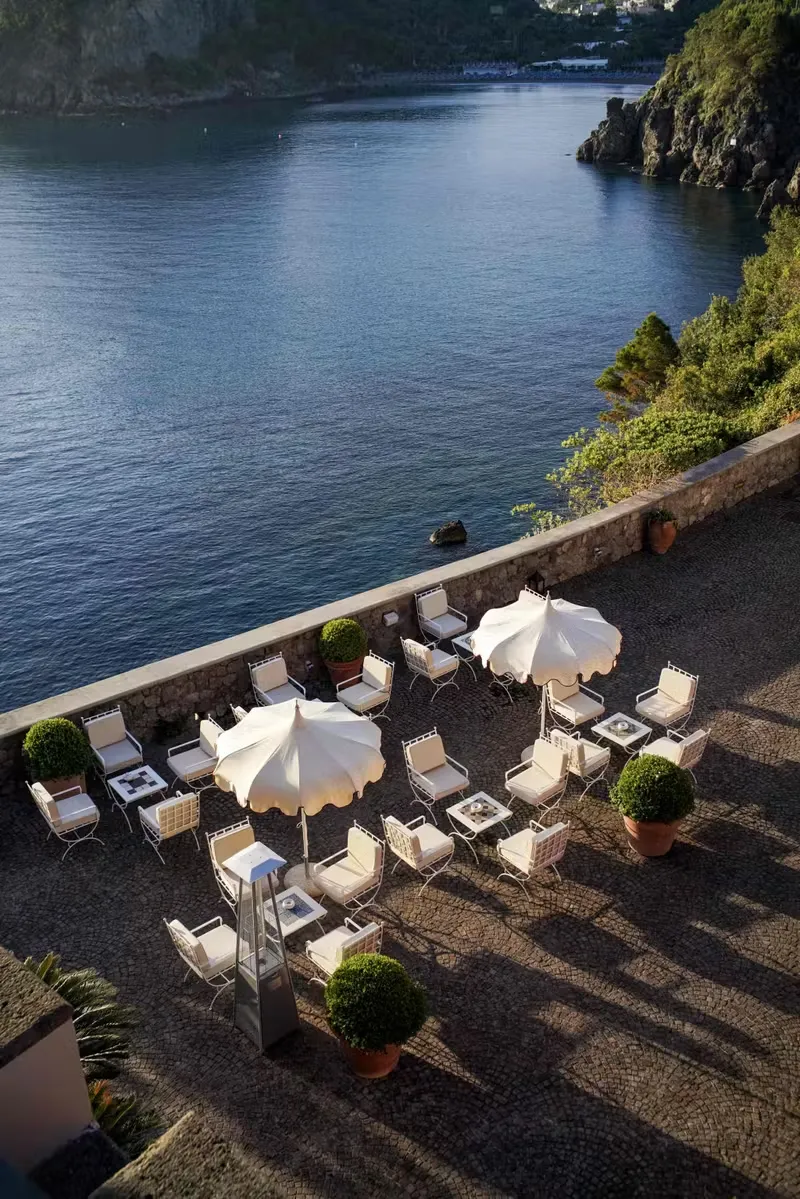

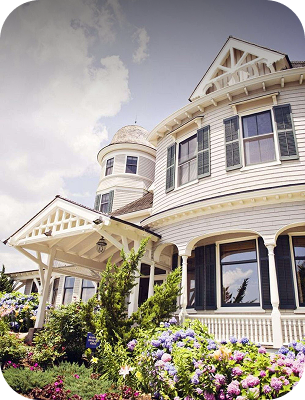

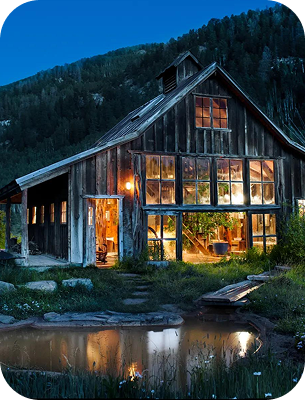

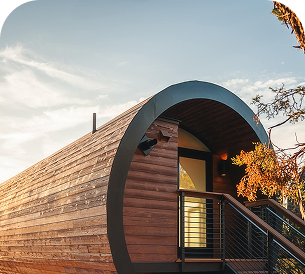

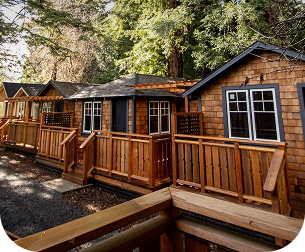

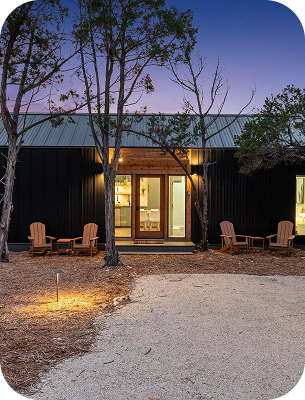
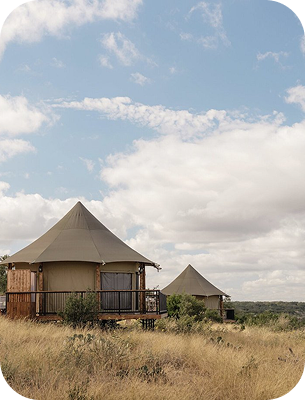

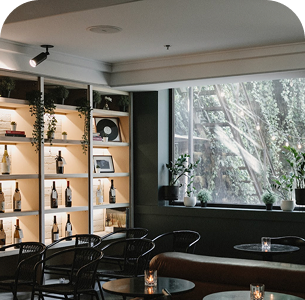

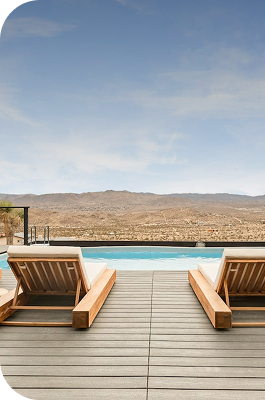

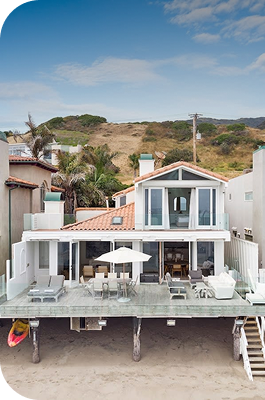

Journey connects travelers to a curated network of boutique hotels and distinctive residences around the world, all united under one rewards program. Explore handpicked stays for your trip while earning points, unlocking exclusive offers, and receiving rewards across the Journey collection.
Fort Worth sits in the rolling Cross Timbers region of North Central Texas, roughly 30 miles west of Dallas along the I-30 corridor. The two cities form the core of the Dallas-Fort Worth Metroplex, one of the fastest-growing urban regions in the United States, but Fort Worth has always guarded its own character fiercely. Where Dallas leans toward finance and fashion, Fort Worth tilts toward ranching heritage, arts patronage, and a civic pride rooted in place rather than image.
The city was established in 1849 as a U.S. Army outpost named for General William Jenkins Worth, positioned to protect settlers moving into the frontier. After the army departed, Fort Worth survived and grew because of cattle. The Chisholm Trail passed directly through, and by the 1870s the city had become the primary staging and supply point for Texas ranchers driving herds north to Kansas railheads. When the railroad arrived in 1876, the cattle trade consolidated here, and the Stockyards district became one of the most important livestock markets in the nation. That infrastructure, those pens, those auction houses, and that particular swagger, still defines the city's northwest quarter.
The Cultural District emerged in the 20th century through deliberate civic investment and the philanthropy of families like the Amon Carters and the Kimbells. The result is a walkable concentration of world-class institutions that feels more like a European museum quarter than anything typically associated with Texas. The Kimbell's permanent collection alone, spanning ancient to modern works, would be the envy of cities twice Fort Worth's size.
Downtown Fort Worth has undergone sustained revitalization anchored by Sundance Square, a 35-block mixed-use district that has made the city center genuinely livable and pedestrian-friendly. The Near Southside, once overlooked, now pulses with independent restaurants, music venues, and creative businesses. Fort Worth is a city of distinct quarters, each with its own gravitational pull, and the traveler who moves between them discovers a destination far more layered than its Cowtown reputation suggests.
October and November are the sweet spot for most visitors to Fort Worth. Crowds thin after the summer peak, outdoor spaces become genuinely comfortable, and the city's cultural calendar fills with events, festivals, and live music that take full advantage of the season. The Fort Worth Stock Show and Rodeo, held each January and February, is the single largest annual event in the city and draws visitors from across the country — book accommodation well in advance if that experience is the goal, as hotels fill quickly and prices rise accordingly.
Spring, particularly March through early May, is another strong window. The Near Southside restaurant scene and the Stockyards are at their most lively, and the Cultural District museums are easy to enjoy without the summer heat making outdoor transitions between venues uncomfortable. Wildflower season across North Texas peaks in April, which adds a scenic dimension to any drives out of the city.
Summer is the least recommended period for first-time visitors who plan to spend significant time outdoors. The Stockyards, the Trinity Trails, and the Botanic Garden are all far more enjoyable when the heat has broken. That said, summer does bring a packed schedule at Billy Bob's Texas and other live music venues, and travelers who prioritize indoor cultural experiences — the Kimbell, the Modern, the Amon Carter — will find the museums blissfully uncrowded on weekday mornings.
December is an underrated month to visit. Holiday programming at Sundance Square and the Stockyards creates a festive atmosphere, crowds are manageable outside of the week between Christmas and New Year, and the city's honky-tonk and barbecue scene carries on at full strength regardless of the season.
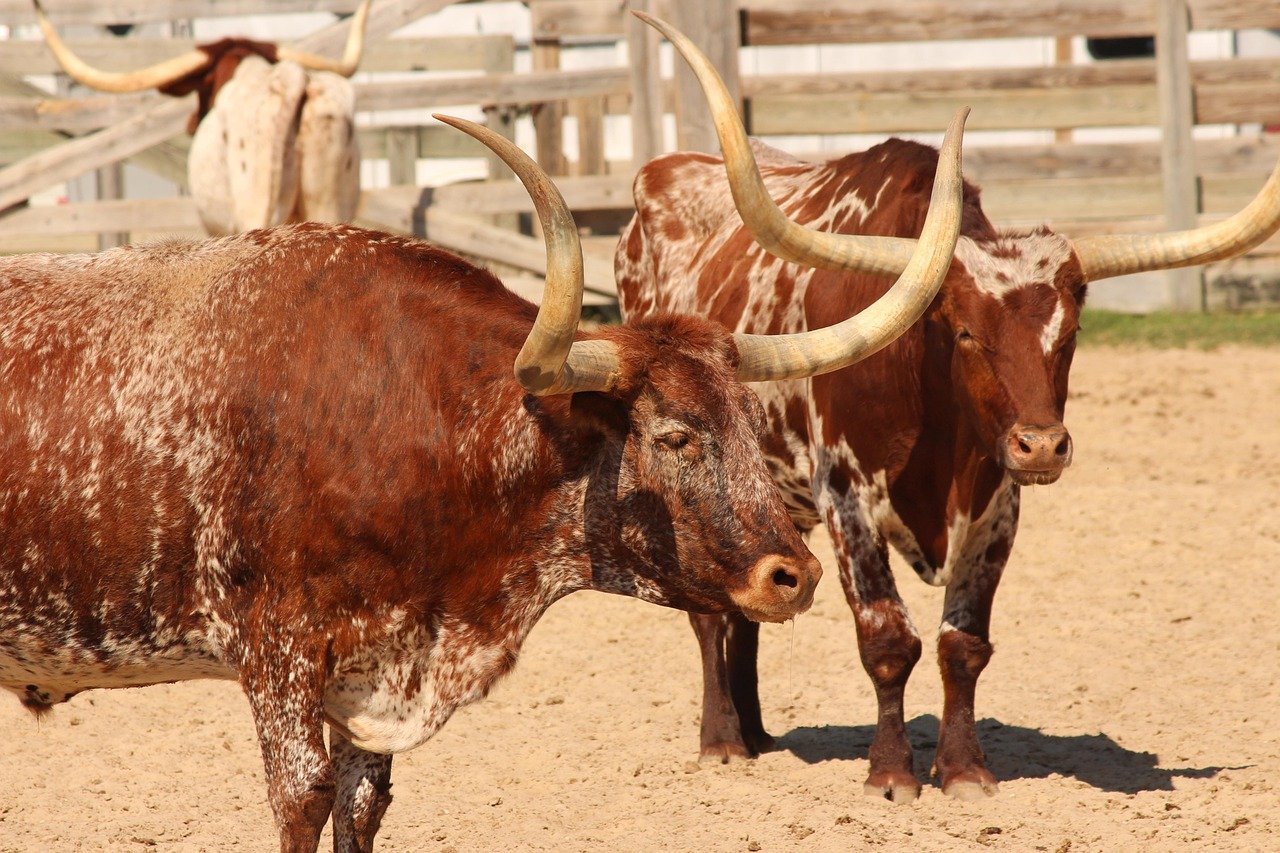
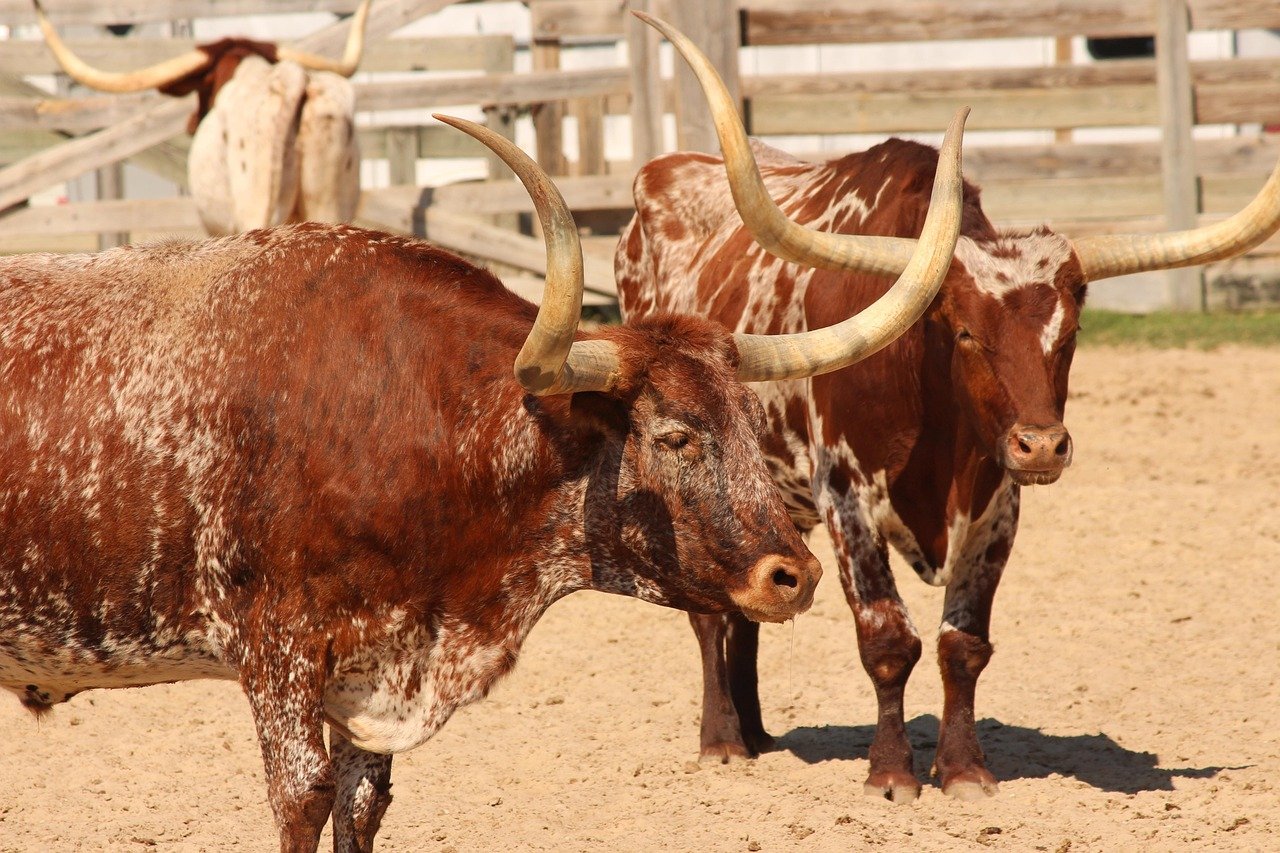
The soul of Cowtown, the Stockyards is a living piece of American frontier history where longhorn cattle still drive down Exchange Avenue twice daily. Wooden boardwalks, working saloons, and the world's largest honky-tonk, Billy Bob's Texas, make this the most authentically Western neighborhood in the country. It draws visitors looking for rodeos, live country music, and a genuine sense of place rooted in the cattle-drive era.
Fort Worth's Cultural District is one of the most impressive museum corridors in the American South, anchored by three architecturally landmark institutions within walking distance of one another. The Kimbell Art Museum, the Modern Art Museum of Fort Worth, and the Amon Carter Museum of American Art draw serious art lovers and architecture enthusiasts from around the world. The neighborhood has a refined, unhurried character - wide boulevards, green lawns, and the kind of quiet that lets great buildings breathe.
Near Southside is Fort Worth's most creative and culinarily ambitious neighborhood, built across a grid of converted storefronts, independent restaurants, and local bars. It is where younger chefs are redefining Texas cuisine and where the city's arts and nightlife scenes feel most alive and forward-looking. Magnolia Avenue serves as the main artery, lined with coffee shops, craft cocktail bars, and some of the best independent dining in North Texas.
Sundance Square is the walkable heart of downtown Fort Worth, a 35-block district of red-brick streets, open plazas, and a dense mix of dining, shopping, and entertainment. It is one of the most genuinely pedestrian-friendly downtowns in Texas, with a lively public square that hosts concerts, markets, and community events year-round. The area balances urban energy with an approachable, human-scaled design that makes it easy to spend an entire afternoon on foot.
Fort Worth's most defining experiences are rooted in the American West, and no other major city in the country can offer them in quite the same way.
The Fort Worth Stockyards
The Stockyards National Historic District is the experience most travelers come specifically to Fort Worth for. Twice daily, longhorn cattle are driven down Exchange Avenue in what is believed to be the only twice-daily cattle drive in the world. The boardwalks, saloons, rodeo arenas, and working livestock pens are not a reconstruction or a theme park imitation. They occupy the actual grounds where millions of cattle were traded during the peak of the Texas cattle industry. Attending a rodeo at Cowtown Coliseum, watching the cattle drive from the sidewalk, and exploring the Stockyards history on foot is an experience with no equivalent elsewhere.
World-Class Architecture and Art in the Cultural District
Art travelers make dedicated trips to Fort Worth specifically to see the Kimbell Art Museum and the Modern Art Museum of Fort Worth side by side. Louis Kahn's Kimbell building, with its vaulted cycloid concrete ceilings and natural light, is considered one of the finest museum buildings in the world. Tadao Ando's Modern, reflected across its still water feature, is equally significant. Experiencing both on the same afternoon, within walking distance of each other, is a rare architectural and artistic encounter available nowhere else in Texas.
Honky-Tonk at Billy Bob's Texas
Billy Bob's Texas holds the Guinness record as the world's largest honky-tonk, with room for over 6,000 guests, an indoor bull-riding arena, and dozens of bar stations. Seeing a live country performance here, on the same stage where Willie Nelson and Waylon Jennings have played, is a specifically Fort Worth experience that defines the city's relationship with Texas music culture.
Fort Worth offers travelers a surprisingly diverse range of activities across its distinct neighborhoods, from frontier history to world-class art to live Texas music.
Outdoor Recreation and Scenic Exploration
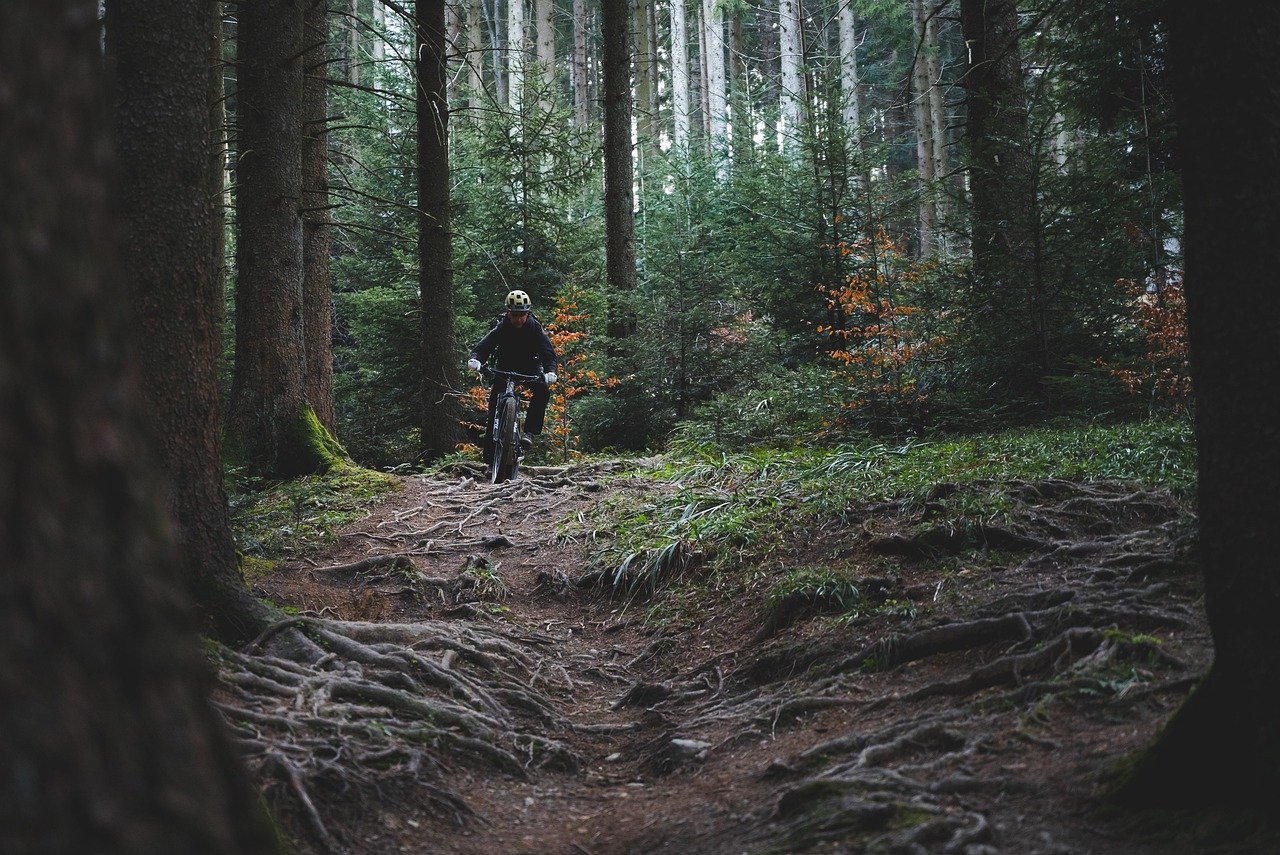
The Trinity River corridor provides miles of trails, green space, and waterways ideal for cycling, jogging, and kayaking. Panther Island Pavilion hosts outdoor concerts and water activities along the river, while the Fort Worth Botanic Garden, one of the oldest in Texas, offers peaceful walks through themed gardens and a Japanese garden. Trinity Park and the broader Trinity Trails network connect neighborhoods and give cyclists and walkers a green spine through the city.
Cultural Attractions and Arts
Fort Worth's Cultural District is one of the most impressive museum corridors in the American South. The Kimbell Art Museum, housed in Louis Kahn's landmark building, holds a focused collection of exceptional depth. The Modern Art Museum of Fort Worth, designed by Tadao Ando, sits beside a reflecting pond and presents major contemporary works. The Amon Carter Museum of American Art specializes in photography and American painting and sculpture. The Fort Worth Museum of Science and History and the National Cowgirl Museum and Hall of Fame round out the district.
Food and Dining
The Near Southside neighborhood is the center of Fort Worth's most ambitious culinary scene, with independent restaurants, craft breweries, and coffee shops in converted storefronts. The Stockyards area offers classic Texas barbecue and Western-themed saloons, while downtown supports a growing range of chef-driven dining options.
Arts and Entertainment
Live music anchors Fort Worth's nightlife. Billy Bob's Texas, the world's largest honky-tonk, hosts national country acts and local performers. The Bass Performance Hall in Sundance Square presents opera, symphony, ballet, and touring Broadway productions, making Fort Worth a genuine performing arts destination.
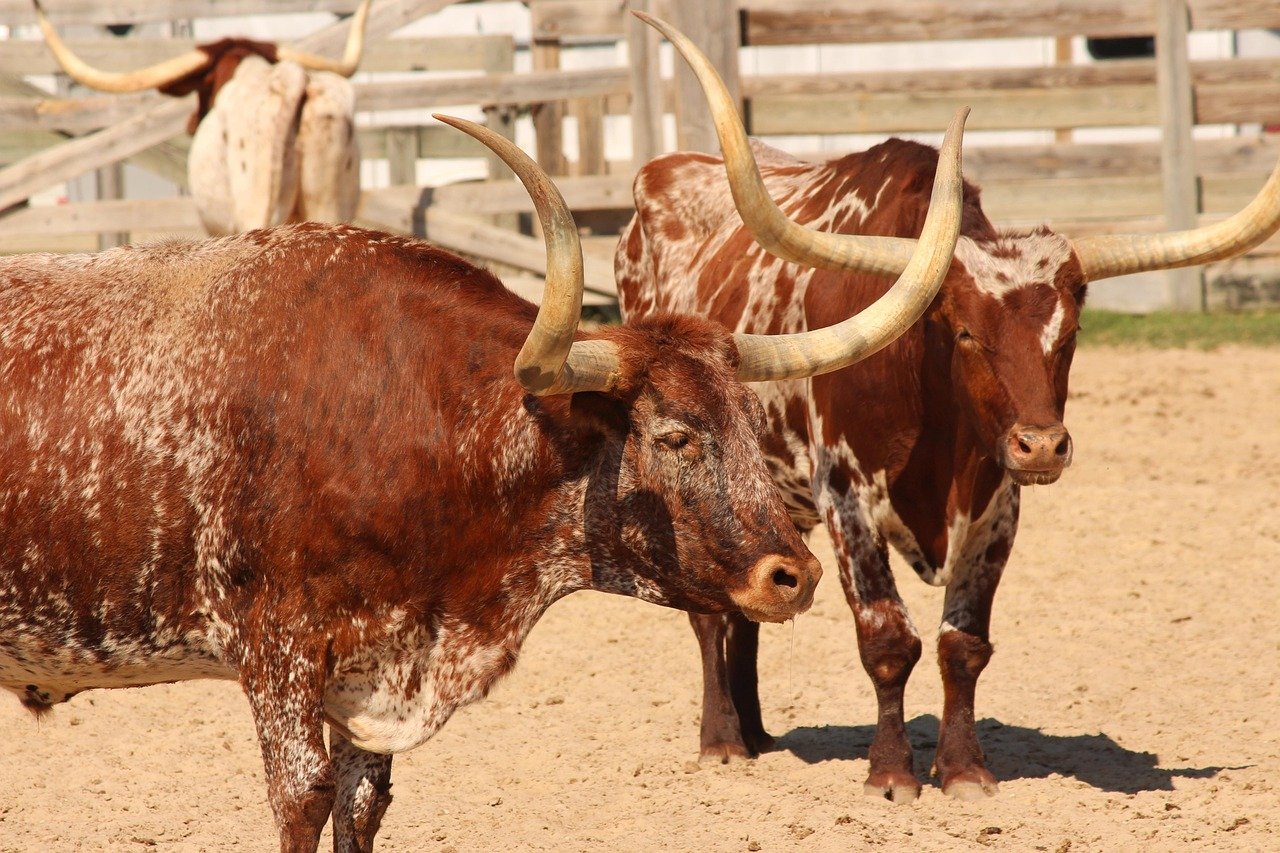
Start your morning at the Fort Worth Stockyards National Historic District - catch the daily longhorn cattle drive along Exchange Avenue at 11:30am. Browse the Western shops and grab lunch at a classic Texas barbecue spot nearby. In the afternoon, step inside Billy Bob's Texas for a look at the world's largest honky-tonk. Come evening, stay in the Stockyards for live country music and cold beer.
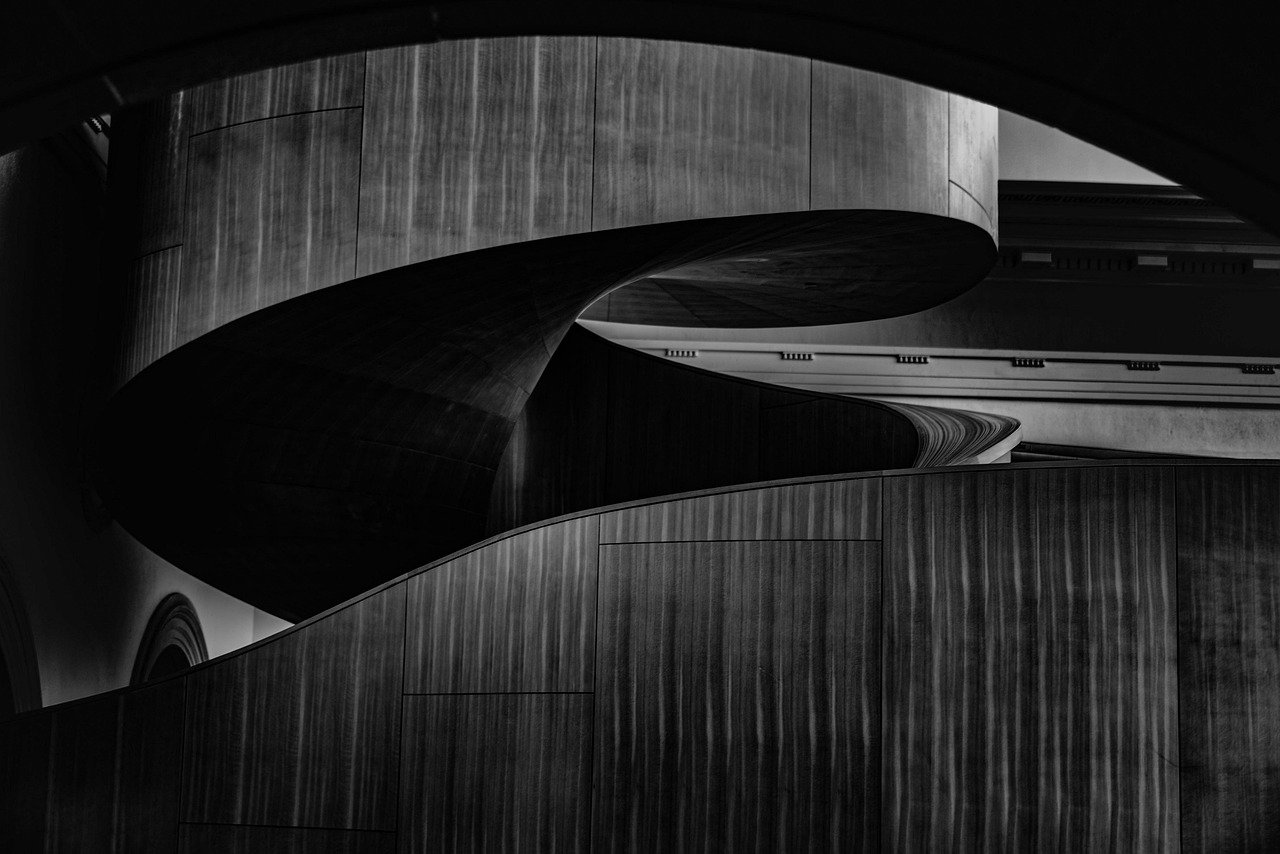
Dedicate the morning to the Cultural District - start at the Kimbell Art Museum to admire its Louis Kahn architecture and world-class collection. Walk over to the Modern Art Museum of Fort Worth after lunch to see the striking Tadao Ando building reflected across its pond. Wrap up at the Amon Carter Museum of American Art before heading to the Near Southside neighborhood for dinner at one of its ambitious independent restaurants.
Spend the morning exploring downtown Fort Worth on foot - Sundance Square is a great starting point, with its pedestrian-friendly plazas and local coffee shops. Head to the Fort Worth Water Gardens for a mid-morning stop before browsing the shops and galleries along Magnolia Avenue in the Near Southside. Close out your trip with a Texas-sized dinner back in the Stockyards and one final night of honky-tonk music.
Fort Worth moves through the year with a rhythm shaped equally by its Western heritage and its surprisingly deep cultural calendar. Spring draws crowds to the Stockyards for rodeo competitions and outdoor festivals, while the warming weather pulls locals into the Near Southside's open-air dining scene and the Cultural District's sculpture gardens. Summer in Fort Worth leans into live music, with honky-tonks staying busy well past midnight and outdoor venues filling with country, blues, and rock acts. The heat rarely slows the city down. Fall is arguably Fort Worth's finest season: temperatures soften, the cattle drives along Exchange Avenue feel especially cinematic in the golden light, and the city's concert calendar reaches its peak with major touring acts and genre-spanning music festivals. Winter brings a quieter, more local energy, with the Stockyards hosting holiday events and the museum corridor drawing visitors seeking world-class art in an unhurried setting.
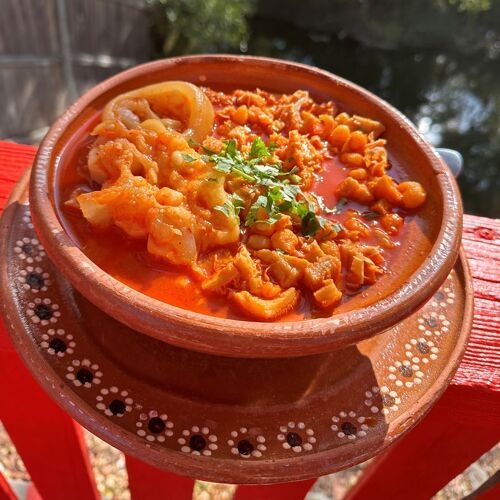
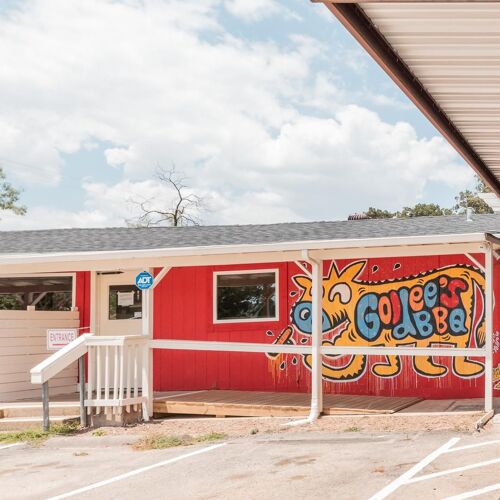
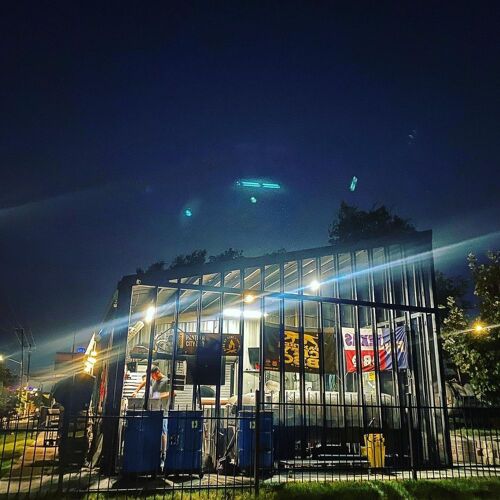
Fort Worth's culinary identity is as layered as the city itself, rooted in Texas tradition but increasingly shaped by ambitious chefs pushing the cuisine forward.
Dallas/Fort Worth International Airport (DFW) is the main arrival point for most visitors,
sitting about 17 miles northeast of downtown Fort Worth with rideshare, rental cars, taxis, and the Trinity Railway Express (TRE) commuter rail all available for the roughly 30-minute trip into the city.
Dallas Love Field (DAL) is a viable alternative if you're flying Southwest Airlines,
though it adds about 35 miles to your approach and requires a rideshare or rental car, as no direct rail connection runs to Fort Worth from that airport.
Driving in from Dallas via I-30 west is the most common road approach,
taking around 30 minutes in light traffic, though peak-hour congestion near the I-35W interchange can push that to 45-60 minutes, so plan arrivals outside of morning and evening rush.
Amtrak's Texas Eagle stops at Fort Worth's T&P Station on West Lancaster Avenue,
connecting the city to Dallas, San Antonio, and Chicago, though the train runs only three days per week in each direction, so check the schedule well in advance when building your itinerary.
Driving from Austin on I-35W north covers roughly 195 miles,
a trip of about three hours under normal conditions, making it a manageable same-day drive that many Texas travelers combine with a stop in Waco.
The Stockyards National Historic District is compact and best explored on foot,
with Exchange Avenue, the livestock pens, and Billy Bob's Texas all within easy walking distance of each other, making a car unnecessary once you've parked or been dropped off.
Molly the Trolley runs a free loop connecting downtown Fort Worth and Sundance Square to the Cultural District,
operating on a regular schedule and saving visitors the cost of a rideshare for the roughly 1.5-mile trip between those two areas.
The Cultural District's three major museums - the Kimbell, the Modern, and the Amon Carter - are within a short walk of each other,
so visitors can cover all three in a single day without moving a car, though street parking on Camp Bowie Boulevard is available if you drive.
Rideshare via Uber and Lyft is widely available across Fort Worth,
but travelers planning to visit the Stockyards, Cultural District, Near Southside, and downtown in a single trip will find that renting a car at DFW is more cost-efficient than paying for four or five separate rides.
Parking near Billy Bob's Texas and Exchange Avenue fills quickly on Friday and Saturday evenings,
so arriving before 7 p.m. or using one of the paid lots on Rodeo Plaza gives you the best chance of finding a spot without a long walk.
Fort Worth operates on Central Time and has a generally casual, friendly culture where Western attire is common and welcomed rather than performative. Tipping follows standard U.S. norms: 18-20% at sit-down restaurants, a few dollars for bar service, and standard rates for rideshare. Most attractions accept card payments, but carrying some cash is useful at smaller honky-tonks and outdoor vendors in the Stockyards. The Fort Worth Stock Show and Rodeo in January and February is the city's biggest annual event and drives significant hotel price increases, so book well ahead if your dates overlap. Summers in Fort Worth are hot, with temperatures regularly exceeding 100 degrees Fahrenheit in July and August; morning sightseeing and shaded museum days are the smart approach. Download the Uber or Lyft app before arriving, as street hails are not common. The Visit Fort Worth app and website offer event calendars that are worth checking before finalizing your itinerary.
Two to three days is ideal for Fort Worth. One day covers the Stockyards National Historic District and its daily cattle drives. A second day works well for the Cultural District's museums, including the Kimbell and the Modern Art Museum. A third day lets you explore the Near Southside neighborhood for food, music, and local character.
Fort Worth is best known for its Western heritage, particularly the Stockyards National Historic District, where daily cattle drives still take place along Exchange Avenue. It is also recognized for its world-class Cultural District, home to the Kimbell Art Museum and the Modern Art Museum of Fort Worth, and for Billy Bob's Texas, the world's largest honky-tonk.
Yes, Fort Worth works very well as a weekend trip. Two days is enough to cover the Stockyards, the Cultural District's major museums, and a meal or show in the Near Southside. It is especially practical for travelers based in Texas, given its location, and makes a strong standalone destination rather than just a stop alongside Dallas.
Fort Worth is relatively affordable compared to other major Texas cities. Many top attractions, including the Amon Carter Museum of American Art, are free. The Stockyards and Near Southside offer dining at a range of price points. Accommodation costs vary, but the city generally offers good value for a destination with this level of cultural depth.
Spring (March to May) and fall (September to November) offer the most comfortable weather for exploring Fort Worth, with mild temperatures and lower humidity. Summer months can be intensely hot, so outdoor activities like the Stockyards are best tackled early in the day.