
Baltimore, MD
A Journey guide to
Frisco, Texas has transformed from a small farming community into one of the fastest-growing cities in the United States, earning a reputation as a premier destination in the Dallas-Fort Worth metroplex. It is best known as a sports and entertainment hub, home to major professional and semi-professional teams, state-of-the-art stadiums, and a concentration of athletic facilities that few cities of its size can match. Frisco draws visitors who want big-city energy with a polished, suburban feel.
The city's sports identity is central to its character. Frisco is home to FC Dallas (MLS), the Frisco RoughRiders (Double-A baseball), and serves as the headquarters and training ground for the Dallas Cowboys at The Star, a sprawling 91-acre mixed-use development that includes the Cowboys' practice facility, a 12,000-seat indoor stadium, and a vibrant retail and dining district. Sports tourism is a defining draw for the city.
Beyond athletics, Frisco offers a robust cultural and entertainment scene anchored by the National Videogame Museum, the Sci-Tech Discovery Center, and the Museum of the American Railroad. The city's restaurant scene has matured considerably, featuring everything from chef-driven concepts to international cuisine, particularly concentrated around the Frisco Square and The Star districts. Families, corporate travelers, and sports fans all find compelling reasons to visit.
Frisco also appeals to travelers seeking upscale shopping and outdoor recreation. Stonebriar Centre is one of the largest malls in North Texas, while the Cottonwood Creek Trail system and nearby parks offer accessible green space. The city's rapid development has attracted luxury hotel brands and high-end resort-style accommodations, making it a credible destination for leisure stays rather than merely a stopover within the broader DFW corridor.
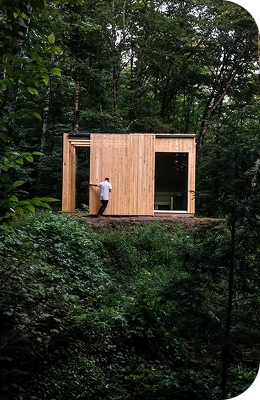

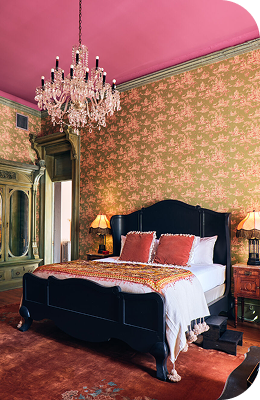









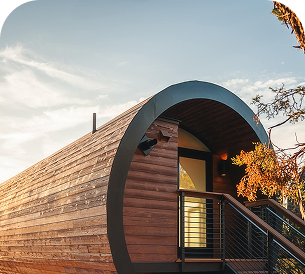

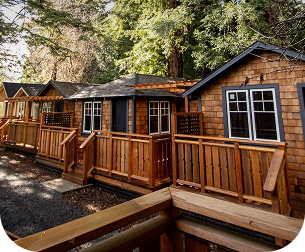

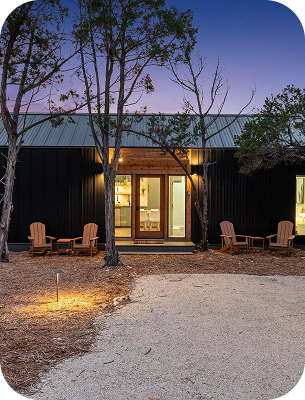

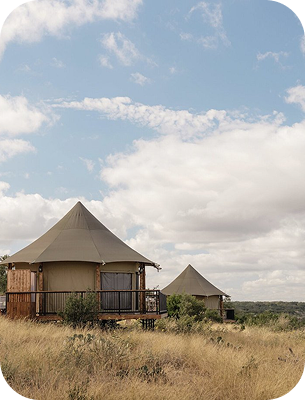




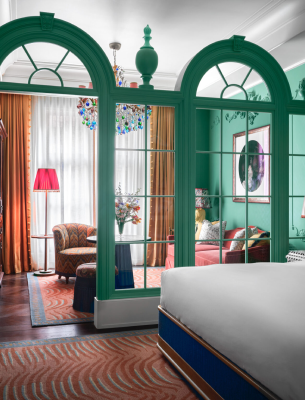
Journey connects travelers to a curated network of boutique hotels and distinctive residences around the world, all united under one rewards program. Explore handpicked stays for your trip while earning points, unlocking exclusive offers, and receiving rewards across the Journey collection.
Frisco sits in the northern reaches of the Dallas-Fort Worth metroplex, straddling Collin and Denton counties on the rolling prairie of North Texas. Located roughly 30 miles north of downtown Dallas along the Dallas North Tollway corridor, the city occupies a geographic position that has made it a natural landing point for corporate relocations, residential expansion, and destination-scale development over the past two decades.
Historically, Frisco was a modest railroad town established in the early 1900s, named after the St. Louis-San Francisco Railway that passed through the area. For much of the 20th century it remained a quiet agricultural community, with cotton farming shaping its early economy. The transformation began in earnest in the 1990s and accelerated sharply through the 2000s and 2010s, when the city became one of the fastest-growing municipalities in the entire country, repeatedly appearing on national rankings for population growth, economic vitality, and quality of life.
Today, Frisco's identity is defined by its ambition. The city has deliberately positioned itself as a sports and entertainment capital, attracting major league franchises, building world-class stadiums, and cultivating a corporate landscape that includes headquarters for companies across technology, finance, and healthcare. The Dallas Cowboys' decision to anchor The Star development in Frisco was a watershed moment, elevating the city's national profile and drawing a new tier of visitor.
Culturally, Frisco blends the civic pride of a fast-growing Texas city with a cosmopolitan edge driven by its diverse and highly educated population. The dining scene reflects this mix, with strong representation from South Asian, Latin American, and East Asian culinary traditions alongside contemporary American concepts. Public art installations, a growing performing arts calendar, and well-maintained parks give the city a sense of place that newer boomtowns often struggle to establish.
For travelers, Frisco offers a comfortable, well-resourced base with easy access to the broader DFW region, making it equally suited to leisure stays focused on sports and entertainment and to extended corporate visits.
Fall and spring are the sweet spots for visiting Frisco, offering the most comfortable outdoor conditions and a full calendar of events without the extremes of summer heat. October through November is arguably the best window: crowds are manageable, the city's outdoor spaces are at their most inviting, and the NFL and college football seasons drive a lively atmosphere around The Star and throughout the broader sports district. FC Dallas matches and Frisco RoughRiders playoff runs can also add energy to a fall visit.
Spring, particularly March through early May, is another strong choice. The city comes alive with youth sports tournaments, outdoor festivals, and increased activity at Frisco Square and local parks. Travelers who enjoy a packed events calendar and don't mind the possibility of afternoon thunderstorms will find spring rewarding. Spring break in late March brings families to Frisco in larger numbers, so booking accommodations early is advisable during that window.
Summer draws the biggest crowds tied to youth sports tournaments and family travel, with Frisco's many indoor attractions, including the National Videogame Museum and Sci-Tech Discovery Center, offering relief. However, the heat can limit how much time visitors comfortably spend outdoors, so summer is best suited to those with a primarily indoor or event-driven itinerary.
Winter is the quietest season for tourism in Frisco, making it a practical choice for travelers seeking lower hotel rates and shorter waits at popular restaurants and attractions. The period between Thanksgiving and the new year sees some festive programming around The Star and Frisco Square, while January and February offer the most uncrowded, budget-friendly experience. Sports fans should check the FC Dallas and Cowboys schedules, as live events remain one of the strongest reasons to visit regardless of season.
The Star is Frisco's most iconic destination, anchored by the Dallas Cowboys' world-class headquarters and practice facility. Beyond football, the 91-acre mixed-use development pulses with energy from its restaurants, shops, a 12,000-seat indoor stadium, and a hotel that puts guests at the center of the action. It is the defining symbol of Frisco's ambition and a must-visit for sports fans and curious travelers alike.
Frisco Square serves as the city's civic and cultural heart, a walkable downtown-style district built around a central plaza with restaurants, boutiques, and community events. The area has a planned yet lively character, with outdoor patios and green space that make it a natural gathering spot for locals and visitors. It is one of the best places in Frisco to stroll, dine, and get a feel for the city's community identity.
The Stonebriar Corridor is Frisco's premier retail and hospitality zone, centered on Stonebriar Centre, one of the largest malls in North Texas. The surrounding area is dense with hotels, chain restaurants, entertainment venues, and big-box retail, making it the practical base for many visitors to the city. It may lack the curated charm of Frisco Square, but it delivers convenience and variety in abundance.
Clustered around Toyota Stadium, home of FC Dallas and the Frisco RoughRiders' Dr Pepper Ballpark, this district comes alive on game days with tailgating energy and a concentrated strip of sports bars and casual dining. The area also houses the Museum of the American Railroad and is adjacent to several family-friendly attractions. Even outside of event days, it offers an accessible and relaxed corner of the city worth exploring.
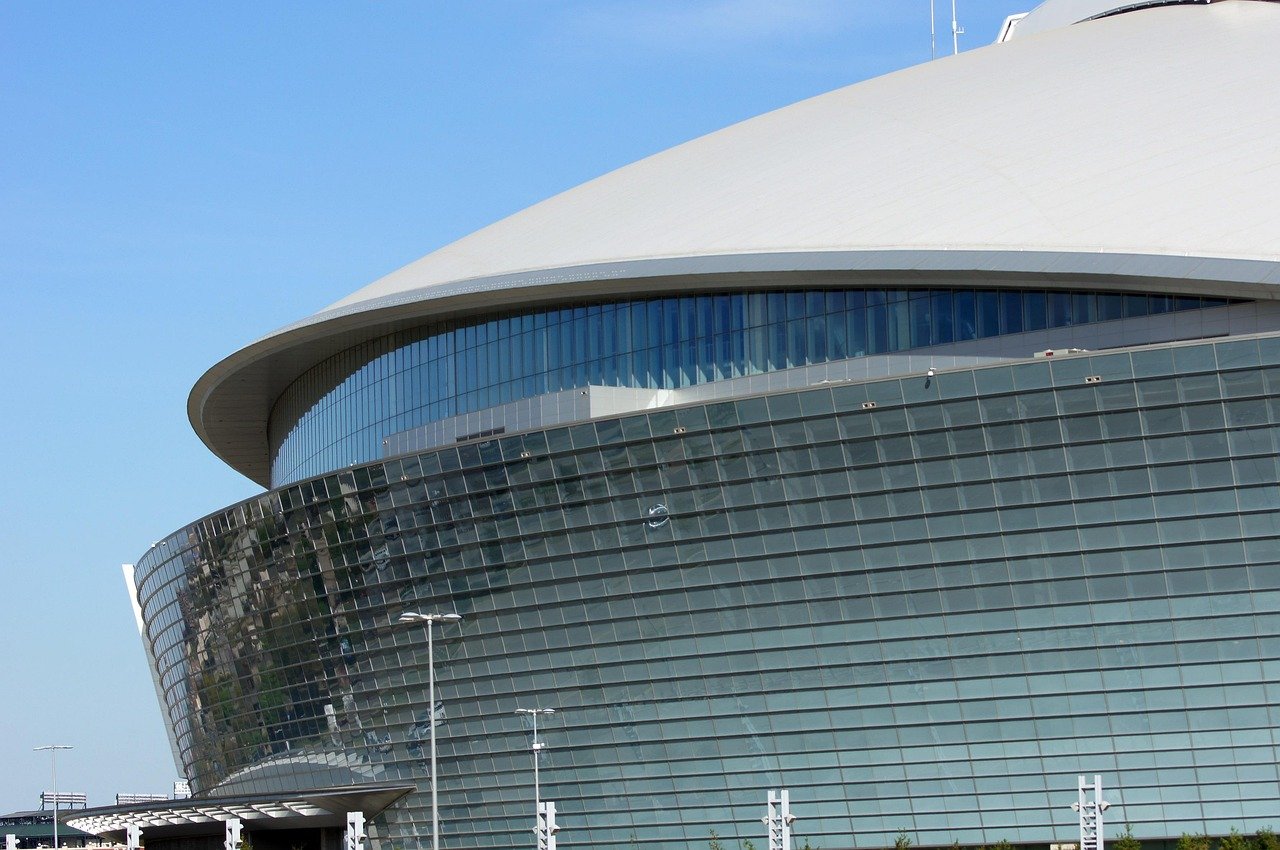
Frisco is defined above all by its identity as a sports city, and no experience captures that spirit more completely than a visit to The Star. This 91-acre mixed-use campus serves as the official headquarters and training facility of the Dallas Cowboys, one of the most recognized franchises in American professional sports. Visitors can tour the grounds, explore the Cowboys-themed retail and dining district, and catch a glimpse of the practice fields where NFL players prepare for the season. On game and event days, the 12,000-seat Ford Center at The Star transforms into one of the most electric indoor venues in North Texas.
FC Dallas brings Major League Soccer to Toyota Stadium, offering an accessible and energetic live sports experience that draws both devoted supporters and casual fans looking for an entertaining evening out. The stadium atmosphere, combined with the passionate supporter culture, makes a match day in Frisco a genuinely memorable outing.
Baseball fans find their own version of that energy at Riders Field, home of the Frisco RoughRiders, the Double-A affiliate of the Texas Rangers. Minor league baseball in Frisco is known for its fan-friendly pricing, creative promotions, and one of the best ballpark experiences in the minor leagues, regularly earning national recognition for its atmosphere and amenities.
For those drawn to gaming history and culture, the National Videogame Museum stands apart as a truly singular attraction. It is one of the only institutions in the world dedicated entirely to preserving and presenting the history of video games, and its combination of rare artifacts and playable exhibits makes it a destination in its own right.
Together, these experiences form the core of what makes Frisco worth the trip: a city that has built world-class sports infrastructure and paired it with cultural institutions that reflect its personality and ambition.
Frisco, Texas packs a remarkable range of activities into a modern, well-planned city that rewards visitors with far more than its suburban reputation might suggest. Whether you are drawn by sports, culture, family fun, or simply great food, Frisco delivers across every category.
Outdoor Recreation
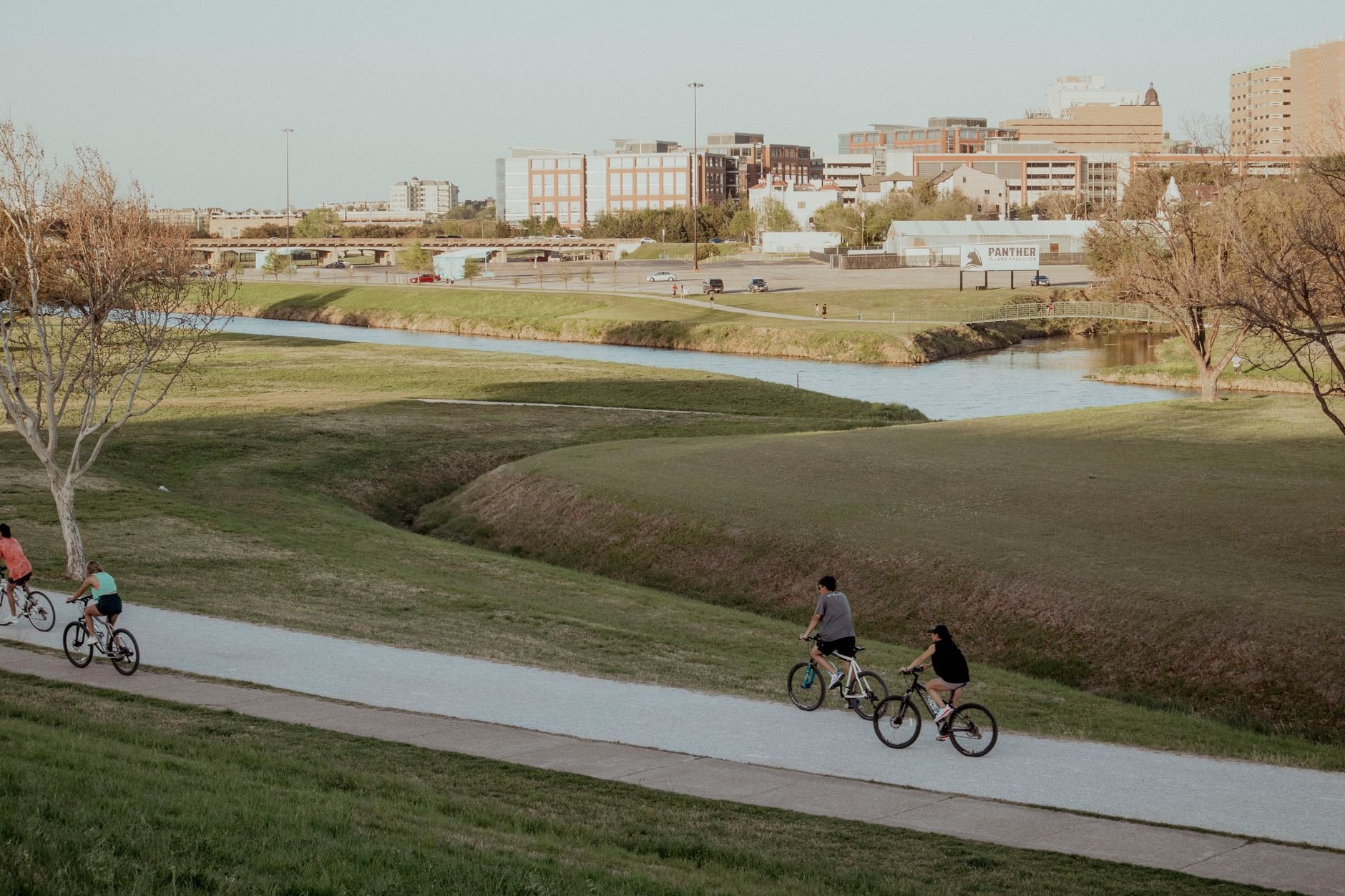
Frisco's park system and trail network offer accessible green space throughout the city. The Cottonwood Creek Trail is a favorite for walking, jogging, and cycling, connecting neighborhoods and parks in a continuous natural corridor. Frisco Commons Park and Eldridge Park provide open lawns, playgrounds, and picnic areas ideal for families. Nearby Lewisville Lake expands outdoor options to include fishing, kayaking, and lakeside recreation.
Cultural Attractions
Frisco punches well above its weight culturally. The National Videogame Museum is one of the most distinctive institutions in North Texas, chronicling the full history of gaming with hands-on exhibits. The Museum of the American Railroad preserves a significant collection of historic locomotives and rolling stock. The Sci-Tech Discovery Center engages younger visitors with interactive science and technology exhibits. Together, these attractions form a surprisingly rich cultural circuit.
Arts and Entertainment
The Frisco Arts District and Frisco Square host rotating public art installations, live performances, and community events throughout the year. Toyota Stadium and Comerica Center anchor the city's live entertainment calendar with concerts, sporting events, and family shows.
Food and Dining
Frisco's dining scene has matured into one of the most diverse in the DFW suburbs. The Star district concentrates chef-driven restaurants, sports bars, and upscale casual concepts in a walkable setting. Frisco Square adds neighborhood bistros, international cuisine, and local favorites to the mix.
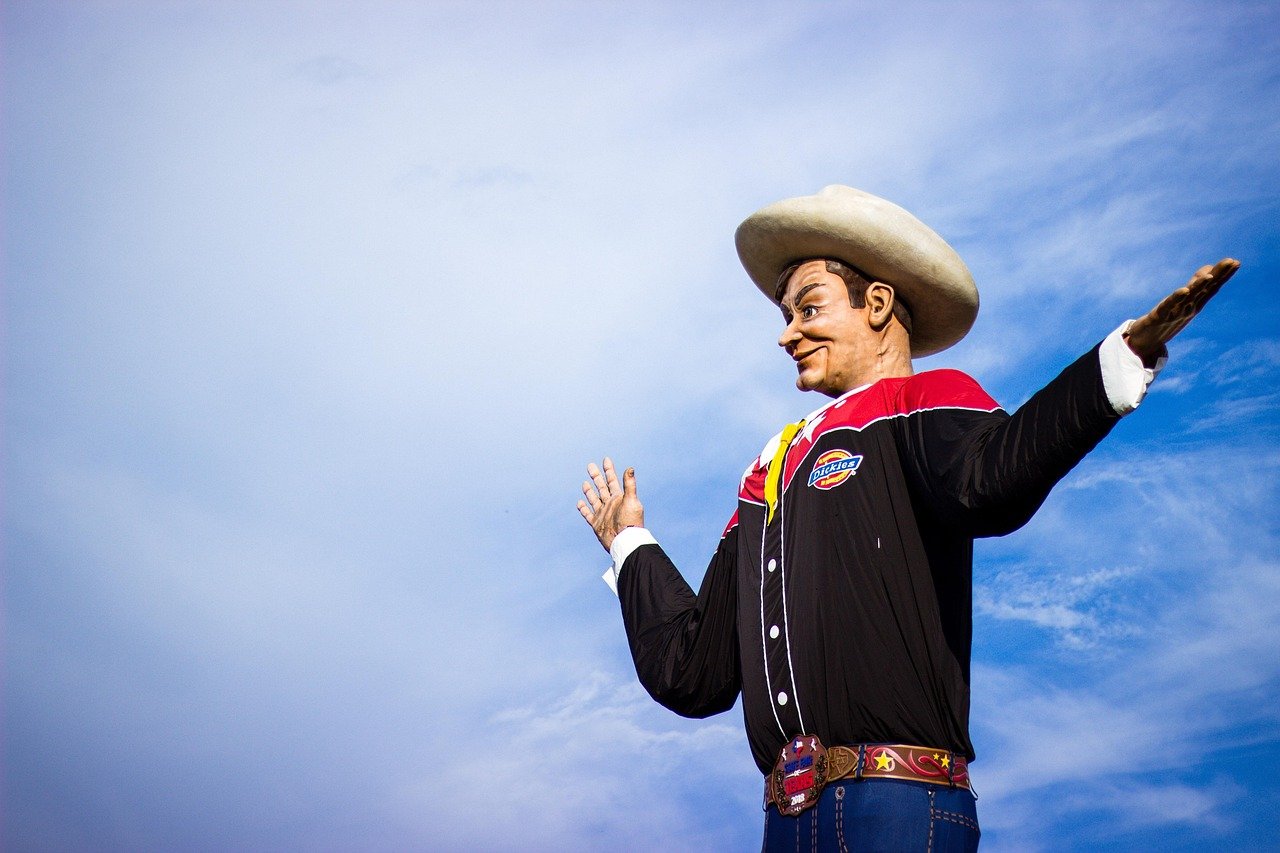
Start your morning at The Star in Frisco, the Dallas Cowboys' 91-acre headquarters, touring the facility and exploring the surrounding shops and cafes. Head to Frisco Square in the afternoon for lunch and a stroll through the open-air district. Cap the evening with dinner at one of the chef-driven restaurants along the Square, soaking in Frisco's polished suburban energy.

Spend the morning exploring Frisco's cultural side: visit the National Videogame Museum and the Museum of the American Railroad, both compact and family-friendly. After lunch, head to the Sci-Tech Discovery Center for hands-on exhibits. In the evening, catch a Frisco RoughRiders game at Riders Field for a classic minor league baseball experience under the Texas sky.
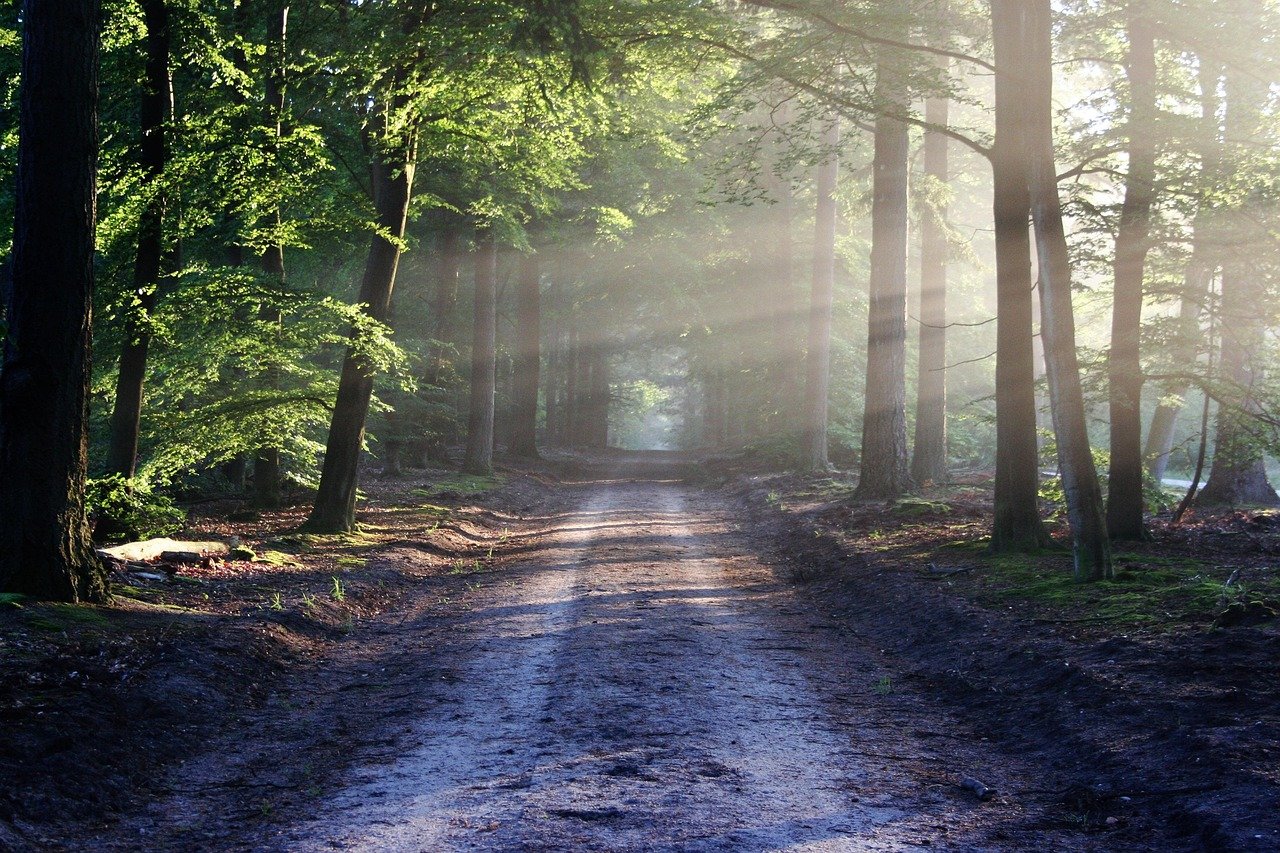
Begin the morning with a walk or bike ride along the Cottonwood Creek Trail, one of Frisco's most scenic green corridors. Spend the afternoon shopping at Stonebriar Centre, one of North Texas's largest malls. Wrap up your trip with an upscale dinner near the hotel district, sampling the international cuisine options that reflect Frisco's diverse and fast-growing dining scene.
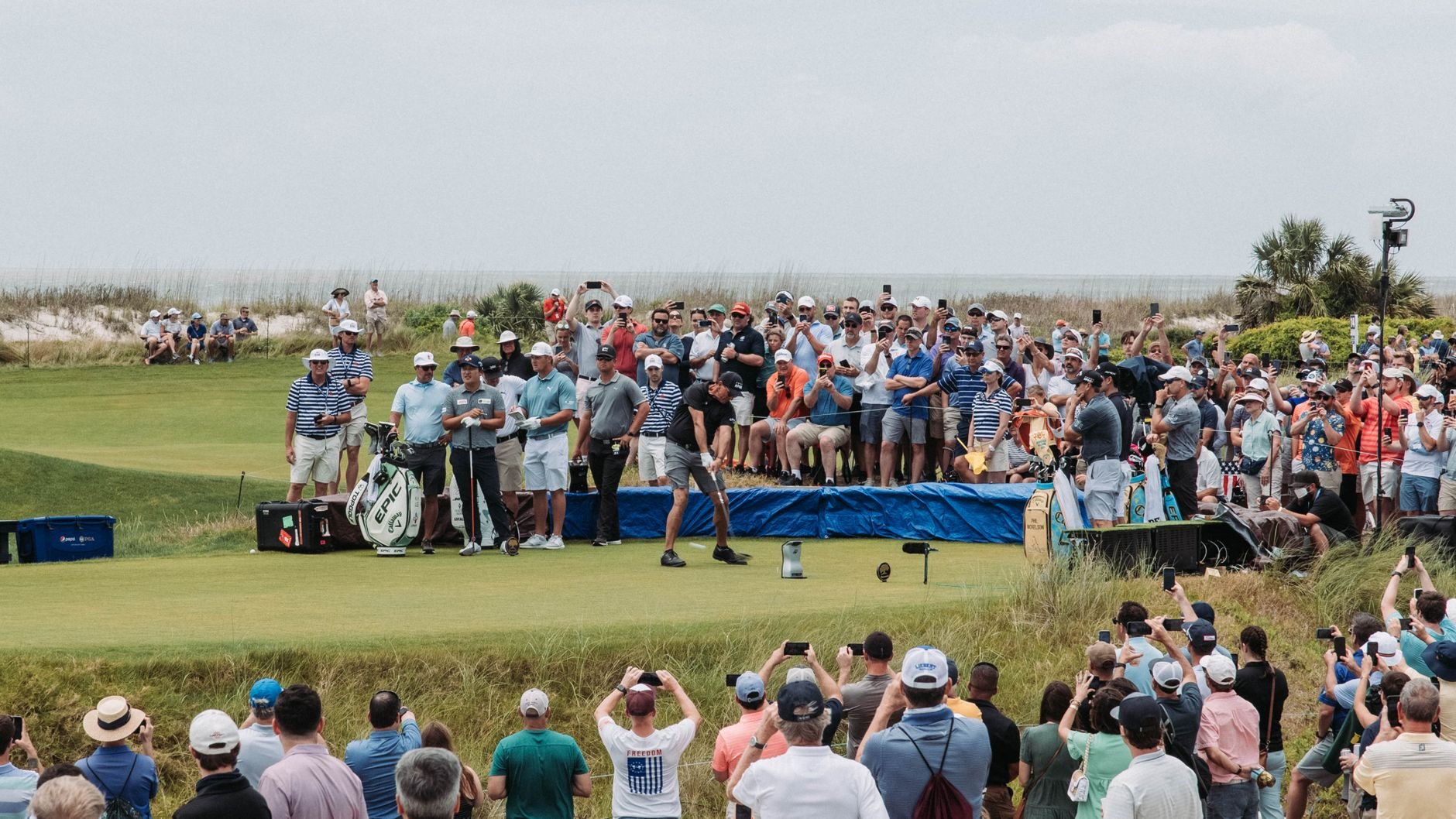
Frisco, Texas pulses with a packed calendar that reflects its identity as a sports powerhouse and a growing cultural hub in the Dallas-Fort Worth metroplex. Spring brings soccer fans to Toyota Stadium, where the National Soccer Hall of Fame Induction Ceremony celebrates the sport's legends, and food and wine lovers gather for Frisco Uncorked, a festival that spotlights the city's maturing culinary scene. Summer heats up with the Junior PGA Championships at PGA Frisco, one of the premier youth golf events in the country, while the Fourth of July weekend draws massive crowds to Frisco Freedom Fest, a patriotic celebration with live music, fireworks, and family activities that captures the city's community spirit. As the year winds down, college football takes center stage with the Frisco Bowl, a nationally televised bowl game that turns the city into a destination for fans from across the country. Music events and cultural performances round out the calendar throughout the fall, adding depth beyond the athletic calendar. Frisco's event scene is a reflection of its ambition: a city that has deliberately built the infrastructure to host world-class gatherings and the community to fill them.
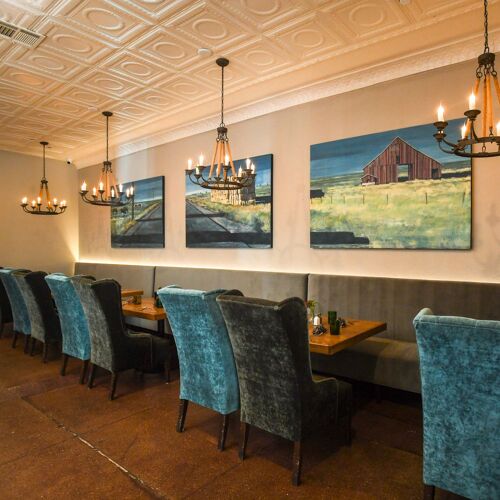
Frisco, Texas has developed a dining scene that reflects both its rapid growth and its suburban sophistication. The city's culinary landscape spans a wide range of experiences, from casual sports bar fare near The Star and Toyota Stadium to polished, chef-driven restaurants that draw diners from across the Dallas-Fort Worth metroplex.
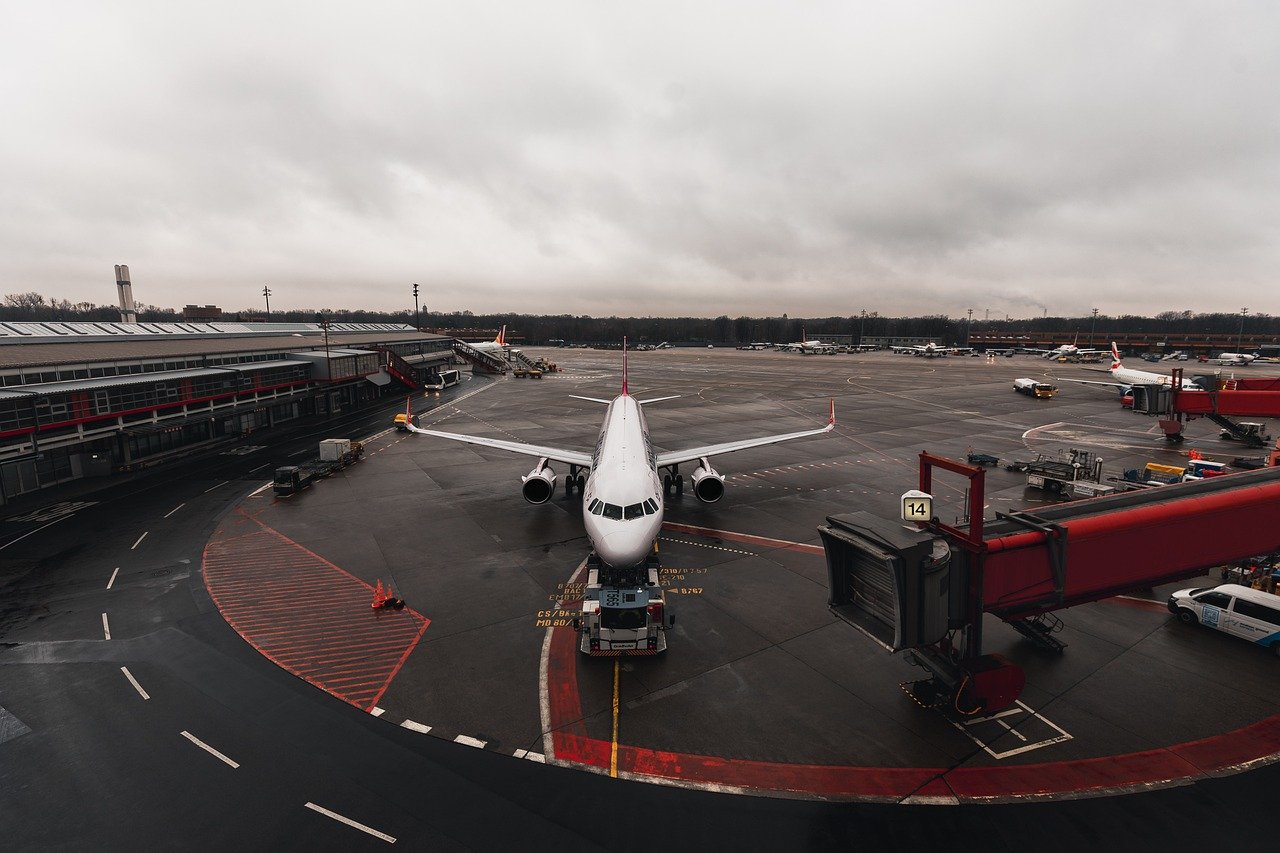
Dallas/Fort Worth International Airport (DFW) is the primary arrival point for most visitors,
located approximately 30 miles south of Frisco with rental cars, rideshare, and shuttle services available for the roughly 35-45 minute drive north via the Dallas North Tollway.
Dallas Love Field (DAL) serves as a secondary option for travelers flying Southwest Airlines,
sitting about 35 miles from Frisco with a similar drive time via I-35E north and the Dallas North Tollway, and often offering lower fares on select routes.
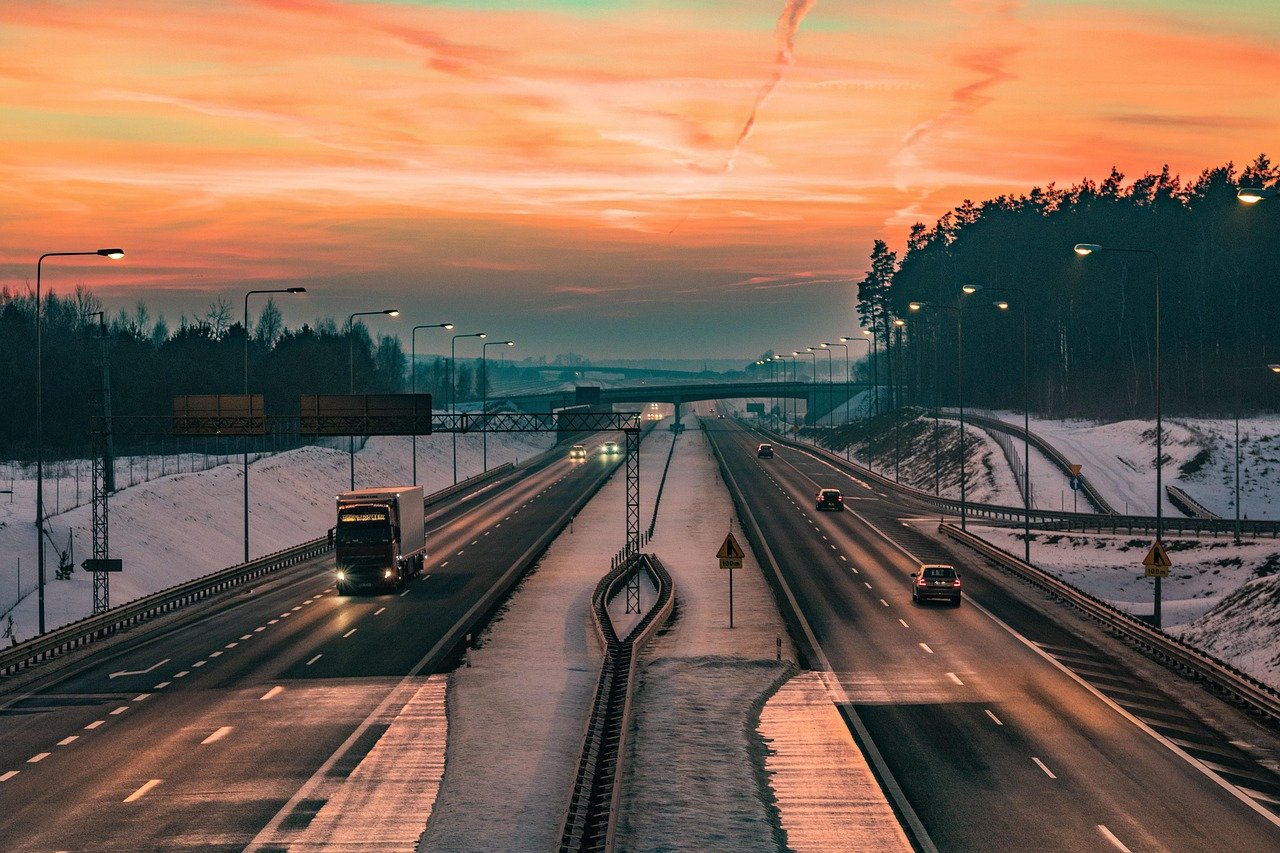
The Dallas North Tollway is the main driving corridor into Frisco from the south,
connecting directly to key districts including The Star and Frisco Square, so having a toll tag or cash on hand will make the approach faster and more convenient.
US-380 (University Drive) serves as the primary east-west route into Frisco,
making it the most practical approach for drivers coming from McKinney to the east or Denton and the I-35 corridor to the west.
Greyhound and regional bus services operate into the broader Dallas area,
but no direct bus line reaches Frisco, so travelers arriving by bus should plan on booking a rideshare or rental car for the final leg of the journey from downtown Dallas.
The Star district and Frisco Square are each walkable within their own footprints,
but the two areas are several miles apart, so plan on using a car or rideshare to move between them rather than attempting to walk.
Uber and Lyft are widely available throughout Frisco,
with typical wait times of five to ten minutes in most parts of the city, making rideshare a practical alternative to renting a car for visitors staying close to their primary destinations.
Parking at Toyota Stadium and Riders Field fills quickly on event days,
so arriving at least 45 minutes before game time is recommended, and nearby overflow lots and street parking along Main Street in downtown Frisco can serve as alternatives.
The Dallas North Tollway runs the length of Frisco's western edge,
and is the fastest route for navigating between the city's northern and southern districts, though drivers should carry a toll tag or be prepared for toll-by-mail charges.
The DART Silver Line regional rail project is under development,
and is expected to eventually connect Frisco to the broader DFW transit network, but for current visits a rental car remains the most reliable way to move around the city independently.
Texas summers are intense, with Frisco temperatures regularly exceeding 100 degrees Fahrenheit from June through August. Plan outdoor activities for mornings or evenings and stay hydrated. For sports events, buy tickets in advance through official team websites, as Cowboys-related events at The Star and FC Dallas matches at Toyota Stadium can sell out. The OpenTable and Resy apps are useful for securing reservations at popular Frisco Square and Star-district restaurants, especially on weekends. Tipping at 18 to 20 percent is standard across Frisco's dining scene. The city is generally very safe, with low crime rates across most visitor areas. Sales tax in Frisco runs around 8.25 percent. Most venues and restaurants are cashless or strongly prefer cards, so carrying large amounts of cash is unnecessary. Dress is casual to smart-casual at most establishments, with no strict dress codes outside of a few upscale dining spots.
Two to three days is enough to cover Frisco's highlights. Spend one day exploring The Star and Cowboys-related attractions, another at cultural stops like the National Videogame Museum or Museum of the American Railroad, and a third for shopping at Stonebriar Centre or catching a FC Dallas or RoughRiders game. Sports events may justify a longer stay.
Frisco is best known as a sports and entertainment hub. It is home to FC Dallas (MLS), the Frisco RoughRiders (Double-A baseball), and The Star - the Dallas Cowboys' 91-acre headquarters and training facility. The city also draws visitors for its cultural museums, upscale dining, and Stonebriar Centre, one of the largest malls in North Texas.
Yes, Frisco works well as a weekend trip, especially from within the Dallas-Fort Worth area or for travelers flying into DFW or Dallas Love Field. Two days is enough to visit The Star, catch a game, explore a museum, and enjoy the dining scene around Frisco Square. It is a self-contained destination with no need for a car-heavy itinerary.
Frisco sits in a moderate-to-upscale price range. Hotels trend toward mid-range and luxury brands, and dining options span casual to chef-driven restaurants. Attractions like the Sci-Tech Discovery Center and sports games are reasonably priced. Overall, it is comparable to other polished Dallas-Fort Worth suburbs - not budget-friendly, but not prohibitively expensive either.
Spring (March to May) and fall (September to November) offer the most comfortable weather for exploring Frisco. Summers are hot and humid, often exceeding 100 degrees Fahrenheit, so outdoor activities are best planned for early morning or evening during those months.