
Baltimore, MD
A Journey guide to
Galveston is a barrier island city off the upper Texas Gulf Coast, defined by 32 miles of sandy shoreline, a remarkably intact Victorian streetscape, and a port that anchors one of the busiest cruise terminals in North America. It draws a wide range of travelers: families chasing the Gulf surf, history enthusiasts tracing one of Texas's oldest and most storied cities, and weekend escapes from Houston just 50 miles to the northwest.
The Strand National Historic Landmark District is the commercial and cultural heart of the island. Its 19th-century cast-iron-front buildings house galleries, boutiques, craft cocktail bars, and seafood restaurants that lean heavily on the local shrimp and oyster harvest. The district earned the nickname "Wall Street of the Southwest" during Galveston's late-1800s peak as the wealthiest city in Texas and a dominant Gulf port.
Beyond the beach and the Strand, Galveston rewards curious travelers. Moody Gardens offers a trio of glass pyramids housing an aquarium, a rainforest, and a discovery museum. The 1892 Bishop's Palace stands as one of the finest Victorian mansions in the American South. The Ocean Star Offshore Drilling Rig and Museum speaks to the region's deep ties to the energy industry, while the Galveston Island Historic Pleasure Pier puts a classic amusement park directly over the Gulf.
Galveston also carries a singular place in American history. Juneteenth, the federal holiday marking the end of slavery in the United States, traces its origin to June 19, 1865, when Union soldiers arrived in Galveston to enforce emancipation. That moment, announced at what is now known as Reedy Chapel, gives the island a historical weight that extends far beyond Texas. The 1900 Storm, the deadliest natural disaster in U.S. history, and the subsequent construction of the seawall further shape the city's identity as a place that has endured and rebuilt.


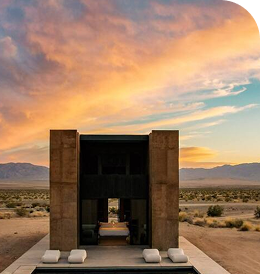

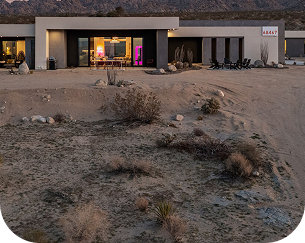

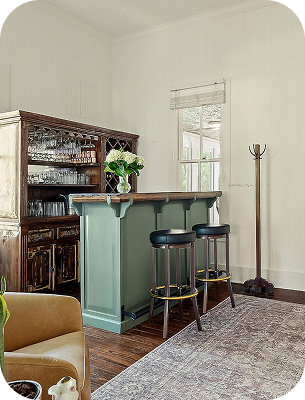

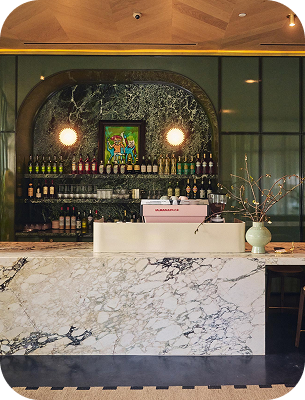

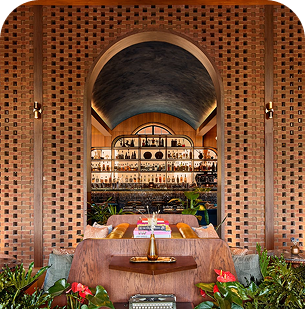

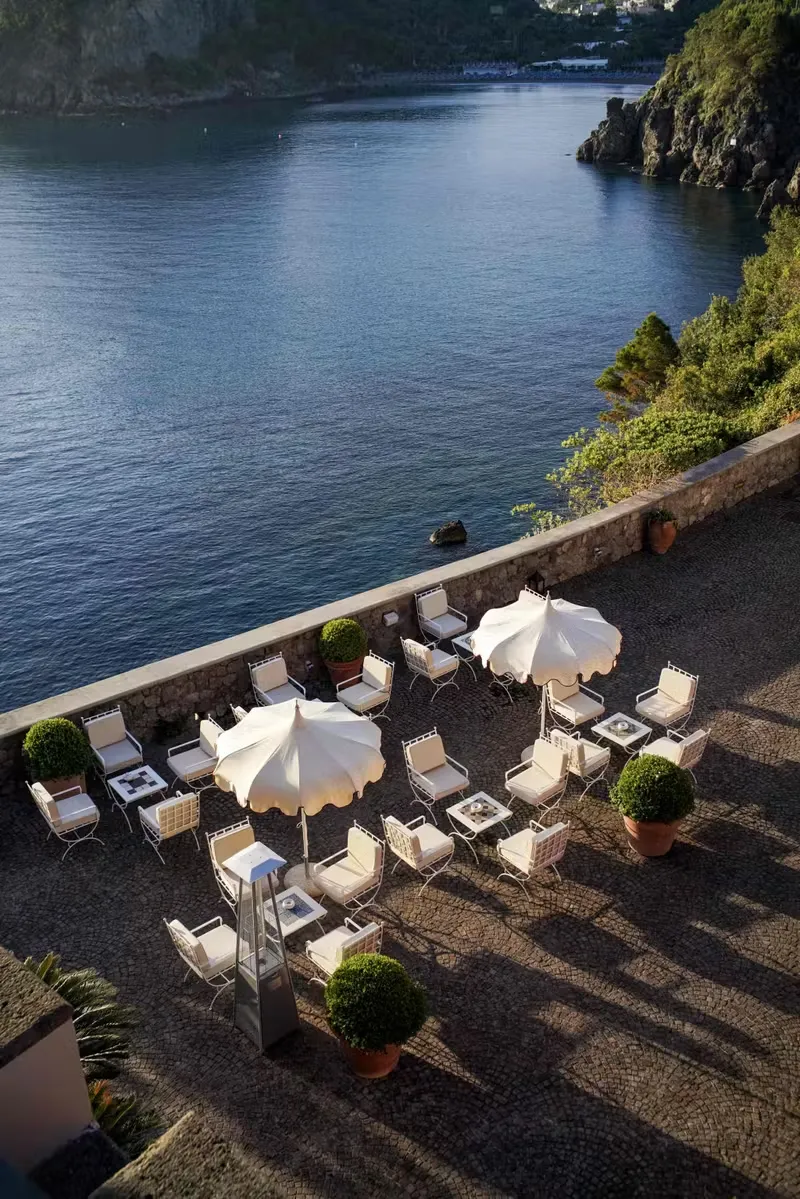

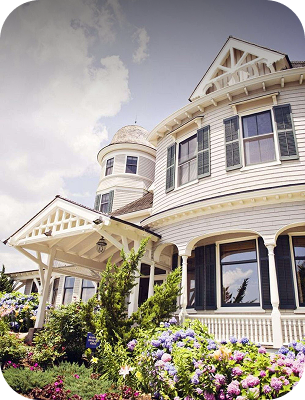

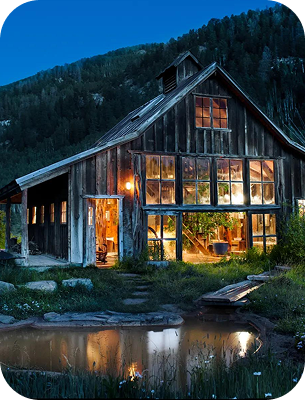

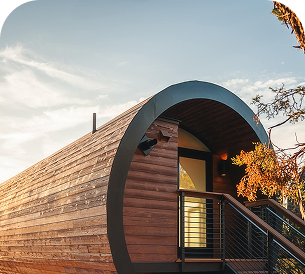

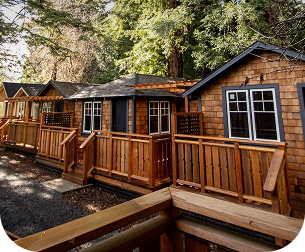

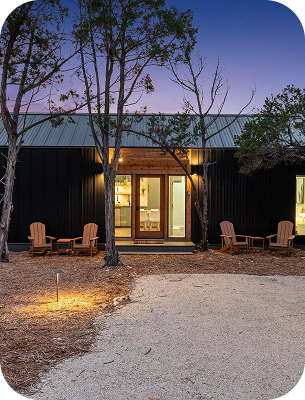

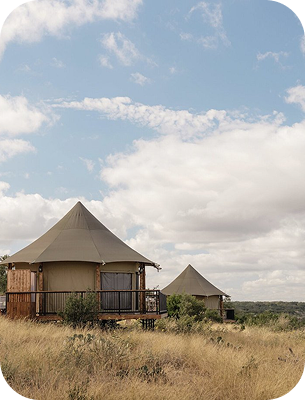

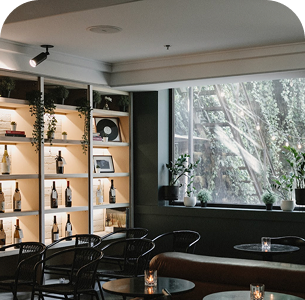

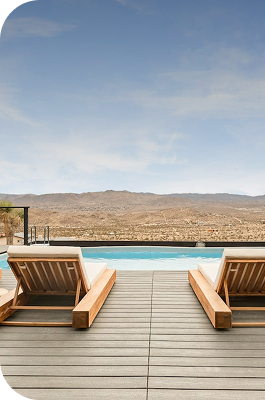

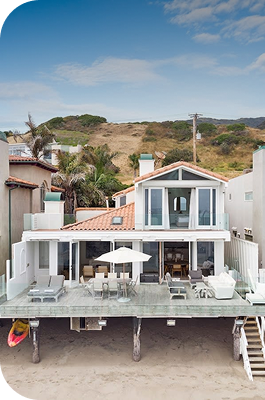

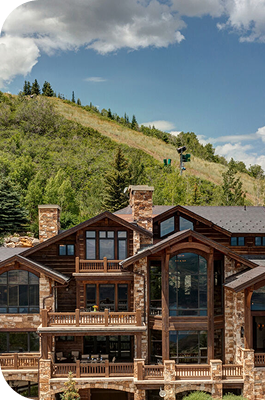

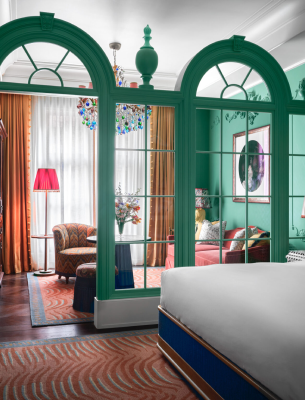

Journey connects travelers to a curated network of boutique hotels and distinctive residences around the world, all united under one rewards program. Explore handpicked stays for your trip while earning points, unlocking exclusive offers, and receiving rewards across the Journey collection.
Galveston sits on a narrow barrier island roughly 30 miles long and 3 miles wide, separated from the Texas mainland by Galveston Bay and connected by three causeways. The Gulf of Mexico defines its southern edge with broad, flat beaches; the calmer bay side offers marinas, fishing piers, and waterfront neighborhoods shaded by live oaks draped in Spanish moss. The island's low elevation and compact geography mean that nearly everything is accessible, and the pace of the city reflects that intimacy.
Settled by European traders in the early 19th century and formally incorporated in 1839, Galveston grew rapidly into Texas's most important port and commercial center. By the 1880s it was among the wealthiest cities per capita in the United States, a status reflected in the grand Victorian and Italianate mansions that still line Broadway Boulevard. The catastrophic 1900 hurricane, which killed an estimated 6,000 to 12,000 people, ended Galveston's era of dominance and prompted the construction of a 17-foot seawall and the ambitious raising of the island's grade. Houston, connected to the sea by a newly dredged ship channel, eventually eclipsed Galveston as the region's commercial engine, but the island retained its distinctive character precisely because rapid 20th-century development largely passed it by.
That architectural preservation is now one of Galveston's greatest assets. The city claims one of the largest concentrations of Victorian-era structures in the United States, and the East End Historic District and Silk Stocking Historic District offer genuinely walkable blocks of restored homes and gardens. The cultural identity of the island is layered: part Gulf Coast beach town, part living museum of Gilded Age Texas, part working port city with a Creole and Mexican-American heritage woven into its food and neighborhood life.
For travelers, Galveston offers a rare combination of accessibility and depth. It functions as an easy day trip from Houston but rewards those who stay longer with its museums, culinary scene, and the quiet pleasures of the bay side at dusk.
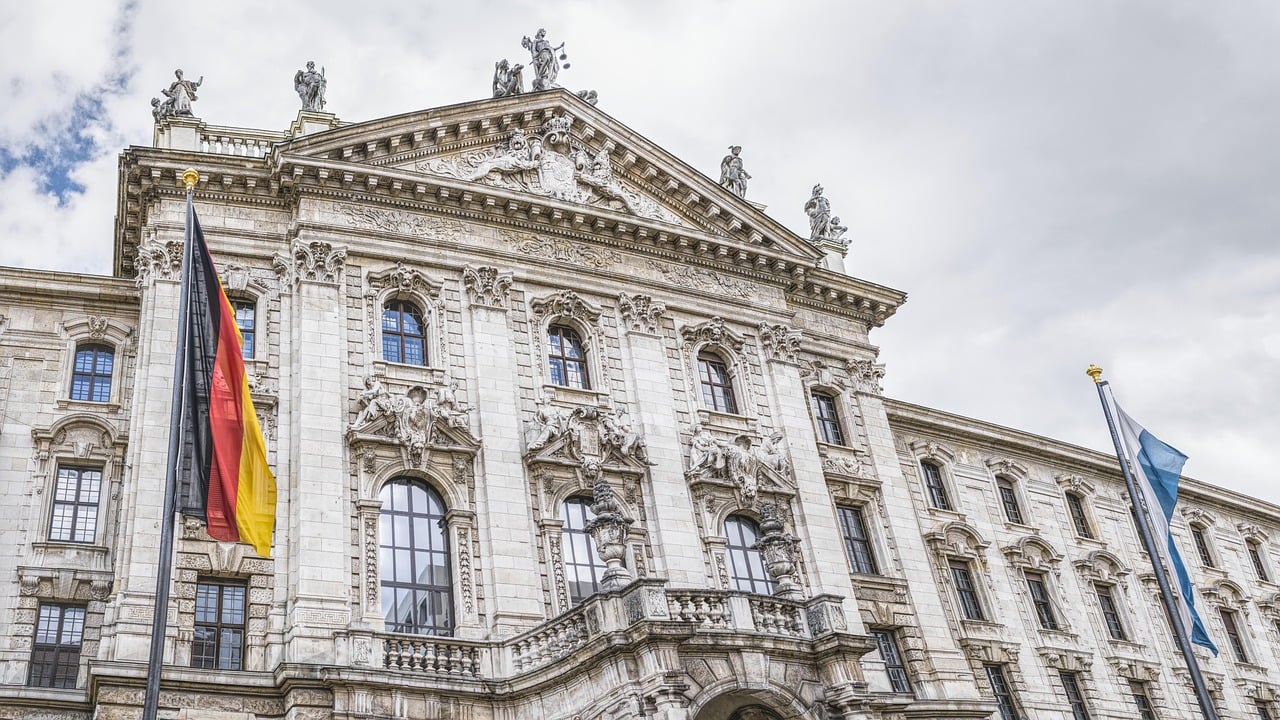
Galveston rewards travelers who time their visit carefully, as the island's character shifts significantly across the year.
Late spring, specifically mid-April through late May, is widely considered the sweet spot for a first visit. Crowds have not yet reached peak summer levels, the Gulf is warm enough for swimming, and the Strand District hums with activity without the shoulder-to-shoulder congestion of July. Spring break in March brings a surge of visitors, particularly families, so those seeking a quieter experience should aim for the weeks just after.
Summer is peak season, drawing the largest crowds to the seawall beaches and the Galveston Island Historic Pleasure Pier. The island is lively and fully operational, with every restaurant, attraction, and water sport vendor open and running. Travelers who enjoy a bustling beach-town atmosphere will find summer delivers it in full. Those who prefer more breathing room should book accommodations well in advance or plan visits on weekdays rather than weekends.
Fall is an underrated window for visiting Galveston. By late October and into November, summer crowds have thinned considerably, the Strand District remains active with festivals and events, and outdoor exploration of the island's historic neighborhoods becomes far more comfortable. Dickens on The Strand, held in early December, draws visitors back for one of the Gulf Coast's most beloved holiday events.
Winter is the quietest season, making it ideal for travelers who want the Strand's galleries, restaurants, and Victorian architecture largely to themselves. Birding along the island's wildlife refuges peaks in winter, attracting serious naturalists. The tradeoff is that some beach-facing businesses operate on reduced hours or close entirely between December and February.
The Strand is Galveston's most iconic neighborhood, lined with 19th-century cast-iron-front buildings that once made this stretch the commercial capital of the Southwest. Today it pulses with galleries, boutique shops, craft cocktail bars, and seafood restaurants anchored by the local shrimp and oyster harvest. It is the natural starting point for any visit to the island.
The East End is Galveston's grandest residential quarter, a tree-canopied neighborhood of Victorian and Edwardian mansions built by the merchants and bankers who made the island wealthy in the late 1800s. The 1892 Bishop's Palace anchors the district as one of the finest Victorian homes in the American South. Strolling its wide avenues feels like stepping into another century.
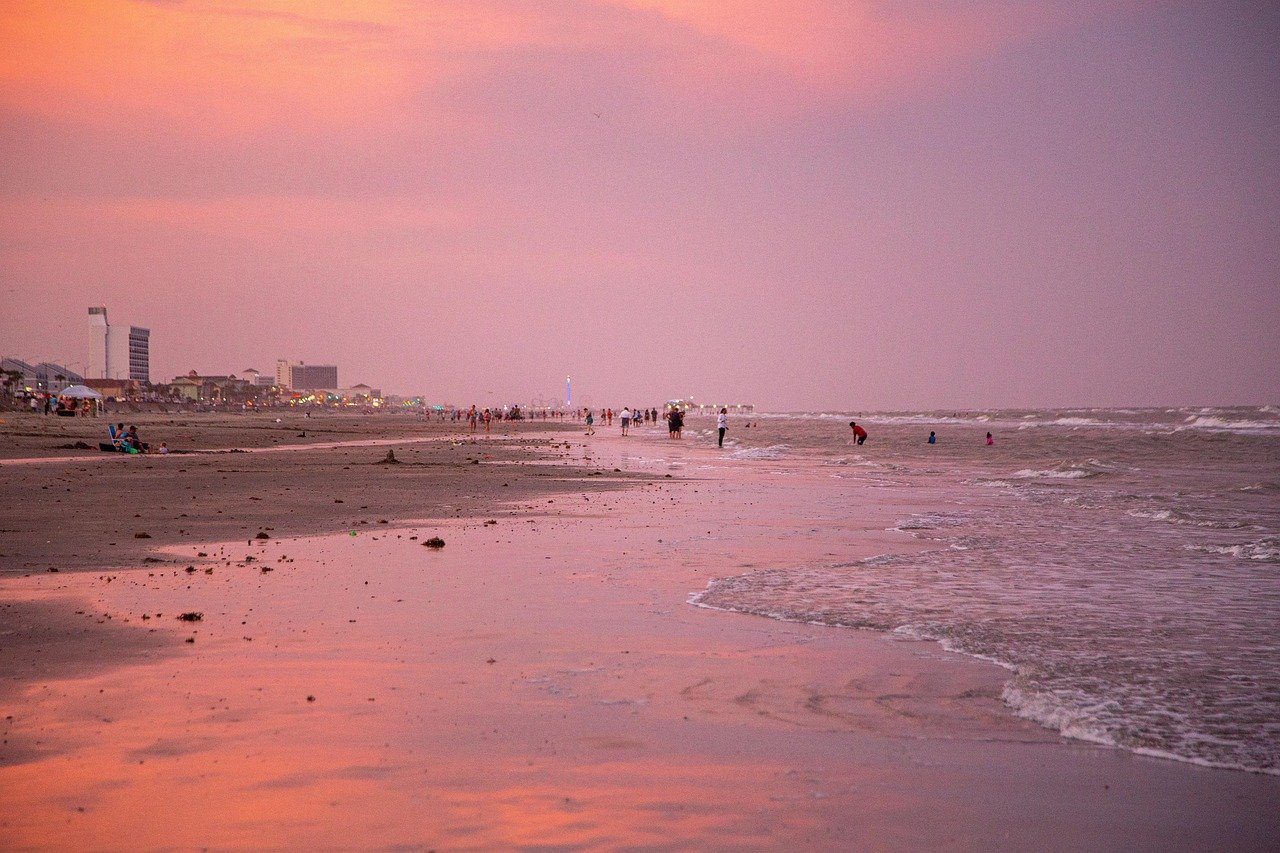
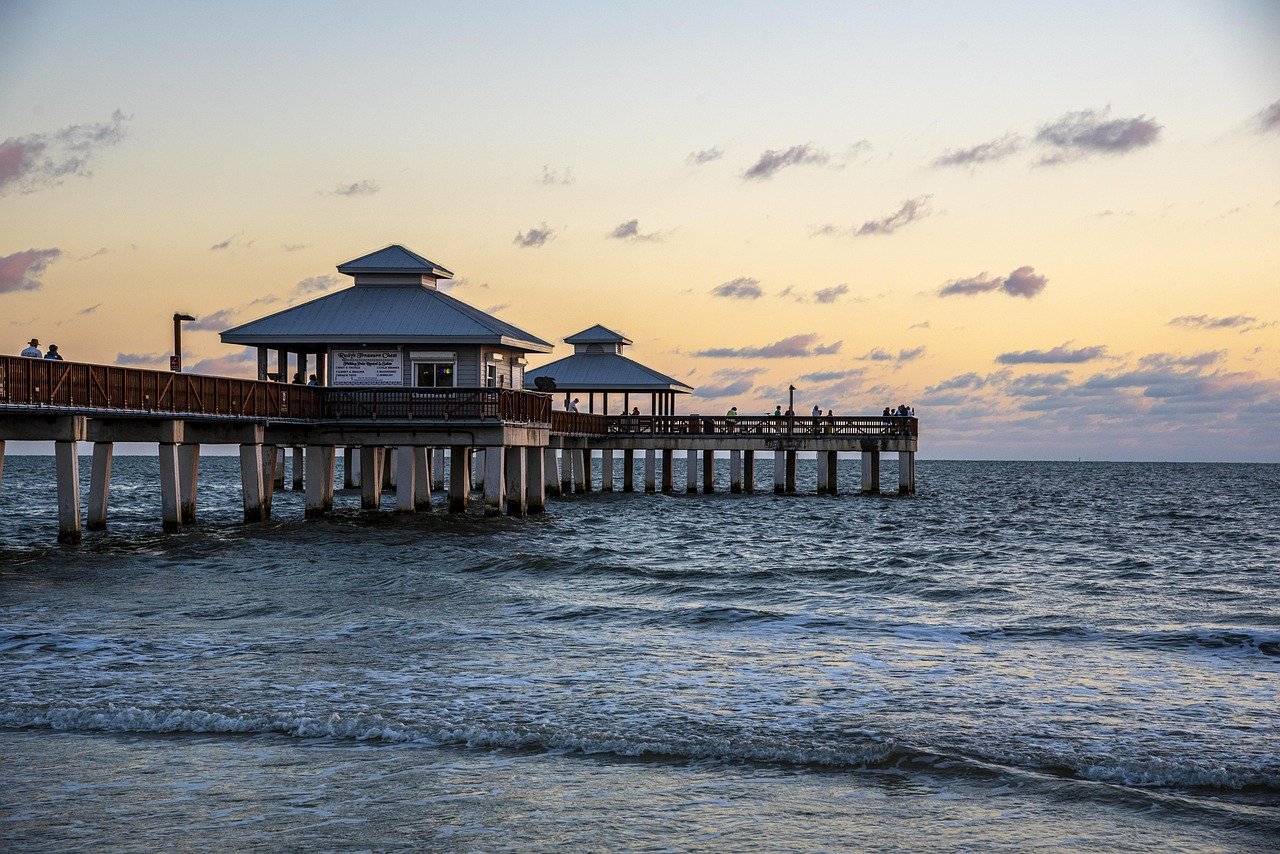
Stretching for more than 10 miles along the Gulf shore, Seawall Boulevard is the island's sun-drenched spine, fronted by wide sandy beaches, beachside hotels, and casual dining with open-air Gulf views. The Galveston Island Historic Pleasure Pier puts a classic amusement park directly over the water, making this corridor a hub for families. It is the place where the island's beach-town energy is most fully on display.
Midtown sits between the Strand and the Seawall and has quietly become Galveston's most creative residential pocket, home to independent coffee shops, neighborhood bars, and a growing restaurant scene that favors local chefs over tourist-facing concepts. Its modest bungalows and shotgun houses give it an unhurried, lived-in character that contrasts with the busier corridors on either side. It rewards travelers who want to eat and drink where locals actually go.
The western reaches of Galveston island shift from dense historic streetscape to open resort and nature terrain. Moody Gardens anchors this end with its trio of glass pyramids housing an aquarium, a rainforest, and a discovery museum set against a lagoon. Further west, the West End stretches into quieter beach communities and wildlife refuges, offering a more secluded Gulf experience away from the island's busier center.
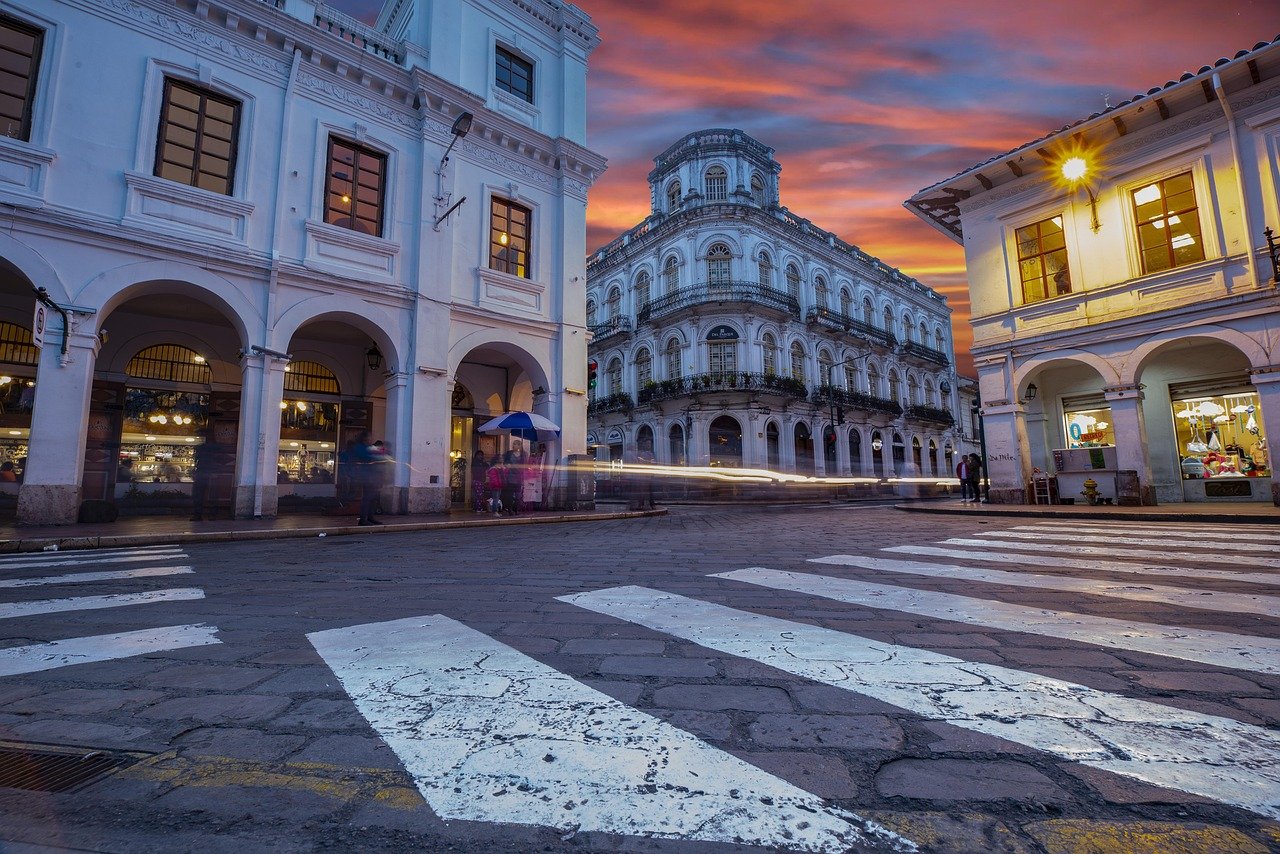
Galveston draws travelers for experiences that are genuinely difficult to replicate anywhere else in Texas or along the Gulf Coast.
The Strand National Historic Landmark District
The Strand is the defining street of Galveston's identity. Its 19th-century cast-iron-front commercial buildings, once home to cotton brokers and shipping merchants who made Galveston the wealthiest city in Texas, now house restaurants, galleries, and boutiques. Walking the Strand is an immersion in a preserved urban landscape that survived the 1900 Storm, Prohibition, and decades of economic decline to emerge as one of the most intact Victorian commercial districts in the American South.
The Seawall and Gulf Beaches
The Galveston Seawall, built after the catastrophic 1900 Storm, stretches more than 10 miles along the island's south shore and is one of the most recognizable landmarks on the Texas coast. Strolling, cycling, or driving the Seawall Boulevard with the Gulf on one side and the city on the other is a quintessential Galveston experience. The Galveston Island Historic Pleasure Pier, which extends directly over the Gulf, adds a classic amusement park dimension to the beachfront.
Juneteenth Heritage
Galveston holds a singular place in American history as the site where, on June 19, 1865, Union soldiers announced the end of slavery, giving rise to Juneteenth. Reedy Chapel, where the announcement was made, remains standing. Travelers who come to Galveston with this history in mind find a city that is actively working to document and honor that legacy through museums, markers, and annual commemorations.
Victorian Architecture and Historic Mansions
Galveston's 19th-century building boom produced an extraordinary concentration of Victorian architecture. The Bishop's Palace, the Moody Mansion, and the Garten Verein pavilion represent a built environment that no other Texas city can match. Touring these properties, many of which are open to the public, is a primary reason historically minded travelers choose Galveston over other Gulf Coast destinations.
Galveston offers a full range of activities across its 32-mile barrier island, from Gulf Coast beaches and historic neighborhoods to family attractions and a thriving food and drink scene.
Outdoor Recreation
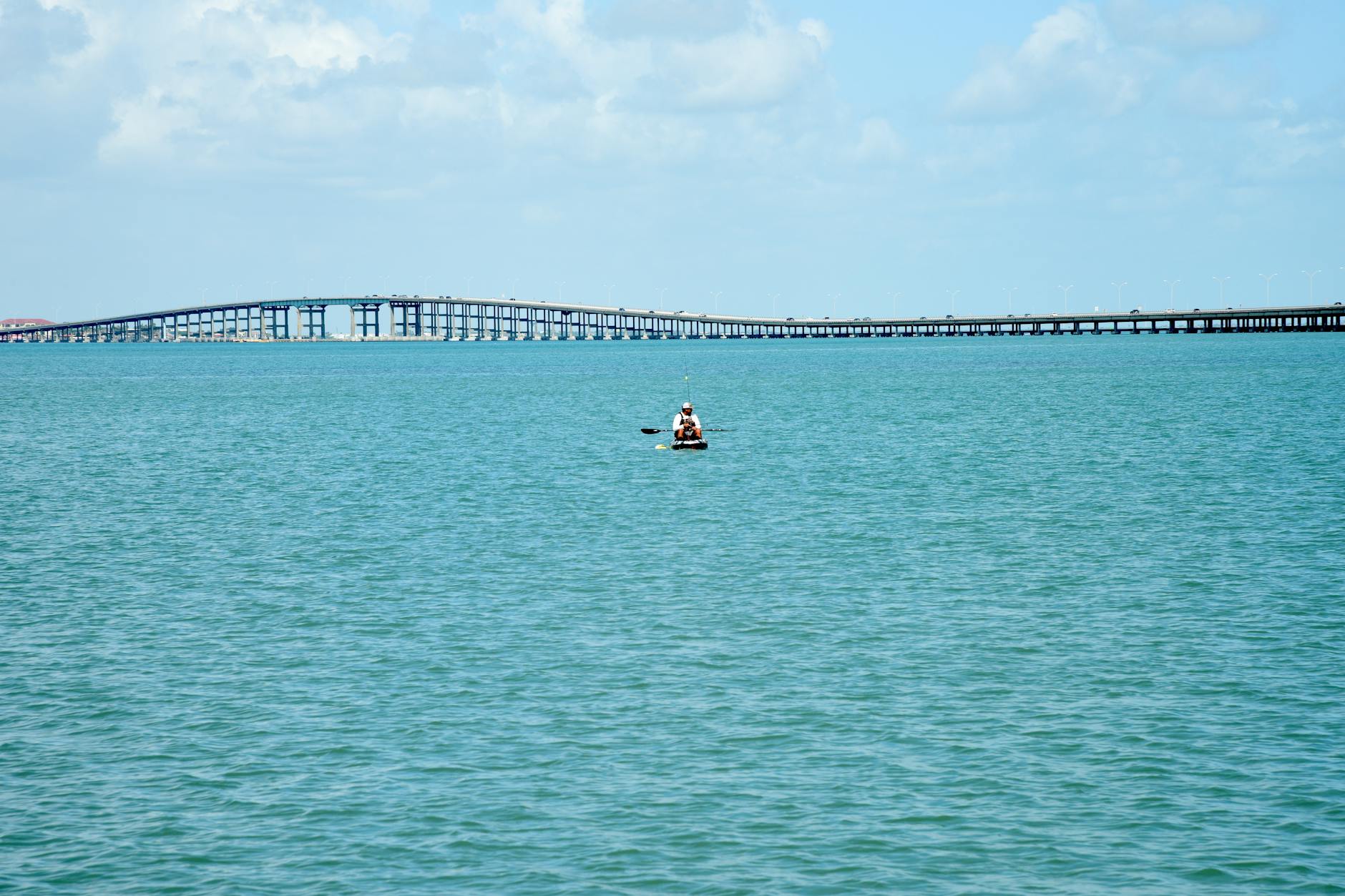
The Gulf of Mexico shoreline is Galveston's most accessible playground. Swimming, fishing, surfing, and beachcombing draw visitors to East Beach and Stewart Beach, both of which have facilities and parking. Kayaking and paddleboarding are popular in the calmer waters of the West Bay, and offshore fishing charters operate year-round from the island's marinas. Galveston Island State Park on the western end of the island offers hiking and birding trails through coastal prairie and wetlands, making it a quieter alternative to the busier public beaches.
Cultural Attractions
Galveston's history runs deep. The 1892 Bishop's Palace is one of the most architecturally significant Victorian mansions in the American South. The Galveston Historical Foundation maintains a network of historic properties, including the 1838 Samuel May Williams Home. The Texas Seaport Museum, home to the tall ship Elissa, connects visitors to the city's 19th-century maritime past. The Ocean Star Offshore Drilling Rig and Museum documents the region's energy industry heritage.
Arts and Entertainment
The Grand 1894 Opera House hosts touring Broadway productions, concerts, and local performances year-round. The Strand District supports a cluster of galleries, boutique shops, and live music venues. Moody Gardens rounds out the entertainment options with an aquarium, a rainforest pyramid, a 3D theater, and seasonal attractions.
Food and Dining
Galveston's culinary identity is built on Gulf seafood, particularly local shrimp and oysters. The Strand and Postoffice Street neighborhoods concentrate the island's best restaurants, from casual seafood shacks to more polished waterfront dining. The city also has a growing craft cocktail bar scene.
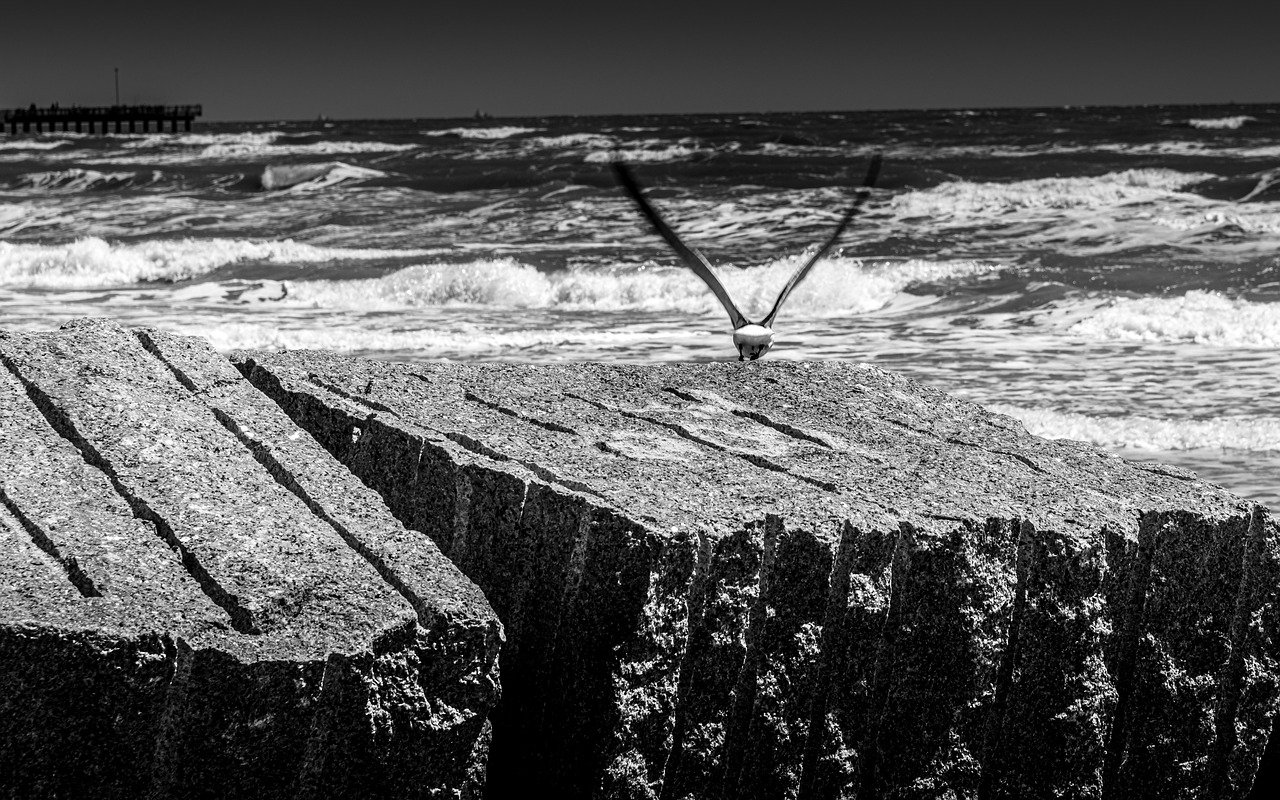
Start your morning on Seawall Boulevard, walking or biking the iconic 10-mile seawall before hitting the Gulf beach. After lunch at a local seafood spot on the Strand, spend the afternoon exploring the Strand National Historic Landmark District - browse boutiques, galleries, and Victorian storefronts. End the evening with craft cocktails and fresh Gulf shrimp at one of the Strand's waterfront restaurants.
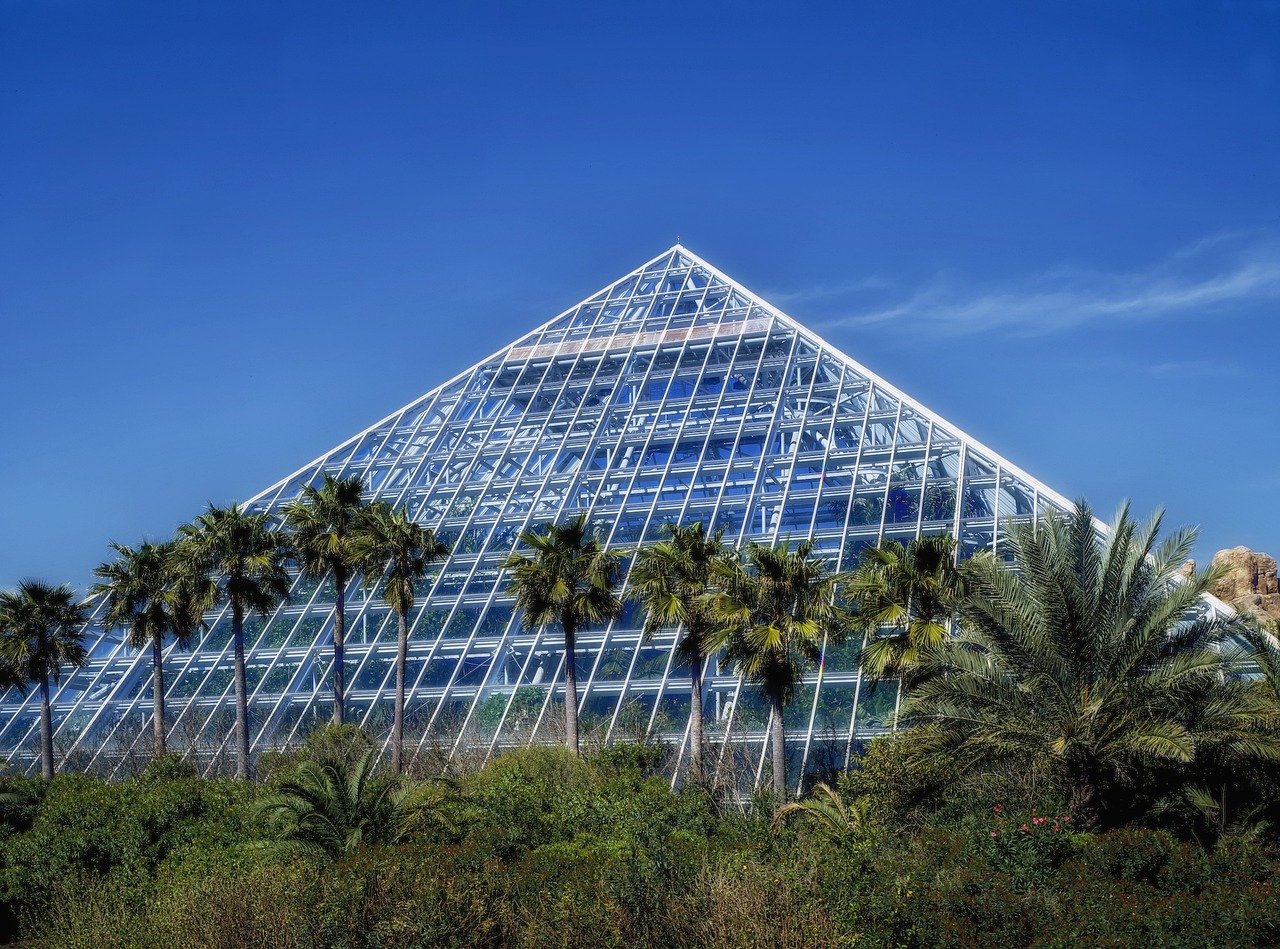
Spend the morning touring Bishop's Palace, one of the finest Victorian mansions in the American South, then visit Reedy Chapel to learn about Galveston's pivotal role in Juneteenth history. After lunch, head to Moody Gardens to explore the aquarium and rainforest glass pyramids. Wrap up the evening at the Galveston Island Historic Pleasure Pier for rides and views over the Gulf at sunset.
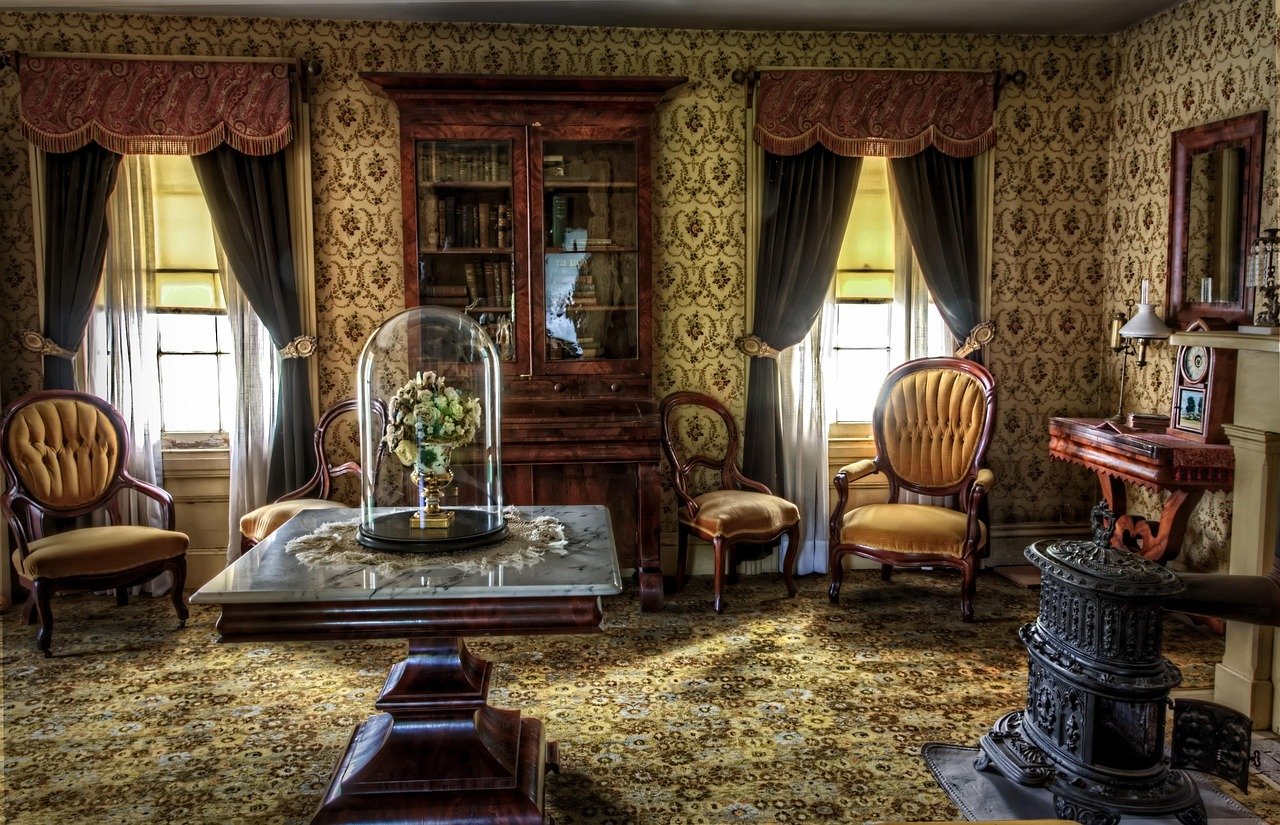
Begin the morning at the Ocean Star Offshore Drilling Rig and Museum for a fascinating look at Gulf Coast energy history. Grab a casual lunch of fresh local oysters near the port, then spend the afternoon exploring Galveston's East End Historic District and its beautifully preserved 19th-century homes. Close out your trip with a sunset dinner featuring Gulf Coast seafood at a restaurant overlooking the harbor.
Galveston pulses with a distinct cultural calendar shaped by its Gulf Coast setting, Victorian heritage, and deep community traditions. The city's festive spirit peaks in late winter, when Mardi Gras transforms the Strand District into one of the largest Carnival celebrations in the South, drawing hundreds of thousands of visitors for parades, masquerade balls, and live music along the historic boulevard. Spring brings a quieter but equally revealing side of the island, with birding enthusiasts descending during peak migration season and architecture lovers touring the meticulously preserved Victorian and Italianate homes that survived the 1900 Storm.
Galveston's food scene is anchored by the Gulf, and that connection runs through nearly every meal on the island. Fresh shrimp, blue crab, and oysters pulled from local waters are the backbone of the culinary culture here, showing up in everything from casual dockside shacks to polished dining rooms along the Strand District. The Strand itself is the epicenter of the dining scene, where 19th-century brick buildings frame a mix of seafood restaurants, craft cocktail bars, and neighborhood bistros that draw both locals and visitors.
William P. Hobby Airport (HOU) is the closest major airport to Galveston,
sitting about 30 miles northwest of the island, with rental cars and rideshares available and a drive time of roughly 40 to 50 minutes outside of peak traffic.
George Bush Intercontinental Airport (IAH) offers more flight options but adds significant distance,
placing travelers roughly 60 miles from Galveston, which translates to a 75- to 90-minute drive depending on Houston traffic conditions.
I-45 South is the primary driving route from Houston to Galveston,
connecting the two cities in about 50 miles, though Friday afternoon and Sunday evening traffic on this corridor can extend the trip considerably, so timing your departure matters.
The Galveston-Port Bolivar Ferry is a free, state-operated ferry crossing
that connects Galveston's eastern tip to the Bolivar Peninsula, making it a practical arrival option for travelers coming from Beaumont or Port Arthur along Highway 87.
Island Transit, Galveston's public bus system, provides service from the mainland
and can connect travelers arriving by Greyhound or FlixBus in Houston to the island, though service is infrequent and a rental car or rideshare is more reliable for most itineraries.

The Strand District and East End historic neighborhood are compact enough to explore on foot,
with most galleries, restaurants, and Victorian landmarks within a few walkable blocks of each other, making a car unnecessary for that part of your visit.
The Galveston Island Trolley runs a fixed route connecting the Strand to Seawall Boulevard,
offering an easy and inexpensive way to move between the two main visitor corridors without dealing with parking, and it doubles as a bit of local color.
Seawall Boulevard is well suited to cycling,
with several bike rental shops along the strip offering hourly and daily rates, making two wheels a practical and enjoyable way to cover the beachfront without fighting for parking.
Uber and Lyft both operate across the island,
but availability can drop off late at night and during peak summer weekends, so having a backup plan or renting a car is worth considering if you plan to be out after midnight.
Parking near the Seawall fills quickly on summer weekends,
so arriving before 10 a.m. or using paid lots a block or two off the boulevard is a reliable way to avoid circling for a spot during peak beach season.
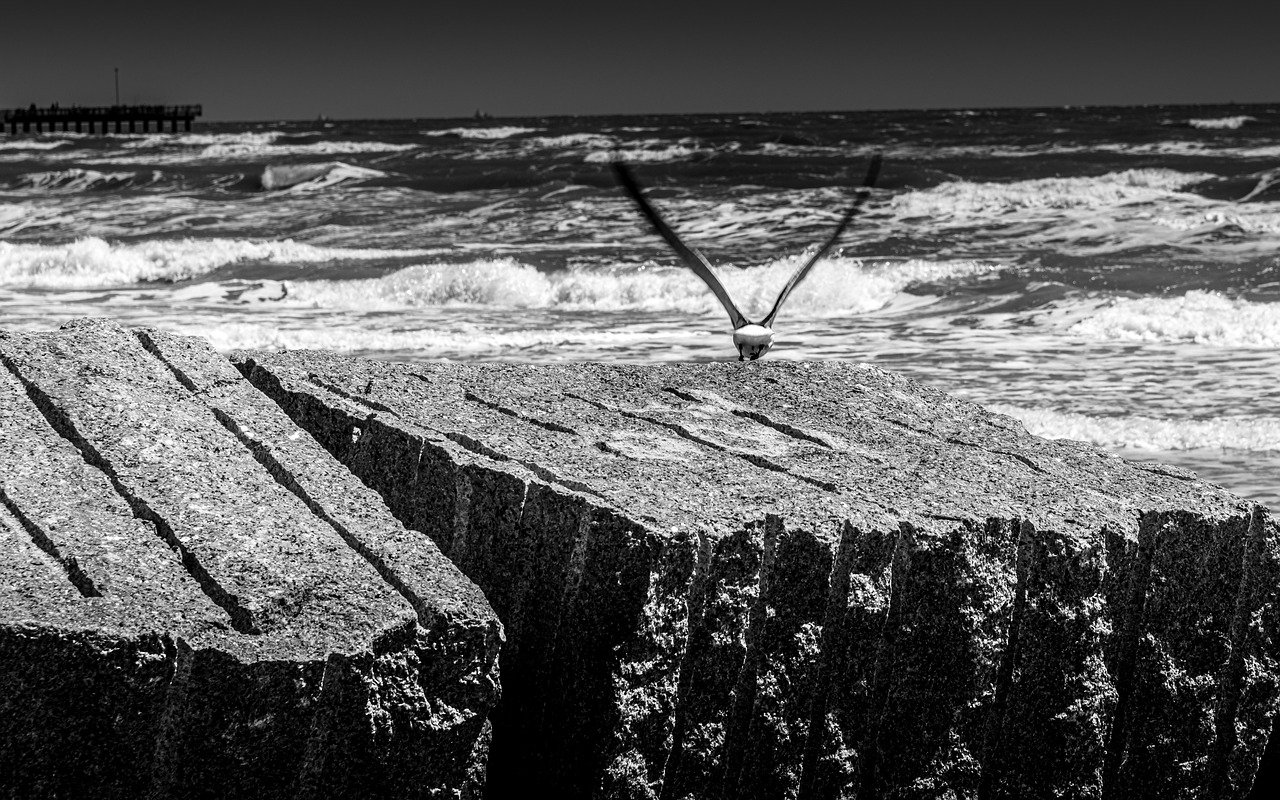
Galveston's Gulf Coast humidity is real, especially from June through September, so pack light, breathable clothing and apply sunscreen generously. The UV index on the water is higher than it feels. Bring cash for smaller vendors, food trucks, and some of the older seafood shacks along the harbor, though most Strand businesses accept cards without issue.
Tipping follows standard Texas norms: 18 to 20 percent at sit-down restaurants, a few dollars for bar service. The island's water is safe to drink, but many visitors prefer bottled water for the taste.
Hurricane season runs June through November. If you are visiting in that window, check the National Hurricane Center's forecasts before and during your trip and know your hotel's evacuation policy. Travel insurance is worth considering for summer bookings.
Galveston's Mardi Gras celebration is one of the largest in the country outside New Orleans, drawing large crowds in February. Book well in advance if your visit overlaps with that window, and expect elevated hotel rates and busy streets throughout the Strand.
Two to three days is enough to cover Galveston's highlights. Spend a day on the beach and Seawall Boulevard, a day exploring the Strand District's shops, restaurants, and historic buildings, and a third day for attractions like Moody Gardens, the Bishop's Palace, or the Galveston Island Historic Pleasure Pier. Longer stays suit those wanting a slower, beach-focused pace.
Galveston is best known for its Gulf Coast beaches, its well-preserved Victorian architecture along the Strand National Historic Landmark District, and its role as one of North America's busiest cruise ports. It also holds deep historical significance as the site where Juneteenth originated on June 19, 1865, when Union soldiers announced emancipation to enslaved people in Texas.
Yes, Galveston works very well as a weekend getaway, especially from Houston just 50 miles away. Two days is enough to hit the beach, walk the Strand District, and visit one or two major attractions. It is a popular short escape for Gulf Coast sun and seafood without requiring a long drive or flight.
Galveston is moderately affordable compared to many U.S. beach destinations. Beach access is free, and dining ranges from budget-friendly seafood shacks to upscale waterfront restaurants. Attraction costs vary - Moody Gardens and the Pleasure Pier charge admission, while historic district strolling is free. Accommodation prices rise significantly during summer and holiday weekends.
Spring (March through May) offers warm temperatures, lower crowds, and calmer Gulf waters, making it the most comfortable time to visit. Fall is also pleasant, while summer brings peak crowds and high humidity but is ideal for beach-focused trips.