
Baltimore, MD
A Journey guide to
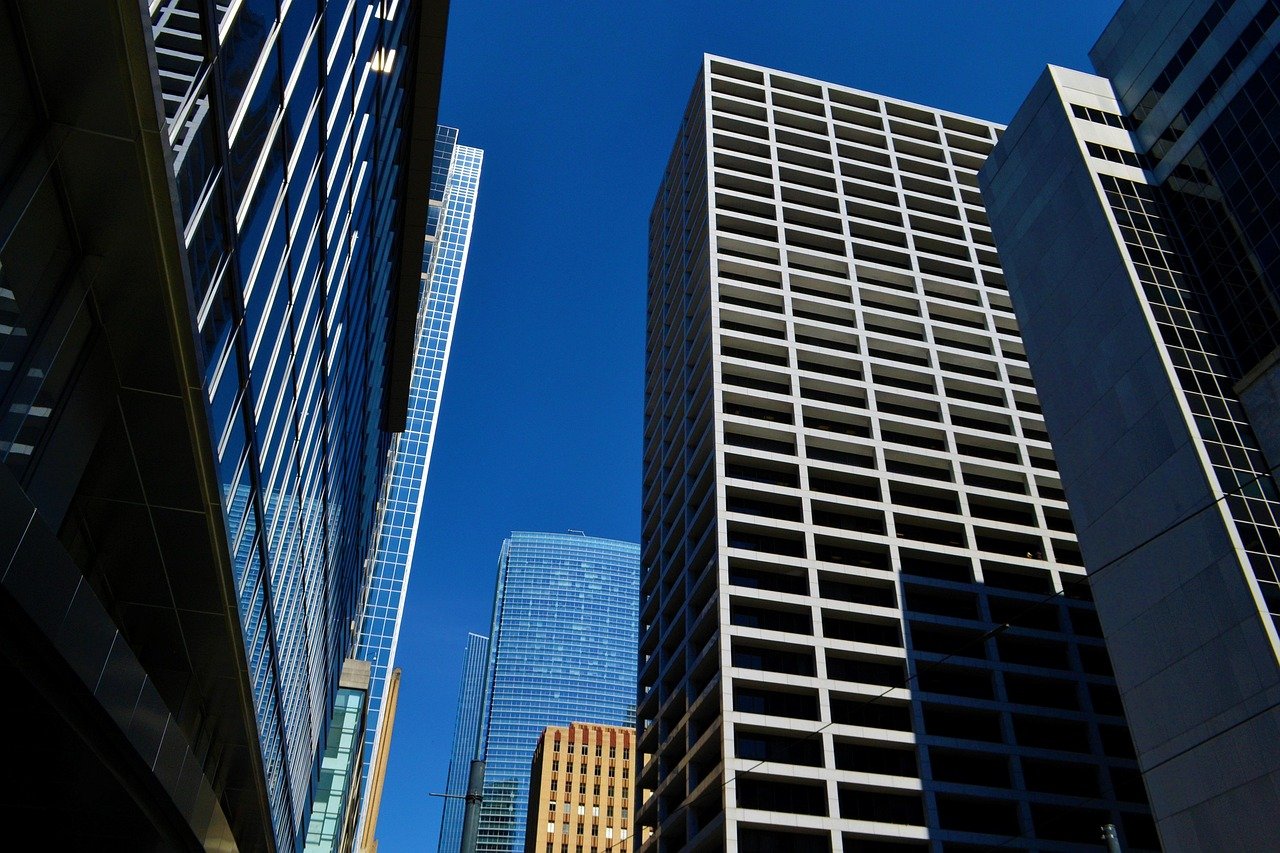
Houston is the largest city in Texas and the fourth-largest in the United States, yet it carries none of the polished predictability of a typical American metropolis. It is a city built on energy, ambition, and an extraordinary diversity that makes it one of the most cosmopolitan destinations in the country. From the gleaming towers of downtown to the sprawling Museum District, Houston rewards travelers who come curious and leave well-fed.
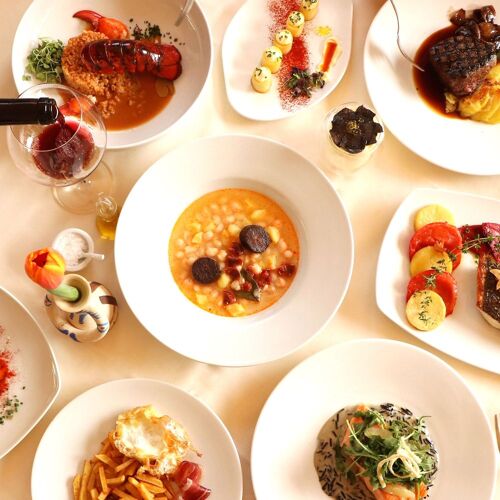
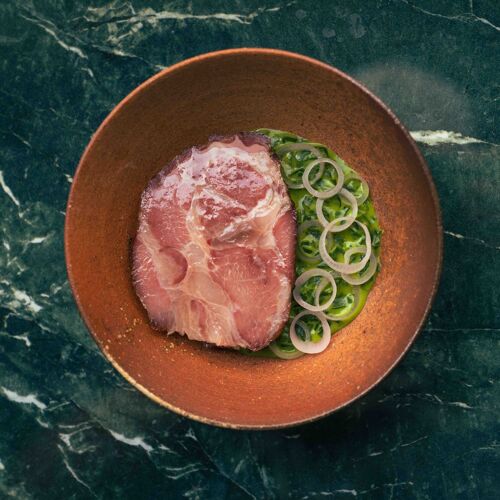
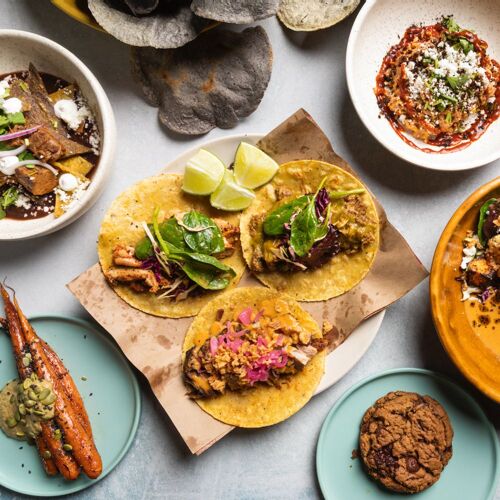
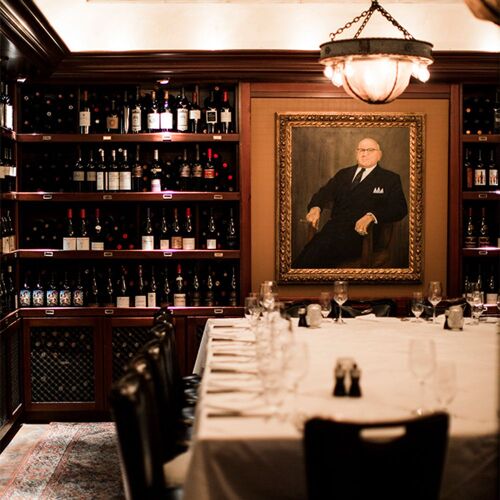
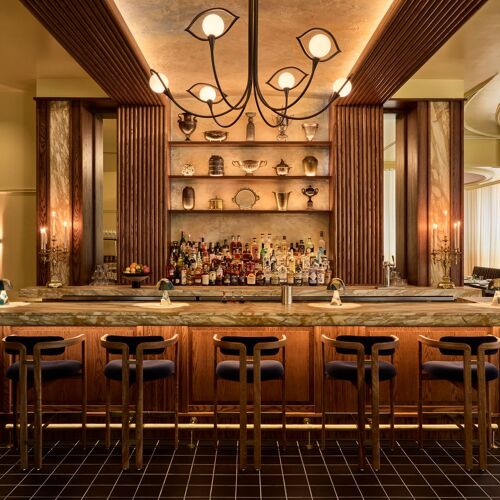
The culinary scene is one of Houston's most compelling draws. With more than 145 languages spoken within city limits, the dining landscape reflects an astonishing range of cultures. Viet-Cajun crawfish, Nigerian suya, Tex-Mex perfected over generations, and James Beard-recognized fine dining all coexist here. Montrose, the Heights, and Midtown serve as the epicenters of the city's restaurant and bar culture, each neighborhood with its own distinct personality.
Houston's cultural infrastructure rivals cities twice its profile. The Museum District clusters 19 institutions within walking distance, including the Museum of Fine Arts Houston, the Menil Collection, and the Houston Museum of Natural Science. The Theater District, second only to New York City in the number of theater seats concentrated in a single urban district, anchors a serious performing arts scene spanning opera, ballet, and symphony.
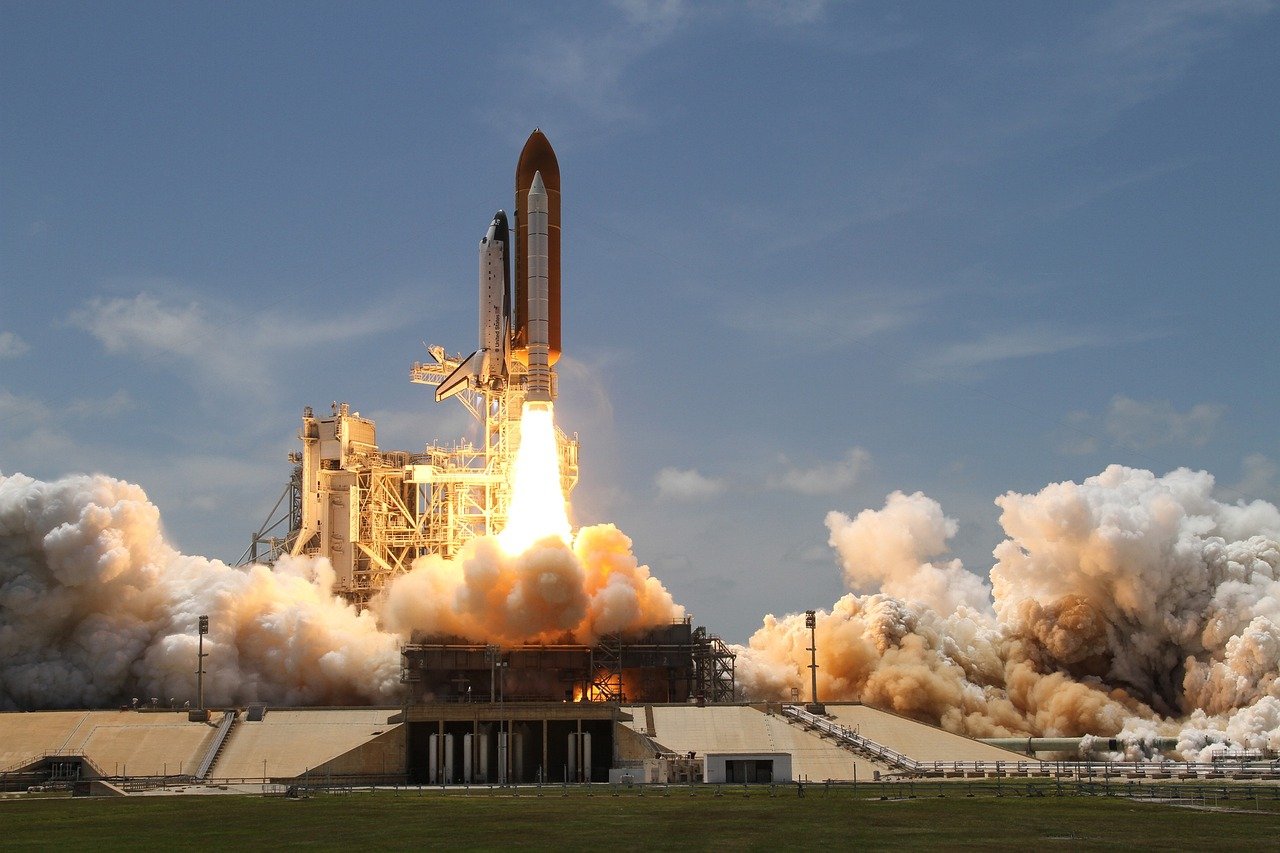
The city's connection to space exploration gives it a singular identity shared by no other destination. Space Center Houston, the official visitor center of NASA's Johnson Space Center, offers access to mission control history, astronaut training facilities, and hardware that actually flew in space. Whether you are a first-time visitor or a returning traveler, Houston consistently delivers more than expected.
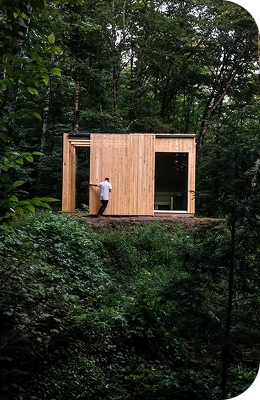

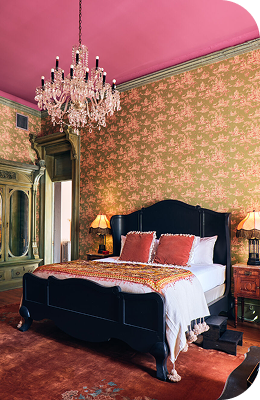

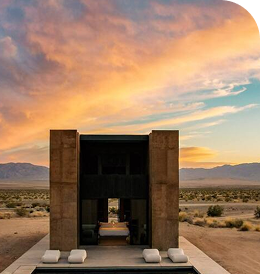

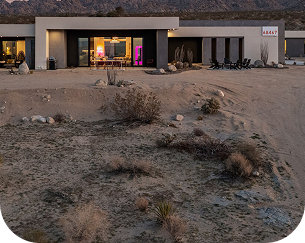

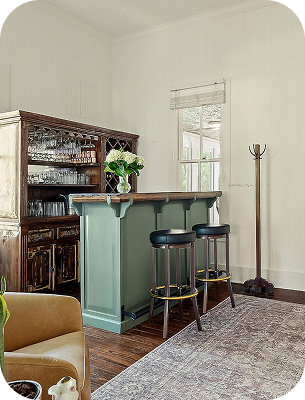

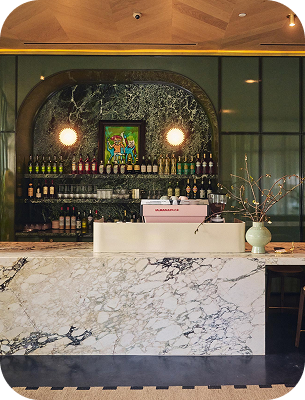

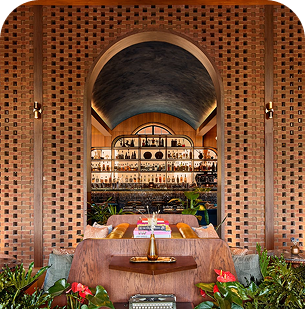

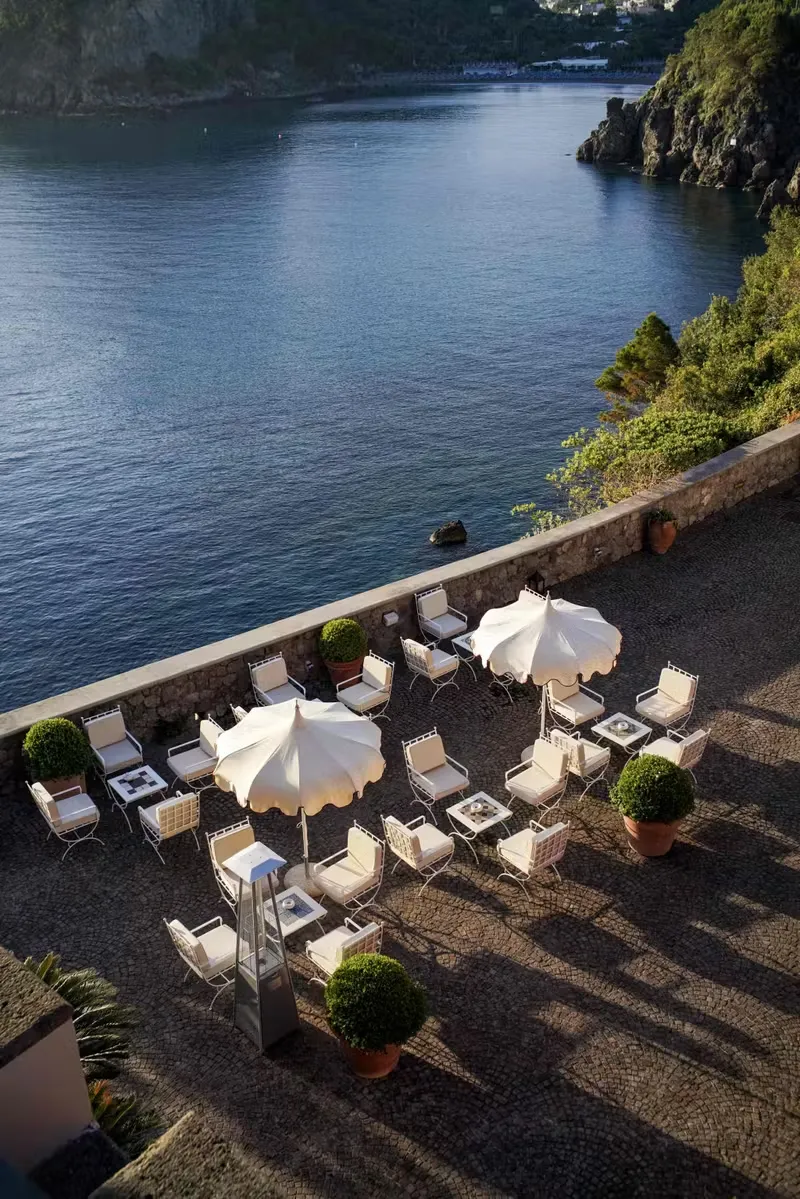

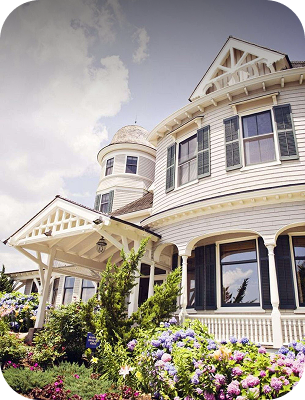

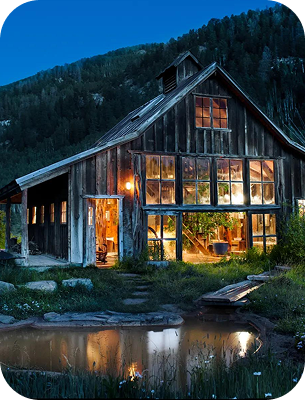

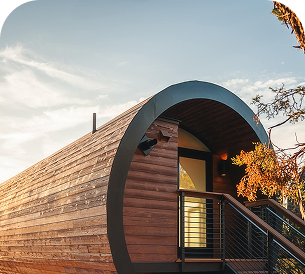

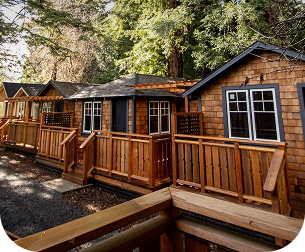

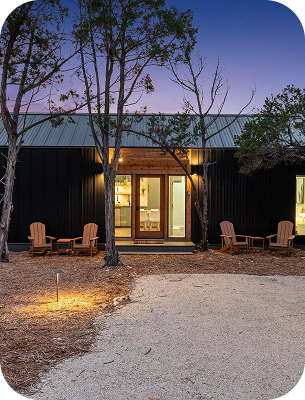

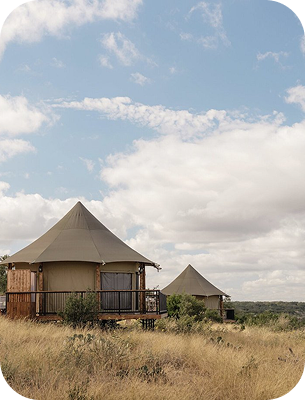

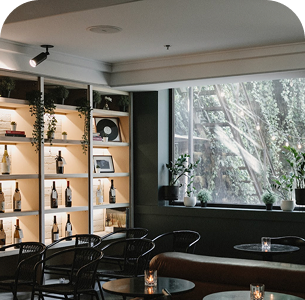

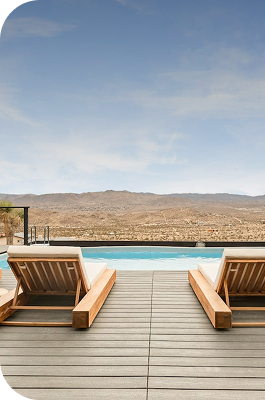

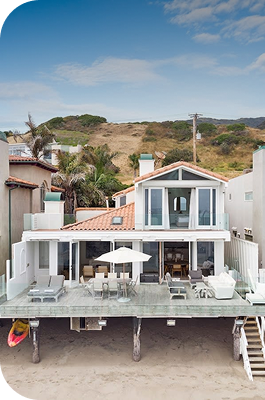

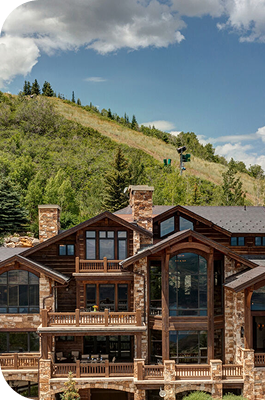
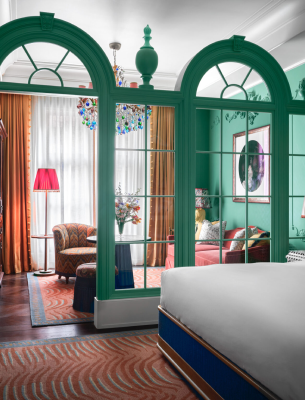
Journey connects travelers to a curated network of boutique hotels and distinctive residences around the world, all united under one rewards program. Explore handpicked stays for your trip while earning points, unlocking exclusive offers, and receiving rewards across the Journey collection.
Houston occupies a vast coastal plain in southeast Texas, roughly 50 miles inland from the Gulf of Mexico. The city's flat terrain is bisected by a network of bayous that drain into Galveston Bay, and the Port of Houston ranks among the busiest in the United States by total cargo tonnage. This geographic position shaped Houston's identity long before the oil industry arrived: it was founded in 1836 by New York land speculators just weeks after Texas declared independence from Mexico, and it served as the first capital of the Republic of Texas.
The discovery of oil at Spindletop in 1901 transformed Houston from a regional trading post into a global energy capital. The petrochemical corridor that stretches along the Houston Ship Channel remains the largest in the Western Hemisphere, and the headquarters of dozens of Fortune 500 companies anchor a downtown skyline that has been in near-constant construction for the better part of a century. Yet Houston is far more than an industry town. The Texas Medical Center, also headquartered here, is the largest medical complex in the world, drawing patients and researchers from every corner of the globe.
Culturally, Houston defies easy categorization. It is simultaneously Southern and international, blue-collar and sophisticated, sprawling and intensely neighborhood-driven. The city has no formal zoning code, a quirk that produces an urban fabric unlike anywhere else in America: a Vietnamese strip mall beside a craft cocktail bar beside a mid-century bungalow. This organized chaos is part of the city's appeal.
Travelers encounter a place that is genuinely proud of its own strangeness. The arts community is deep and well-funded. The food scene is arguably the most underrated in the country. And the sheer scale of the city means that no two visits need to cover the same ground. Houston is a destination that reveals itself in layers, and most visitors find they have only scratched the surface.
October and November stand out as the prime window for visiting Houston. The oppressive summer heat has faded, crowds are manageable, and the city's outdoor spaces become genuinely enjoyable. Hermann Park, Buffalo Bayou Park, and the Houston Arboretum are all at their best during these months, making it easy to explore the city on foot or by bike without the endurance test that summer demands.
March and early April offer another strong option, particularly for travelers drawn to Houston's festival culture. The Houston Livestock Show and Rodeo, one of the largest events of its kind in the world, takes place in late February through March and draws enormous crowds to NRG Stadium. If the rodeo is on your list, book accommodations well in advance. The Bayou City Art Festival in late March and early April brings another surge of visitors to Memorial Park and downtown.
Winter is an underrated time to visit for those who prioritize museum-going and performing arts. The Museum District and Theater District are in full swing, and without summer tourism pressure, it is easier to move through galleries and catch performances at the Houston Grand Opera or Houston Ballet. Hotel rates tend to dip during this period, making it a smart choice for budget-conscious travelers.
Summer is the least recommended season for first-time visitors, though it does coincide with Space Center Houston's busiest programming calendar. If summer is the only option, plan outdoor activities for early morning and lean into the city's world-class indoor attractions during peak afternoon heat. Whenever you visit, Houston's dining and cultural calendar runs year-round, ensuring there is always something worth experiencing.
Montrose is Houston's most eclectic and walkable district, known for its vibrant arts scene, independent restaurants, and welcoming atmosphere. The neighborhood draws a creative crowd to its mix of galleries, vintage shops, craft cocktail bars, and some of the city's most celebrated dining destinations. It is also home to the Menil Collection, one of the finest private art museums in the world, set amid a quietly beautiful campus of bungalows and oak trees.
Houston Heights is a historic neighborhood defined by its tree-lined streets, Victorian-era bungalows, and a thriving local business culture. Antique shops, farm-to-table restaurants, and independent boutiques line 19th Street and White Oak Drive, giving the area a distinct small-town charm within a major city. On weekends, the Heights Hike and Bike Trail fills with cyclists and joggers, and the farmers market draws residents from across the city.
The Museum District clusters 19 world-class cultural institutions within a compact, walkable area anchored by Hermann Park and the Houston Medical Center. The Museum of Fine Arts Houston, the Houston Museum of Natural Science, and the Children's Museum sit alongside gardens, a Japanese garden, and a paddleboat lake that make the district as pleasant to wander as it is to explore indoors. It is the intellectual and cultural heart of the city, drawing millions of visitors each year.
Midtown is Houston's most energetic after-dark neighborhood, a dense urban grid packed with rooftop bars, live music venues, and a diverse mix of international restaurants. The area has undergone significant redevelopment in recent years, attracting a young professional crowd and a growing number of boutique hotels and co-working spaces. By day it is a quieter place to grab coffee and explore street murals; by night it becomes one of the liveliest corridors in the city.
Downtown Houston is the city's commercial and entertainment core, home to Discovery Green, Minute Maid Park, and the Toyota Center alongside a growing number of restaurants, hotels, and cultural venues. The Theater District anchors the performing arts scene here, with venues for opera, ballet, symphony, and Broadway touring productions concentrated within a few city blocks. Tunnels beneath the streets connect buildings across a vast underground pedestrian network, a quirk unique to Houston.
Houston holds a handful of experiences that exist nowhere else on Earth, and they are the reason travelers return.
Space Center Houston
No experience defines Houston more completely than a visit to Space Center Houston, the official visitor center of NASA's Johnson Space Center. This is where mission control history was made, where astronauts trained for lunar landings and shuttle missions, and where hardware that actually traveled to space is on permanent display. Visitors can walk through historic Mission Control, see the Saturn V rocket up close, and explore the full arc of human spaceflight. For anyone with even a passing interest in exploration, this is a pilgrimage site.
The Menil Collection
The Menil is one of the most quietly extraordinary museums in the world. Founded by philanthropists John and Dominique de Menil, the collection spans Byzantine icons, African and Oceanic art, surrealism, and post-war American painting, all housed in a serene Renzo Piano-designed building set within a residential neighborhood. Admission is free. The surrounding Menil campus includes the Rothko Chapel, a non-denominational sanctuary featuring 14 large-scale Mark Rothko paintings, which has become a destination in its own right for art lovers and those seeking contemplative space.
Viet-Cajun Crawfish Culture
Houston invented Viet-Cajun crawfish, a fusion born from the Vietnamese community's arrival in the Gulf Coast region and the local Cajun boil tradition. The result is a style of crawfish preparation layered with lemongrass, garlic butter, and bold spice profiles that has since spread nationally but remains best experienced at its source. Dining at one of Houston's original crawfish spots in the Midtown or Asiatown corridors is a genuinely Houston-specific experience that no other city can replicate.
Houston's Asiatown
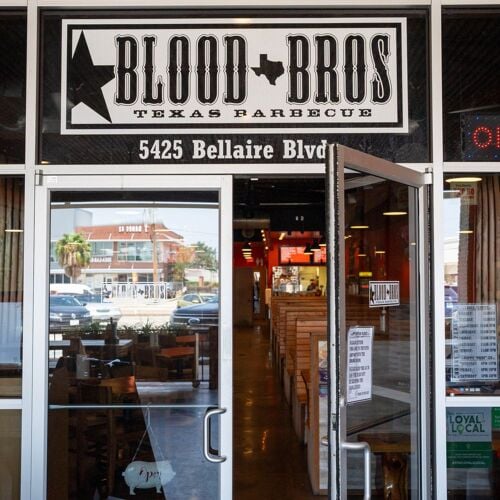
The stretch of Bellaire Boulevard and surrounding streets known as Asiatown is one of the largest and most diverse Asian commercial districts in the United States. Exploring it means moving through Vietnamese bakeries, Hong Kong-style cafes, Sichuan hot pot restaurants, and Korean BBQ halls within the span of a few city blocks, an experience that reflects Houston's identity as one of America's most genuinely international cities.
Houston offers travelers an expansive range of activities across culture, cuisine, outdoor recreation, and entertainment, making it a city that rewards every type of visitor.
Cultural Attractions
The Museum District is one of Houston's greatest assets, clustering 19 institutions within easy walking distance. The Museum of Fine Arts Houston holds one of the largest collections in the United States, while the Menil Collection offers an intimate, world-class experience across surrealism, antiquity, and modern art. The Houston Museum of Natural Science draws families and curious minds alike with its planetarium, gem vaults, and dinosaur halls.
Arts and Entertainment
Houston's Theater District ranks second in the country for the concentration of theater seats in a single urban area, behind only New York City. The city supports a full calendar of opera, ballet, symphony, and live theater. Beyond the formal performing arts, neighborhoods like Montrose and Midtown pulse with independent music venues, comedy clubs, and gallery spaces hosting rotating exhibitions throughout the year.
Food and Dining
Few American cities can match Houston's culinary diversity. With more than 145 languages spoken across the city, the dining scene spans an extraordinary range of global cuisines. Viet-Cajun crawfish, Nigerian suya, Tex-Mex, and James Beard-recognized fine dining all coexist within the same city limits. The Heights, Montrose, and EaDo are the neighborhoods to explore for both local institutions and emerging chef-driven restaurants.
Outdoor Recreation
Houston's extensive park system offers jogging trails, kayaking, cycling paths, and green space throughout the city. Buffalo Bayou Park winds through the urban core and connects to the broader hike-and-bike trail network. Hermann Park, adjacent to the Museum District, provides a peaceful retreat with a Japanese garden, reflecting pool, and paddleboat lake.
Scenic Exploration
The Houston Ship Channel and surrounding industrial waterfront offer a look at one of the busiest ports in the country. Day trips to Galveston Island bring Gulf Coast beaches, historic architecture, and fresh seafood within an hour's drive of downtown.
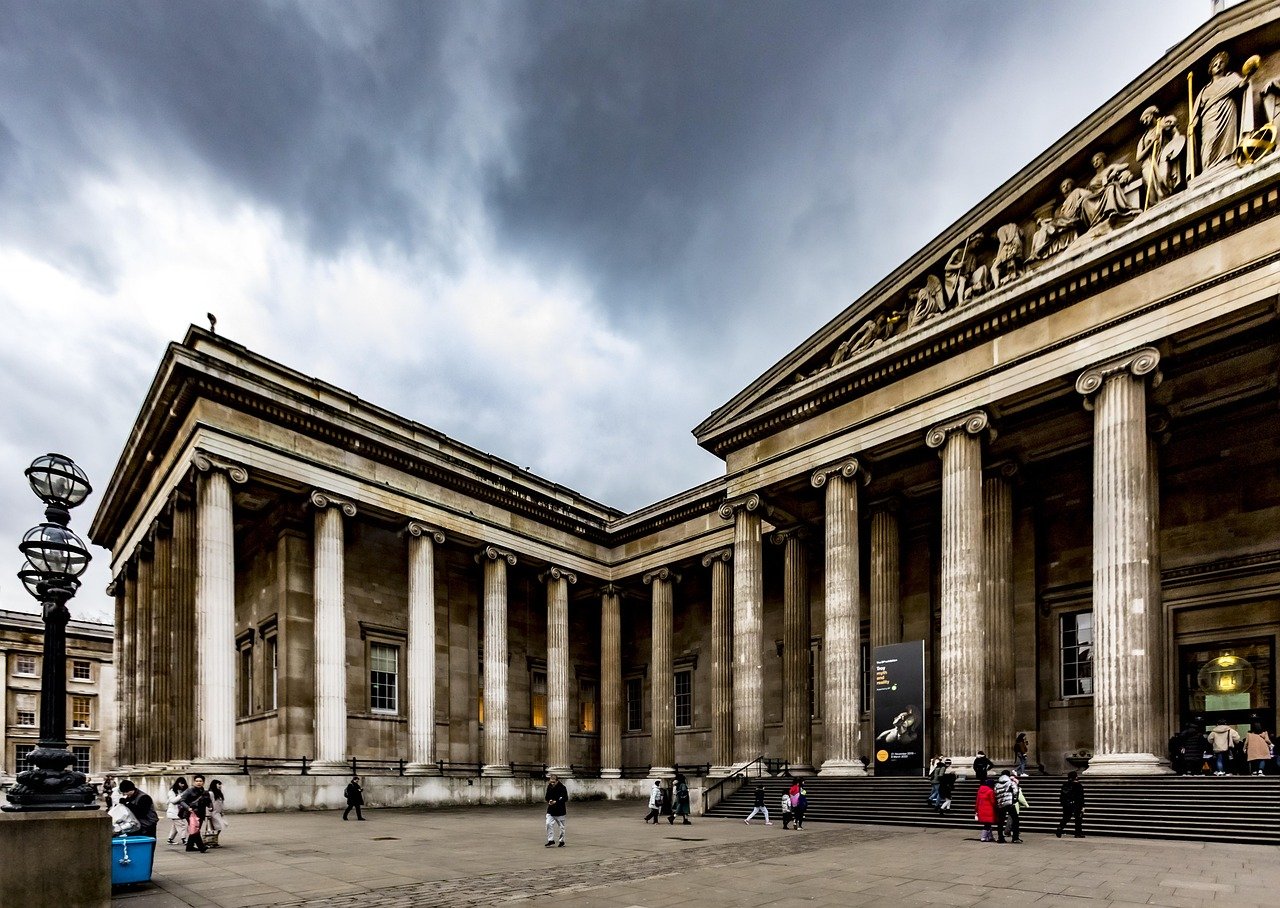
Start your Houston visit in the Museum District. Spend the morning at the Museum of Fine Arts Houston, then walk to the Menil Collection for its world-class modern and contemporary art. In the afternoon, explore the eclectic Montrose neighborhood for lunch and coffee. End the evening with dinner and drinks along Westheimer Road, where restaurants and bars spill into the night.
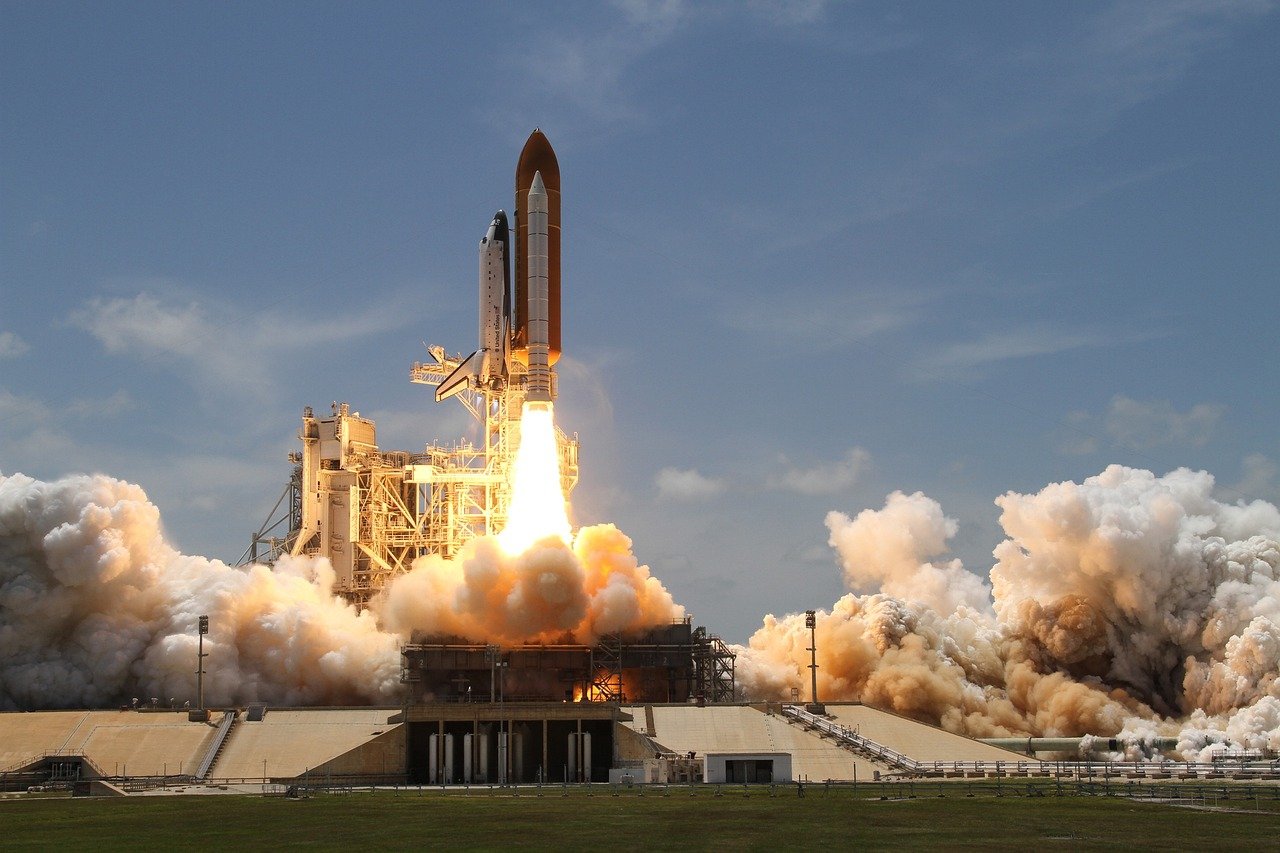
Head south to Space Center Houston for a morning of NASA history - walk through mission control, see spacecraft up close, and explore astronaut training exhibits. After lunch at the center, drive back into the city and spend the afternoon browsing the Heights neighborhood's boutiques and bungalows. Wrap up the evening with Tex-Mex or Viet-Cajun crawfish in Midtown.
Spend your final morning at Buffalo Bayou Park, walking or cycling the trails along the water with views of the downtown skyline. Grab brunch at a local spot in the Heights or EaDo before heading to the Theater District in the afternoon to take in the architecture and check out any matinee performances. Close out the trip with a farewell dinner in Midtown or Montrose.
Houston pulses with energy year-round, shaped by its size, diversity, and Southern warmth. Winters are mild and social, with neighborhood festivals and cultural celebrations filling the calendar from January onward. Spring brings the city to life outdoors, with parks, patios, and public spaces hosting everything from rodeo traditions to arts markets as temperatures climb before the summer heat sets in. Summer leans toward indoor culture, with world-class museums, performing arts, and culinary events drawing both locals and visitors into air-conditioned comfort. Fall is arguably Houston's most vibrant season, when cooling temperatures coax the city back outside for block parties, food festivals, and major sporting events. Throughout the year, Houston's extraordinary cultural diversity means there is always something rooted in a distinct community tradition on the horizon.
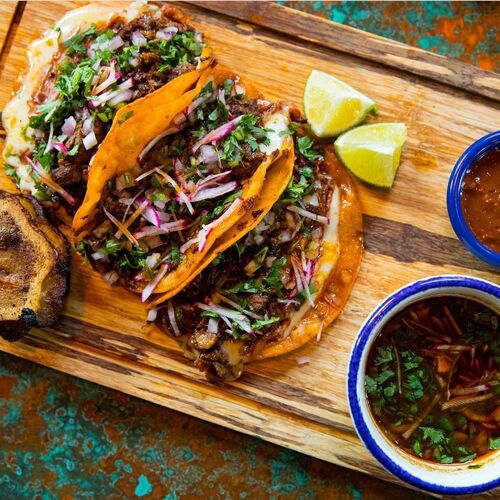
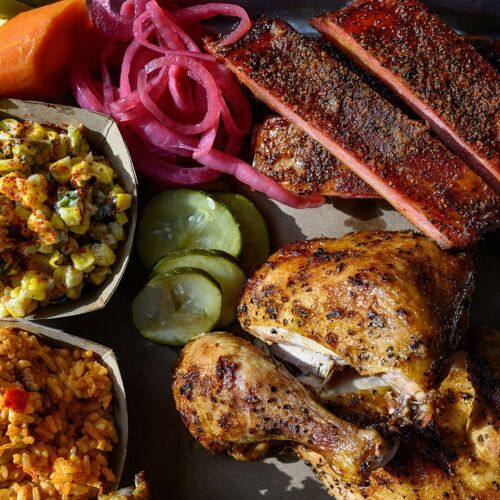
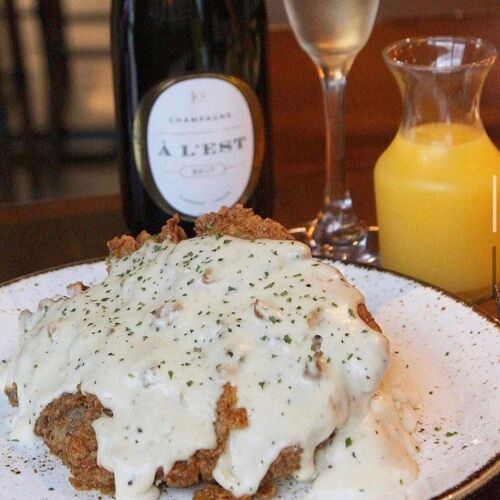
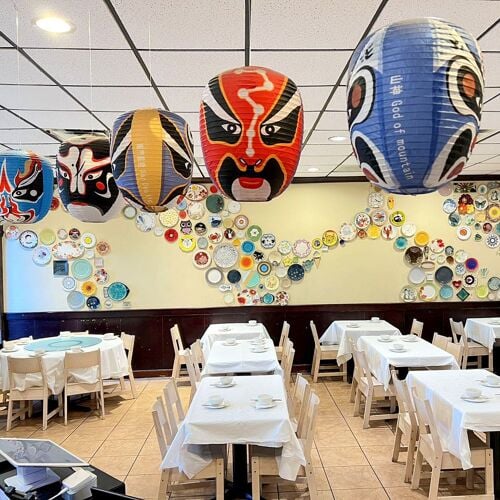
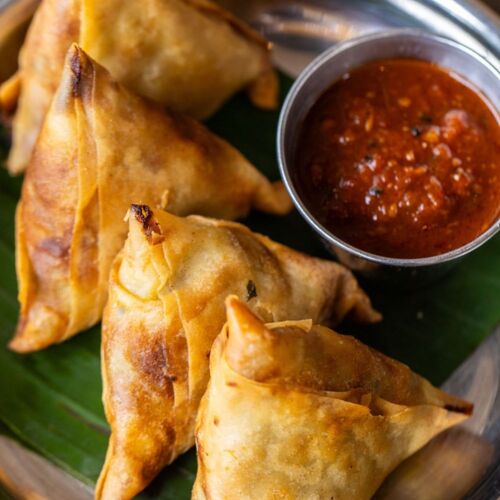
Houston's culinary scene is one of the most diverse in the United States, shaped by a city where more than 145 languages are spoken and cultures from every corner of the world have taken root. The result is a dining landscape that defies easy categorization. Viet-Cajun crawfish, a Houston original, blends the spice traditions of Vietnamese cooking with the bold flavors of Louisiana bayou cuisine, and it has become a signature dish that visitors seek out specifically. Nigerian suya, Salvadoran pupusas, and hand-rolled dim sum are as much a part of the local food identity as Tex-Mex perfected over generations.
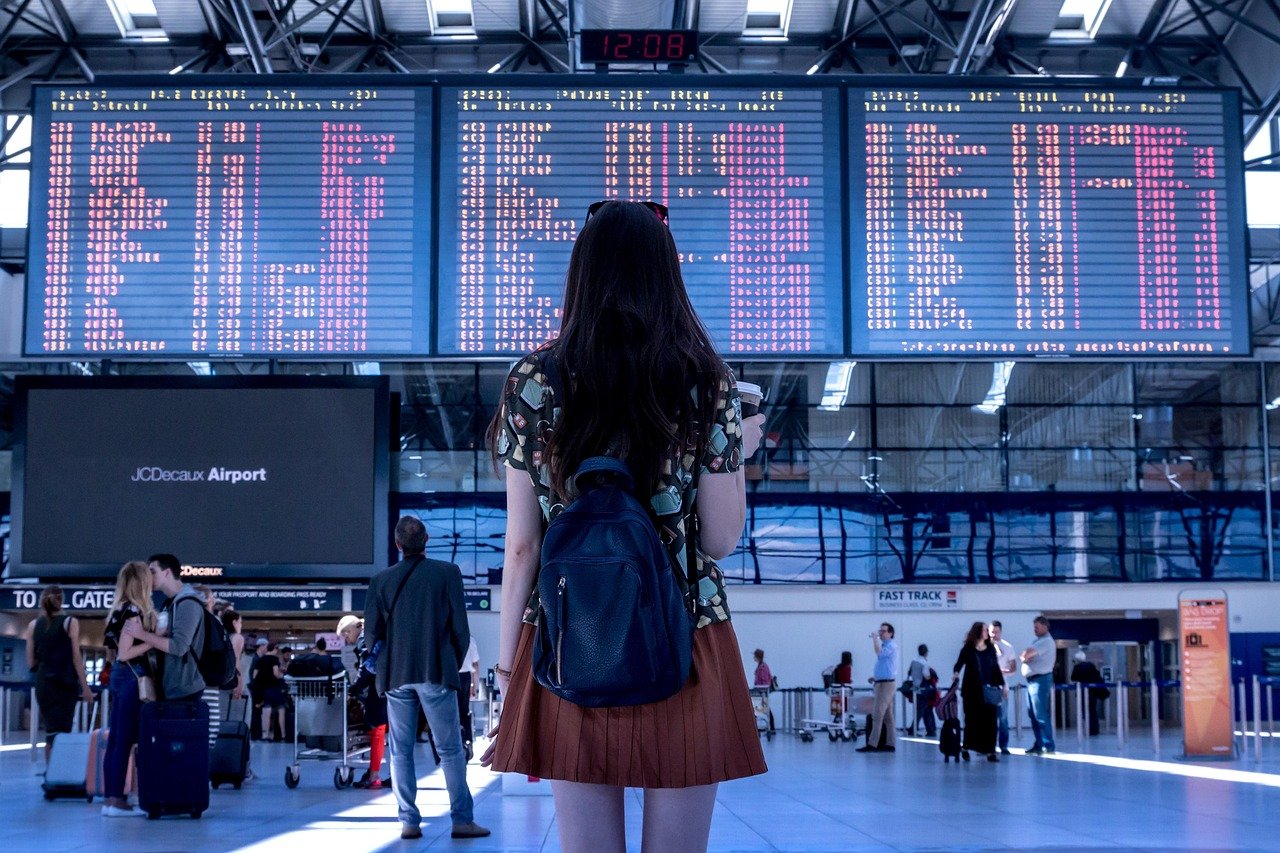
George Bush Intercontinental Airport (IAH) is Houston's primary hub
handling the majority of domestic and international flights, located about 23 miles north of downtown with rideshare, taxi, and rental car options readily available at the terminal.
William P. Hobby Airport (HOU) serves domestic travelers
and sits roughly 10 miles southeast of downtown, making it a faster and often cheaper option for arrivals on Southwest Airlines and other carriers serving regional routes.
I-10, I-45, and I-69 are the main interstate corridors into Houston
with I-45 South connecting Galveston beach travelers, I-45 North linking Dallas visitors on a roughly four-hour drive, and I-10 West bringing arrivals from San Antonio in about three hours.
Amtrak's Sunset Limited and Texas Eagle stop at Houston Union Station
in the heart of downtown, though both routes run only three times per week, so train travel suits flexible itineraries rather than tight schedules.
Greyhound and FlixBus connect Houston to major Texas cities
including Austin, San Antonio, and Dallas, with fares often well under $30 and drop-off points near downtown that make bus travel a budget-friendly arrival option.
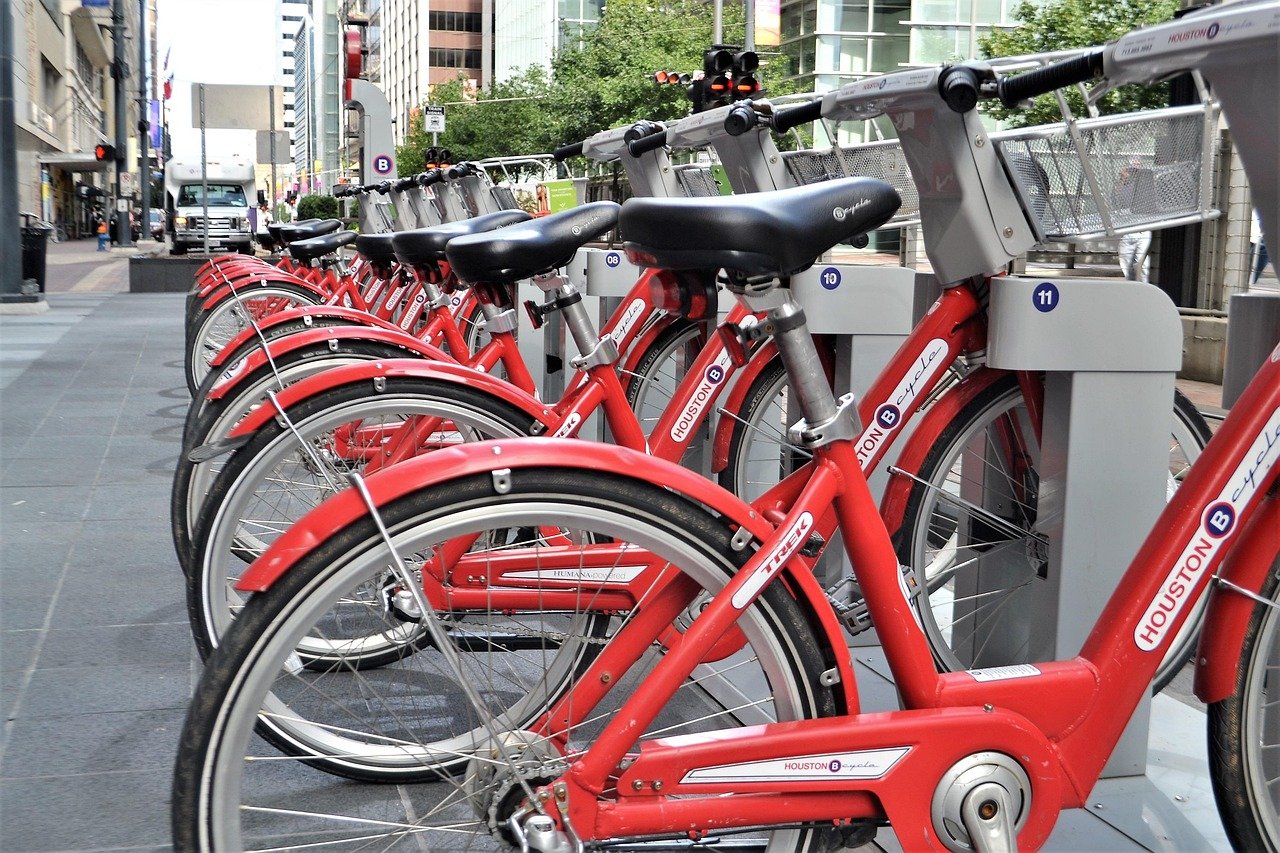
The METRORail Red Line connects downtown to the Museum District
and continues south to the Texas Medical Center and NRG Stadium, making it a reliable and inexpensive option for visitors staying along that corridor who want to skip parking entirely.
Montrose and the Heights are Houston's most walkable neighborhoods
where restaurants, bars, galleries, and shops cluster close together, so arriving by rideshare and then exploring on foot is the most efficient approach for an evening out.
Uber and Lyft cover Houston comprehensively
and are the default transport for most visitors moving between neighborhoods, with wait times generally short across Midtown, downtown, and the Galleria area throughout the day and evening.
Renting a car is the best option for reaching Space Center Houston
located about 25 miles southeast of downtown in Clear Lake, as public transit does not serve the area and rideshare round trips add up quickly for a full-day visit.
Downtown parking garages fill fast on Astros game days and during major conventions
so visitors planning to drive into the core should book a garage in advance through SpotHero or arrive well before event start times to avoid circling for street spots.
Houston's heat and humidity are serious factors from May through September, so plan outdoor activities for mornings and carry water. The city's restaurant scene is competitive and popular spots fill quickly: book dinner reservations two to three weeks out, especially on weekends in Montrose and the Heights. Google Maps is reliable for navigation, and the METRO Q Fare Card app simplifies paying for METRORail and bus rides. Tipping follows standard US norms: 18 to 20 percent at restaurants, a few dollars for rideshare drivers, and similar amounts for hotel staff. Houston is a large urban area, so standard city awareness applies: stay oriented in unfamiliar neighborhoods, especially after dark. The city is generally welcoming and diverse, and locals are accustomed to visitors. Cash is rarely necessary as card and contactless payment are accepted almost universally, but having a small amount on hand is useful at food trucks and weekend markets.
Three to four days gives you a solid experience of Houston. You can cover the Museum District, Space Center Houston, and a few neighborhoods like Montrose and the Heights in that time. If you want to dig deeper into the dining scene or catch a performing arts show, budget four to five days to avoid feeling rushed.
Houston is best known for its connection to NASA and space exploration, its extraordinarily diverse food scene, and its world-class cultural institutions. Space Center Houston, the Museum of Fine Arts, and the Menil Collection draw visitors from around the world. The city also has the second-largest concentration of theater seats in the United States after New York City.
Yes, Houston works well as a weekend trip. In two days you can realistically visit Space Center Houston or the Museum District, explore a neighborhood or two, and sample the city's standout dining scene. It is best suited for travelers flying in, as Houston has two major airports with wide connectivity across the country.
Houston is relatively affordable compared to other major American cities. Hotels, dining, and entertainment tend to cost less than in New York or Los Angeles. Many of the top museums, including the Menil Collection, are free to enter. You can eat exceptionally well here at every price point, from street-level taquerias to James Beard-recognized restaurants.
The best time to visit Houston is between October and April, when temperatures are mild and humidity is lower. Summers are hot and intensely humid, with heat indices that can make outdoor sightseeing uncomfortable.