
Baltimore, MD
A Journey guide to
Laredo is one of the most distinctive cities in the American South, defined above all by its position on the Rio Grande directly across from Nuevo Laredo, Mexico. This is not a border town in the peripheral sense — it is a living crossroads, where two nations share a single cultural pulse. Spanish is the dominant language, Tejano music drifts from storefronts, and the rhythms of daily life reflect centuries of intertwined heritage. Travelers who arrive expecting a generic Texan city will be quickly corrected.
The city holds the distinction of being one of the oldest continuously inhabited settlements on the Rio Grande, founded in 1755 by Tomás Sánchez as a ranching community under Spanish colonial rule. That layered past is visible in the streets of the San Agustín Historic District, where 18th- and 19th-century architecture frames the central plaza. The Republic of the Rio Grande Museum, housed in a building that once served as the capitol of a short-lived independent republic, is one of the more unusual historical landmarks in all of Texas.
Laredo draws a particular kind of traveler: those interested in borderland culture, binational commerce, and the authentic texture of a city that has never been packaged for mass tourism. It is a working city — the largest inland port of entry in the United States by trade volume — and that commercial energy gives it a vitality that purely tourist-oriented destinations often lack. Shoppers cross the international bridges daily, and the mercados of Nuevo Laredo are within easy walking distance.
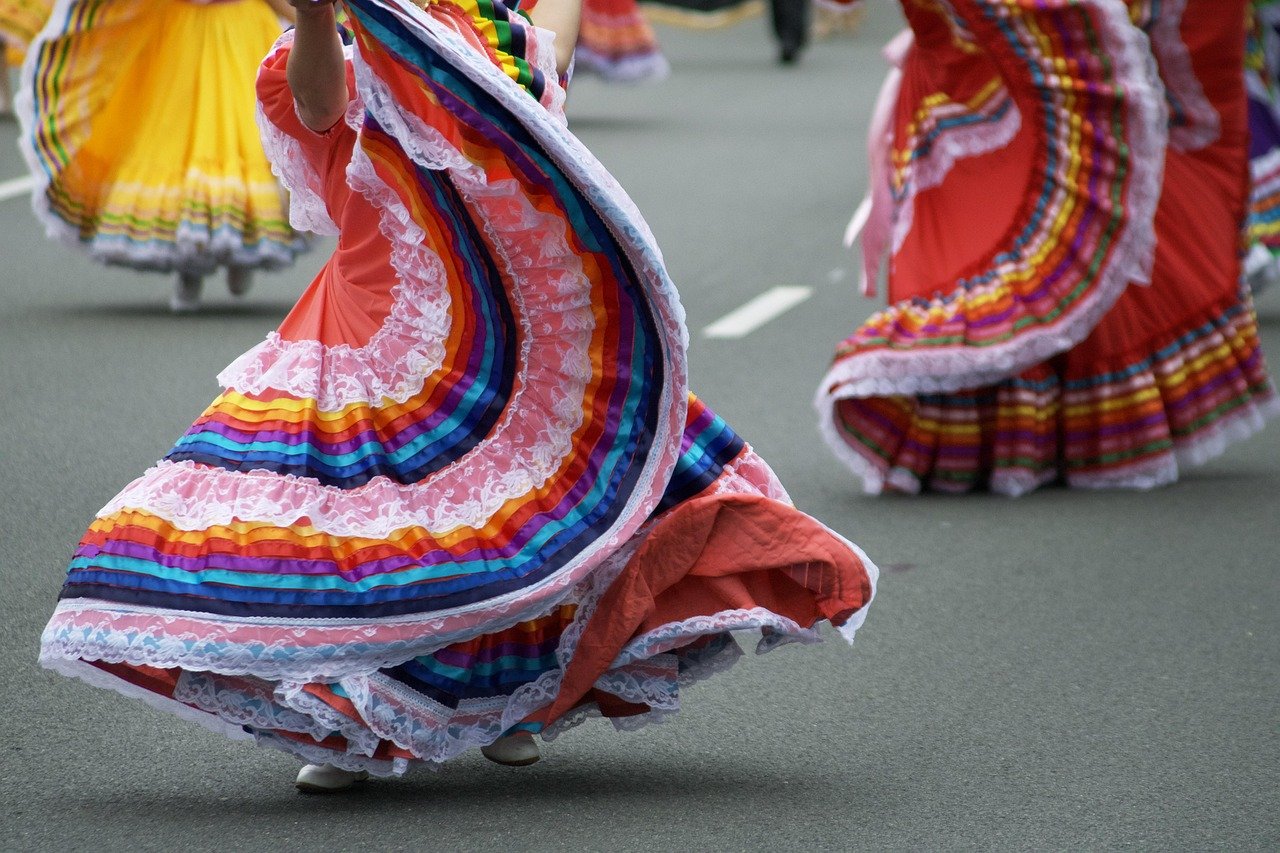
For travelers seeking genuine cultural immersion, Laredo rewards curiosity. The annual Washington's Birthday Celebration, one of the longest-running and largest such festivals in the country, reflects the city's proud dual identity: deeply American in civic tradition, profoundly Mexican in spirit and expression. Local cuisine leans heavily on northern Mexican and Tex-Mex traditions, with carnitas, cabrito, and pan dulce anchoring the food scene.
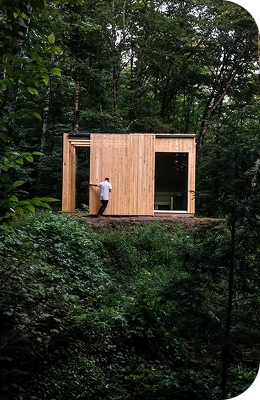



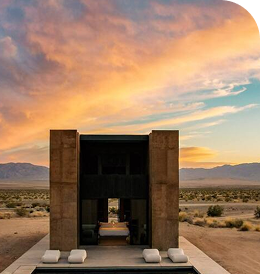

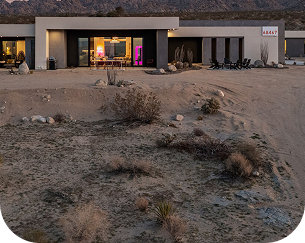





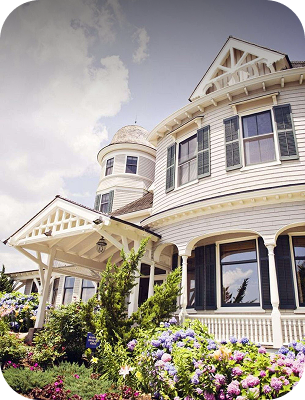

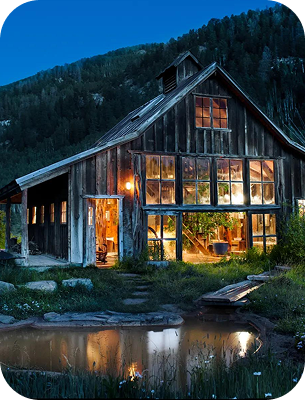

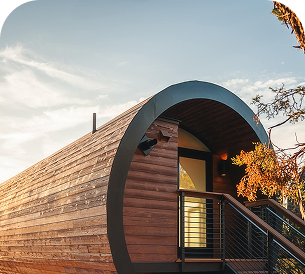

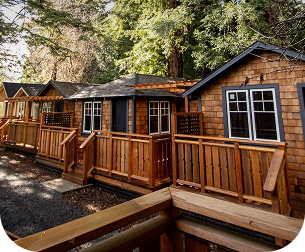








Journey connects travelers to a curated network of boutique hotels and distinctive residences around the world, all united under one rewards program. Explore handpicked stays for your trip while earning points, unlocking exclusive offers, and receiving rewards across the Journey collection.
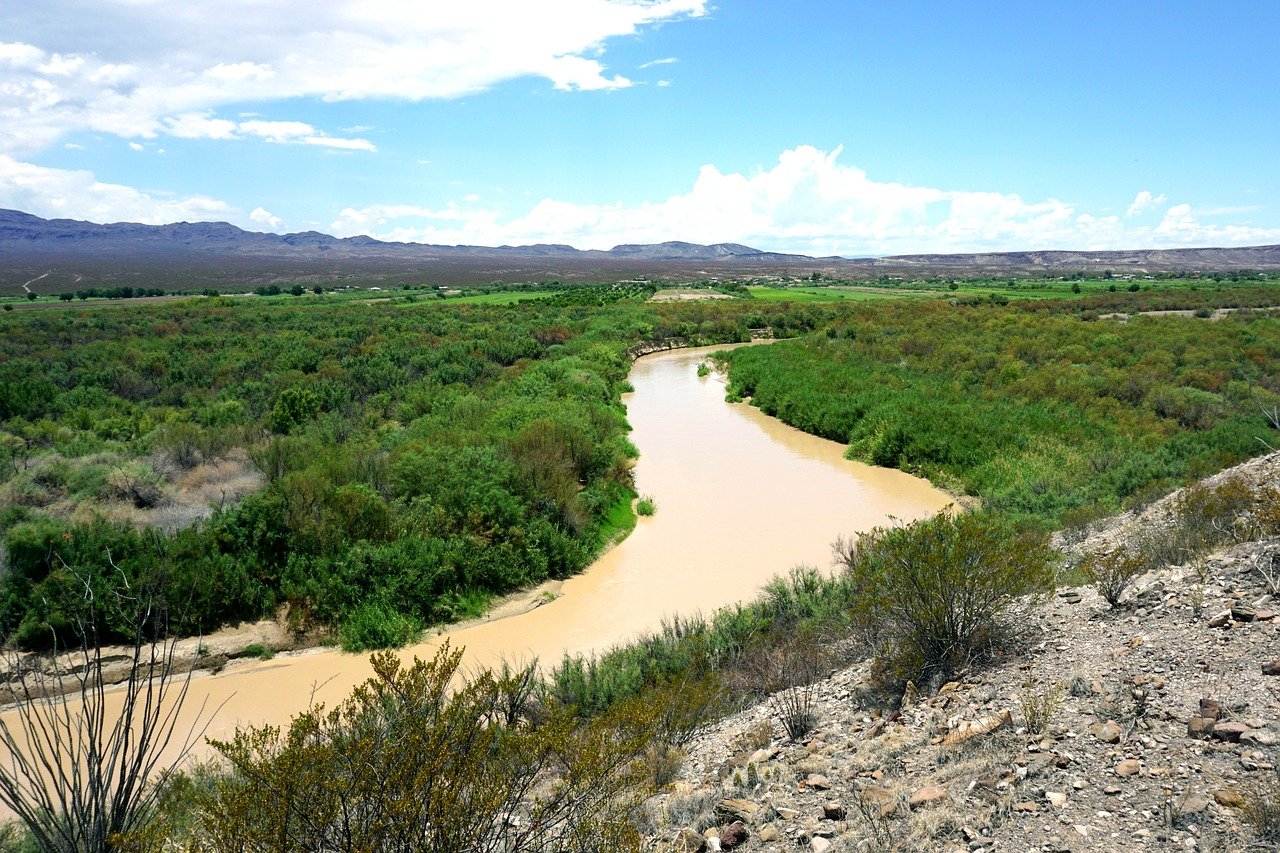
Laredo sits on the southern tip of Texas, pressed against the Rio Grande at the US-Mexico border, roughly 150 miles southwest of San Antonio. The river here is not a hard boundary so much as a seam — the city and its Mexican counterpart, Nuevo Laredo, Tamaulipas, function in close economic and cultural symbiosis, connected by a series of international bridges that carry more trade than any other inland crossing in the United States.
The landscape around Laredo is arid and open, characteristic of the Tamaulipan mezquital ecoregion — a scrubland of mesquite, prickly pear, and thornscrub that stretches in all directions. The Rio Grande, lined with cottonwoods and willows, provides a green corridor through otherwise dry terrain. The setting is austere but striking, and the quality of light in this part of South Texas has a particular clarity that photographers and painters have long appreciated.
Culturally, Laredo is overwhelmingly Hispanic — more than 95 percent of residents identify as Latino, making it one of the most homogeneous major cities in the United States in ethnic terms, and one of the most Spanish-speaking. This is not a recent demographic shift; it reflects the city's origins as a Spanish colonial settlement and its continuous habitation by families whose roots predate both Texas statehood and American sovereignty over the region. The result is a cultural authenticity that is rare: Laredo has not been gentrified or curated for outside consumption.
Historically, Laredo has occupied an outsized role in the political geography of North America. It was founded under the Spanish Crown, passed to Mexico after independence, briefly served as the capital of the independent Republic of the Rio Grande in 1840, and was eventually incorporated into the United States following the Mexican-American War. Each of these chapters left architectural and institutional traces that remain visible today.
For travelers, Laredo offers an immersive encounter with borderland life: binational shopping, deeply traditional food, colonial-era plazas, and a civic culture that is genuinely unlike anywhere else in the United States.
Laredo rewards visitors who time their trip carefully, as the city's extremes of climate and its packed cultural calendar make some windows far more rewarding than others.
October through November is arguably the finest period to visit. The punishing summer heat has lifted, outdoor exploration of the San Agustín Historic District and the riverfront is genuinely comfortable, and the city hums with local activity without any significant tourist crowds. This is a strong window for those who want to cross the international bridges into Nuevo Laredo and browse the mercados at a relaxed pace.
February is a uniquely compelling time to visit thanks to the Washington's Birthday Celebration, one of the oldest and largest civic festivals in the United States. The city fills with parades, pageantry, and binational cultural events that showcase Laredo's dual identity in full. Accommodations book up quickly during this period, so advance planning is essential. The mild winter conditions make festival-going genuinely enjoyable.
March and early April offer a pleasant shoulder-season alternative. The festival crowds have thinned, conditions remain comfortable, and the city returns to its everyday rhythm — which, for travelers seeking authentic borderland culture rather than spectacle, can be even more appealing.
Summer is the most challenging season for visitors. The heat is severe and sustained, and outdoor sightseeing requires careful planning around early morning hours. That said, budget-conscious travelers will find lower accommodation rates, and the city's indoor attractions, including its museums and markets, remain fully accessible.
Spring break in March brings an uptick in cross-border shopping traffic, which can mean longer waits at the international ports of entry. Travelers crossing into Nuevo Laredo during this period should factor in additional time at the bridges.
The oldest heart of Laredo, San Agustín surrounds the city's central plaza with 18th- and 19th-century colonial architecture that speaks directly to the city's Spanish founding in 1755. The Republic of the Rio Grande Museum anchors the district, and the San Agustín Cathedral presides over the plaza with quiet authority. This is where Laredo's layered identity - Spanish colonial, Mexican, and Texan - is most legible in stone and street.
Downtown pulses with the commercial energy of one of the busiest trade corridors in North America, where international bridges connect the city to Nuevo Laredo just steps away. Storefronts line the streets in a dense mix of retail, restaurants, and money exchanges that serve a binational clientele daily. The atmosphere is distinctly working-class and authentic, offering travelers a window into the real economic and cultural life of the borderlands.
The zone surrounding the Gateway to the Americas and Juárez-Lincoln bridges is one of the most kinetic stretches of urban life in Texas, where foot traffic flows between two countries around the clock. Markets, street vendors, and exchange houses crowd the approach streets, and the Rio Grande itself is visible from the bridge walkways. For travelers curious about the living reality of the US-Mexico border, this corridor is unmissable.
North Laredo is the city's contemporary residential and commercial corridor, home to the major shopping centers, chain hotels, and sit-down restaurants that serve the city's growing population. The area around Del Mar Boulevard and San Bernardo Avenue offers a more polished, suburban feel compared to the historic core. It is the practical base for many visitors, with easy access to both the city's attractions and the main highway routes.
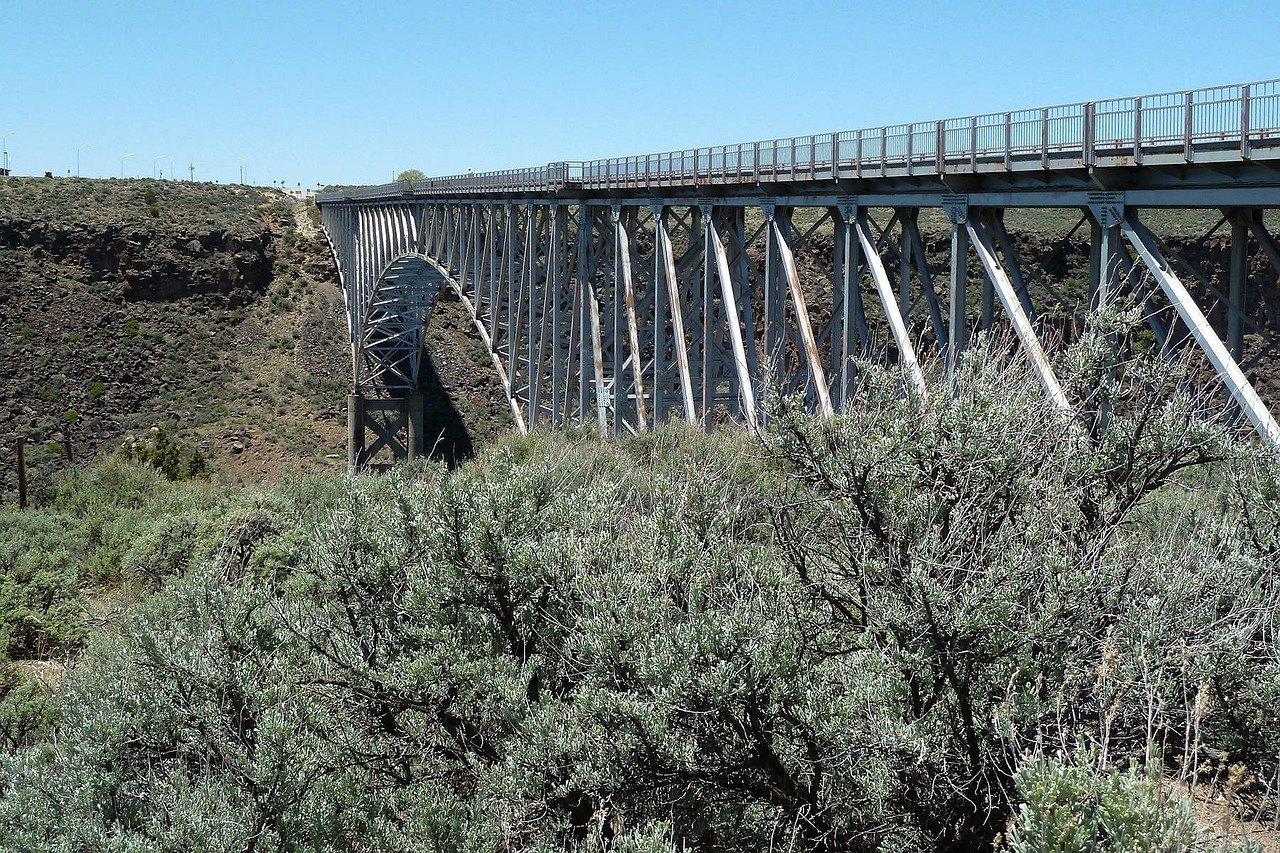
Laredo's signature experiences are rooted in something no other American city can offer: the daily reality of living and traveling at the intersection of two nations.
Crossing into Nuevo Laredo
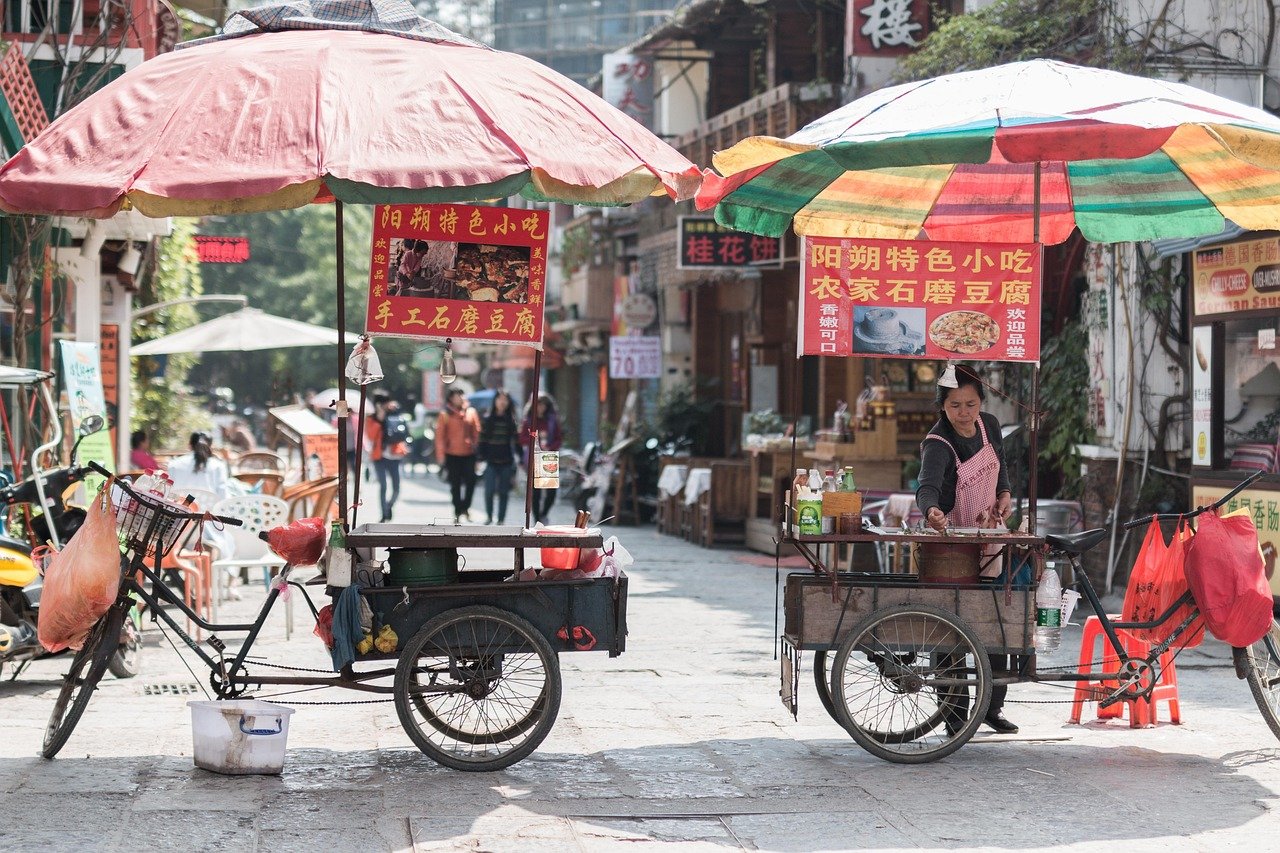
The most iconic thing a visitor can do in Laredo is walk across the international bridge into Nuevo Laredo, Mexico. This is not a tourist stunt - it is how residents live. The mercados, street food stalls, pharmacies, and cantinas of Nuevo Laredo are woven into Laredo's daily rhythm, and crossing the bridge on foot delivers an immediate, unfiltered immersion into Mexican border culture. Few experiences in American travel are this immediate or this real.
Washington's Birthday Celebration
Every February, Laredo hosts one of the longest-running and largest Washington's Birthday celebrations in the United States - a weeks-long festival that is wholly its own. What makes it singular is the fusion at its core: American civic pride expressed through jalapeno-eating contests, a colonial pageant, an international parade crossing the bridge, and the Society of Martha Washington's elaborate gown presentations. It is a celebration that could only exist here, in a city that holds both identities at once.
Experiencing Tejano Border Culture
Laredo is one of the most authentically Tejano cities in Texas. Spanish is the primary language of daily life, norteño and Tejano music plays in restaurants and at public gatherings, and the cultural calendar reflects a community that has never needed to perform its identity for outside audiences. Travelers who spend time here - eating at family-run taquerias, browsing the San Agustín plaza, listening to live music - encounter a version of Texas that is rarely represented in mainstream travel media.
Binational Commerce and the Port of Entry
As the largest inland port of entry in the United States by trade volume, Laredo hums with a commercial energy unlike any other border crossing. Watching the flow of international trade from the bridge or exploring the historic downtown gives travelers a ground-level understanding of how deeply the two countries are connected.
Laredo, Texas offers a compelling mix of cultural, outdoor, and culinary experiences shaped by its unique position on the US-Mexico border.
Cultural Attractions
Laredo's history runs deep, and its historic districts and museums reflect centuries of layered heritage. The San Agustín Historic District anchors the city's colonial past, with 18th- and 19th-century architecture surrounding a central plaza. The Republic of the Rio Grande Museum tells the remarkable story of a short-lived independent republic and remains one of the most distinctive historical landmarks in Texas. The Fort McIntosh grounds, now part of Laredo Community College, add another chapter of frontier-era history.
Outdoor Recreation
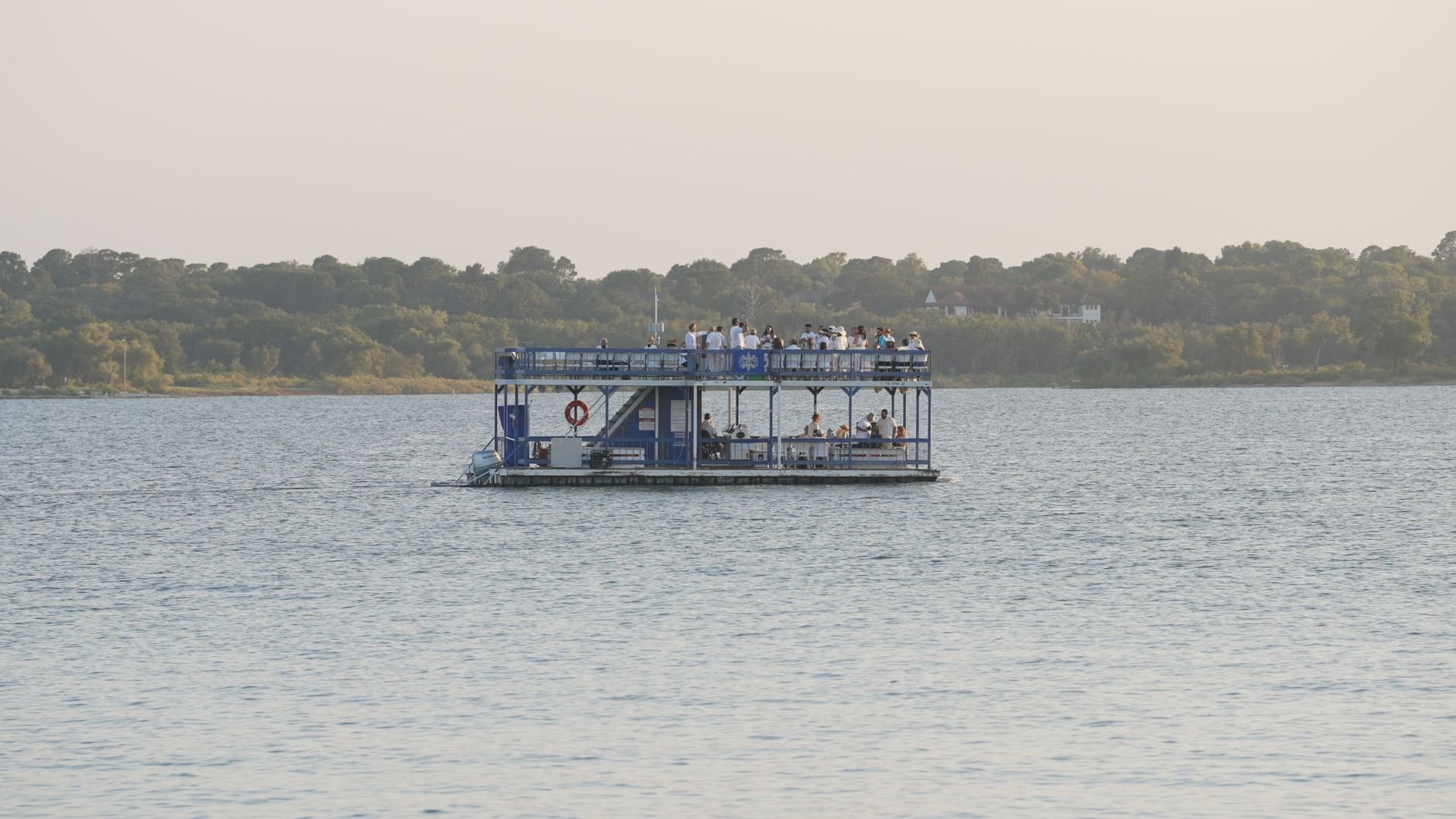
The Rio Grande provides a dramatic natural backdrop for outdoor activity. Lake Casa Blanca International State Park is the city's primary outdoor destination, offering boating, fishing, swimming, hiking, and camping across more than 500 acres. The lake is a popular retreat for locals and visitors alike, particularly in the cooler months.
Scenic Exploration
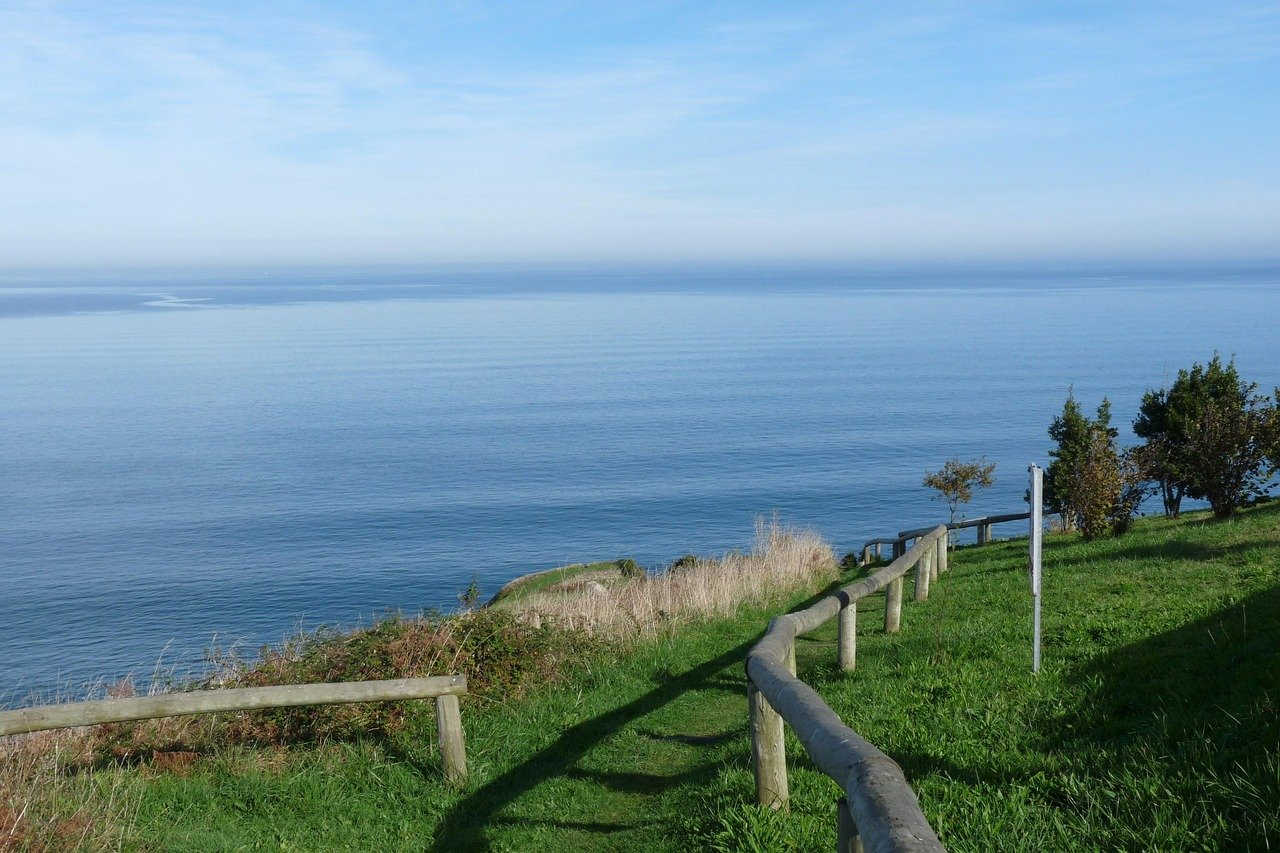
Walking the international bridges over the Rio Grande offers a perspective found nowhere else in the country: two cities, two nations, one river. The riverfront itself provides scenic views and a tangible sense of the border's geography and cultural significance.
Arts and Entertainment
Laredo's arts scene reflects its binational character. The Laredo Center for the Arts hosts rotating exhibitions and community events. Live Tejano and norteño music can be found at local venues and festivals throughout the year, offering an authentic soundtrack to the city's cultural identity.
Food and Dining
The local food scene leans heavily on northern Mexican and Tex-Mex traditions. Carnitas, cabrito, pan dulce, and handmade tortillas are staples across taquerias and family-run restaurants. The proximity to Nuevo Laredo also means that a short walk across the bridge opens up a wider world of authentic Mexican cuisine.
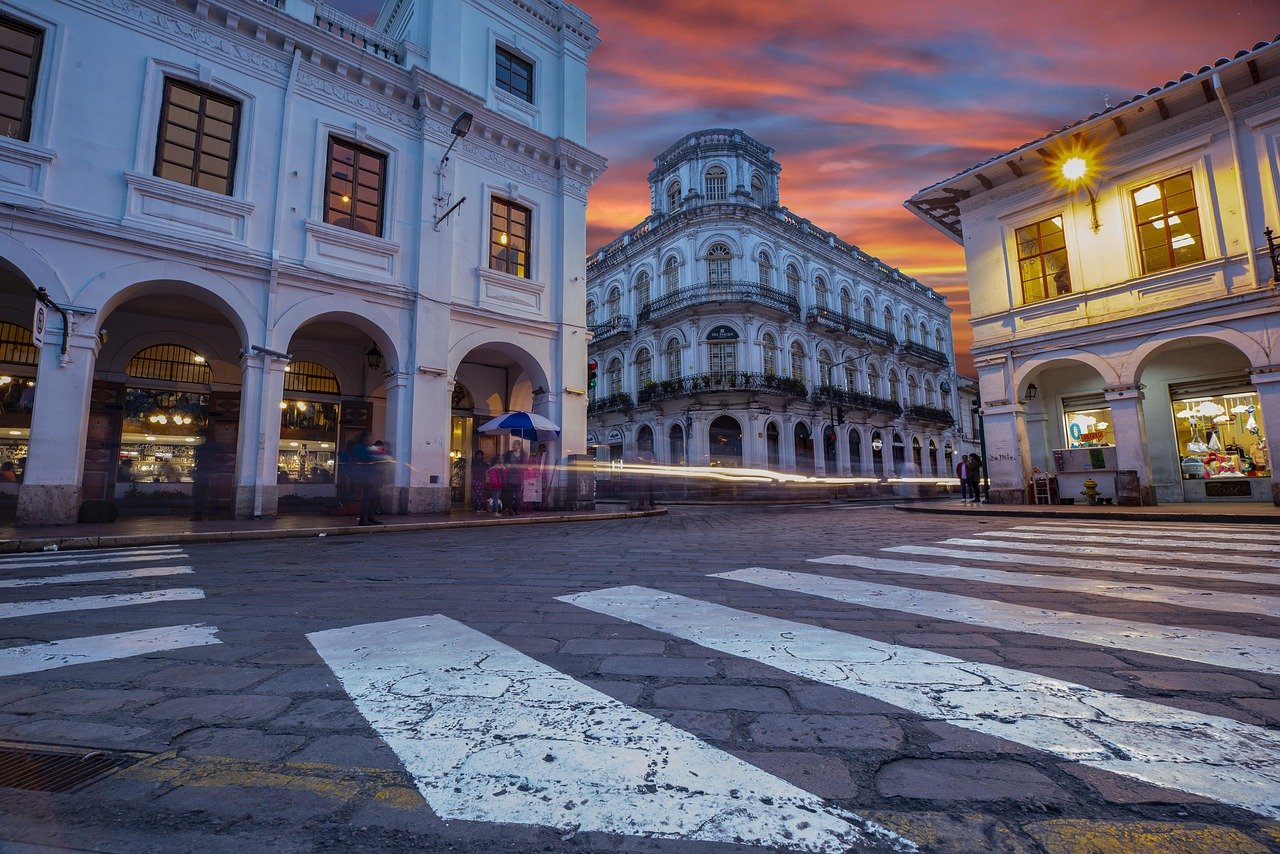
Start your morning at San Agustín Plaza, the historic heart of Laredo, and explore the Republic of the Rio Grande Museum to absorb the city's colonial roots. In the afternoon, stroll the San Agustín Historic District and browse local shops along Convent Avenue. End the evening with dinner at a Tex-Mex staple in downtown Laredo, savoring cabrito or carnitas with fresh tortillas.
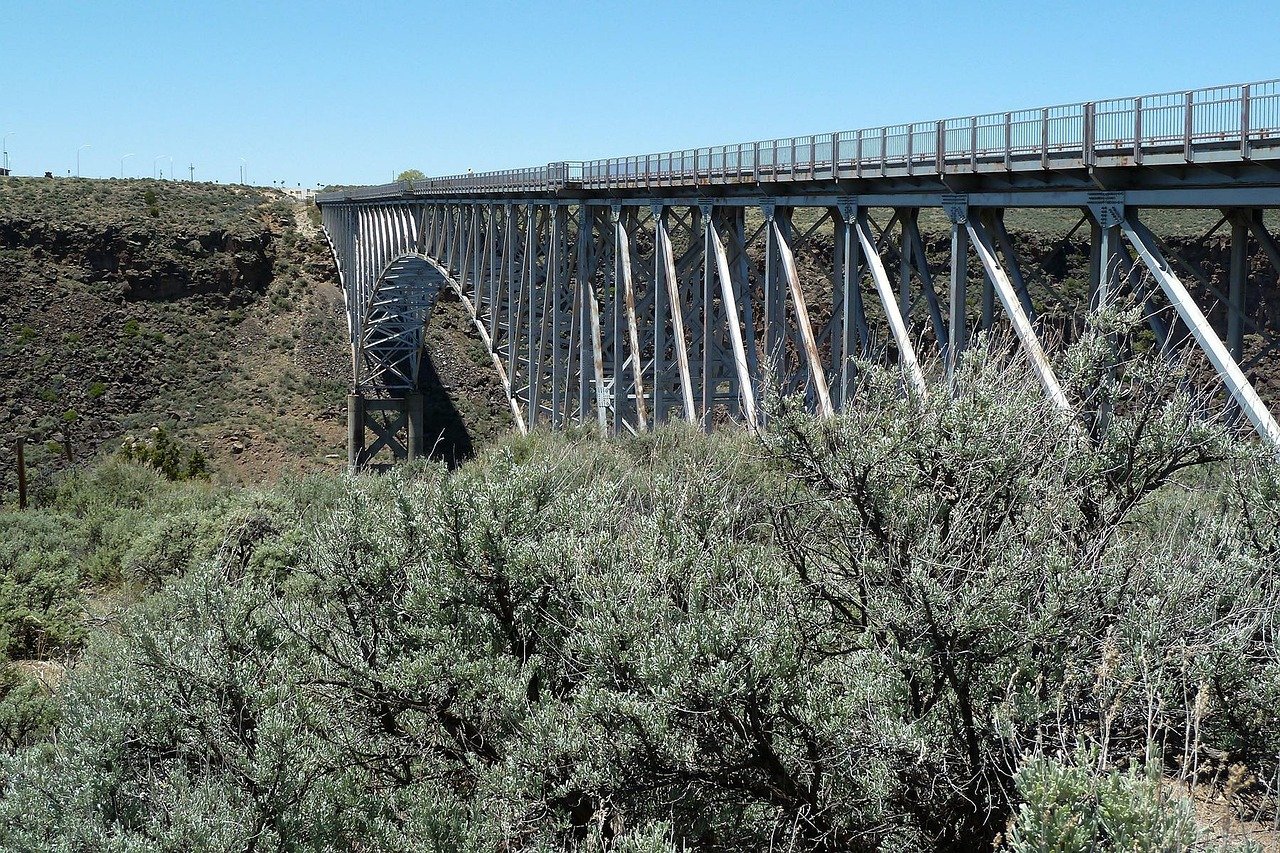
Cross into Nuevo Laredo, Mexico via the Gateway to the Americas International Bridge for a morning of exploring the mercados and picking up artisan goods. Grab a street lunch of tacos and pan dulce from local vendors. Back in Laredo by afternoon, visit Lake Casa Blanca International State Park for a lakeside walk. Wrap up the evening with live Tejano music at a local cantina.
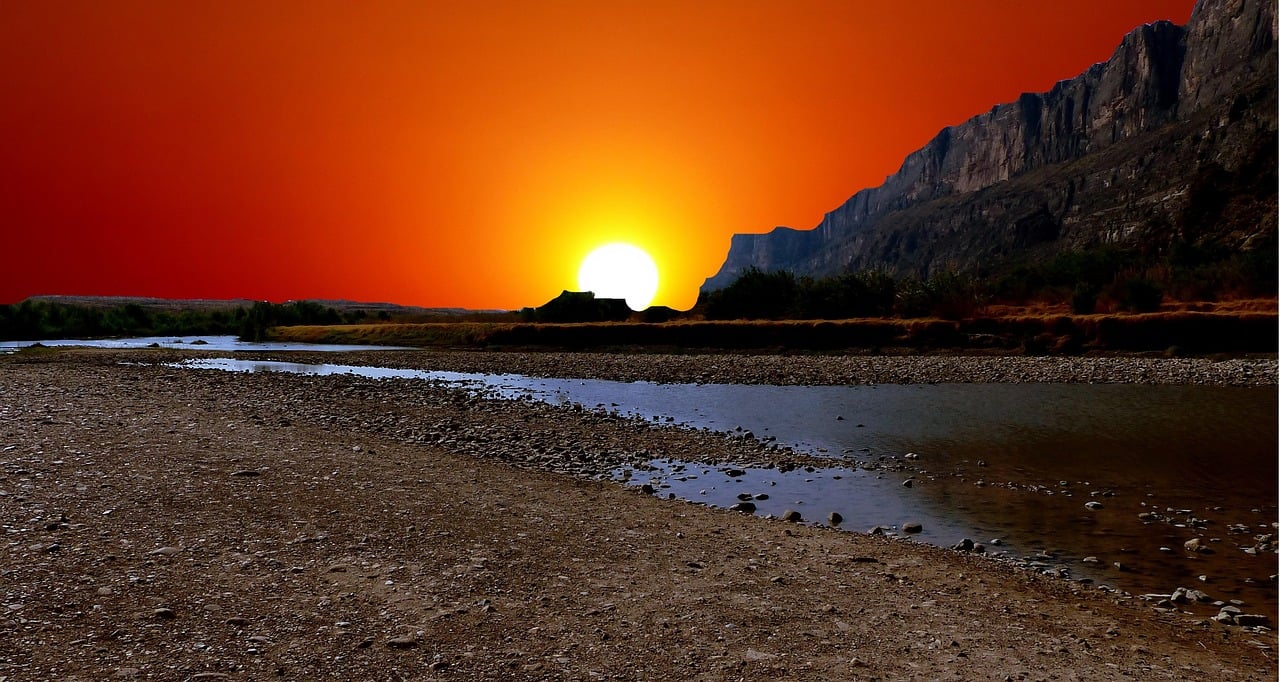
Spend the morning at the Laredo Center for the Arts to take in regional exhibitions celebrating borderland culture. Head to the bustling El Portal strip for afternoon shopping and a taste of local pan dulce from a nearby Mexican bakery. Before leaving, walk the banks of the Rio Grande at Laredo's riverfront and watch the binational cityscape reflect off the water at golden hour.
Laredo, Texas has a cultural calendar that pulses with binational pride and deep-rooted tradition. The city's most defining season is late winter, when the Washington's Birthday Celebration transforms Laredo into a weeks-long festival of parades, pageantry, and community gatherings that blend American civic identity with Mexican cultural expression. The festivities extend to the Jalapeño Festival, a spirited food event that draws crowds across the border for live music, local flavors, and the kind of communal energy that defines Laredoan life. February also brings the Stars and Stripes Air Show, a spectacle over the Rio Grande that draws families from both sides of the border. Spring and summer shift the rhythm toward music, with regional acts and touring performers filling local venues, reflecting Laredo's deep ties to Tejano, norteño, and Latin pop traditions. Autumn brings Latin music events that underscore the city's role as a cultural hub between the United States and Mexico. Year-round, the International Fair and Exposition celebrates the agricultural and ranching heritage that shaped this region for centuries.

Jul 18, 2026

Oct 9, 2026

Jul 2, 2026
Laredo's food scene is a direct expression of its borderland identity, drawing from northern Mexican culinary traditions and the broader Tex-Mex canon to create something that feels entirely its own. This is a city where the kitchen has never needed to perform authenticity because it has never lost it.
Laredo International Airport (LRD) serves the city with limited daily routes
primarily connecting to Dallas/Fort Worth and Houston, making it convenient for travelers whose itineraries align with those hubs, with rental cars and rideshare available on arrival.
San Antonio International Airport (SAT) is the most practical major gateway for most visitors
sitting about 155 miles north of Laredo via I-35, with a straightforward two-and-a-half-hour drive south and rental cars widely available at the terminal.
Interstate 35 is the primary driving route into Laredo from the north
connecting directly to San Antonio, Austin, and Dallas, with the highway running straight into the city center and signage for the international bridges clearly marked near downtown.
Greyhound and Flixbus operate intercity bus service to Laredo
with routes connecting from San Antonio and other Texas cities, offering an affordable alternative for travelers who prefer not to drive, with the Laredo bus terminal located near the downtown area.
Crossing into Nuevo Laredo requires a valid U.S. passport or passport card
and is done via the Gateway to the Americas or Juárez-Lincoln international bridges, both of which are walkable from the downtown Laredo side and well-marked for pedestrian and vehicle crossings.
The San Agustín Historic District is compact and walkable
making it easy to cover the central plaza, the Republic of the Rio Grande Museum, and the surrounding 18th- and 19th-century streetscape entirely on foot within a half-day.
Renting a car is strongly recommended for exploring beyond downtown Laredo
as San Bernardo Avenue, the mall corridor, and neighborhoods farther from the city center are spread out and not well-served by public transit.
Uber and Lyft are available in Laredo but can be unreliable during late-night hours
so travelers without a rental car should plan ahead for evening outings, particularly when returning from restaurants or events outside the downtown core.
Walking across the Gateway to the Americas Bridge into Nuevo Laredo
is the fastest and most practical way to cross the border, avoiding vehicle queue times that can stretch significantly during busy periods and costing only a small pedestrian toll.
Street parking near the downtown plaza is generally available
with surface lots and metered spaces within easy walking distance of the main historic sites, making it straightforward to park once and explore the central district on foot.
Spanish is the dominant language in Laredo, and while English is widely understood in hotels and larger businesses, knowing a few basic Spanish phrases goes a long way and is genuinely appreciated. If you plan to cross into Nuevo Laredo, carry your passport or passport card at all times - a driver's license alone is not sufficient for re-entry into the United States. The U.S. Customs and Border Protection CBP One app can be useful for monitoring wait times at the international bridges. Cash is helpful on both sides of the border, particularly in the Nuevo Laredo mercados where vendors may not accept cards. Summers in Laredo are intensely hot, with temperatures regularly exceeding 100 degrees Fahrenheit, so plan outdoor activities for early morning or evening. If visiting during the Washington's Birthday Celebration in February, book accommodations well in advance, as the festival draws large crowds and availability tightens quickly across the city.
Two to three days is enough to explore Laredo comfortably. Spend time in the San Agustín Historic District, visit the Republic of the Rio Grande Museum, and make a day trip across the international bridge into Nuevo Laredo for shopping and food. If you want to dig deeper into borderland culture and local festivals, a third day adds real value.
Laredo is best known as the largest inland port of entry in the United States by trade volume and for its deep US-Mexico border culture. The city is celebrated for its Tejano heritage, bilingual character, and the annual Washington's Birthday Celebration - one of the longest-running and largest such festivals in the country. Its colonial history dating to 1755 also sets it apart.
Yes, Laredo works well as a weekend trip, particularly for travelers based in San Antonio or other parts of South Texas. Two days gives you enough time to tour the San Agustín Historic District, cross into Nuevo Laredo, and sample local Tex-Mex and northern Mexican cuisine. It is a compact, walkable city center with a distinctive cultural character that rewards a short stay.
Laredo is an affordable destination by most standards. Hotels, local restaurants, and attractions are reasonably priced compared to larger Texas cities. Crossing into Nuevo Laredo for meals and shopping can stretch your budget even further. The main costs to factor in are accommodation and transportation, as the city is best explored by car.
The best time to visit Laredo is from October through March, when temperatures are mild and more comfortable for exploring outdoors. Summers are extremely hot, often exceeding 100 degrees Fahrenheit, so they are best avoided unless you are attending a specific event.