
Baltimore, MD
A Journey guide to
San Antonio is one of the oldest and most historically layered cities in the American South. Home to the Alamo and four other UNESCO World Heritage-listed Spanish colonial missions, it wears its past visibly and proudly. The city sits at the crossroads of Texas frontier history and deep Mexican cultural roots, producing a character unlike anywhere else in the Lone Star State. It draws history enthusiasts, architecture lovers, and anyone who wants to feel the weight of centuries in a single afternoon walk.
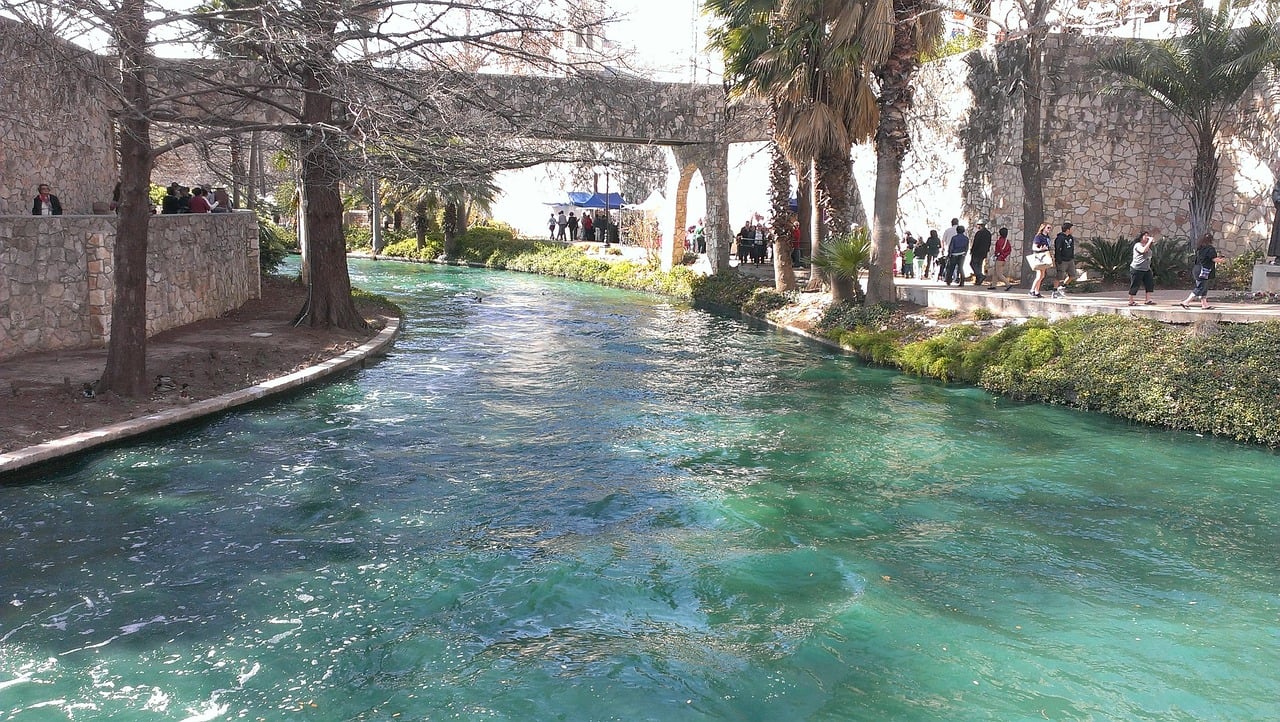
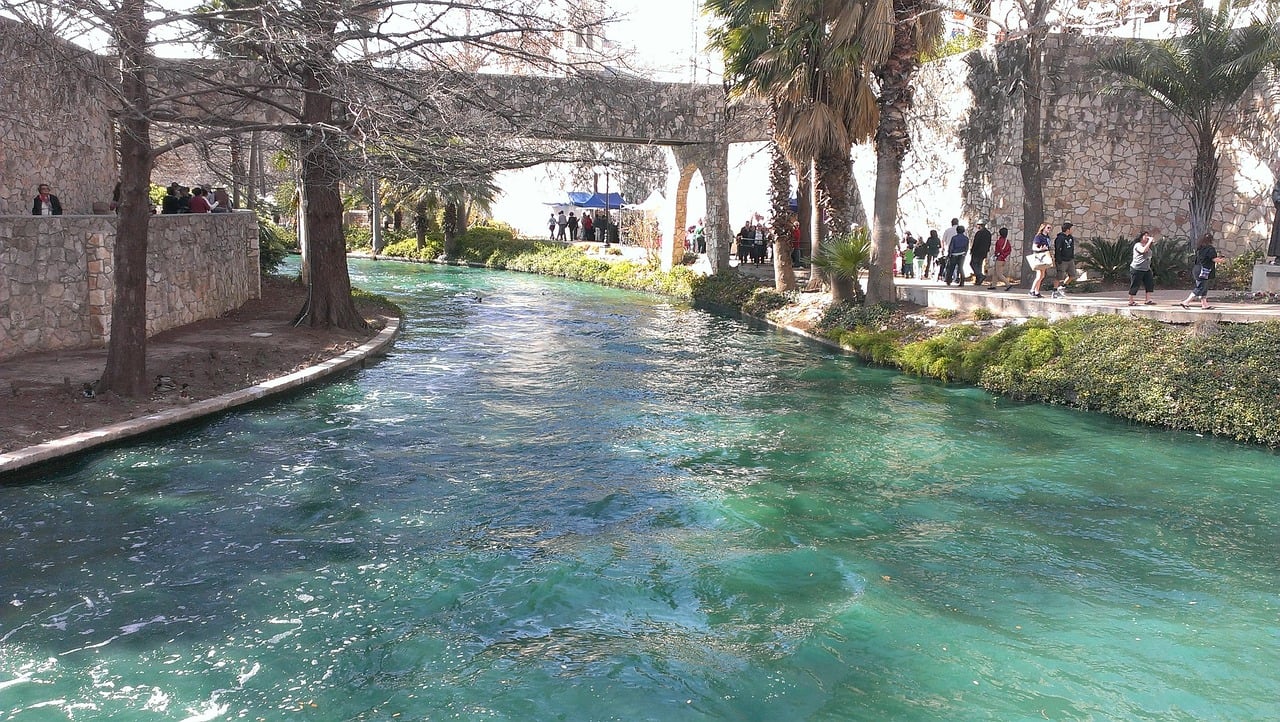
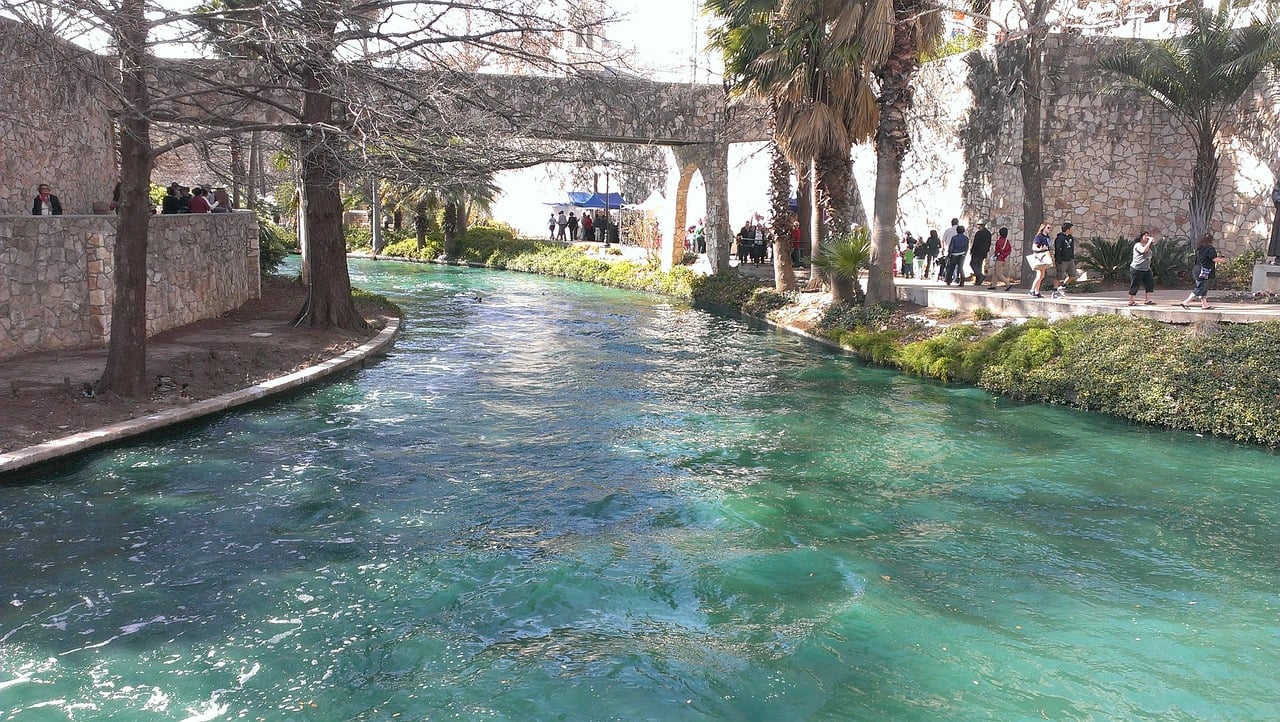
The River Walk, or Paseo del Rio, is the city's social spine: a limestone-lined network of paths tracing the San Antonio River through downtown, flanked by restaurants, bars, galleries, and boutique hotels. It is one of the most visited urban attractions in the United States, yet it retains an intimate, almost European quality at street level. Visitors move between open-air dining terraces and shaded promenades with ease, making it a destination in its own right rather than just a backdrop.
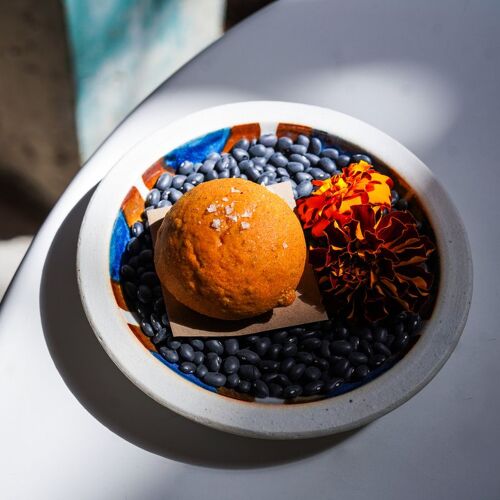
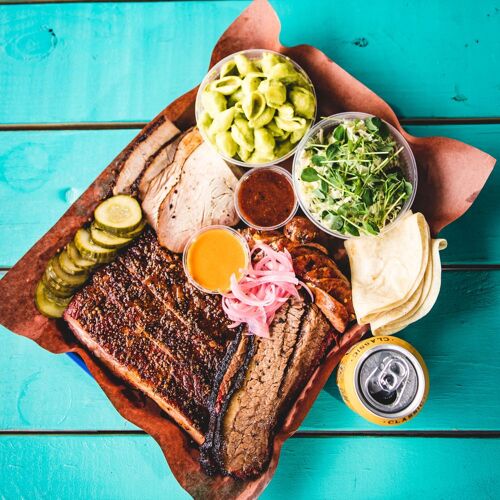
San Antonio's food scene is a genuine draw. The city is considered the birthplace of chili con carne and puffy tacos, and its culinary identity is shaped by generations of Tex-Mex tradition alongside a growing wave of chef-driven restaurants and craft breweries. The Pearl District, a revitalized former brewery complex on the river's northern bend, has become the epicenter of this culinary renaissance, hosting a celebrated farmers market and some of the city's most inventive dining.
The traveler San Antonio attracts is broad: families drawn by theme parks and living history, couples seeking a walkable, romantic urban escape, food and culture enthusiasts, and those tracing the arc of Spanish colonial America. It is a city that rewards slow exploration, where the layers of Spanish, Mexican, German, and Texan heritage reveal themselves block by block.




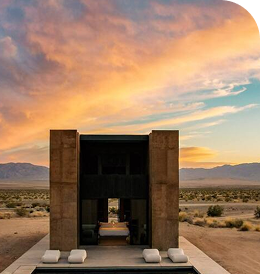

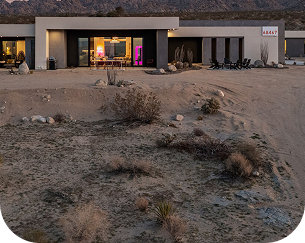

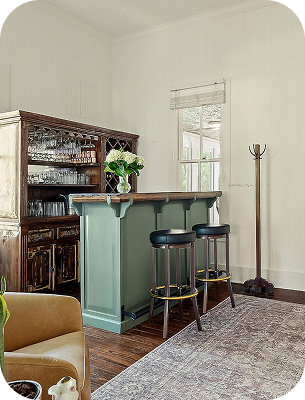

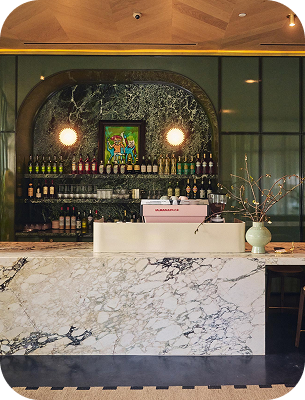

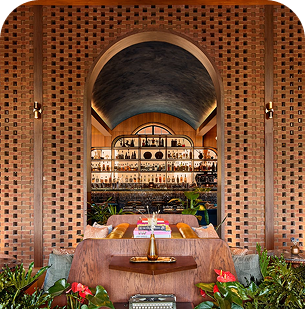

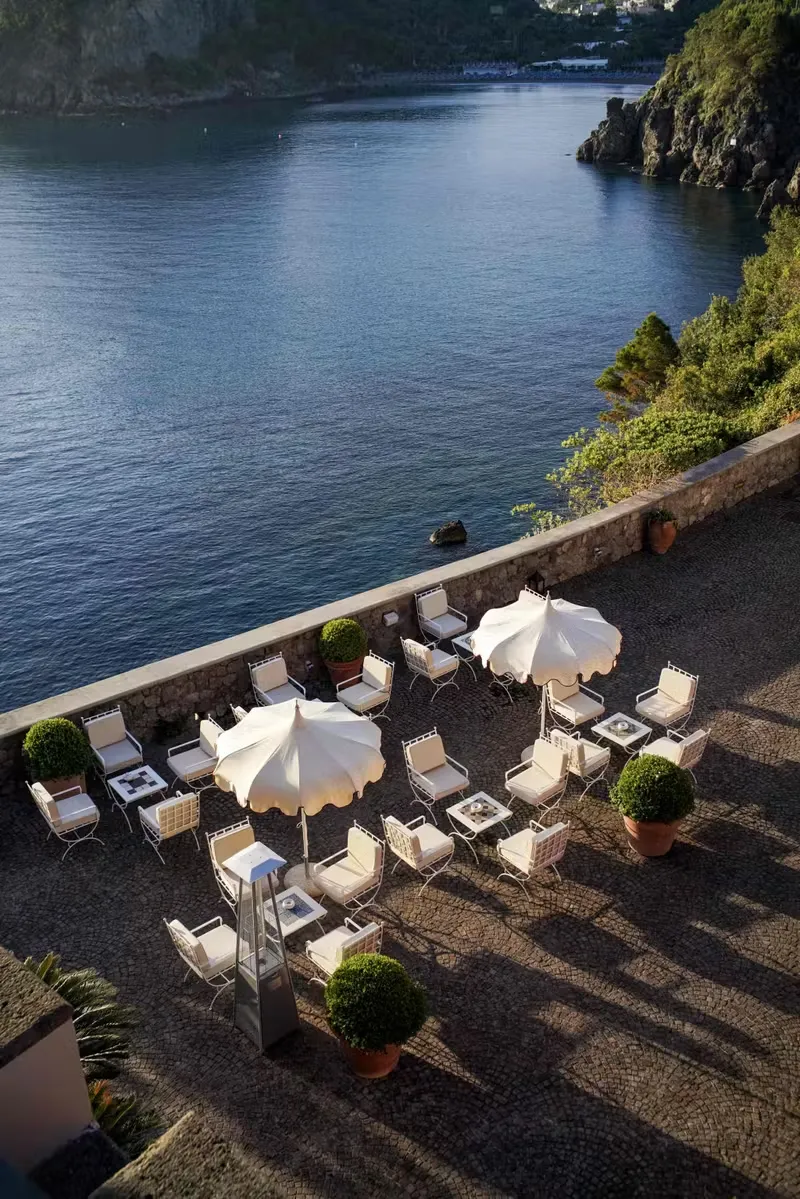

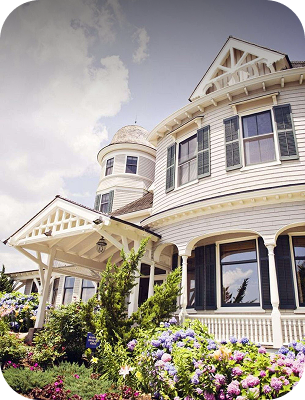

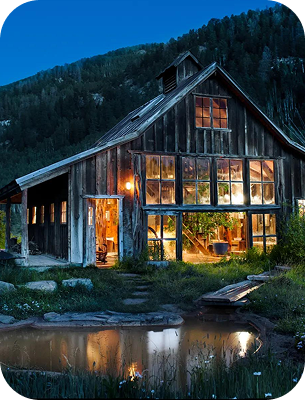



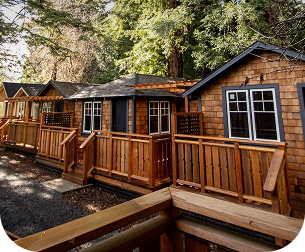

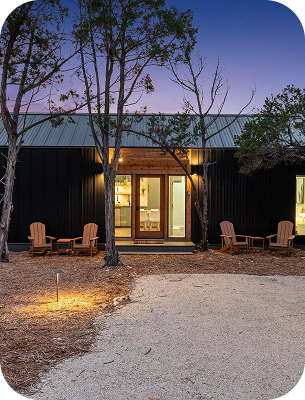



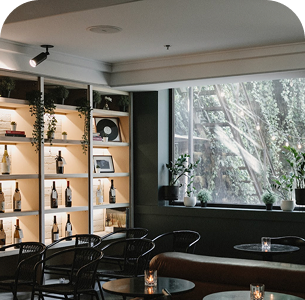





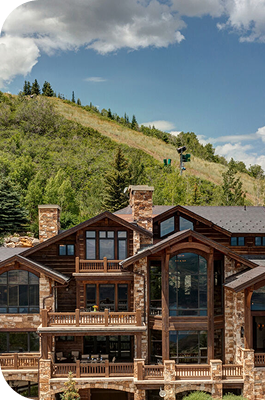

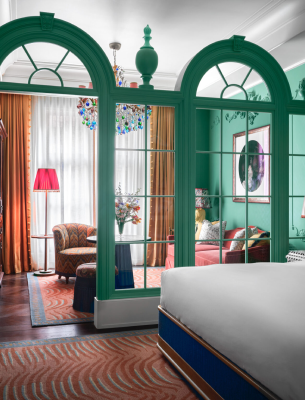
Journey connects travelers to a curated network of boutique hotels and distinctive residences around the world, all united under one rewards program. Explore handpicked stays for your trip while earning points, unlocking exclusive offers, and receiving rewards across the Journey collection.
San Antonio sits in south-central Texas on the edge of the Edwards Plateau, where the Hill Country's limestone terrain begins to flatten toward the Gulf Coastal Plains. The San Antonio River runs through the heart of the city, and it is this waterway that shaped the original Spanish settlement and continues to define the urban experience today. At roughly 700 feet above sea level, the city occupies a transitional landscape: scrubby live oaks, cedar, and mesquite give way to a dense, sprawling metropolis of over two million people in the greater metro area.
Founded in 1718 as a Spanish colonial outpost, San Antonio is one of the oldest European-established cities in what is now the United States. It served as the capital of Spanish Texas and later of Mexican Texas before the Texas Revolution brought it to international attention. The Battle of the Alamo in 1836 transformed the city into a symbol of sacrifice and defiance that still resonates deeply in Texas identity. That history is not merely commemorated here; it is embedded in the streetscape, the architecture, and the culture.
San Antonio's cultural identity is genuinely bicultural. With a population that is approximately 65 percent Hispanic or Latino, the city's food, music, art, and public life reflect a living blend of Mexican and American traditions rather than a curated version of either. Día de los Muertos celebrations, mariachi performances, and Spanish-language signage are not tourist attractions; they are expressions of everyday life.
Beyond its historical and cultural weight, San Antonio functions as a major military city, home to Joint Base San Antonio, one of the largest military installations in the country. This presence shapes the city's demographics, economy, and sense of civic identity in ways that are felt throughout the metro area.
For travelers, San Antonio offers a rare combination: genuine historical depth, a walkable and vibrant downtown, a nationally recognized food scene, and a cultural richness that feels earned rather than manufactured.
San Antonio is a year-round destination, but the timing of a visit makes a meaningful difference in how the city feels and what is accessible.
Spring, from March through May, is widely considered the sweet spot. The city comes alive with festivals, including the massive Fiesta San Antonio celebration in April, a ten-day citywide event featuring parades, street fairs, and cultural performances that draws over a million visitors. Outdoor spaces along the River Walk and in the Pearl District are at their most animated, and the surrounding Hill Country is blanketed in bluebonnets and wildflowers, making day trips especially rewarding. Crowds are moderate to heavy during Fiesta itself, so booking accommodations well in advance is essential for that window.
Fall, particularly October and November, rivals spring as the most appealing time to visit. Crowds thin noticeably after the summer peak, and the comfortable conditions make walking the missions, exploring the River Walk, and spending time outdoors genuinely enjoyable. The city's cultural calendar remains active, with events, markets, and the Pearl District farmers market drawing locals and visitors alike.
Winter is a surprisingly underrated time to visit San Antonio. Holiday lighting transforms the River Walk into a festive spectacle, and the city's museums, historic sites, and indoor dining scene are easy to enjoy without summer's intensity or spring's festival crowds. It is one of the quieter periods for tourism, meaning shorter lines at the Alamo and more relaxed access to popular restaurants.
Summer draws families during school breaks, particularly to attractions like SeaWorld and Six Flags Fiesta Texas, and the River Walk remains lively. However, the heat is significant and outdoor exploration is best reserved for early mornings. Travelers sensitive to heat or planning heavy sightseeing on foot will find spring or fall far more comfortable.
The historic core of San Antonio, where the Alamo stands alongside the famous Paseo del Rio. The River Walk winds through the district with limestone-lined paths, open-air restaurants, boutique hotels, and lively bars, creating an intimate, almost European atmosphere in the heart of the city. It is the natural starting point for any visit and remains endlessly walkable day and night.
A revitalized former brewery complex on the northern bend of the San Antonio River, the Pearl has become the city's culinary and cultural epicenter. Chef-driven restaurants, craft breweries, independent boutiques, and a celebrated weekend farmers market fill the beautifully restored industrial buildings. The neighborhood has a polished yet relaxed energy that draws locals and visitors alike.
San Antonio's most elegant residential neighborhood, lined with grand Victorian and Italianate mansions built by prosperous German merchants in the late 19th century. Shaded sidewalks, manicured gardens, and a quiet, unhurried pace make it ideal for an afternoon stroll. Several homes have been converted into bed-and-breakfasts and boutique inns, making it a sought-after base for travelers.
Directly adjacent to King William, Southtown is San Antonio's arts and bohemian quarter, packed with galleries, vintage shops, independent coffee houses, and eclectic restaurants. The neighborhood pulses with creative energy and hosts the monthly First Friday art walk, which draws crowds to its colorful streets. It offers a grittier, more lived-in counterpart to the polished Pearl.
An upscale enclave just north of downtown, Alamo Heights is known for its tree-canopied streets, independent boutiques, and a strong local dining scene along Broadway and New Braunfels Avenue. The neighborhood has a relaxed, prosperous character and is home to some of the city's best brunch spots and neighborhood restaurants. It offers a quieter, more residential side of San Antonio away from the tourist corridors.
San Antonio draws travelers for a set of experiences that exist nowhere else in the United States — a convergence of frontier history, Spanish colonial heritage, and a river-centered urban life that defines the city's identity.
Walking the River Walk
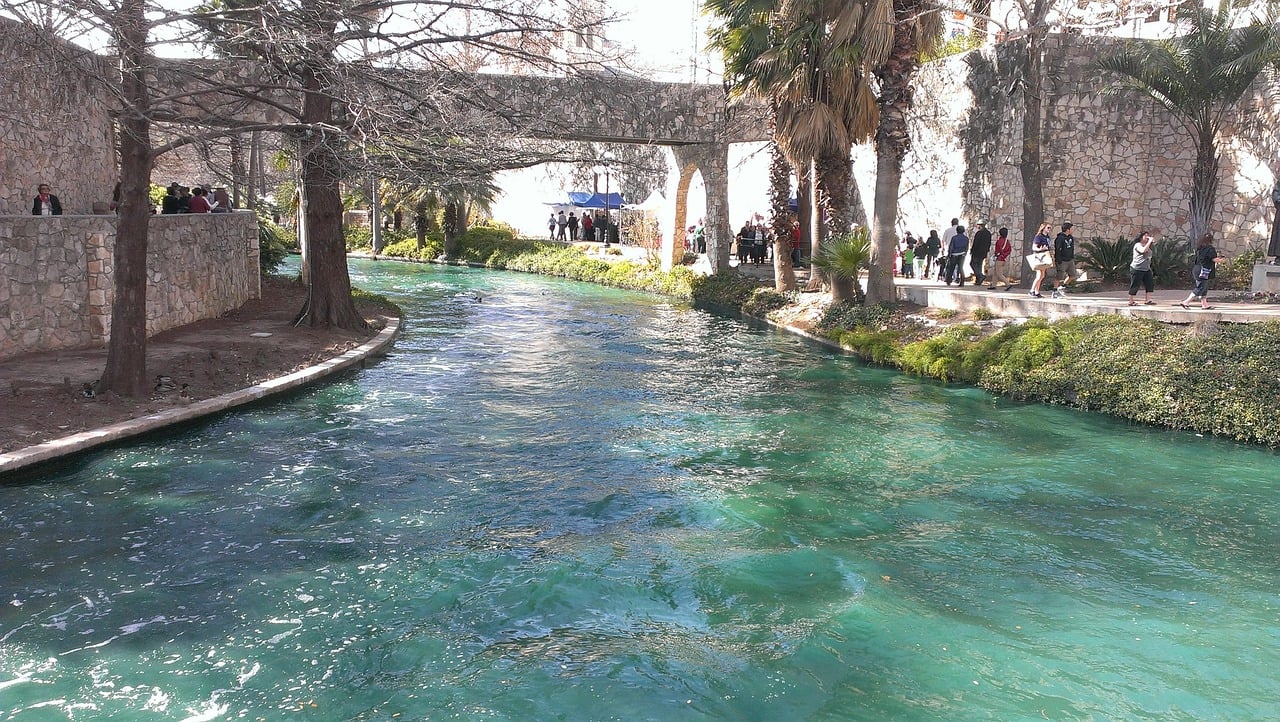
The Paseo del Rio is not simply a scenic path — it is the social and cultural spine of San Antonio. Descending below street level into a world of limestone walkways, cypress trees, and open-air terraces, visitors enter a distinctly intimate urban environment. River barge tours offer a leisurely perspective on the city's architecture and history, while the promenade itself connects the Pearl District to the historic missions along the Mission Reach.
Standing at the Alamo
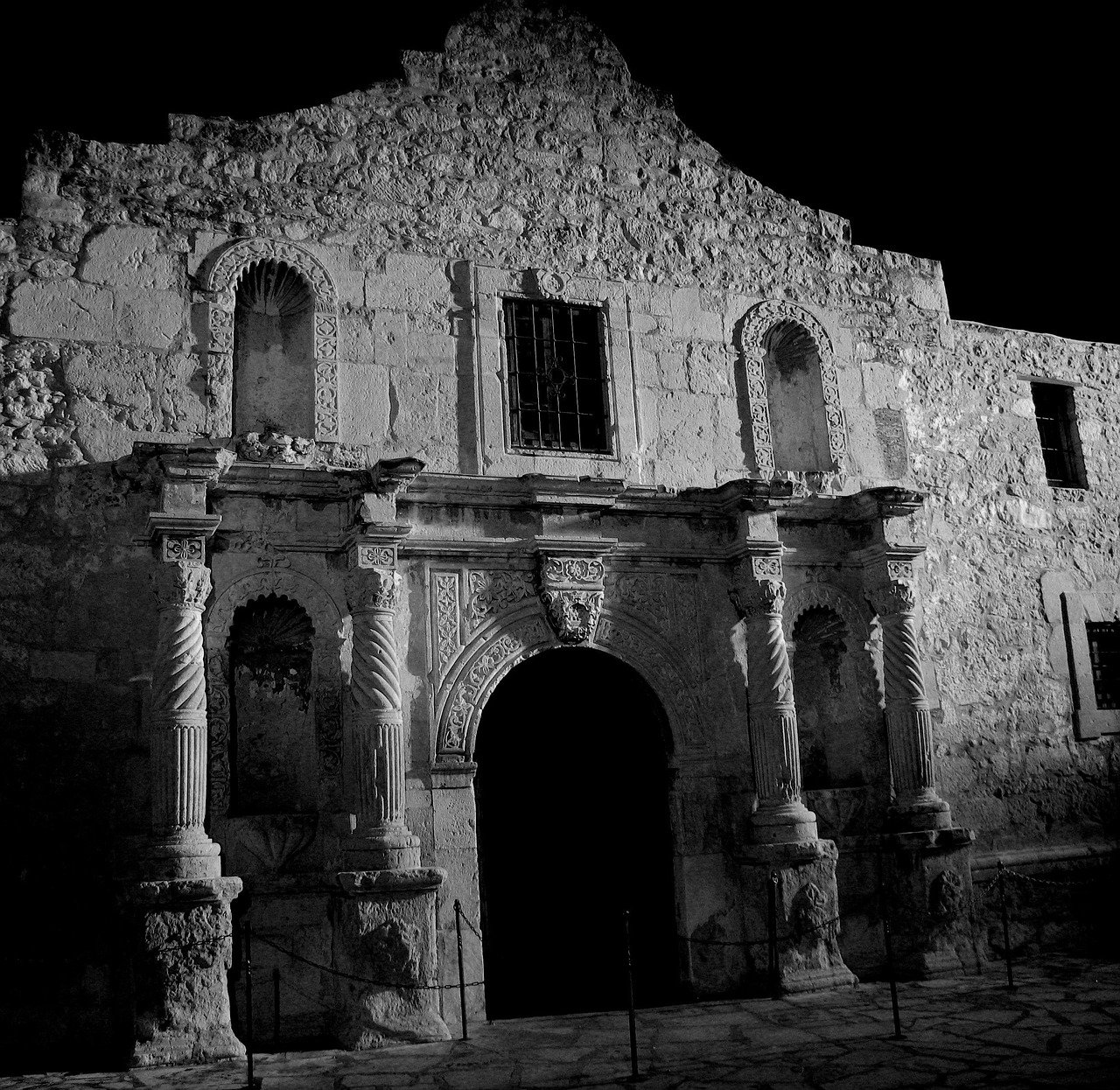
Few sites in American history carry the weight of the Alamo. Located in the heart of downtown, this 18th-century Spanish mission-turned-fortress is where the 1836 Battle of the Alamo took place during the Texas Revolution. Visiting is a quietly powerful experience — the scale of the chapel, the preserved walls, and the surrounding museum tell a story that shaped the identity of Texas and the American Southwest.
Exploring the Mission Trail
Beyond the Alamo, four Spanish colonial missions stretch southward along the San Antonio River, collectively designated a UNESCO World Heritage Site. Mission San José, known as the "Queen of the Missions," is the most complete and visually striking. These are living parishes, not museum pieces, and that distinction gives the trail a resonance that purely historic sites rarely achieve.
Eating and Drinking in the Pearl District
The Pearl District represents San Antonio's culinary coming-of-age. Set within a beautifully restored 19th-century brewery complex on the river's northern bend, it hosts some of the city's most celebrated restaurants, a farmers market that draws locals every weekend, and a craft beverage scene rooted in Texas ingredients. For food-focused travelers, the Pearl is a destination unto itself.
San Antonio offers a full spectrum of activities across history, culture, food, and outdoor life, making it one of Texas's most rewarding cities for travelers of all kinds.
History and Cultural Attractions
San Antonio's historical depth is unmatched in Texas. The Alamo, the city's most iconic landmark, anchors downtown and draws visitors into the story of the Texas Revolution. The four surrounding Spanish colonial missions — Mission Concepción, Mission San José, Mission San Juan, and Mission Espada — form a UNESCO World Heritage Site and are accessible along a scenic trail. The San Antonio Museum of Art and the Briscoe Western Art Museum add further cultural dimension to any itinerary.
Scenic Exploration
The River Walk, or Paseo del Rio, is the city's most celebrated corridor: a limestone-lined network of paths tracing the San Antonio River through downtown. Visitors can stroll, dine, or take a river barge tour through the heart of the city. Beyond downtown, the Japanese Tea Garden and San Antonio Botanical Garden offer quieter escapes into curated natural beauty.
Outdoor Recreation
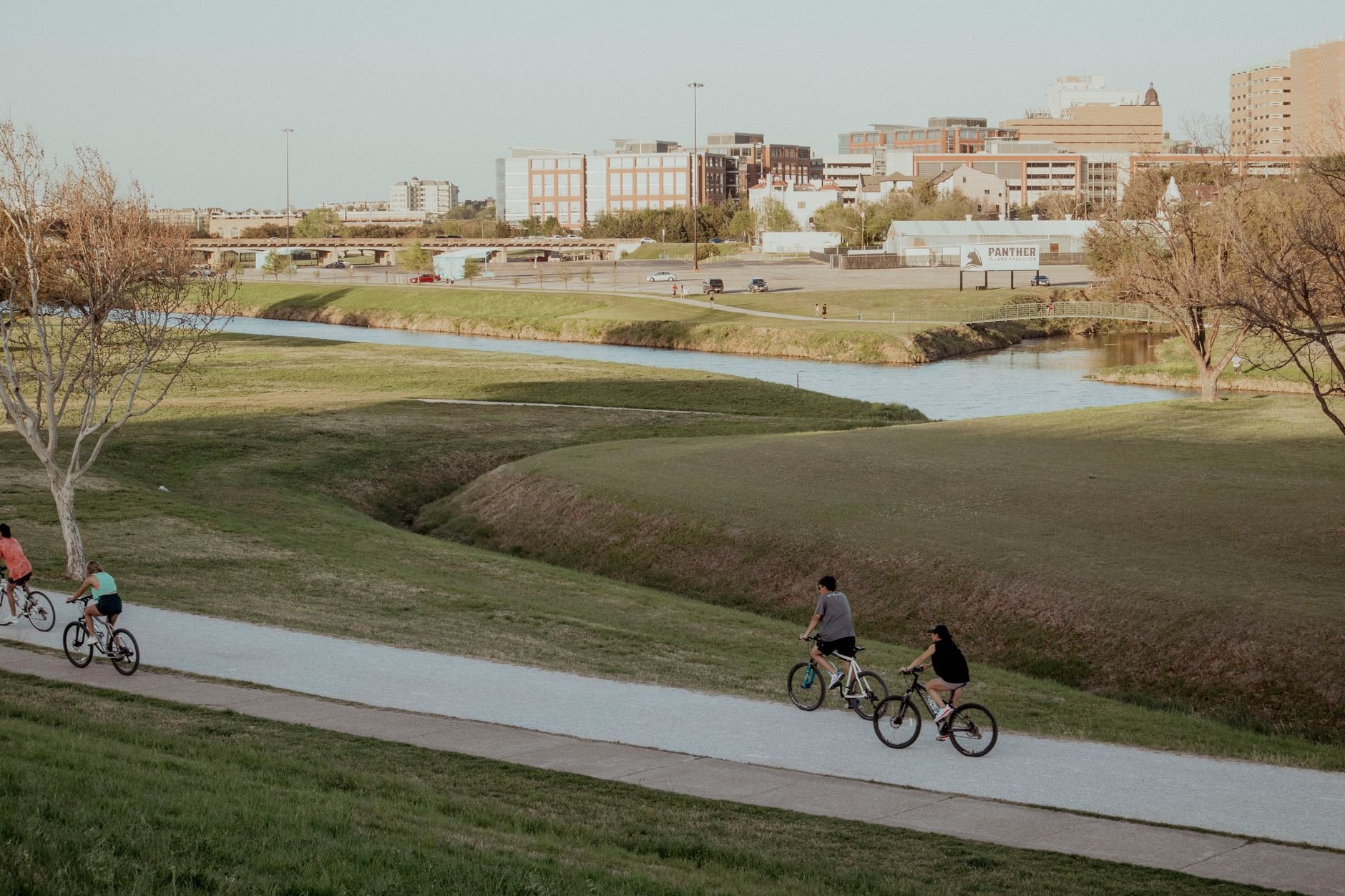
The Mission Reach, a 15-mile extension of the River Walk, is popular for cycling, jogging, and birdwatching along the San Antonio River. Friedrich Wilderness Park and Government Canyon State Natural Area provide hiking trails through the Texas Hill Country terrain on the city's western edge.
Arts and Entertainment
The Pearl District is San Antonio's creative hub, hosting live music, rotating art installations, and a vibrant weekend farmers market. The Tobin Center for the Performing Arts stages theater, symphony, and touring productions year-round. San Antonio's live music scene spans mariachi, country, and jazz venues throughout the city.
Food and Dining
San Antonio is considered the birthplace of chili con carne and puffy tacos, and its Tex-Mex tradition runs deep. The Pearl District has elevated the city's culinary profile with chef-driven restaurants and craft breweries. The historic Market Square, or El Mercado, is the largest Mexican market in the United States and a destination for authentic food and local goods.
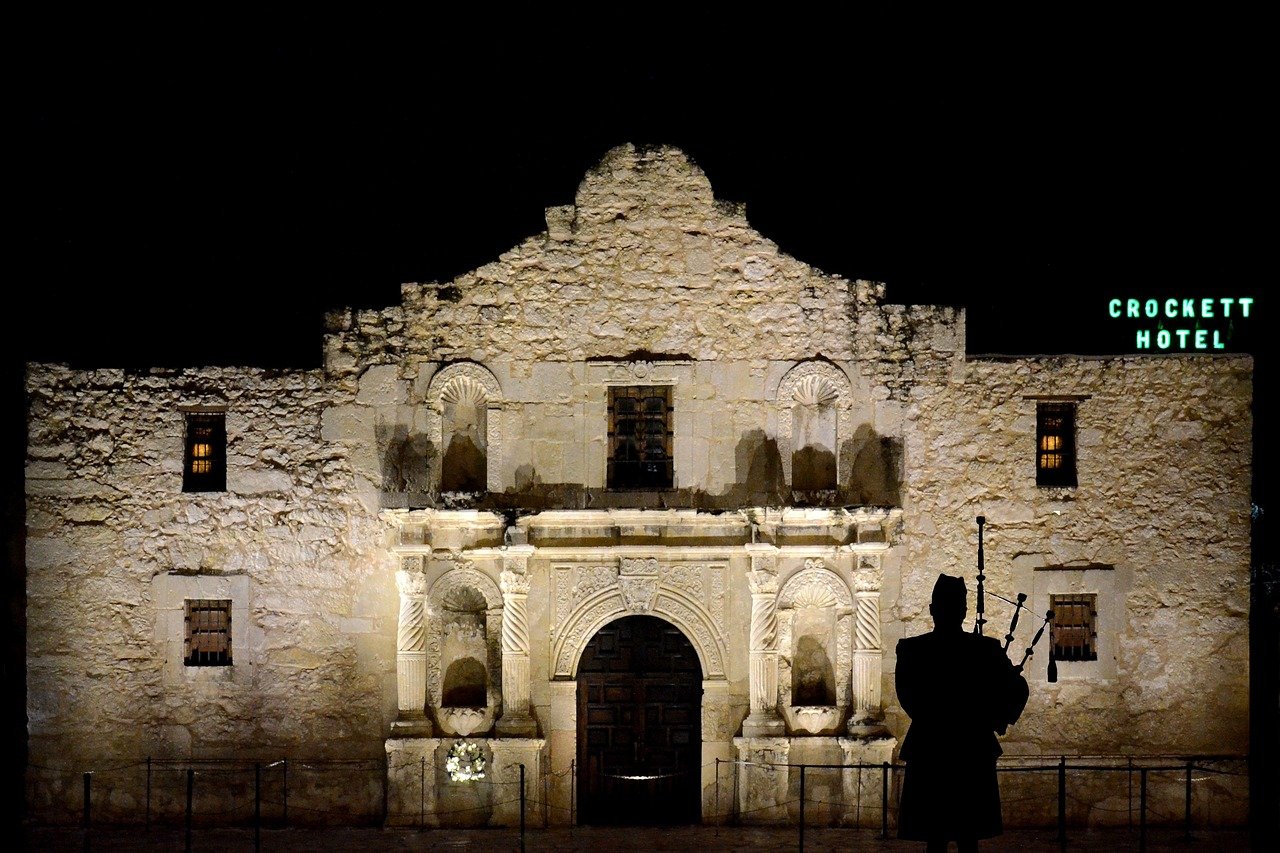
Start the morning at the Alamo, arriving early to beat the crowds and soak in its storied history. Walk south along the River Walk, stopping for lunch at one of the open-air terraces lining the Paseo del Rio. In the afternoon, explore the King William Historic District on foot. End the evening with classic Tex-Mex and a cold margarita back along the river.
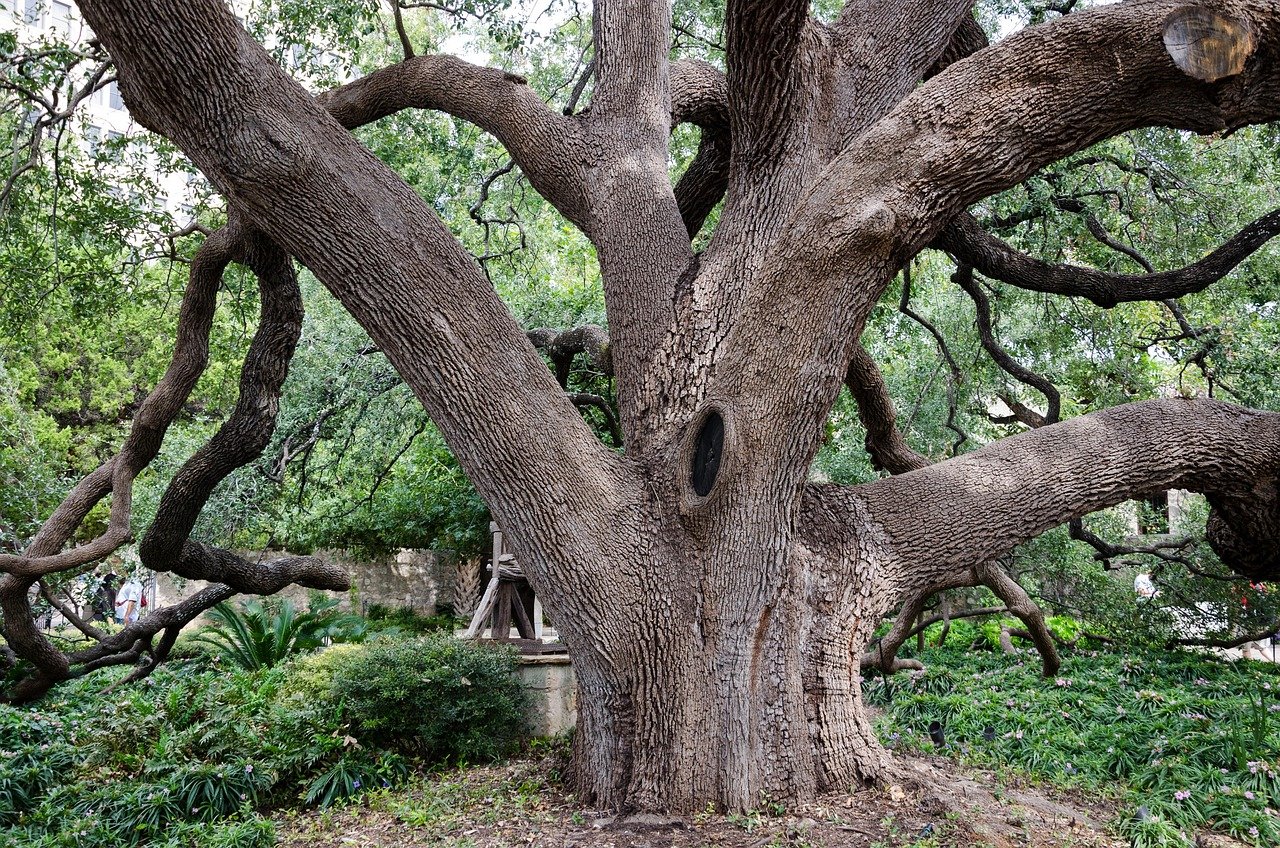
Spend the morning at the Pearl District - browse the weekend farmers market or explore the boutique shops and galleries in the revitalized brewery complex. Have brunch at one of the chef-driven restaurants on site. In the afternoon, drive south to Mission San Jose, the largest of the five Spanish colonial missions. Return downtown for dinner and a stroll along the lit River Walk at night.
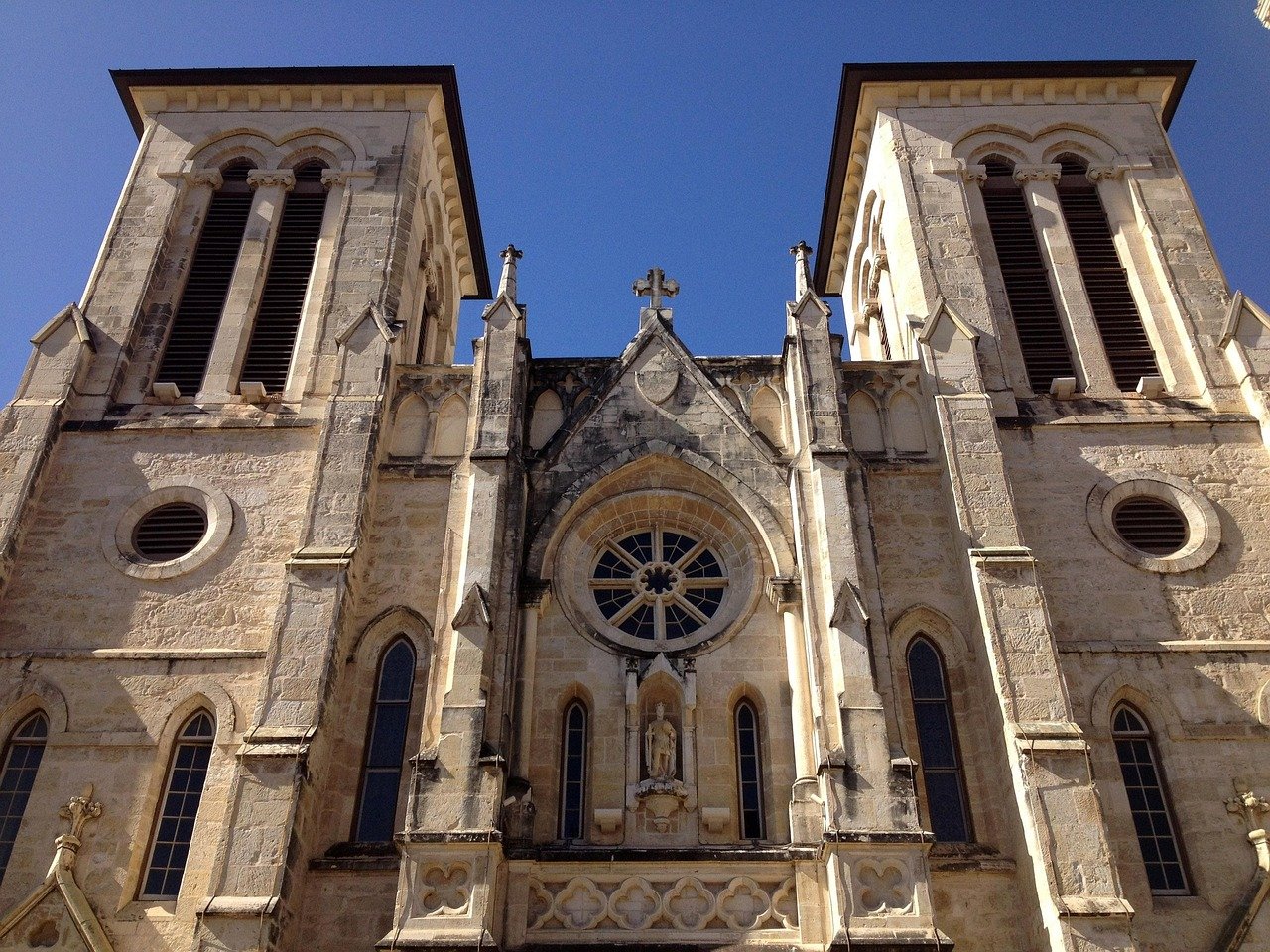
Begin the morning at San Fernando Cathedral, one of the oldest cathedrals in the United States, located on Main Plaza. Explore the nearby Market Square, the largest Mexican market outside of Mexico, for handcrafted goods and a traditional breakfast. Spend the afternoon at the San Antonio Museum of Art. Wind down with craft beers at a local brewery in Southtown before heading home.
San Antonio pulses with cultural energy year-round, shaped by its deep Spanish colonial heritage, Tex-Mex traditions, and a vibrant community that celebrates with genuine enthusiasm. Spring brings some of the city's most beloved festivities, when Fiesta San Antonio transforms the streets and parks into a weeks-long citywide party of parades, music, and food. Summer heat gives way to lively outdoor concerts along the River Walk and neighborhood festivals that reflect the city's multicultural soul. Autumn ushers in cultural markets and harvest-themed events at the Pearl District, while the holiday season sees the River Walk illuminated with thousands of lights, drawing visitors from across Texas and beyond. Winter brings its own warmth through community gatherings, sporting events, and the enduring traditions of Las Posadas, a candlelit procession along the river that honors the city's Mexican Catholic roots.
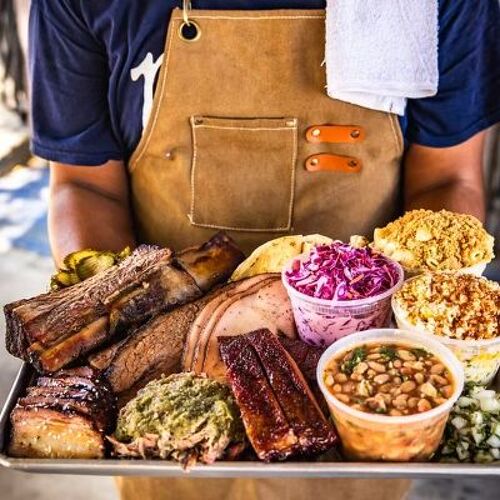
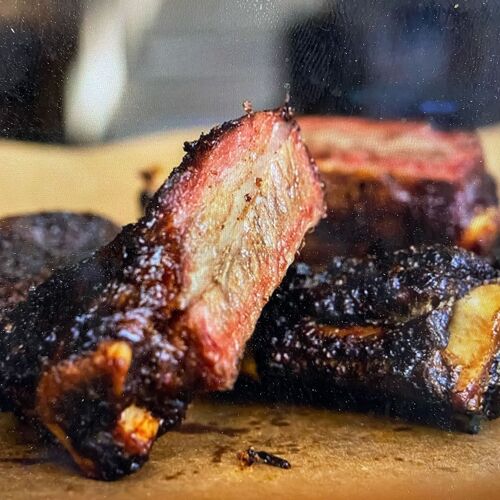
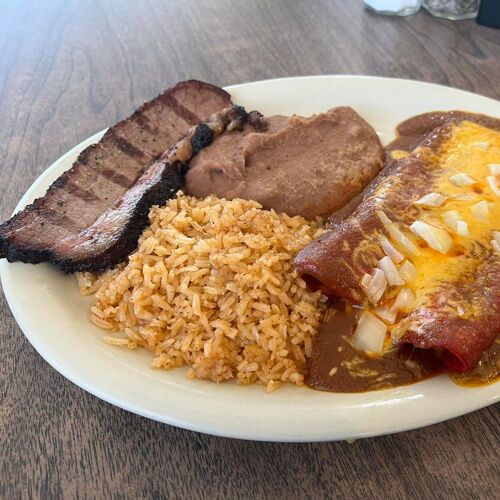
San Antonio's culinary identity runs deep, shaped by generations of Tex-Mex tradition and the city's claim as the birthplace of both chili con carne and puffy tacos. These two icons remain essential eating: chili joints and taqueria counters are woven into the city's everyday fabric, from neighborhood hole-in-the-walls to bustling market stalls. Tex-Mex here is not a fusion afterthought but a living tradition, rooted in the blending of Spanish, Mexican, and Texan foodways over centuries.






San Antonio International Airport (SAT) is the primary arrival point for air travelers,
located about 8 miles north of downtown with rideshare pickups, taxis, and on-site rental car agencies available for the roughly 15-20 minute drive into the city center.
I-35 is the main corridor connecting San Antonio to Austin (about 80 miles north) and Dallas (roughly 275 miles north),
making a drive from either city straightforward, though Austin-to-San Antonio traffic can be heavy on Friday afternoons and Sunday evenings.
I-10 East links San Antonio to Houston in approximately three hours,
a popular and well-traveled route that passes through the Texas Hill Country on its western stretch before entering the city.
Amtrak's Sunset Limited stops at San Antonio's historic Sunset Station three times per week,
connecting the city to Los Angeles and New Orleans, though the infrequent schedule makes it a niche option best suited for travelers with flexible timing.
Greyhound and FlixBus both serve San Antonio with intercity bus routes from Austin, Houston, and Dallas,
offering a budget-friendly alternative to flying or driving, with the Greyhound station located just east of downtown near the Alamodome.

The River Walk and downtown Alamo Plaza are easily covered on foot,
with the limestone paths of the Paseo del Rio connecting hotels, restaurants, and attractions along a compact, pedestrian-friendly stretch of the San Antonio River.
The free VIA Streetcar connects downtown to the Pearl District,
running along a loop that covers key stops including the Alamo, the Convention Center, and the Pearl, making it the easiest car-free link between the city's two most popular areas.
Uber and Lyft are widely available throughout San Antonio
and are the most practical option for trips between neighborhoods like Southtown, Alamo Heights, and the Pearl when you don't want to deal with parking.
San Antonio Missions National Historical Park spans several miles along Mission Road (Loop 410 area),
so a rental car or rideshare is the most efficient way to visit all five missions in a single day, as public transit connections to the southern missions are limited.
Downtown parking garages fill quickly on weekends and during events like Spurs games or Fiesta,
so visitors staying in the River Walk or King William area are better off leaving their car at the hotel and relying on the streetcar and rideshare for the day.
San Antonio summers are intense: temperatures regularly exceed 100 degrees Fahrenheit from June through August, so plan outdoor sightseeing for early morning and carry water. The Alamo and popular River Walk restaurants draw long lines, especially on weekends - book restaurant reservations in advance and arrive at the Alamo when it opens to avoid the biggest crowds. The VIA GoPass app handles bus and streetcar fares and is worth downloading before you arrive. Tipping follows standard US norms: 18-22% at restaurants, a few dollars for rideshare drivers. San Antonio is generally a safe city for tourists, but the area around the Greyhound station east of downtown warrants the usual urban awareness after dark. Spanish is widely spoken, and basic Spanish phrases are appreciated in local markets and family-run restaurants. Fiesta San Antonio in April brings major crowds and higher hotel rates, so book well ahead if your trip overlaps with it.
Three days is a solid amount of time in San Antonio. Day one covers the Alamo and the River Walk, day two works well for the Spanish colonial missions and the Pearl District, and day three leaves room for museums, local food exploration, or a theme park visit. Slow walkers and history enthusiasts may want four days.
San Antonio is best known for the Alamo, the historic 1836 battle site at the heart of downtown, and the River Walk, a scenic limestone-lined path along the San Antonio River lined with restaurants, bars, and hotels. The city is also recognized as the birthplace of chili con carne and puffy tacos, and for its five UNESCO World Heritage-listed Spanish colonial missions.
Yes, San Antonio works very well as a weekend trip. Two days is enough to cover the Alamo, a stretch of the River Walk, and a meal or two in the Pearl District. It is a short drive from Austin and Houston, making it a popular and easy getaway for travelers across Texas.
San Antonio is one of the more affordable major cities in Texas. Many top attractions, including the missions and the River Walk, are free or low cost. Food ranges from budget-friendly taquerias to upscale chef-driven restaurants. Accommodation costs vary widely, but mid-range options are plentiful, making it accessible for most travel budgets.
Spring (March to May) and fall (October to November) offer the most comfortable temperatures and are ideal for walking the River Walk and exploring outdoor sites. Summer is hot and humid, often exceeding 95 degrees Fahrenheit, though the city remains busy with visitors year-round.