
Baltimore, MD
A Journey guide to
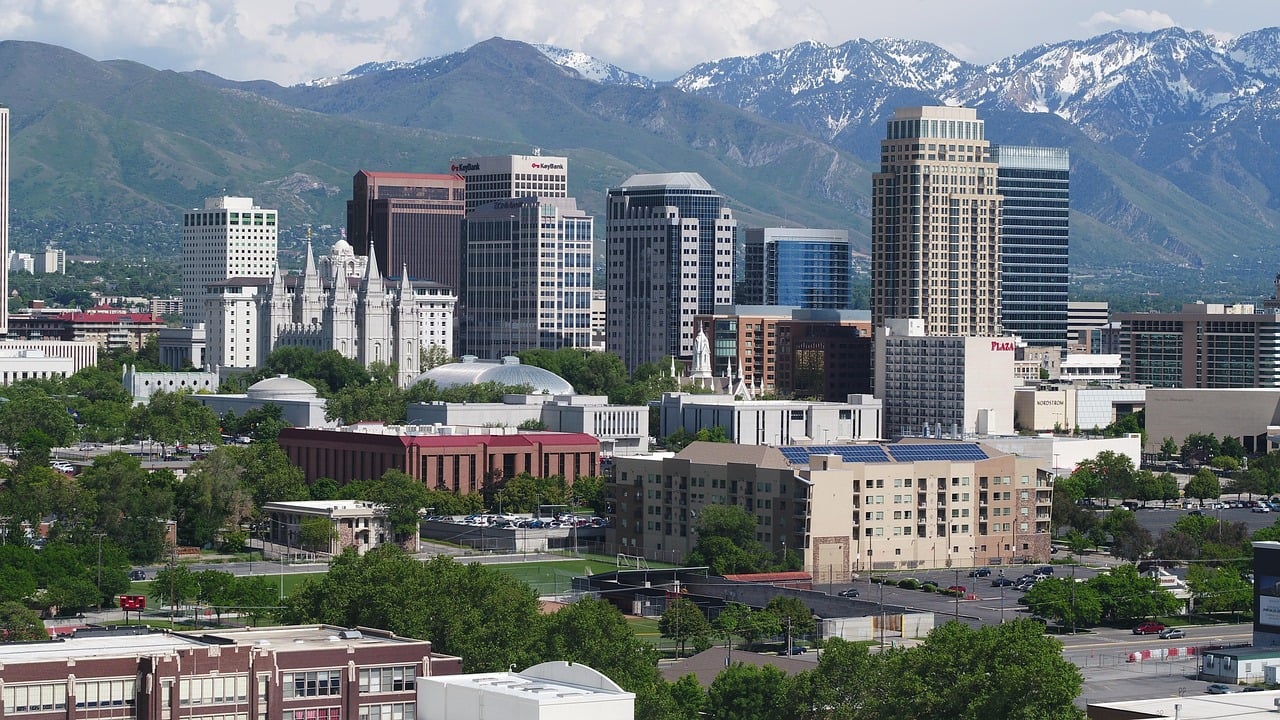
Park City is Utah's most celebrated mountain resort town, sitting at over 7,000 feet in the Wasatch Range just 30 miles east of Salt Lake City. It is home to two of North America's premier ski resorts — Park City Mountain and Deer Valley Resort — as well as the Utah Olympic Park, built for the 2002 Winter Olympics. Few mountain towns in the American West can match its combination of world-class terrain, polished infrastructure, and genuine historic character.
What sets Park City apart from other ski destinations is the depth of its off-slope identity. Main Street, a National Historic District lined with 19th-century silver-mining storefronts, anchors a dining and arts scene that punches well above its small-town weight. The Sundance Film Festival transforms the town each January into one of the most talked-about cultural gatherings in the world, drawing filmmakers, celebrities, and cinephiles from every corner of the globe.
The traveler Park City attracts tends to be discerning. Families book multi-generational ski weeks at slope-side properties. Couples seek out Deer Valley's famously curated, skier-only experience. Foodies make the journey for a Main Street restaurant scene that rivals cities many times larger. In summer, the same mountains that host skiers become a playground for mountain bikers, hikers, and trail runners, with the Park City Trail System offering over 400 miles of maintained paths.
Park City also serves as a natural base for exploring the broader Wasatch Front. Salt Lake City's international airport is a 35-minute drive, making the town unusually accessible for a high-altitude mountain destination. Whether the draw is deep powder, indie cinema, or simply the clarity of mountain air at elevation, Park City delivers a premium experience with a distinctly Western sense of place.
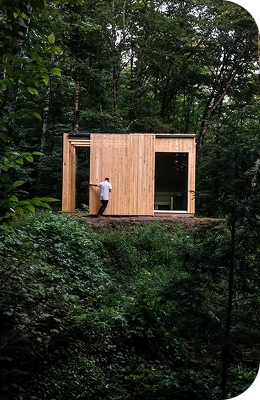

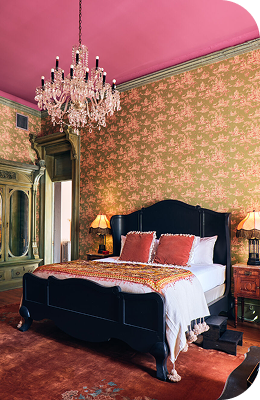

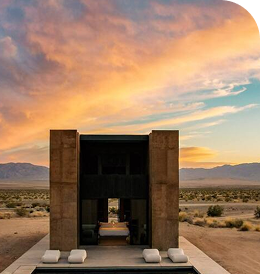

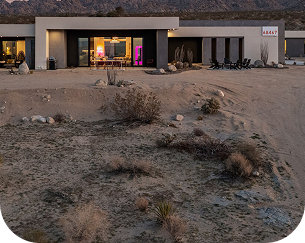





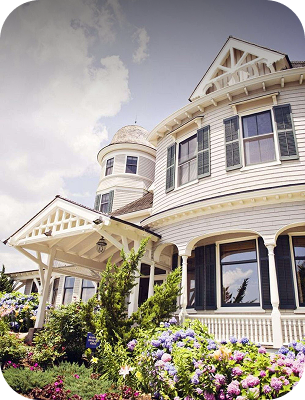

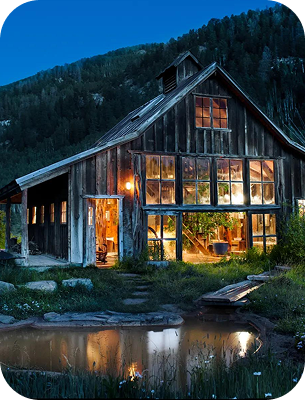

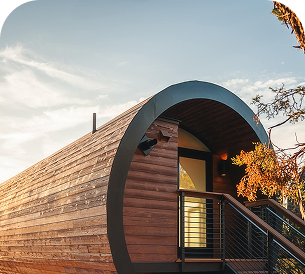

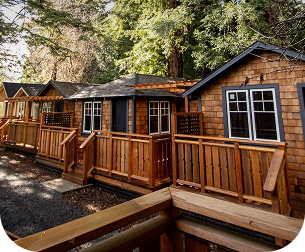

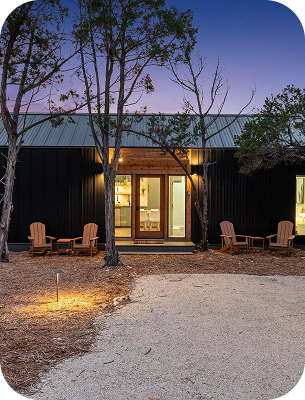

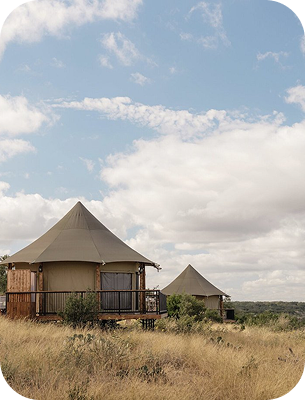

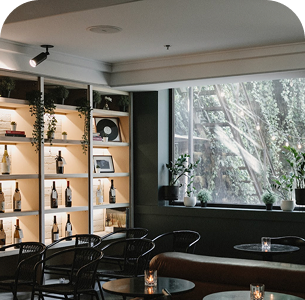

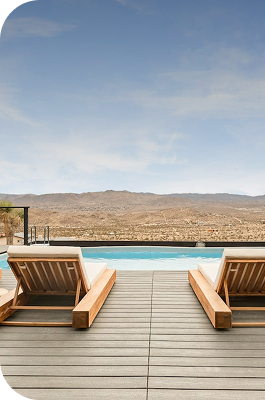


Journey connects travelers to a curated network of boutique hotels and distinctive residences around the world, all united under one rewards program. Explore handpicked stays for your trip while earning points, unlocking exclusive offers, and receiving rewards across the Journey collection.
Park City occupies a high mountain valley in Summit County, Utah, cradled by the Wasatch Range at an elevation of roughly 7,000 feet above sea level. The terrain is dramatic — steep, forested ridgelines give way to open bowls and meadows, and the town itself spills across hillsides that were first carved up not by ski runs but by silver miners in the 1860s. Ontario Mine and its peers made Park City one of the richest silver-producing districts in the American West, and that boom-era prosperity left behind an architectural legacy that still defines Main Street today.
The mining economy collapsed by the early 20th century, and Park City spent decades as a near-ghost town before ski developers recognized the potential of its north-facing slopes and reliable snowpack in the 1960s. The transformation was methodical and, eventually, spectacular. By the time Salt Lake City won the bid for the 2002 Winter Olympics, Park City had already established itself as a serious international ski destination. The Games accelerated investment in infrastructure, lodging, and athletic facilities, and the Utah Olympic Park remains both a working training center for elite athletes and a visitor attraction in its own right.
Culturally, Park City occupies an interesting position: it is simultaneously a small town of roughly 8,500 permanent residents and a globally recognized brand. The Sundance Film Festival, founded by Robert Redford and now run by the Sundance Institute, has been held primarily in Park City since the mid-1980s, lending the town an arts-world credibility unusual for a ski resort. Year-round, galleries, independent boutiques, and farm-to-table restaurants give Main Street an energy that sustains the town well beyond the ski calendar.
The travel atmosphere in Park City is upscale but unpretentious. Luxury ski-in/ski-out properties coexist with historic bed-and-breakfasts. The free transit system — one of the best of any mountain resort in the U.S. — connects neighborhoods and resorts without requiring a car. For travelers who want elite mountain recreation wrapped in genuine Western history and contemporary cultural life, Park City is the rare destination that delivers all three without compromise.
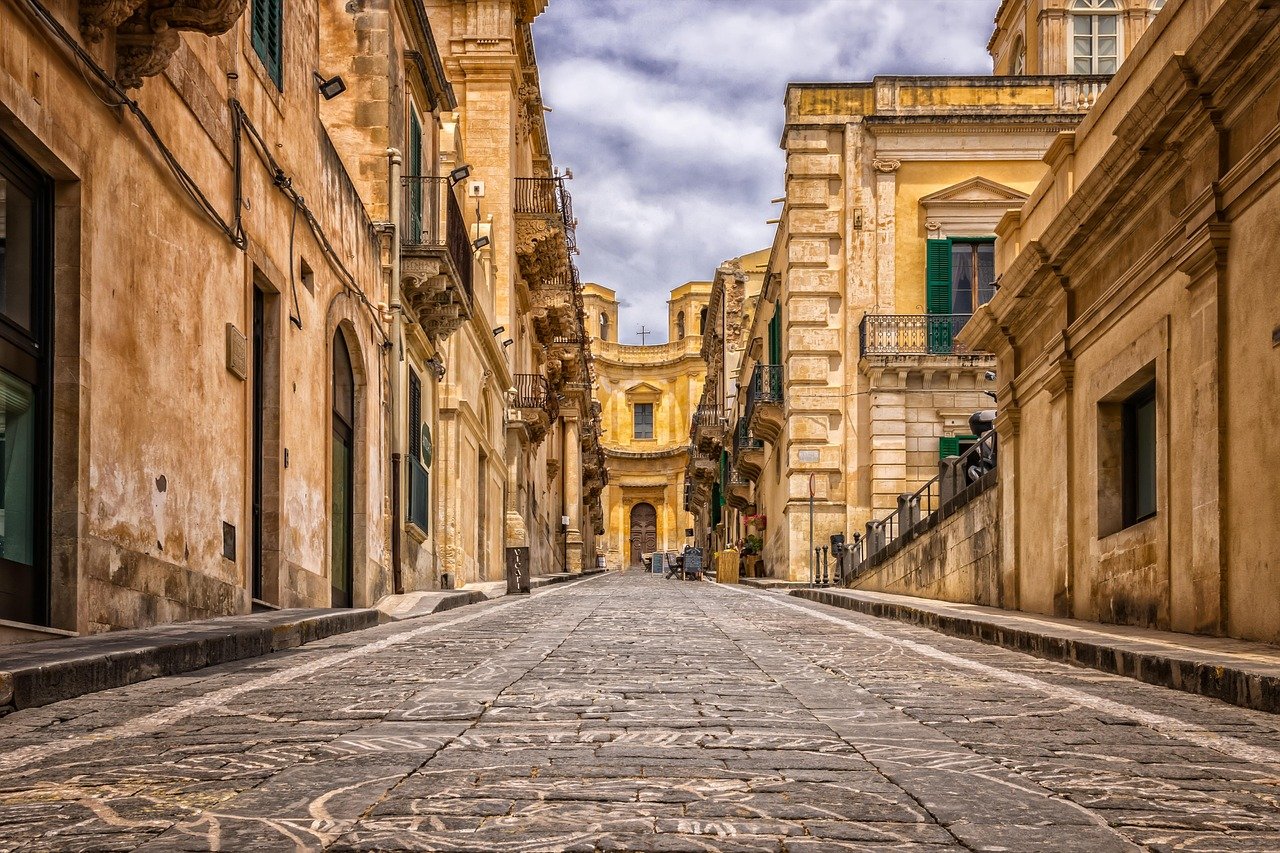
Park City rewards travelers differently depending on the season, and the right time to visit depends almost entirely on what you are after.
Winter, from December through March, is peak season in every sense. The ski resorts are fully operational, the town is energized, and the Sundance Film Festival in late January brings a surge of visitors that makes early booking essential. Powder days after a fresh storm are the defining Park City experience, but expect higher prices and full lodges throughout the ski season. Those who want the full resort atmosphere without the absolute peak crowds should consider early December before the holiday rush or the month of March, when snow conditions remain excellent and the Sundance crowds have cleared.
Spring, from April through May, is the quietest stretch of the year. Many resort amenities scale back after ski season closes, and the town operates at a noticeably slower pace. It suits travelers who want solitude and lower rates, though trail access in the mountains can be limited by lingering snow and mud.
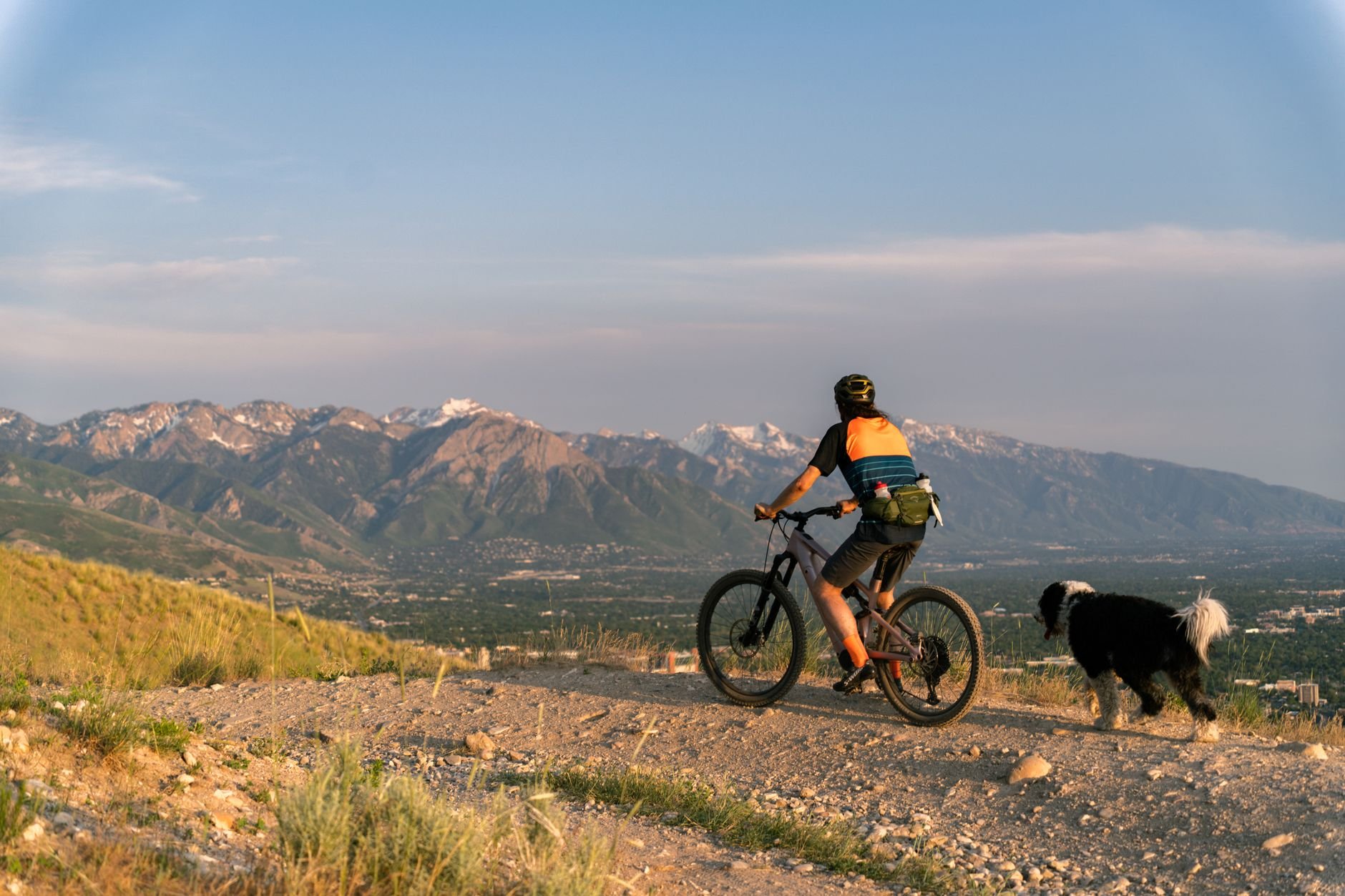
Summer, from June through August, has emerged as a genuine second season for Park City. The mountain biking and hiking trail network draws serious outdoor enthusiasts, and Main Street's restaurant and arts scene runs at full capacity. The Park City area also hosts a busy calendar of outdoor concerts and events. Summer crowds are real but more spread out than winter, making it an excellent time for families and active travelers.
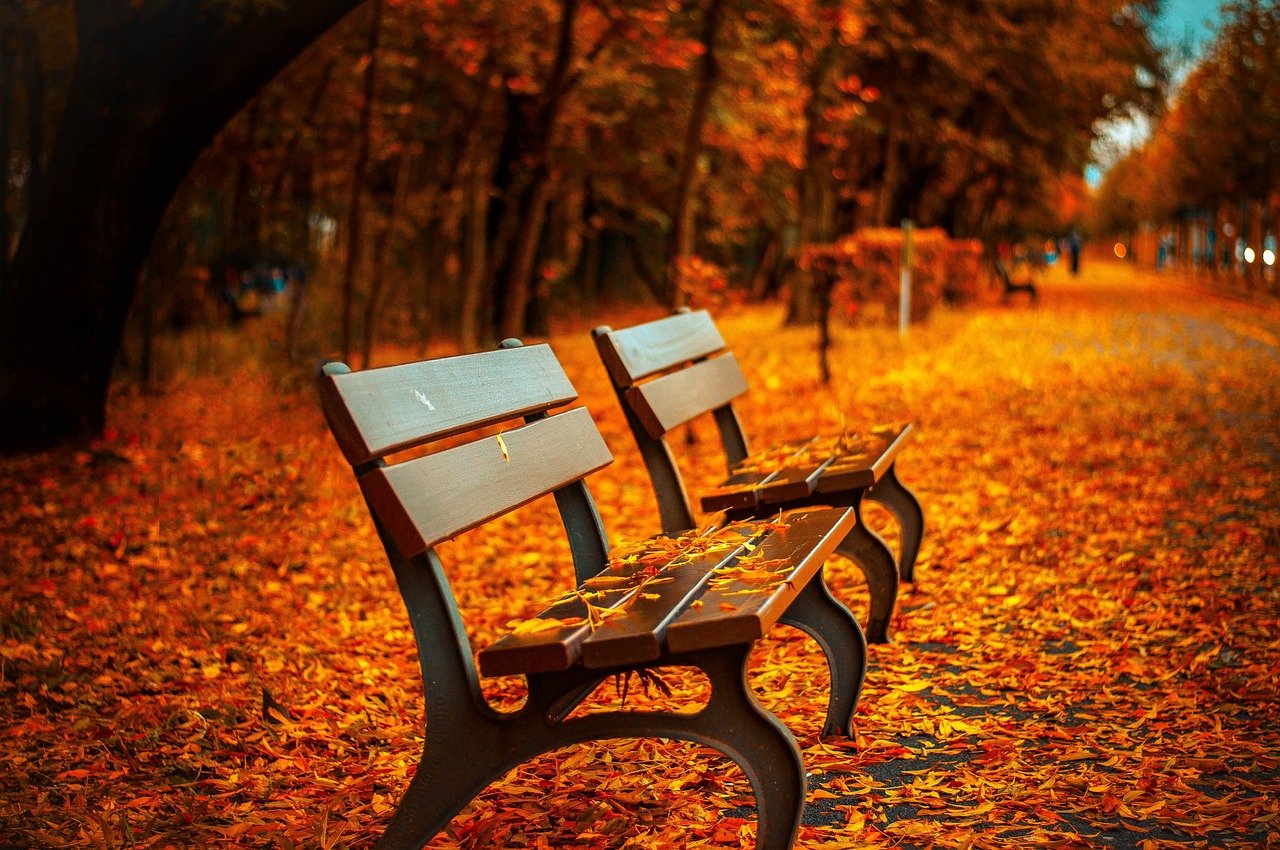
Fall, from mid-September through October, is arguably the most underrated window. Aspen foliage peaks across the Wasatch Range, trails are dry and uncrowded, and the summer visitors have largely departed before ski season begins. It is the ideal time for hikers, photographers, and anyone seeking a quieter Park City experience at its most scenic.
Park City's beating heart, Main Street is a National Historic District lined with 19th-century silver-mining storefronts converted into galleries, boutiques, restaurants, and bars. The pedestrian-friendly strip offers some of the best dining in the mountain West, with a lively après-ski energy that carries well into the evening. During January's Sundance Film Festival, it becomes one of the most electric streets in the country.
Clustered at the base of Park City Mountain Resort, this ski-in ski-out village is where slope-side convenience meets a full calendar of mountain activities. Gondola plazas, rental shops, and casual eateries define the daytime scene, while the village buzzes with families and groups after the lifts close. In summer, the same base area transforms into a hub for mountain biking and outdoor concerts.
Deer Valley is Park City's most refined address, anchored by the legendary skier-only resort and surrounded by slope-side luxury properties and upscale lodges. The area exudes a quieter, more curated atmosphere than the rest of town, attracting travelers who prioritize impeccable grooming, attentive service, and premium dining. Even in summer, Deer Valley's outdoor amphitheater hosts world-class concerts against a stunning mountain backdrop.
Prospector is Park City's more laid-back, locals-leaning neighborhood, situated on the eastern edge of town near the highway corridor. It offers a practical mix of mid-range accommodations, casual dining, and easy access to the Park City Trail System for hiking and biking. The area is also home to the Eccles Center for the Performing Arts, making it a cultural anchor beyond the resort zones.
Old Town wraps around the base of Main Street and climbs the hillside in a grid of Victorian-era homes, converted miner's cottages, and charming bed-and-breakfasts. It is the most walkable and historically textured part of Park City, where narrow streets and steep staircases connect residential blocks to the commercial strip above. Staying here puts travelers within easy reach of both the Town Lift and the best of Main Street's nightlife.
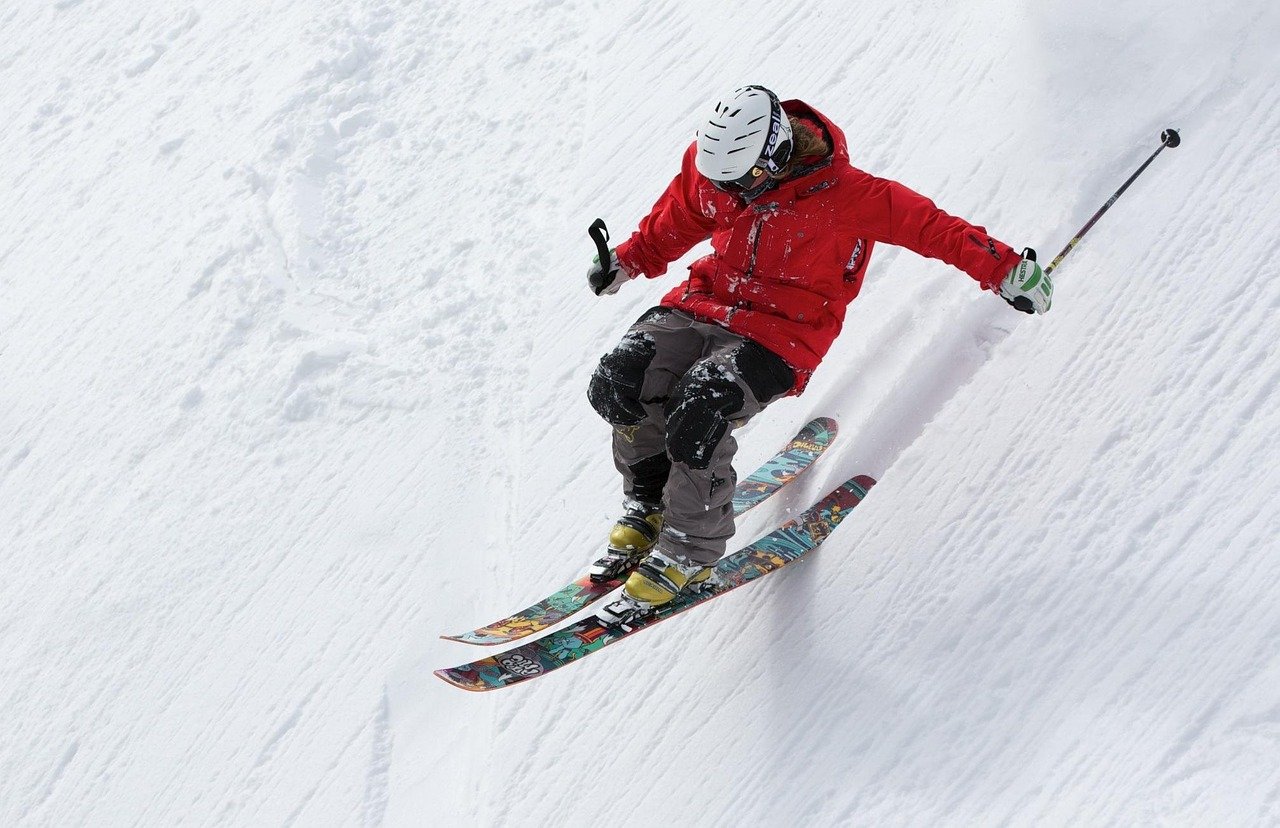
Park City draws travelers for a handful of experiences that simply cannot be replicated anywhere else in the American West.
Skiing Deer Valley
Deer Valley Resort is one of the few ski-only mountains in North America, meaning no snowboards, no lift-line chaos, and a level of grooming and service that is genuinely unmatched. Skiers come specifically for this curated, unhurried experience. Slope-side dining, ski valets who store your equipment, and impeccably maintained runs have made Deer Valley a bucket-list destination for serious skiers worldwide.
The Sundance Film Festival
Every January, Park City becomes the center of the independent film world. The Sundance Film Festival, founded by Robert Redford, draws tens of thousands of filmmakers, industry professionals, and film lovers to screenings, panels, and parties spread across town. Catching a premiere on Main Street, stumbling into a Q&A with a celebrated director, or simply absorbing the electric atmosphere is an experience unique to this destination.
Skiing the 2002 Olympic Terrain
The Utah Olympic Park preserves the bobsled, luge, and ski jump facilities built for the 2002 Winter Olympics. Visitors can watch elite athletes train on the same courses that hosted Olympic competition, and thrill-seekers can ride the actual bobsled track as a passenger. It is a rare opportunity to interact with Olympic infrastructure in an active, hands-on way.
Main Street After a Powder Day
The ritual of skiing deep powder in the morning and settling into a Main Street restaurant or bar in the afternoon is central to the Park City experience. The combination of world-class terrain within minutes of a historic, walkable downtown is what separates Park City from most mountain resort towns, where the base village and the town are one and the same manufactured environment.
Park City offers a full spectrum of activities across every season, anchored by world-class mountain terrain and a surprisingly rich cultural core for a town of its size.
Outdoor Recreation
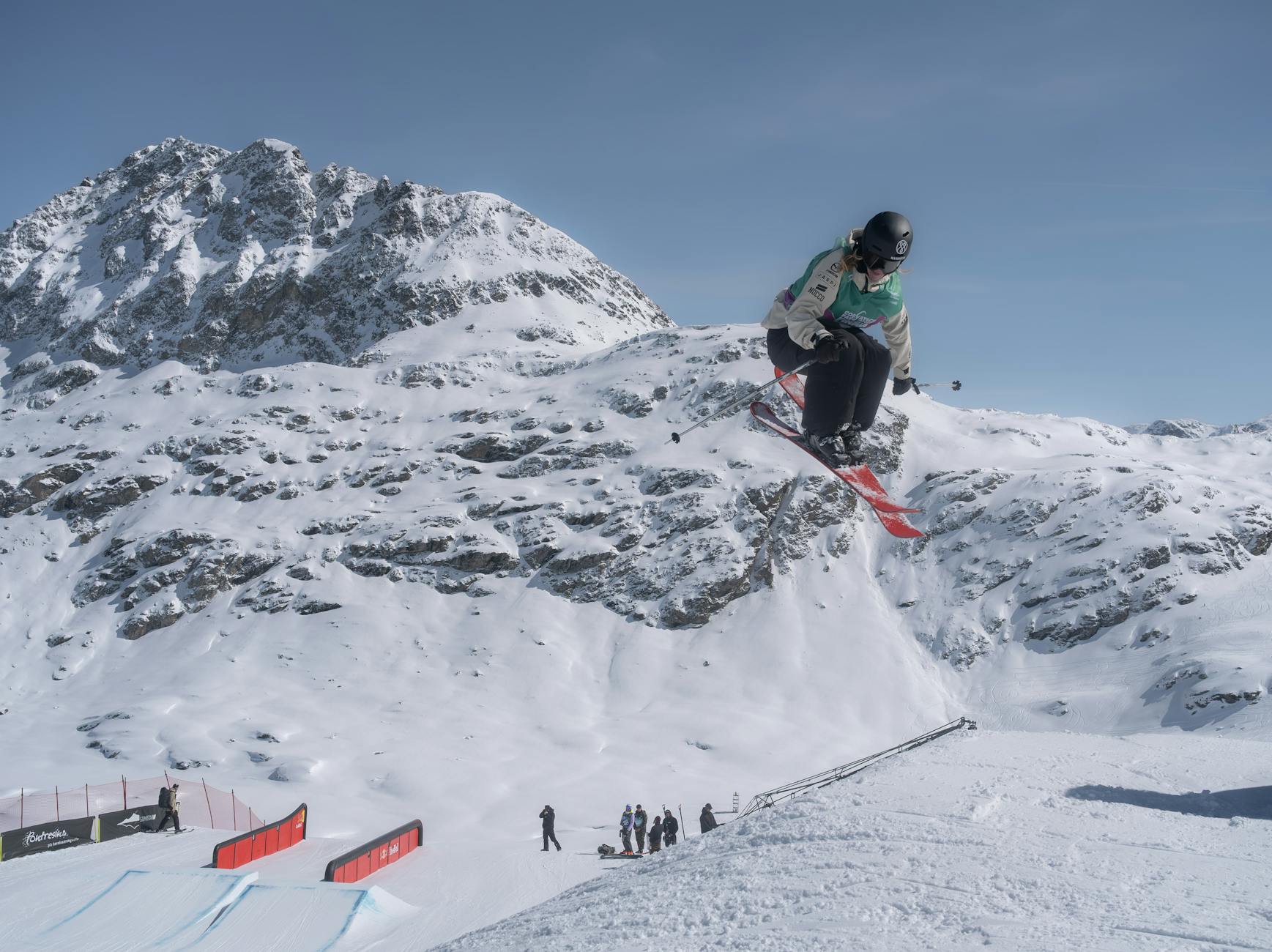
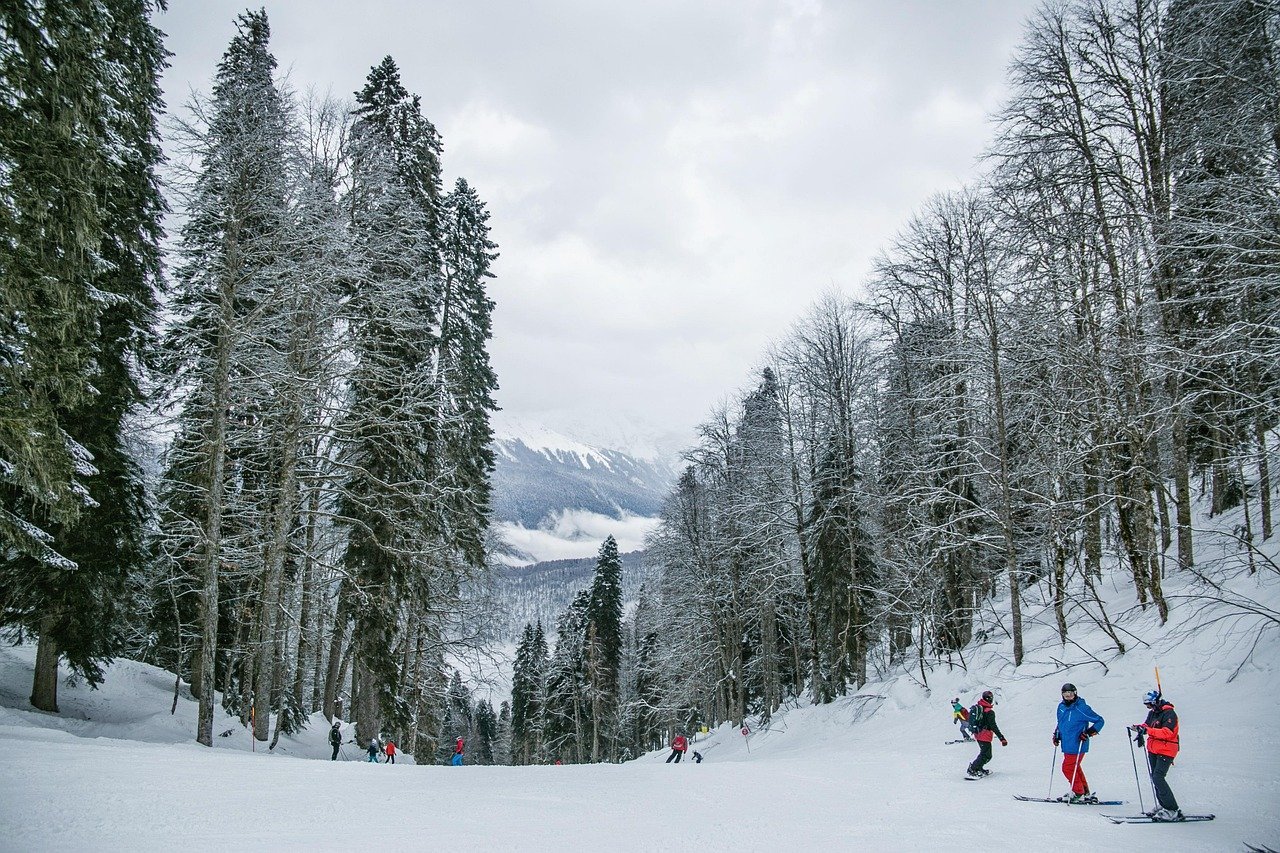
The mountains surrounding Park City are the main event. In winter, skiers and snowboarders access thousands of acres of terrain at Park City Mountain and Deer Valley Resort, two of the largest and most polished ski resorts in North America. Cross-country skiing, snowshoeing, and tubing round out the cold-weather options. When the snow melts, the same slopes transform into a premier destination for mountain biking and hiking, with over 400 miles of trails winding through the Wasatch Range. Trail runners, fly fishers, and rock climbers also find ample terrain throughout the warmer months.
Cultural Attractions
The Utah Olympic Park, built for the 2002 Winter Olympics, remains a working athletic facility and public attraction where visitors can watch training sessions, ride the zip line, and tour the Olympic museum. Main Street, a National Historic District, preserves the town's silver-mining heritage in storefronts dating to the 19th century. The Park City Museum offers a deeper look at the region's boom-and-bust mining history.
Arts and Entertainment
Park City's arts scene is anchored by the Sundance Film Festival each January, but year-round options include galleries, live music venues, and the Egyptian Theatre, a restored 1926 landmark hosting performances and screenings throughout the year.
Food and Dining
Main Street and the surrounding neighborhoods support a dining scene that rivals much larger cities. From upscale farm-to-table restaurants to casual après-ski spots, the variety is exceptional for a mountain town.
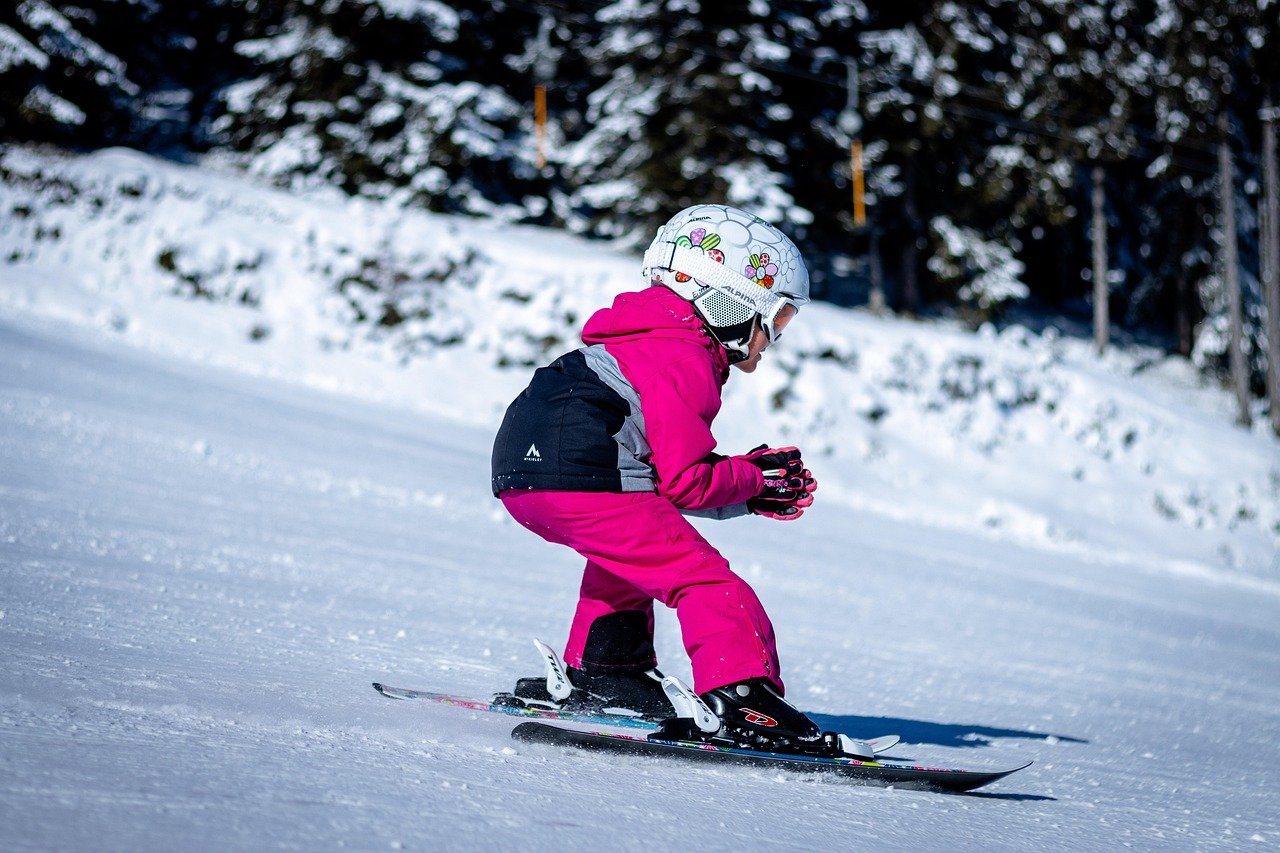
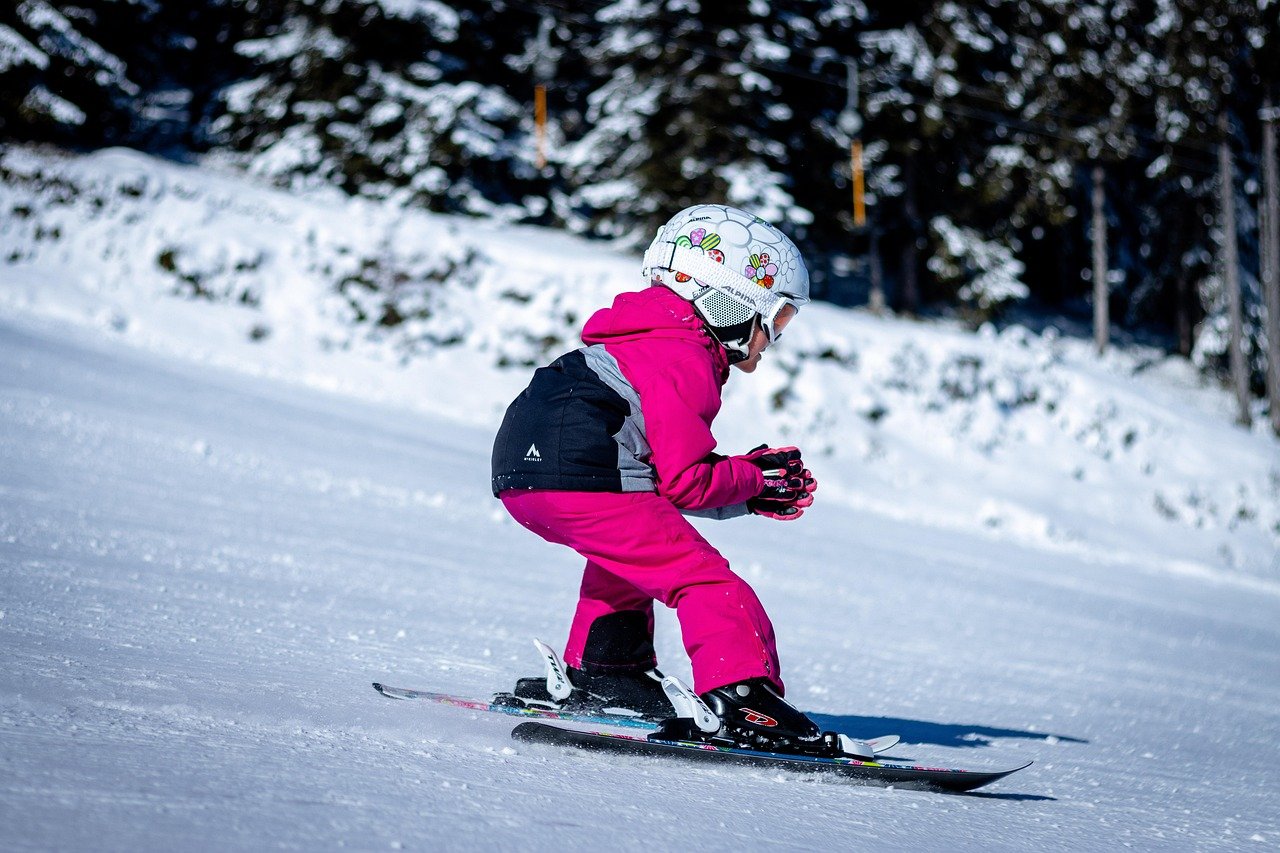
Dedicate the full day to the slopes. Hit Park City Mountain Resort in the morning when the runs are freshest, taking advantage of the varied terrain from groomed cruisers to steeper bowls. Break for a mid-mountain lunch at one of the on-slope eateries. In the afternoon, explore a new sector of the mountain, then wind down with apres-ski drinks at a slope-side bar before heading back to your accommodation.
Park City, Utah pulses with a distinct cultural rhythm across all four seasons, shaped as much by its mountain setting as by its identity as a world-class resort town. Winter is defined by the slopes, but also by the Sundance Film Festival's electric takeover of Main Street each January, when independent cinema and celebrity culture collide at high altitude. Spring brings a quieter, more local energy, with gallery strolls and wine events easing the transition between ski season and summer. As the snow melts, the town opens up into a vibrant warm-weather calendar.
Park City's dining scene defies expectations for a mountain resort town. Main Street serves as the culinary backbone of the destination, lined with restaurants that range from casual après-ski taverns to polished fine dining rooms drawing ingredients from Utah's farms and ranches. The town's elevation and outdoor culture inform a food identity built around hearty, well-crafted dishes that satisfy after a day on the slopes or the trails.
Salt Lake City International Airport (SLC) is the primary gateway to Park City,
located about 30 miles west of town with a drive of roughly 35 to 45 minutes via I-80 East, making it one of the most accessible high-altitude mountain destinations in the American West.
Rental cars picked up at SLC offer the most flexibility,
especially for families or groups staying at slope-side properties where having your own vehicle simplifies gear transport and day trips to multiple resorts.
Shared airport shuttles and private car services run directly from SLC to Park City hotels,
making them a cost-effective alternative for travelers who do not plan to drive during their stay, with advance booking recommended during peak ski season.
During Sundance Film Festival in late January, I-80 and SR-224 into Park City experience significant congestion,
so travelers arriving by car should plan for added drive time and consider arriving outside of midday peak hours.
Amtrak's California Zephyr stops in Salt Lake City,
from which connecting shuttle services can transport passengers to Park City in under an hour, offering a scenic rail option for travelers coming from Denver or the Bay Area.
Park City Transit runs free bus routes connecting Old Town, Park City Mountain Resort, Deer Valley, and Kimball Junction,
making it the most practical way to move between the main resort areas during ski season without dealing with parking or traffic.
Main Street and Old Town are compact and walkable,
so visitors staying in that neighborhood can reach most restaurants, shops, galleries, and the Town Lift ski access point entirely on foot.
Uber and Lyft both operate in Park City,
though wait times can run longer during peak morning ski hours and after evening events, so building in extra time or pre-booking a car service is advisable.
Parking in Old Town fills quickly on weekends and powder days,
and the town actively encourages visitors to use the free transit system or park at the Canyons Village or Quinn's Junction transit hubs and ride in.
A few practical notes will help your Park City trip run smoothly. Altitude is real: at over 7,000 feet, first-time visitors often feel the effects of elevation, including fatigue and dehydration, within the first day. Drink extra water, ease into physical activity, and avoid heavy alcohol consumption on your first night. Book ski rentals, lessons, and restaurant reservations well in advance for any holiday period or Sundance week — popular spots fill weeks out. Deer Valley Resort is skiers-only, meaning no snowboards are permitted on its slopes. Tipping follows standard U.S. norms: 18 to 20 percent at restaurants, a few dollars per bag for ski valets. The Ikon Pass covers Park City Mountain; Deer Valley operates on its own pass system, so confirm your pass coverage before arrival. Cell service is generally reliable throughout town, and most hotels and rentals offer strong Wi-Fi.
Most visitors spend 3 to 5 days in Park City. In winter, that gives you enough time to ski both Park City Mountain and Deer Valley Resort without feeling rushed. In summer, 3 days covers the main hiking and biking trails plus Main Street dining. Families doing a full ski week often book 7 nights at slope-side properties.
Park City is best known for world-class skiing at Park City Mountain and Deer Valley Resort, and for hosting the Sundance Film Festival each January. It also has a well-preserved Main Street historic district rooted in 19th-century silver mining, the Utah Olympic Park built for the 2002 Winter Olympics, and over 400 miles of mountain biking and hiking trails.
Yes, Park City works well as a weekend trip, especially from Salt Lake City, which is only 30 to 35 minutes away by car. A two-night stay is enough to ski a full day, explore Main Street, and enjoy a restaurant dinner. Fly-in visitors benefit from Salt Lake City's international airport, which is one of the most accessible gateways to any major ski town in the US.
Yes, Park City is one of the pricier mountain destinations in the American West. Ski lift tickets, slope-side lodging, and Main Street restaurants all carry premium price tags. Summer visits are more affordable, with free or low-cost access to the trail system. Budget travelers can offset costs by staying outside the resort core and self-catering.
For skiing, January through March brings the deepest powder and the best conditions. Summer, particularly July and August, is ideal for hiking, mountain biking, and outdoor dining without the winter crowds.