
Baltimore, MD
A Journey guide to
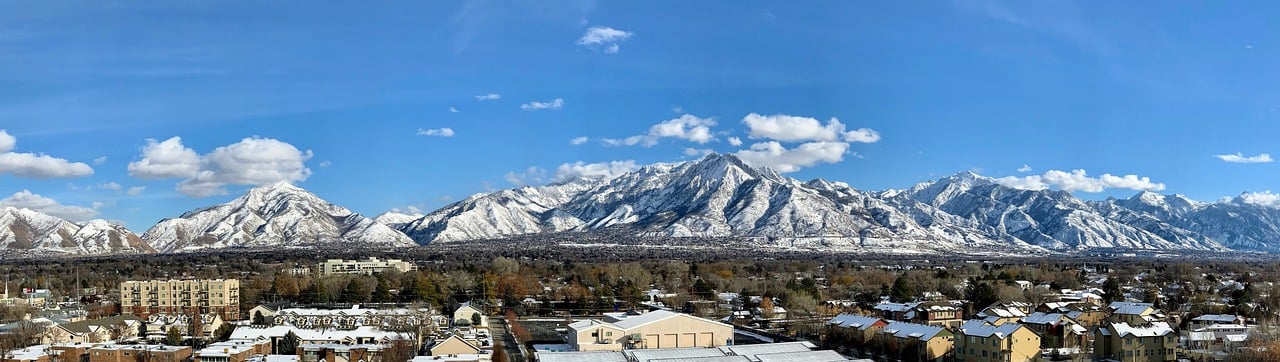
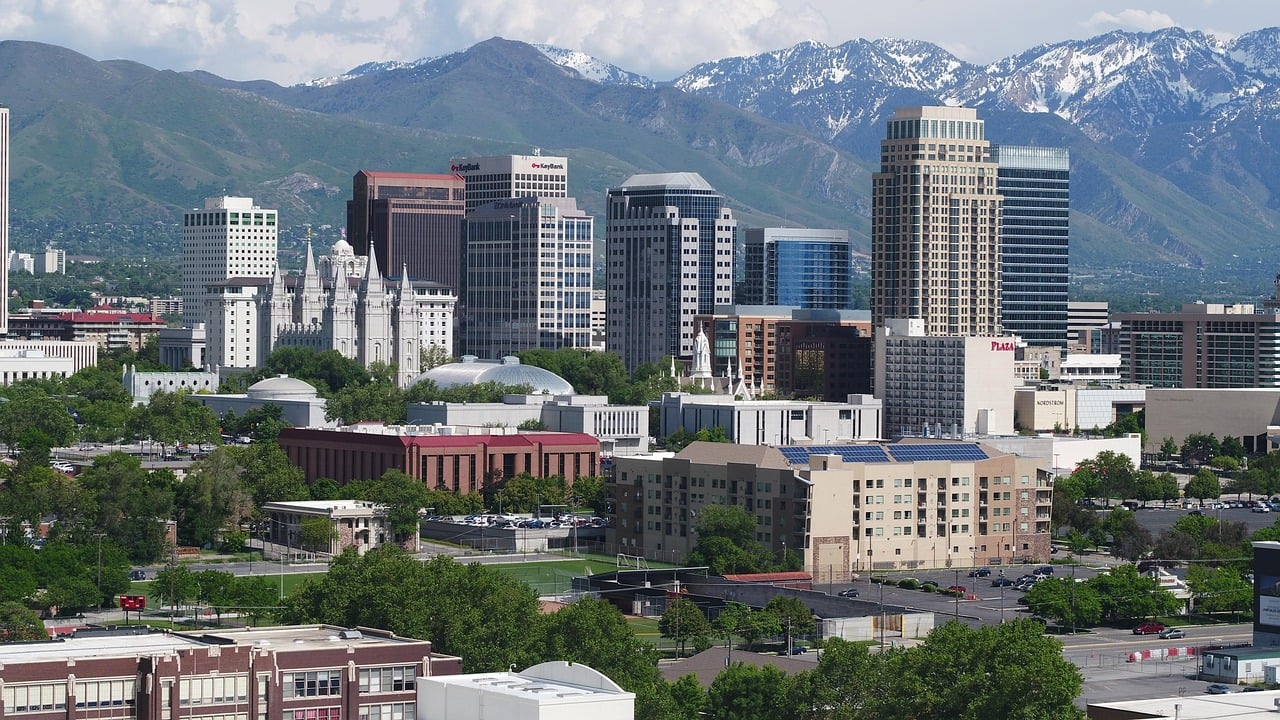
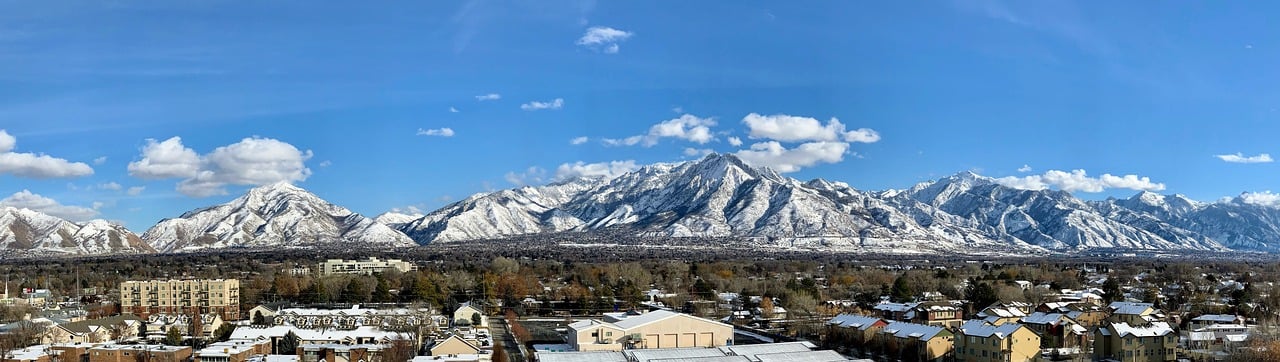
Salt Lake City occupies a singular position in the American West: a meticulously planned grid city set against the dramatic wall of the Wasatch Range, with the vast, otherworldly Great Salt Lake shimmering to the northwest. It is simultaneously a gateway to some of North America's finest ski terrain and a culturally rich urban center with a distinct identity shaped by pioneer history, a growing tech economy, and one of the youngest, fastest-growing populations of any major U.S. city.
The city's outdoor credentials are extraordinary. Within 45 minutes of downtown, travelers access seven world-class ski and snowboard resorts, including Alta, Snowbird, Park City Mountain, and Deer Valley. In warmer months, the same canyons transform into corridors for hiking, mountain biking, and rock climbing. The Bonneville Salt Flats, Antelope Island State Park, and the red rock country of southern Utah are all within a day's drive, making Salt Lake City a natural base for broader regional exploration.
Downtown Salt Lake City rewards those who linger. The Granary District and 9th and 9th neighborhoods pulse with independent restaurants, craft breweries, and galleries. The Utah Museum of Fine Arts, Natural History Museum of Utah, and the city's thriving performing arts scene, anchored by Ballet West and the Utah Symphony, reflect a cultural ambition that consistently surprises first-time visitors. The city's food culture has evolved rapidly, with a diverse restaurant landscape spanning everything from James Beard-recognized chefs to exceptional international kitchens.
Salt Lake City draws an eclectic mix of travelers: serious skiers and snowboarders chasing the famously dry "Greatest Snow on Earth," outdoor adventurers using the city as a basecamp, business travelers drawn by the expanding Silicon Slopes tech corridor, and history-minded visitors exploring the city's unique pioneer and Mormon heritage. It is a destination that rewards curiosity and defies easy categorization.


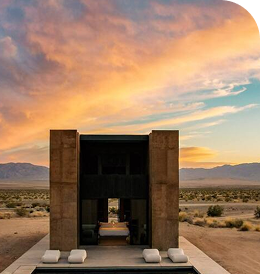

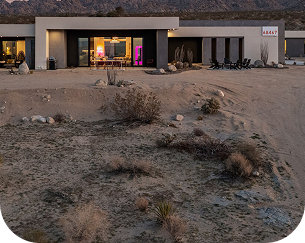

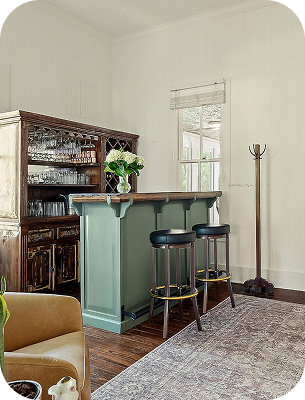

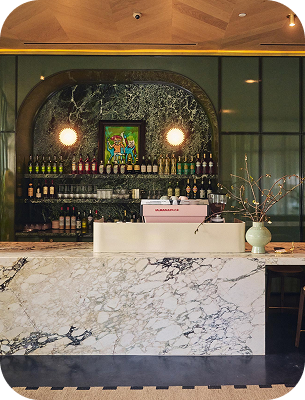

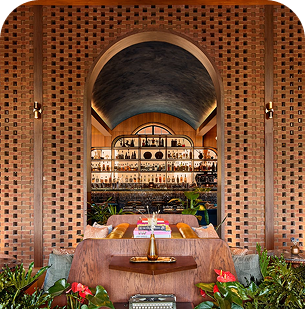

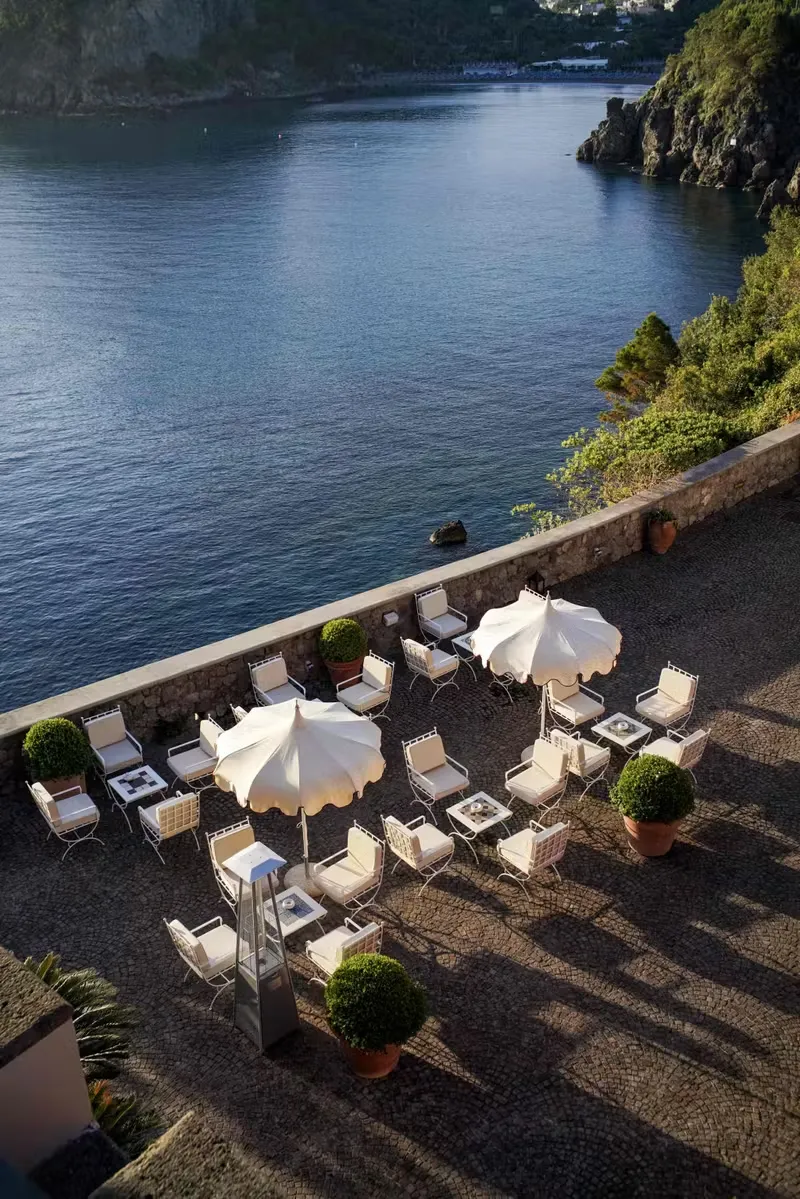

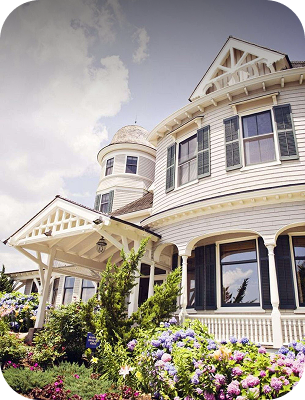

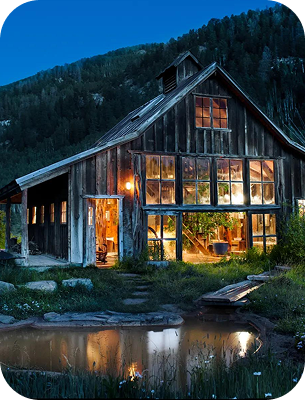

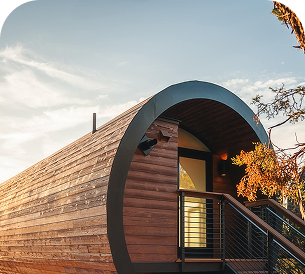

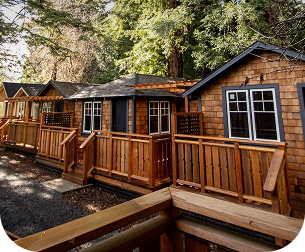

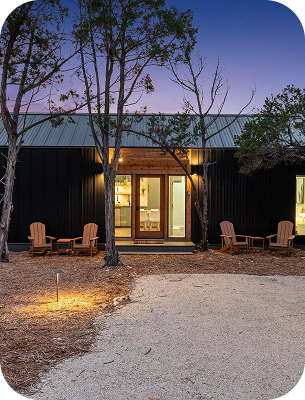

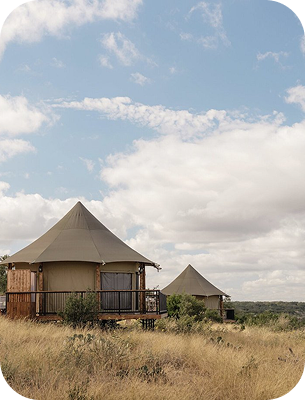

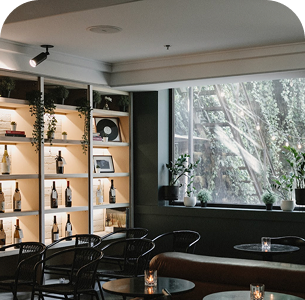

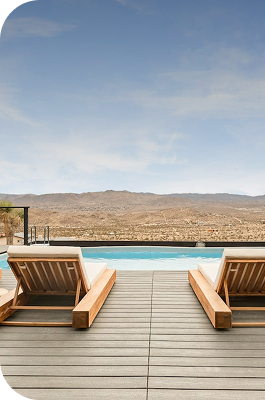

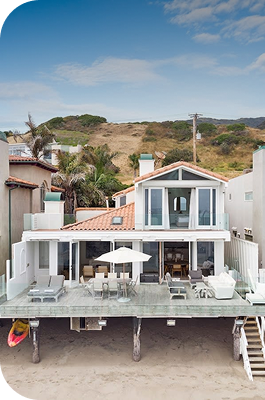

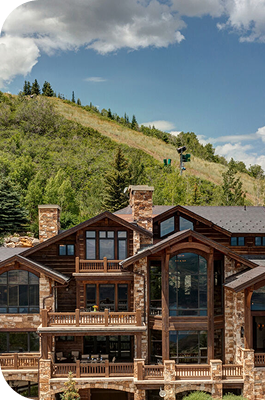
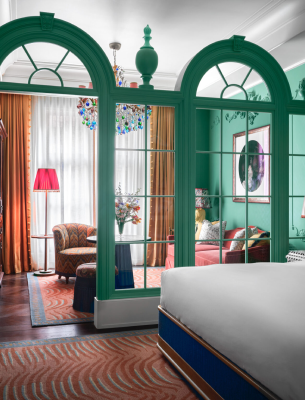
Journey connects travelers to a curated network of boutique hotels and distinctive residences around the world, all united under one rewards program. Explore handpicked stays for your trip while earning points, unlocking exclusive offers, and receiving rewards across the Journey collection.
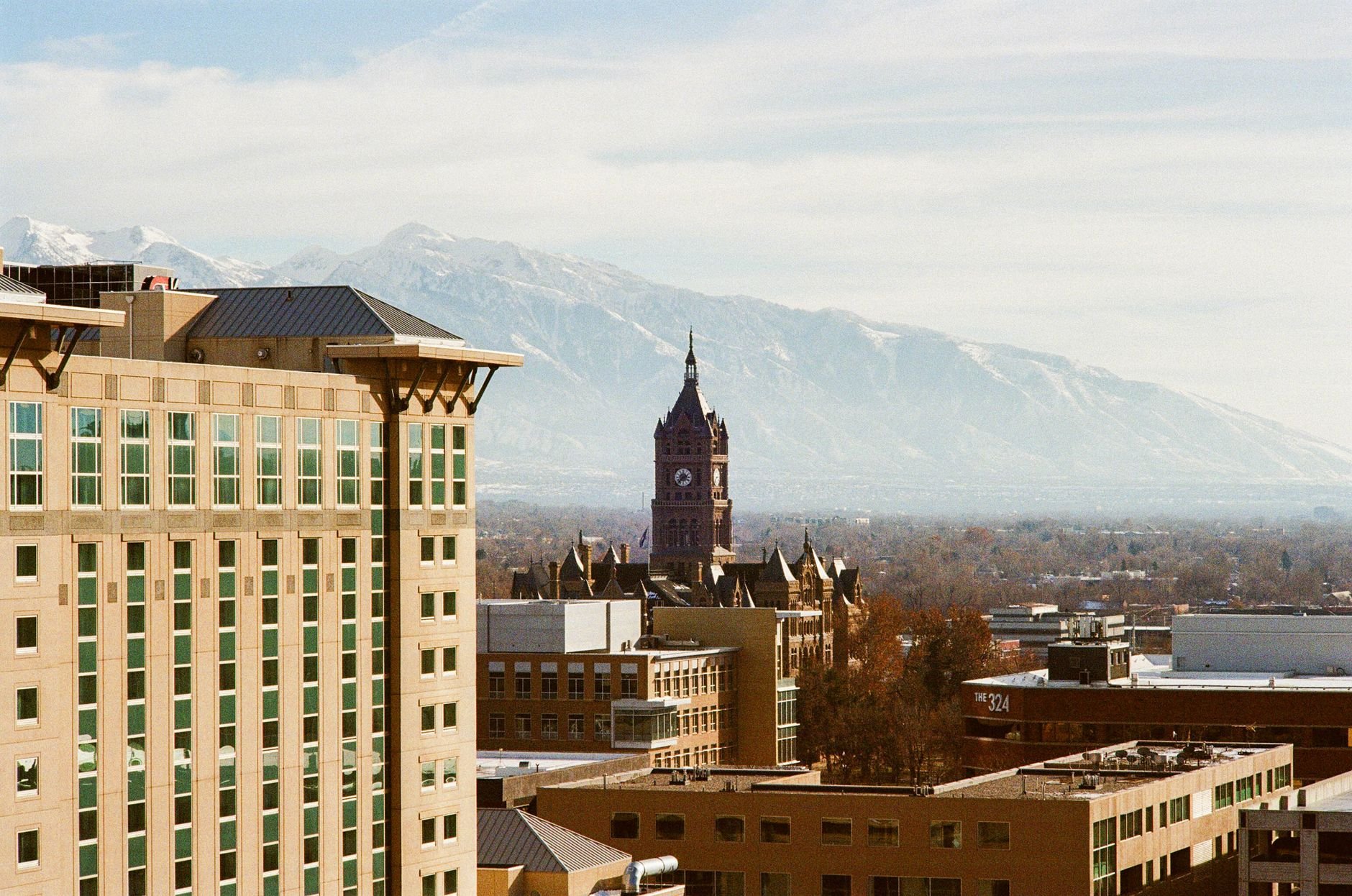
Salt Lake City sits at approximately 4,226 feet above sea level in the Salt Lake Valley, cradled between the Wasatch Range to the east and the Oquirrh Mountains to the west. The Great Salt Lake, one of the largest saline lakes in the Western Hemisphere, anchors the northwestern edge of the valley, lending the city a landscape of almost surreal contrasts: jagged alpine peaks, shimmering salt flats, and a compact, walkable urban core laid out in the famously wide grid that Brigham Young and the early Mormon pioneers surveyed in 1847.
That founding moment remains central to the city's identity. Salt Lake City was established as the headquarters of The Church of Jesus Christ of Latter-day Saints, and Temple Square, the 10-acre spiritual and architectural heart of the faith, continues to define the city's skyline and cultural life. Yet Salt Lake City has evolved well beyond any single narrative. Successive waves of immigration, a booming university presence anchored by the University of Utah, and the catalytic effect of hosting the 2002 Winter Olympics have all contributed to a city that is increasingly cosmopolitan, diverse, and self-confident.
The 2002 Winter Games left a lasting infrastructure legacy, from world-class Olympic venues repurposed for public recreation to an expanded light rail and transit network that makes the city unusually navigable for an American Western metropolis. The TRAX light rail system connects the airport, downtown, and the University of Utah, while the FrontRunner commuter rail extends north to Ogden and south to Provo.
Culturally, Salt Lake City occupies an interesting tension between its conservative heritage and a rapidly liberalizing urban center. The result is a city with genuine character, where historic tabernacles share blocks with craft cocktail bars, and where the soaring Wasatch peaks serve as a constant, democratizing backdrop to daily life. For travelers, it offers the rare combination of serious outdoor access and genuine urban substance, all within a compact, affordable, and well-connected city.
Salt Lake City is genuinely a year-round destination, but the right time to visit depends entirely on what you are after.
Winter, from December through March, is peak season for skiers and snowboarders. The resorts above the city, including Alta, Snowbird, and Deer Valley, rank among the best in North America, and the legendary dry powder draws serious snow enthusiasts from around the world. Book accommodations well in advance for holiday periods and weekends, as the valley fills quickly. Note that valley-level inversions during winter can affect air quality on certain days.
Spring, from April through May, is a quieter shoulder season that suits travelers seeking lower hotel rates and fewer crowds. The ski resorts often remain open into April, offering a rare combination of late-season skiing and warming valley temperatures. Hiking trails at lower elevations begin to open, though higher canyon routes may stay snow-covered into May.
Summer, from June through August, is ideal for outdoor adventurers. Canyon trails open fully, mountain biking comes into prime condition, and the city's outdoor dining and festival calendar fills out. This is also the busiest season for regional road trips to Arches, Zion, and Bryce Canyon, so planning ahead is essential. The city itself is lively, with the Utah Symphony and outdoor concert series running through the season.
Fall, from September through October, is arguably the most rewarding time for a balanced visit. Canyon crowds thin considerably after Labor Day, aspen foliage peaks in late September and early October, and hiking and biking conditions are excellent. Cultural institutions and performing arts venues launch their new seasons, and the city has an energetic, local feel as the summer tourist rush subsides. For travelers who want the best of both outdoor access and urban atmosphere with minimal crowds, fall is the clear choice.
The historic and civic heart of Salt Lake City, anchored by the iconic Temple Square and the Tabernacle. Wide, walkable streets lined with museums, theaters, and hotels make this the natural starting point for any visit, with the Utah Symphony, Ballet West, and the Salt Palace convention center all within easy reach.
A former industrial corridor south of downtown that has evolved into one of Salt Lake City's most creative and energetic neighborhoods. Craft breweries, independent restaurants, art studios, and live music venues occupy repurposed warehouses, giving the area a gritty, authentic edge that stands apart from the rest of the city.
A beloved residential neighborhood centered on the intersection of 9th East and 9th South, known for its tree-lined streets, bungalow architecture, and a tight-knit strip of independent boutiques, cafes, and restaurants. It has the feel of a classic urban village and is a favorite among locals looking for a slower, more intimate side of the city.
One of Salt Lake City's oldest and most established neighborhoods, Sugar House blends a lively commercial strip with charming residential blocks and easy access to Sugar House Park. The area draws a young, eclectic crowd with its mix of coffee shops, vintage stores, breweries, and a growing roster of independent dining options.
Hugging the base of the Wasatch Range, this elevated residential zone offers quick access to Emigration Canyon, Red Butte Garden, and the Natural History Museum of Utah. The area rewards visitors with sweeping city views, trailhead access minutes from urban amenities, and a quieter, more scenic alternative to the bustle of downtown.
Salt Lake City draws travelers for experiences that exist nowhere else in quite the same form — a combination of extraordinary snow, singular landscapes, and a city identity unlike any other in the American West.
Skiing the Greatest Snow on Earth
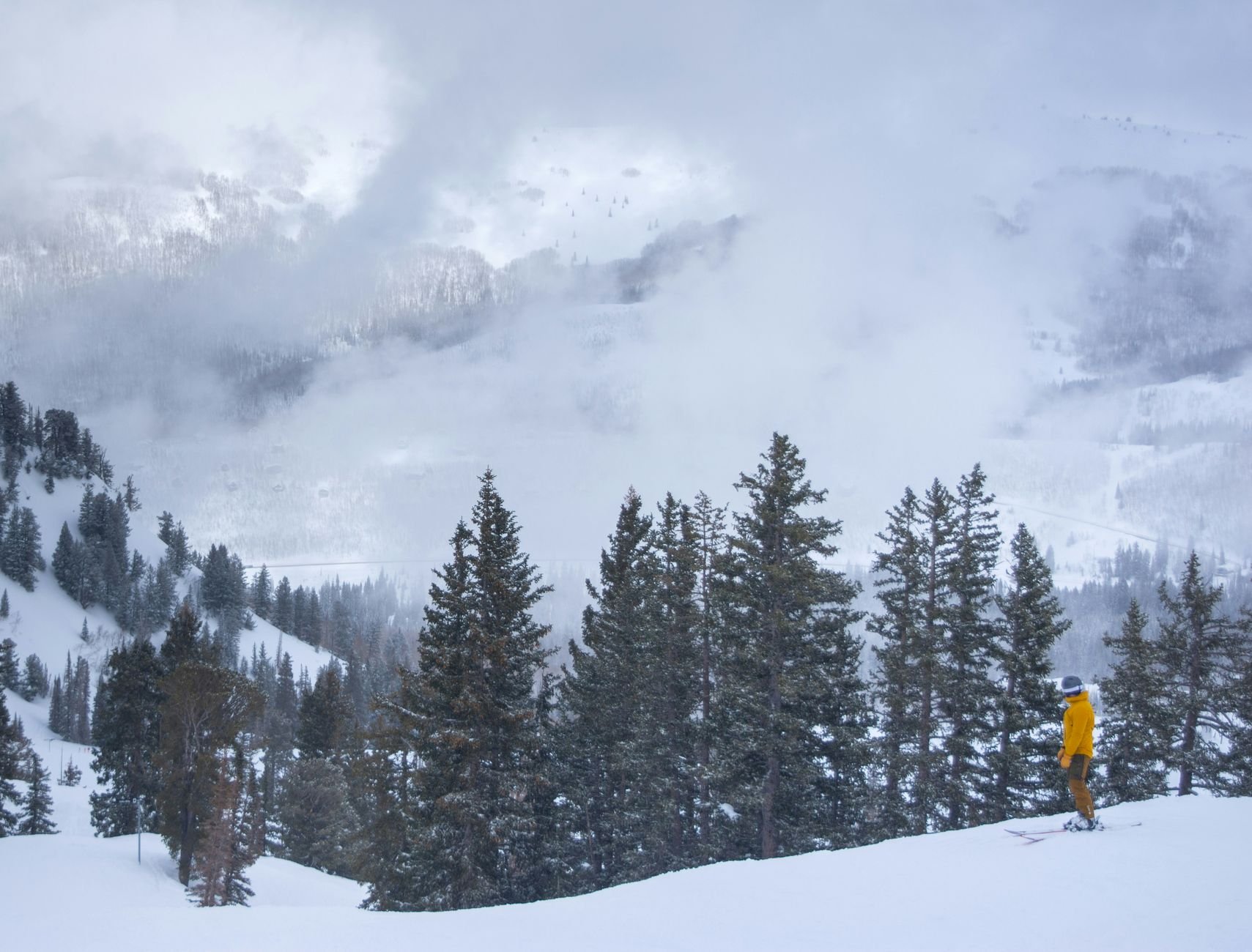
Utah's official slogan is not hyperbole. The Wasatch Range above Salt Lake City receives an average of 500 inches of snow annually, much of it the exceptionally dry, light powder that skiers and snowboarders travel from around the world to chase. Alta and Snowbird, reached via Little Cottonwood Canyon in under 45 minutes from downtown, are legendary in ski culture — Alta for its skiers-only tradition and deep powder stashes, Snowbird for its vertical drop and challenging terrain. Deer Valley, just beyond Park City, offers a polished, resort-style experience with immaculate grooming and slope-side service. Skiing here is not just an activity; it is the reason many people visit Salt Lake City at all.
Floating on the Great Salt Lake
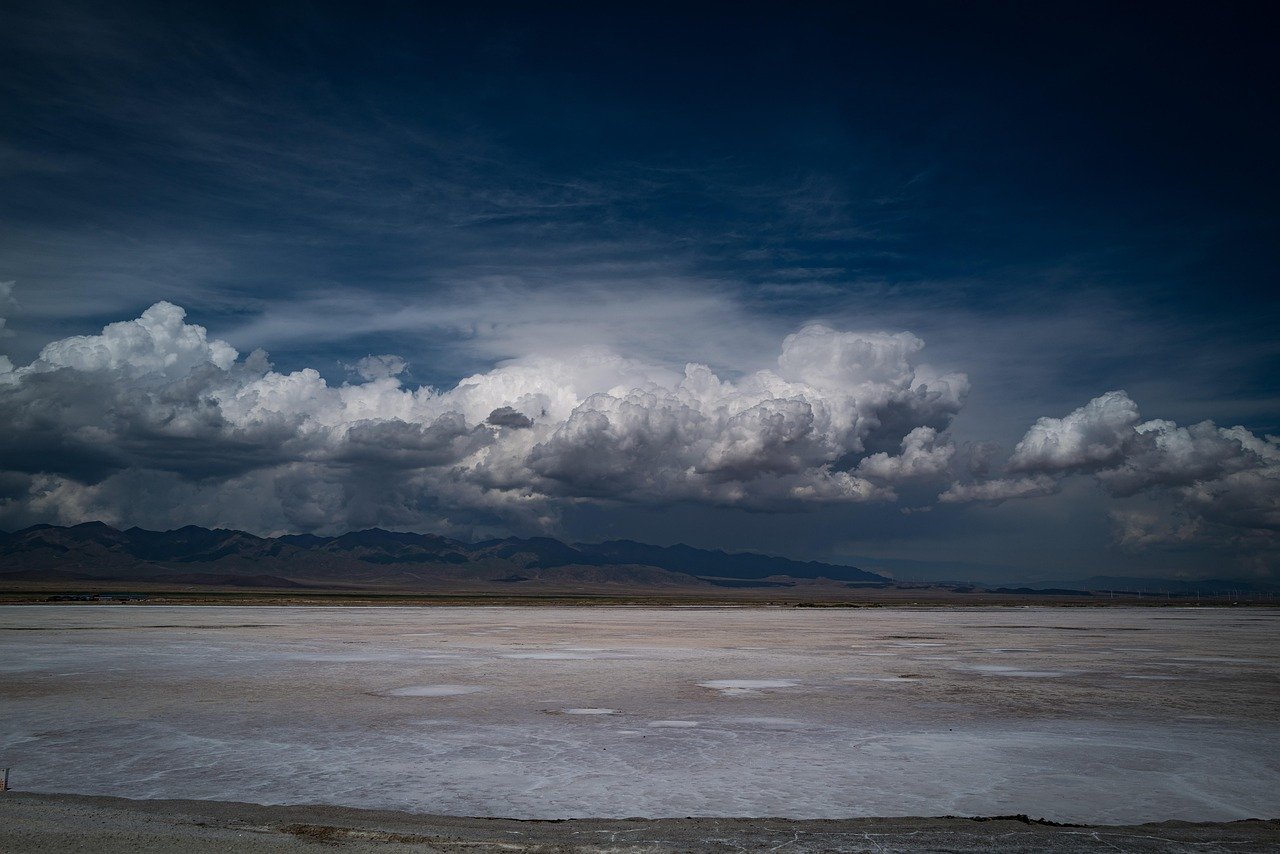
The Great Salt Lake is one of the strangest and most compelling natural phenomena in North America. Its salinity — several times that of the ocean — makes swimming a uniquely effortless, buoyant experience. Antelope Island State Park provides the most accessible entry point, combining a float in the lake with views of bison herds roaming the island's interior and sunsets that paint the water in shades of pink and amber. It is an experience that is equal parts bizarre and beautiful.
Exploring Pioneer and Mormon Heritage
Salt Lake City was founded in 1847 by Mormon pioneers who transformed an arid desert basin into a thriving settlement. Temple Square, the spiritual and architectural heart of The Church of Jesus Christ of Latter-day Saints, tells that story through its monuments, gardens, and historic buildings. The surrounding Beehive House, Lion House, and This Is the Place Heritage Park bring the pioneer era to life in ways that are genuinely illuminating regardless of a visitor's background or beliefs. This heritage is woven into the city's street grid, its architecture, and its civic character in ways that make Salt Lake City unlike any other American city.
Salt Lake City offers a remarkable range of activities that span world-class outdoor adventure, rich cultural heritage, and a vibrant urban scene that continues to evolve.
Outdoor Recreation
The mountains surrounding Salt Lake City are the city's defining outdoor playground. Seven major ski and snowboard resorts — including Alta, Snowbird, Park City Mountain, and Deer Valley — sit within 45 minutes of downtown, drawing powder-seekers to Utah's famously dry, light snow. When the snow melts, those same canyons become prime territory for hiking, mountain biking, and rock climbing. Big Cottonwood and Little Cottonwood Canyons offer trails for every ability level, from casual walks to technical alpine routes.
Scenic Exploration
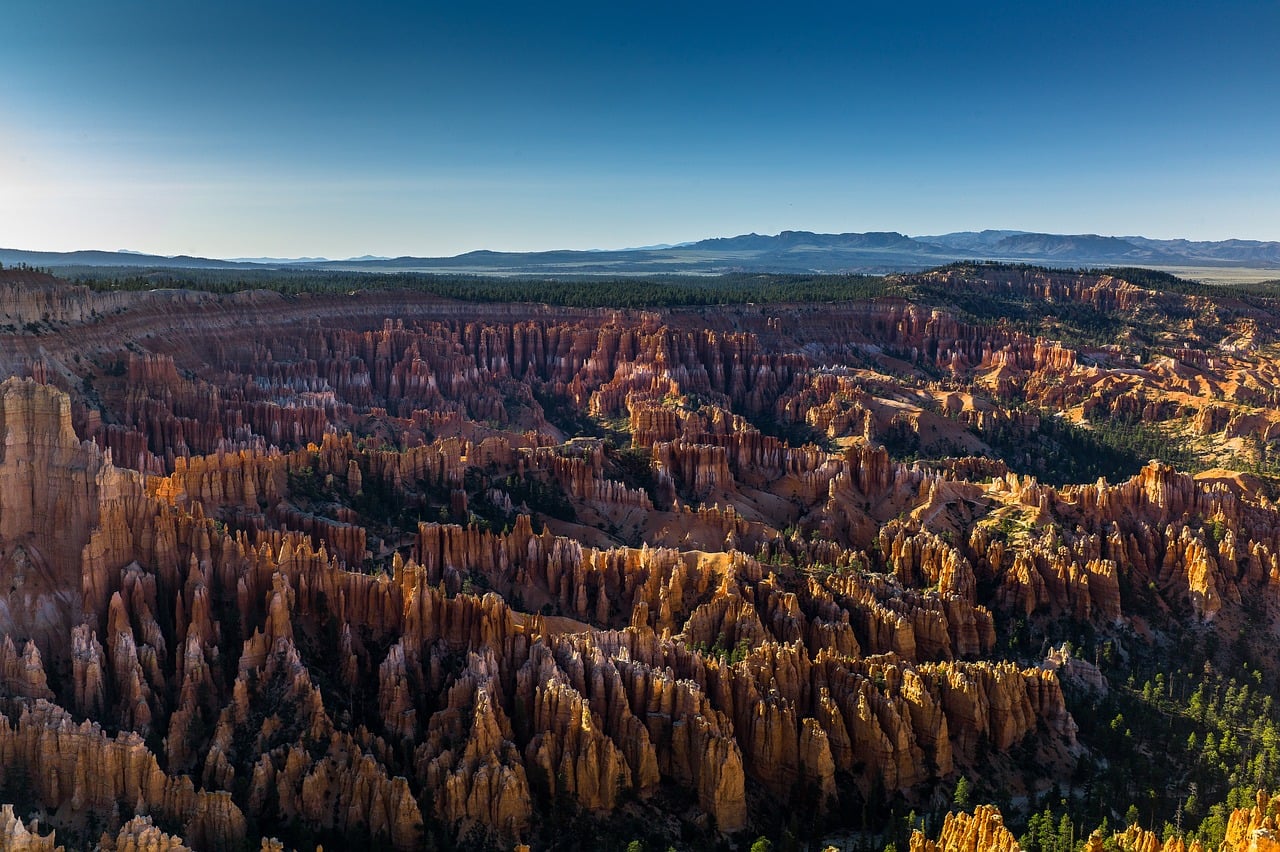
The landscapes around Salt Lake City are unlike anywhere else. Antelope Island State Park, jutting into the Great Salt Lake, offers wildlife viewing, hiking, and surreal sunsets over hypersaline waters. The Bonneville Salt Flats stretch west in an alien expanse of white. For those willing to drive further, the red rock canyons of southern Utah — Arches, Zion, Bryce Canyon — are all within a day's reach, making the city an ideal regional basecamp.
Cultural Attractions
Salt Lake City's cultural institutions punch well above the city's size. The Natural History Museum of Utah houses one of the world's premier dinosaur fossil collections. Temple Square, the historic center of The Church of Jesus Christ of Latter-day Saints, is one of the most visited sites in the American West. The Utah State Capitol commands sweeping views across the valley and is open for self-guided tours.
Arts and Entertainment
The Granary District and 9th and 9th neighborhoods anchor the city's creative scene, with independent galleries, live music venues, and performance spaces. Ballet West and the Utah Symphony perform at the Capitol Theatre and Abravanel Hall respectively, representing a performing arts culture that rivals much larger cities.
Food and Dining
Salt Lake City's restaurant scene has undergone a genuine transformation. From James Beard-recognized chefs to exceptional international kitchens representing cuisines from across Latin America, Asia, and the Middle East, the city rewards adventurous diners. The local craft brewery scene is robust, with a growing number of taprooms concentrated in the Granary District.
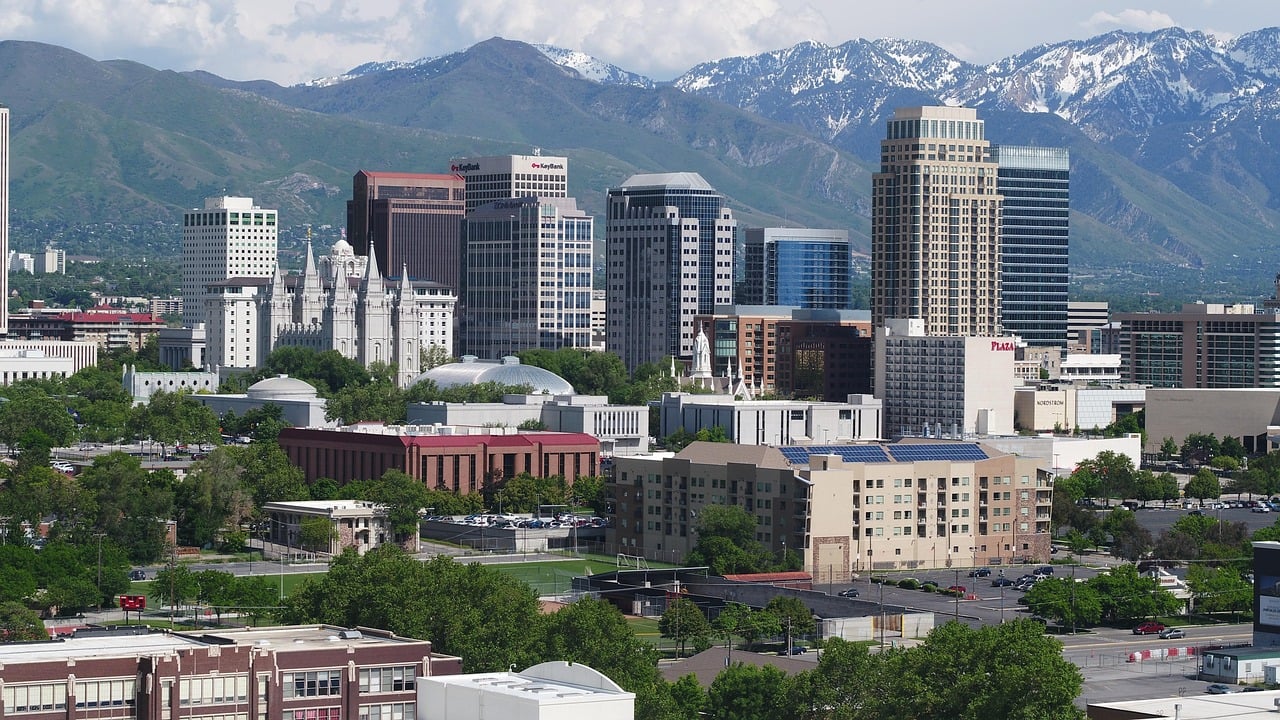
Start your morning at Temple Square, exploring the historic pioneer architecture and sweeping Wasatch Range views. Head to the Natural History Museum of Utah for an afternoon of world-class exhibits. In the evening, make your way to the 9th and 9th neighborhood for dinner at one of its beloved independent restaurants, then browse the charming local shops and galleries.
Rise early and drive up Little Cottonwood Canyon for a morning of skiing at Alta or Snowbird in winter, or hiking the stunning trails in summer. Return to the city mid-afternoon and recharge in the Granary District with craft beers and local bites. Cap the night with a performance by the Utah Symphony or Ballet West at Abravanel Hall.
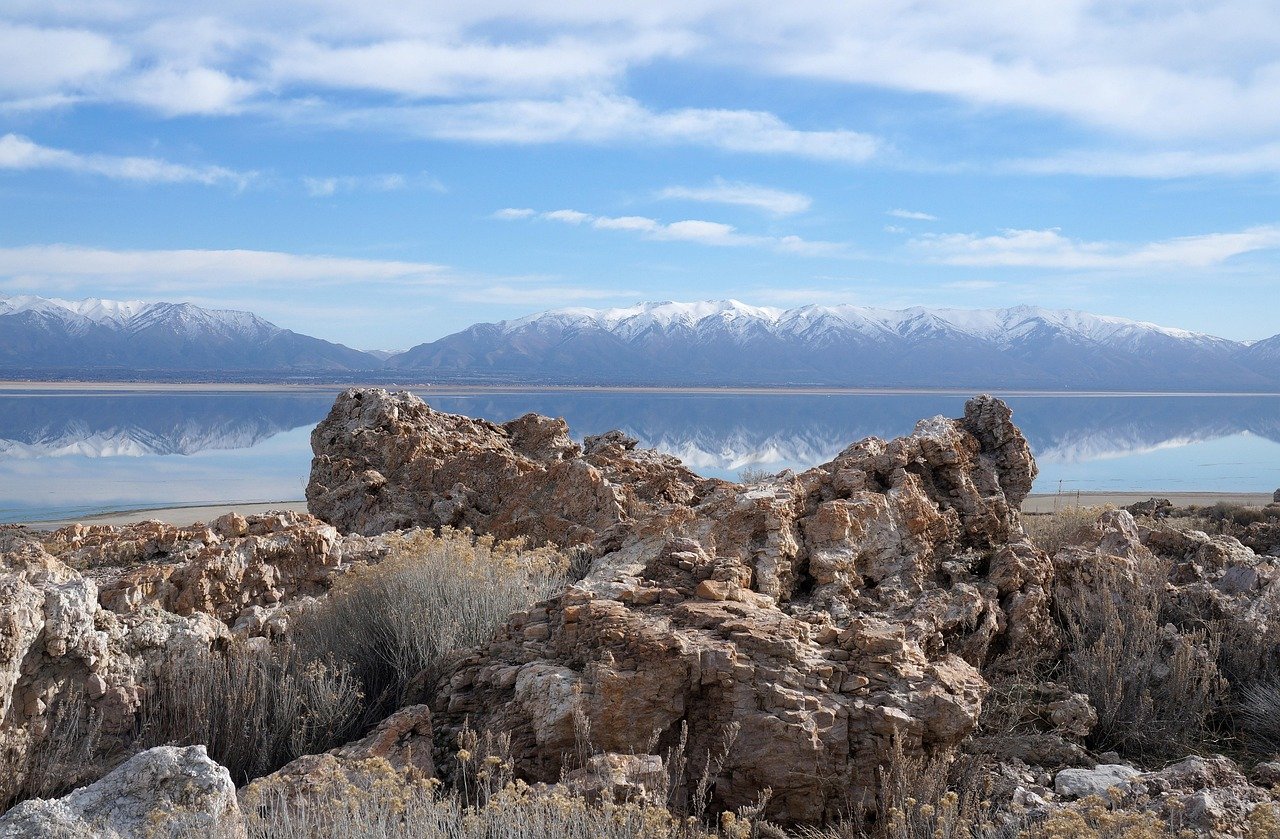
Take a morning drive to Antelope Island State Park, where bison roam freely against a backdrop of the Great Salt Lake. Spend midday hiking the Frary Peak trail for panoramic lake views. Head back to downtown Salt Lake City in the late afternoon and end your trip with dinner at one of the James Beard-recognized restaurants in the vibrant downtown dining scene.
Salt Lake City pulses with a distinct cultural calendar shaped by its pioneer heritage, outdoor identity, and growing arts scene. Winter brings the electric energy of hockey and ski season, while spring and summer open the city to festivals, rodeos, and outdoor celebrations that draw locals and visitors alike. The Utah Arts Festival, one of the longest-running arts events in the West, fills downtown with live music, visual art, and performance each June. July is anchored by the Days of '47 Rodeo, a beloved tradition commemorating the arrival of Mormon pioneers and one of the largest rodeos in the country. Come September, the Utah State Fair offers a classic slice of community life, from livestock competitions to carnival rides and local food. The fall and winter months bring arena spectacles and sporting events that fill the city's venues and spill into its restaurants and bars. Throughout it all, Salt Lake City's calendar reflects a community that is deeply rooted yet always evolving.

Nov 6, 2026
Salt Lake City's food scene has undergone a remarkable transformation in recent years, evolving from a reputation for conservative dining into a genuinely exciting culinary destination. The city's rapid population growth and influx of young professionals have fueled a wave of ambitious restaurants, craft breweries, and independent food concepts that reward curious eaters.
Salt Lake City International Airport (SLC) sits just 5 miles from downtown
making it one of the most conveniently located major airports in the West, with rideshare, taxis, rental cars, and the TRAX light rail Red Line all available for the roughly 20-minute trip into the city center.
I-15 is the primary highway corridor into Salt Lake City
connecting the city to Las Vegas about 6.5 hours south and to Provo and other Wasatch Front communities to the south, while I-80 provides the main east-west approach from Nevada to the west and Wyoming to the east.
Amtrak's California Zephyr stops at Salt Lake City's station on 600 South
linking the city to Chicago and the San Francisco Bay Area on a scenic multi-day route, though service runs only three times per week in each direction, so early booking is essential.
Denver is approximately 7.5 hours from Salt Lake City via I-70 west and I-15 north
making a road trip between the two Mountain West cities a popular option, with stops at the Bonneville Salt Flats or Green River breaking up the drive.
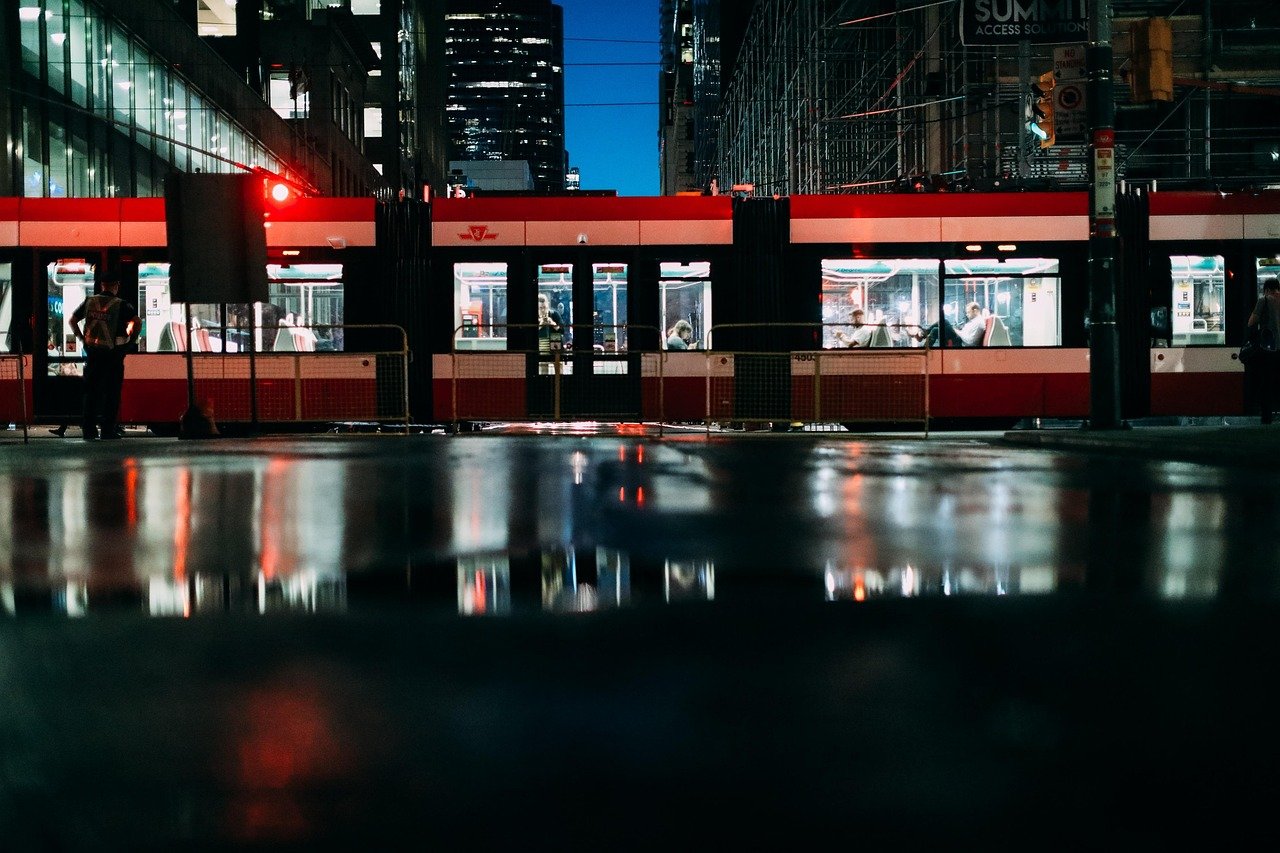
The TRAX Red Line connects Salt Lake City International Airport directly to downtown
with a ride taking roughly 20 minutes and costing a few dollars, making it the most affordable and traffic-free option for airport arrivals staying in the city center.
Downtown Salt Lake City's wide grid streets are walkable between major attractions
including Temple Square, the Gateway District, and the Gallivan Center, though distances between neighborhoods like Sugar House and 9th and 9th are better covered by rideshare or the UTA bus network.
A rental car is the most practical option for reaching ski resorts in Little Cottonwood and Big Cottonwood Canyons
as UTA ski buses do serve both canyons from the Fashion Place West TRAX station on weekends and holidays, but a car offers far more flexibility for early first-chair starts.
UTA's FrontRunner commuter rail links Salt Lake City to Ogden to the north and Provo to the south
running frequently on weekdays and making it a convenient car-free option for day trips along the Wasatch Front corridor.
Utah's liquor laws are more relaxed than they once were but still differ from most U.S. states: beer above 5% ABV, wine, and spirits are sold at state-run DABC liquor stores, not grocery stores. Many restaurants are licensed to serve alcohol, and the craft brewery scene is thriving, so options are plentiful once you know where to look.
Altitude is a real consideration: Salt Lake City sits at 4,226 feet, and the ski resorts climb well above 10,000 feet. Drink extra water, limit alcohol on your first day, and use high-SPF sunscreen year-round, as UV exposure is intense at elevation.
Download the UTA GoRide app for transit navigation and the SkiUtah app for real-time resort conditions. Tipping follows standard U.S. norms: 18 to 20 percent at restaurants. Book ski resort lift tickets and popular canyon trailhead parking permits well in advance during peak season to avoid sellouts.
Three to four days is ideal for Salt Lake City. That gives you time to explore downtown neighborhoods like the Granary District and 9th and 9th, visit top cultural sites such as the Natural History Museum of Utah, and make at least one day trip into the Wasatch canyons or to Antelope Island State Park. Skiers may want a full week.
Salt Lake City is best known for its world-class skiing and snowboarding. Seven major resorts - including Alta, Snowbird, Park City Mountain, and Deer Valley - are within 45 minutes of downtown, famous for Utah's dry 'Greatest Snow on Earth.' The city is also known for its pioneer and Mormon heritage, the Great Salt Lake, and its rapidly growing tech sector.
Yes, Salt Lake City works well as a weekend destination. Two days is enough to cover downtown highlights - the Granary District, Temple Square, and the Utah Museum of Fine Arts - plus a half-day in the Wasatch canyons or at Antelope Island. Skiers can easily fill a weekend with back-to-back resort days at multiple mountains.
Salt Lake City is moderately priced compared to other western U.S. cities. Hotels and dining downtown are reasonably affordable, though costs rise significantly during ski season when resort-area lodging spikes. Lift tickets at nearby resorts like Alta, Snowbird, and Deer Valley are a major expense for winter visitors. Budget travelers will find solid options in the city itself.
Winter (December through March) is prime for skiers chasing Utah's legendary powder. For outdoor activities without snow, late spring (May to June) and early fall (September to October) offer mild temperatures, clear skies, and easy access to hiking and mountain biking in the surrounding canyons.