
Baltimore, MD
A Journey guide to
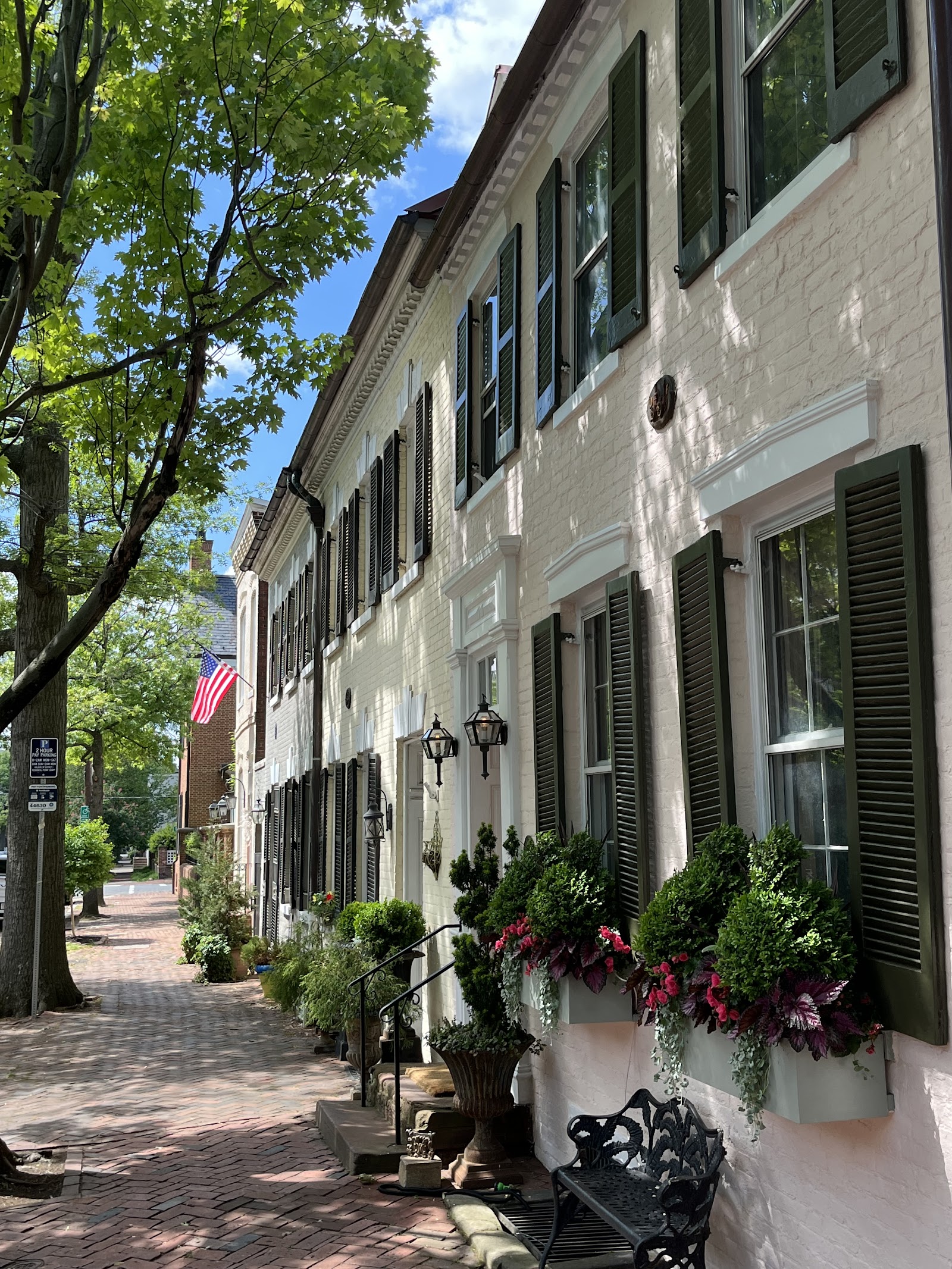
Alexandria is one of America's best-preserved Colonial-era cities, and its walkable Old Town district is the heart of the experience. Brick sidewalks, Georgian townhouses, and gas-lit streets line the Potomac waterfront, creating an atmosphere that feels genuinely historic rather than reconstructed. The city was founded in 1749 and counts George Washington and Robert E. Lee among its most famous former residents, with landmarks tied to both figures still standing and open to visitors.
The dining and drinking scene punches well above the city's size. King Street alone hosts an impressive concentration of independent restaurants, wine bars, craft cocktail lounges, and specialty coffee shops. Alexandria has long attracted serious chefs drawn by a discerning local clientele and proximity to the Mid-Atlantic's exceptional seafood, produce, and charcuterie traditions. The weekly farmers market on Market Square, operating continuously since 1753, remains a genuine community institution.
Shoppers and gallery-goers find Alexandria equally rewarding. The stretch of King Street between the waterfront and the King Street Metro station is lined with independent boutiques, antique dealers, and art galleries that give the city a curated, unhurried retail character entirely different from the suburban malls of the broader D.C. region. The Torpedo Factory Art Center, a converted World War II munitions plant on the waterfront, houses over 80 working artists and is one of the most visited art facilities in the country.
Alexandria draws a sophisticated mix of travelers: history enthusiasts tracing the roots of the American republic, food-focused visitors treating the city as a culinary destination in its own right, and D.C. visitors who prefer a quieter, more intimate base. The city also appeals to those who want easy access to the capital's museums and monuments without staying in the urban core. The King Street Metro station connects Alexandria to downtown Washington in under 20 minutes.







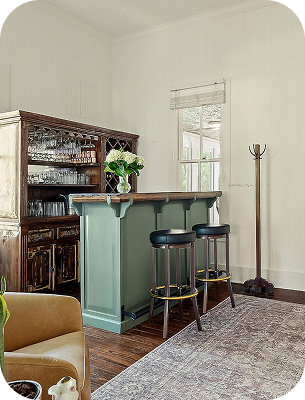

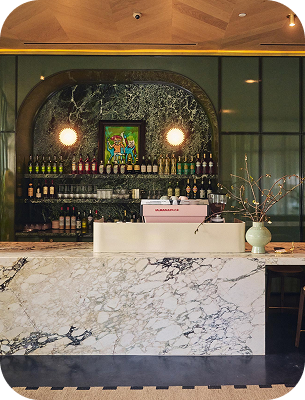

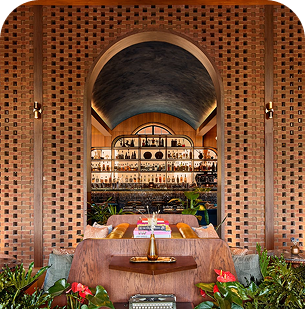

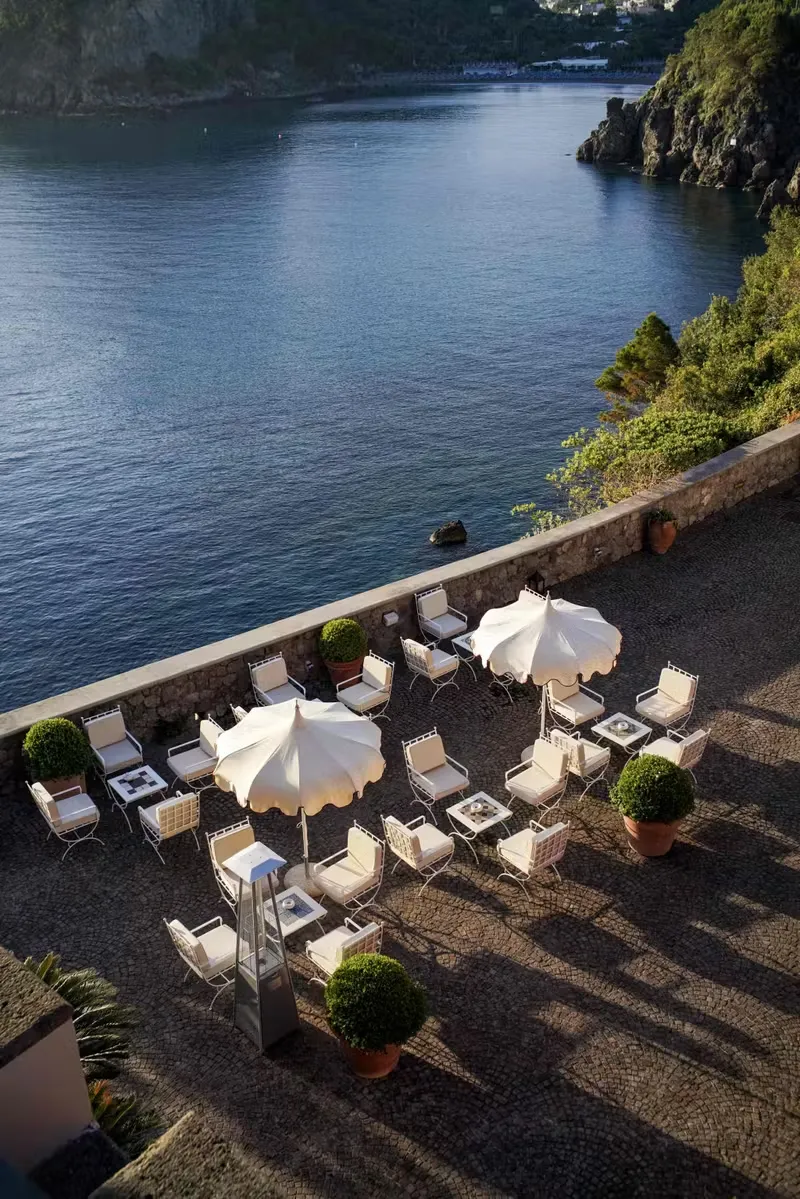

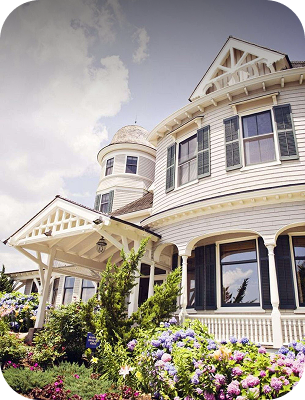











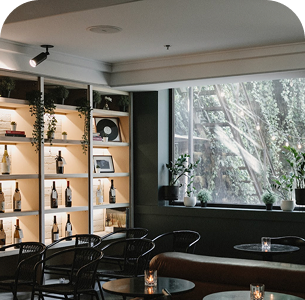







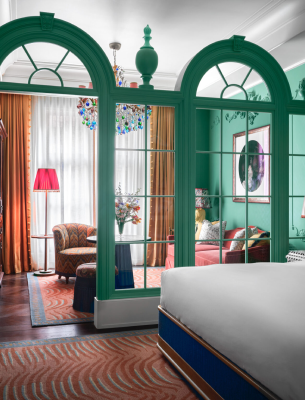

Journey connects travelers to a curated network of boutique hotels and distinctive residences around the world, all united under one rewards program. Explore handpicked stays for your trip while earning points, unlocking exclusive offers, and receiving rewards across the Journey collection.
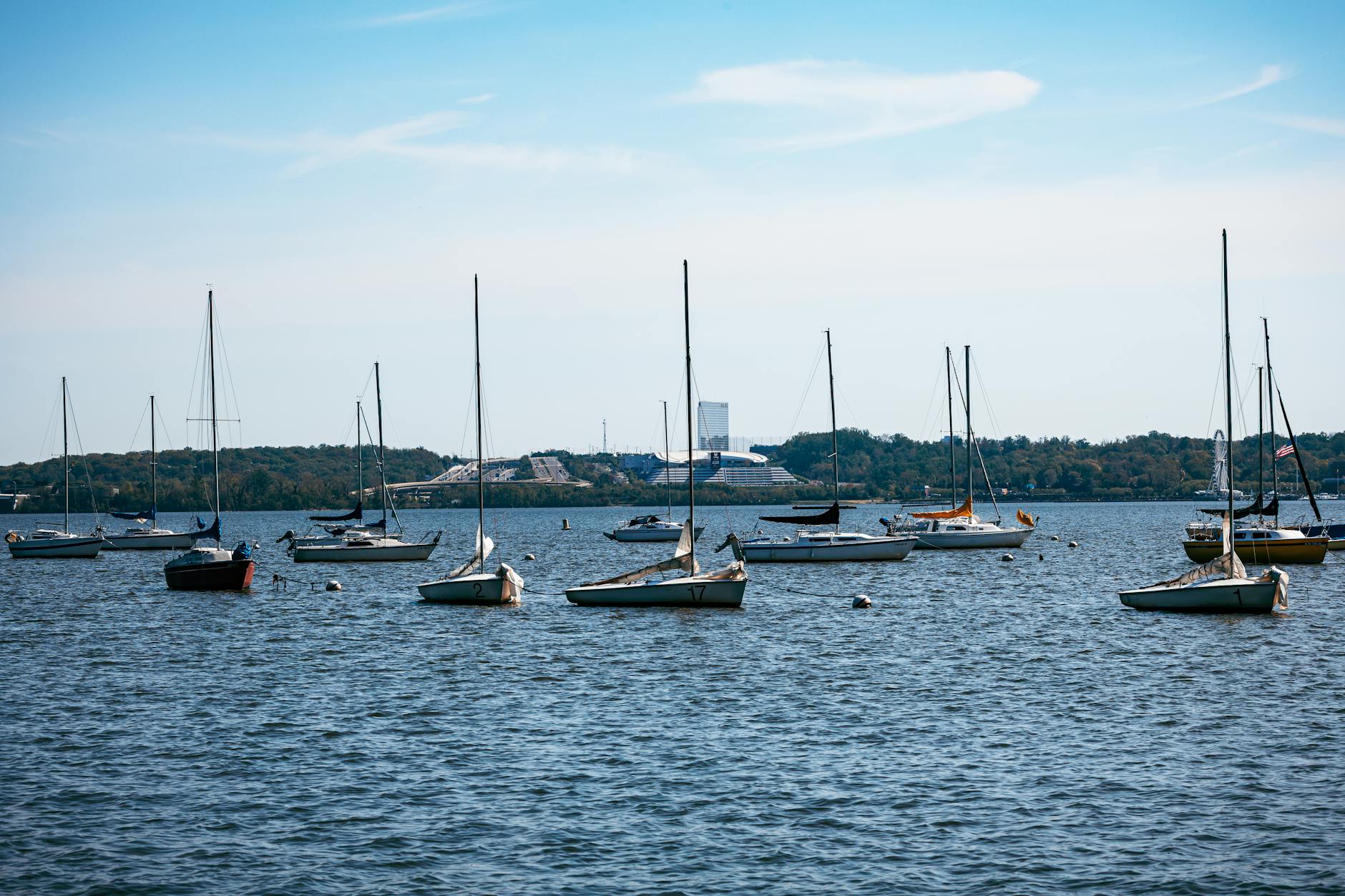
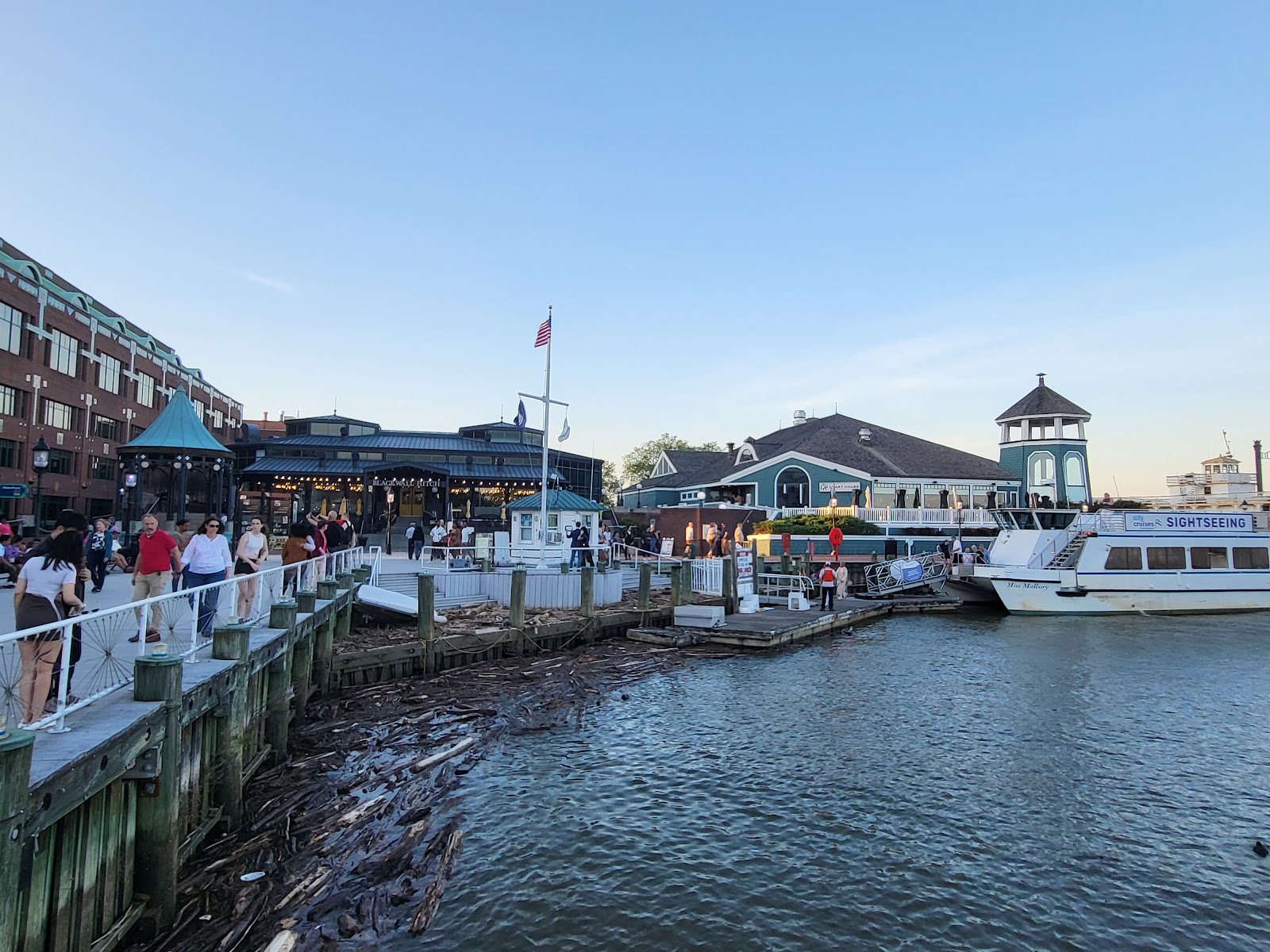
Alexandria occupies the western bank of the Potomac River in Northern Virginia, directly across from Washington, D.C. and just eight miles south of the National Mall. The city covers approximately 15 square miles and sits at a low elevation along the coastal plain, with the river defining its eastern edge and a gradual rise toward the inland neighborhoods of Del Ray, Arlandria, and the West End. The waterfront itself stretches along a working marina and public promenade that connects Old Town's southern blocks to the Woodrow Wilson Bridge corridor.
The city's identity is inseparable from its age. Alexandria was established as a tobacco trading port in 1749, platted on a grid that still organizes Old Town today, and it grew into one of the most prosperous cities in Colonial America. It served as a supply hub during the Revolutionary War, was briefly part of the District of Columbia before being retroceded to Virginia in 1846, and changed hands multiple times during the Civil War. That layered history is not merely commemorated here - it is embedded in the built environment. Many of the buildings visitors walk past daily have stood for 200 years or more.
Culturally, Alexandria occupies a distinctive position. It is cosmopolitan enough to support a restaurant scene that rivals cities many times its size, yet compact enough that most of what matters is reachable on foot. The permanent population is highly educated and internationally diverse, reflecting the city's proximity to federal agencies, defense contractors, and major universities. That civic character shapes the quality of the city's public spaces, markets, museums, and independent businesses.
For travelers, Alexandria offers a pace and texture that Washington, D.C. cannot replicate. The scale is human, the streets are quiet after dark, and the Potomac waterfront provides a genuine sense of remove from the capital's intensity. It functions equally well as a primary destination and as a base for exploring the broader region, including Mount Vernon, Gunston Hall, and the George Washington Memorial Parkway.
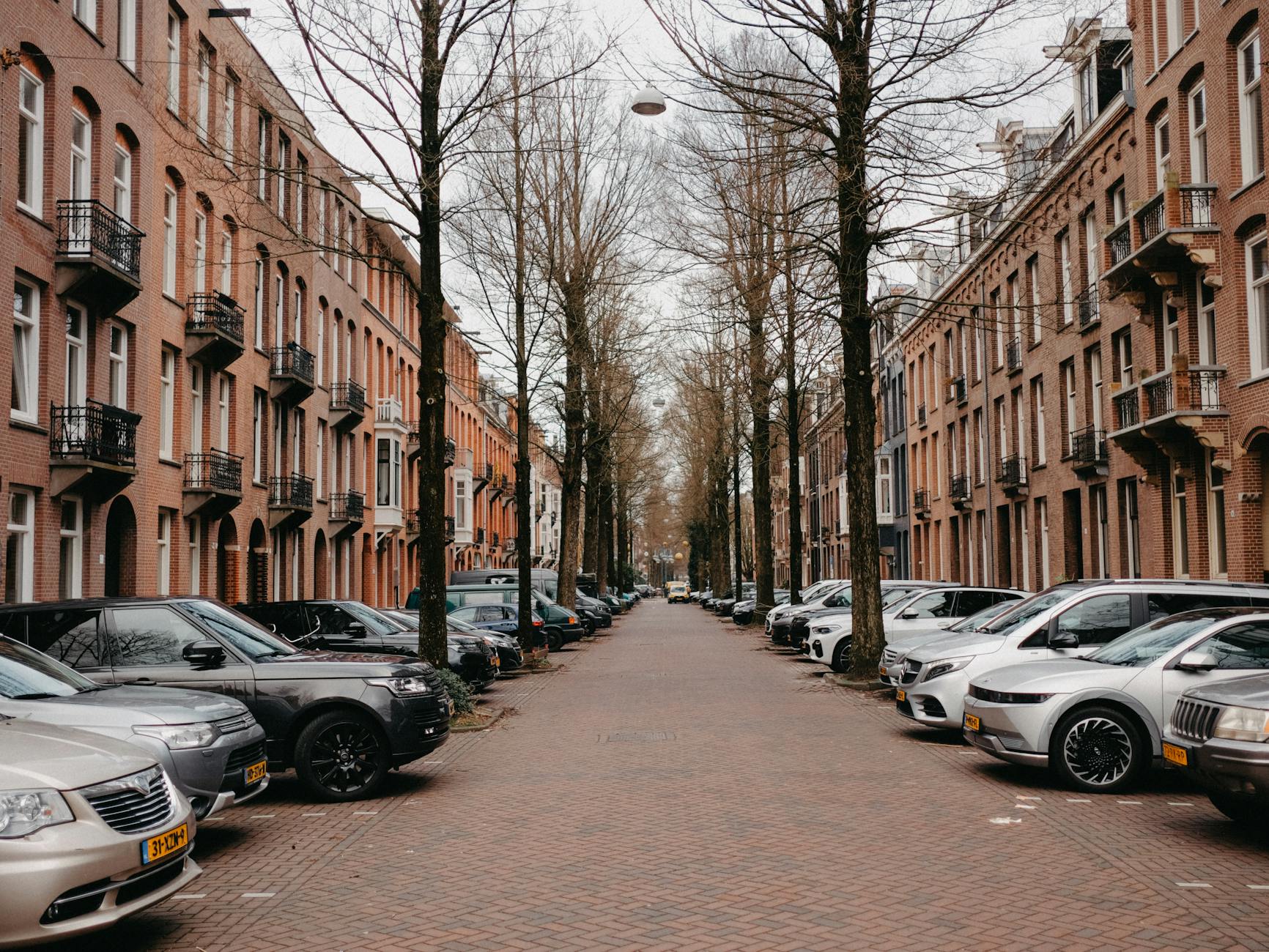
Spring and fall are the strongest seasons for visiting Alexandria, and for most travelers the choice comes down to what kind of experience they are after. Spring, roughly late March through May, brings blooming cherry trees and dogwoods to Old Town and the Potomac waterfront, and the city's outdoor dining scene fully awakens. This is also when the weekly farmers market on Market Square draws its most enthusiastic crowds, and the energy along King Street is at its liveliest. The trade-off is that spring coincides with peak tourism season for the broader Washington, D.C. area, so expect more visitors on weekends, particularly in April.
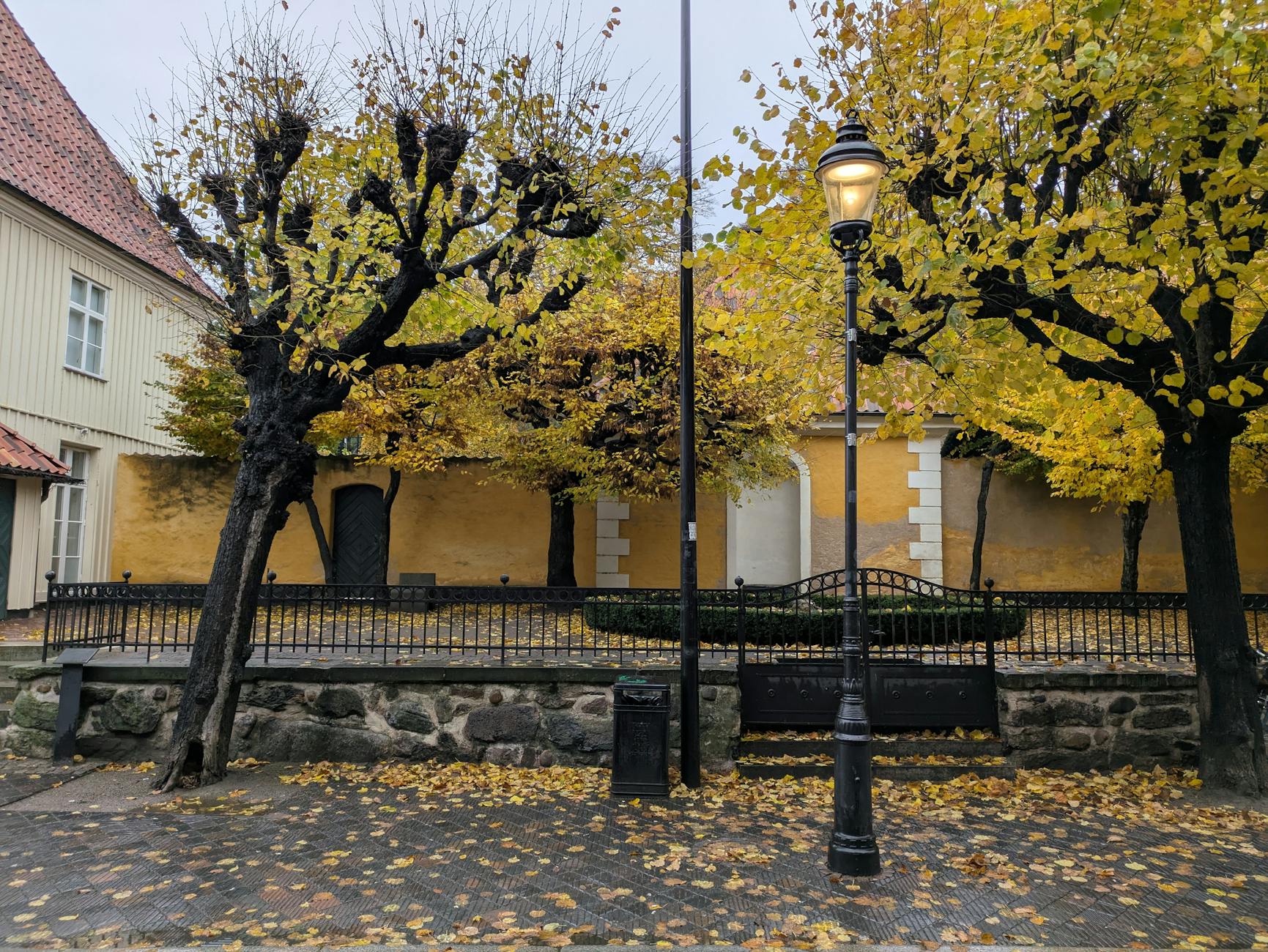
Fall, from mid-September through November, is arguably the most rewarding time to visit. The tree-lined streets of Old Town turn vivid shades of red and gold, foot traffic eases compared to the spring and summer peaks, and the city's restaurants and wine bars shift into a cozier, more intimate mode. October in particular hits a sweet spot of scenic conditions and manageable crowds.
Summer draws families and D.C.-area visitors who want to combine Alexandria's waterfront and dining scene with nearby capital attractions. The Torpedo Factory Art Center and King Street boutiques are popular retreats on hotter days, and the waterfront hosts outdoor events and festivals throughout the season. That said, summer is the busiest and most crowded period overall.
Winter is the quietest season and rewards travelers who prefer an unhurried pace. The holiday season in December is a notable exception, when Old Town's gas-lit streets and decorated storefronts draw significant visitors for the annual Scottish Christmas Walk and related festivities. January and February offer the most solitude, with shorter lines at popular sites and a more local feel throughout the neighborhood.
Alexandria's historic core is a beautifully preserved grid of 18th-century brick townhouses, cobblestone alleys, and gas-lit streets running down to the Potomac waterfront. King Street serves as the main artery, lined with independent boutiques, wine bars, and restaurants that draw both locals and visitors. The Torpedo Factory Art Center anchors the waterfront end, housing over 80 working artists in a converted World War II munitions plant.
Just north of the traditional Old Town boundary, this emerging stretch along the Potomac has developed a more contemporary identity with modern restaurants, boutique hotels, and waterfront parks. It retains the walkability of Old Town while offering a fresher, less tourist-heavy atmosphere. The scenic Potomac Yard trail and riverfront paths make it especially popular with cyclists and joggers.
Del Ray is Alexandria's beloved neighborhood village, centered on the tree-lined Mount Vernon Avenue corridor known affectionately as 'The Avenue.' Independent coffee shops, farm-to-table restaurants, vintage stores, and a lively farmers market give the area a creative, community-driven character. It attracts a mix of young families and longtime residents who prize its unhurried, small-town feel within a major metropolitan area.
Carlyle is a modern mixed-use district anchored by the Inova Alexandria Hospital campus and a growing collection of office towers, apartment buildings, and retail spaces. Its broad boulevards and contemporary architecture offer a sharp contrast to Old Town's colonial character, and it serves as a hub for Alexandria's professional community. Several well-regarded restaurants and a handful of lively bars make it a destination in its own right after dark.
Arlandria, sometimes called Chirilagua, is Alexandria's most culturally diverse neighborhood, with a strong Central American identity anchored by El Salvadoran bakeries, pupuserias, and Latin grocery stores. The neighborhood sits at the northern edge of the city near the Arlington border and has attracted artists and young residents drawn by affordable rents and authentic local culture. It is one of the best places in the greater D.C. region to experience Latin American food and community life.
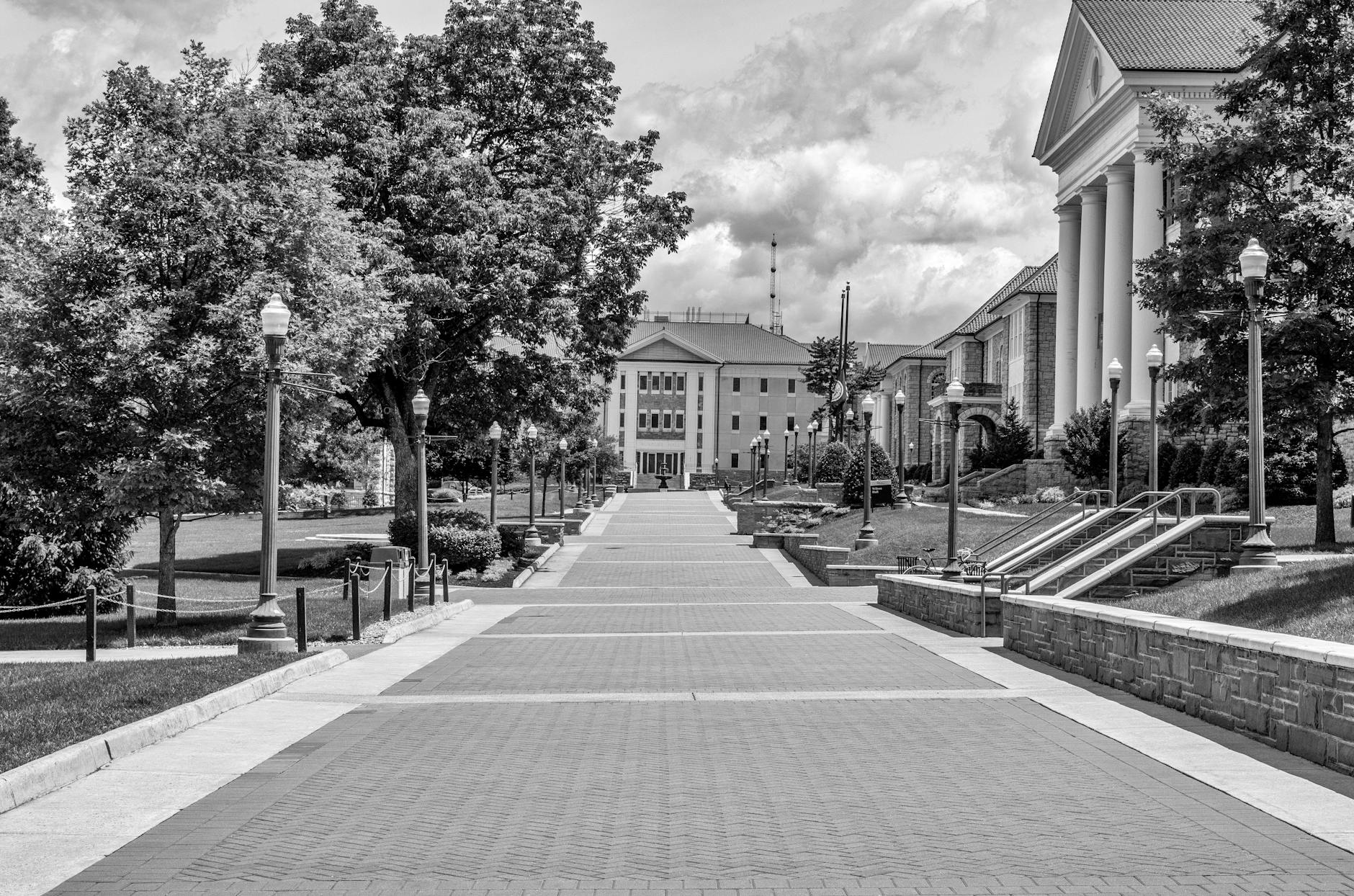
Alexandria draws travelers for experiences that are inseparable from the city itself - moments and places that cannot be replicated anywhere else in the Mid-Atlantic.
Walking Old Town's Brick Streets
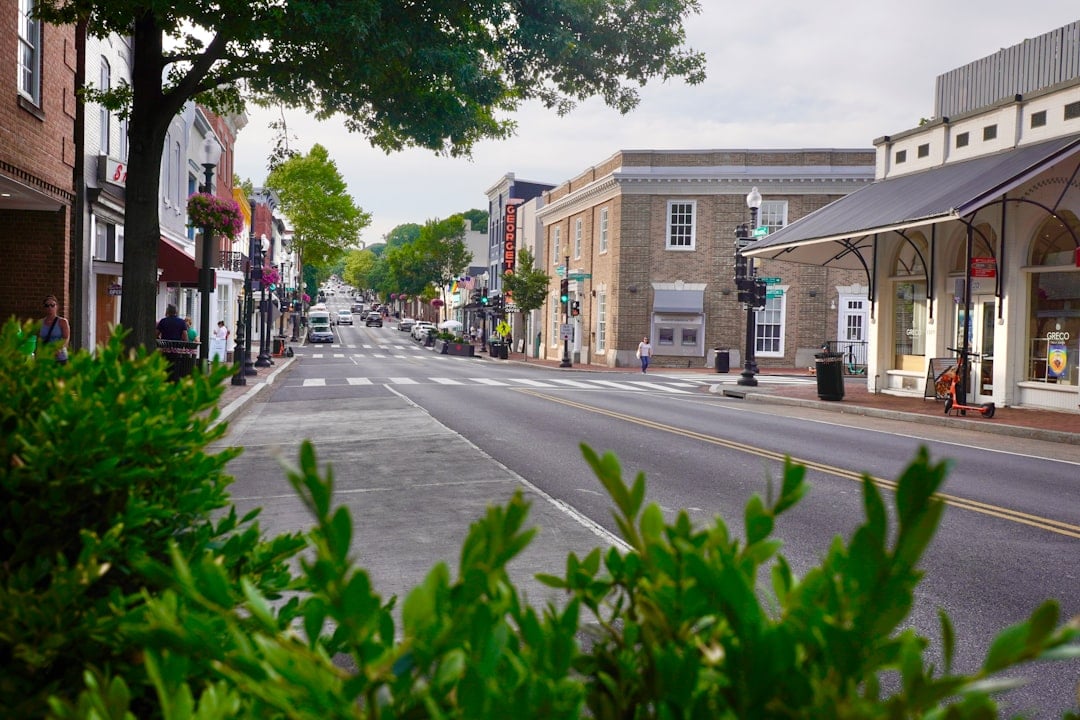
The defining experience of any Alexandria visit is simply walking Old Town. Gas-lit streets, original 18th-century townhouses, and a waterfront that has changed little in silhouette since the Colonial era create an atmosphere of authentic historical immersion. The stretch of King Street from the Potomac to the Metro station is one of the most walkable and visually cohesive historic corridors on the East Coast.
The Torpedo Factory Art Center
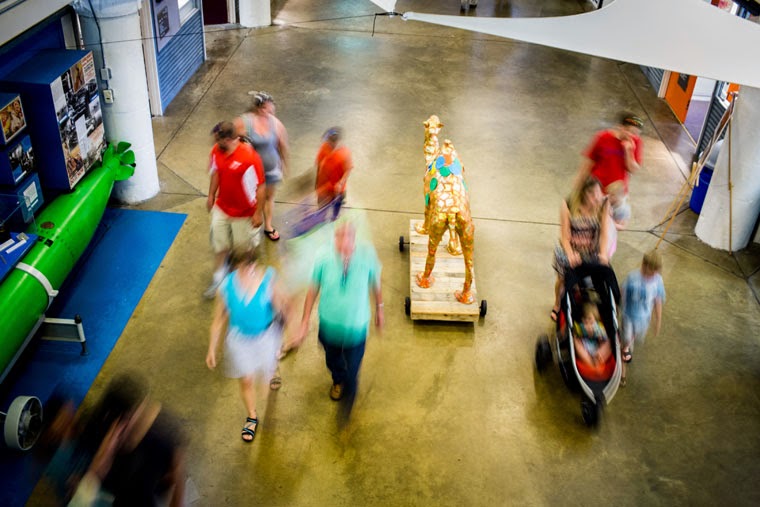
Few art facilities in the United States match the Torpedo Factory's combination of scale and access. Visitors watch painters, printmakers, sculptors, jewelers, and photographers at work in open studios, then purchase directly from the artists. The building's industrial history adds an unexpected layer of character to the experience.
Saturday Morning at the Farmers Market
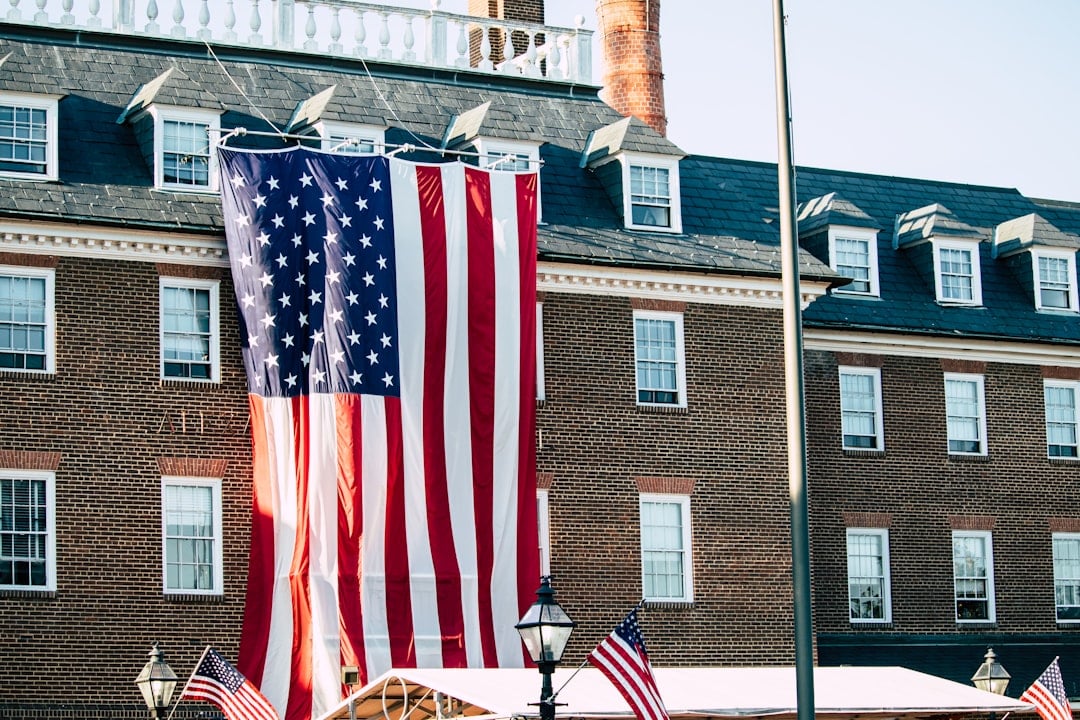
The Alexandria Farmers Market has operated continuously since 1753, making it one of the oldest in the nation. Every Saturday morning, locals and visitors gather at Market Square in front of City Hall for seasonal produce, prepared foods, and community life that feels genuinely rooted rather than curated for tourism.
Cycling or Running the Mount Vernon Trail
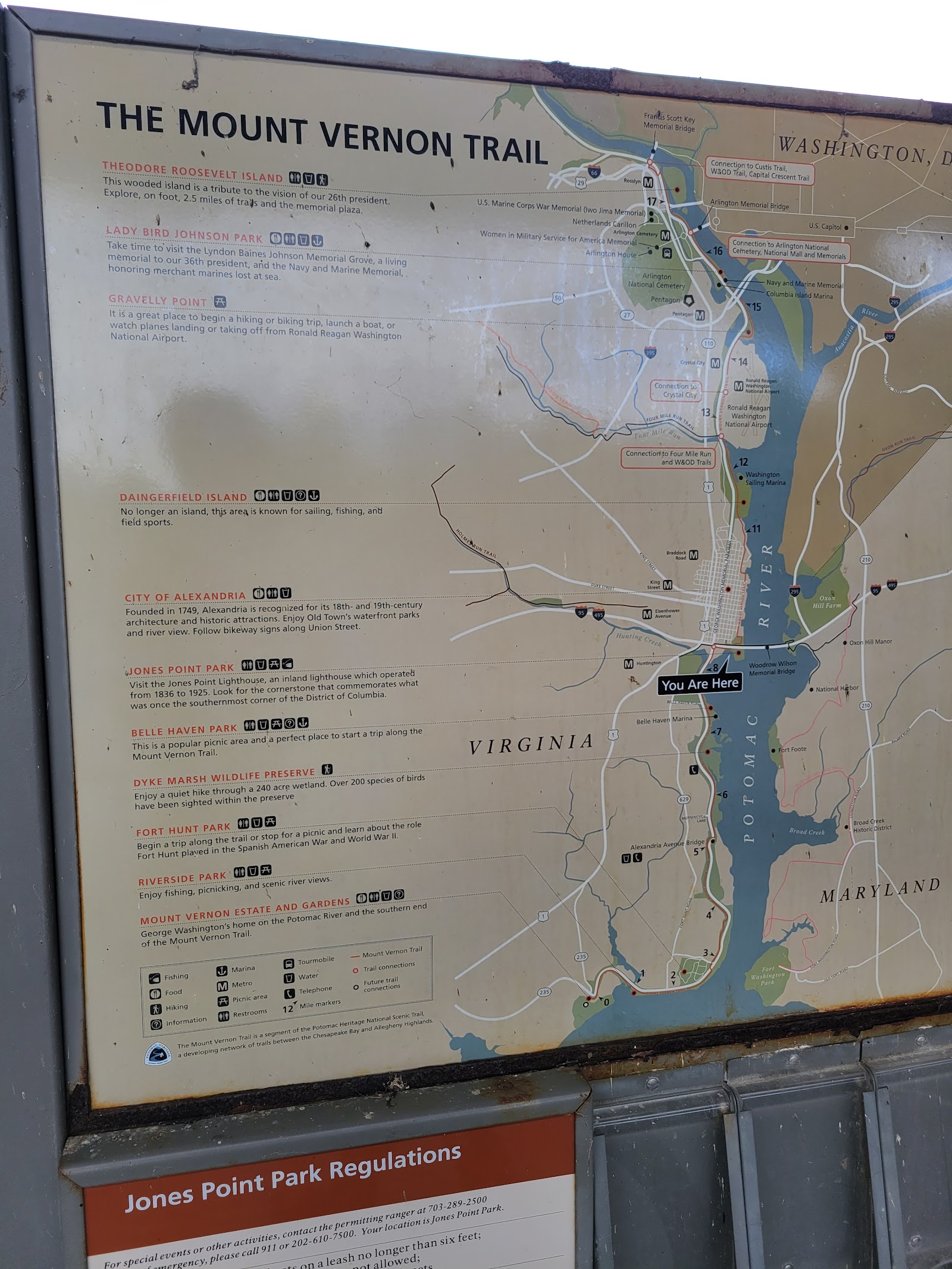
The 18-mile Mount Vernon Trail connects Alexandria's waterfront to George Washington's estate at Mount Vernon, tracing the Virginia bank of the Potomac through parkland and history. The trail passes National Airport, Fort Hunt Park, and river overlooks, making it one of the most scenic and historically layered recreational routes in the entire Washington region.
Dining on King Street
Alexandria's restaurant culture is a destination in its own right. The concentration of serious independent restaurants along King Street - drawing on Mid-Atlantic seafood, local farms, and a sophisticated local audience - gives the city a culinary identity distinct from Washington, D.C. Evening on King Street, moving between dinner and a wine bar or cocktail lounge, is the experience most Alexandria visitors remember longest.
Alexandria, Virginia offers a rich mix of activities that reward curious travelers across every interest.
Historic and Cultural Attractions
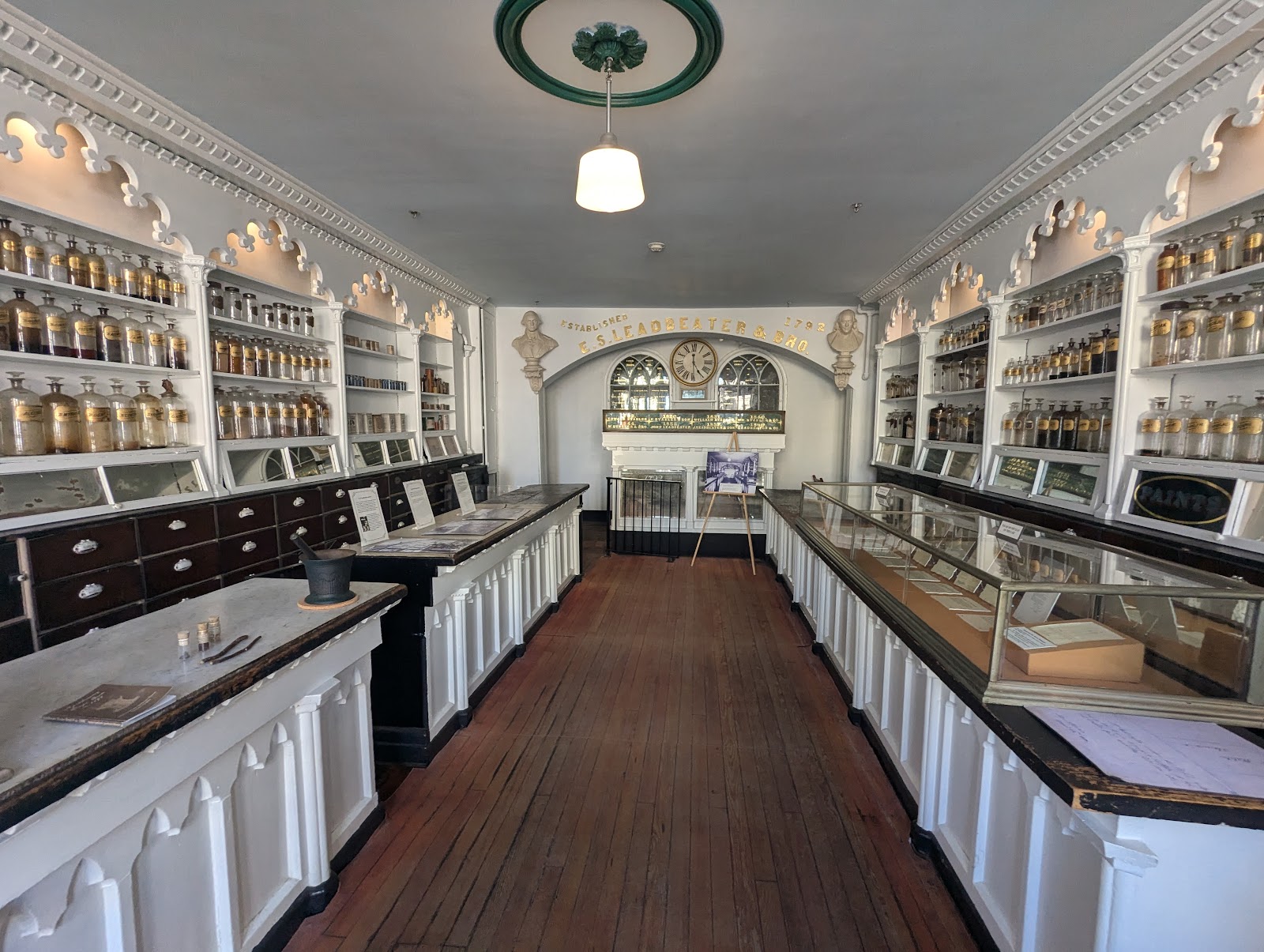
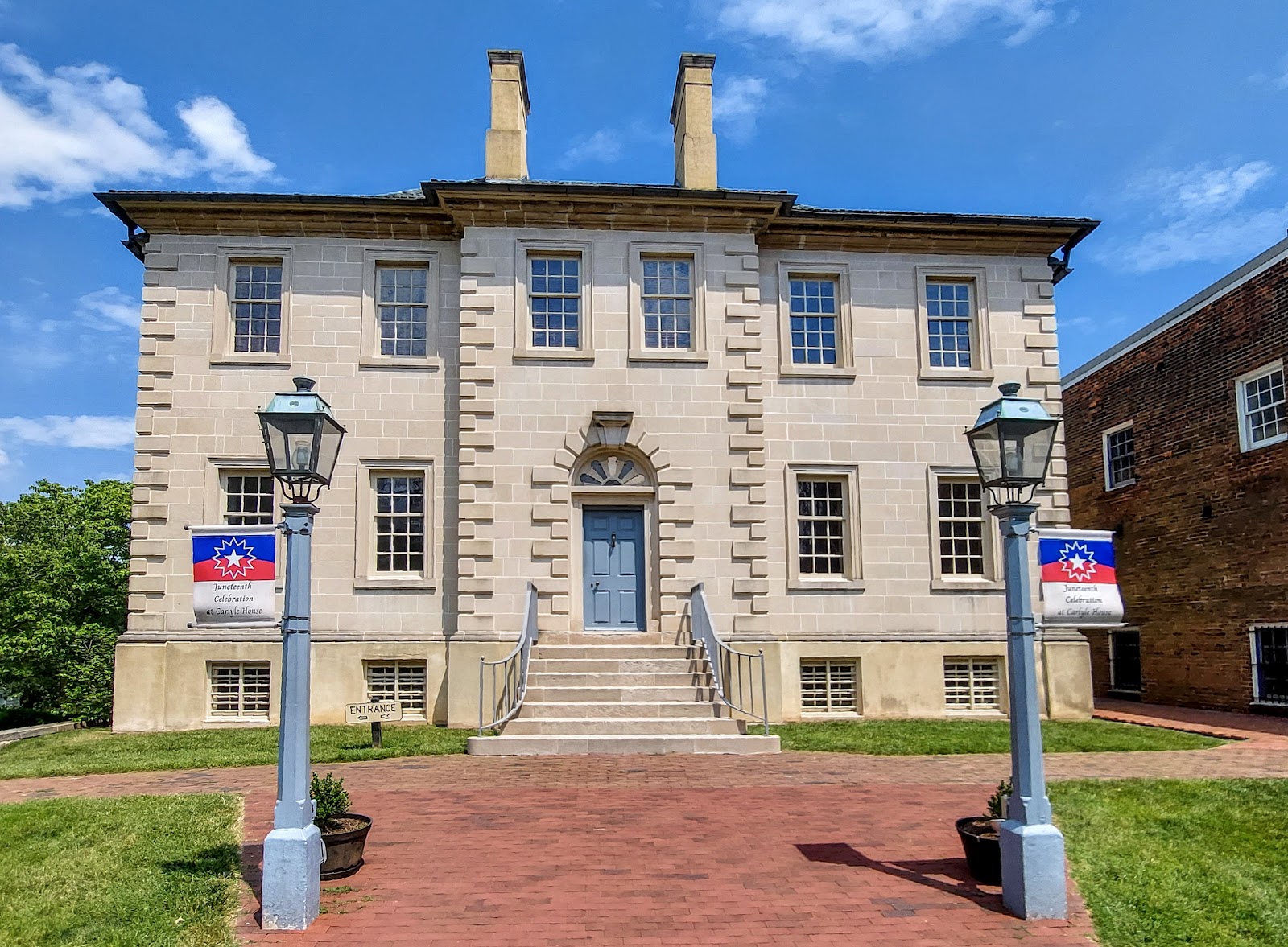
The city's Colonial-era streetscape is a living museum. Visitors explore Gadsby's Tavern Museum, the Stabler-Leadbeater Apothecary Museum, and the Lee-Fendall House to trace the city's 18th- and 19th-century roots. Christ Church Alexandria, where George Washington held a pew, remains an active congregation and a landmark of early American religious life.
Arts and Entertainment
The Torpedo Factory Art Center anchors Alexandria's creative scene. Housed in a converted World War II munitions plant on the Potomac waterfront, it holds more than 80 working artist studios and galleries open to the public. The Athenaeum, operated by the Northern Virginia Fine Arts Association, presents rotating contemporary exhibitions in a striking Greek Revival building on Prince Street.
Food and Dining
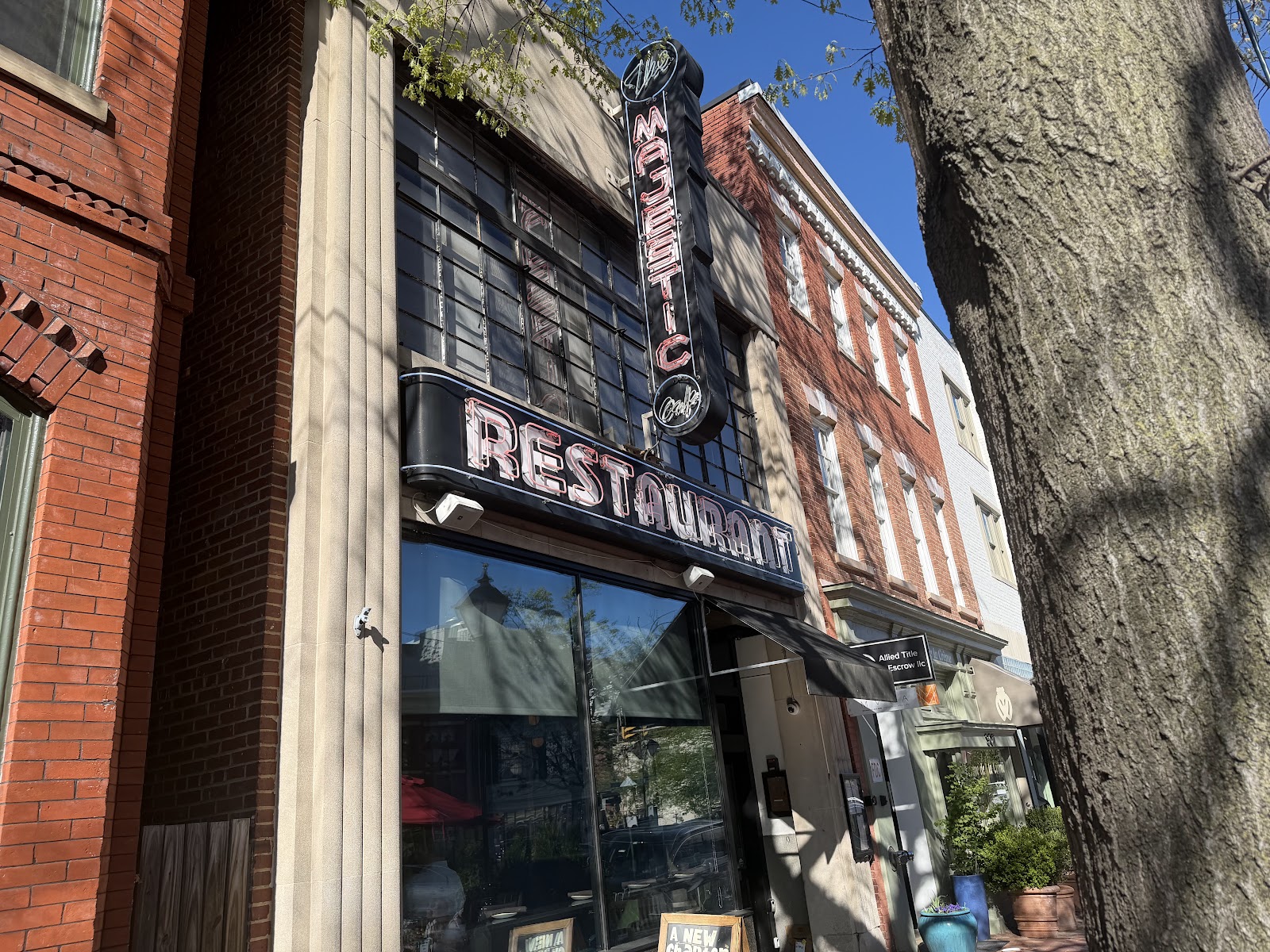
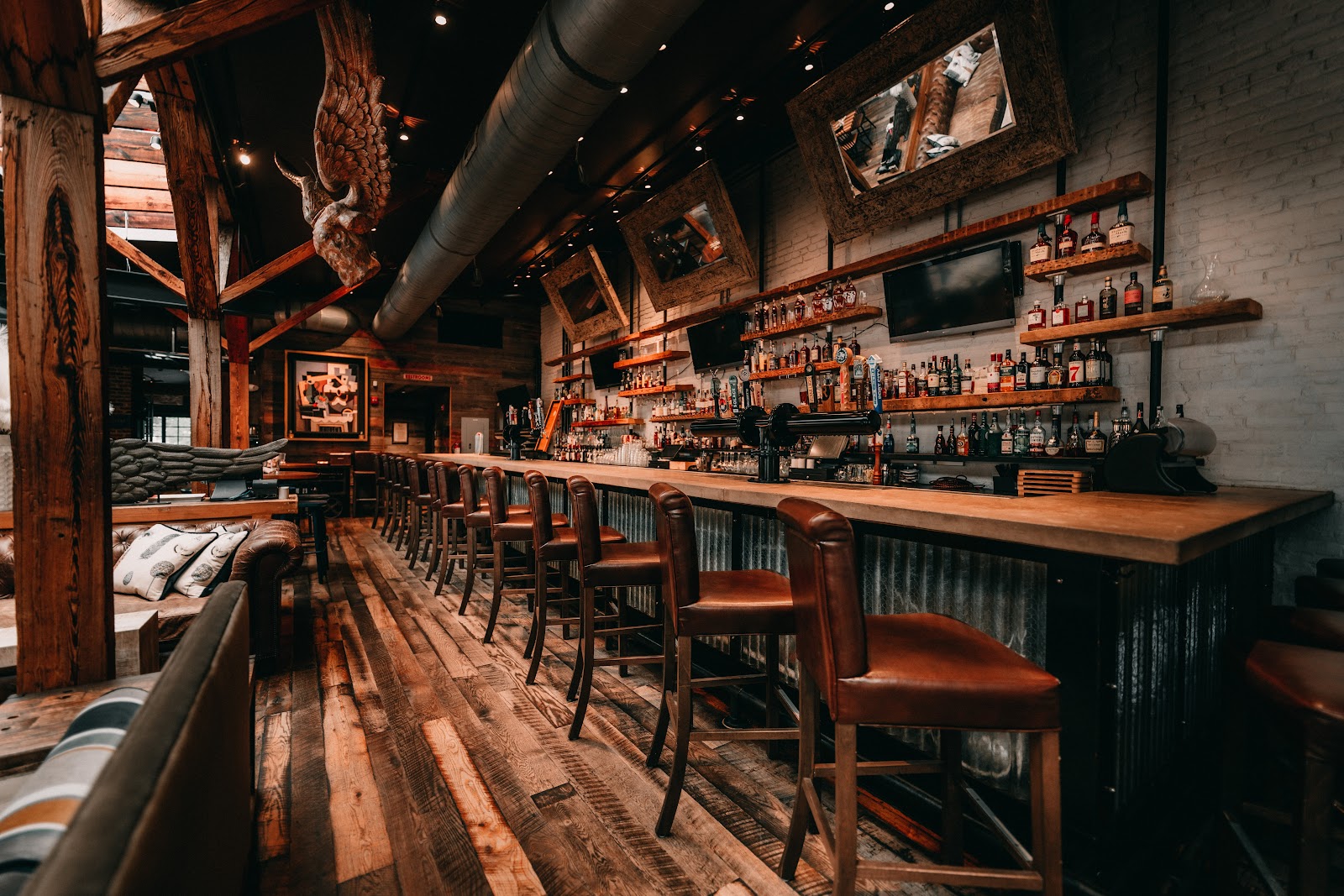
King Street is one of the Washington metro area's most compelling dining corridors. Independent restaurants, craft cocktail bars, wine lounges, and specialty coffee shops line the street from the waterfront to the Metro station. The city has a strong tradition of Mid-Atlantic seafood, and its restaurant scene reflects a discerning local palate shaped by proximity to exceptional regional producers.
Outdoor Recreation
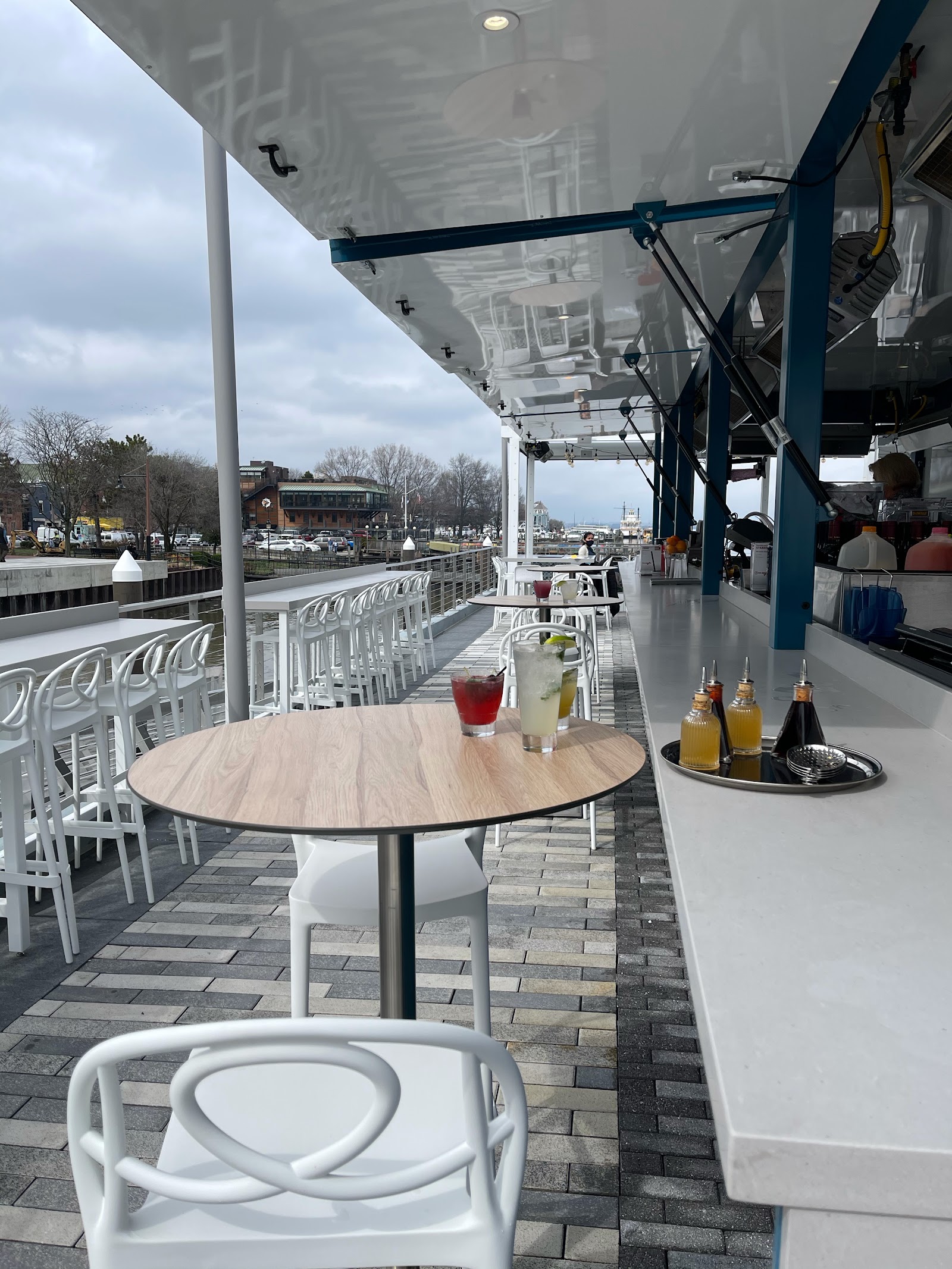
The Potomac waterfront offers kayaking, paddleboarding, and cycling along the Mount Vernon Trail, a paved multi-use path that runs from Theodore Roosevelt Island south to George Washington's Mount Vernon estate. Waterfront Park and Founders Park provide open green space along the river for relaxed outdoor time.
Shopping and Markets
Old Town's boutique-lined streets reward unhurried browsing. Antique dealers, independent booksellers, and specialty food shops cluster between the waterfront and King Street Metro. The Alexandria Farmers Market on Market Square, one of the oldest continuously operating markets in the country, runs every Saturday morning year-round.
Start your morning at Market Square's historic farmers market, running since 1753, then stroll the brick sidewalks of Old Town along King Street. Explore the Gadsby's Tavern Museum and the Carlyle House before a waterfront lunch. In the afternoon, browse independent boutiques and antique shops. End the evening with dinner and craft cocktails at one of King Street's acclaimed independent restaurants.
Spend the morning at the Torpedo Factory Art Center on the Potomac waterfront, exploring studios of over 80 working artists. Walk the waterfront trail south toward Jones Point Park for midday views. In the afternoon, visit the Lee-Fendall House or the boyhood home of Robert E. Lee. Cap the evening with a wine bar crawl along the quieter side streets off King Street.
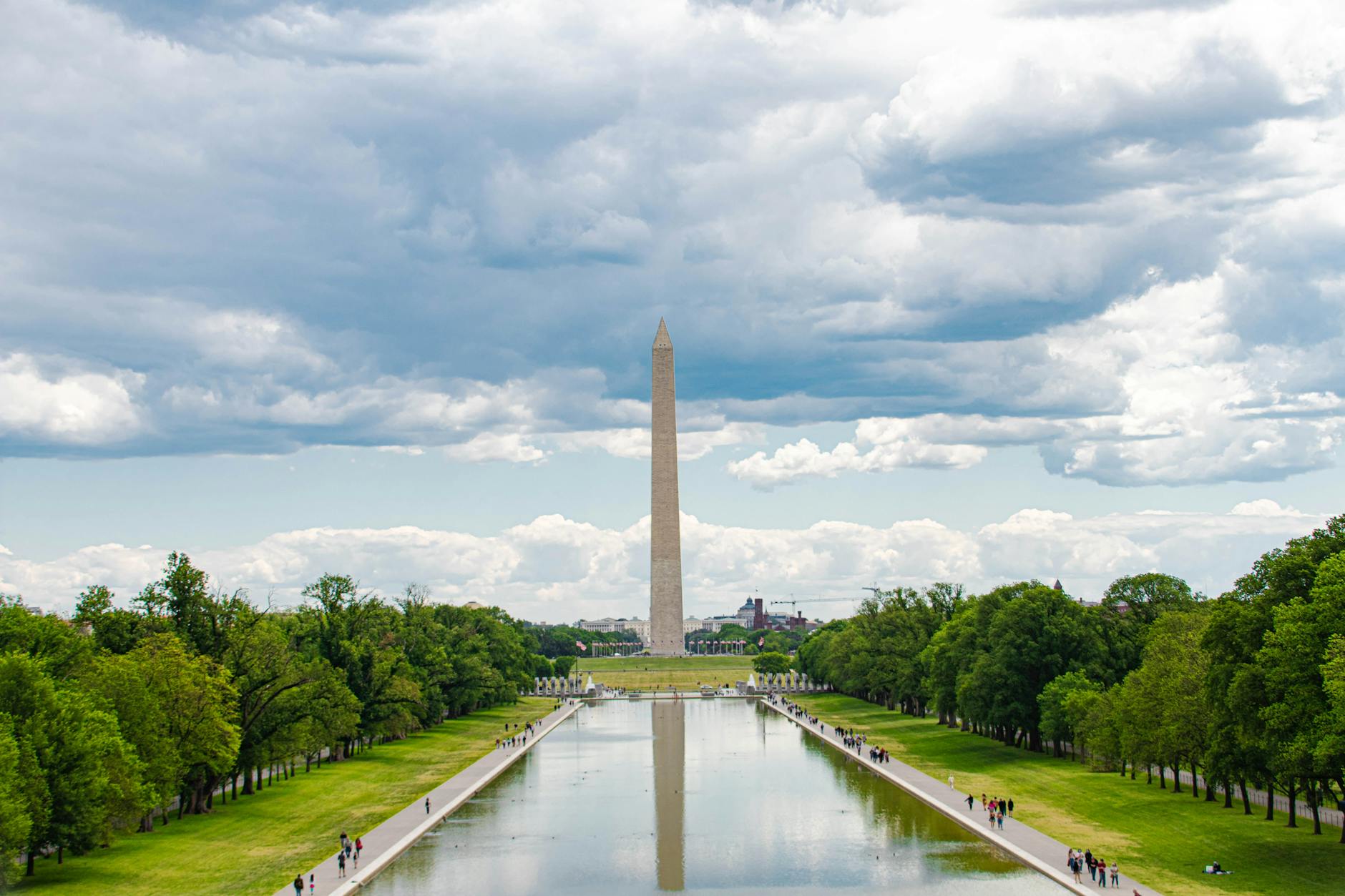
Take the King Street Metro to Washington, D.C. for a morning at the National Mall, visiting the Lincoln Memorial or the Smithsonian museums. Return to Alexandria by early afternoon and explore the Del Ray neighborhood for specialty coffee and local lunch spots. Wrap up with a sunset walk along the Potomac waterfront and a farewell dinner at one of Old Town's top seafood restaurants.
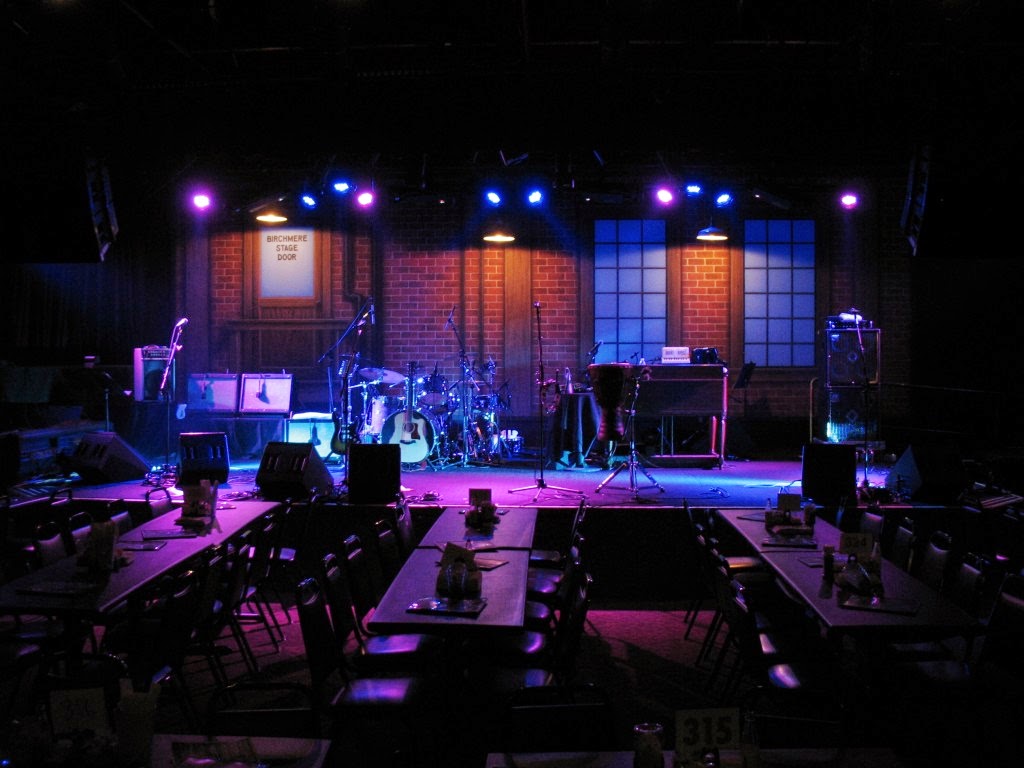
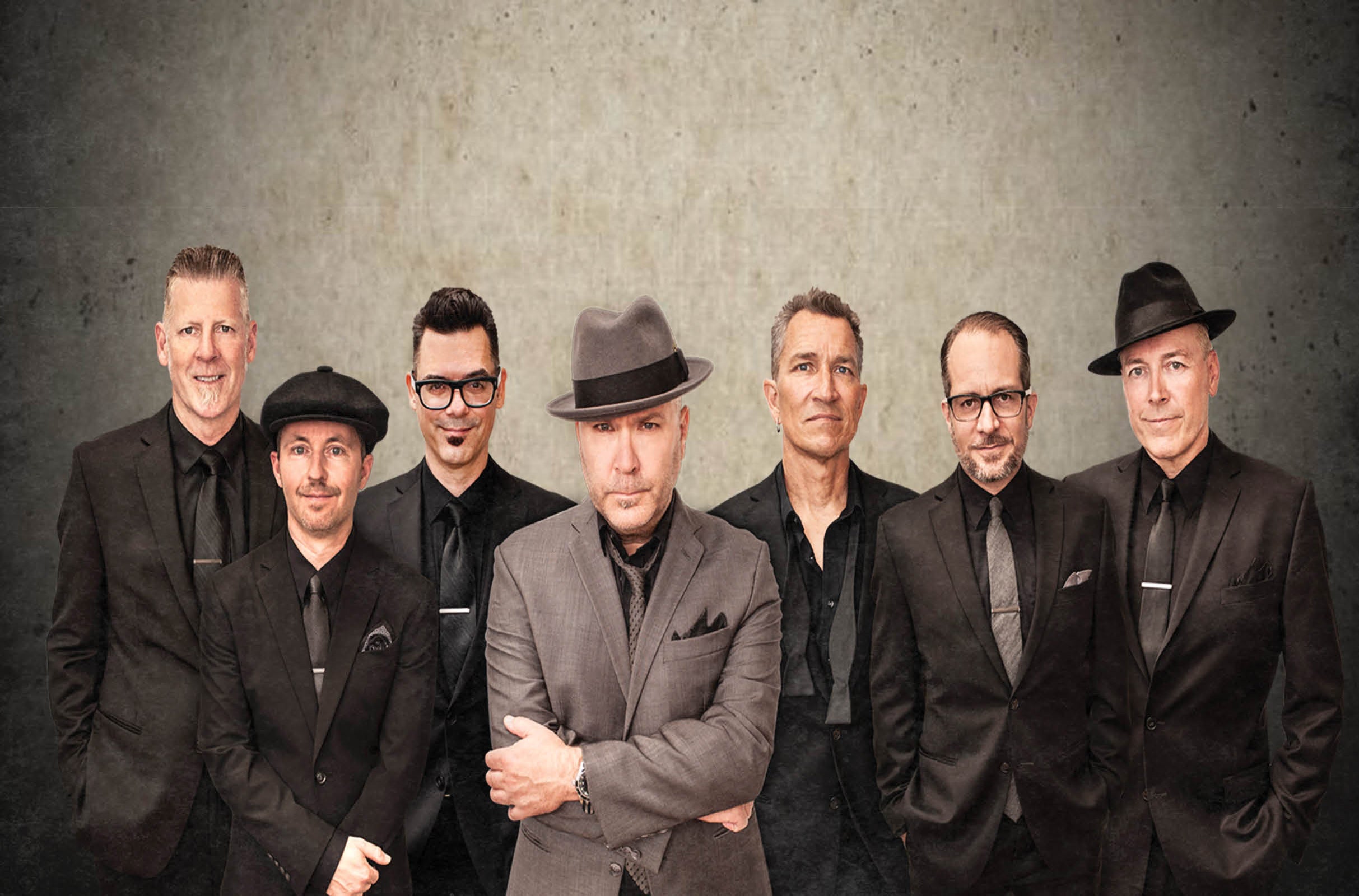
Alexandria moves through the year on a calendar shaped by its deep Colonial roots, its position on the Potomac, and a live music scene anchored by the waterfront amphitheater at Sails on the Potomac. Summer is the most active season, when outdoor concerts, cultural festivals, and anniversary celebrations fill the evenings along the river. The city's 250th commemoration of American independence in 2026 adds particular weight to a summer already packed with programming.
Jun 18, 2026

Jun 24, 2026

Aug 5, 2026
Alexandria's dining scene is anchored in the Mid-Atlantic culinary tradition, with Chesapeake Bay seafood providing the backbone of many menus. Blue crab, oysters from Virginia's Northern Neck, and rockfish appear across the city in preparations ranging from classic crab cakes at white-tablecloth waterfront restaurants to casual po'boys at neighborhood lunch counters. The proximity to the bay and to regional farms gives Alexandria kitchens access to ingredients that chefs in the broader D.C. market often pay a premium to source.
By Air
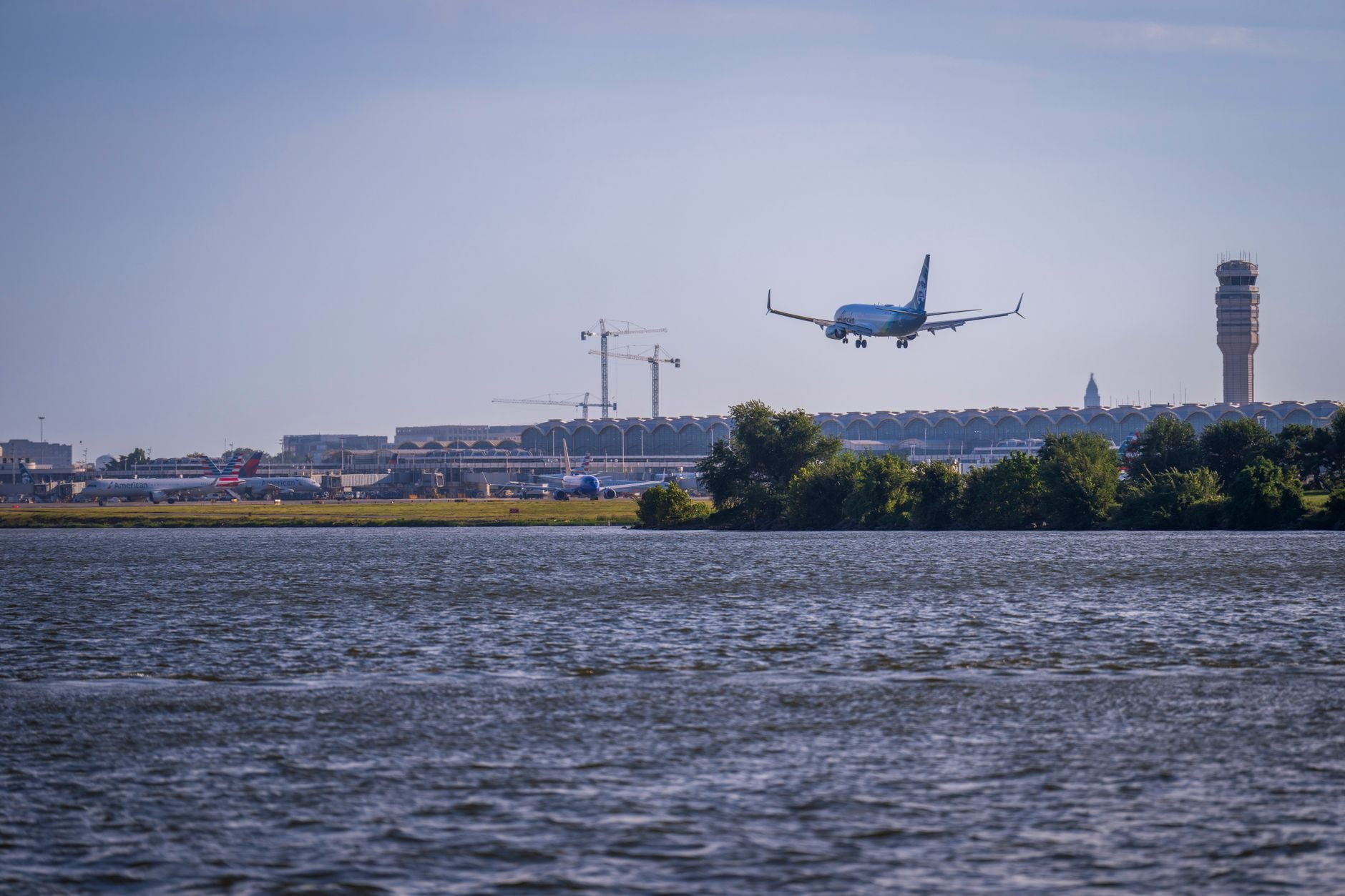
Ronald Reagan Washington National Airport (DCA) is the most convenient option, just minutes from Alexandria by car or Metro. Dulles (IAD) and BWI are viable alternatives for more flight options, though each requires a longer transfer.
By Train
Amtrak's King Street station sits in the heart of Alexandria and receives frequent Northeast Regional service from New York, Philadelphia, and Richmond. The station is also a Metro hub, making onward travel seamless.
By Car
From the north, take I-95 South or the scenic George Washington Memorial Parkway along the Potomac. From the south, I-95 North leads directly into the city. Note that parking in Old Town is limited and metered on most streets.
By Metro from D.C.
The Blue and Yellow Metro lines stop at King Street station, connecting Alexandria to downtown Washington in under 20 minutes. This makes Alexandria an easy day trip from D.C. or a practical base for visiting the capital.
On Foot
Old Town's compact grid makes walking the default mode of transport for most visitors. Nearly every major attraction, restaurant, and shop between the Metro station and the waterfront is within a 15-minute walk.
Free King Street Trolley
A free electric trolley runs the length of King Street between the Metro station and the Potomac waterfront, operating daily. It is a convenient option for covering the full stretch without backtracking on foot.
By Metro
The King Street Metro station (Blue and Yellow lines) connects Alexandria to Washington, D.C. and Reagan National Airport. Tap-to-pay with a credit card or use a SmarTrip card for fares.
Rideshare
Uber and Lyft operate reliably throughout Alexandria and are the easiest option for reaching areas outside Old Town or for late-night travel. Wait times are typically short.
By Bike
The Mount Vernon Trail runs along the Potomac and is ideal for cyclists heading toward D.C. or Mount Vernon. Capital Bikeshare docking stations are available near the waterfront and King Street Metro.
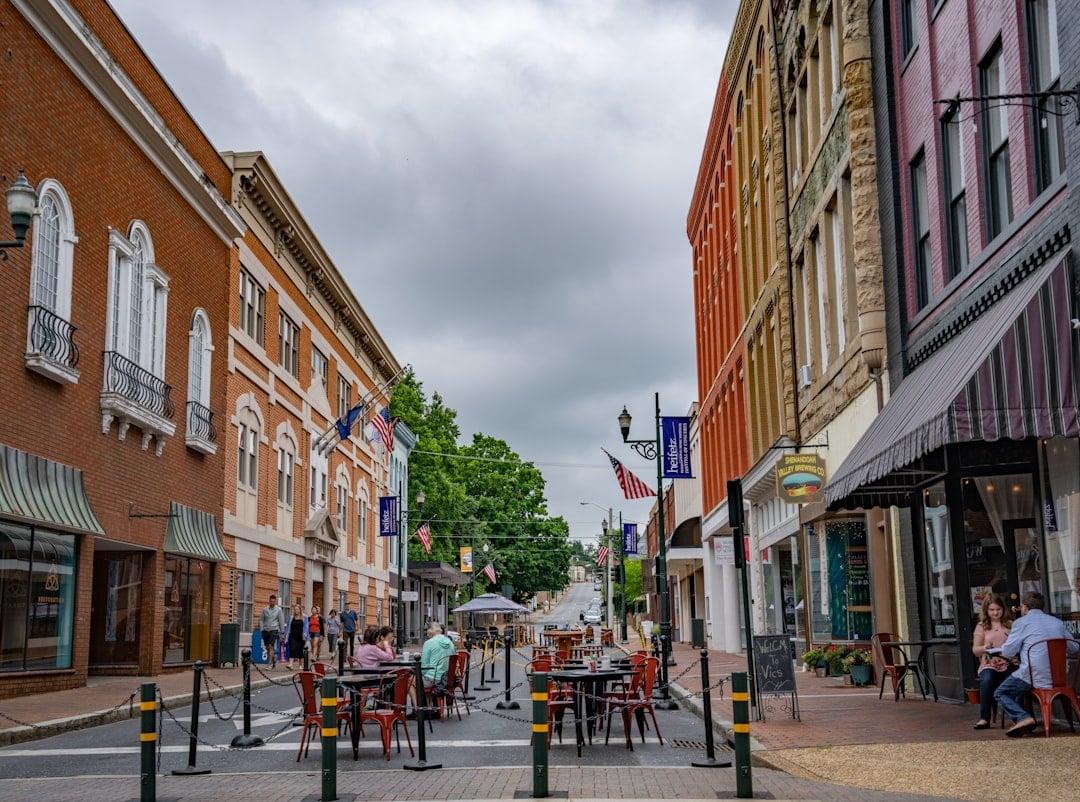
Restaurant reservations are strongly recommended for dinner in Old Town, particularly on weekends and during spring and fall. Popular spots on King Street book out days in advance. The weekly farmers market on Market Square runs Saturday mornings from roughly 7 a.m. to noon and draws crowds early.
Tipping follows standard U.S. norms: 18 to 20 percent at sit-down restaurants, a few dollars for bar service, and standard rates for rideshare. Most businesses are cashless or strongly prefer cards.
Download the ParkAlexandria app if arriving by car. It covers metered parking payment and helps locate available spots in Old Town, where street parking is limited. The DC Metro app or Google Maps handles transit navigation effectively.
Alexandria is a safe, well-maintained city, but Old Town sidewalks are historic brick and can be uneven. Comfortable walking shoes are practical, especially for evening outings. Summers are hot and humid; plan outdoor sightseeing for morning hours from June through August.
Two days is enough to cover Alexandria's highlights comfortably. Spend the first exploring Old Town - the waterfront, King Street, and the Torpedo Factory Art Center. Use the second for historic sites like Gadsby's Tavern and Christ Church, plus the farmers market if you visit on a Saturday. A third day allows for a day trip into Washington, D.C.
Alexandria is best known for its exceptionally well-preserved Colonial-era Old Town district. Brick sidewalks, Georgian townhouses, and a gas-lit Potomac waterfront give the city a genuinely historic character. It is also known for its ties to George Washington and Robert E. Lee, its strong independent dining scene on King Street, and the Torpedo Factory Art Center.
Yes, Alexandria is an ideal weekend destination. Two days is enough to explore Old Town, visit key historic landmarks, eat well on King Street, and browse the Torpedo Factory Art Center. Its location - less than 20 minutes from downtown Washington, D.C. by Metro - also makes it easy to combine with a quick visit to the capital's museums.
Alexandria sits in the mid-to-high range for costs. Hotels in Old Town tend to be pricier than comparable D.C. neighborhoods, and King Street restaurants lean upscale. That said, many of the best experiences - walking the historic streets, visiting the Torpedo Factory, and browsing the farmers market - are free or low cost.
Spring (April to May) and fall (September to October) offer the most pleasant weather for walking Old Town's outdoor streets and waterfront. Summer is busy and humid, while winter is quieter but still charming, especially during the holiday season.