
Baltimore, MD
A Journey guide to
Richmond is one of America's oldest cities, shaped by its role as a colonial capital, a hub of the American Revolution, and the capital of the Confederacy. That layered history is visible everywhere - from Monument Avenue's contested statues to the cobblestoned streets of Shockoe Bottom - making Richmond a destination that invites reflection as much as exploration. History travelers and architecture enthusiasts find the city endlessly rewarding.
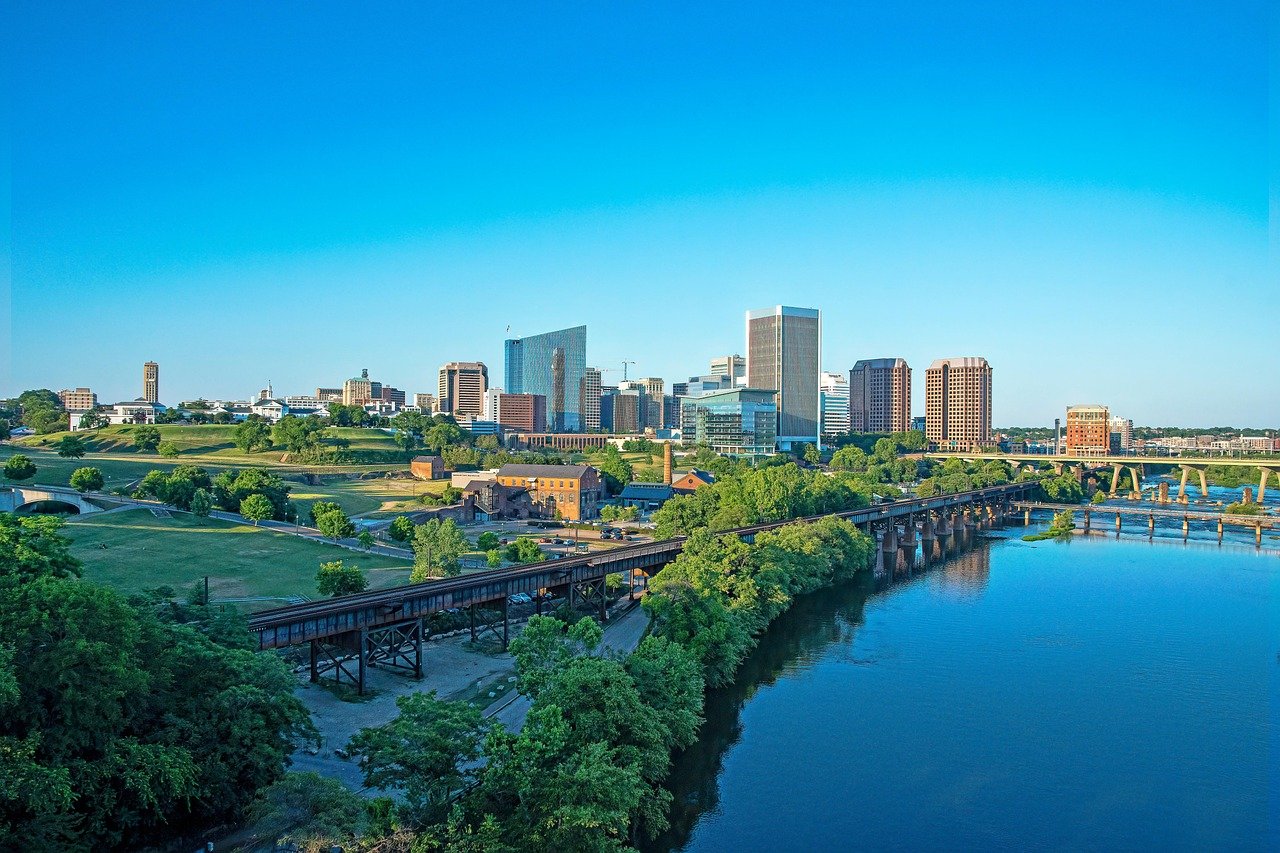
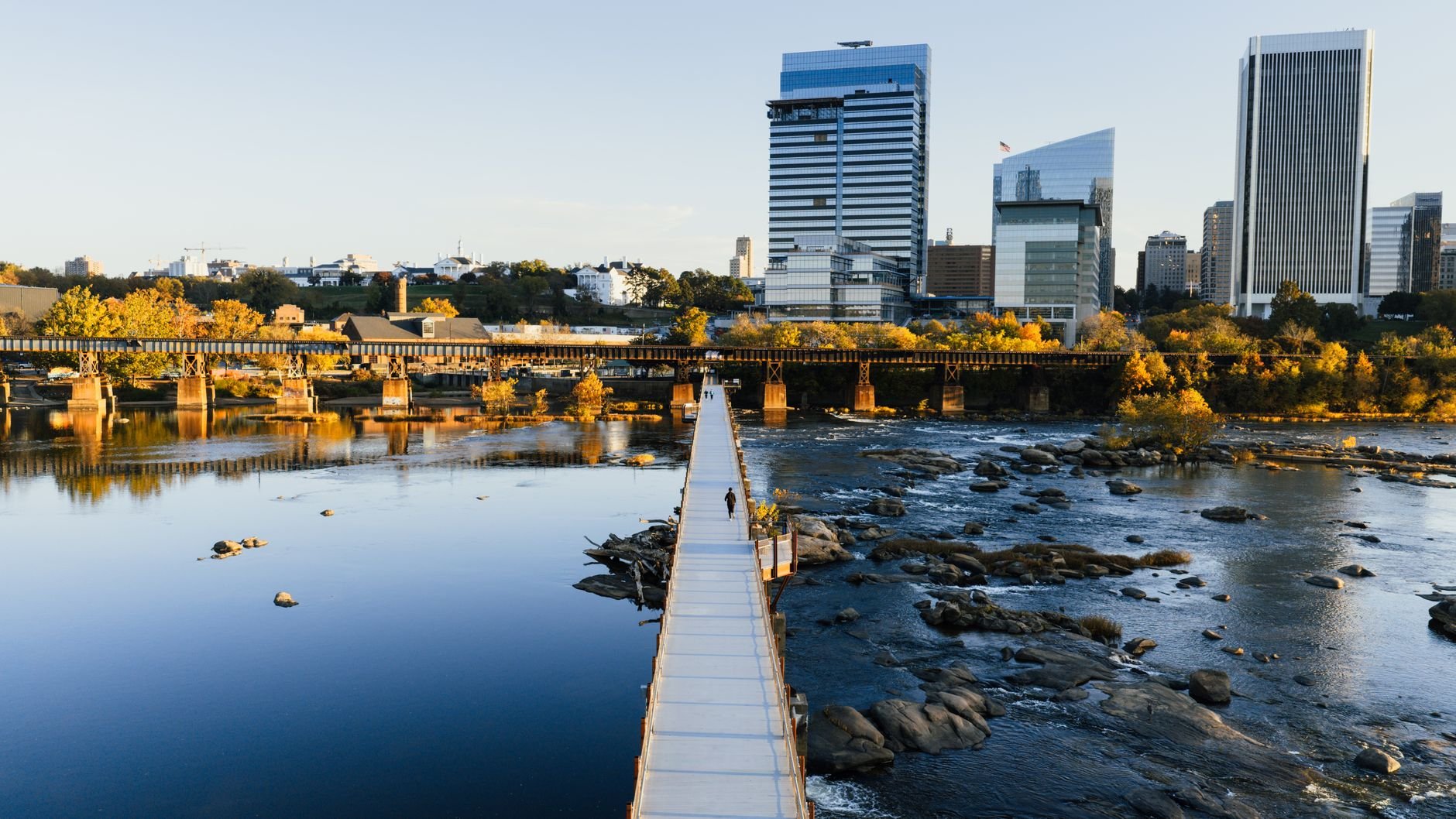
The James River runs straight through the heart of Richmond, and its rapids are among the most accessible urban whitewater in the United States. Kayakers, tubers, and cyclists treat the river and its flanking trails as a backyard playground. The Virginia Capital Trail, a 52-mile paved path stretching to Williamsburg, draws cyclists seeking a serious long-distance ride through tidewater landscapes.
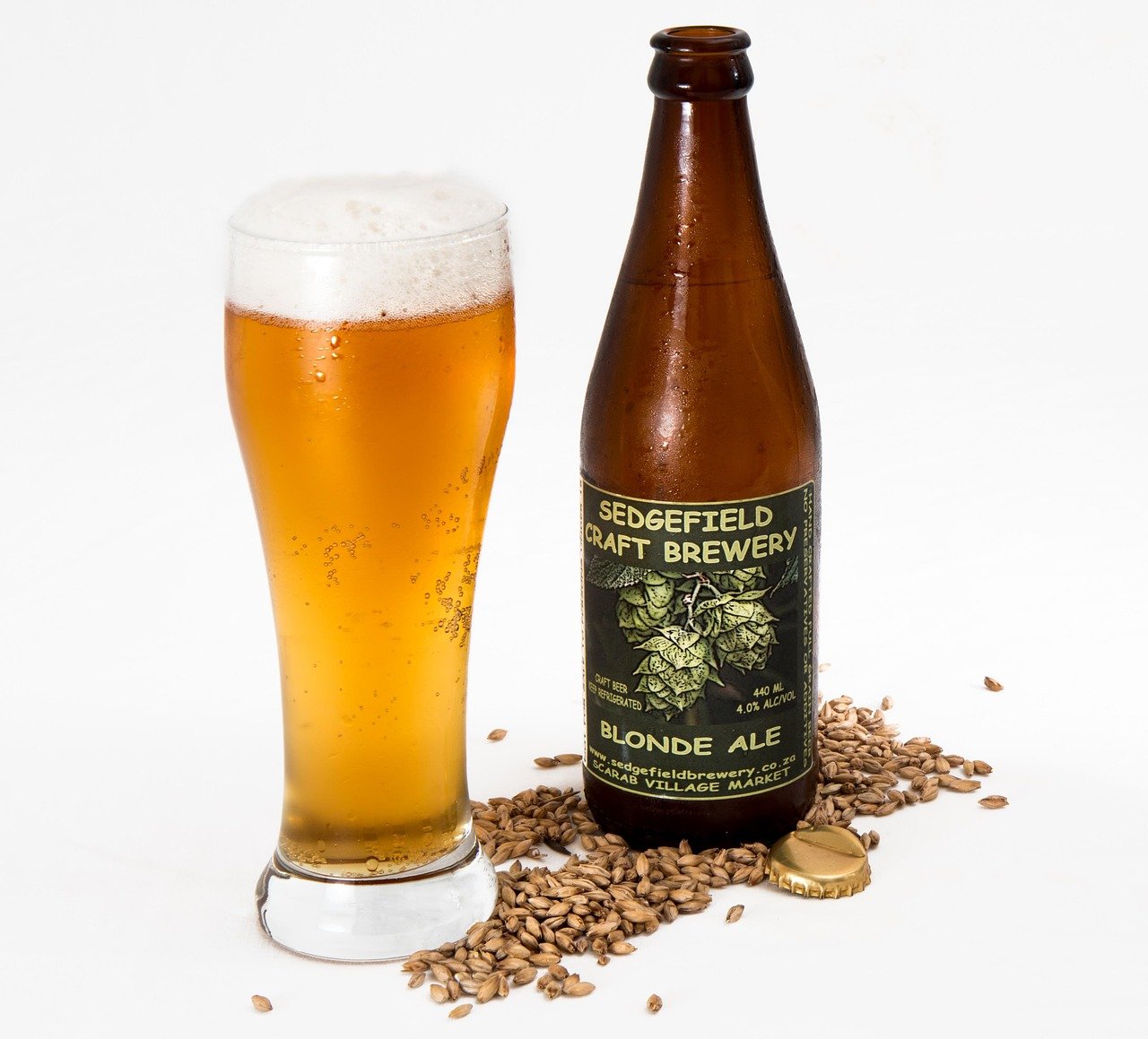
Richmond has quietly built one of the most respected craft beer cultures on the East Coast. Breweries like The Veil, Ardent, and Hardywood have earned national recognition, and the city's Scott's Addition neighborhood has become a dense cluster of taprooms and cideries that rivals any beer district in the country. Food culture has followed suit, with a dining scene driven by independent chefs and a strong farm-to-table ethos rooted in Virginia's agricultural richness.
The arts are woven into Richmond's identity in ways both institutional and street-level. The Virginia Museum of Fine Arts is one of the largest and most encyclopedic art museums in the American South, with free general admission. Meanwhile, the city's murals - concentrated in the Arts District and across neighborhoods like Jackson Ward - have made Richmond a recognized destination for street art, drawing creatives, culture travelers, and design-minded visitors who want a city with genuine creative energy.
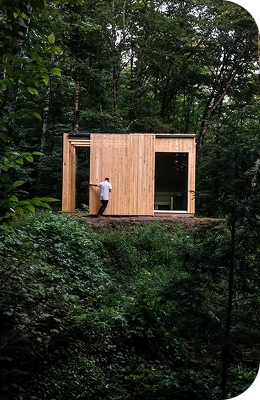



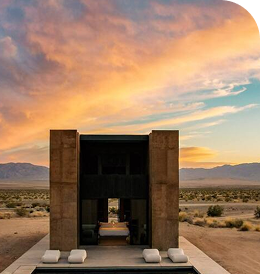

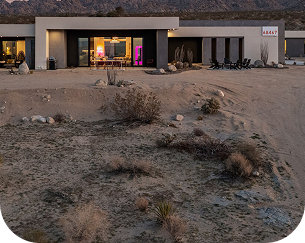

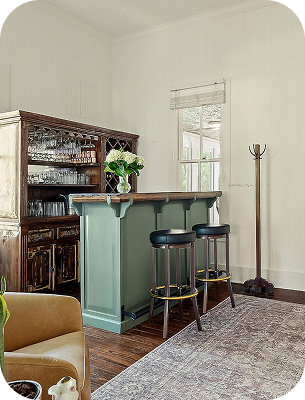

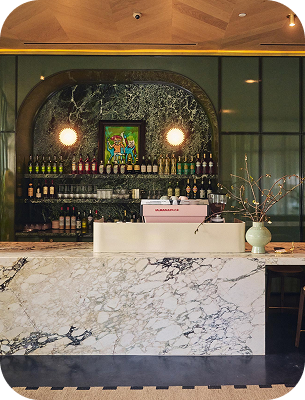

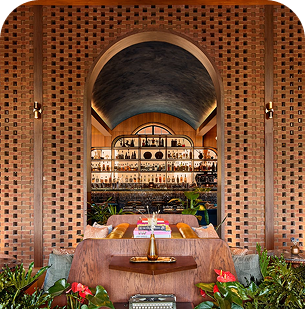

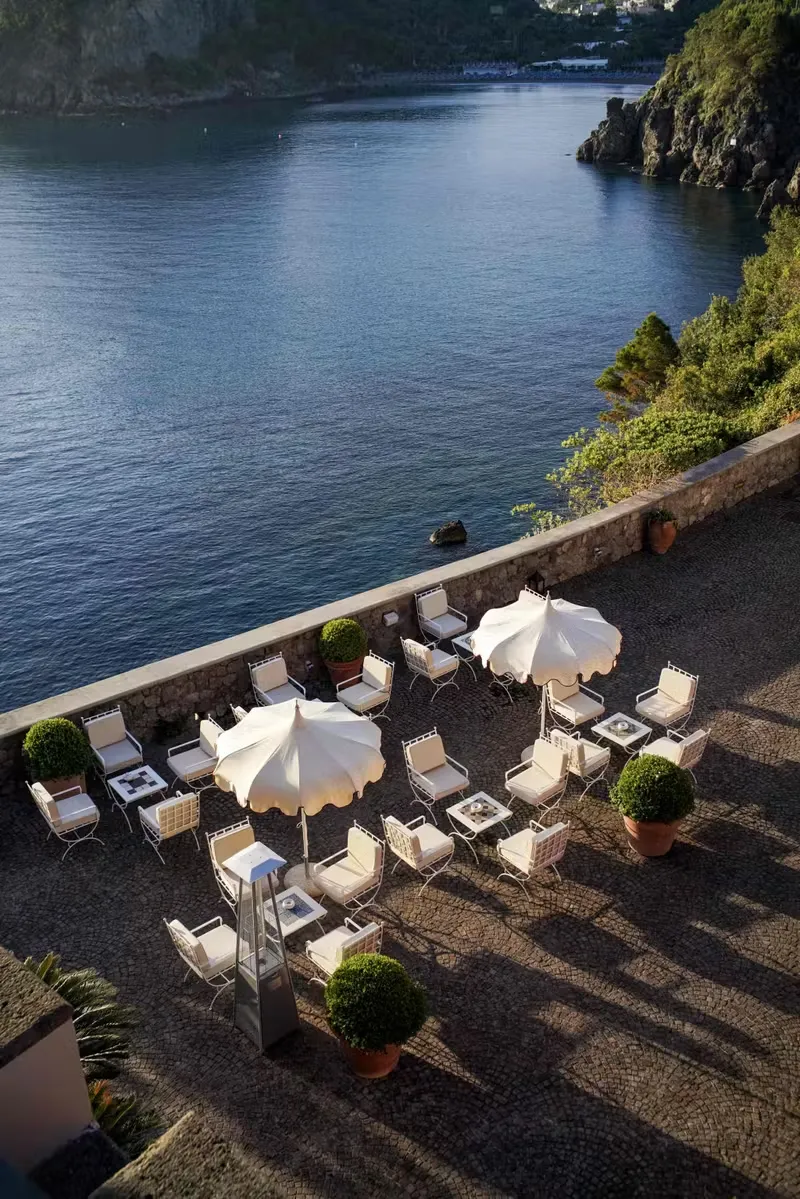

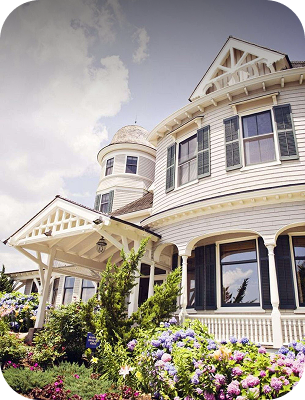

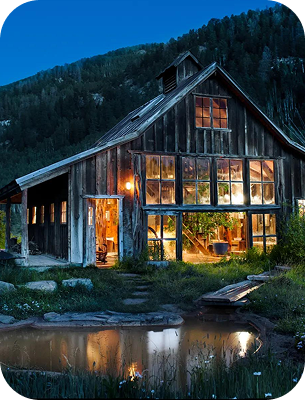


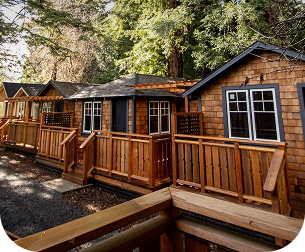

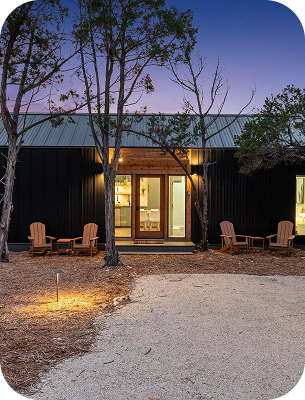



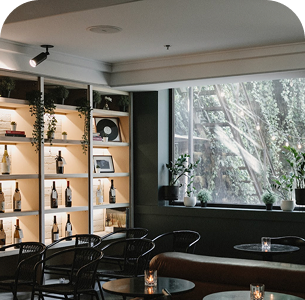



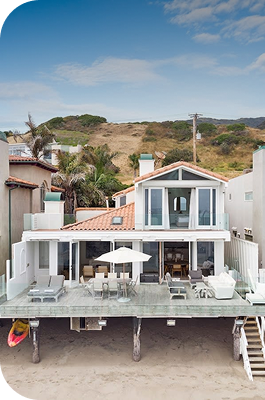

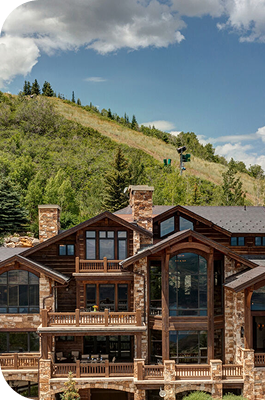

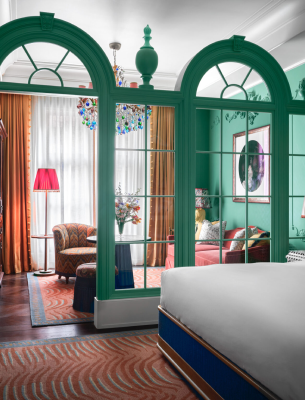
Journey connects travelers to a curated network of boutique hotels and distinctive residences around the world, all united under one rewards program. Explore handpicked stays for your trip while earning points, unlocking exclusive offers, and receiving rewards across the Journey collection.
Richmond sits at the fall line of the James River in central Virginia, roughly 100 miles south of Washington, D.C. and 60 miles west of the Chesapeake Bay. The fall line - the geological boundary where the Piedmont plateau drops to the Atlantic Coastal Plain - gave the city its founding logic: it was the furthest inland point navigable by oceangoing ships, making it a natural trading post and later a major industrial center. The James River's rapids, which once powered flour mills and ironworks, now draw outdoor enthusiasts into the city's core.
Richmond's cultural identity is complex and hard-won. As the capital of the Confederacy from 1861 to 1865, the city carries a history that is still being actively interpreted and contested. The removal of Confederate monuments from Monument Avenue in recent years reflects a broader civic reckoning that has made Richmond a city in genuine conversation with its own past. Jackson Ward, once known as the "Harlem of the South," stands as a testament to the resilience and creativity of Richmond's Black community, producing figures like banker Maggie L. Walker, the first woman to charter a bank in the United States.
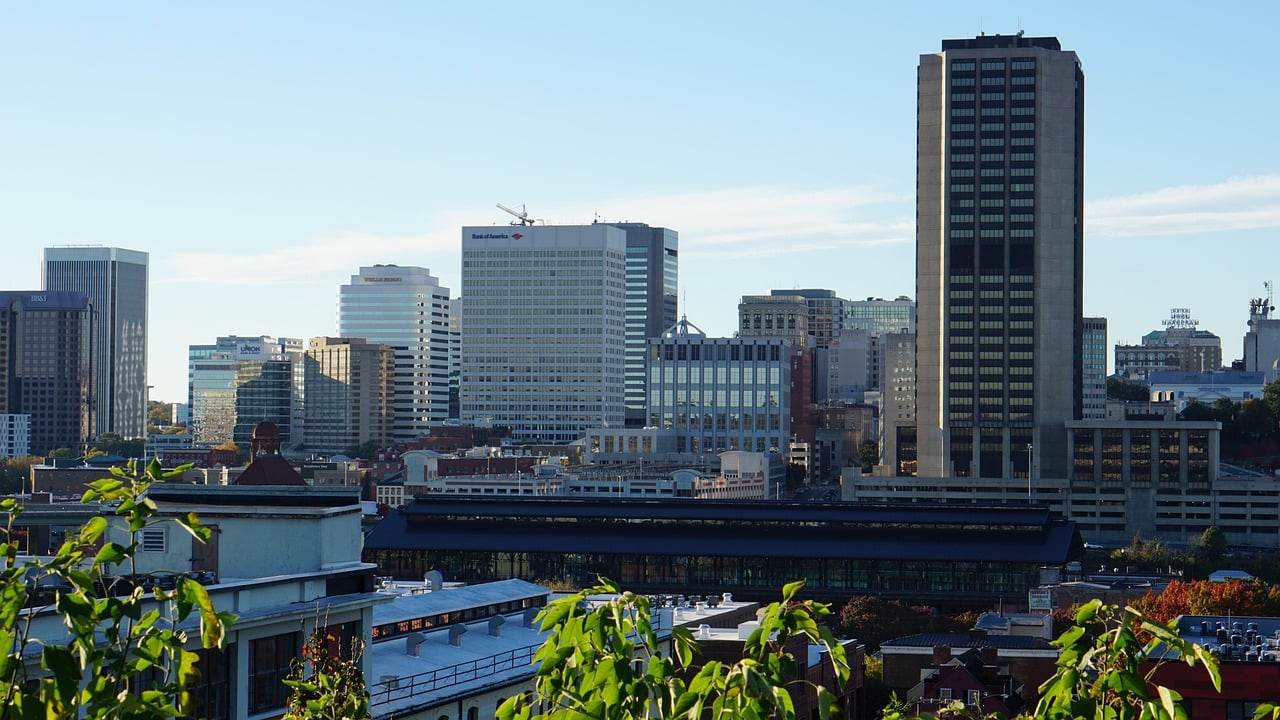
Today, Richmond functions as Virginia's political and cultural capital. State government anchors the downtown core around Capitol Square, where Thomas Jefferson's Virginia State Capitol - modeled on a Roman temple he admired in Nimes, France - remains one of the most architecturally significant buildings in the country. The surrounding neighborhoods are a patchwork of distinct identities: the Fan District's Victorian rowhouses, Carytown's independent retail corridor, Manchester's converted industrial lofts across the river, and the Northside's quiet residential blocks.
Travelers who come to Richmond tend to leave surprised. The city does not announce itself with obvious landmarks or tourist infrastructure. Instead, it rewards the curious - those willing to walk its neighborhoods, eat at its restaurants, drink at its breweries, and engage with a history that is still very much alive in the streets.
Spring and fall are the standout seasons for visiting Richmond, each offering distinct advantages depending on what you want from the trip.
April and May bring the city to life in a particularly appealing way. The James River Trail and Virginia Capital Trail fill with cyclists and walkers, brewery patios open up across Scott's Addition, and outdoor festivals begin to populate the calendar. The Richmond Folk Festival, one of the largest free outdoor music events in the country, draws massive crowds in mid-October, making early fall a peak period for culture seekers. Book accommodations well in advance if your trip overlaps with that weekend.
Fall, particularly September through early November, is the most consistently rewarding time to visit. Crowd levels are manageable outside of festival weekends, the James River is excellent for kayaking and tubing, and the city's neighborhoods are at their most walkable. The arts scene ramps up after summer, with gallery openings, theater seasons, and street art events filling the weekends.
Summer is the least comfortable season for extended outdoor exploration, and the city's humidity can make walking-heavy itineraries feel draining by midday. That said, summer does bring an active schedule of outdoor concerts and river activities for those who plan around the heat. Crowds at major attractions like the Virginia Museum of Fine Arts are lighter than you might expect, since many visitors avoid the season.
Winter is a quieter, more local-feeling time in Richmond. The brewery and restaurant scenes remain fully active, and the city's indoor cultural offerings - museums, galleries, live music venues - provide plenty to do. Travelers who prioritize value and a more unhurried pace will find winter a genuinely underrated window, particularly in January and February when hotel rates drop and the city feels authentically itself.
The Fan is Richmond's most architecturally striking residential neighborhood, named for the way its streets radiate outward like an open fan. Victorian rowhouses line tree-canopied boulevards, and the area pulses with life thanks to its concentration of independent restaurants, coffee shops, and bars along Boulevard and Cary Street. It is the kind of neighborhood where locals linger on stoops and travelers feel immediately at home.
Once a quiet industrial district, Scott's Addition has transformed into Richmond's most energetic food and drink corridor, anchored by a remarkable density of craft breweries, cideries, meaderies, and distilleries. Converted warehouses and brick factory buildings now house taprooms, pizza spots, and creative food concepts that draw both locals and visitors. On weekends, the streets between taprooms buzz with the easy, social energy of a neighborhood that has fully found its identity.
Jackson Ward carries a profound cultural legacy as the historic heart of Black entrepreneurship and artistic life in Richmond, once earning the nickname the Harlem of the South. Today the neighborhood honors that heritage while embracing a new creative chapter, with vibrant street murals, independent galleries, and a growing roster of Black-owned restaurants and businesses. Walking its streets feels like moving through living history with a forward-looking energy that is entirely its own.
Carytown is Richmond's most beloved shopping and dining strip, a ten-block stretch of Cary Street packed with independent boutiques, vintage shops, bookstores, and an eclectic mix of restaurants and cafes. The neighborhood has a lively, walkable character that sets it apart from anywhere else in the city, with a loyal local following and a calendar full of street festivals and community events. It is the place Richmond residents send visitors when they want to show off the city's personality.
Shockoe Bottom sits at the foot of Church Hill along the James River, occupying one of Richmond's oldest and most historically layered corners. The neighborhood carries the weight of its history as a major center of the American slave trade, a story now being told more fully through memorials and ongoing preservation efforts. Today it also hosts a lively nightlife scene, weekend farmers markets, and easy access to the riverfront trails that make Richmond's waterfront so distinctive.
Richmond has a handful of experiences so tied to the city's identity that they define why travelers make the trip in the first place.
Urban Whitewater on the James River
Few American cities can claim a wild river running through their downtown core. Richmond's stretch of the James River features Class III and IV rapids accessible within walking distance of city streets. Paddlers and tubers launch from city parks, and the surrounding James River Park System adds trails and swimming spots that make the river a full-day destination. This combination of wilderness and urban access is genuinely rare and draws outdoor enthusiasts who might otherwise skip a mid-Atlantic city entirely.
Scott's Addition: A Brewery District Unlike Any Other
Richmond's craft beer culture has become a point of national pride, and Scott's Addition is its epicenter. What was once an industrial neighborhood is now one of the most concentrated collections of breweries, taprooms, and cideries in the eastern United States. Spots like The Veil, Ardent Craft Ales, and Hardywood Park Craft Brewery have earned devoted followings far beyond Virginia. An afternoon walking between taprooms here is a distinctly Richmond experience - relaxed, neighborhood-scaled, and rooted in genuine craft.
Mural Art Across the City's Neighborhoods
Richmond's street art scene has grown into one of its most recognizable cultural exports. The Richmond Mural Project and subsequent initiatives have transformed building facades across Jackson Ward, the Arts District, and beyond into large-scale works by internationally recognized artists. Dedicated mural walks and self-guided tours have become a standard part of visiting the city, attracting design-minded travelers and photography enthusiasts who treat the streets themselves as the destination.
Cycling the Virginia Capital Trail
The 52-mile Virginia Capital Trail connecting Richmond to Colonial Williamsburg is one of the finest dedicated cycling routes on the East Coast. The paved path passes through tidewater farmland, historic plantations, and small river towns, offering a long-distance ride that doubles as a journey through Virginia's layered history. For cyclists, completing the full trail is a bucket-list experience tied specifically to this region.
Richmond, Virginia offers a diverse range of activities that reward curious, active, and culture-driven travelers in equal measure.
Outdoor Recreation
The James River is Richmond's great outdoor playground. The river cuts through the city and delivers some of the most accessible urban whitewater in the United States, drawing kayakers, canoeists, and tubers throughout warmer months. Belle Isle and the James River Park System provide miles of trails, rocky outcroppings, and swimming holes just minutes from downtown. Cyclists have an exceptional resource in the Virginia Capital Trail, a 52-mile paved route connecting Richmond to Williamsburg through tidewater farmland and historic landscapes.
Cultural Attractions
Richmond's history runs deep, and its landmarks reflect that complexity. The American Civil War Museum and the Museum of the Confederacy explore the city's contested past with nuance and depth. Shockoe Bottom preserves cobblestoned streets and layers of colonial-era history, while Monument Avenue - once lined with Confederate statues - continues to evolve as a site of civic conversation and architectural grandeur.
Arts and Entertainment
The Virginia Museum of Fine Arts stands among the largest and most comprehensive art museums in the American South, with free general admission to its permanent collection spanning thousands of years and cultures. The city's street art scene is equally compelling: large-scale murals across the Arts District and Jackson Ward have earned Richmond recognition as one of the top mural cities in the country.
Food and Dining
Richmond's food scene is driven by independent chefs with strong ties to Virginia's agricultural heritage. Farm-to-table dining is not a trend here but a baseline expectation, with restaurants sourcing from nearby Shenandoah Valley farms and Chesapeake Bay fisheries. The city's craft beverage culture is exceptional, with Scott's Addition serving as a dense, walkable hub of breweries, taprooms, and cideries.
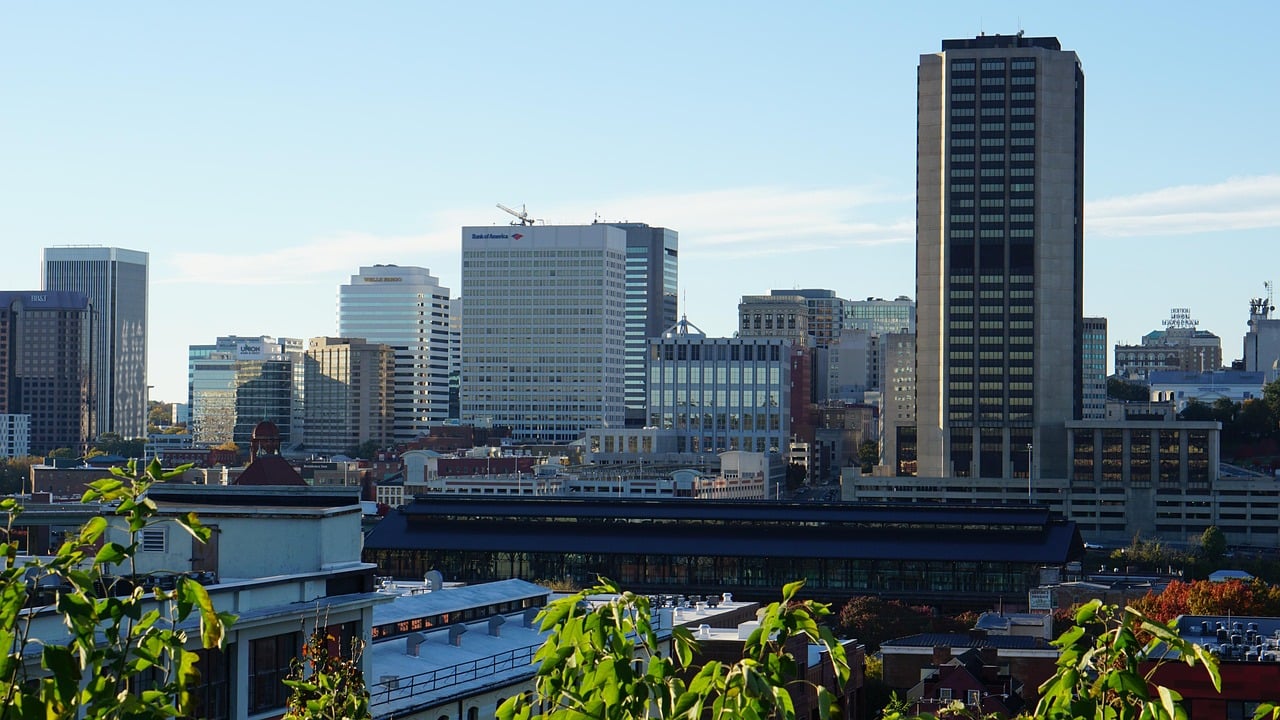
Start the morning at the Virginia Museum of Fine Arts, one of the South's largest art museums with free general admission. Walk Monument Avenue in the afternoon, taking in the architecture and the history behind its contested statues. Head into the Arts District and Jackson Ward in the evening to explore Richmond's celebrated street murals, then grab dinner at a neighborhood restaurant on Broad Street.
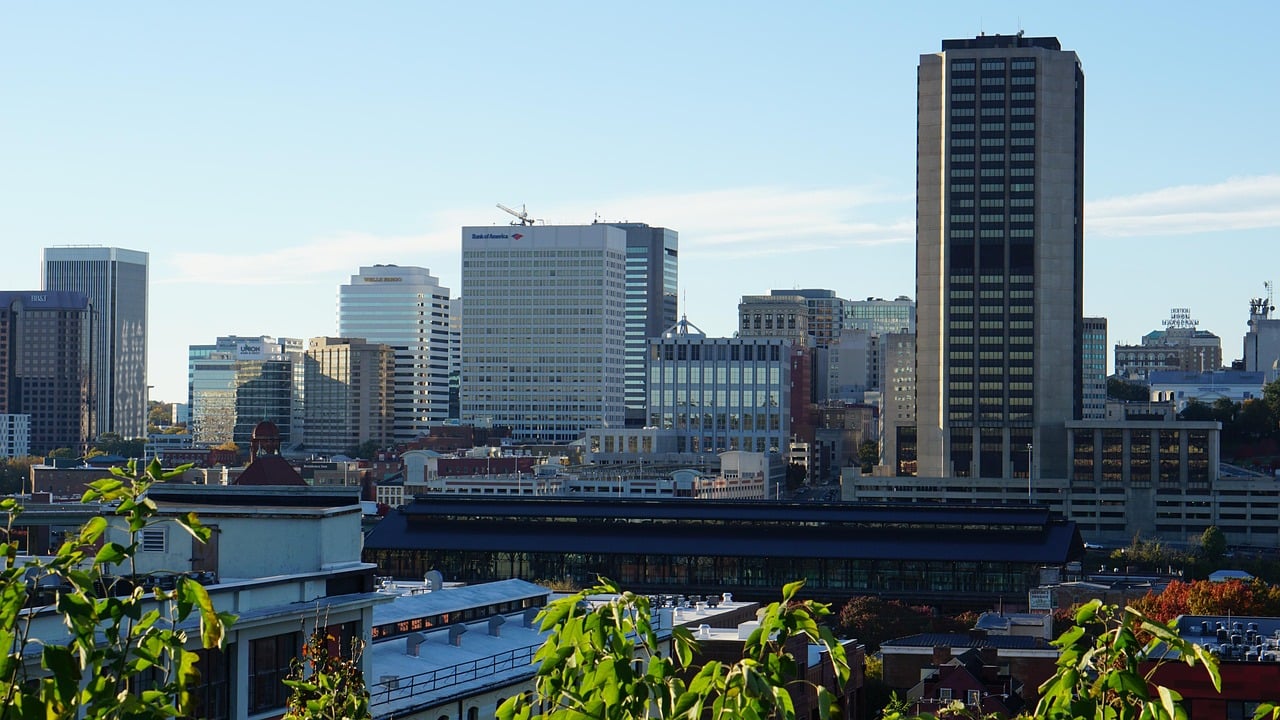
Spend the morning kayaking or tubing on the James River rapids - some of the most accessible urban whitewater in the country. After drying off, cycle a stretch of the Virginia Capital Trail along the riverbank. In the afternoon, explore the cobblestoned streets of Shockoe Bottom and its historic landmarks. End the evening in Scott's Addition, Richmond's dense craft beer neighborhood, with stops at taprooms like The Veil, Ardent, or Hardywood.
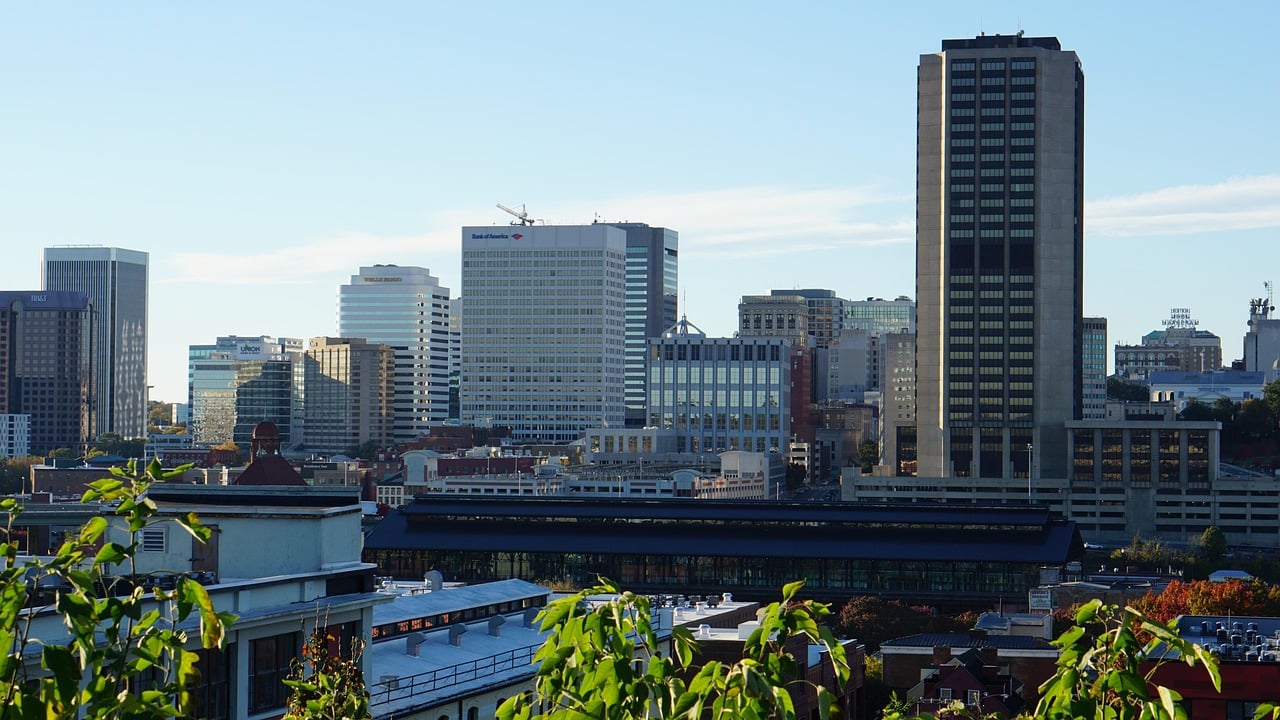
Dedicate the morning to Richmond's Revolutionary and Civil War history - walk the grounds of the Virginia State Capitol, designed by Thomas Jefferson, then visit the American Civil War Museum in the Tredegar Iron Works building along the river. Spend the afternoon browsing independent shops and cafes in Carytown, Richmond's eclectic retail corridor. Close out your trip with a farm-to-table dinner at one of the neighborhood's acclaimed independent restaurants.
Richmond, Virginia pulses with events that reflect its layered identity - from its deep roots in African American culture to its thriving outdoor and arts scenes. Spring kicks off with Dominion Energy Riverrock, a massive outdoor sports and music festival held along the James River, drawing athletes and spectators for a weekend of paddling, climbing, and live performances. Summer brings Richmond SailFest, a waterfront celebration that captures the city's connection to its river heritage. As temperatures cool, fall becomes Richmond's most festive season - the Richmond Folk Festival takes over the riverfront each October, showcasing world music, dance, and storytelling traditions from across the globe and drawing hundreds of thousands of visitors. The 2nd Street Festival celebrates the historic Jackson Ward neighborhood, long known as the "Harlem of the South," with music, food, and art rooted in African American heritage. Autumn also sees the Allianz Richmond Marathon, which winds through the city's most storied neighborhoods and has become one of the most celebrated road races on the East Coast. Throughout the year, VA PrideFest and the Iron Blossom Music Festival add further color to a calendar that mirrors Richmond's creative, inclusive, and community-driven spirit.

Oct 24, 2026

Aug 19, 2026
Richmond's food scene punches well above its weight, driven by independent chefs, a deep farm-to-table ethos, and the agricultural bounty of the Virginia countryside. The city's proximity to the Chesapeake Bay and the Blue Ridge Mountains means local menus are anchored by Chesapeake blue crab, Virginia oysters, country ham, and seasonal produce sourced from nearby farms. Shockoe Bottom and the Fan District are reliable hubs for dining, while the Church Hill and Scott's Addition neighborhoods have emerged as exciting frontiers for new restaurants and culinary concepts.
Richmond International Airport (RIC) sits about nine miles southeast of downtown
and is served by major carriers including American, Delta, Southwest, and United, with rideshare, taxis, and rental cars all available at the terminal.
Amtrak's Northeast Regional and Carolinian trains stop at Richmond's Main Street Station
connecting the city directly to Washington D.C. (about 2.5 hours), New York (about 6 hours), and Charlotte, with the historic station located just east of downtown.
Drivers from Washington D.C. take I-95 South for roughly 110 miles
arriving in downtown Richmond in about two hours under normal conditions, though the I-95 corridor can see significant congestion on Friday afternoons and Sunday evenings.
From Raleigh-Durham, I-85 North connects to I-95 North into Richmond
covering approximately 170 miles and taking around three hours, making Richmond a practical road trip stop between the Triangle and the D.C. metro area.
Greyhound and FlixBus both operate budget-friendly routes into Richmond from major East Coast cities
with arrivals at the downtown bus terminal near Broad Street, a convenient option for travelers coming from cities like Baltimore, Philadelphia, or Charlotte without a car.

The GRTC Pulse BRT line runs the length of Broad Street from Rocketts Landing to Willow Lawn
making it a practical and inexpensive way to move between Scott's Addition, the Arts District, VCU, and downtown without needing a car or rideshare.
The Fan District and Carytown are best explored on foot
with tree-lined streets, independent shops, and restaurants clustered tightly enough that you can cover both neighborhoods in a single afternoon without needing transit.
Scott's Addition on weekend evenings draws large crowds to its taprooms and cideries
so rideshare via Uber or Lyft is the smartest option for getting in and out, as street parking fills quickly and the neighborhood's grid can be confusing for first-time visitors.
The Virginia Capital Trail offers a 52-mile paved cycling route from Richmond to Williamsburg
with bike rentals available through Venture Richmond and local outfitters near the James River, making it a great option for active travelers who want to explore beyond the city core.
Richmond is a casual, unpretentious city - dress codes are rare outside of a handful of upscale restaurants, and locals tend to be friendly and direct. Standard tipping applies: 18 to 20 percent at restaurants and bars is the norm, and brewery taprooms with table service appreciate a tip even if you order at the counter. Download the GRTC Transit app for real-time bus tracking on the Pulse line and local routes. For James River activities, book kayak or tube rentals through outfitters like Riverside Outfitters or RVA Paddlesports in advance on summer weekends, as slots fill fast. The Arts District and Jackson Ward are safe and active in the evenings, though as with any city, stay aware of your surroundings in less-trafficked areas after dark. Richmond's summers are hot and humid - carry water, especially if you are spending time outdoors along the river or cycling the Capital Trail.
Two to three days is enough to cover Richmond's highlights. A long weekend lets you explore the history of Shockoe Bottom and Monument Avenue, visit the Virginia Museum of Fine Arts, sample the craft breweries in Scott's Addition, and get out on the James River. Extend to four days if you plan to cycle the Virginia Capital Trail to Williamsburg.
Richmond is best known for its layered American history - as a colonial capital, a hub of the Revolution, and the capital of the Confederacy. It is also recognized for its nationally respected craft beer scene, particularly in Scott's Addition, its vibrant street art and murals, the Virginia Museum of Fine Arts, and urban whitewater kayaking on the James River.
Yes, Richmond works very well as a weekend trip. The city is compact and easy to navigate, and two days is enough to hit the main neighborhoods, museums, breweries, and the James River. Its location makes it an easy drive from Washington D.C., Baltimore, and Charlotte, making it a practical and rewarding short getaway.
Richmond is relatively affordable compared to other East Coast cities. General admission to the Virginia Museum of Fine Arts is free, the craft beer scene is wallet-friendly, and the dining options range from budget-friendly to upscale. Accommodation costs are moderate, and the city is compact enough that you can get around without spending much on transport.
Spring (April to May) and fall (September to October) are the best times to visit, with mild temperatures and low humidity. Summers can be hot and humid, though the James River and outdoor festivals keep the city lively.