
Baltimore, MD
A Journey guide to
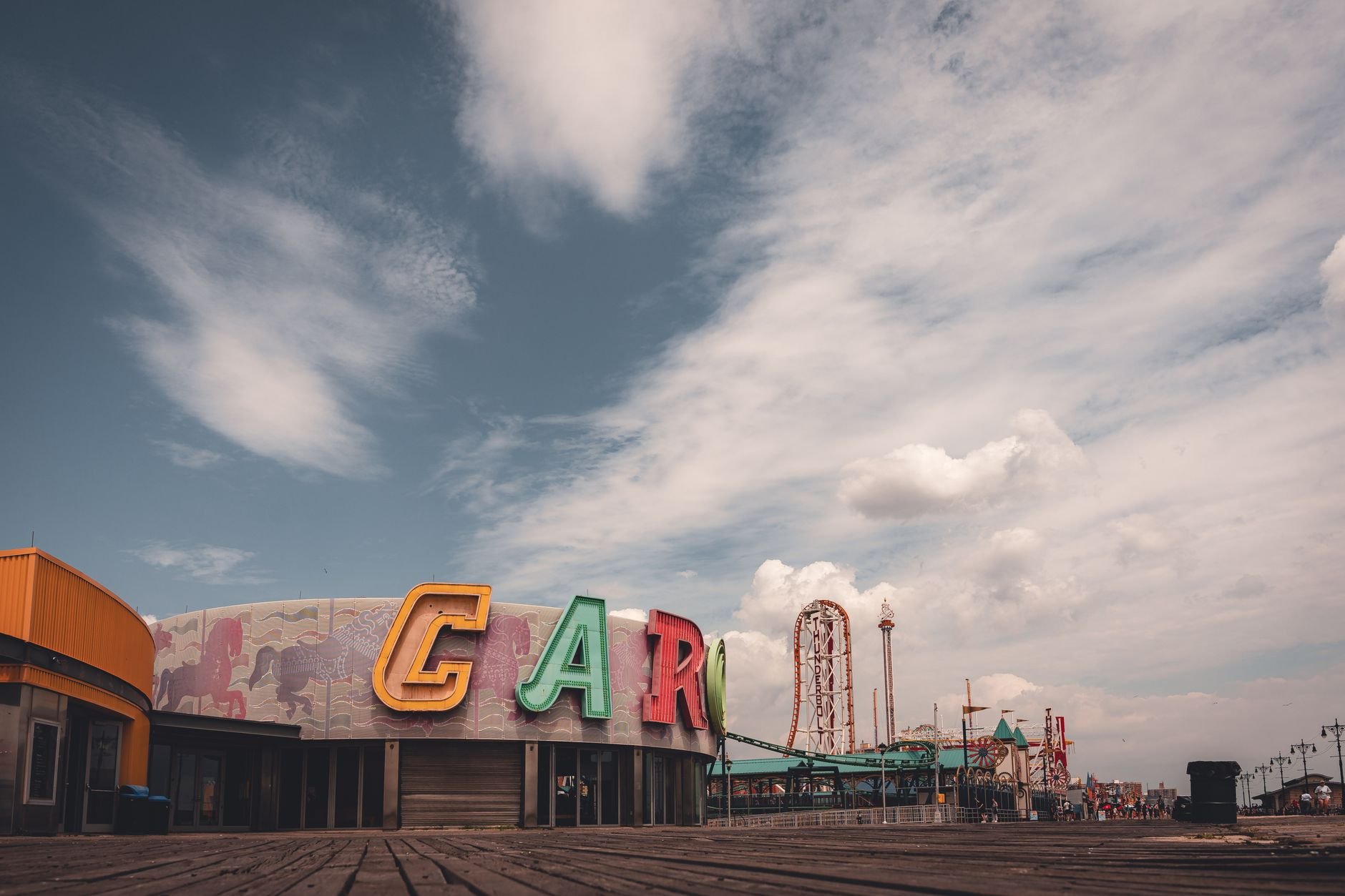
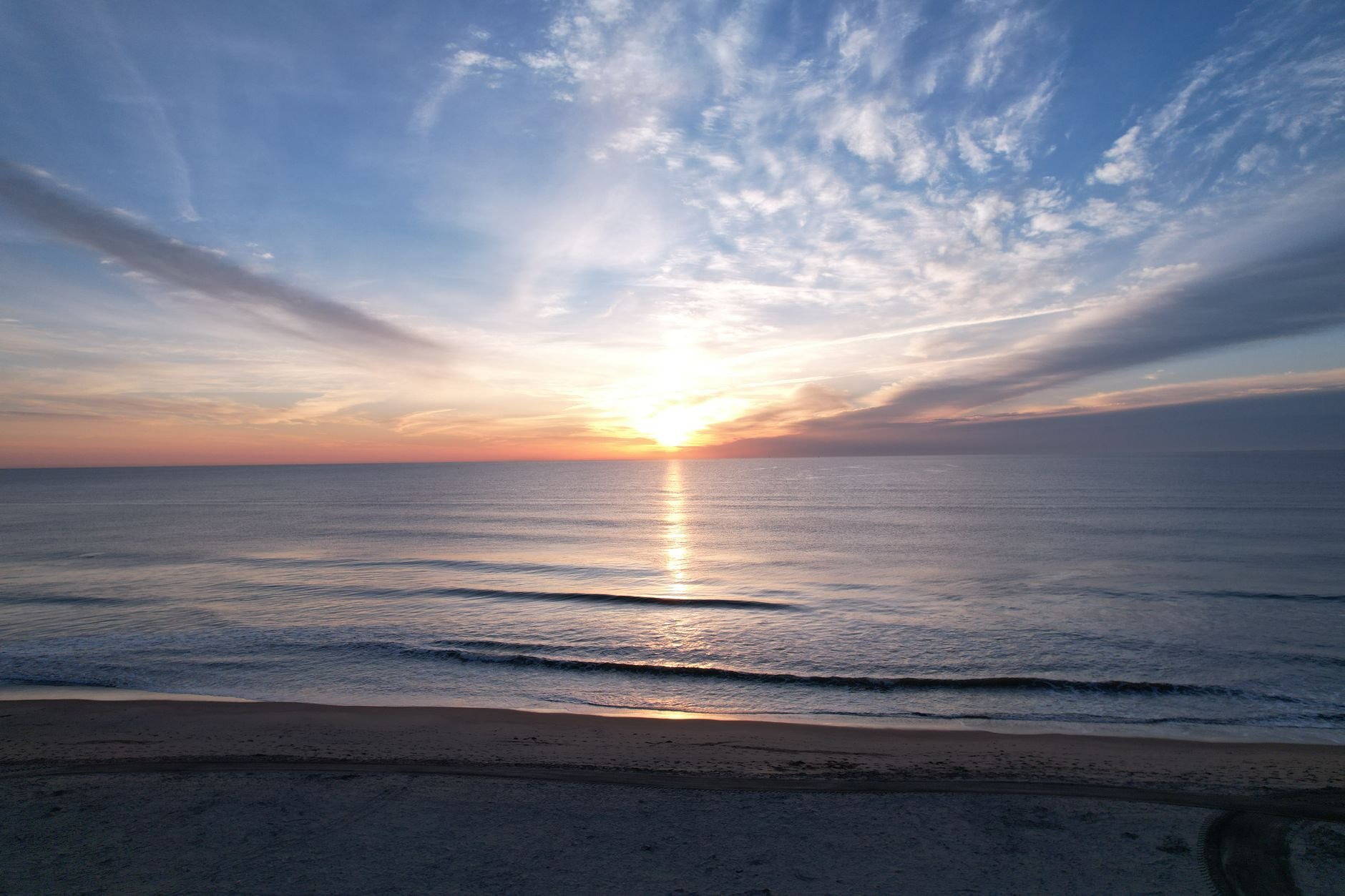
Virginia Beach is defined by its relationship with the Atlantic Ocean. The city claims the world's longest pleasure beach resort strip, a three-mile boardwalk flanked by hotels, restaurants, and the iconic Neptune statue. Surfers, swimmers, and anglers all stake out their stretch of sand here, while the offshore waters draw sport fishermen chasing marlin and tuna in the Gulf Stream. The oceanfront is the city's heartbeat, but it is far from the whole story.
Beyond the beach, Virginia Beach is home to one of the largest concentrations of active-duty military personnel in the United States, anchored by Naval Station Norfolk just across the city limits. This military presence shapes the local culture in tangible ways: a deep respect for service, a practical no-nonsense character, and a community built around both duty and recreation. The Oceanfront and the Chesapeake Bay shoreline offer two very different coastal personalities within the same city.
The destination draws a broad spectrum of travelers. Families arrive for the gentle surf and the Virginia Aquarium and Marine Science Center. Surfers gravitate toward the Sandbridge area and the First Landing State Park dunes. Foodies and craft beer enthusiasts have discovered a genuine dining and brewery scene rooted in local seafood, particularly blue crab and oysters pulled from the Chesapeake Bay. History travelers find layers of American story here, from the 1607 First Landing site to Civil War coastal fortifications.
The Pungo Rural Heritage area and the Back Bay National Wildlife Refuge add a surprising agricultural and wilderness dimension to a city most outsiders picture as purely a beach resort. Virginia Beach is the most populous city in Virginia and one of the largest by land area in the contiguous United States, a fact that underscores how much variety it contains. It rewards travelers who look past the boardwalk.




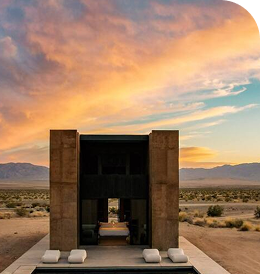

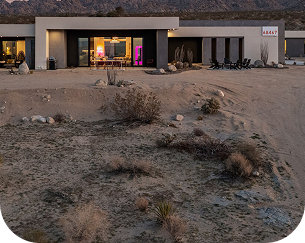

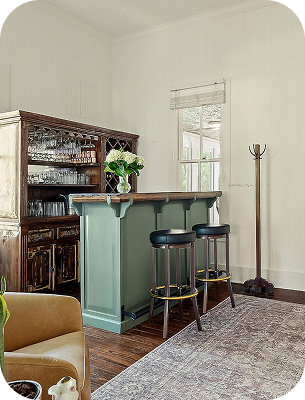



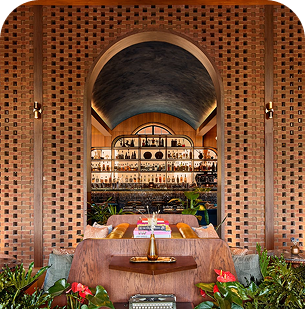

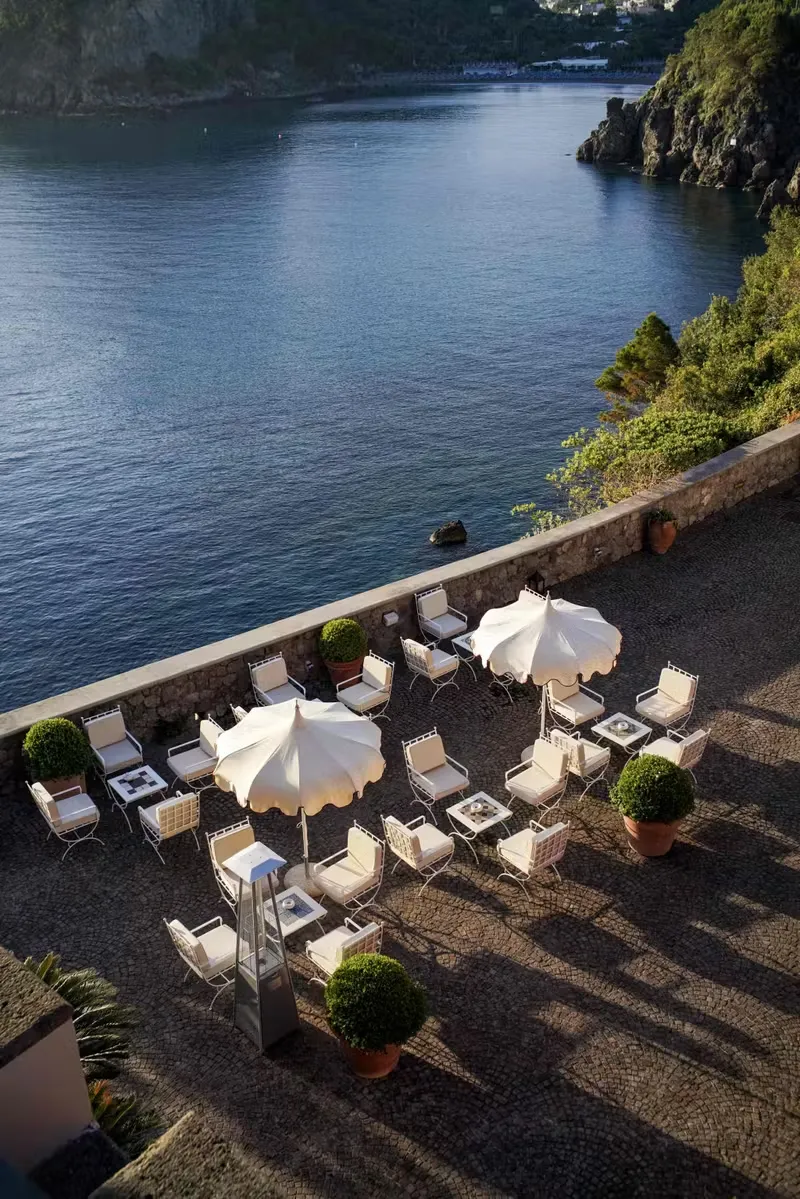

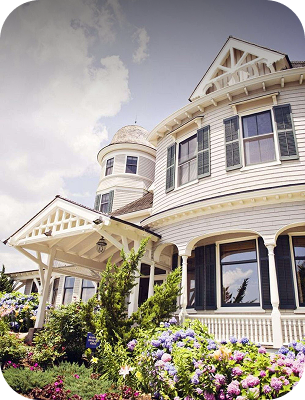







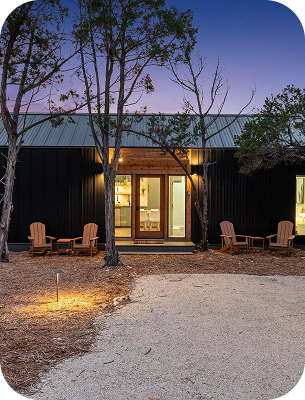







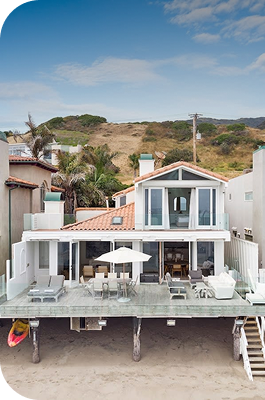



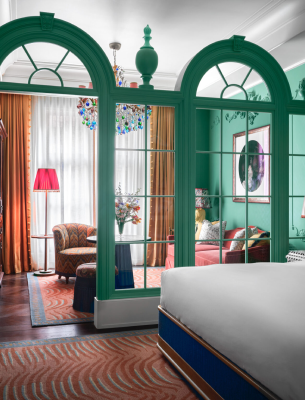

Journey connects travelers to a curated network of boutique hotels and distinctive residences around the world, all united under one rewards program. Explore handpicked stays for your trip while earning points, unlocking exclusive offers, and receiving rewards across the Journey collection.
Virginia Beach occupies the southeastern corner of Virginia, where the Atlantic Ocean meets the mouth of the Chesapeake Bay. The city is bordered to the north by the city of Norfolk and to the south by North Carolina, and it encompasses a remarkable geographic range: open ocean beaches, bay shoreline, tidal wetlands, agricultural fields, and dense suburban corridors all exist within a single municipal boundary that stretches roughly 40 miles from north to south.
The city's identity is layered. On the surface, Virginia Beach is a classic American beach resort, one that grew rapidly after World War II as returning servicemen and their families settled across Hampton Roads. The boardwalk resort strip was formalized and expanded across subsequent decades, and today it functions as the city's commercial and cultural center during the warmer months, lined with public art installations, an amphitheater, and a dedicated cycling and skating path running its full length.
Deeper than the resort identity is the city's connection to American military history. The surrounding region, known as Hampton Roads, is one of the most strategically significant naval corridors in the world. The presence of Naval Station Norfolk, Naval Air Station Oceana, and Joint Expeditionary Base Little Creek shapes the economy, the demographics, and the civic culture of Virginia Beach in ways that set it apart from comparable beach cities along the East Coast.
Virginia Beach also carries genuine historical weight. Cape Henry, within the city limits, is where English settlers first landed in April 1607 before proceeding to establish Jamestown. The Cape Henry Lighthouse, completed in 1792, is one of the oldest federal public works projects in the United States and still stands at the northern edge of the city.
The arts scene has grown substantially in recent years, anchored by the Virginia Museum of Contemporary Art and a network of galleries and public murals concentrated in the ViBe Creative District. Taken together, Virginia Beach is a destination of real complexity: a military city, a resort city, a historic city, and a working coastal community all at once.

Late spring and early fall are the sweet spots for visiting Virginia Beach. May and early June offer a beach experience before the summer rush takes hold, with shorter lines at popular spots like the Virginia Aquarium and Marine Science Center, easier access to the boardwalk, and a more relaxed pace across the Oceanfront district. The surf is active and the wildlife refuges at Back Bay and First Landing State Park are alive with migratory birds and blooming coastal vegetation.
Summer from late June through August is peak season in every sense. Families, surfers, and festival-goers pack the three-mile boardwalk and the Sandbridge area. The Neptune Festival and a packed events calendar make this the most culturally active stretch of the year, but accommodations book out quickly and prices rise sharply. Travelers who prioritize the full resort-town energy should plan well ahead and expect crowds at every turn.
September and October represent the most well-rounded window for many travelers. The summer crowds thin considerably after Labor Day, yet the ocean remains warm enough for swimming well into September. Restaurants are easier to get into, parking along the Oceanfront is far less competitive, and the Back Bay National Wildlife Refuge sees peak migratory bird activity, making it a prime period for birdwatchers and nature-focused visitors.
Winter is the off-season in the truest sense. Most of the boardwalk-facing businesses scale back hours or close entirely, and the resort strip takes on a quiet, almost desolate character. However, travelers seeking solitude on the beach, lower accommodation rates, and uncrowded access to the Chesapeake Bay shoreline and Pungo Rural Heritage area will find winter genuinely rewarding. The military-rooted local community keeps the city functioning and authentic year-round.
The Oceanfront is Virginia Beach's most iconic district, stretching along a three-mile boardwalk lined with hotels, seafood restaurants, and beach bars. It pulses with energy year-round, drawing surfers, families, and nightlife seekers to its wide sandy shores and the landmark Neptune statue. This is the city's social and commercial heartbeat, where the Atlantic sets the rhythm of daily life.
Virginia Beach Town Center is the city's urban core, a walkable mixed-use district of glass towers, upscale dining, boutique shops, and live entertainment venues. It feels distinctly different from the beachside scene, offering a more cosmopolitan atmosphere with rooftop bars, art installations, and a lively weekend restaurant culture. This is where locals come to eat, work, and socialize away from the tourist strip.
Sandbridge is a quieter, more secluded stretch of barrier island south of the main Oceanfront, favored by those seeking a slower, more residential beach experience. The area borders Back Bay National Wildlife Refuge, making it a draw for nature lovers, kayakers, and birdwatchers alongside beachgoers. Vacation rental homes dominate here, giving it a laid-back, community feel far removed from the boardwalk bustle.
The Shore Drive corridor hugs the Chesapeake Bay side of Virginia Beach, offering a calmer, bayside alternative to the Atlantic Oceanfront. The area is known for its seafood shacks, marinas, and First Landing State Park, where ancient cypress trees and coastal dunes create a striking natural backdrop. It attracts anglers, paddlers, and diners who come for fresh-off-the-boat blue crab and oysters.
Pungo is Virginia Beach's rural southern district, a surprisingly pastoral stretch of farmland, u-pick strawberry fields, and country roads that feels worlds away from the resort strip. The area hosts seasonal farm stands, the beloved Pungo Strawberry Festival, and a handful of local eateries rooted in Southern coastal cooking. It offers a genuine glimpse into the agricultural heritage that coexists with the city's coastal identity.
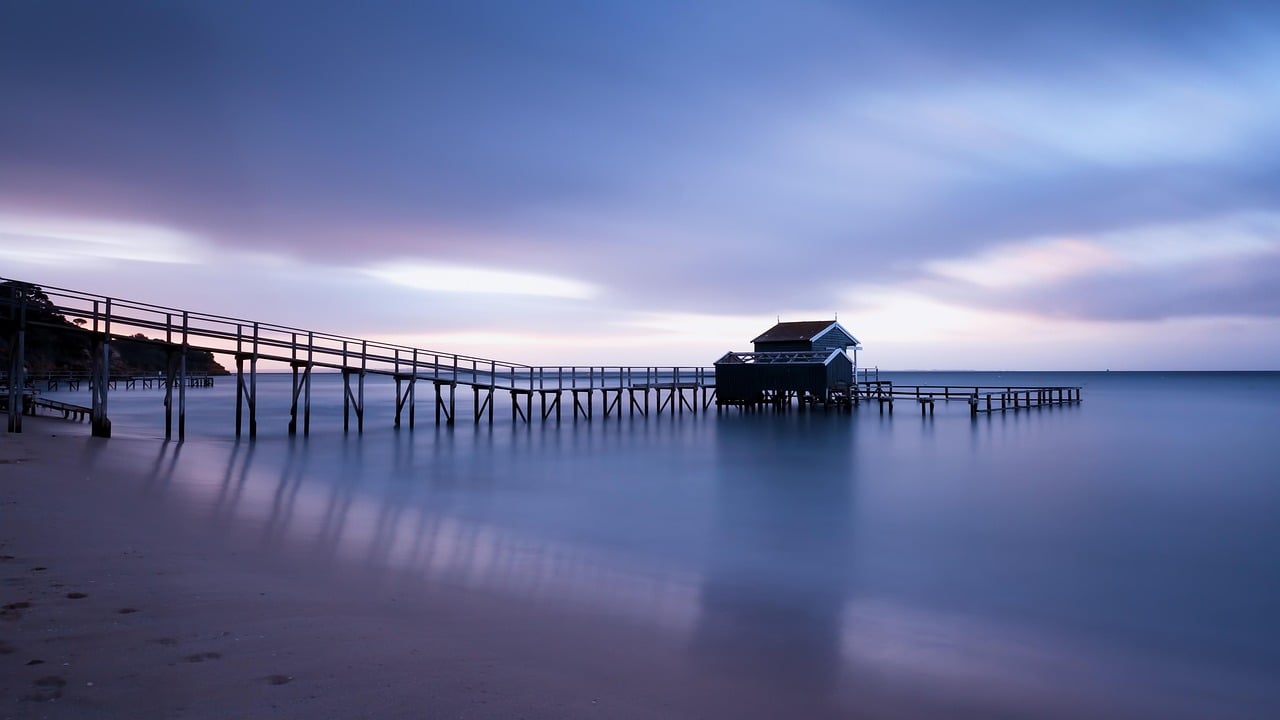
Virginia Beach is defined by a handful of experiences that travelers come specifically to seek out, most tied to the ocean, the bay, and the city's distinctive coastal character.
The Boardwalk and Neptune's Kingdom
The three-mile Atlantic Avenue Boardwalk is the defining image of Virginia Beach. Walking or cycling its length at sunrise, watching surfers paddle out while the resort hotels glow in the morning light, is a ritual for returning visitors. The bronze Neptune statue at 31st Street serves as the symbolic center of the Oceanfront, a gathering point for festivals, concerts, and the simple pleasure of watching the Atlantic.
Offshore Sport Fishing
Virginia Beach sits at a rare geographic crossroads where the cold Labrador Current meets the warm Gulf Stream relatively close to shore. This convergence creates world-class offshore fishing for marlin, tuna, mahi-mahi, and wahoo. The fishing community centered at Rudee Inlet has sustained this tradition for generations, and the annual East Coast Surfing Championships and fishing tournaments draw competitors from across the country.
Chesapeake Bay Seafood Culture
Eating freshly steamed blue crabs at a waterfront restaurant, shucking local oysters, and ordering a crab cake sandwich at a bayside shack are experiences that connect visitors directly to the working watermen culture of the Chesapeake Bay. The bay's western shore within city limits offers a quieter, more local alternative to the Oceanfront, where seafood is not a tourist amenity but a way of life.
First Landing and the 1607 Shore
Standing at Cape Henry where English settlers first set foot on American soil in 1607 is a quietly powerful experience. The old and new Cape Henry Lighthouses frame a stretch of shoreline largely unchanged from that moment, offering a rare point of historical gravity within a modern beach resort city.
Virginia Beach offers a wide range of activities rooted in its coastal setting, military heritage, and surprising natural diversity.
Outdoor Recreation
The Atlantic shoreline is the city's primary playground. Swimmers, surfers, and paddleboarders take to the waves at the Oceanfront, while the calmer waters of the Chesapeake Bay suit kayakers and stand-up paddleboarders. Anglers cast from the Virginia Beach Fishing Pier or charter boats offshore to pursue marlin, tuna, and flounder in the Gulf Stream. First Landing State Park offers hiking and cycling through maritime forest, cypress swamps, and dunes just minutes from the resort strip. Back Bay National Wildlife Refuge draws birders and nature walkers into a protected coastal wetland habitat.
Cultural Attractions
The Virginia Aquarium and Marine Science Center is the city's top family draw, featuring live sharks, river otters, and sea turtles alongside marine science exhibits. The Military Aviation Museum holds one of the world's largest private collections of World War I and World War II aircraft, many still airworthy. The Cape Henry Lighthouses mark the 1607 First Landing site, where English settlers first stepped ashore before establishing Jamestown.
Arts and Entertainment
The Boardwalk Art Show, held each June, is one of the East Coast's premier outdoor art festivals. The Virginia Museum of Contemporary Art hosts rotating exhibitions and a strong permanent collection. Live music venues and seasonal events keep the Oceanfront energized year-round.
Food and Dining
Local seafood anchors the dining scene, with blue crab, oysters, and fresh fish featured across restaurants from casual waterfront shacks to upscale kitchens. The craft brewery scene has grown steadily, with several taprooms concentrated near the Oceanfront and the Town Center district.
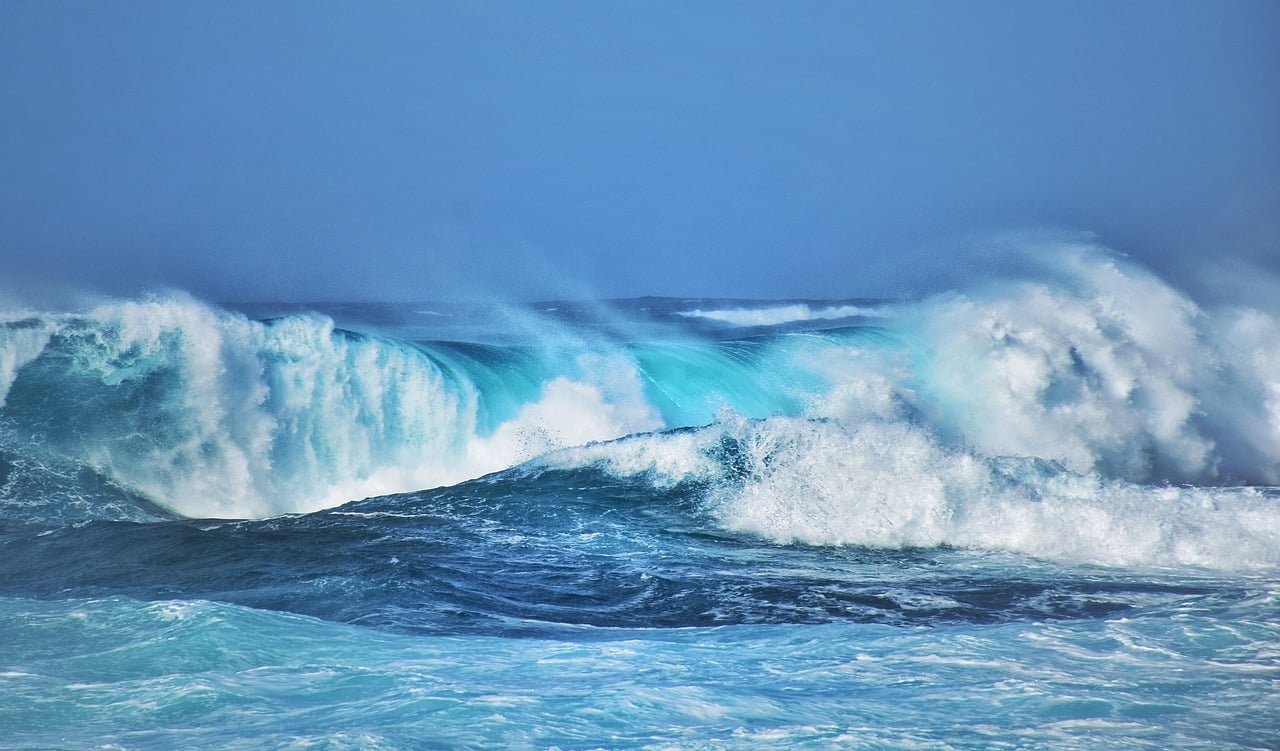
Start the morning with a walk along the Virginia Beach Boardwalk, stretching three miles from 1st to 40th Street. Stop for a photo with the iconic King Neptune statue, then rent a bike to cruise the boardwalk path. Grab lunch at a seafood spot near the Oceanfront. Spend the afternoon swimming or surfing the Atlantic. End the evening with dinner and live music at a boardwalk-side restaurant.
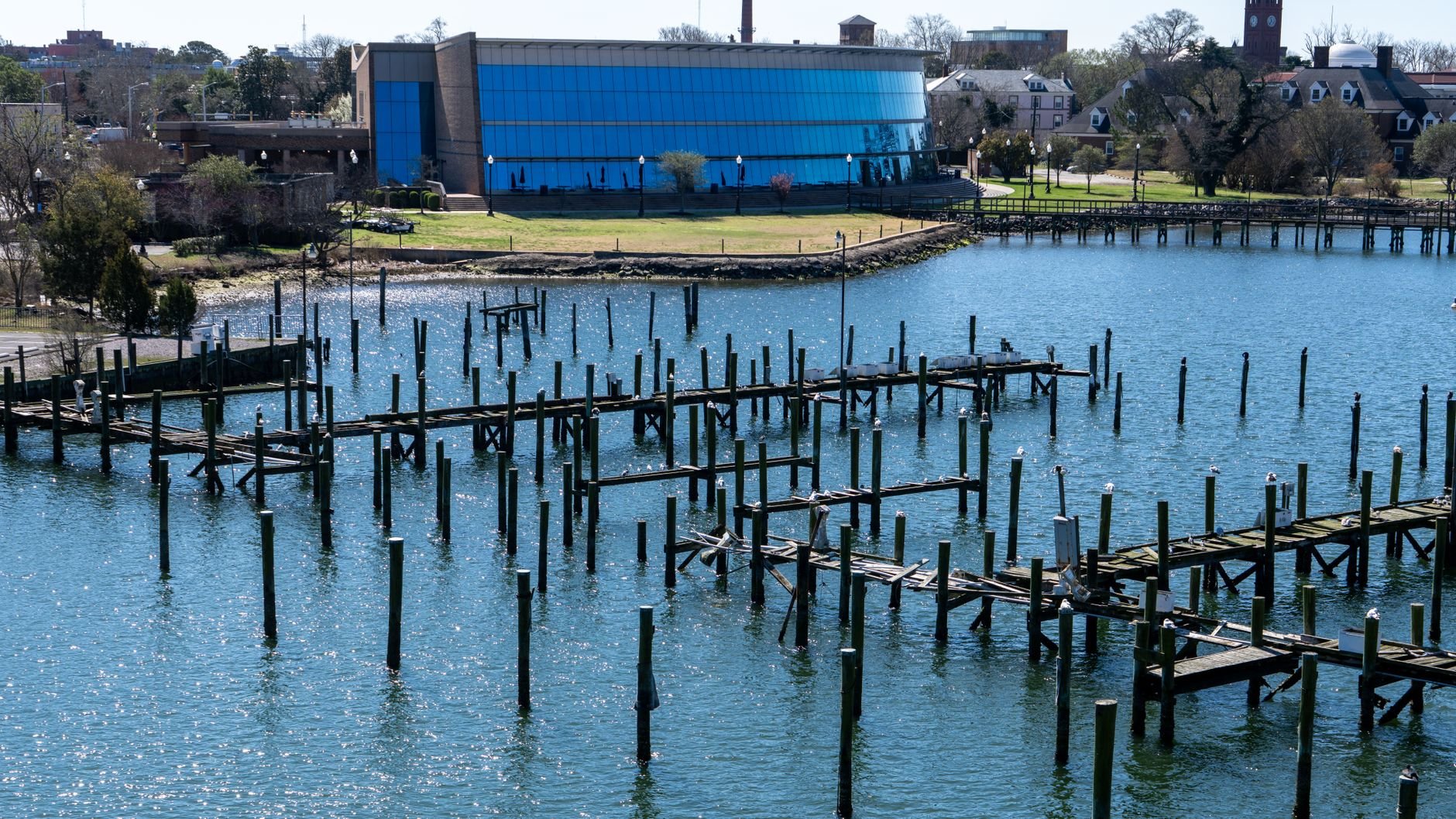
Head to the Virginia Aquarium and Marine Science Center in the morning for shark exhibits and touch tanks. After lunch, drive south to Back Bay National Wildlife Refuge for a quiet afternoon hike through coastal marshes and dunes. Stop at Sandbridge Beach on the way back for a low-key sunset swim. Wrap the evening with fresh blue crab and oysters at a local Chesapeake Bay seafood restaurant.
Spend the morning exploring First Landing State Park, where English settlers first came ashore in 1607. Walk the bald cypress and live oak trails through this surprisingly lush coastal forest. After lunch, head into the Pungo Rural Heritage area for a scenic afternoon drive past farmstands and open fields. Return to the Oceanfront for a final evening stroll, souvenir shopping, and a farewell dinner near the beach.
Virginia Beach pulses with a distinctive seasonal rhythm shaped by its coastal identity, military heritage, and outdoor culture. Summer draws the largest crowds, when the boardwalk fills with beachgoers and the city's festival calendar hits its peak. Spring and fall offer a more relaxed pace, with endurance events and arts gatherings that reflect the community's active, civic spirit. Even winter has its traditions, with performing arts and holiday celebrations anchoring the quieter months.

Jun 20, 2026

Jun 21, 2026

May 30, 2027
Virginia Beach's culinary identity is anchored in the sea. Blue crab and oysters harvested from the Chesapeake Bay are the cornerstones of the local table, appearing in everything from classic steamed crab feasts to refined raw bar menus. The city's proximity to both the Atlantic and the Bay means seafood is genuinely fresh, and many restaurants maintain direct relationships with local watermen and oyster farmers.
Norfolk International Airport (ORF) is the closest air gateway to Virginia Beach,
sitting about 18 miles from the Oceanfront with a drive time of roughly 25 to 35 minutes via I-264, plus rental cars, taxis, and rideshare all available curbside at the terminal.
Interstate 64 is the primary driving corridor into Virginia Beach,
connecting the city to Richmond (about 100 miles northwest), Washington D.C. (roughly 200 miles), and the wider Mid-Atlantic, with the Virginia Beach-Norfolk Expressway (I-264) serving as the final approach to the Oceanfront.
The Chesapeake Bay Bridge-Tunnel links the Delmarva Peninsula directly to Virginia Beach,
making it a practical and scenic route for travelers coming from Maryland's Eastern Shore or points north, with a toll of around $14 for passenger vehicles.
Amtrak's Newport News station is the nearest rail stop to Virginia Beach,
served by the Northeast Regional line from Washington D.C. and New York, with rideshare or a connecting bus needed to cover the remaining 35 miles to the Oceanfront.
Greyhound and FlixBus operate intercity bus routes into Virginia Beach,
arriving at the downtown terminal and offering a budget-friendly option from major East Coast cities including Washington D.C., Richmond, and New York.

The Virginia Beach Oceanfront boardwalk stretches three miles and is easily walkable,
with bike rentals available from multiple shops near the strip, making it the most enjoyable and car-free way to explore the Atlantic-facing hotels, restaurants, and Neptune statue.
Hampton Roads Transit (HRT) bus routes connect Virginia Beach to Norfolk and surrounding cities,
providing a low-cost option for travelers staying near major corridors, though service frequency is limited and a car or rideshare is faster for most cross-city trips.
The Wave trolley runs seasonally along the Oceanfront from late spring through early fall,
looping between the main boardwalk area and key stops for a flat fare, making it a convenient and inexpensive way to move up and down the resort strip without moving your car.
City parking garages on 19th Street and 31st Street near the Oceanfront
offer a more reliable alternative to street parking in summer, when beachfront spots fill by mid-morning on weekends and metered spaces carry time limits.
Reaching Sandbridge, Back Bay National Wildlife Refuge, or the Pungo area requires a car,
as rideshare coverage thins out significantly south of the main Oceanfront zone and no regular transit routes serve these more remote parts of the city.
Summer is peak season and the Oceanfront gets genuinely crowded from late June through August - book hotels and popular restaurants well in advance, and expect higher prices across the board. Shoulder seasons in May, September, and October offer a noticeably calmer experience with most attractions still open. Tipping follows standard U.S. norms: 18 to 20 percent at restaurants, a few dollars for hotel housekeeping, and standard rideshare in-app tipping. The Virginia Beach Visitor Information Center near the boardwalk is a useful first stop for maps, event listings, and local advice. Download the HRT Go app if you plan to use public transit. Cash is rarely necessary as cards and contactless payments are accepted almost everywhere. Ocean swimming is generally safe but pay attention to posted rip current flags - red and purple flags indicate dangerous conditions and lifeguards are on duty at designated beaches from Memorial Day through Labor Day.
Three to four days is a comfortable amount of time in Virginia Beach. That gives you enough time to explore the three-mile boardwalk, visit the Virginia Aquarium and Marine Science Center, and venture beyond the Oceanfront to places like First Landing State Park, Back Bay National Wildlife Refuge, and the Pungo Rural Heritage area.
Virginia Beach is best known for its Atlantic Ocean coastline and the world's longest pleasure beach resort strip, a three-mile boardwalk lined with hotels, restaurants, and the iconic Neptune statue. It is also recognized for its major military presence anchored by Naval Station Norfolk, its Chesapeake Bay seafood - particularly blue crab and oysters - and the 1607 First Landing historic site.
Yes, Virginia Beach works well as a weekend trip, especially for travelers within driving distance along the East Coast. Two days is enough to cover the boardwalk, hit the beach, and enjoy a seafood meal. Those coming from farther away may want to add an extra day to explore beyond the Oceanfront into areas like Sandbridge or Back Bay.
Virginia Beach sits in the mid-range for U.S. beach destinations. Costs rise sharply during summer peak season, when oceanfront hotel rates climb and the boardwalk gets crowded. Visiting in the shoulder seasons of spring or fall brings noticeably lower prices. Budget-friendly options exist throughout the city, especially away from the immediate Oceanfront strip.
Late spring (May to early June) and early fall (September to October) offer the best balance of warm weather, manageable crowds, and lower prices. Summer is peak season with the liveliest boardwalk atmosphere but the highest hotel rates and largest crowds.