
Baltimore, MD
A Journey guide to
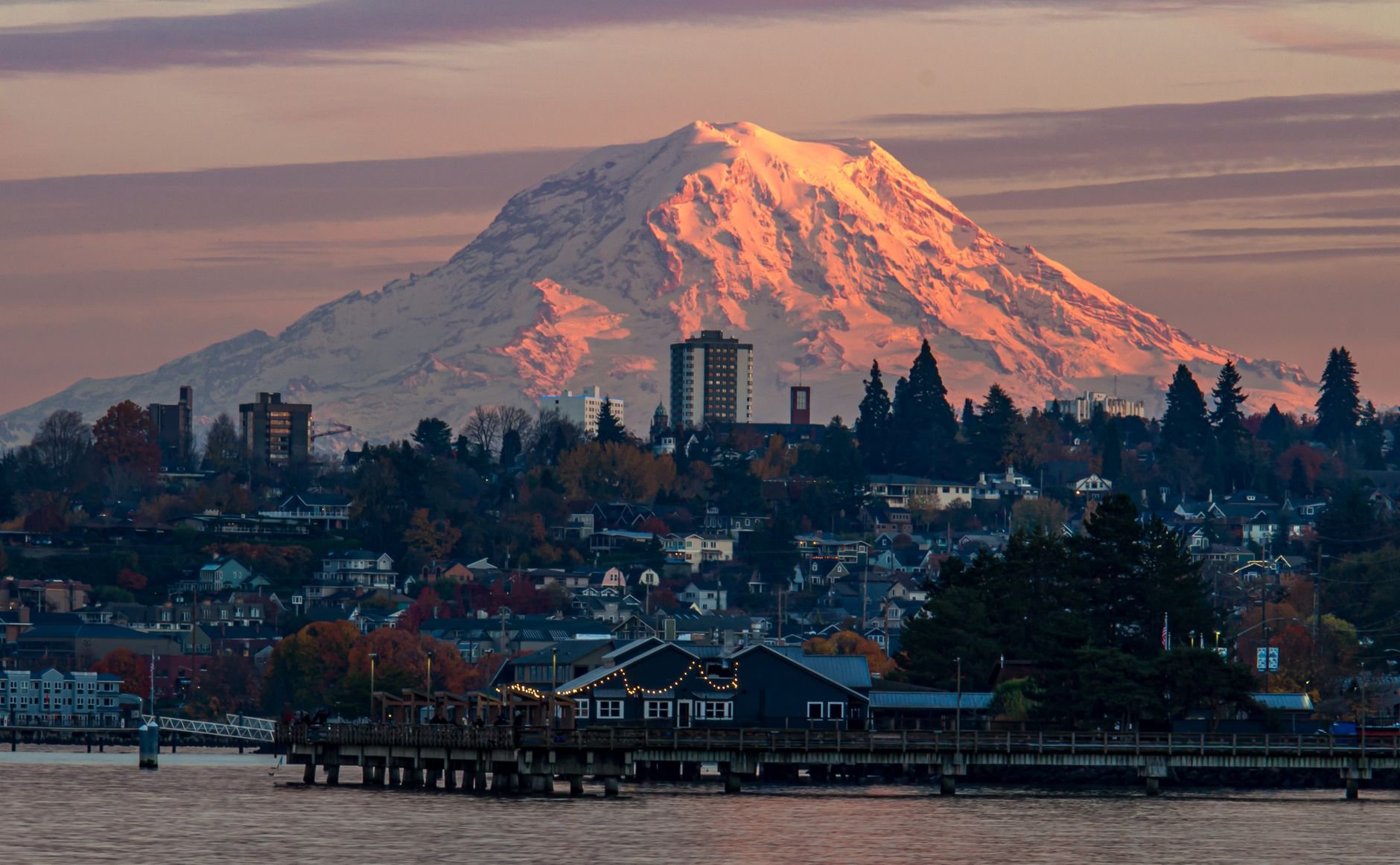
Tacoma is Washington State's second-largest city and one of the Pacific Northwest's most underrated urban destinations. Anchored by a working waterfront along Commencement Bay and backed by the dramatic silhouette of Mount Rainier, it offers travelers a compelling mix of industrial grit, cultural ambition, and natural proximity that sets it apart from its more famous neighbor to the north, Seattle.
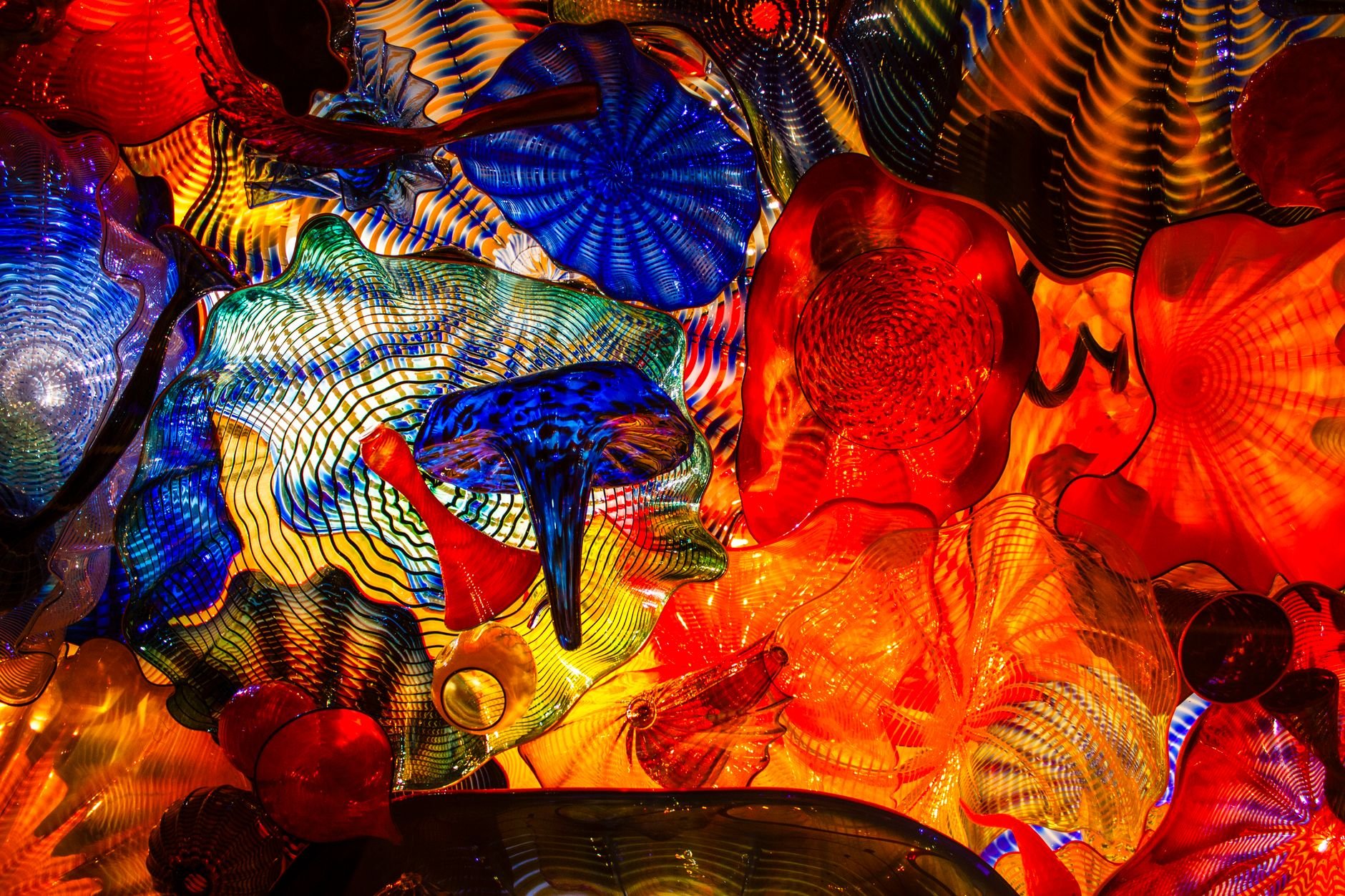
The city has staked a genuine claim as a global center for glass art. The Museum of Glass, connected to downtown by the spectacular Bridge of Glass designed by Dale Chihuly, draws collectors and curious visitors alike. Chihuly himself was born here, and his influence is woven into the city's identity in a way that feels earned rather than manufactured. The Washington State History Museum, one of the finest regional history institutions in the country, sits nearby on the same cultural campus.
Tacoma rewards travelers who appreciate authenticity. The Stadium District and Proctor neighborhoods are dense with independent restaurants, craft breweries, and vintage shops that reflect a creative class that chose Tacoma deliberately. Point Defiance Park, one of the largest urban parks in the United States, places old-growth forest, a working zoo and aquarium, and miles of saltwater shoreline within city limits.
The city appeals strongly to outdoor enthusiasts using it as a base for the broader South Sound region. Mount Rainier National Park is roughly 60 miles to the southeast, and the Olympic Peninsula is accessible via ferry from nearby Olympia. History travelers will find Fort Nisqually, a reconstructed Hudson's Bay Company trading post inside Point Defiance Park, a genuinely rare living-history experience on the West Coast.


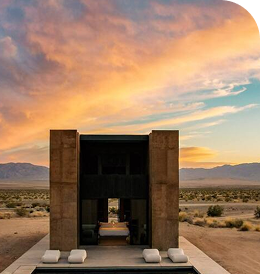

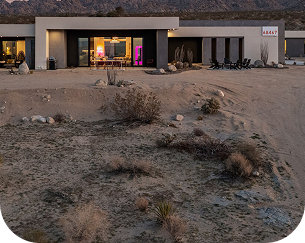

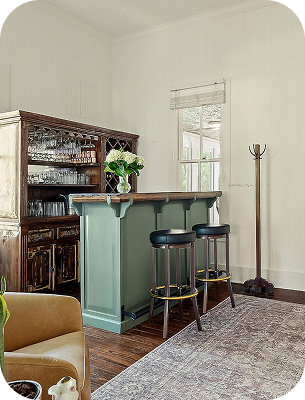

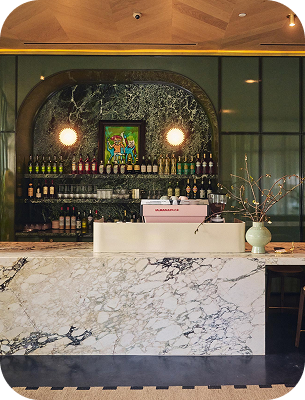

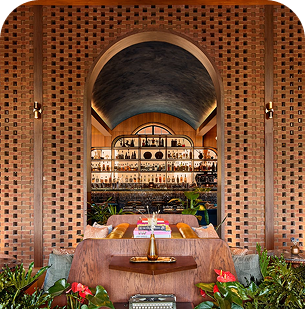

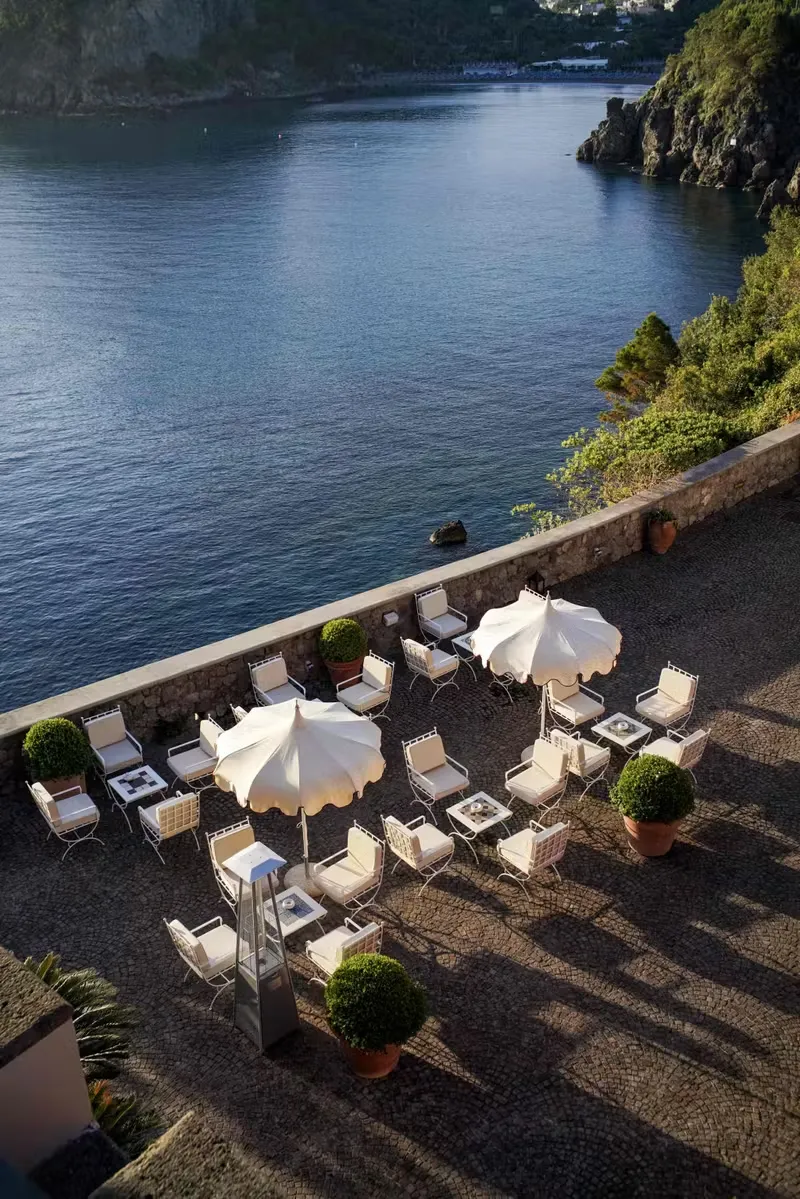

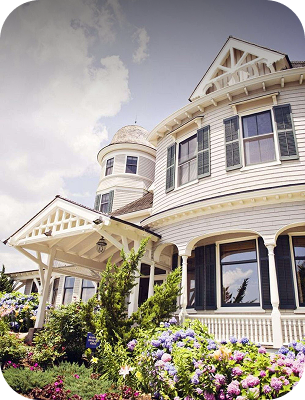

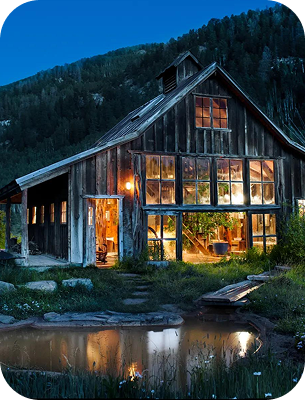

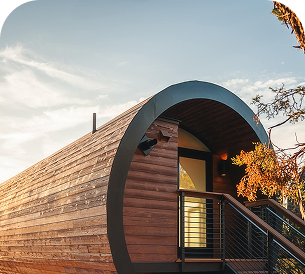

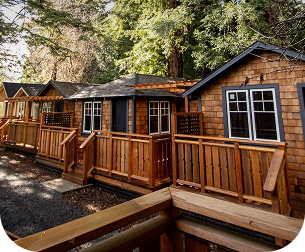

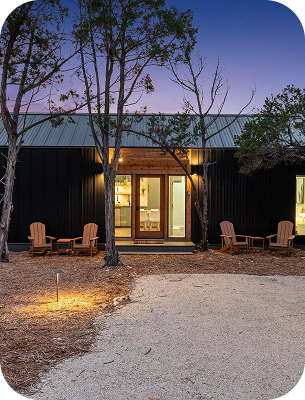

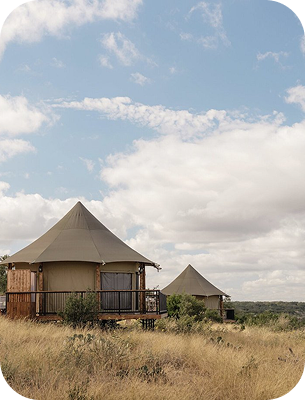




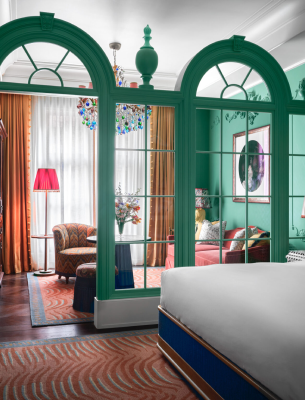
Journey connects travelers to a curated network of boutique hotels and distinctive residences around the world, all united under one rewards program. Explore handpicked stays for your trip while earning points, unlocking exclusive offers, and receiving rewards across the Journey collection.
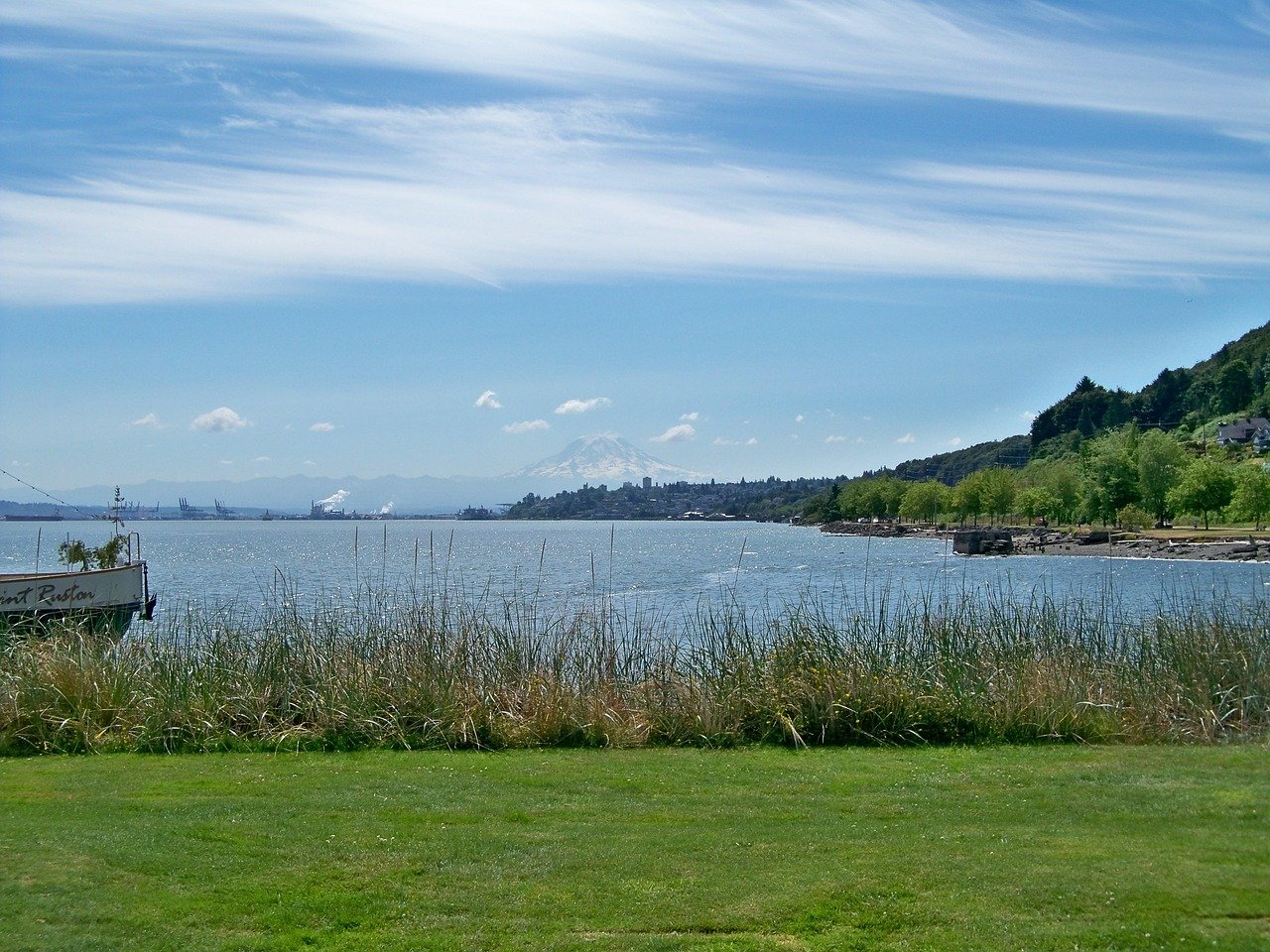
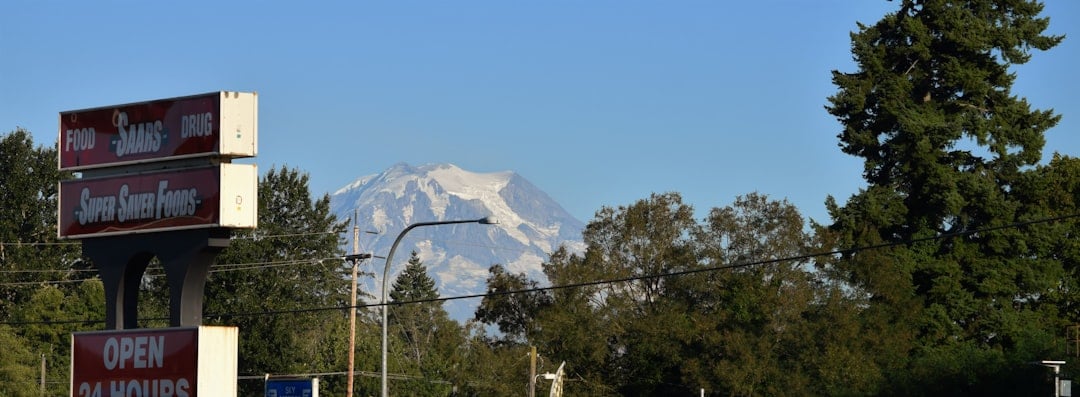
Tacoma occupies a dramatic position on the southern end of Puget Sound, where Commencement Bay curves into the city's working waterfront and the snow-capped cone of Mount Rainier dominates the southeastern horizon on clear days. The city sits roughly 32 miles south of Seattle and 30 miles north of Olympia, the state capital, placing it at the geographic and cultural heart of the South Sound corridor.
The city's origins are industrial. Tacoma was founded in 1875 as the western terminus of the Northern Pacific Railroad, and its deep-water port quickly made it one of the most important shipping hubs on the Pacific Coast. That port heritage is still alive today: the Port of Tacoma is among the largest container ports in North America, and the working waterfront gives the city a tangible sense of economic weight that many similarly sized American cities have lost. The industrial past left its mark on the built environment too, producing the ornate Union Station building, now a federal courthouse, and a downtown grid of brick warehouses that have been steadily converted into studios, galleries, and restaurants over the past two decades.
Culturally, Tacoma spent much of the late 20th century in Seattle's shadow, a position that paradoxically allowed a genuine local identity to take root. Artists, chefs, and entrepreneurs arrived drawn by affordable space and a community less crowded with outside expectations. The result is a city that feels confident in its own character. The Tacoma Art Museum, the Washington State History Museum, and the Museum of Glass form a cultural campus of genuine national significance, while neighborhoods like the Hilltop are undergoing careful revitalization that is bringing new energy without erasing older community ties.
For travelers, Tacoma functions both as a destination in its own right and as an exceptionally well-positioned base. The city's scale is human and navigable, its food and arts scenes are mature enough to sustain a multi-day visit, and the surrounding landscape, from the saltwater inlets of Puget Sound to the volcanic grandeur of Mount Rainier, is among the most spectacular in North America.
Tacoma's sweet spot for most travelers runs from late June through September, when the Pacific Northwest's famously dry summer weather settles in and outdoor possibilities expand dramatically. Point Defiance Park is at its most inviting, waterfront dining along Ruston Way draws steady crowds, and the views of Mount Rainier from across Commencement Bay are at their clearest and most photogenic. Summer also brings a full calendar of festivals, outdoor concerts, and waterfront events that give the city a lively, energetic character.
Visitors who want to experience Tacoma's cultural institutions without competing for space should consider a shoulder-season trip in May or early June. The Museum of Glass, the Washington State History Museum, and the Bridge of Glass are far less crowded than in peak summer, and the city's independent restaurant and brewery scene is just as active. Spring blooms across the Stadium District and Proctor neighborhoods add a scenic bonus.
September and October offer perhaps the most balanced experience: summer crowds thin noticeably after Labor Day, fall foliage begins to color Point Defiance Park, and the cultural calendar remains strong heading into autumn. This window is particularly appealing for travelers planning day trips to Mount Rainier, where the subalpine meadows turn gold and crimson and the summer visitor rush has passed.
Winter is the quietest season for tourism, which makes it the right choice for budget-conscious travelers and those who prefer uncrowded museums and galleries. The city's glass art venues and history museums are excellent cold-weather destinations, and the working waterfront retains its atmospheric character even under gray skies. Travelers planning to use Tacoma as a base for Mount Rainier should note that higher-elevation park roads typically close by November and reopen in late spring.
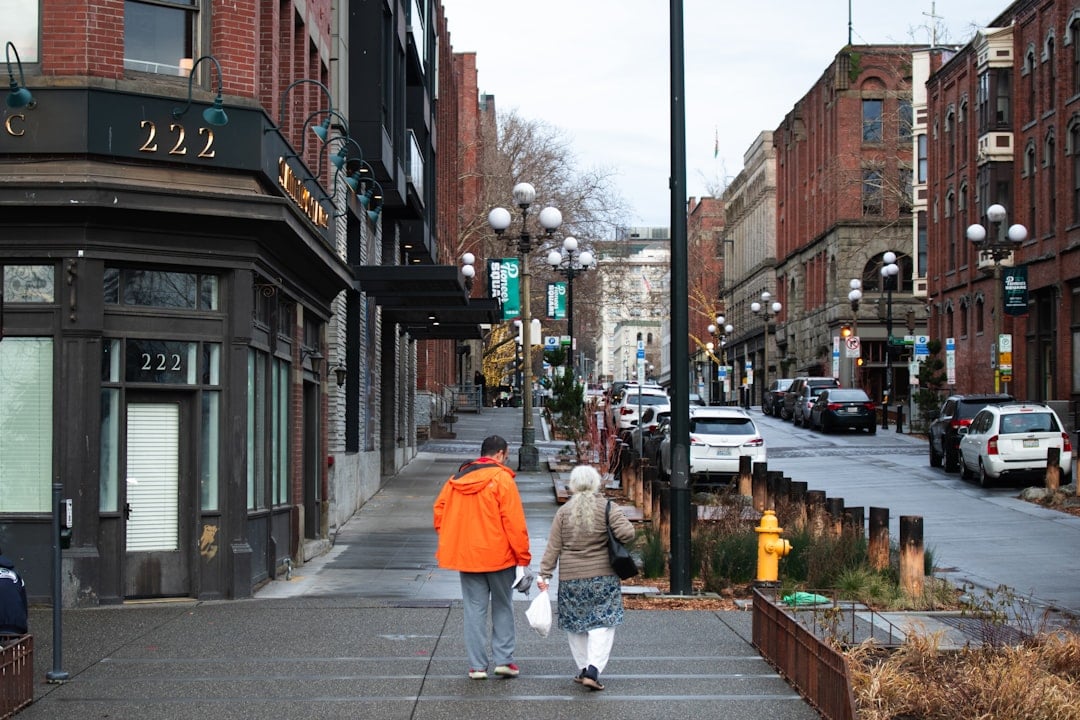
Tacoma's urban core is anchored by the Museum of Glass, the Bridge of Glass, and the Washington State History Museum, forming one of the most concentrated cultural campuses in the Pacific Northwest. The streets buzz with independent restaurants, coffee shops, and galleries that reflect the city's creative ambition. It is the natural starting point for any visit, with the working waterfront and Commencement Bay just steps away.
Named for the grand Stadium High School, a turreted chateau-style landmark perched above the city, this neighborhood blends historic architecture with a lively independent dining and bar scene. Antique shops, craft breweries, and boutique restaurants line the streets, drawing locals and visitors who appreciate a neighborhood with genuine character. The hillside setting offers sweeping views over the Puget Sound.
Proctor is Tacoma's most walkable neighborhood shopping corridor, a tree-lined stretch of small businesses, bookstores, farm-to-table cafes, and specialty food shops that feel genuinely community-rooted. It sits in the North End, close to Point Defiance Park, making it an ideal stop before or after a visit to the park's old-growth trails and waterfront. The low-key, residential atmosphere gives it an authenticity that larger commercial districts often lack.
More than a park, Point Defiance is a self-contained destination encompassing old-growth forest, saltwater beaches, a world-class zoo and aquarium, and the reconstructed Fort Nisqually living-history site. The surrounding neighborhood retains a quiet, wooded character with views across the Narrows to the Kitsap Peninsula. Visitors who base themselves here enjoy immediate access to some of the most dramatic urban nature anywhere on the West Coast.
Once overlooked, Hilltop has emerged as one of Tacoma's most talked-about neighborhoods, driven by a wave of community investment, murals, and a growing roster of chef-driven restaurants and independent businesses. The area's diversity is its defining strength, with a food scene that reflects a wide range of cultural influences. It sits just west of downtown and rewards travelers willing to explore beyond the obvious.
Tacoma is defined by two things above all else: glass art and the sea. Together they give the city an identity that is genuinely its own and impossible to replicate anywhere else.
The World Capital of Studio Glass
Dale Chihuly was born in Tacoma, and the city has built an extraordinary cultural identity around that fact. The Museum of Glass is a landmark institution featuring a working hot shop where visitors can watch artists create glass in real time. The Bridge of Glass, a pedestrian overpass designed by Chihuly himself, connects the museum to downtown with a corridor of large-scale glass installations that are breathtaking even by Pacific Northwest standards. Walking this bridge on a clear morning, with Mount Rainier visible in the distance, is one of the most singular experiences in any American city.
Fort Nisqually: A Living Piece of the Fur Trade West
Tucked inside Point Defiance Park, Fort Nisqually is a meticulously reconstructed Hudson's Bay Company trading post from the 1830s. Living-history interpreters in period dress bring the fur trade era to life in a way that is rare on the West Coast, where so few tangible remnants of that period survive. It is a deeply immersive experience for history travelers.
Mount Rainier as a Daily Presence
Tacomans have a particular relationship with Mount Rainier that visitors quickly absorb. The mountain dominates the eastern horizon on clear days with an almost surreal scale, and locals refer to days when it is visible simply as "the Mountain is out." Driving toward Rainier National Park from Tacoma, watching the volcano grow larger through the windshield, is a journey that builds genuine anticipation in a way few drives in the country can match.
These three experiences, glass art, living history, and volcanic landscape, are what travelers come to Tacoma specifically to find.
Tacoma offers travelers a rich and varied activity landscape rooted in Pacific Northwest culture, natural beauty, and a thriving independent creative scene.
Outdoor Recreation
Point Defiance Park is one of the largest urban parks in the United States, delivering old-growth forest trails, saltwater shoreline, and sweeping views of Puget Sound all within city limits. Commencement Bay draws kayakers, paddleboarders, and cyclists along its working waterfront, while the broader South Sound region opens up hiking, fishing, and wildlife watching opportunities year-round.
Cultural Attractions
Tacoma punches well above its weight culturally. The Museum of Glass and the Washington State History Museum anchor a compact cultural campus downtown, offering world-class collections that rival institutions in much larger cities. The Tacoma Art Museum rounds out the district with a strong focus on Pacific Northwest artists.
Arts and Entertainment
The city's arts scene is energetic and independent. The Pantages Theater and Rialto Theater host live performances ranging from Broadway touring productions to local theater. Tacoma's neighborhoods support a dense concentration of galleries, live music venues, and community arts spaces that reflect a genuinely creative local population.
Food and Dining
The Stadium District and Proctor neighborhoods are the heart of Tacoma's food culture, filled with independent restaurants, craft breweries, and coffee roasters. The city's proximity to Puget Sound means fresh seafood is a constant on menus, and a growing farm-to-table movement connects chefs directly with South Sound producers.
Scenic Exploration
The silhouette of Mount Rainier dominates the eastern skyline on clear days, and the mountain itself is roughly 60 miles away. Day trips to Mount Rainier National Park and the Olympic Peninsula via ferry make Tacoma an ideal base for exploring some of the most dramatic scenery in the Pacific Northwest.
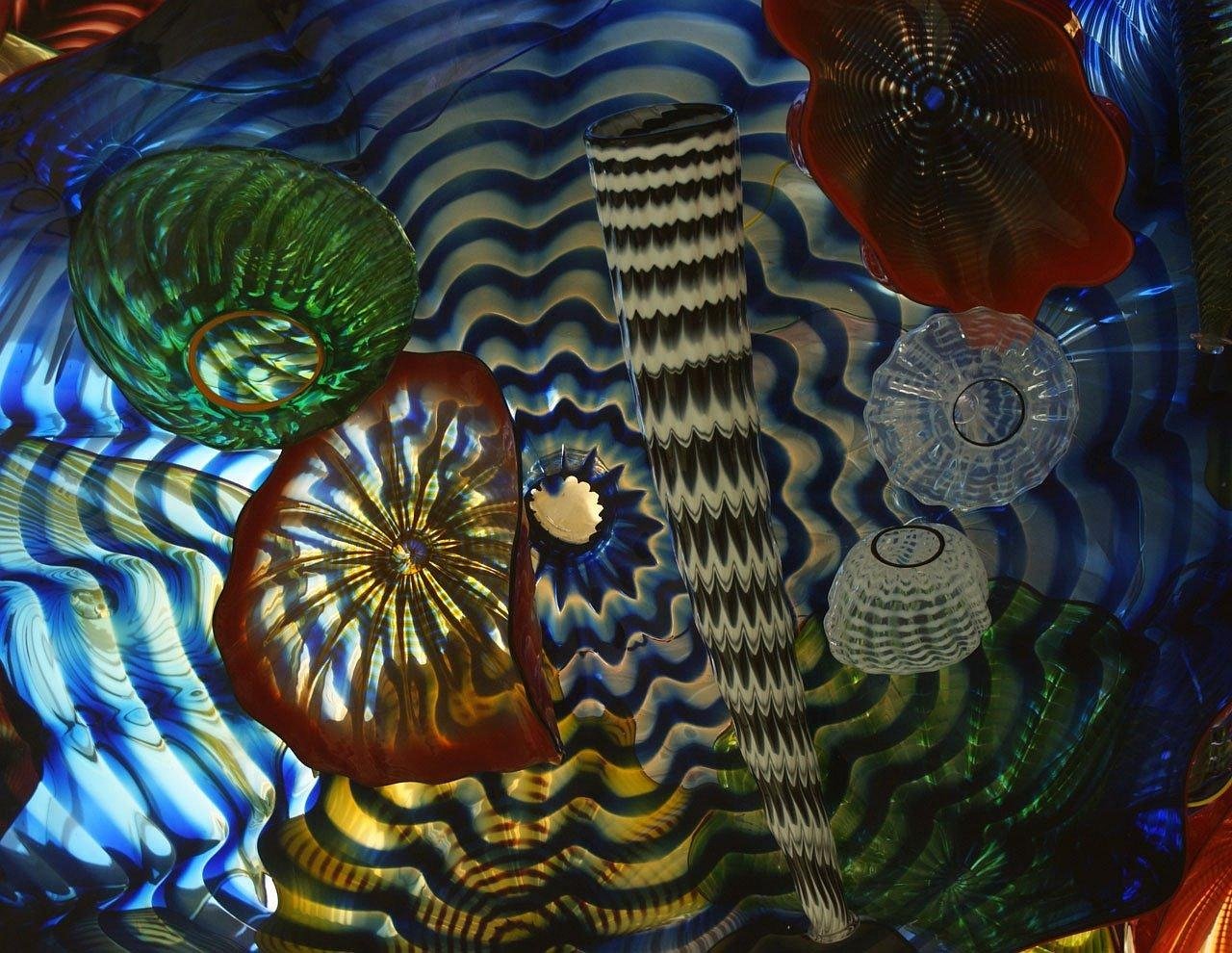
Start the morning at the Museum of Glass, then walk the iconic Bridge of Glass into downtown. Spend the afternoon exploring the Washington State History Museum and the surrounding cultural campus. In the evening, head to the Stadium District for dinner at one of its independent restaurants, then grab a craft beer at a local brewery before calling it a night.
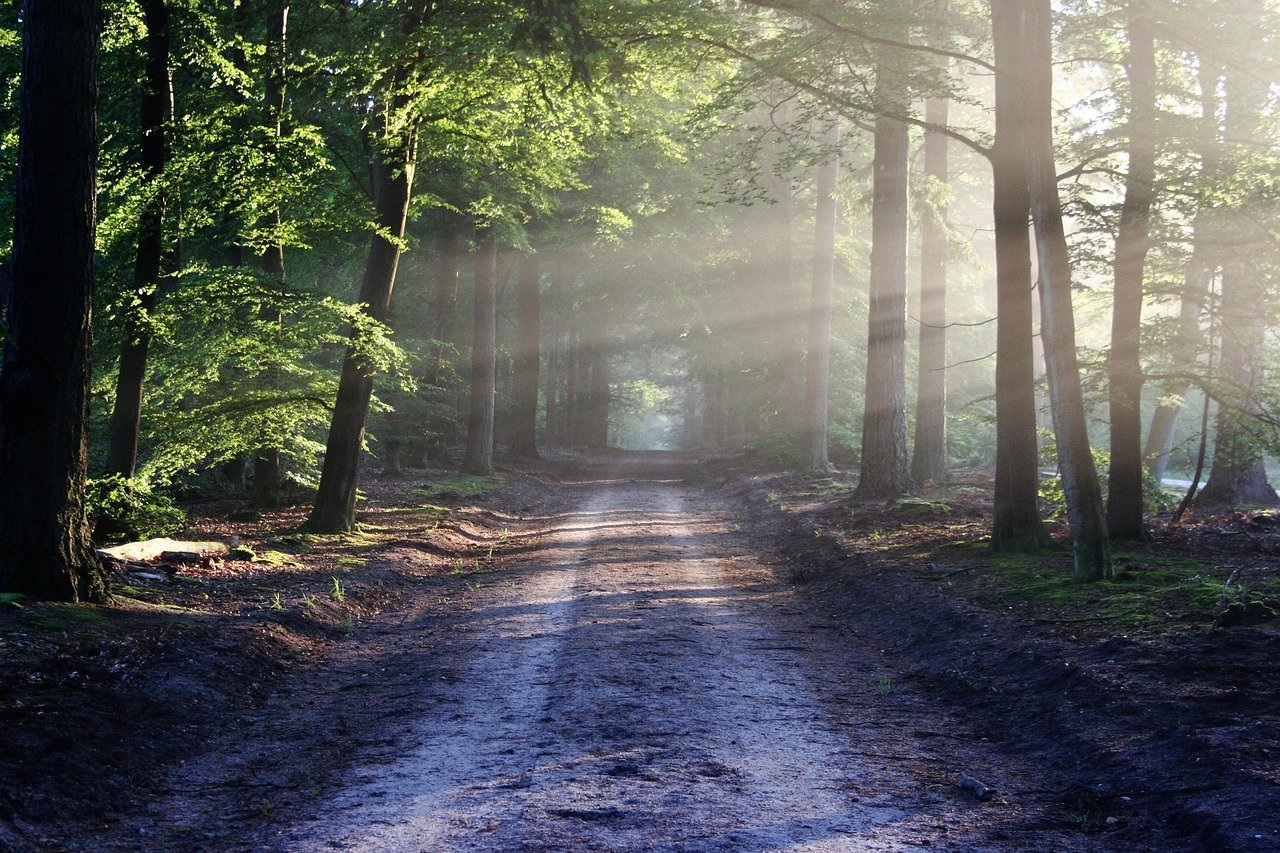
Dedicate the morning to Point Defiance Park: walk the old-growth forest trails along Five Mile Drive, then visit the Point Defiance Zoo and Aquarium. After lunch at the park, head to Fort Nisqually for a living-history experience inside the reconstructed Hudson's Bay Company trading post. End the evening with dinner and a stroll along Ruston Way waterfront overlooking Commencement Bay.
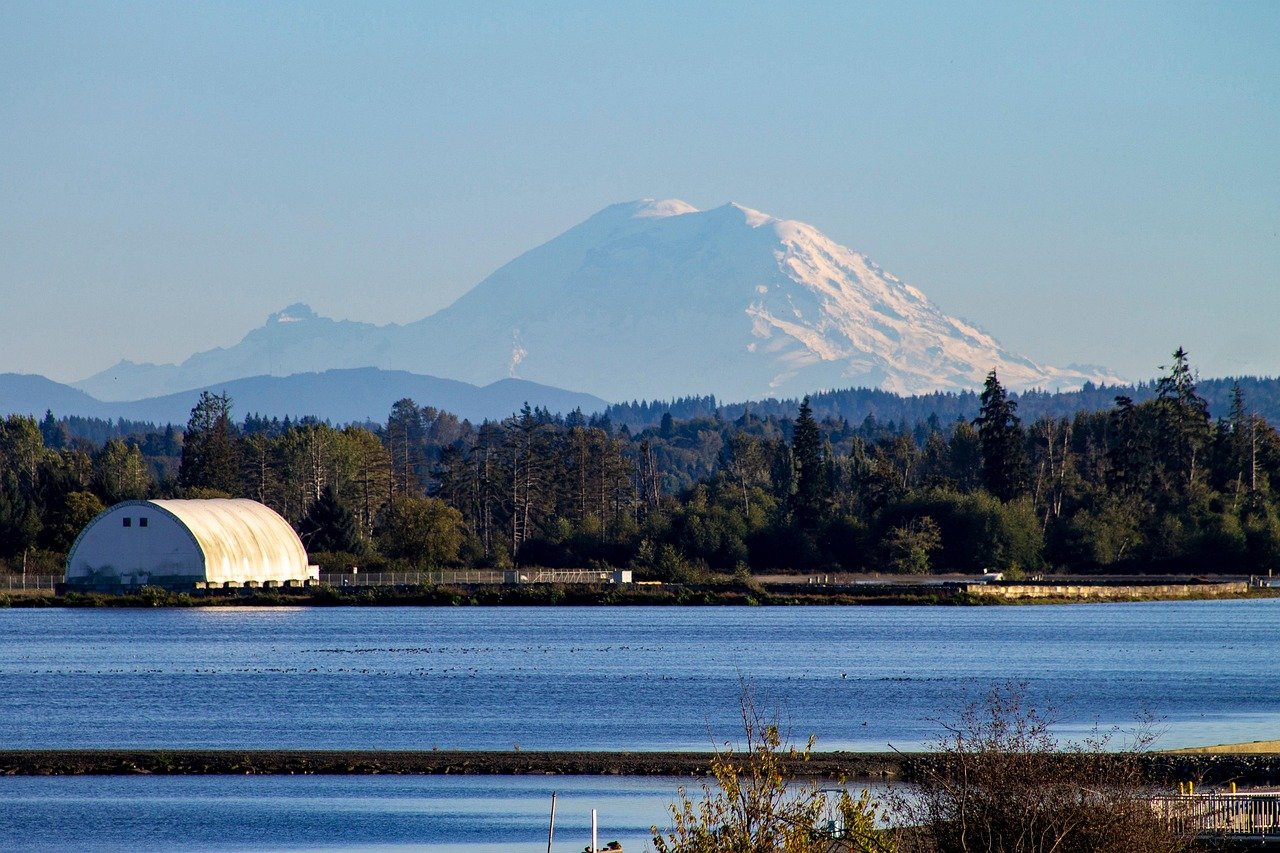
Spend the morning browsing the vintage shops and cafes of the Proctor neighborhood, a walkable stretch packed with local character. After lunch, make the 60-mile drive southeast to Mount Rainier National Park for afternoon hiking with views of the iconic summit. Return to Tacoma by early evening and wind down with a final meal at one of the Proctor or 6th Avenue dining spots.
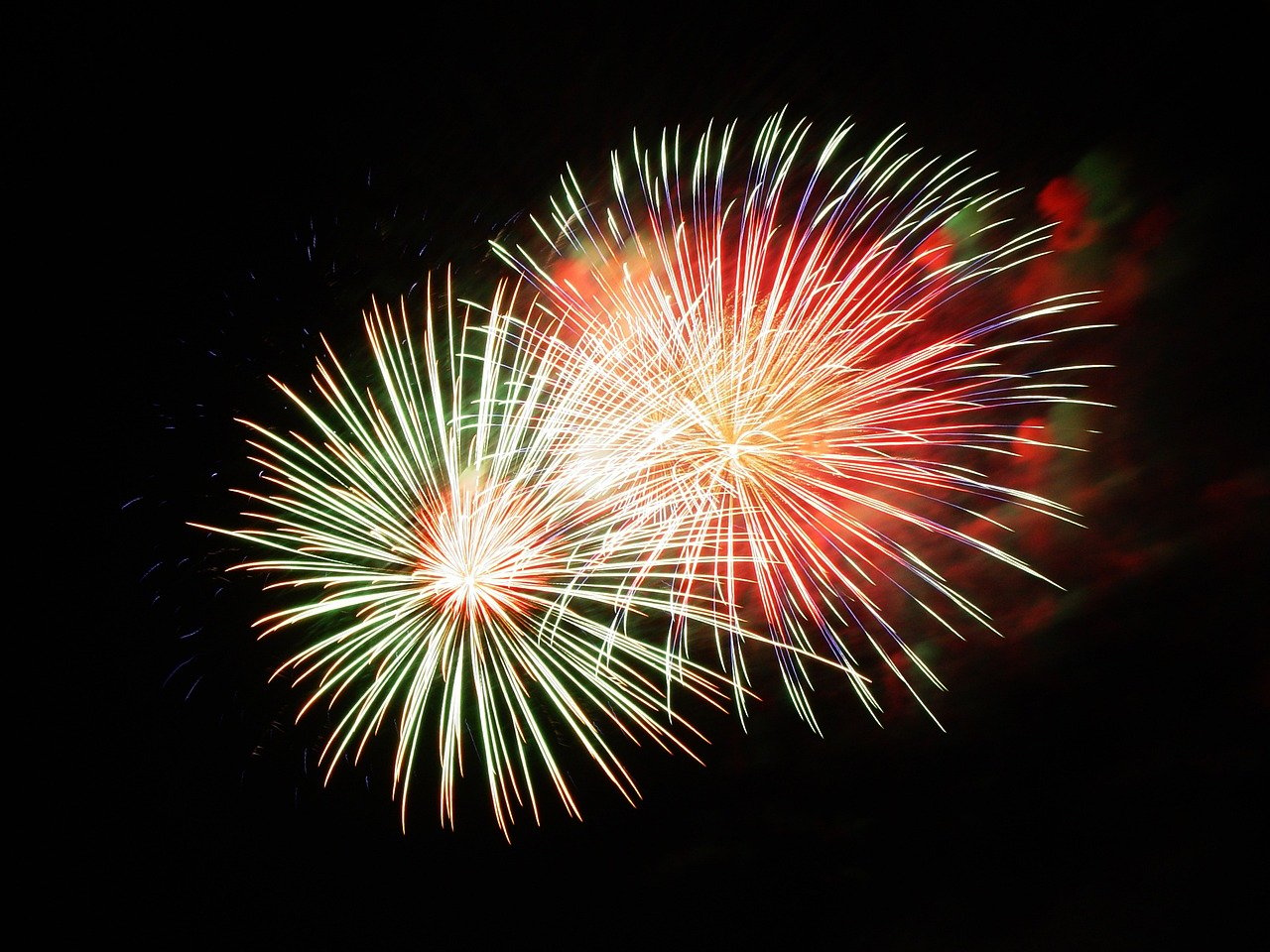
Tacoma's cultural calendar reflects the city's eclectic, community-driven spirit across every season. Spring opens with the Rainier Dragon Boat Festival, a celebration of Pacific Rim heritage that draws paddlers and spectators to the waterfront in a vivid display of teamwork and tradition. Summer brings Tacoma Pride Festival, a joyful affirmation of the city's inclusive identity that fills the streets with color and music. As the season deepens, the city's major venues pulse with a wide range of live music acts, from country headliners to K-pop world tours, underscoring Tacoma's role as a serious stop on the regional concert circuit. Fall arrives with the Tacoma Holiday Festival, a beloved community gathering that signals the shift into the cooler, cozier months and draws families from across the South Sound. Year-round, the city's neighborhoods host independent markets, gallery openings, and waterfront gatherings that reflect a creative class that chose Tacoma deliberately. Whether you are here for a headlining show at a major arena or stumbling into a neighborhood block party, the city's events feel rooted in place rather than imported for effect.

Aug 1, 2026

Aug 22, 2026

Sep 20, 2026
Oct 10, 2026
Oct 15, 2026 - Oct 18, 2026
Tacoma's dining scene reflects the city's blue-collar roots and creative reinvention in equal measure. The Pacific Northwest pantry drives everything here: Dungeness crab and oysters pulled from Puget Sound, salmon prepared in styles ranging from cedar-planked to cured, and produce from the fertile Puyallup Valley farms just inland. The waterfront and the Stadium and Proctor neighborhoods are the primary dining corridors, each offering a mix of casual neighborhood spots and more ambitious kitchens.
Seattle-Tacoma International Airport (SEA) is the primary arrival point for most visitors,
sitting roughly 20 miles north of downtown Tacoma, with rideshare, rental cars, and the ST Express 574 bus all offering connections to the city in 25 to 45 minutes depending on traffic.
Amtrak's Cascades and Coast Starlight routes stop at Tacoma Dome Station,
making train travel a comfortable option from Seattle (about 45 minutes) or Portland (about 3.5 hours), with the station sitting just southeast of downtown.
Drivers from Seattle take I-5 South for approximately 35 miles,
a straightforward route that typically takes 35 to 50 minutes, though peak-hour congestion through the Federal Way corridor can add significant time.
Sound Transit's Sounder commuter rail connects Tacoma Dome Station to Seattle's King Street Station on weekday schedules,
offering a stress-free, traffic-free alternative for travelers splitting time between the two cities, with the trip running about 55 minutes.
FlixBus and Greyhound both serve Tacoma with budget-friendly routes from Seattle and Portland,
dropping passengers near the Tacoma Dome area, which is a short rideshare ride from downtown and most major accommodations.
The Tacoma Link light rail, operated by Sound Transit, runs fare-free through downtown
connecting the Theater District to Tacoma Dome Station and offering a convenient, no-cost way to move between the cultural core and transit hubs.
The Museum of Glass, Bridge of Glass, and Washington State History Museum form a walkable cultural campus
in downtown Tacoma that most visitors can cover entirely on foot without needing a car or transit.
Point Defiance Park is about 4 miles from downtown and not easily walkable,
so plan to drive, rent a car, or use rideshare to reach the park, the zoo, and the Five Mile Drive loop.
Uber and Lyft operate reliably across central Tacoma and most neighborhoods,
making rideshare a practical option for evenings out in the Stadium District or Proctor without worrying about parking.
Street and garage parking downtown is generally available and affordable on non-event days,
but plan ahead if a Tacoma Dome event is scheduled during your visit, as traffic and parking congestion can affect the surrounding area significantly.
Tacoma's weather follows classic Pacific Northwest patterns: mild and rainy from October through April, with warm and relatively dry summers. Pack a waterproof layer regardless of season. The city operates on standard US tipping norms, with 18 to 20 percent expected at restaurants and for rideshare and service providers. Most businesses are card-friendly, but carrying a small amount of cash is useful at farmers markets and some food trucks. The Proctor Farmers Market runs on Saturdays and is worth building into a weekend itinerary. For navigation, Google Maps handles Tacoma well and includes Pierce Transit and Tacoma Link schedules. The Visit Tacoma website and the city's arts institutions publish event calendars worth checking before arrival. Tacoma is generally a safe city for travelers, though as with any urban destination, standard awareness in less-trafficked areas after dark is sensible. Cell coverage is strong throughout the city and surrounding areas.
Two to three days is enough to cover Tacoma's highlights comfortably. Day one works well for the Museum of Glass, the Bridge of Glass, and the waterfront. Day two suits Point Defiance Park and the Proctor or Stadium District neighborhoods. A third day opens up a day trip to Mount Rainier National Park, roughly 60 miles southeast.
Tacoma is best known as a global center for glass art. The Museum of Glass and the stunning Bridge of Glass, designed by Dale Chihuly who was born here, define the city's cultural identity. It is also known for Point Defiance Park, one of the largest urban parks in the United States, and its working waterfront along Commencement Bay with views of Mount Rainier.
Yes, Tacoma is an excellent weekend destination. Two days is enough to visit the Museum of Glass, walk the Bridge of Glass, explore Point Defiance Park, and eat and drink well in the Stadium District or Proctor neighborhood. It is also a practical base for a quick drive toward Mount Rainier if you want to extend beyond the city.
Tacoma is noticeably more affordable than Seattle. Hotels, restaurants, and activities tend to cost less, and many of the city's best experiences - Point Defiance Park, the Bridge of Glass, and the waterfront - are free or low cost. Museum admissions are reasonable. Budget travelers and mid-range visitors both find Tacoma an accessible destination in the Pacific Northwest.
Late spring through early fall, roughly May to September, offers the most reliable dry weather and the best conditions for exploring the waterfront and Point Defiance Park. Summer months bring the clearest views of Mount Rainier and the most outdoor activity options across the South Sound region.