
Baltimore, MD
A Journey guide to
Madison is one of America's most livable cities, built on a narrow isthmus between two glacial lakes, Mendota and Monona. It is simultaneously a state capital and a major Big Ten university town, which gives it an unusual dual energy: the gravitas of government and the restless creativity of a 50,000-student campus. That combination produces a city that punches well above its size in food, culture, and civic engagement.
The Dane County Farmers Market, held on the Capitol Square, is widely regarded as one of the finest in the United States. Local cheesemakers, organic vegetable farms, and artisan bakers ring the square every Saturday, drawing residents and visitors alike in a ritual that reflects the city's deep roots in Wisconsin's agricultural identity. Farm-to-table dining here is not a trend — it is simply how the city eats.
Madison rewards explorers on foot and by bike. The Capital City State Trail and a dense network of lakeside paths make it easy to move between neighborhoods without a car. State Street, the pedestrian corridor connecting the Capitol to the UW-Madison campus, is lined with independent shops, galleries, and restaurants that reflect the city's progressive, locally-minded character. The Willy Street neighborhood adds a bohemian counterpoint, with co-ops, vintage stores, and live music venues.
The city draws a broad range of travelers: academics and conference-goers drawn to UW-Madison, food lovers chasing the Midwest's most creative restaurant scene, and outdoor enthusiasts who come for the lakes, trails, and paddling. Madison also attracts visitors who simply want a well-run, walkable American city with genuine personality — a place where the farmers market is a civic institution and the lakefront belongs to everyone.















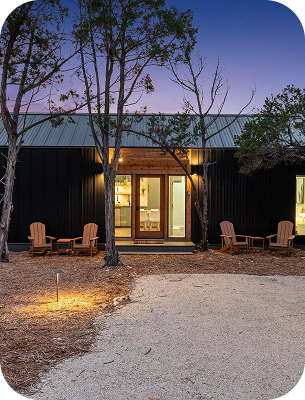

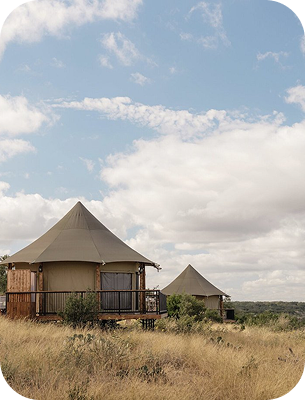



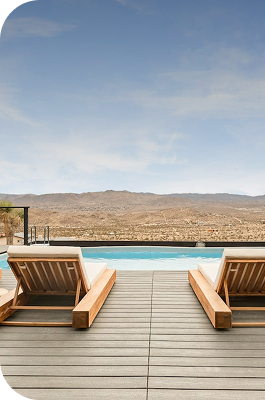

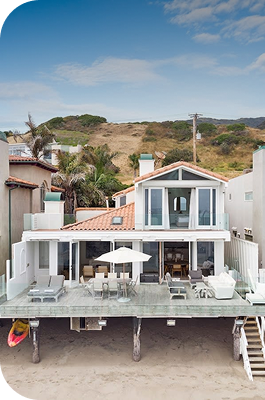

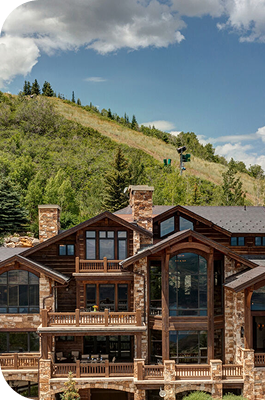

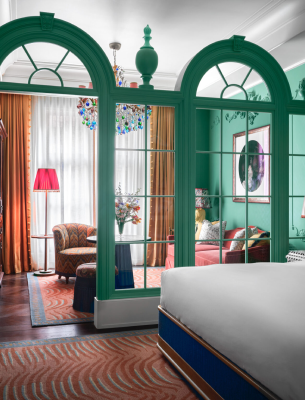

Journey connects travelers to a curated network of boutique hotels and distinctive residences around the world, all united under one rewards program. Explore handpicked stays for your trip while earning points, unlocking exclusive offers, and receiving rewards across the Journey collection.
Madison occupies one of the most distinctive geographic settings of any American city. Built on a narrow isthmus between Lake Mendota to the north and Lake Monona to the south, the city's physical form is inseparable from its character. Water is everywhere: visible from the Capitol dome, accessible from nearly every neighborhood, and central to daily life in a way that few landlocked Midwestern cities can claim.
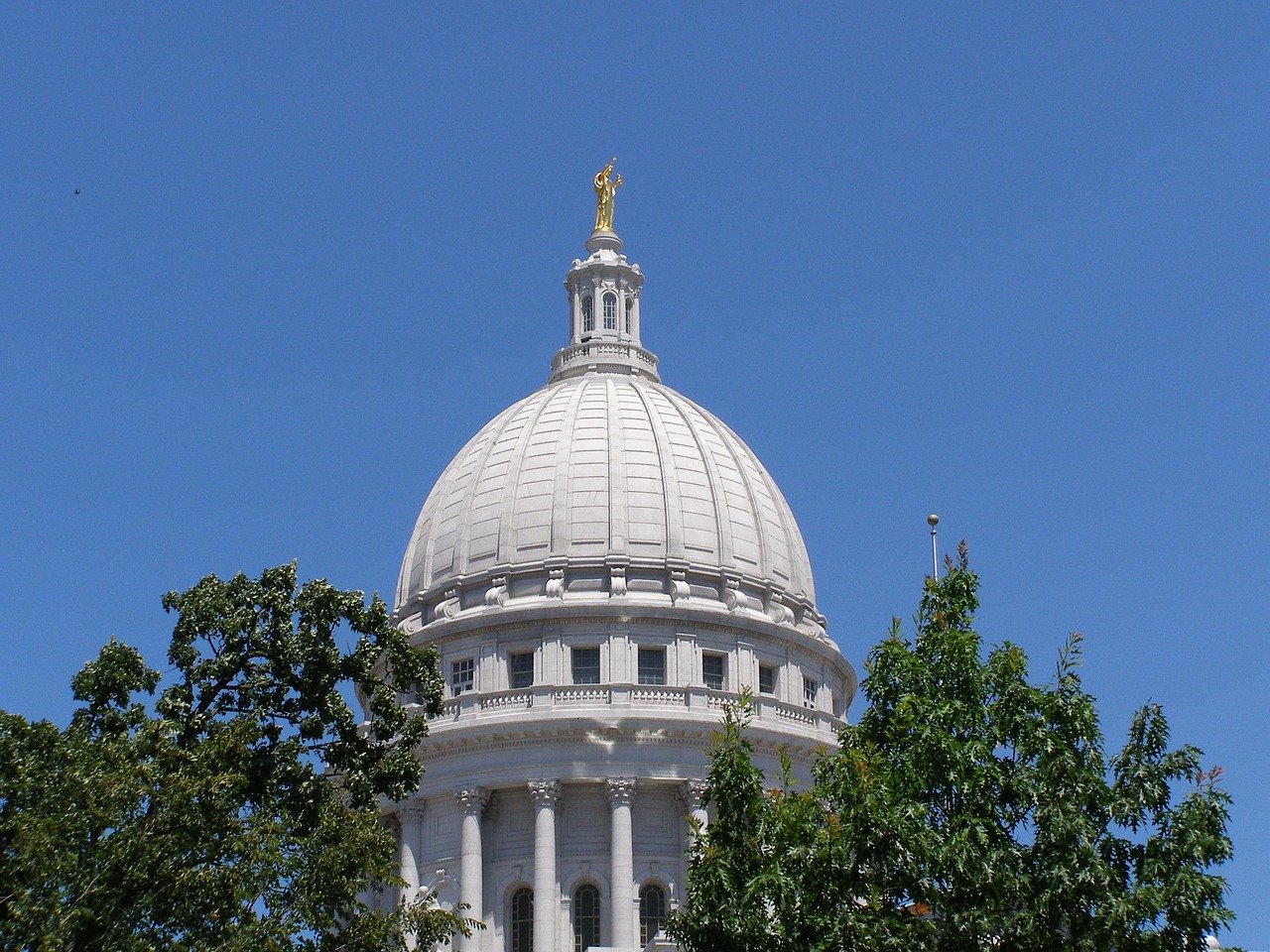
Founded in 1836 and chosen as the territorial capital before a single building had been constructed, Madison grew around the ambitions of its founders rather than around industry or trade. The Wisconsin State Capitol, completed in 1917, remains the dominant landmark — its dome, one of the largest in the country, rises above the isthmus and anchors the city's grid. The University of Wisconsin-Madison, chartered in 1848, grew alongside the city and has shaped its intellectual and political identity ever since. The two institutions — government and university — have defined Madison's personality for nearly two centuries.
Culturally, Madison sits at an interesting crossroads. It is a Midwestern city with a genuinely cosmopolitan food and arts scene, a progressive political tradition that coexists with the surrounding region's rural conservatism, and a civic culture that takes public space seriously. The lakefront is lined with free beaches, public boat launches, and the beloved Memorial Union Terrace, where generations of students and residents have gathered at the water's edge.
The city's neighborhoods each carry a distinct character. The Capitol Square area is polished and civic; the UW campus side is youthful and dense; the near east side, anchored by Williamson Street, is eclectic and community-oriented. Middleton and Fitchburg extend the metro area with quieter residential textures.
For travelers, Madison offers something increasingly rare: a mid-sized American city that is genuinely itself. It has not been homogenized by chain retail or mass tourism. Its identity is rooted in lakes, learning, local food, and a stubborn civic pride that makes it one of the Midwest's most compelling destinations.

Late spring and early fall are the sweet spots for visiting Madison, offering the best balance of outdoor access, cultural activity, and manageable crowds.
May and early June are ideal for first-time visitors. The Dane County Farmers Market returns to full swing on Capitol Square, the lakefront paths are uncrowded, and the city hums with end-of-semester energy from UW-Madison. Outdoor dining along State Street and the Willy Street corridor comes alive, and Memorial Union Terrace — one of the great outdoor gathering spots in the Midwest — opens for the season. Crowds are lighter than in peak summer, and you can explore the isthmus at a relaxed pace.
Summer draws the largest crowds, particularly in July and August when the city hosts outdoor concerts, festivals, and events on the lakefront. The Terrace is packed on weekends, and accommodations book up quickly around major university events and state government sessions. Visitors who plan ahead and embrace the festive atmosphere will find summer rewarding, but spontaneous trips can be tricky.
Early fall — September through mid-October — rivals late spring as the best time to visit. The university is back in session, which energizes the restaurant and arts scene, and the UW-Madison Arboretum and lakeside trails are stunning as foliage peaks. Farmers Market Saturdays remain a highlight through late October. Football Saturdays bring enormous crowds to Camp Randall Stadium, which is either a draw or a deterrent depending on your travel style.
Winter is best suited to visitors with a specific purpose — a conference, a hockey game at the Kohl Center, or a taste of a genuine Wisconsin winter. The city does not shut down, but outdoor access is limited and the campus atmosphere quiets considerably between semesters.
The civic heart of Madison, Capitol Square is anchored by the gleaming Wisconsin State Capitol dome and surrounded by a walkable ring of restaurants, cafes, and boutiques. It is home to the legendary Dane County Farmers Market every Saturday, drawing locals and visitors into one of the finest open-air markets in the country. The area pulses with political energy and community life year-round.
A car-free pedestrian corridor stretching from the Capitol steps to the edge of the UW-Madison campus, State Street is the city's most vibrant public thoroughfare. Independent shops, ethnic restaurants, galleries, and live music venues line both sides, giving the street a creative, eclectic energy that reflects Madison's progressive character. It is the place where students, locals, and visitors all share the same sidewalk.
East of downtown, Williamson Street - known affectionately as Willy Street - is Madison's most bohemian neighborhood, lined with co-ops, vintage clothing stores, craft breweries, and independent music venues. The area has a relaxed, community-first ethos rooted in decades of progressive neighborhood organizing. It is the best place in the city to experience Madison's counterculture side and its commitment to local, independent business.
Hugging the southern shore of Lake Mendota, the UW-Madison campus and adjacent Langdon Street neighborhood offer a stunning combination of collegiate architecture, lakefront parkland, and youthful energy. The Memorial Union Terrace is one of the great outdoor gathering spots in the Midwest, where Adirondack chairs face the water and live music fills summer evenings. Langdon Street itself is lined with historic fraternity and sorority houses and easy walking distance to campus museums.
On Madison's near west side, Monroe Street is a refined, tree-lined neighborhood corridor beloved by longtime residents for its independent bookshops, specialty food stores, and neighborhood restaurants. Less touristy than State Street but equally rewarding, it offers a glimpse into the everyday fabric of Madison life. The street sits near Edgewood College and is an easy walk from the lakefront paths along Lake Wingra.

Madison has a handful of experiences so deeply tied to the city's identity that they define what it means to visit — and they are unlike what you will find anywhere else.
The Dane County Farmers Market
Held every Saturday morning on the Capitol Square from spring through fall, the Dane County Farmers Market is widely considered one of the best in the United States. Hundreds of vendors — Wisconsin cheesemakers, organic vegetable farms, artisan bakers, flower growers — ring the entire square in a procession that is as much civic ritual as shopping trip. Walking the square with a cheese curd in hand, the gilded Capitol dome overhead, is a quintessential Madison moment.
The Memorial Union Terrace
Few places in American college life are as iconic as the UW-Madison Memorial Union Terrace. Generations of students, faculty, and visitors have gathered on these lakeside chairs — painted in signature sunburst colors — to watch the sun set over Lake Mendota with a locally brewed beer or a scoop of Babcock Hall dairy ice cream. The Terrace hosts free live music throughout the warmer months, making it a gathering place that belongs to the whole city.
Isthmus Exploration by Bike
Madison's narrow isthmus geography creates a cycling experience that is genuinely rare: you can pedal from one lake to the other in minutes, passing the Capitol, the farmers market, and the university along the way. The city's bike infrastructure is among the best in the Midwest, and exploring Madison by bicycle — along the lakeshore paths, through the neighborhoods, out to Picnic Point — is the way locals actually live here and the way visitors most vividly experience it.
These three experiences — the farmers market, the Terrace, and the isthmus by bike — are the soul of Madison travel.
Madison, Wisconsin offers a rich variety of activities that take full advantage of its unique isthmus setting, vibrant university culture, and thriving local food scene.
Outdoor Recreation
Madison's geography is its greatest asset. The city sits between Lakes Mendota and Monona, giving visitors easy access to kayaking, paddleboarding, sailing, and swimming. The Capital City State Trail and an extensive network of lakeside paths are ideal for cycling and running, while Picnic Point — a wooded peninsula jutting into Lake Mendota — is a beloved spot for hiking and quiet reflection. In winter, the lakes freeze for ice fishing and skating.
Cultural Attractions
The Wisconsin State Capitol, one of the most architecturally impressive statehouses in the country, anchors the city's center and offers free tours. The University of Wisconsin-Madison campus adds a wealth of cultural resources, including the Chazen Museum of Art, the Wisconsin Historical Museum, and the Geology Museum, all free to the public.
Arts and Entertainment
Madison has a lively performing arts scene anchored by the Overture Center for the Arts, which hosts theater, opera, dance, and live music. The Memorial Union Terrace on the UW-Madison lakefront is a legendary outdoor gathering space with live music, cold drinks, and sweeping views of Lake Mendota. Local music venues and independent cinemas add further depth to the city's entertainment calendar.
Food and Dining
Madison's restaurant scene is among the Midwest's most creative, fueled by proximity to exceptional local farms and producers. State Street and the surrounding Capitol Square neighborhood are dense with independent restaurants, cafes, and bars. The Willy Street neighborhood offers a more eclectic, community-driven dining experience.
Highlights include:
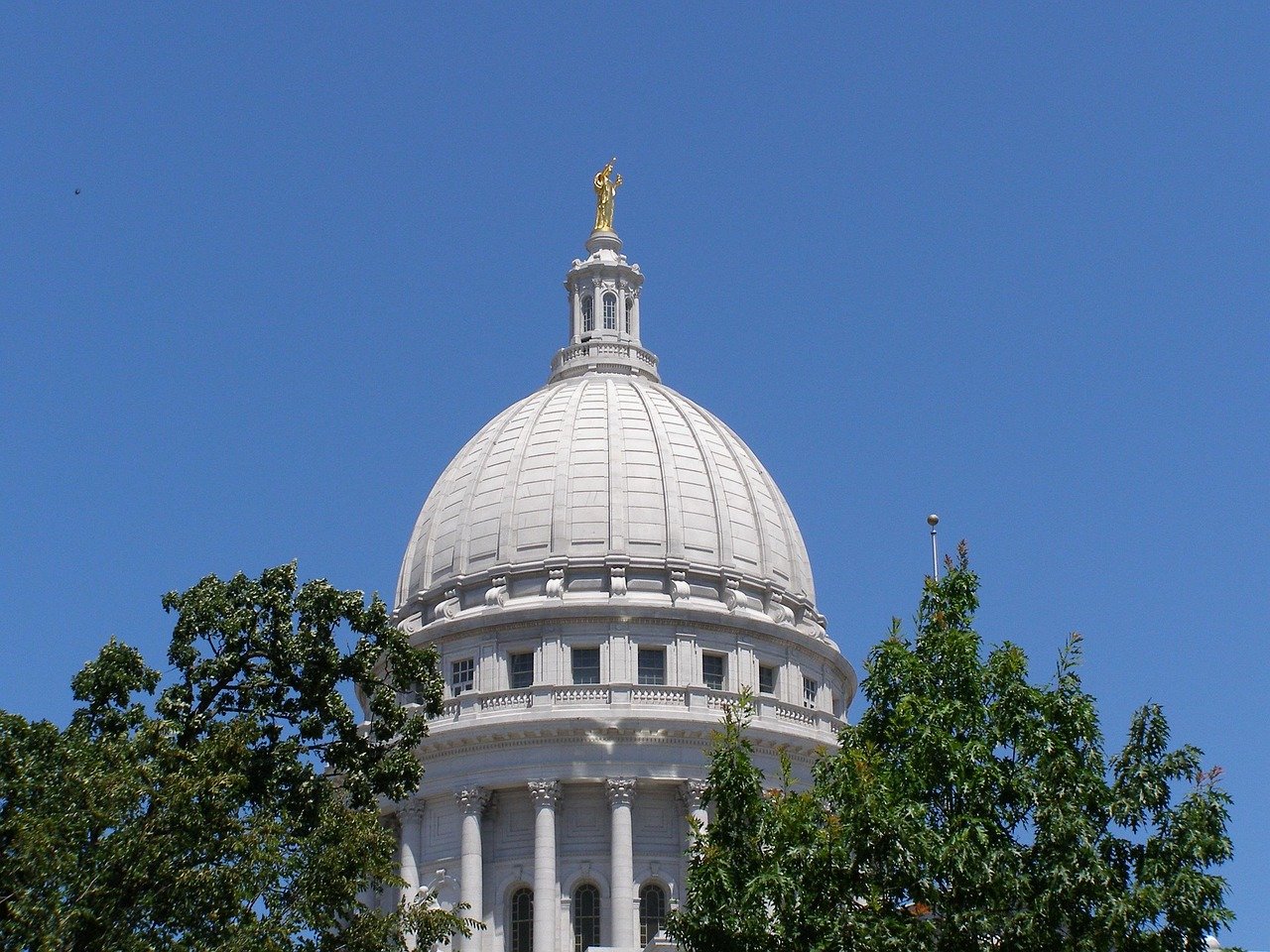
Start your morning at the Dane County Farmers Market circling the Capitol Square — grab fresh cheese curds and a pastry from local vendors. Spend the afternoon strolling State Street, popping into independent shops and galleries on your way to the UW-Madison campus. In the evening, settle into a farm-to-table dinner on State Street before catching the sunset over Lake Mendota from Memorial Union Terrace.
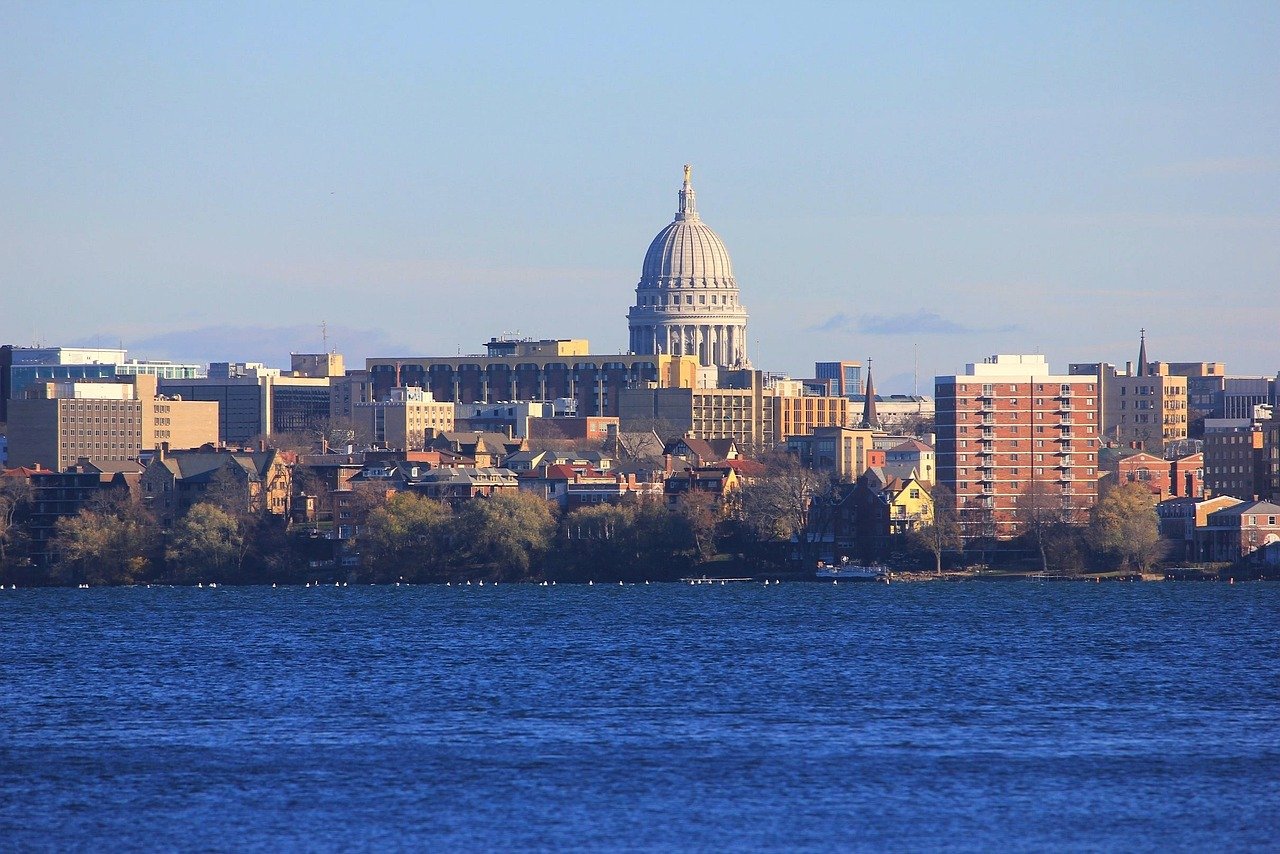
Rent a kayak or paddleboard in the morning and explore Lake Monona from the water, taking in the city skyline from the shore. After lunch, ride the Capital City State Trail along the lakefront toward Olbrich Botanical Gardens for a peaceful afternoon stroll. Head to the Willy Street neighborhood at dusk for dinner at a neighborhood co-op cafe and live music at a local venue.
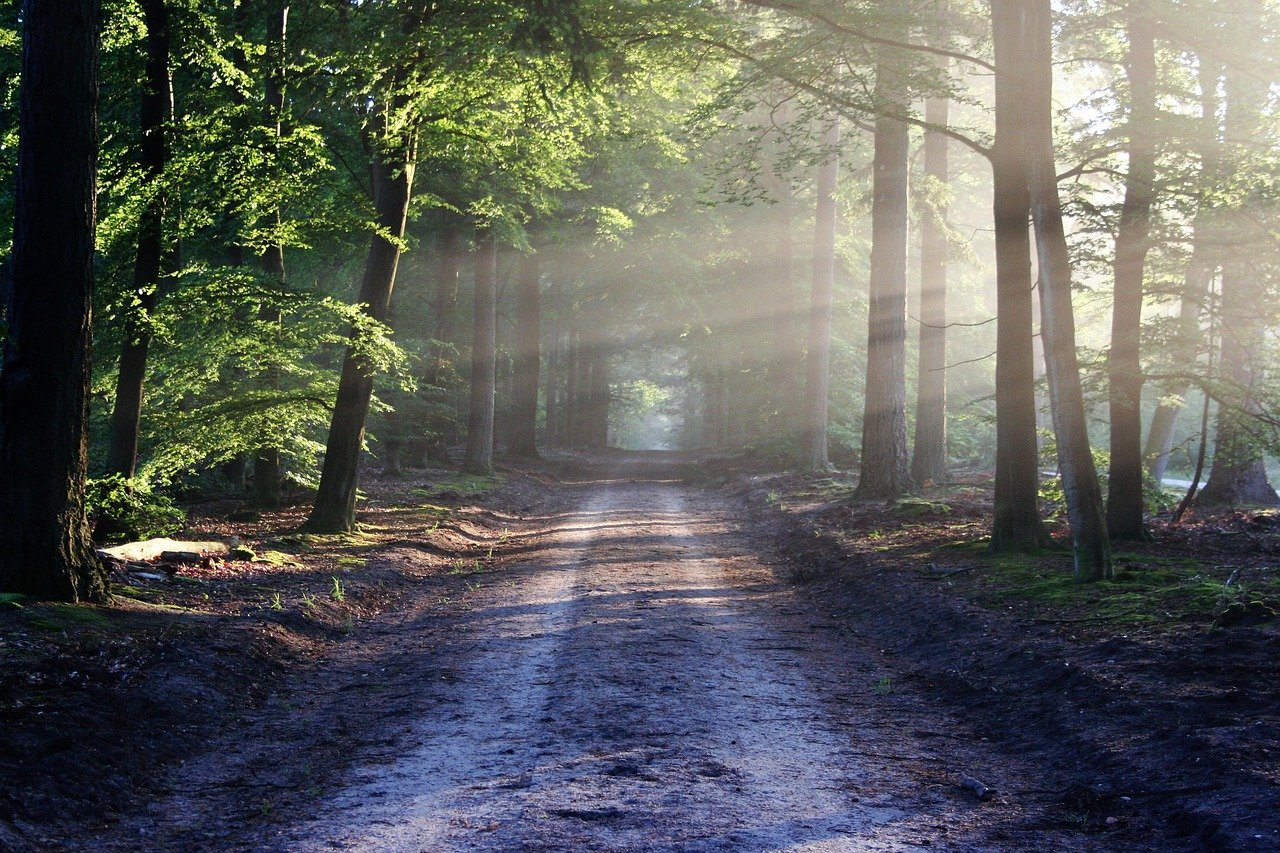
Spend your final morning exploring the Chazen Museum of Art on the UW-Madison campus, one of the largest university art museums in the country and free to visit. Grab lunch at a cafe along Monroe Street and browse the neighborhood's bookshops and boutiques. Close out the trip with a leisurely bike ride along the Lakeshore Path on Lake Mendota, ending with dinner at a lakeside restaurant in the Shorewood Hills area.
Madison, Wisconsin pulses with a distinct cultural rhythm shaped by its university roots, agricultural heritage, and progressive civic spirit. Spring brings renewed energy to the lakefront paths and farmers market, which resumes its full force on the Capitol Square as a beloved Saturday ritual. Summer is the city's peak season, when outdoor festivals take over parks and plazas, neighbors gather for live music, and the lakes draw paddlers, swimmers, and picnickers. The energy is communal and unpretentious, rooted in a genuine love of local food, art, and togetherness. Fall shifts the mood toward intellectual pursuits and harvest celebrations, with the university calendar in full swing and the surrounding countryside turning brilliant color. Even winter carries its own quiet charm, with indoor cultural events and the city's resilient community spirit keeping things lively through the cold months.
Madison's food scene is rooted in its agricultural surroundings and amplified by the creative energy of a major university city. The Dane County Farmers Market, held every Saturday around the Capitol Square, is one of the most celebrated markets in the United States. Local cheesemakers, organic vegetable farms, and artisan bakers fill the square, making it the beating heart of Madison's farm-to-table identity. This is not a trend here: it is simply how the city eats, and it shapes every layer of the dining scene.
Dane County Regional Airport (MSN) is the closest and most convenient arrival point,
located about five miles from downtown Madison, with rideshare, taxis, and rental cars all available at the terminal.
Driving from Chicago via I-90/I-39 North takes approximately two and a half hours,
making a road trip a popular and easy option for Midwest travelers, with minimal toll costs along the route.
Driving from Milwaukee via I-94 West to I-39 North covers about 80 miles,
typically taking just over an hour and offering a straightforward connection from Mitchell International Airport (MKE) for travelers with more flight options.
Greyhound and FlixBus both operate routes into Madison from Chicago and Milwaukee,
with fares often under $30 and drop-off near the downtown core, making them a budget-friendly option if you plan to get around on foot or by bike.
Amtrak's Empire Builder stops in Columbus and Portage but bypasses Madison entirely,
so rail travelers will need to arrange a connecting shuttle or rental car for the final 40-60 miles into the city.

State Street, the pedestrian corridor between the Capitol and UW-Madison campus,
is closed to most vehicle traffic and is best explored entirely on foot, with shops, cafes, and galleries lining both sides.
Madison BCycle, the city's bike-share program,
offers affordable short-term rentals at stations across the isthmus and is one of the most practical ways to move between the Capitol Square, the lakefront, and the Willy Street neighborhood.
The Capital City State Trail and the lakeside paths along Lakes Mendota and Monona
form a connected network that lets cyclists and walkers travel between major areas without touching a major road, making a bike the most enjoyable way to see the city.
Madison Metro Transit buses cover most of the city,
but service thins out significantly on evenings and weekends, so rideshare via Uber or Lyft is a more reliable fallback for off-peak trips.
Parking near the Capitol Square is limited and fills quickly on Saturday mornings during the Dane County Farmers Market,
so arriving by bike, rideshare, or bus is strongly recommended if your visit overlaps with the market.
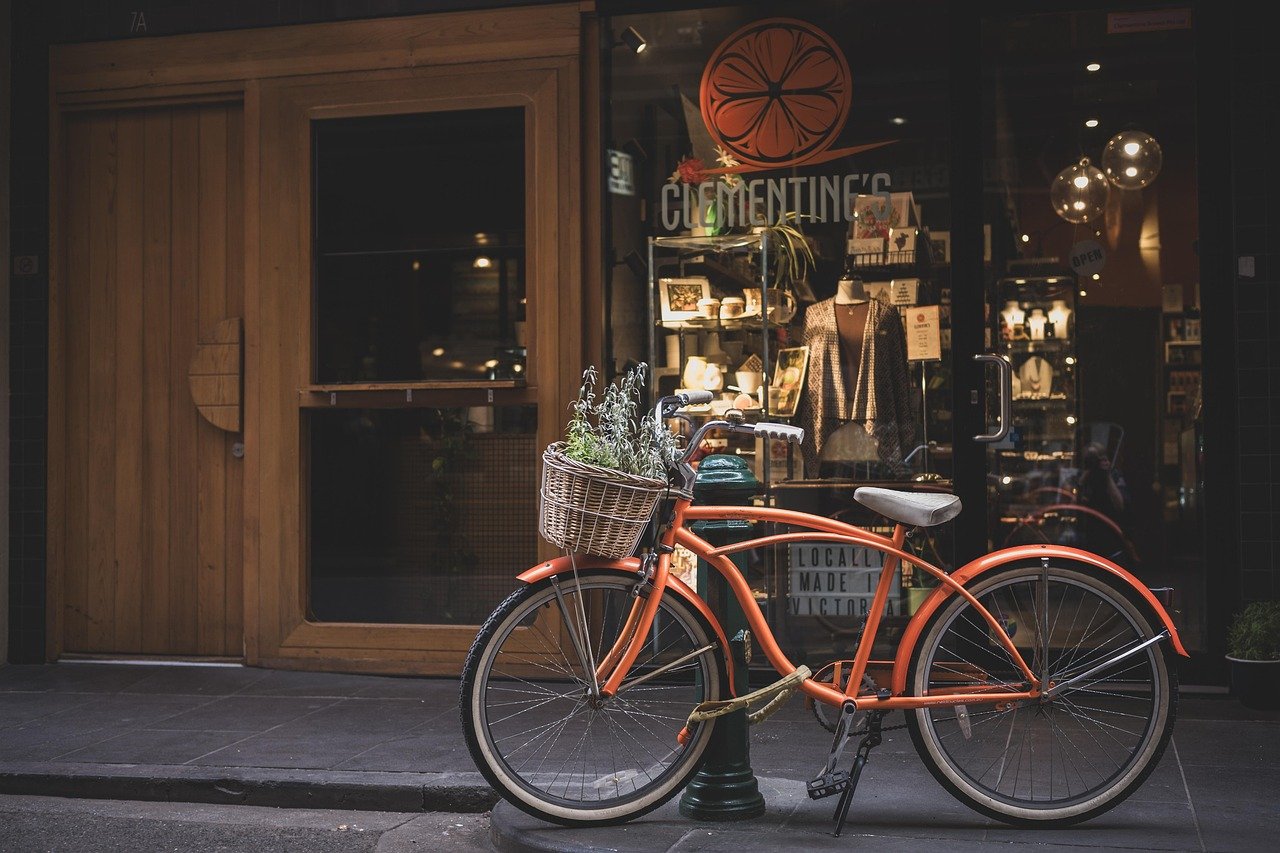
Madison is a generally safe, walkable city, but a few practical notes will help your visit go smoothly. The Dane County Farmers Market runs Saturdays from late April through early November, and arriving by 8 a.m. gives you the best selection before crowds peak. Tipping follows standard U.S. norms: 18-20% at restaurants and for rideshare drivers. Most businesses are cashless or card-preferred, though some market vendors are cash-only, so carry a small amount. Download the Madison BCycle app before you arrive if you plan to use bike-share. Cell coverage is strong throughout the city. Summers are warm and humid, with afternoon thunderstorms common from June through August, so pack a light rain layer. Winters are genuinely cold, with temperatures regularly below freezing from December through February. During Badgers home football games, expect significant crowds and higher accommodation prices across the city.
Two to three days is enough to experience Madison's highlights. Spend a day exploring State Street, the Capitol Square, and the Dane County Farmers Market. Use a second day for the lakefront trails and UW-Madison campus. A third day lets you dig into the restaurant scene and neighborhoods like Willy Street at a relaxed pace.
Madison is best known for being both a state capital and a Big Ten university city, home to UW-Madison. It is famous for the Dane County Farmers Market, one of the largest and most celebrated in the U.S., its scenic isthmus location between Lakes Mendota and Monona, and a thriving farm-to-table food and craft culture.
Yes, Madison is an excellent weekend destination. Two days is enough to walk State Street, catch the Saturday farmers market on Capitol Square, explore the lakeside trails, and enjoy the local dining scene. It is within driving distance of Chicago, Minneapolis, and Milwaukee, making it an easy and rewarding short getaway.
Madison is moderately priced compared to major U.S. cities. Hotels near the Capitol or campus can be pricier, especially during university events or legislative sessions. Food costs are reasonable, with many affordable dining options along State Street. The farmers market, lakefront paths, and most outdoor attractions are free, making it easy to manage your budget.
Late spring through early fall, roughly May to October, is the best time to visit Madison. Summers are warm and ideal for lakefront activities, biking, and the Saturday farmers market, while fall brings vibrant foliage and a lively campus atmosphere.