
Baltimore, MD
A Journey guide to
Milwaukee is a city that defies easy categorization. Perched on the western shore of Lake Michigan, it blends a proud industrial past with a creative, forward-looking present. It is the birthplace of American lager culture, home to a craft brewing scene that has evolved well beyond its storied legacy brands. Harley-Davidson was born here, and that spirit of American craftsmanship runs through the city's DNA in ways that are still palpable on every block.
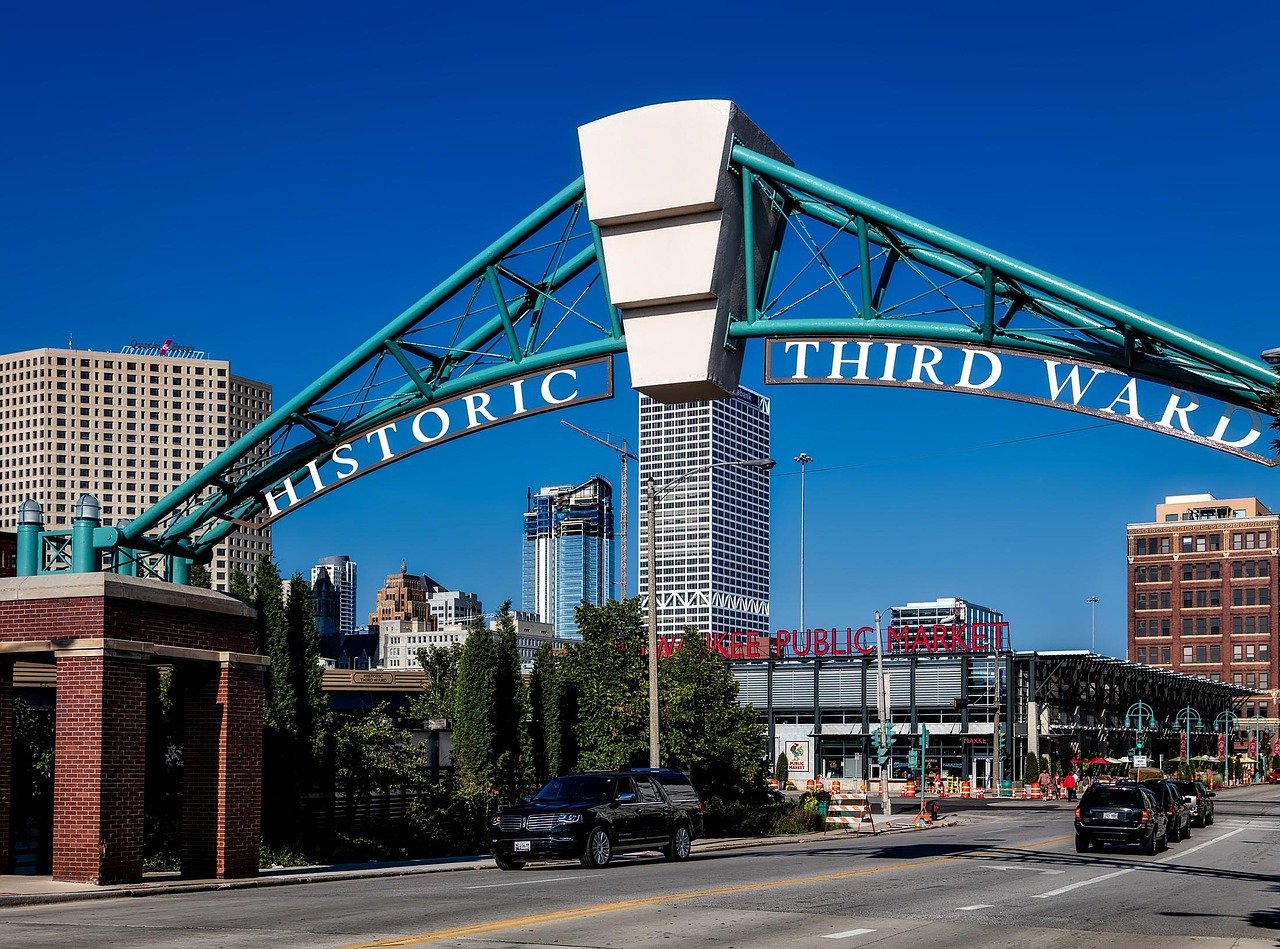
What sets Milwaukee apart is its authenticity. Unlike many mid-sized American cities that have chased reinvention at the expense of character, Milwaukee has built on what it already had. The Historic Third Ward, once a warehouse district, is now a hub of galleries, boutiques, and restaurants without losing its architectural bones. The RiverWalk connects neighborhoods organically, and the city's Polish, German, and Mexican communities have maintained genuine cultural enclaves that shape its food, festivals, and daily life.
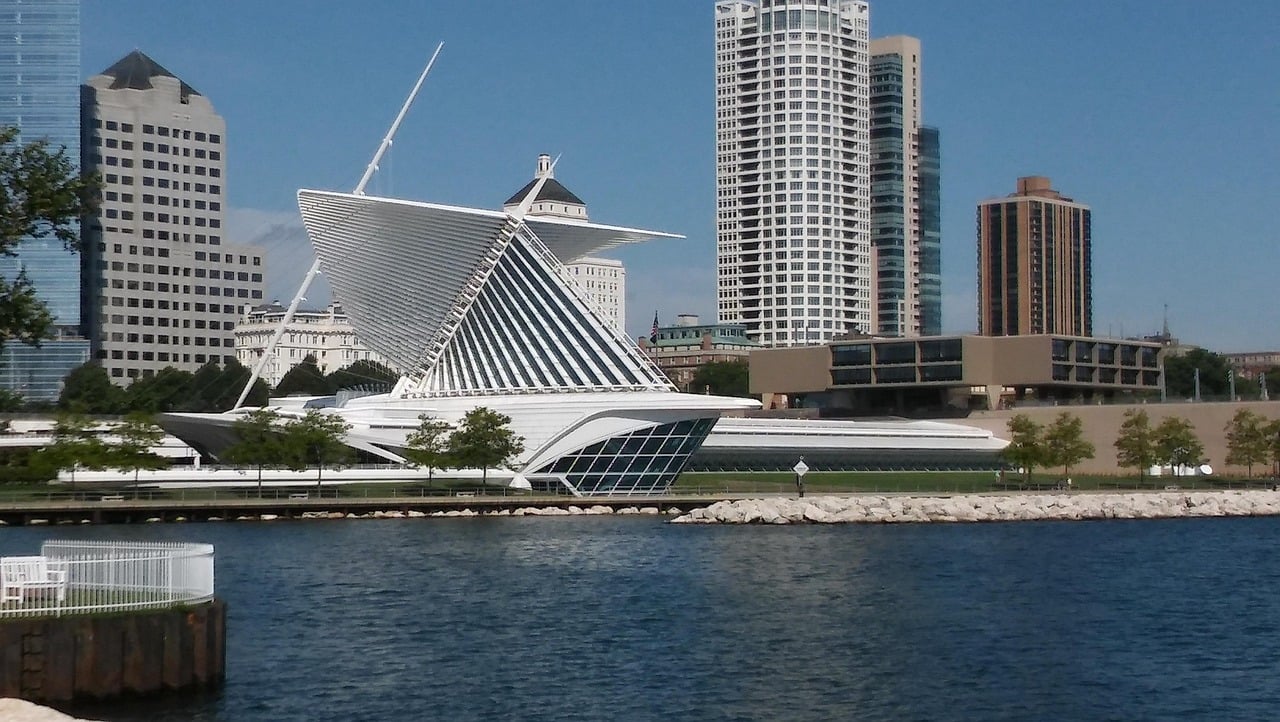
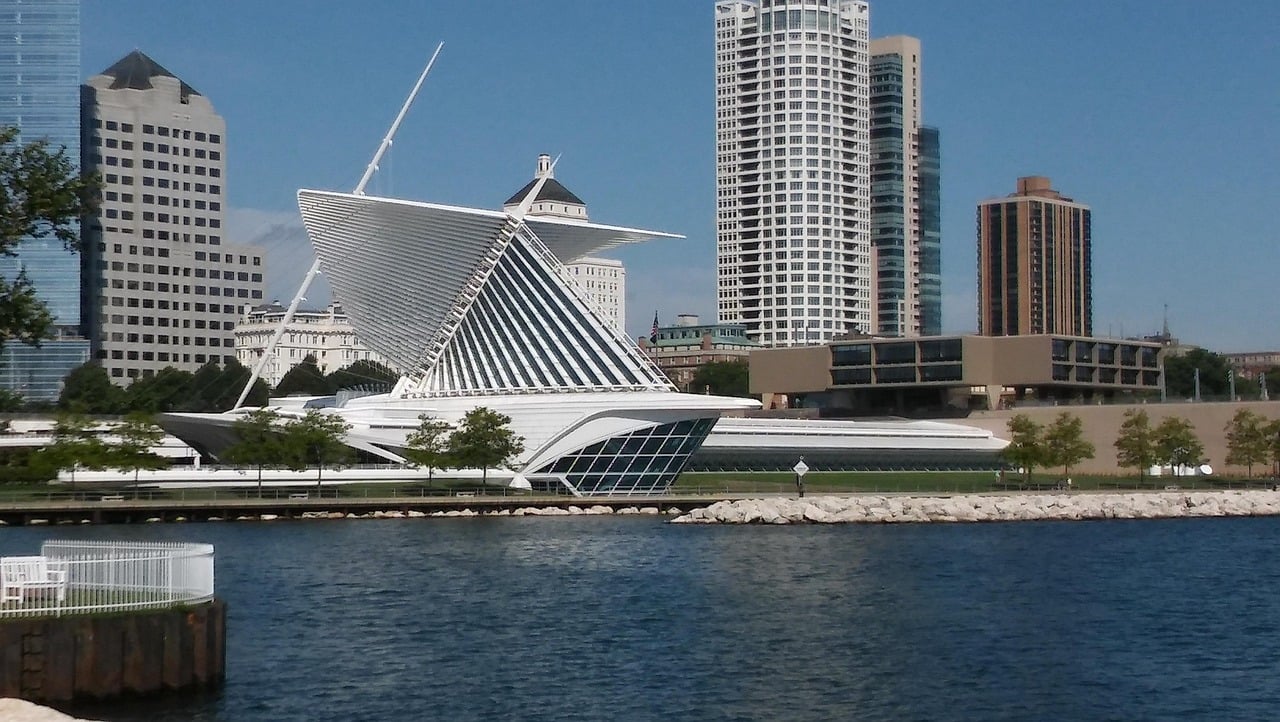
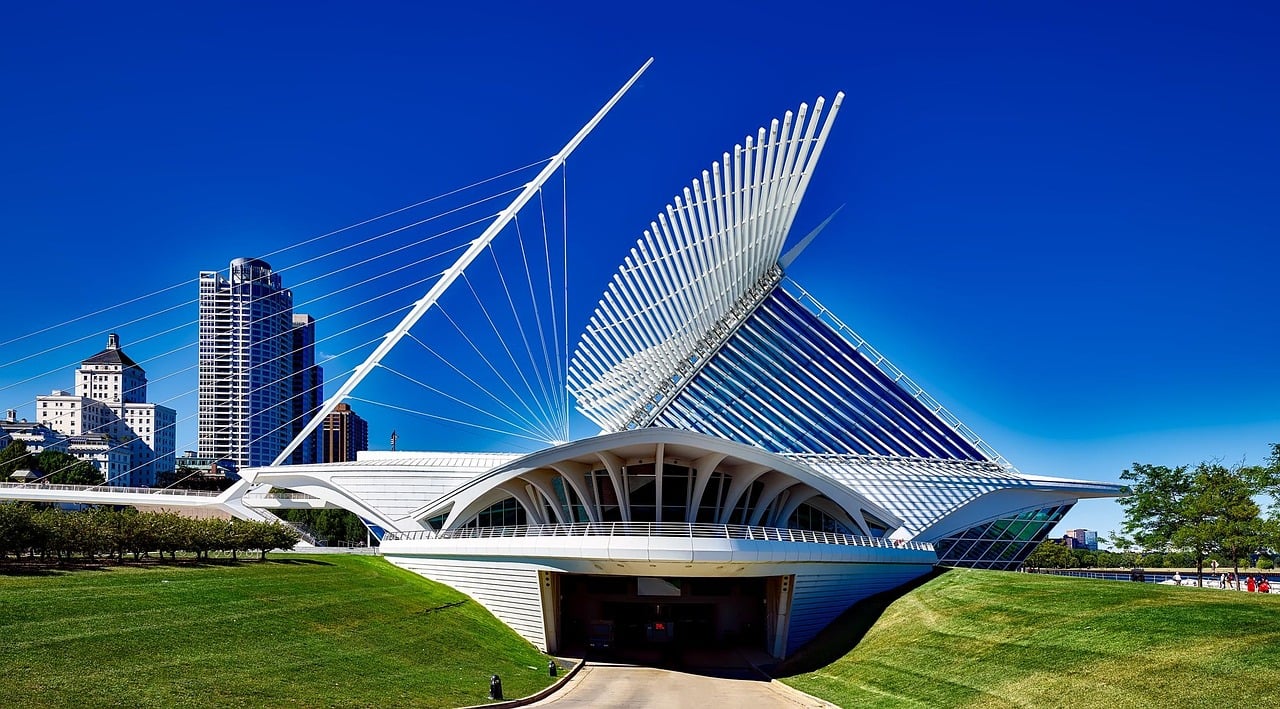
Travelers drawn to Milwaukee tend to value substance over spectacle. Art lovers come for the Milwaukee Art Museum, whose Santiago Calatrava-designed Quadracci Pavilion is one of the most architecturally striking buildings in the Midwest. Sports culture runs deep, with passionate followings for the Bucks, Brewers, and the city's longstanding love of minor-league and amateur athletics. The lakefront itself is a major draw, offering miles of accessible parkland, beaches, and marinas.
Milwaukee also rewards the culinary traveler. The city's restaurant scene punches well above its weight, with a strong emphasis on local ingredients, supper club traditions, and an ever-expanding roster of independent chefs. Whether you are exploring the craft taprooms of Walker's Point, catching live music on Water Street, or browsing the stalls at the Milwaukee Public Market, the city consistently delivers experiences that feel earned rather than manufactured.
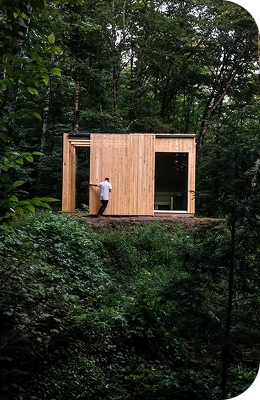

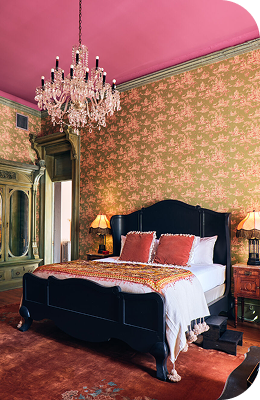

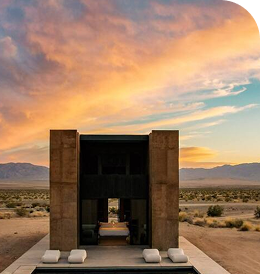

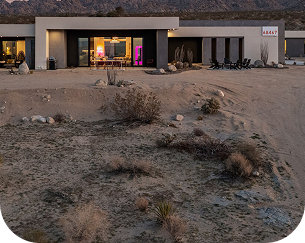

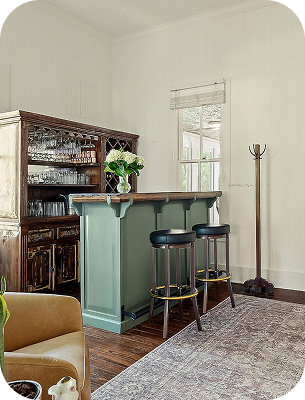

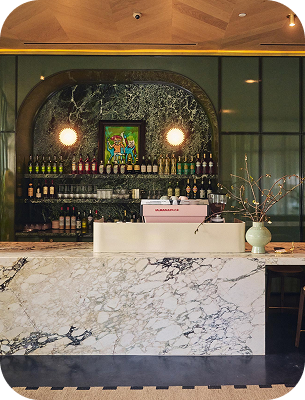

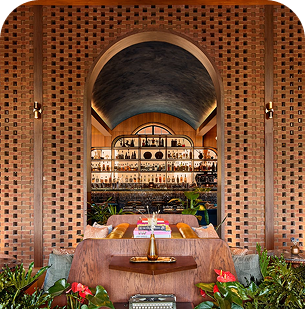





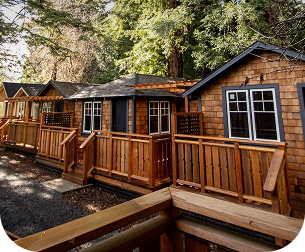

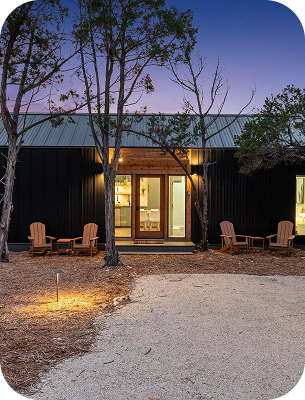

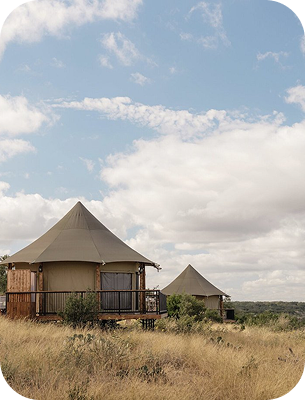

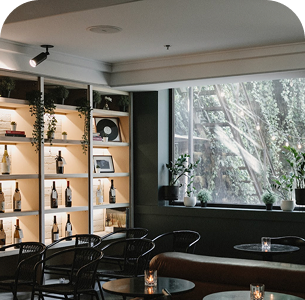



Journey connects travelers to a curated network of boutique hotels and distinctive residences around the world, all united under one rewards program. Explore handpicked stays for your trip while earning points, unlocking exclusive offers, and receiving rewards across the Journey collection.
Milwaukee occupies a singular position in the American Midwest: a Great Lakes port city shaped by waves of European immigration, heavy industry, and a brewing tradition that made it internationally famous. Situated on the southwestern shore of Lake Michigan at the confluence of three rivers — the Milwaukee, Menomonee, and Kinnickinnic — the city's geography has always been its defining feature. The lakefront stretches for miles, punctuated by parks, museums, and marinas, and provides a sense of openness and scale that surprises first-time visitors.
Founded as a trading post in the 1830s and incorporated as a city in 1846, Milwaukee grew rapidly through the latter half of the 19th century, fueled by German, Polish, and Scandinavian immigration. The city became a center of manufacturing, meatpacking, and above all, brewing. At its peak, Milwaukee was home to dozens of major breweries, including Pabst, Schlitz, Miller, and Blatz, earning it the nickname "Brew City" — a label it still wears with pride, now reinterpreted through the lens of a thriving craft beer movement.
The city's cultural identity is layered and genuine. Milwaukee has a long progressive political tradition, having elected multiple Socialist mayors in the early 20th century, and its neighborhoods reflect a mosaic of ethnic communities that have retained distinct identities over generations. The South Side's Mexican-American community, the North Side's African-American cultural institutions, and the remnants of German and Polish enclaves on the near west side all contribute to a city that feels lived-in and real.
Today, Milwaukee functions as Wisconsin's economic and cultural capital, even as the state capital sits in Madison to the west. The downtown core has seen significant investment, anchored by Fiserv Forum and the surrounding entertainment district, but the city's most compelling character is found in its neighborhoods: Riverwest, Bay View, Brewer's Hill, and the Historic Third Ward each offer a distinct atmosphere and a reason to explore beyond the lakefront. Milwaukee rewards the traveler who moves slowly and pays attention.
Milwaukee rewards visitors year-round, but the timing of your trip shapes the experience considerably. Late spring, specifically May through early June, is one of the smartest windows to visit. Crowds are manageable, the lakefront parks come alive, and the city's outdoor dining and festival culture begins to kick into gear without the peak-summer competition for reservations and accommodations.
Summer is Milwaukee's most energetic season and draws the largest crowds. Summerfest, billed as the world's largest music festival, runs in late June and early July and transforms the lakefront into a massive gathering. The weeks surrounding Summerfest and other major summer events see hotel rates spike and the Historic Third Ward and RiverWalk fill with visitors. If you plan to visit in summer, booking well in advance is essential, and arriving mid-July through August offers a slightly calmer version of the season once the biggest festivals have passed.
Fall is arguably Milwaukee's most underrated season for travel. September and early October bring ideal conditions for exploring the city on foot, with the RiverWalk and lakefront parklands at their most scenic. Brewers postseason contention, when it occurs, adds an electric atmosphere to the city. Crowds thin noticeably after Labor Day, making it easier to secure tables at top restaurants and access popular attractions without the summer rush.
Winter is best suited to travelers with a specific purpose: a Bucks game at Fiserv Forum, the Milwaukee Art Museum without the crowds, or the cozy taproom culture that thrives when the city turns inward. Tourism is at its lowest ebb, and those who embrace the season find a more local, unhurried side of the city.
Spring shoulder season and fall offer the best balance of access, atmosphere, and value for most travelers.
Milwaukee's Historic Third Ward is a former warehouse district that has evolved into the city's premier arts and dining destination without sacrificing its 19th-century brick-and-timber character. Cobblestone streets are lined with independent boutiques, acclaimed restaurants, and galleries, all housed in beautifully preserved industrial buildings. The Milwaukee Public Market anchors the neighborhood, drawing locals and visitors alike with its year-round vendors and vibrant energy.
Walker's Point is Milwaukee's most eclectic and rapidly evolving neighborhood, known for its mix of craft taprooms, Latin restaurants, and a thriving LGBTQ+ nightlife scene. The area has a gritty, creative edge that attracts artists, chefs, and entrepreneurs drawn to its affordable spaces and authentic character. By night, its bars and music venues make it one of the liveliest corners of the city.
Stretching along the bluffs above Lake Michigan, Milwaukee's East Side is a lively, walkable neighborhood anchored by the University of Wisconsin-Milwaukee and a long stretch of North Avenue and Brady Street. Independent bookshops, coffee houses, vintage stores, and casual eateries give it a youthful, bohemian atmosphere that has endured for decades. The neighborhood also provides easy access to the lakefront and the scenic blufftop paths overlooking the water.
Bronzeville is Milwaukee's historically significant African American cultural district, centered along North Dr. Martin Luther King Jr. Drive. The neighborhood carries a rich legacy of jazz, civil rights history, and community resilience, and ongoing revitalization efforts are restoring its commercial corridors with murals, local businesses, and cultural institutions. Visitors come to connect with Milwaukee's deeper story and to experience a neighborhood reclaiming its place at the heart of the city.
Bay View is Milwaukee's beloved south side neighborhood, a residential enclave with a strong independent spirit and one of the city's most walkable main streets along Kinnickinnic Avenue. Locally owned restaurants, vintage shops, and neighborhood bars give it a laid-back charm that feels genuinely lived-in rather than curated for visitors. Its proximity to Lake Michigan and the expansive South Shore Park makes it a favorite escape for both residents and travelers seeking a quieter side of the city.
Milwaukee has a handful of experiences that are genuinely its own - things travelers come specifically for and cannot replicate anywhere else.
Craft Beer and Brewing Heritage
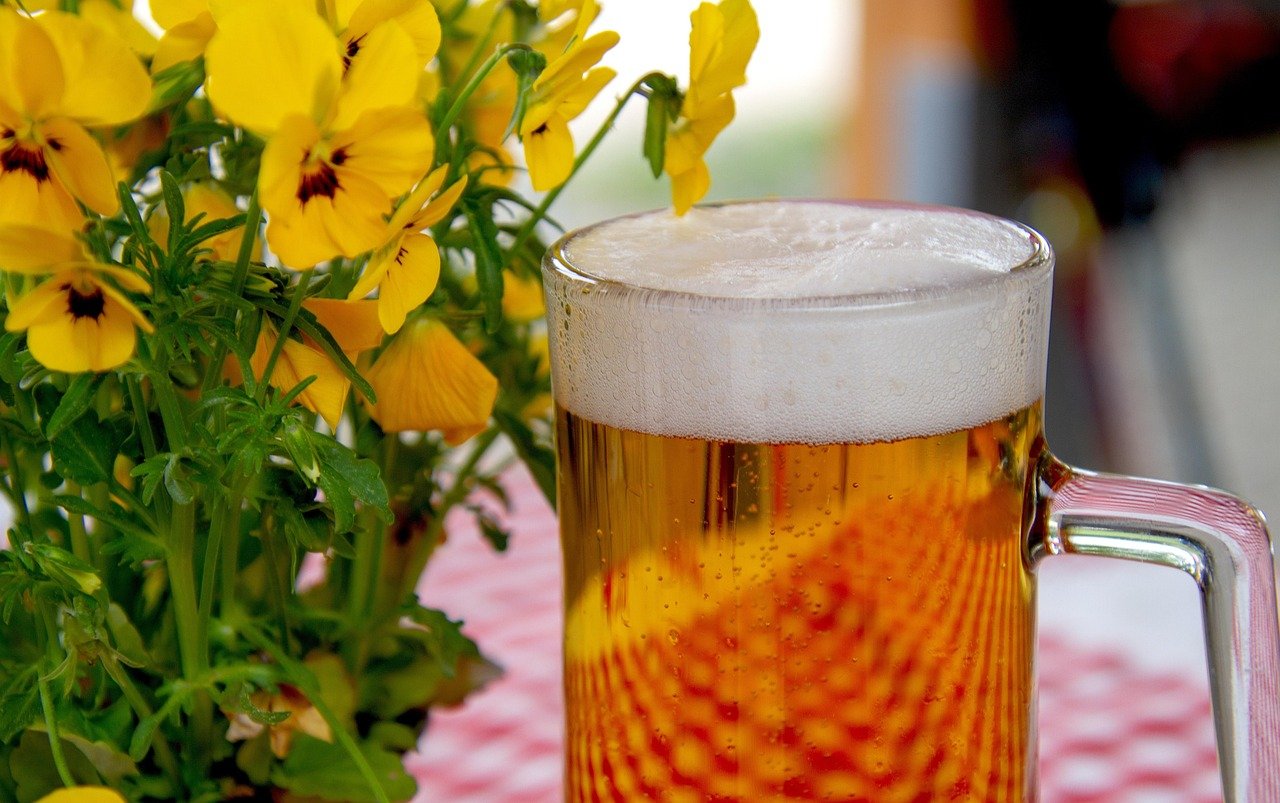
Milwaukee's identity is inseparable from beer. The city gave America its lager culture through historic brands like Pabst, Schlitz, and Miller, and that legacy has evolved into a thriving craft brewing scene. Touring the Miller Brewing Company remains a pilgrimage for beer enthusiasts, while taprooms in Walker's Point, Bay View, and the Historic Third Ward offer a modern counterpoint. Milwaukee is one of the few cities where the entire arc of American brewing history is visible in a single afternoon.
The Harley-Davidson Museum
There is nowhere else on earth where you can trace the complete story of Harley-Davidson from its Milwaukee birthplace to its place in global culture. The museum is not just for motorcycle enthusiasts - it is a document of American industrial ambition, design evolution, and cultural mythology. The campus, the archive, and the rotating exhibitions make it a destination in its own right.
Milwaukee Art Museum and the Calatrava Pavilion
The Quadracci Pavilion is one of the most photographed buildings in the Midwest for good reason. Its movable brise soleil - a pair of steel fins that open and close like wings - is a daily spectacle that draws visitors regardless of what is on the walls inside. The collection itself is serious and substantial, but the building is the signature draw.
Summerfest on the Lakefront
Held each summer along the shores of Lake Michigan, Summerfest is the largest music festival in the world by attendance. It is a Milwaukee institution that draws international headliners across every genre while remaining deeply rooted in the city's lakefront culture. For many travelers, timing a visit around Summerfest is the entire point of the trip.
Milwaukee offers a compelling range of activities that reward curious travelers across every interest. The city's position on Lake Michigan shapes much of its outdoor life, and its layered cultural identity gives it a depth that surprises first-time visitors.
Outdoor Recreation
Milwaukee's lakefront is one of its greatest assets. Miles of connected parkland, beaches, and paved trails run along Lake Michigan, making it ideal for cycling, running, and kayaking. Bradford Beach is a popular summer destination, while Veterans Park draws kite flyers, picnickers, and volleyball players. The Oak Leaf Trail system extends well beyond the lakefront, offering over 100 miles of multi-use paths through the broader county.
Cultural Attractions
The Milwaukee Art Museum anchors the cultural scene with a world-class permanent collection and the iconic Quadracci Pavilion, designed by Santiago Calatrava. The Milwaukee Public Museum offers deep dives into natural history and world cultures. The Harley-Davidson Museum traces the full arc of an American icon, from its Milwaukee origins to its global legacy.
Arts and Entertainment
Milwaukee has a robust live music and performing arts scene. The Pabst Theater, one of the oldest operating theaters in the country, hosts everything from comedy to orchestral performances. Summerfest, held annually on the lakefront, is one of the largest music festivals in the world. The city's gallery scene is concentrated in the Historic Third Ward and Walker's Point neighborhoods.
Food and Dining
Milwaukee's food culture reflects its immigrant heritage and its love of craft. The Milwaukee Public Market is a year-round hub for local producers and specialty foods. The city's supper club tradition remains alive and well, and a new generation of independent chefs has elevated the dining scene considerably.
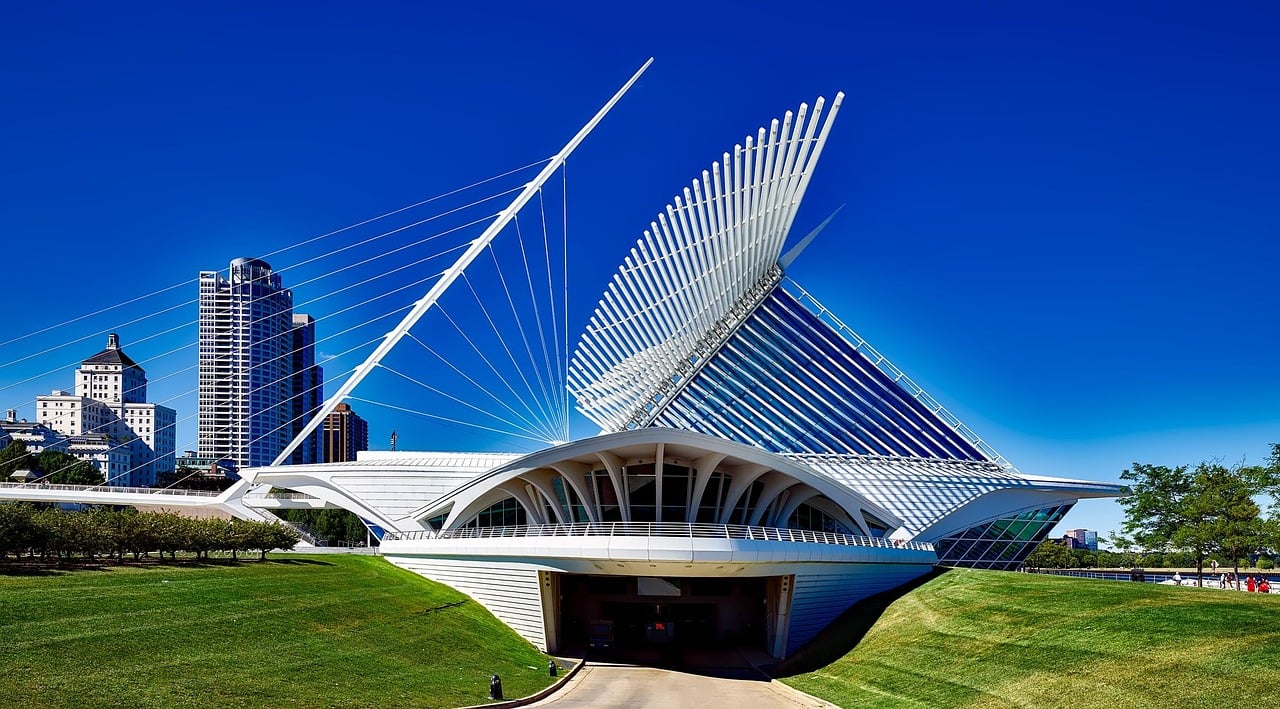
Start at the Milwaukee Art Museum to take in the iconic Calatrava-designed Quadracci Pavilion and lakefront views. Walk north along the lakefront path to Veterans Park before heading to the Historic Third Ward for lunch at the Milwaukee Public Market. Spend the afternoon browsing boutiques and galleries, then settle in for dinner and craft cocktails at one of the Ward's standout independent restaurants.
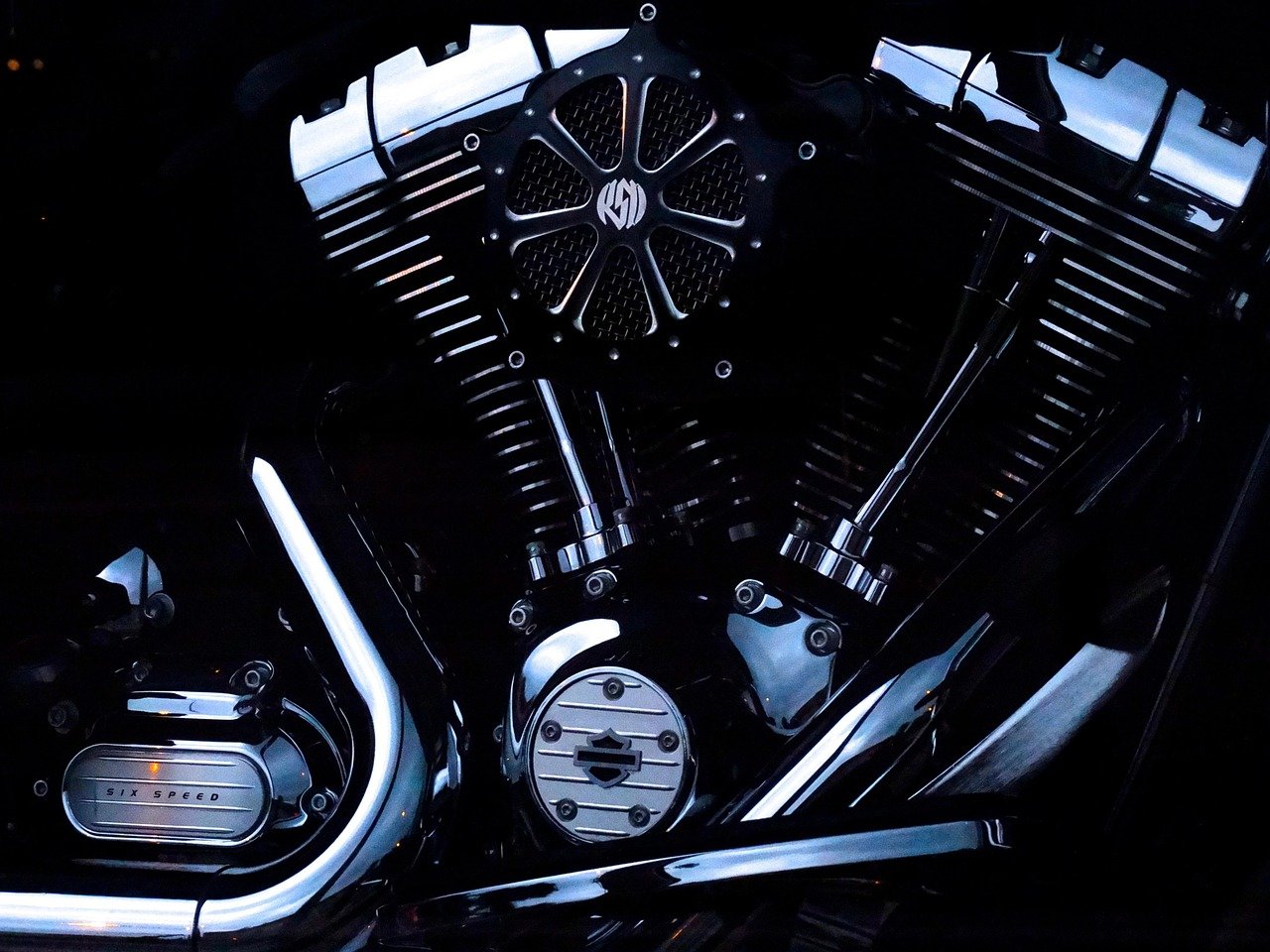
Spend the morning at the Harley-Davidson Museum, exploring the history of American motorcycle culture. After lunch in Walker's Point, tour the neighborhood's craft taprooms and murals. In the late afternoon, cross into the Menomonee Valley for a Brewers game at American Family Field or a walk along the Hank Aaron State Trail. End the evening with supper club classics at a local Milwaukee institution.
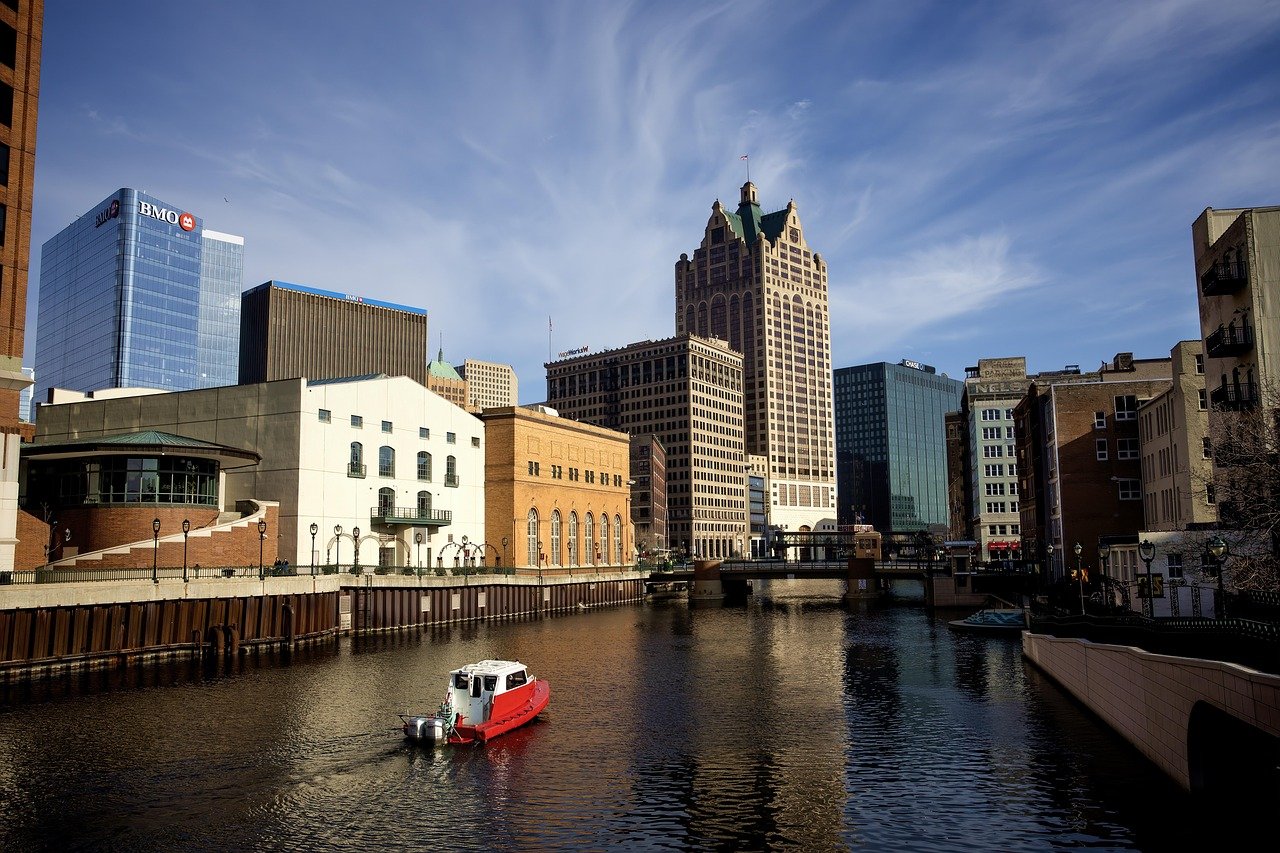
Begin with breakfast in the Riverwest neighborhood, then stroll the Milwaukee RiverWalk south through downtown, stopping at local shops and public art along the way. Head to Brewer's Hill or Brady Street for lunch and a taste of the city's Polish and Italian heritage. Wrap up the trip with a tour of one of Milwaukee's historic brewery taprooms on Water Street before a final evening out.
Milwaukee pulses with festivals and celebrations that reflect its deep cultural roots and lakefront energy. Summer is the city's peak season, anchored by massive events along the lakefront that draw visitors from across the country. The tradition of ethnic festivals is particularly distinctive here, a legacy of the immigrant communities that shaped Milwaukee's neighborhoods, cuisine, and identity. From German beer halls to Polish folk music to Mexican street food, the festival calendar doubles as a living map of the city's heritage. Fall brings a quieter but no less spirited rhythm, with Oktoberfest celebrations honoring Milwaukee's brewing legacy and food and wine events showcasing the region's culinary depth. Even the shoulder seasons carry a sense of occasion, with live music venues, supper clubs, and neighborhood markets keeping the city's social life humming year-round.
Milwaukee's food scene is a compelling mix of old-world tradition and modern culinary ambition. The city's German and Polish heritage runs deep, showing up in the form of bratwurst, sauerkraut, and pierogi served at neighborhood taverns and festivals alike. The Friday fish fry is practically a civic institution here, a weekly ritual observed at supper clubs, church halls, and corner bars across the city, typically featuring beer-battered cod or perch alongside potato pancakes and coleslaw.
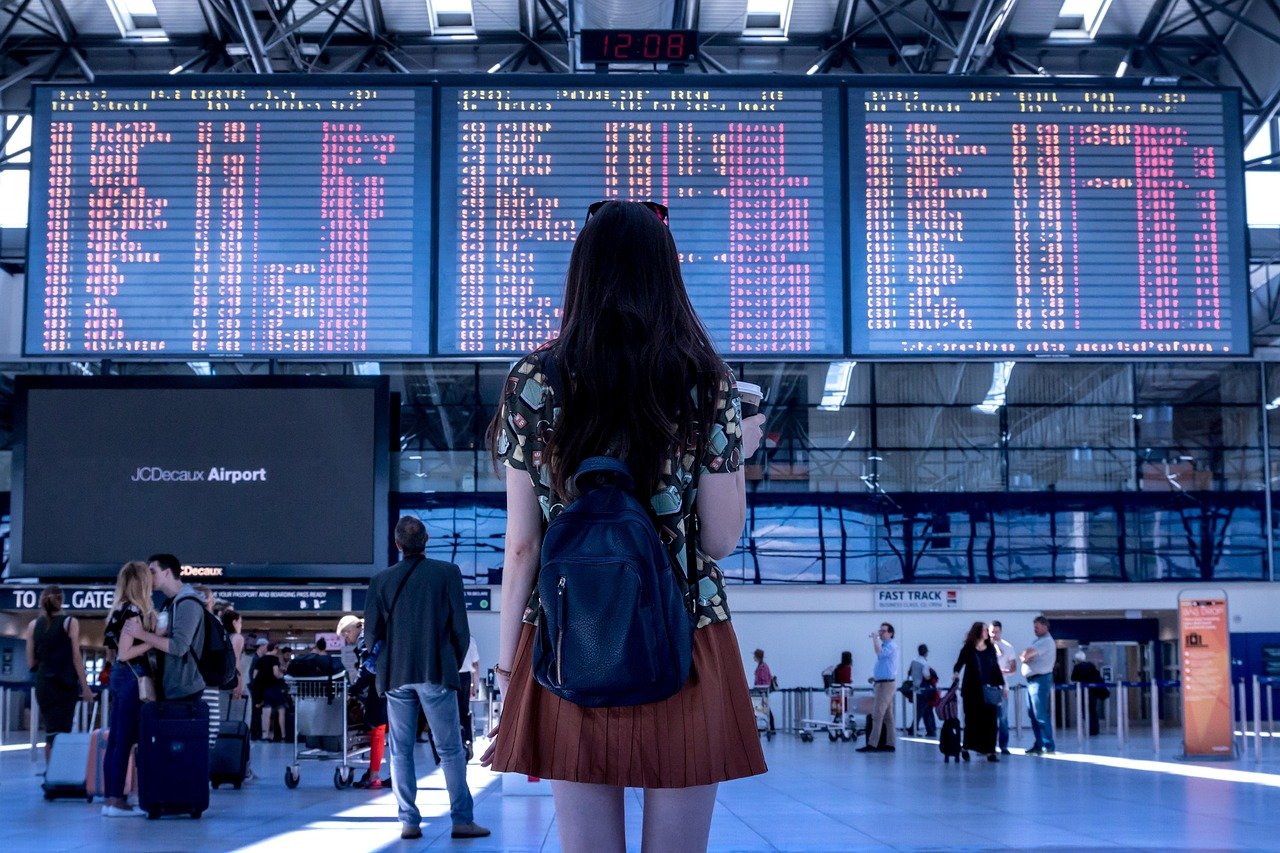
Milwaukee Mitchell International Airport (MKE) sits about seven miles south of downtown
with rideshare pickups, taxis, and rental car counters all available on-site, making it the fastest and most straightforward arrival point for most visitors.
Amtrak's Hiawatha Service runs between Chicago Union Station and Milwaukee's downtown Intermodal Station
in approximately 90 minutes, with up to seven round trips daily — a genuinely comfortable and stress-free alternative to driving.
Drivers from Chicago follow I-94 North for roughly 90 miles
arriving in downtown Milwaukee in about 90 minutes under normal traffic, though Friday afternoon and Sunday evening travel can add significant time.
Greyhound and FlixBus connect Milwaukee to Chicago, Madison, and Minneapolis
with buses arriving at the Milwaukee Intermodal Station on St. Paul Avenue, which is centrally located and walkable to several downtown hotels.
Travelers flying into Chicago O'Hare (ORD) or Midway (MDW) can reach Milwaukee by car or Amtrak
in under two hours, making Chicago-area airports a viable and often cheaper alternative when fares into MKE are elevated.
The Hop streetcar runs a free loop through Downtown and the Historic Third Ward
making it a convenient and cost-free option for short trips between hotels, restaurants, and the lakefront without needing a car or rideshare.
The Historic Third Ward and Downtown Milwaukee are compact and walkable
so most visitors can cover galleries, restaurants, the Milwaukee Public Market, and the lakefront entirely on foot during a stay centered in those neighborhoods.
Rideshare via Uber and Lyft is reliable and affordable for reaching Walker's Point, Bayview, and the Harley-Davidson Museum
which are a bit far for comfortable walking from downtown but typically only a five- to ten-minute ride away.
Milwaukee County Transit System (MCTS) bus routes cover the broader city
and are a practical option for budget-conscious travelers, though routes and frequencies vary by neighborhood, so checking the MCTS app before heading out is recommended.
Renting a car is worth considering for day trips to Cedarburg, Kohler, or the Milwaukee County Zoo
as these destinations are not well served by transit and are best reached by driving, with most rental counters available at MKE airport.
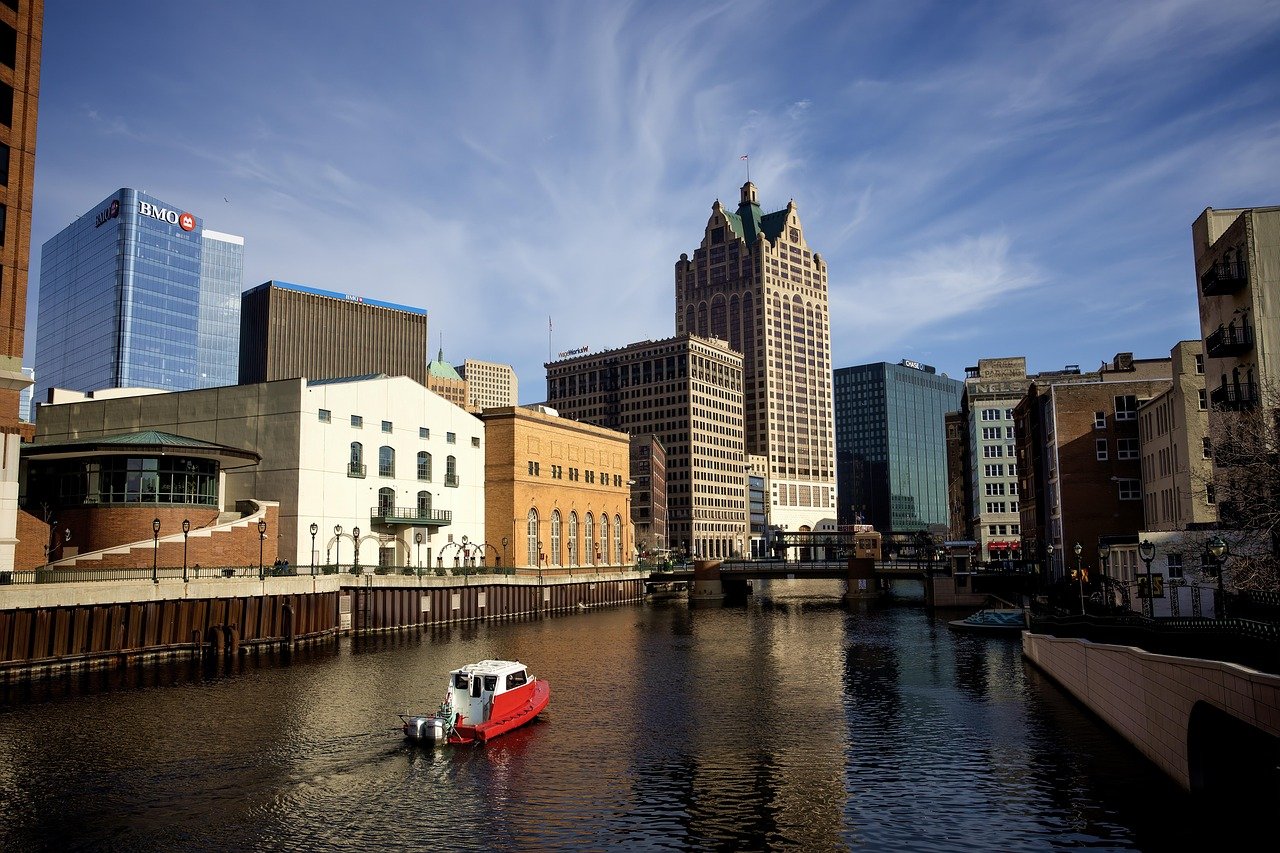
Milwaukee is a straightforward city to navigate, but a few practical notes will help your trip run smoothly. Tipping follows standard US norms: 18 to 20 percent at restaurants, a few dollars per drink at bars, and a couple of dollars per bag for hotel staff. The city's craft bar scene is cash-friendly but most venues accept cards. Download the MCTS app for bus schedules and the ParkMilwaukee app for paid street parking — both save time. Book restaurant reservations in advance for popular spots in the Historic Third Ward and Walker's Point, especially on weekends. Summerfest and major Bucks or Brewers games create significant crowds downtown, so plan accordingly and book accommodations early. Milwaukee is generally a safe city for visitors, though standard urban awareness applies after dark in unfamiliar areas. Lakefront weather shifts quickly, so pack a layer even in summer.
Two to three days is enough to cover Milwaukee's highlights comfortably. A long weekend lets you explore the Historic Third Ward, visit the Milwaukee Art Museum, walk the RiverWalk, sample the craft brewing scene, and catch a game or live music. If you plan to dig into specific neighborhoods or day-trip along the lakefront, three full days is ideal.
Milwaukee is best known for its deep roots in American brewing culture, including legacy lager brands and a thriving craft beer scene. It is also famous as the birthplace of Harley-Davidson, home to the architecturally iconic Milwaukee Art Museum, and a city with strong Polish, German, and Mexican cultural heritage that shapes its food, festivals, and neighborhoods.
Yes, Milwaukee works very well as a weekend trip, especially from Chicago, which is about 90 minutes away by car or train. Two days is enough to hit the main attractions - the Art Museum, Historic Third Ward, RiverWalk, and several breweries. It is a compact, walkable city that rewards a short visit without feeling rushed.
Milwaukee is one of the more affordable mid-sized American cities. Hotels, meals, and entertainment tend to cost less than in Chicago or other Midwest metros. Craft taprooms, independent restaurants, and free lakefront parks keep costs manageable. Budget travelers can do well here, and even mid-range visitors will find their money goes further than in comparable destinations.
Late spring through early fall - roughly May to September - is the best time to visit Milwaukee. Summers are warm, the lakefront is fully accessible, and the city hosts a packed festival calendar including Summerfest, one of the world's largest music festivals.