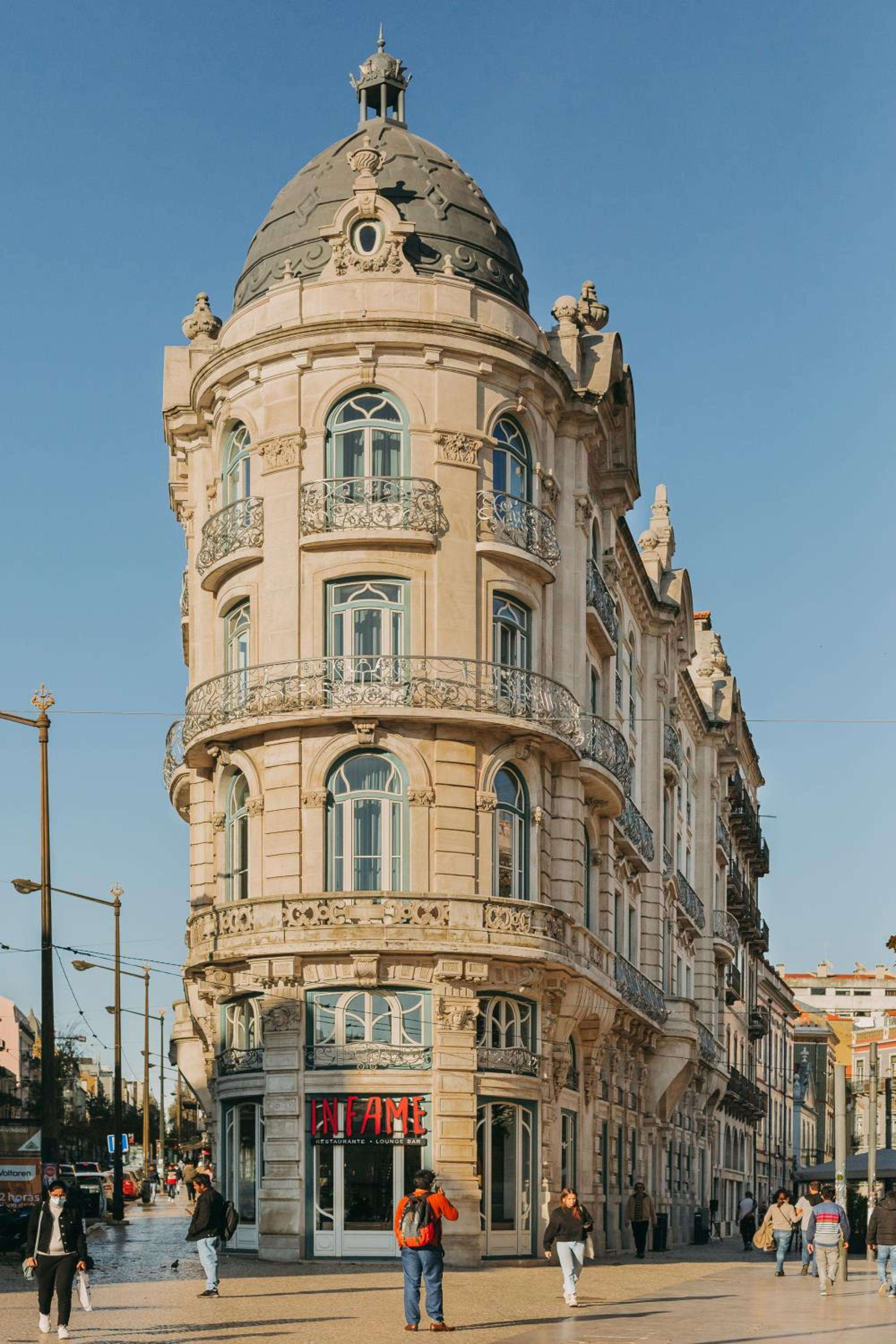
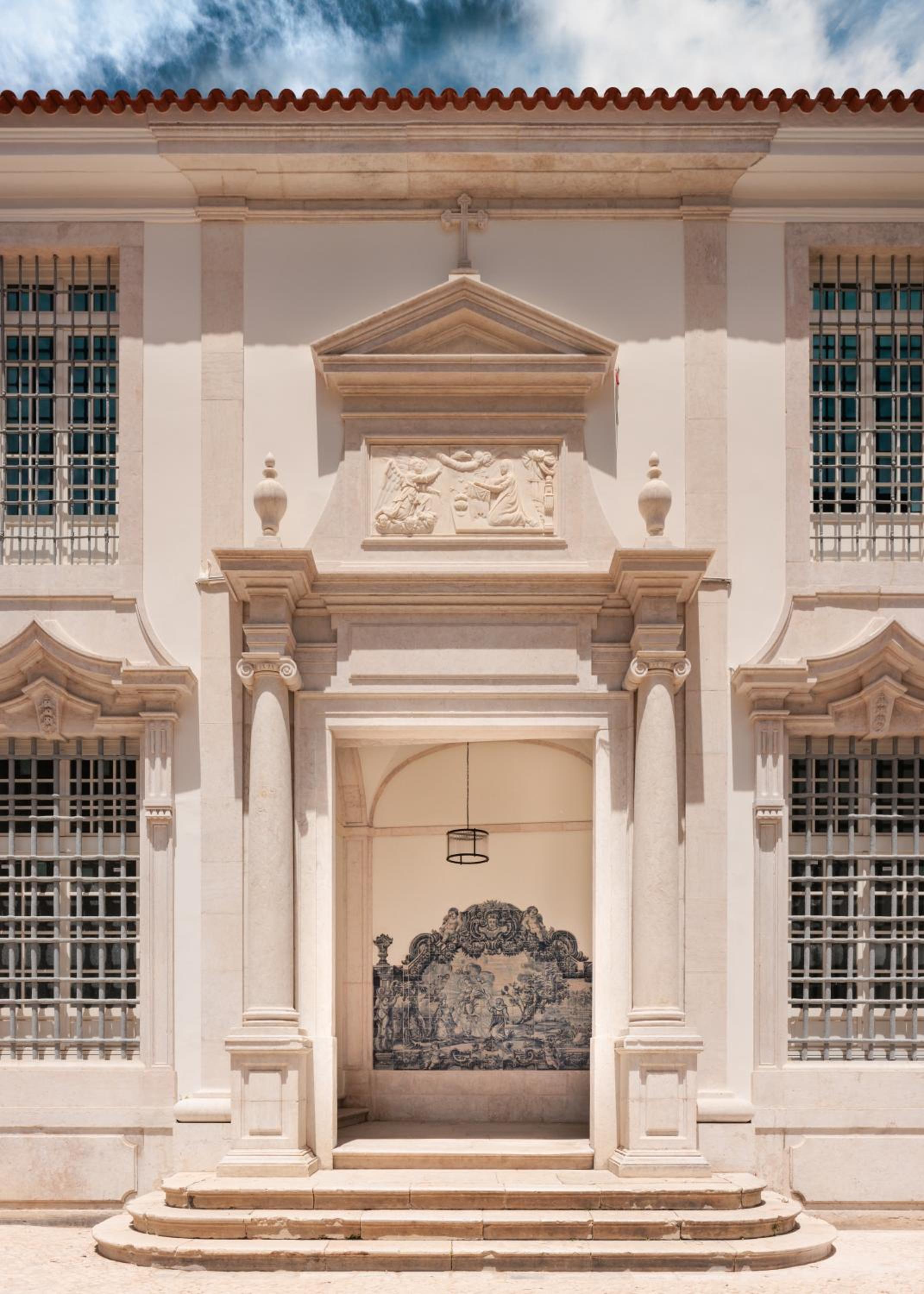
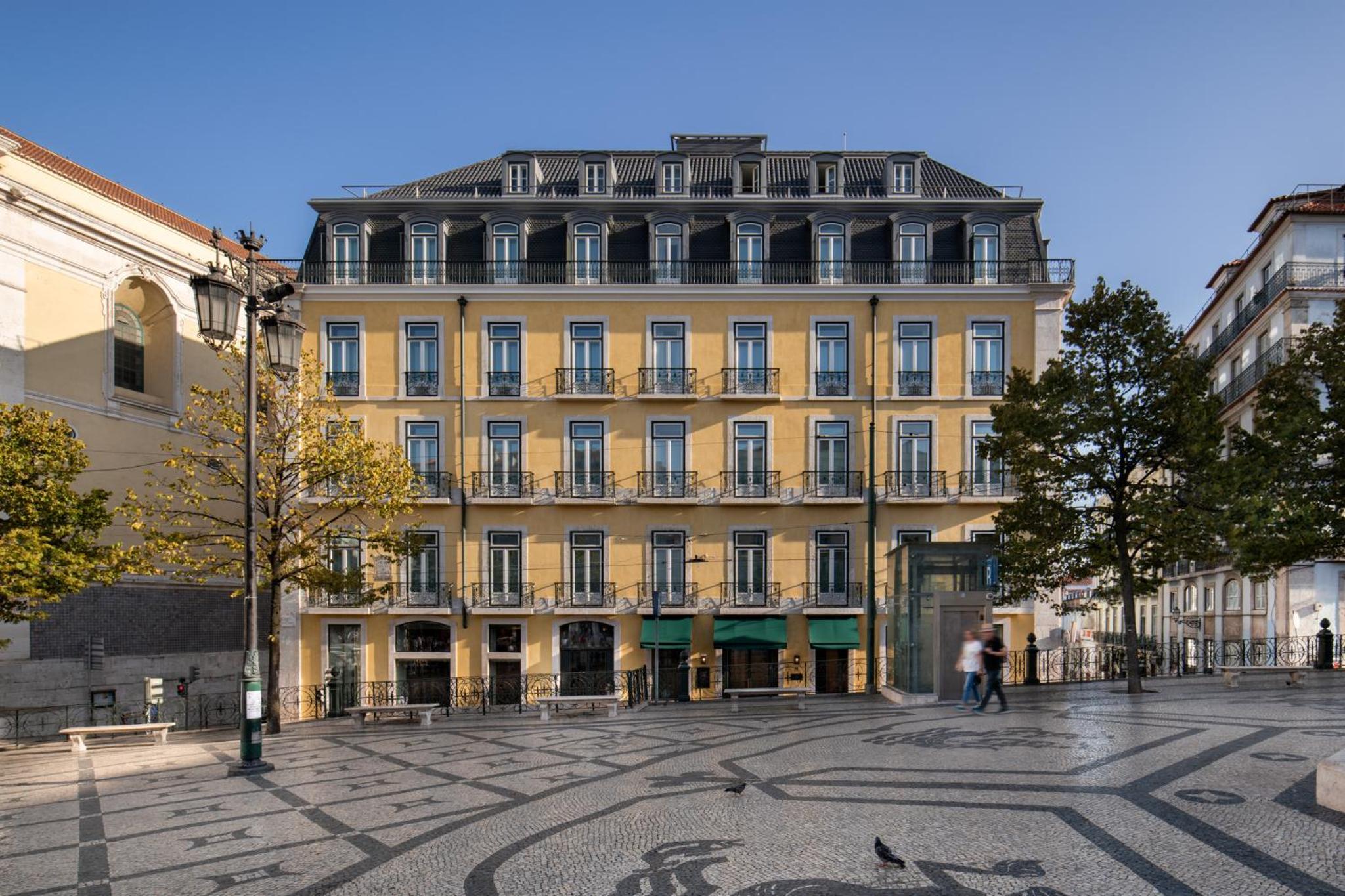
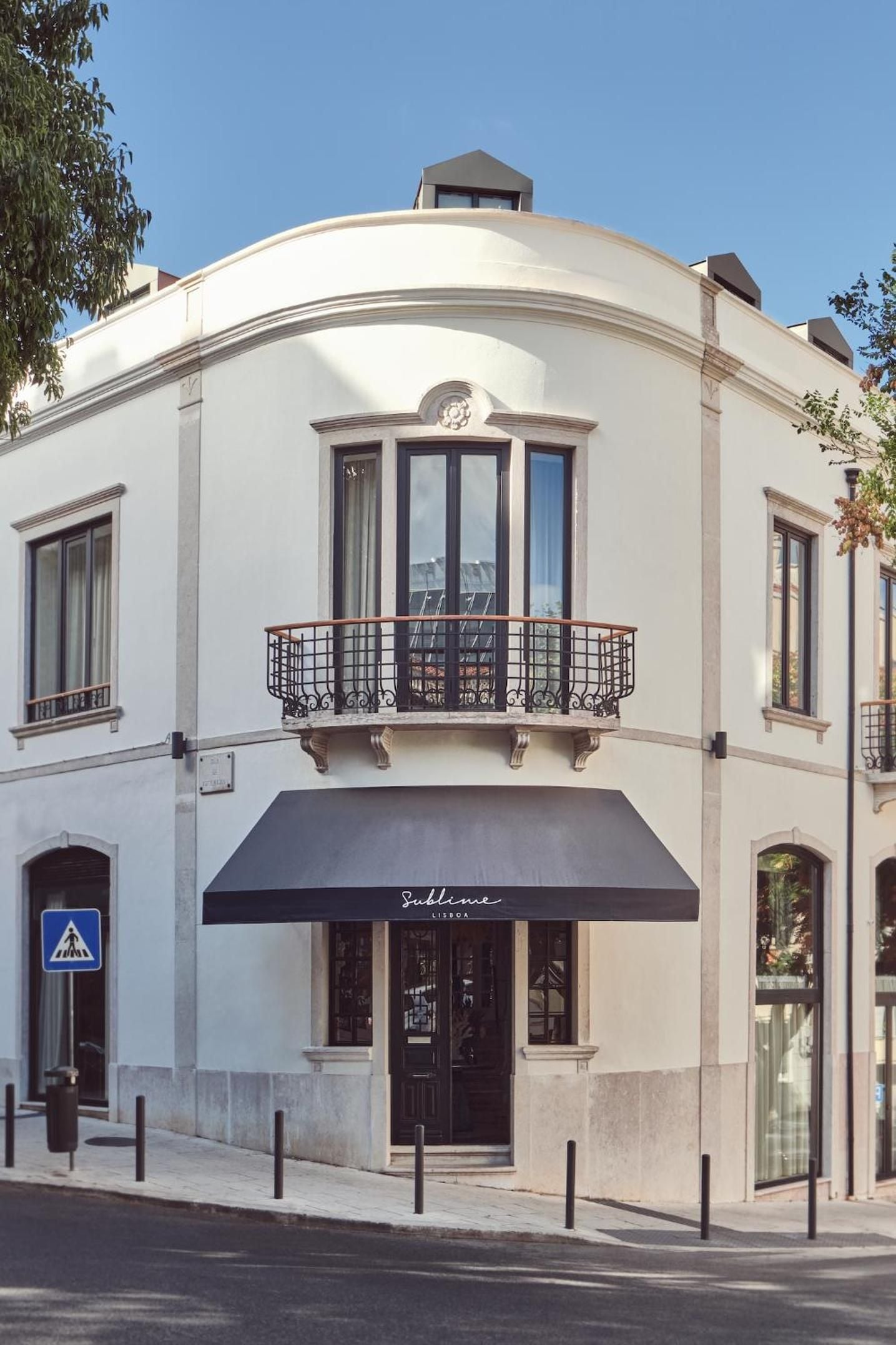
The building announces itself before you even step inside. At the corner of Largo do Intendente, the facade of 1908 Lisboa Hotel rises in a flourish of Art Nouveau ornamentation, its stonework and ironwork details preserved from an era when Lisbon's architects poured their ambitions into every cornice and balcony. Built in the early twentieth century, the structure spent decades as one of the city's architectural landmarks before its careful transformation into a boutique hotel that treats its heritage not as a backdrop but as a defining feature. Step through the entrance and the original details are unmistakable: ornate tilework, sculptural plasterwork, grand proportions that speak to a time when buildings were designed to impress at every scale.
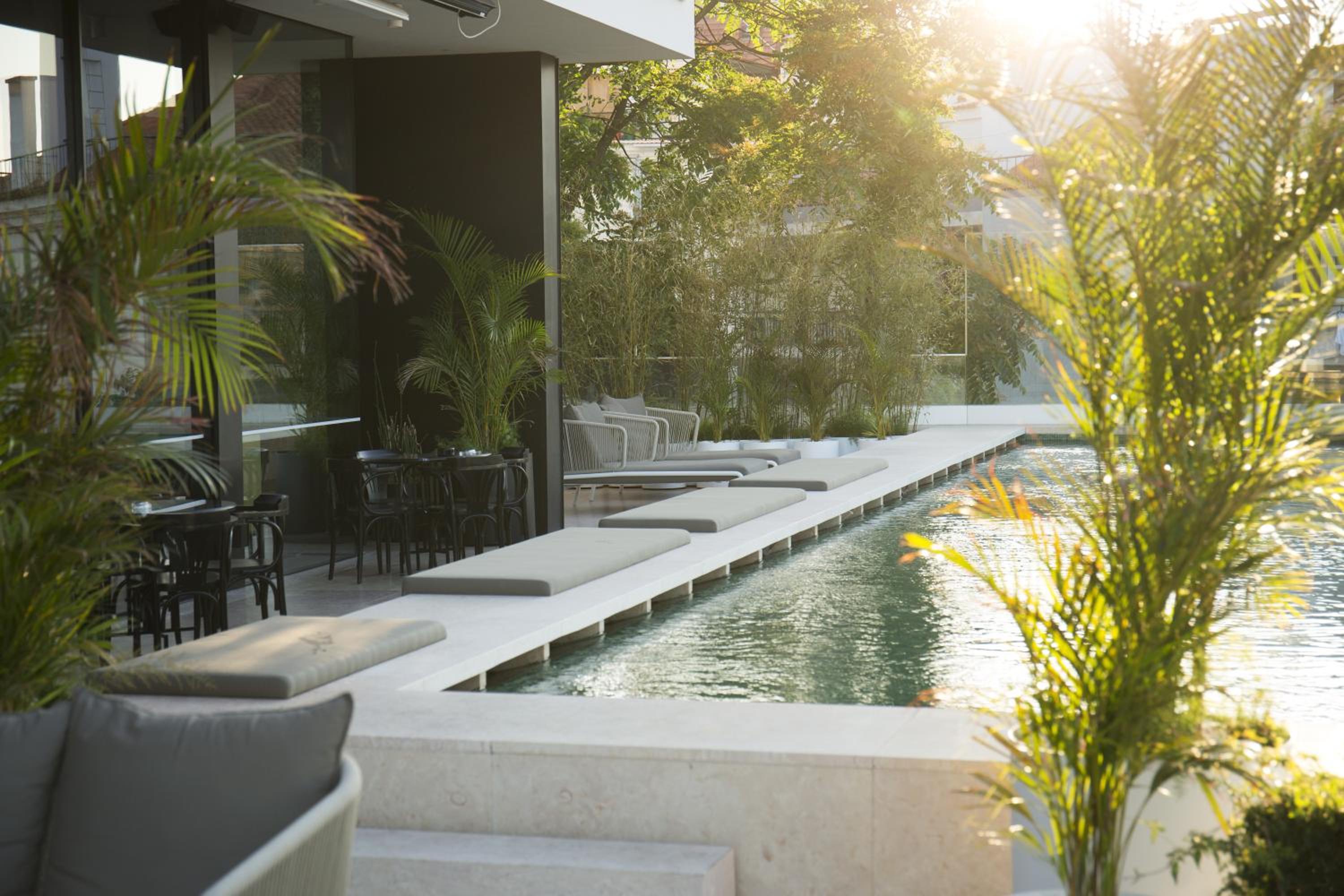
The hotel's rooms carry forward this sense of period character while introducing a contemporary sensibility in their furnishings and finishes. High ceilings and tall windows allow natural light to move generously through the spaces, and the interiors balance a respect for the building's bones with modern comfort. The design avoids the temptation to over-renovate, letting original architectural elements coexist with clean lines and understated palettes. Across the property's common areas, the lobby and lounge spaces feel more like the living rooms of a grand private residence than the public zones of a conventional hotel, fostering an intimacy that the building's scale might otherwise resist. The on-site restaurant and bar extend this atmosphere, offering a place to settle into Lisbon's unhurried rhythms over Portuguese wines and locally inspired cuisine. The bar, in particular, serves as a natural gathering point, its setting enriched by the same Art Nouveau detailing that defines the rest of the property.
Largo do Intendente, the square where 1908 Lisboa Hotel is situated, has experienced its own renaissance in recent years, evolving into one of Lisbon's most compelling neighborhoods. Once overlooked by visitors, the area now draws a creative, local energy that gives it a character distinct from the more well-trodden quarters of Alfama or Chiado. Cafés, independent shops, and cultural spaces have taken root in the surrounding streets, and the square itself functions as an open-air living room for the neighborhood. The hotel's position here places you at a crossroads between Lisbon's historic core and its more contemporary creative districts, within easy reach of the city's iconic trams, miradouros, and tile-fronted streetscapes.
What stays with you after 1908 Lisboa Hotel is the quiet confidence of a building that has already endured a century and feels settled into its second life. There is no straining for effect here, no need to manufacture atmosphere when the architecture provides it so generously. The experience is one of proportion and presence, of mornings framed by tall windows and evenings that unfold slowly in a city that has always understood the value of taking its time.