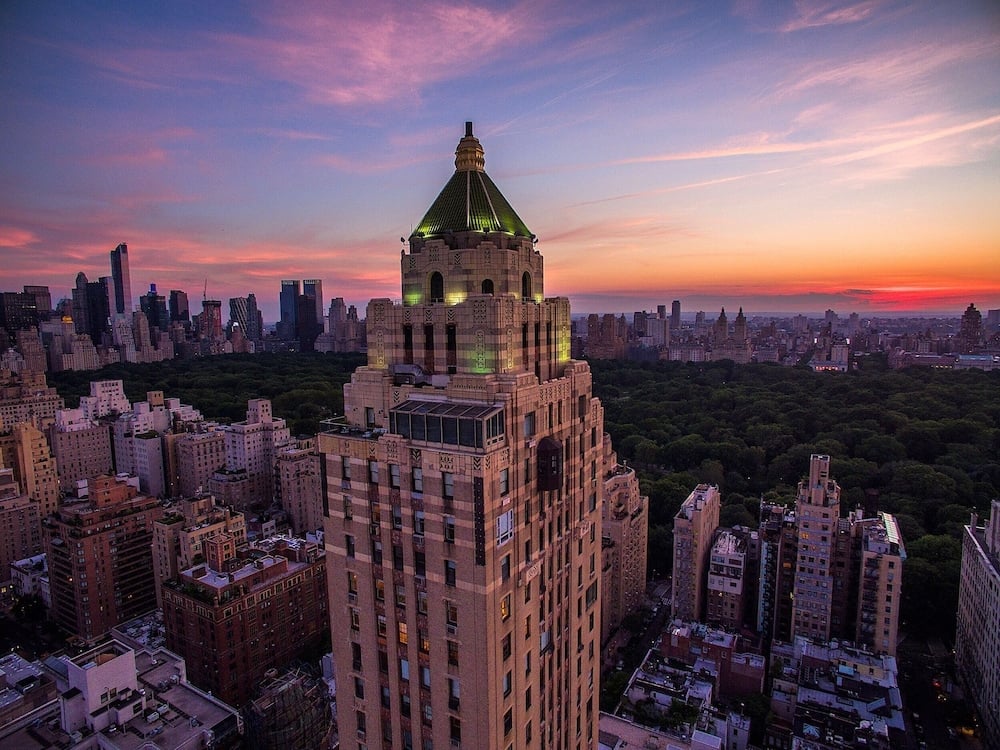
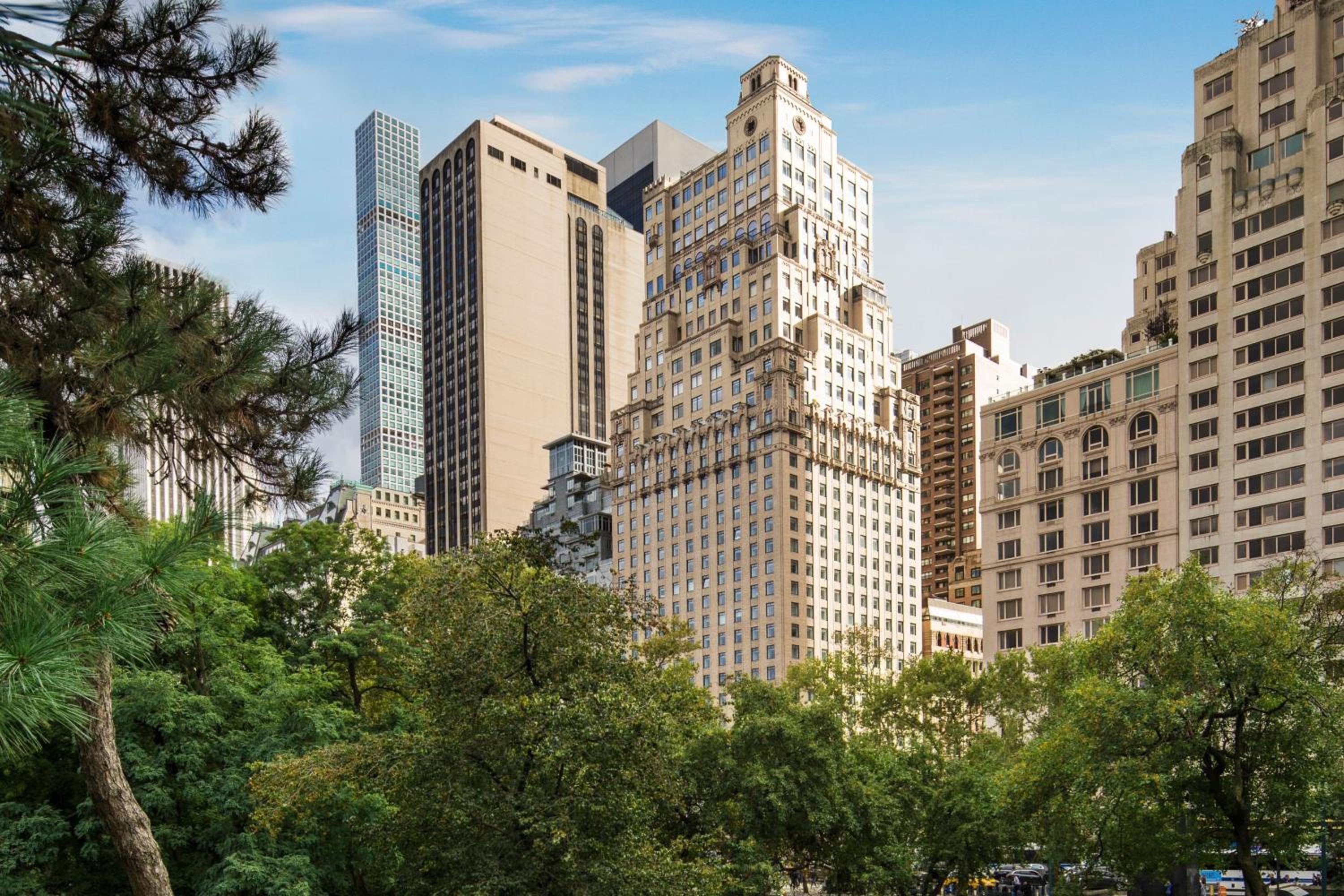
There are hotels that define a neighborhood, and then there is the building at 35 East 76th Street. The Carlyle, A Rosewood Hotel has occupied its corner of the Upper East Side since 1930, a Beaux-Arts tower rising above Madison Avenue with the kind of permanence that most of New York can only aspire to. Step through the entrance and the mood shifts immediately. Black-and-white marble floors, museum-quality art, and fresh flowers arranged with deliberate extravagance set a tone that is less lobby than private residence. The architecture carries the weight of nearly a century, yet nothing here feels preserved under glass. It is alive, occupied, and unapologetically itself.
The 190 rooms and suites reflect that same sensibility. Interiors draw from a palette of soft neutrals, fine fabrics, and furnishings that favor timelessness over trend. Many suites feature full kitchens, separate living and dining areas, and the kind of generous proportions that recall a different era of Manhattan living. Some offer views stretching across Central Park or down the length of Madison Avenue, the skyline shifting with the light. The residential quality is not incidental. For decades, The Carlyle has been home to long-term guests and visiting dignitaries who return precisely because the rooms feel less like hotel accommodations and more like a pied-à-terre in one of the city's finest pre-war buildings.
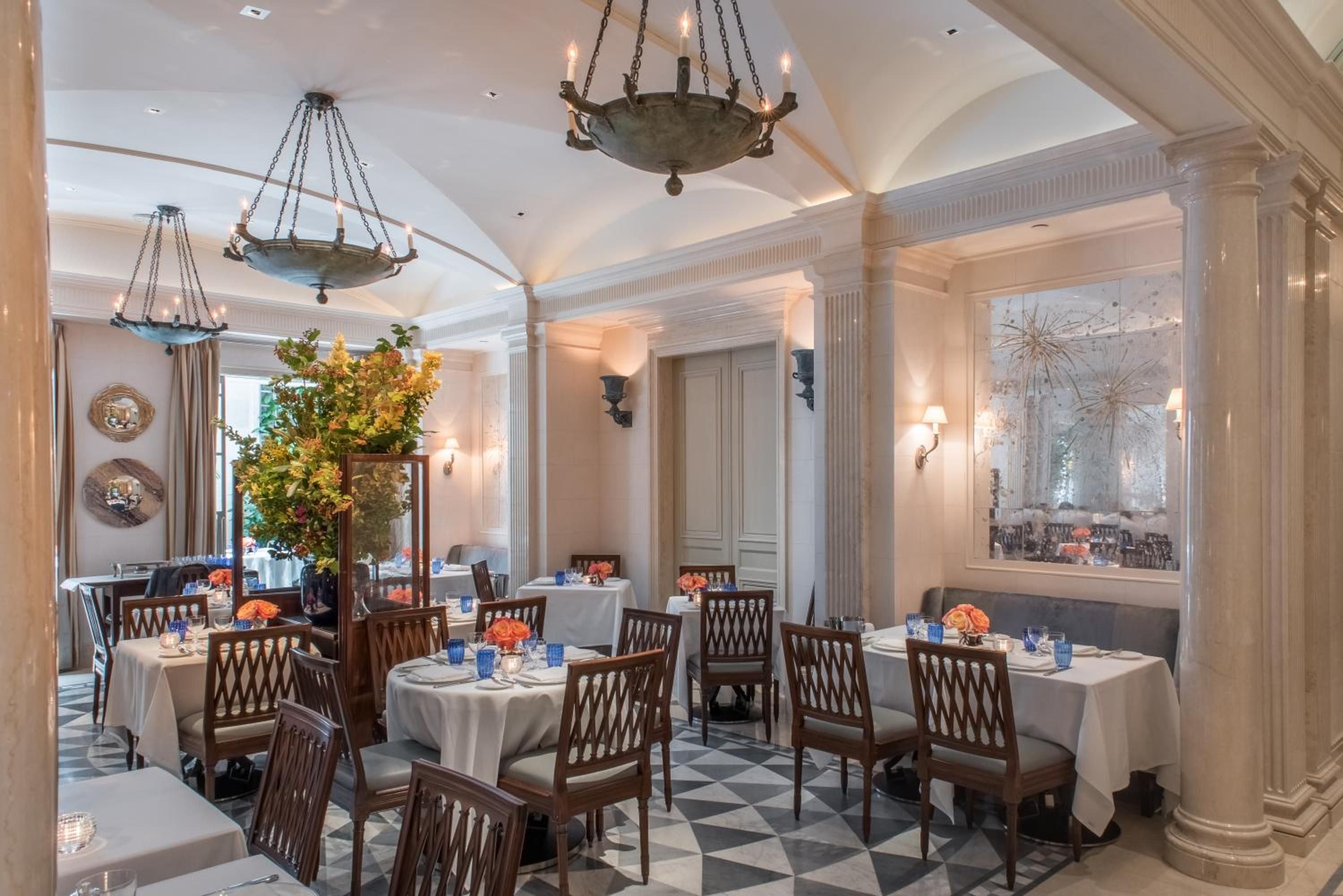
Downstairs, the property's dining and entertainment venues carry their own distinct gravity. Bemelmans Bar, with its whimsical murals painted by Ludwig Bemelmans, the creator of the Madeline children's books, is one of New York's most iconic cocktail rooms. Live piano and jazz fill the space nightly, and the banquettes seem designed for the kind of evening that extends well past a second martini. Café Carlyle is the hotel's legendary cabaret, a jewel-box performance venue that has hosted some of the most celebrated names in music and entertainment. The Carlyle Restaurant offers refined dining in an intimate setting, while The Gallery serves afternoon tea amid rotating art exhibitions. Together, these spaces give the hotel a cultural life that extends far beyond its guest rooms.
The Sense spa provides a counterpoint to the energy of the public spaces, offering treatments rooted in wellness traditions alongside a well-appointed fitness center. The rooftop terrace, available seasonally, opens to panoramic views of the city, a rare outdoor perch in a neighborhood defined by its polished limestone facades. The Upper East Side itself provides an ideal frame for the hotel's character. Central Park is one block west, the Metropolitan Museum of Art a short walk north, and the galleries, boutiques, and restaurants of Madison Avenue unfold at the front door.
What lingers about The Carlyle is not any single detail but the cumulative effect of a hotel that has never chased relevance because it never lost it. The bartenders know their regulars. The elevator operators greet you by name. The art on the walls is not decorative but considered. It is a place where New York's past and present coexist without explanation, where an evening might begin with cocktails beneath hand-painted murals and end with a cabaret performance that reminds you why this city still sets the standard. The Carlyle does not try to be timeless. It simply is.