
Guest
MAR 2026
Perfect home base for our family of 5 to explore Charleston. Simple, clean, quiet, short drive to everything we wanted to see. Highly recommend.
Stay Duvet
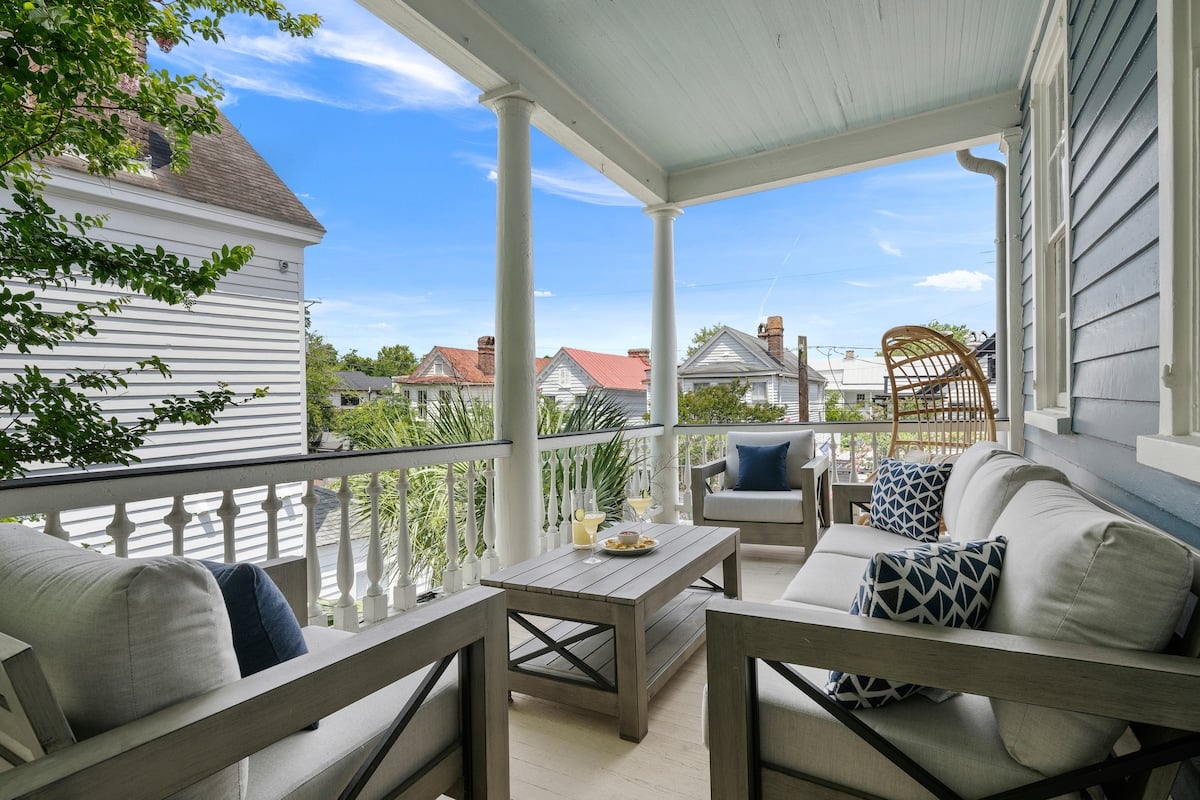
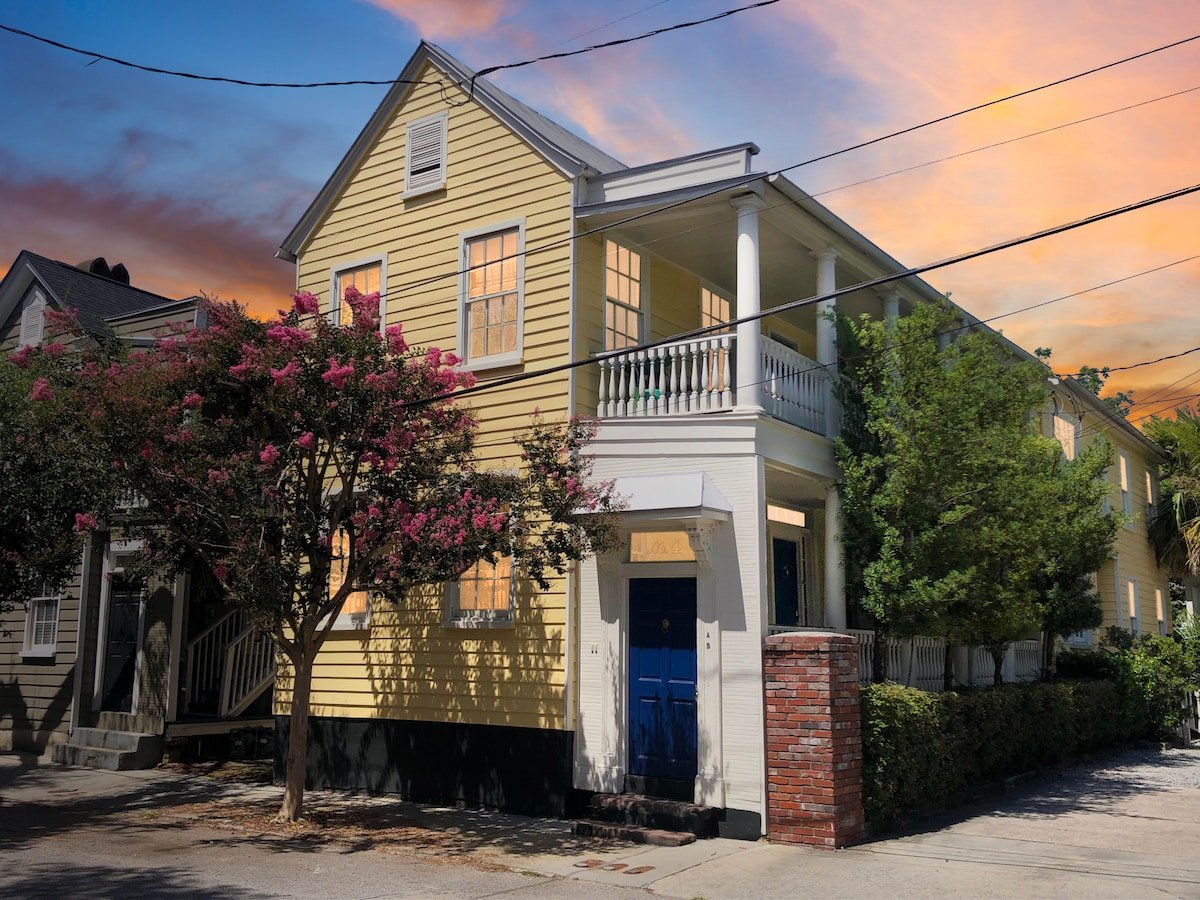
There is a particular pleasure in staying somewhere that feels like it belongs to the neighborhood rather than hovering above it. Casa Fuego - E is a warmly appointed residence just a six-minute walk from King Street, Charleston's most storied corridor of galleries, restaurants, and independent shops. The name suggests fire, and the interior delivers on that promise through rich, earthy tones and a palette that leans into terracotta warmth, layered textiles, and carefully chosen furnishings that feel collected rather than staged. This is not a sprawling estate or a grand historic home. It is something more intimate: a self-contained retreat designed for guests who want to live within a neighborhood rather than simply visit one.
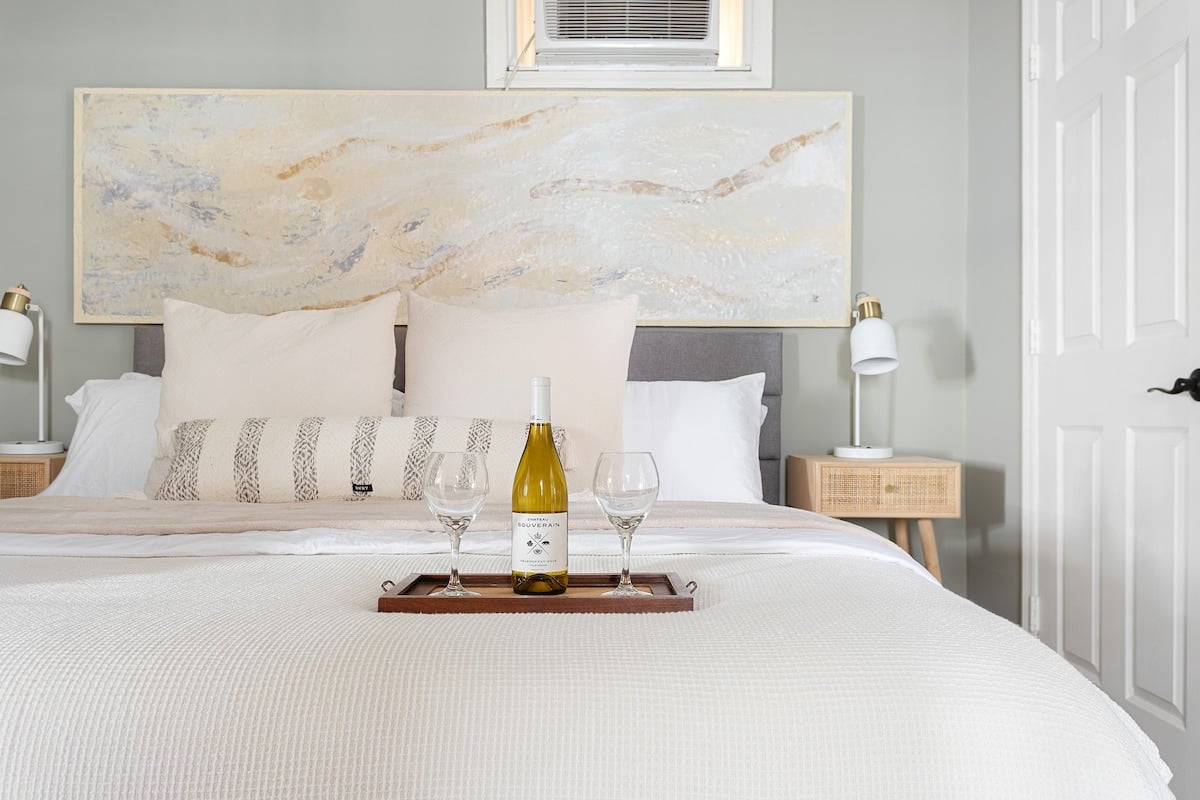
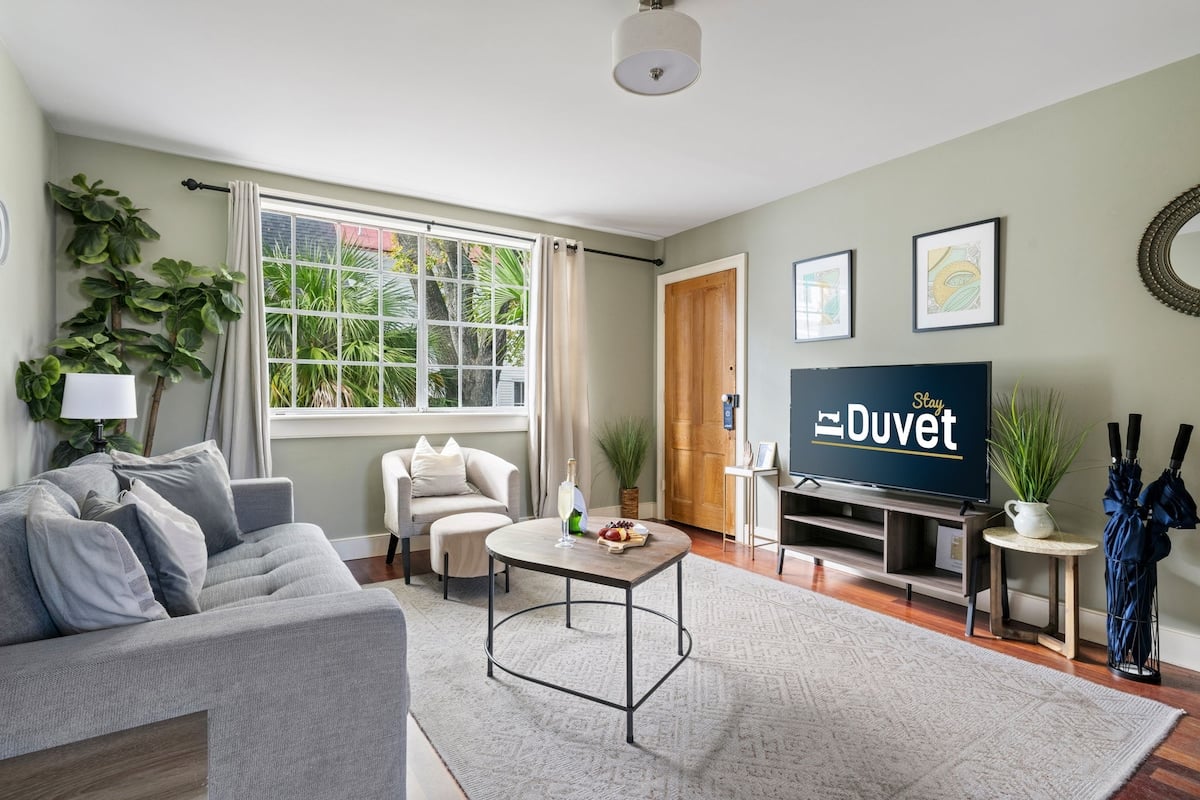
The space is configured for comfort and independence. The layout moves easily between living, sleeping, and cooking areas, each treated with the same attention to texture and tone. A fully equipped kitchen invites you to shop the local markets and cook at your own pace, while the living area offers a place to settle in after long afternoons spent walking the city's oak-lined streets. Bedding is generous and well-considered, and the overall effect is one of warmth without clutter. Every detail feels purposeful, from the lighting to the soft goods, creating the kind of environment where you're inclined to linger a little longer over morning coffee before heading out.
The location is the residence's quiet advantage. King Street unfolds just minutes away on foot, offering some of Charleston's most celebrated dining, from inventive Lowcountry kitchens to neighborhood wine bars and sidewalk cafes. Beyond the dining, the street is a destination in itself, lined with antique dealers, local boutiques, and art galleries that reward slow browsing. The wider neighborhood places you within easy reach of the Historic District, the waterfront, and the quieter residential blocks where Charleston's architectural heritage reveals itself one garden gate at a time.
What Casa Fuego - E offers is not the experience of a hotel, but the rhythm of temporary residence in a city that rewards those who move through it slowly. You wake on your own schedule, brew coffee in your own kitchen, and step out into streets that feel lived-in rather than curated for visitors. By evening, the walk home from dinner feels familiar. The light through the windows settles into the warm tones of the interior, and the city outside grows quieter. It is a place that earns its name not through spectacle, but through a steady, glowing warmth that stays with you well after you leave.
There is a particular pleasure in staying somewhere that feels like it belongs to the neighborhood rather than hovering above it. Casa Fuego - E is a warmly appointed residence just a six-minute walk from King Street, Charleston's most storied corridor of galleries, restaurants, and independent shops. The name suggests fire, and the interior delivers on that promise through rich, earthy tones and a palette that leans into terracotta warmth, layered textiles, and carefully chosen furnishings that feel collected rather than staged. This is not a sprawling estate or a grand historic home. It is something more intimate: a self-contained retreat designed for guests who want to live within a neighborhood rather than simply visit one.
The space is configured for comfort and independence. The layout moves easily between living, sleeping, and cooking areas, each treated with the same attention to texture and tone. A fully equipped kitchen invites you to shop the local markets and cook at your own pace, while the living area offers a place to settle in after long afternoons spent walking the city's oak-lined streets. Bedding is generous and well-considered, and the overall effect is one of warmth without clutter. Every detail feels purposeful, from the lighting to the soft goods, creating the kind of environment where you're inclined to linger a little longer over morning coffee before heading out.
The location is the residence's quiet advantage. King Street unfolds just minutes away on foot, offering some of Charleston's most celebrated dining, from inventive Lowcountry kitchens to neighborhood wine bars and sidewalk cafes. Beyond the dining, the street is a destination in itself, lined with antique dealers, local boutiques, and art galleries that reward slow browsing. The wider neighborhood places you within easy reach of the Historic District, the waterfront, and the quieter residential blocks where Charleston's architectural heritage reveals itself one garden gate at a time.

What sets this place apart is how it feels like someone with genuinely good taste decided to share their Charleston home with you. The design is confident but never showy—curated furnishings and soft lighting that let the neighborhood do the talking. And what a neighborhood it is: Cannonborough/Elliotborough has that particular energy where beloved local spots like Xiao Bao Biscuit and Chubby Fish sit within easy reach, making the six-minute walk to King Street feel almost like an afterthought. The open living space catches natural light in a way that makes staying in feel just as appealing as heading out. It's a property that understands a certain kind of traveler—one who wants proximity to Charleston's best without sacrificing the quiet of a private retreat.
Guest
Perfect home base for our family of 5 to explore Charleston. Simple, clean, quiet, short drive to everything we wanted to see. Highly recommend.
Guest
Cute apartment walking distance from College of Charleston and King St.
Guest
Amazing stay. Hope to stay again!
Guest
Great location. Comfortable bed
Guest
Very clean and comfortable accommodations with amenities provided. Felt at home and only wish we had a longer stay.
Get notified when this stay runs special offers or becomes available during your preferred travel dates. We'll also connect you to the property so you can be eligible for insider rewards and premium experiences.