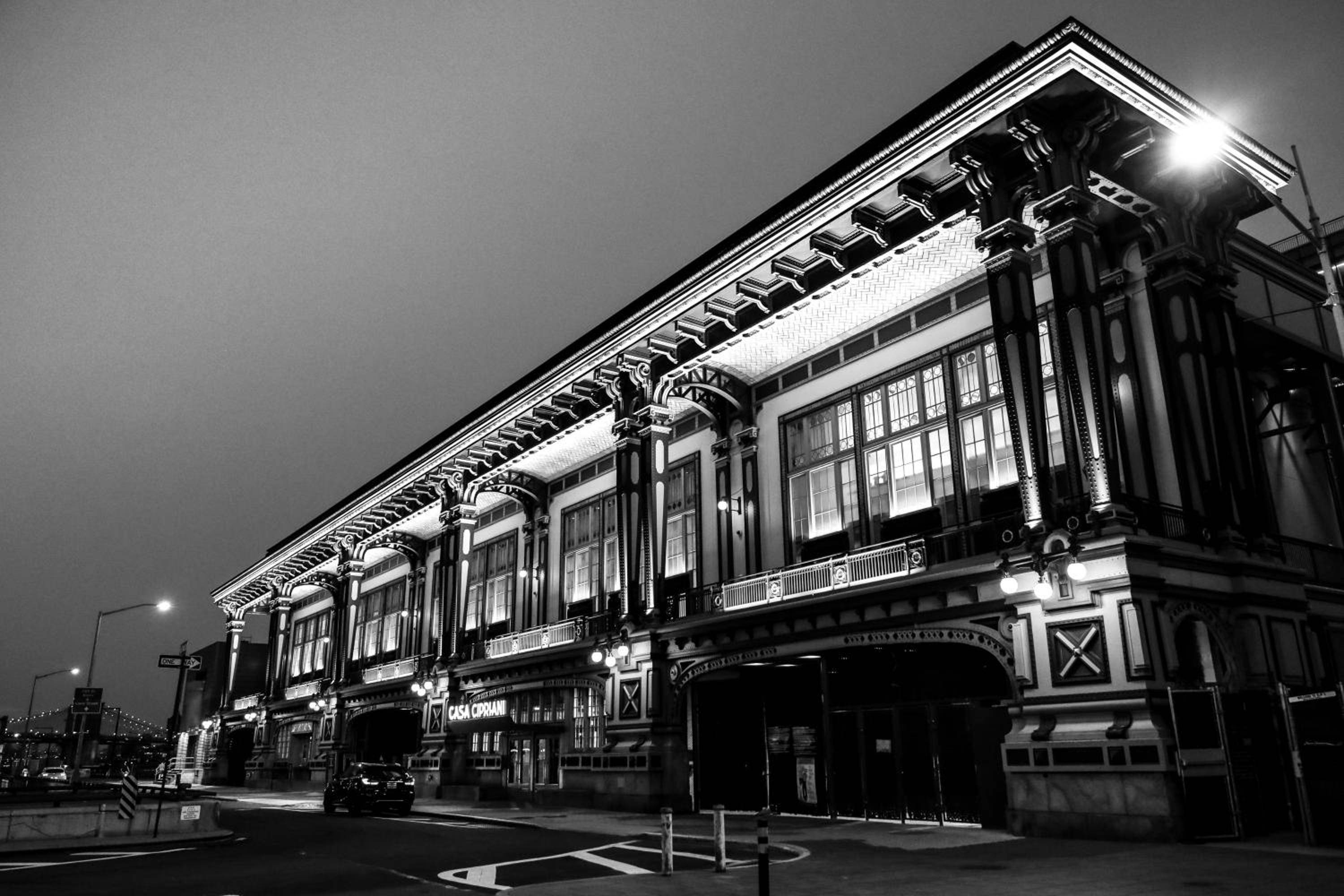
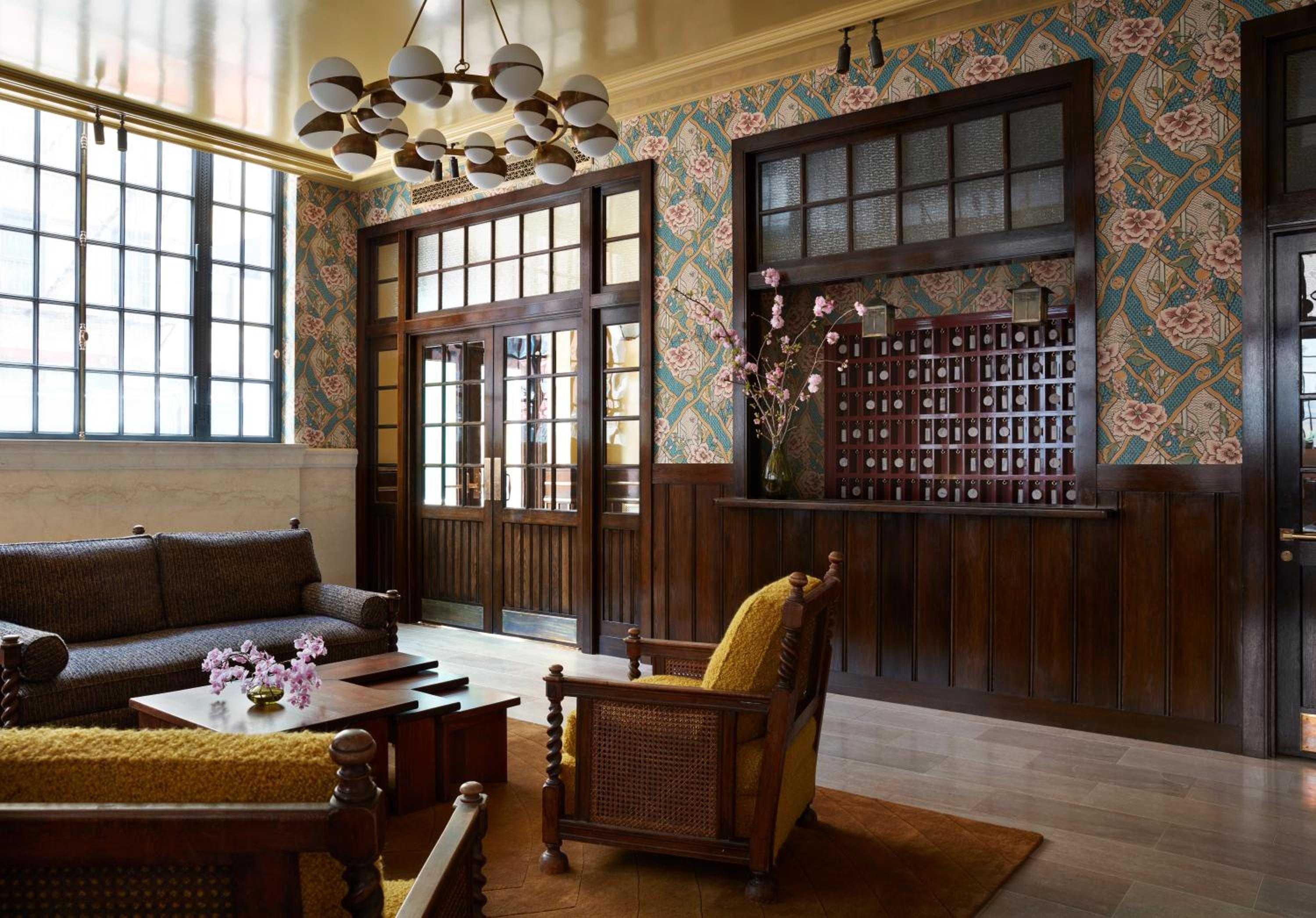
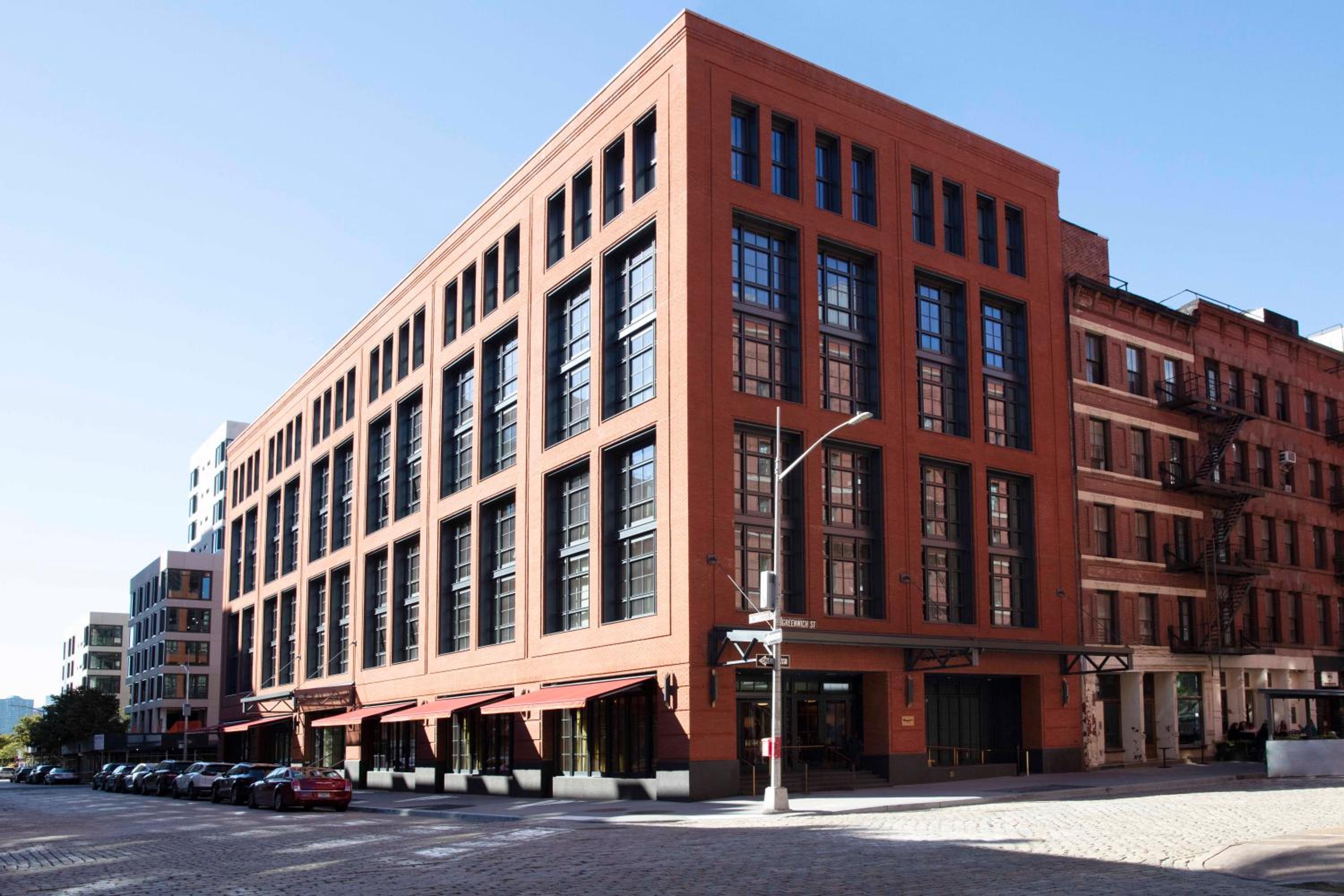
The building alone tells you something has shifted. Casa Cipriani New York occupies the Battery Maritime Building, a Beaux-Arts ferry terminal at the southern tip of Manhattan that dates to 1909. Its ornate green facade, once a working gateway to the harbor, now opens onto one of the city's most singular hospitality experiences. This is not simply a hotel. It is a members' club, a residence, and a gathering place shaped by the Cipriani family's century-long tradition of Italian hospitality, set within a landmark structure where industrial grandeur and Old World warmth exist in close conversation.
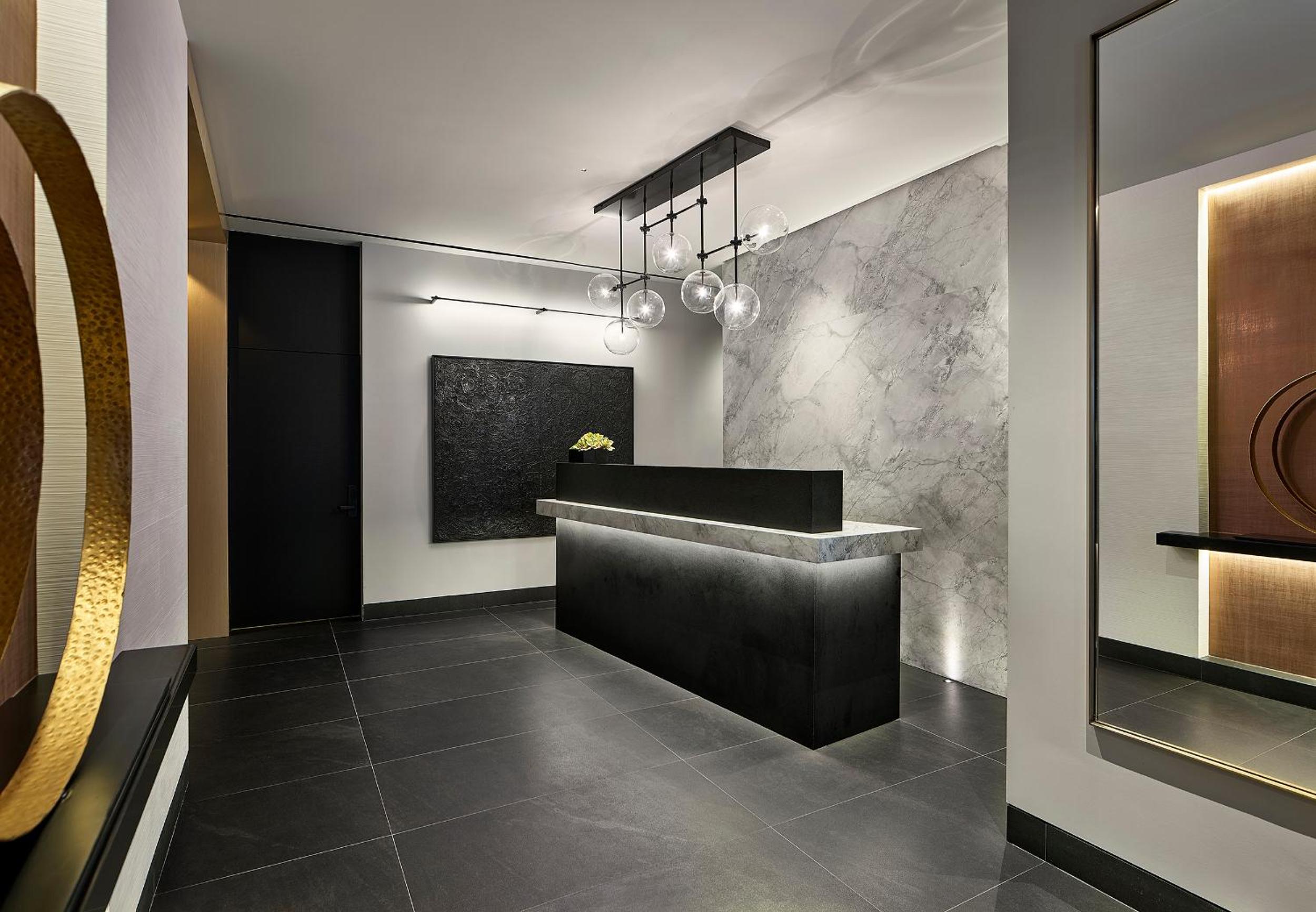
The property holds just 47 rooms and suites, each designed with a restrained Italian sensibility that favors natural materials, handcrafted furnishings, and a muted palette meant to feel more like a private apartment than a conventional hotel room. Views extend across New York Harbor toward the Statue of Liberty and the Brooklyn waterfront, framing the water in nearly every direction. The scale is intimate by design. Hallways are quiet. Common spaces feel curated rather than crowded. There is a deliberate domestic rhythm here, a sense that the building has been arranged for the comfort of a small number of guests rather than the volume of a large operation.
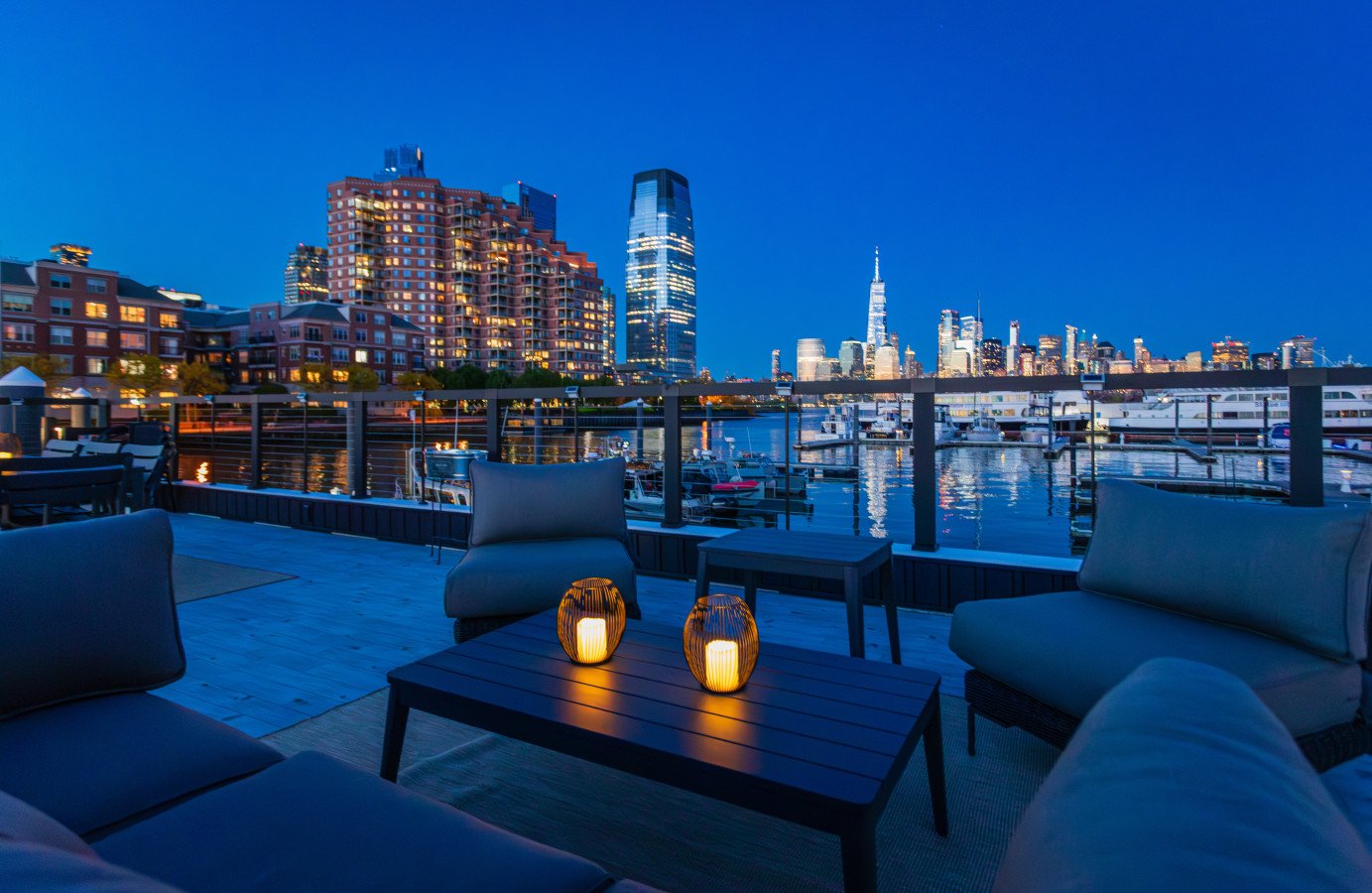
Dining and drinking are central to the experience, as one would expect from the Cipriani name. The ground-floor restaurant offers Italian cooking rooted in the family's Venetian heritage, with handmade pastas, seafood, and the kind of classic dishes that have defined Cipriani tables for generations. A bar and lounge space serves as the social anchor of the club, drawing members and hotel guests into a setting that feels both spirited and refined. Upstairs, more private dining rooms and event spaces allow for quieter meals and celebrations. The rooftop terrace opens seasonally, offering one of lower Manhattan's most dramatic open-air settings with sweeping water views. A wellness floor includes a spa, fitness facilities, and a pool, providing a counterpoint to the energy of the public spaces below. Throughout, the interiors balance period architectural details with a contemporary Italian warmth that feels neither museum-like nor overly modern.
Casa Cipriani sits at the edge of Manhattan, just steps from the Staten Island Ferry terminal and the open expanse of Battery Park. The Financial District stretches north, but at the water's edge, the mood shifts. The harbor air, the wide sky, and the constant presence of passing ferries give this corner of the island a feeling of openness uncommon in New York. It is a location that rewards those who seek the city's edges rather than its center.
What lingers is the particular quality of belonging the property cultivates. Casa Cipriani New York is not trying to be everything to everyone. It is a place built around a private sensibility, where the scale stays small, the Italian table stays generous, and the waterfront light does much of the work.