Janu Tokyo
Where Tokyo's energy meets an unprecedented scale of stillness
Reserve this StayBoutique Hotel in Tokyo, Tokyo
/Janu Tokyo
Janu Tokyo
19 Total Rooms
19 Room Types
4.8 (9 Reviews)
Janu Tokyo occupies the upper floors of the Azabudai Hills complex, a striking architectural development that reshapes the Toranomon-Azabudai district into one of the city's most ambitious urban landscapes. The hotel is the first property from Janu, the sister brand to Aman, and it announces itself not with minimalism but with warmth, scale, and a particular kind of generosity. Interiors by Jean-Michel Gathy move between textured stone, rich timbers, and expansive glass, creating spaces that feel both monumental and deeply inviting. From the moment you arrive, there is a sense of encountering something rare in Tokyo: a hotel built around spaciousness itself.
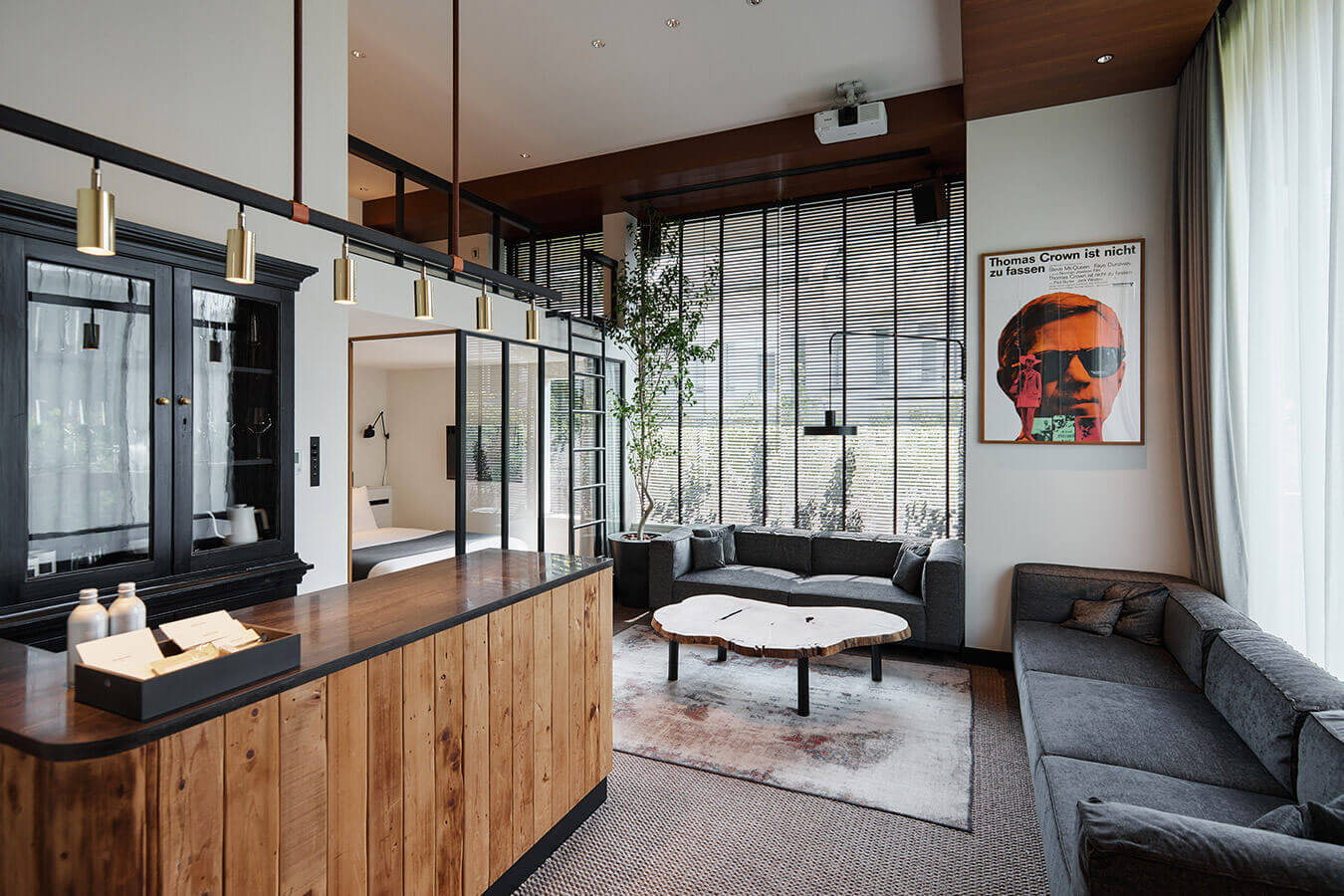
The accommodations span 122 rooms and suites, each designed with floor-to-ceiling windows that frame the city from above. Rooms are generous in proportion, with natural materials, freestanding soaking tubs, and layouts that encourage lingering rather than simply sleeping. Several suite categories offer dedicated living areas and panoramic views stretching toward Tokyo Tower and beyond. The design throughout favors a palette of warm neutrals and organic textures, a deliberate counterpoint to the luminous metropolis outside.
Dining at Janu Tokyo is expansive, with multiple restaurants and bars offering distinct experiences. Janu Japanese is an intimate kappo-style restaurant where seasonal ingredients are prepared with precision at a counter setting. Janu Italian draws on the traditions of Southern Italy, with handmade pastas and wood-fired preparations in a spirited, convivial atmosphere. The Bar serves as the hotel's social anchor, a sophisticated space for cocktails and conversation, while Cafe provides a more casual rhythm throughout the day. Each venue occupies its own character within the hotel's larger world, giving guests genuine variety without ever needing to leave the building.
The wellness offering at Janu Tokyo is among the most significant of any urban hotel in the world. The spa and wellness facilities extend across approximately 4,000 square meters and include an expansive pool, movement studios, treatment rooms, thermal experiences, and spaces designed around breathwork, meditation, and physical practice. The concept is rooted in what the brand describes as janu, the Sanskrit word for soul, and the programming reflects a commitment to wellbeing that goes far beyond a conventional hotel spa. There is a genuine athletic and restorative infrastructure here, one that rewards multi-day stays and repeated visits.
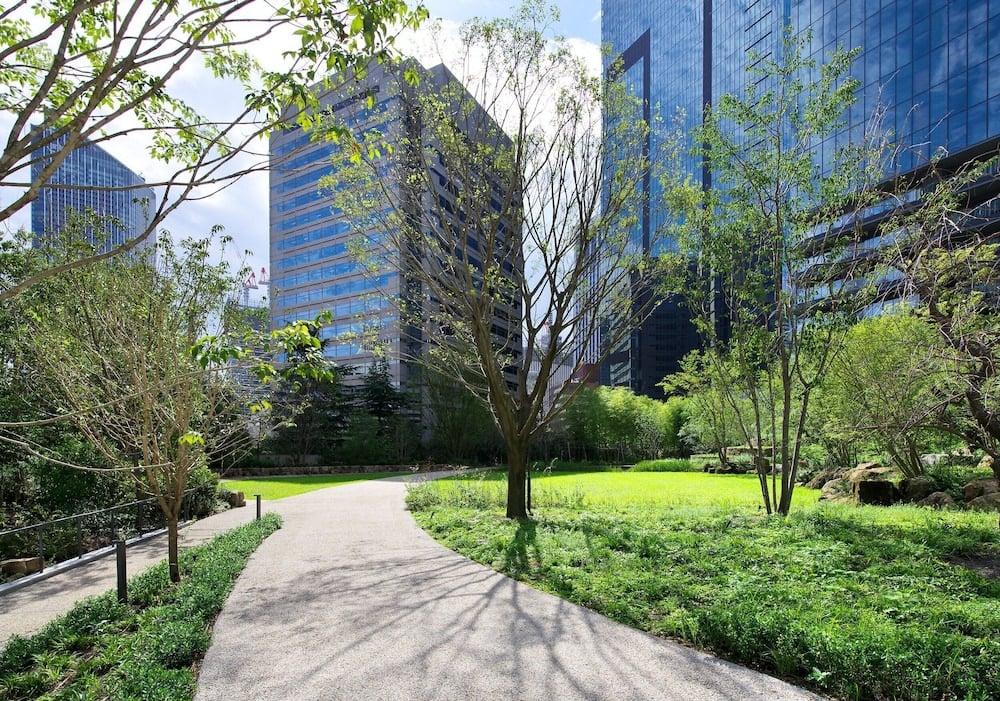
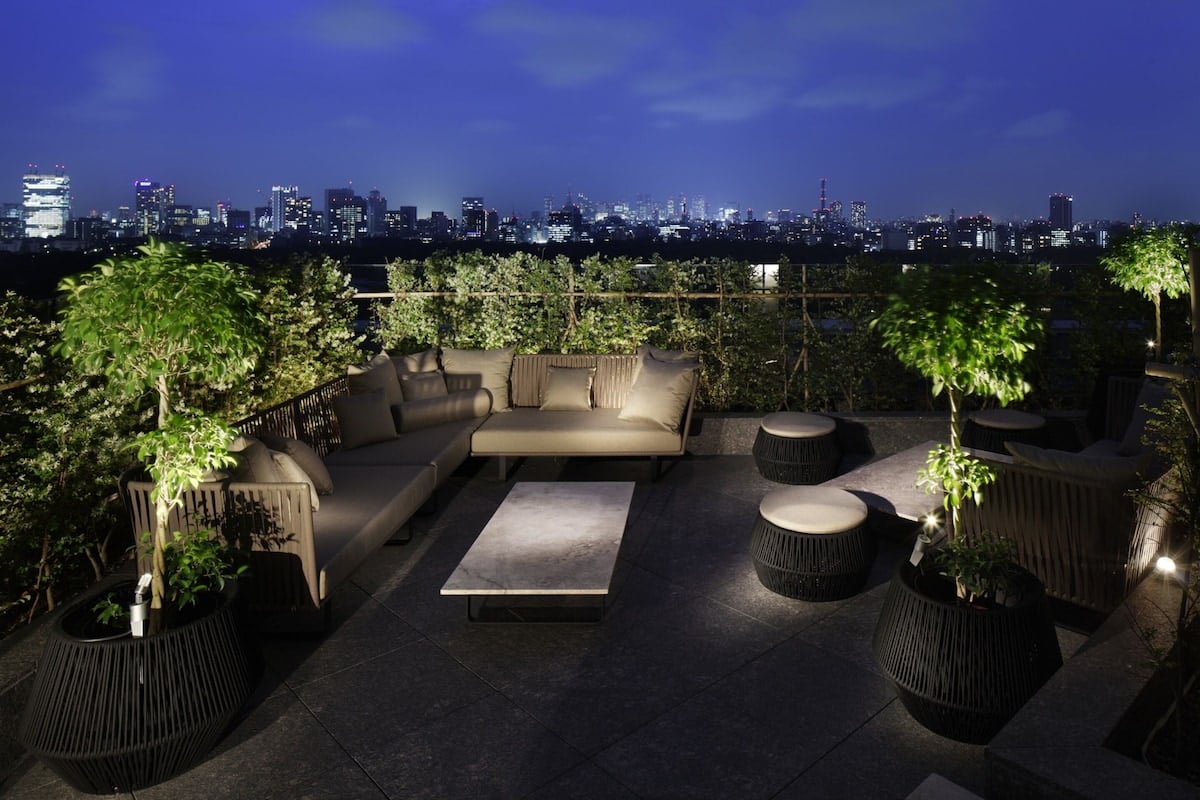
Azabudai Hills itself places Janu within a neighborhood defined by world-class art, curated retail, and landscaped public gardens designed by Heatherwick Studio. The surrounding district sits between Roppongi and Toranomon, two of Tokyo's most dynamic areas, with easy access to the galleries, temples, and restless creativity that define this city. Yet the hotel's elevated position creates a feeling of remove, a place where the city is visible but its noise is held at a comfortable distance. Janu Tokyo leaves you with the sense that luxury in this city has found a new register: generous, physical, layered with purpose, and utterly alive.
Janu Tokyo occupies the upper floors of the Azabudai Hills complex, a striking architectural development that reshapes the Toranomon-Azabudai district into one of the city's most ambitious urban landscapes. The hotel is the first property from Janu, the sister brand to Aman, and it announces itself not with minimalism but with warmth, scale, and a particular kind of generosity. Interiors by Jean-Michel Gathy move between textured stone, rich timbers, and expansive glass, creating spaces that feel both monumental and deeply inviting. From the moment you arrive, there is a sense of encountering something rare in Tokyo: a hotel built around spaciousness itself.
The accommodations span 122 rooms and suites, each designed with floor-to-ceiling windows that frame the city from above. Rooms are generous in proportion, with natural materials, freestanding soaking tubs, and layouts that encourage lingering rather than simply sleeping. Several suite categories offer dedicated living areas and panoramic views stretching toward Tokyo Tower and beyond. The design throughout favors a palette of warm neutrals and organic textures, a deliberate counterpoint to the luminous metropolis outside.
Dining at Janu Tokyo is expansive, with multiple restaurants and bars offering distinct experiences. Janu Japanese is an intimate kappo-style restaurant where seasonal ingredients are prepared with precision at a counter setting. Janu Italian draws on the traditions of Southern Italy, with handmade pastas and wood-fired preparations in a spirited, convivial atmosphere. The Bar serves as the hotel's social anchor, a sophisticated space for cocktails and conversation, while Cafe provides a more casual rhythm throughout the day. Each venue occupies its own character within the hotel's larger world, giving guests genuine variety without ever needing to leave the building.


What we love about this stay
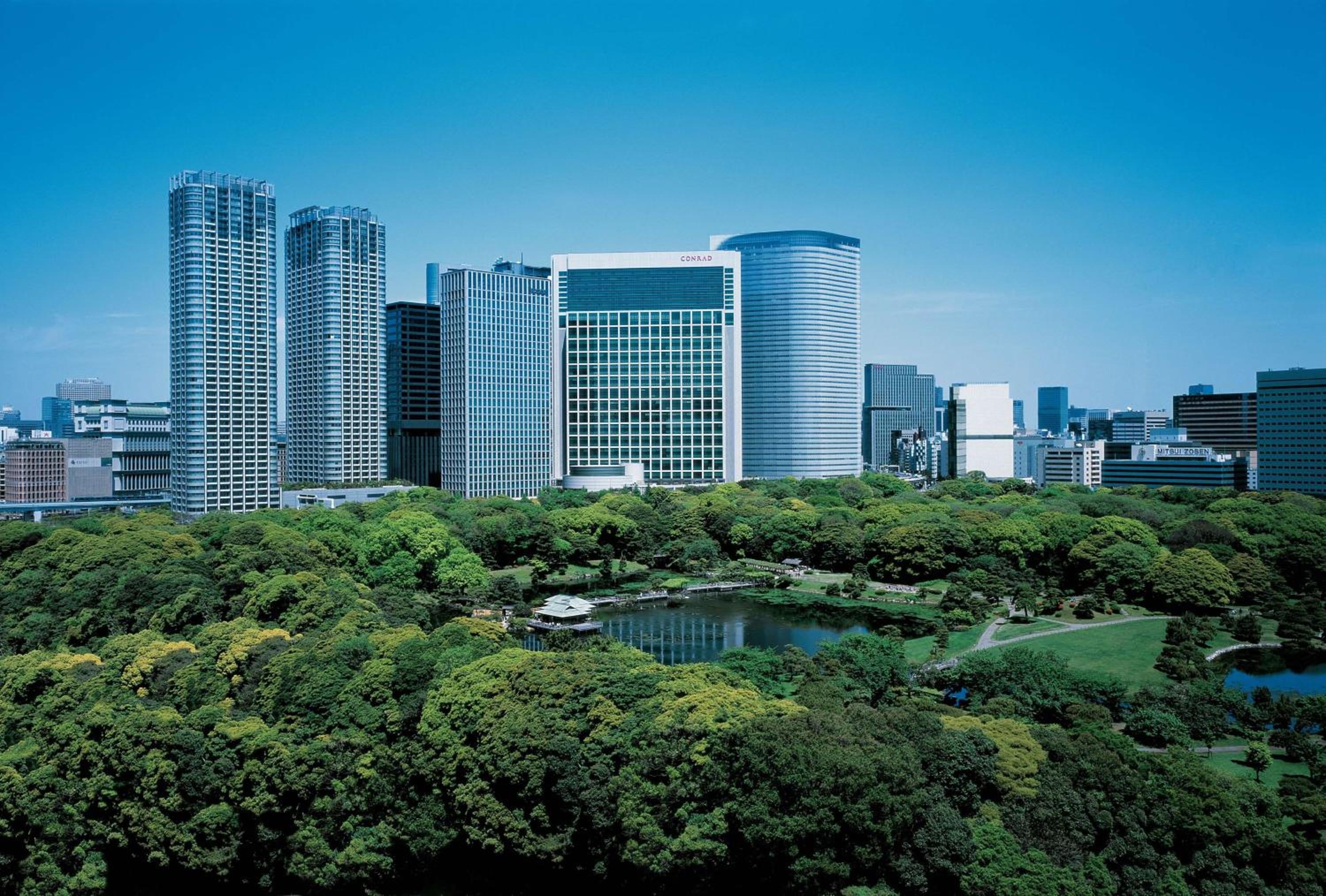
There's a particular kind of calm that comes from being high above a city this relentless — not detachment, but a quiet counterpoint to everything happening below. Conrad Tokyo understands that tension well. The interiors lean into sophisticated modernity without trying to compete with the spectacle outside the windows; instead, spacious rooms in subtle hues and plush textures let Tokyo's cityscape do the talking. It's a hotel that feels distinctly located — steps from Ginza, connected to Shiodome and Shimbashi stations — yet entirely self-contained when you need it to be. The dining pulls you in multiple directions across five restaurants, which feels right for a property that mirrors Tokyo's own restless culinary curiosity. What stays with you is the balance: urban energy held at just the right distance, tradition and innovation coexisting without fanfare.
Explore our Accommodations
Where you'll be staying
Minato-ku, Higashi-Shinbashi 1-9-1, Tokyo, Tokyo, JP
Hear it from other travelers
Guest
AUG 2025
An incredible stay — the Conrad Tokyo is the standard for hospitality and hotel service.
Guest
JAN 2026
Phenomenal Stay! Great hotel with easy transit. The staff is so helpful and friendly, and the lobby lounge has great drinks and a stunning view. Do not miss the sauna area; very well done!
Guest
AUG 2025
Great room service-very clean-nice amenities
Guest
SEP 2025
Conrad Tokyo was my favorite stay during our trip. From the moment we arrived — with attentive valet service and a seamless concierge experience — everything felt elevated. The hotel carries an unmistakably upscale atmosphere, blending luxury with precision in every detail. Rooms were spacious and comfortable, with views that made the stay feel even more memorable. Service was consistently polished, and the staff struck the right balance of attentiveness and discretion. Conrad Tokyo sets the bar for luxury hospitality, and I wouldn’t hesitate to return.
Guest
JAN 2026
What you need to know
3:00 PM
12:00 PM
Watch this Stay
Get notified when this stay runs special offers or becomes available during your preferred travel dates. We'll also connect you to the property so you can be eligible for insider rewards and premium experiences.
Similar stays around Tokyo