The Okura Tokyo
Where postwar elegance meets the future of Tokyo hospitality
Reserve this StayBoutique Hotel in Tokyo, JP
/The Okura Tokyo
The Okura Tokyo
39 Total Rooms
38 Room Types
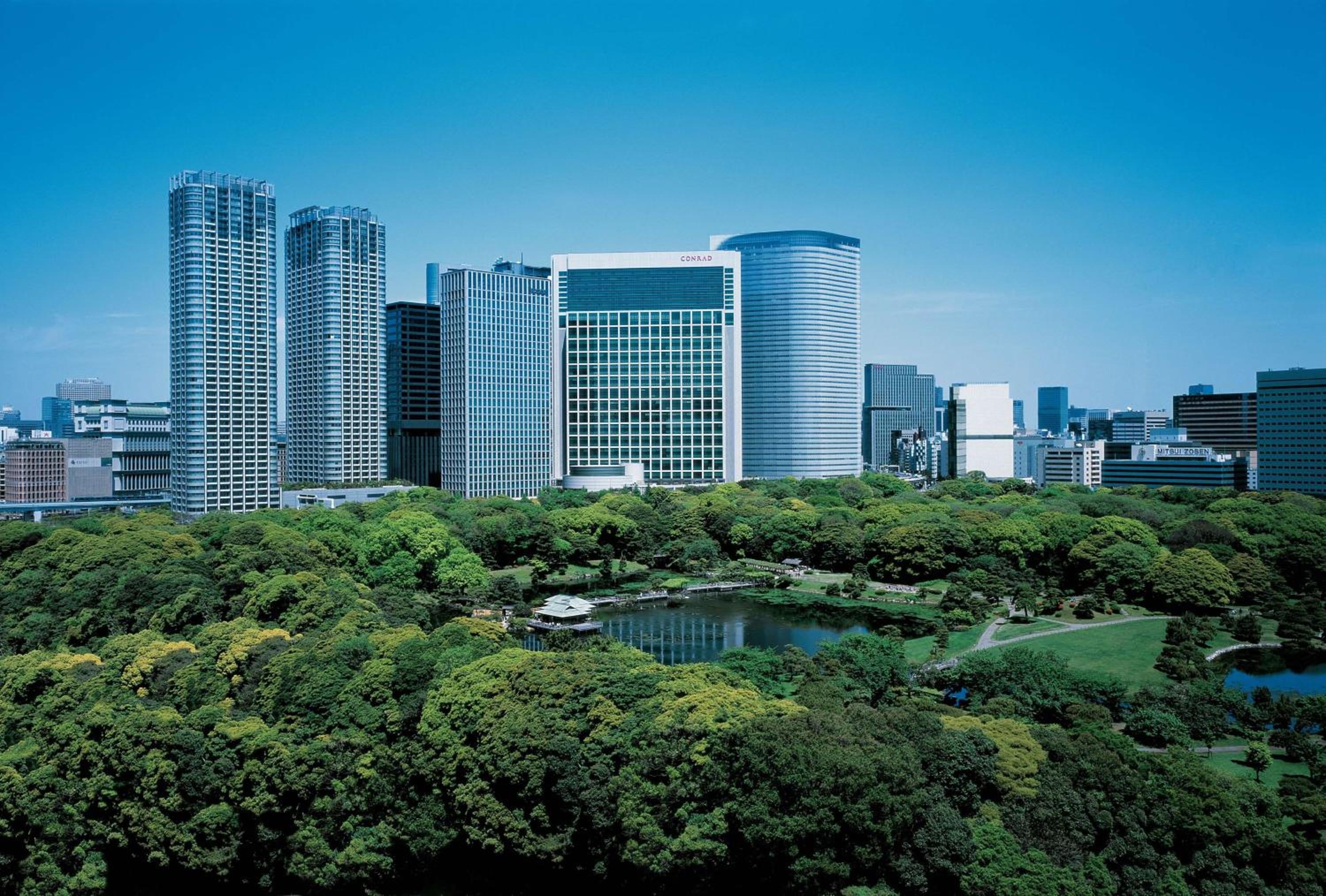
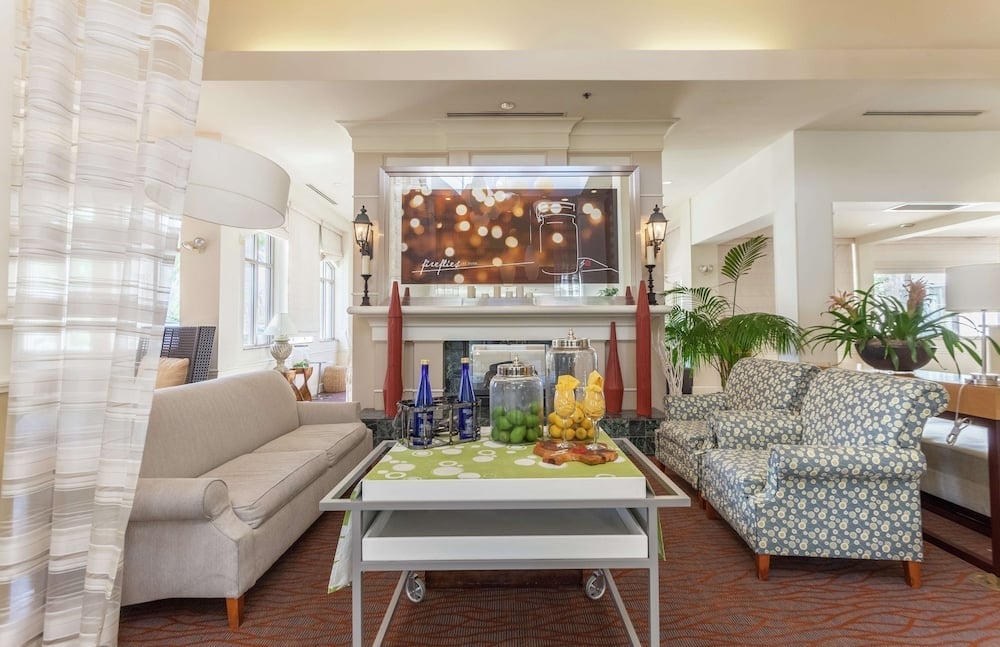
There is a particular stillness that greets you in the lobby of The Okura Tokyo, a quality of light and proportion that feels almost ceremonial. The hotel's heritage stretches back to 1962, when it opened as one of Japan's most ambitious expressions of modern design, fusing traditional Japanese aesthetics with midcentury architecture in ways that still feel singular. After a meticulous reconstruction completed in 2019, the property now stands as two towers, the Prestige Tower and the Heritage Wing, rising above the Toranomon district with views across the capital's skyline toward Tokyo Tower and beyond. The rebuilt lobby pays faithful tribute to the original's iconic latticed screens, paper lanterns, and low-slung furniture, a space that has been photographed and admired for decades and now exists in a form both preserved and renewed.
The Prestige Tower houses the hotel's most refined accommodations, with rooms and suites designed in restrained palettes of natural materials, soft textiles, and carefully considered proportions. Floor-to-ceiling windows frame wide panoramas of the city, while interiors draw on the Japanese principle of ma, the deliberate use of space and emptiness to create calm. The Heritage Wing offers its own character, with rooms that carry a slightly warmer sensibility. Across both towers, the attention to craft is evident in every surface, from custom millwork to stone-clad bathrooms that feel both contemporary and rooted in tradition.
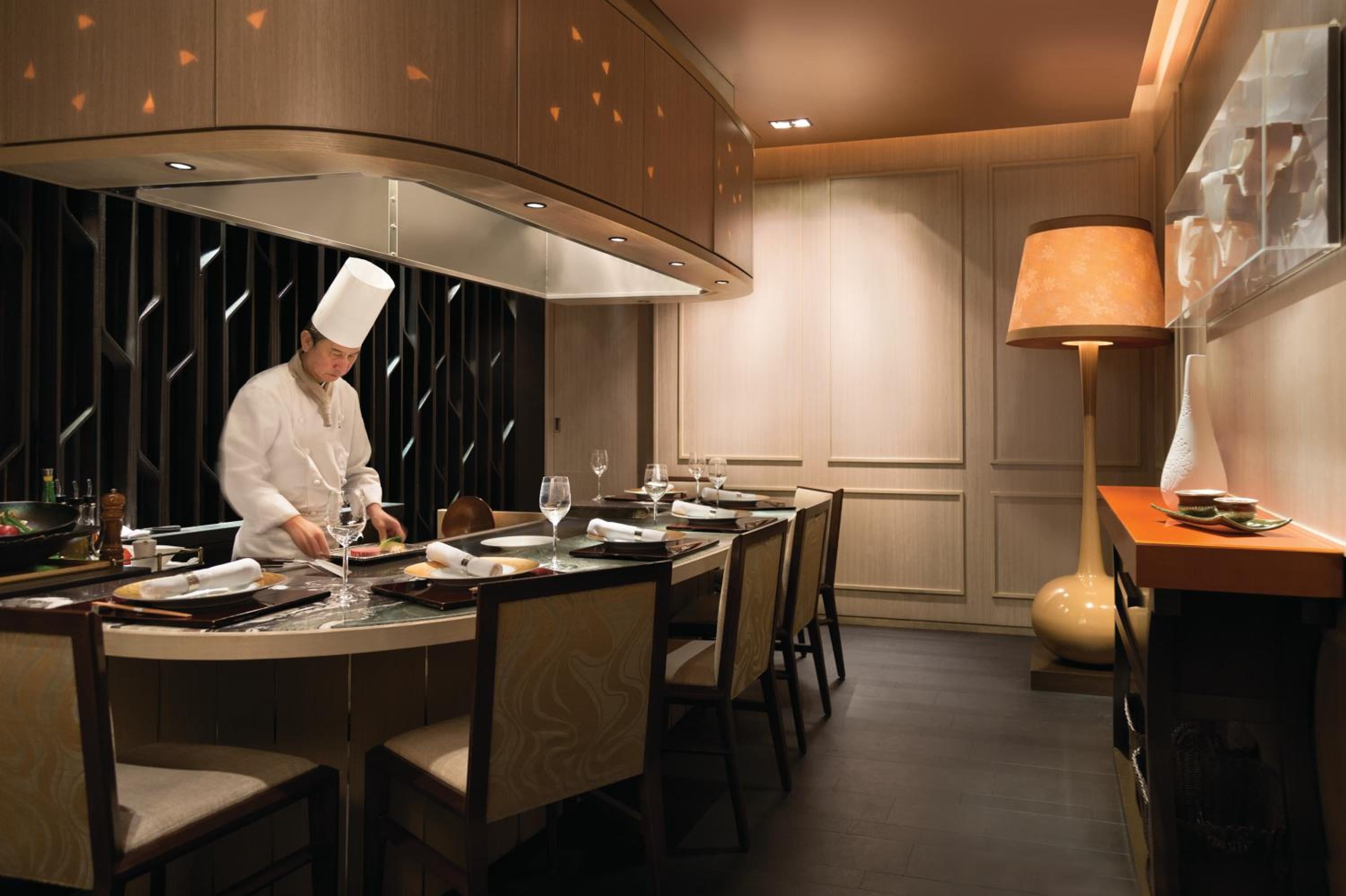
Dining at The Okura Tokyo spans a remarkable range of cuisines and settings. Nouvelle Époque offers French haute cuisine in an atmosphere of quiet formality. Yamazato is the hotel's celebrated Japanese restaurant, serving kaiseki and traditional dishes with seasonal precision. Toh-Ka-Lin presents refined Chinese cuisine, while Sazanka features teppanyaki prepared before you at intimate counter seating. The Orchid Bar, a beloved institution among Tokyo's cocktail aficionados, provides a darkly elegant setting for evening drinks. For more casual moments, the Lobby Lounge beneath those iconic lanterns invites lingering over afternoon tea or coffee. The hotel also houses a patisserie and bakery for those drawn to the pastry traditions the Okura has long been known for.
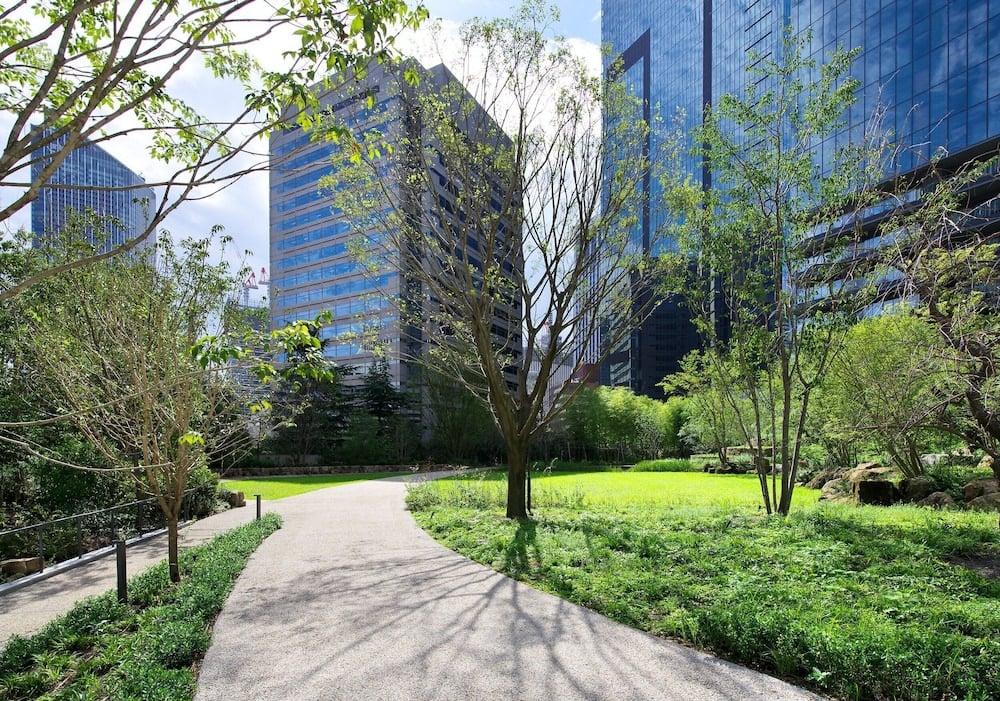
The spa and wellness offerings reflect the same philosophy of understated precision. A full-service spa provides treatments rooted in both Eastern and Western traditions, while an indoor swimming pool and fitness center allow guests to maintain their routines. The surrounding Toranomon neighborhood places you in one of Tokyo's most dynamic corridors, with the verdant grounds of the nearby Okura Museum of Art and the embassy district lending a sense of quiet prestige to the streets outside. Roppongi, Akasaka, and the imperial gardens are all within easy reach.
What lingers after a stay at The Okura Tokyo is not any single detail but the cumulative effect of proportion, service, and restraint working together across every floor, every meal, every transition from one space to the next. It is a hotel that understands the power of ceremony without ever making it feel heavy, a place where the rituals of hospitality are practiced with the kind of seriousness that, paradoxically, puts you entirely at ease.
There is a particular stillness that greets you in the lobby of The Okura Tokyo, a quality of light and proportion that feels almost ceremonial. The hotel's heritage stretches back to 1962, when it opened as one of Japan's most ambitious expressions of modern design, fusing traditional Japanese aesthetics with midcentury architecture in ways that still feel singular. After a meticulous reconstruction completed in 2019, the property now stands as two towers, the Prestige Tower and the Heritage Wing, rising above the Toranomon district with views across the capital's skyline toward Tokyo Tower and beyond. The rebuilt lobby pays faithful tribute to the original's iconic latticed screens, paper lanterns, and low-slung furniture, a space that has been photographed and admired for decades and now exists in a form both preserved and renewed.
The Prestige Tower houses the hotel's most refined accommodations, with rooms and suites designed in restrained palettes of natural materials, soft textiles, and carefully considered proportions. Floor-to-ceiling windows frame wide panoramas of the city, while interiors draw on the Japanese principle of ma, the deliberate use of space and emptiness to create calm. The Heritage Wing offers its own character, with rooms that carry a slightly warmer sensibility. Across both towers, the attention to craft is evident in every surface, from custom millwork to stone-clad bathrooms that feel both contemporary and rooted in tradition.
Dining at The Okura Tokyo spans a remarkable range of cuisines and settings. Nouvelle Époque offers French haute cuisine in an atmosphere of quiet formality. Yamazato is the hotel's celebrated Japanese restaurant, serving kaiseki and traditional dishes with seasonal precision. Toh-Ka-Lin presents refined Chinese cuisine, while Sazanka features teppanyaki prepared before you at intimate counter seating. The Orchid Bar, a beloved institution among Tokyo's cocktail aficionados, provides a darkly elegant setting for evening drinks. For more casual moments, the Lobby Lounge beneath those iconic lanterns invites lingering over afternoon tea or coffee. The hotel also houses a patisserie and bakery for those drawn to the pastry traditions the Okura has long been known for.


What we love about this stay
You feel it the moment you step into the Heritage Tower lobby — that rare hush where mid-century Japanese design holds its ground against the pulse of one of the world's most relentless cities. The lantern-like pendants, the tatami-patterned screens, the geometry of washi panels — it's not a museum piece, it's a living room that happens to still the breath. The Okura carries this tension between restraint and warmth through everything, from the hinoki wood accents in guest rooms to the measured grace of a kaiseki course at Yamazato, where each dish feels like something deliberately left half-said. What stays with you isn't grandeur but calibration — the sense that every surface, scent, and silence was placed with the same intention as a tea ceremony, and that Tokyo, seen from here, somehow feels both dazzling and deeply still.
Explore our Accommodations
Where you'll be staying
2-10-4 Toranomon, Minato-ku, Tokyo, Tokyo, 105-0001, Tokyo, JP
What you need to know
03:00 PM
We understand that plans can change. The cancellation terms below describe the standard policy. Your specific booking's eligibility for cancellation and refund is determined by the terms shown at the time of booking. **Standard Refundable Terms** For reservations that are marked as refundable: - Guests may cancel up to 48 hours before check-in to receive a full refund - Cancellations made less than 48 hours before check-in may be eligible for a partial refund No refunds are issued for: - No-shows - Cancellations made after check-in **Non-Refundable Reservations** Some reservations may be marked as non-refundable. For these bookings, cancellations or no-shows are not eligible for a refund, regardless of timing. **Refund Processing** Eligible refunds are processed to the original payment method and typically appear within 5–10 business days, depending on your payment provider. **Reservation Changes** Changes to reservations, including date modifications, are subject to availability and may incur additional charges and must be made up to 48 hours before check-in.
Property does not require health documentation at check-in Professional property host/manager LGBTQ friendly Essential workers only - NO Cashless transactions are available Contactless check-out is available
12:00 PM
Not allowed
Watch this Stay
Get notified when this stay runs special offers or becomes available during your preferred travel dates. We'll also connect you to the property so you can be eligible for insider rewards and premium experiences.
Similar stays around Tokyo