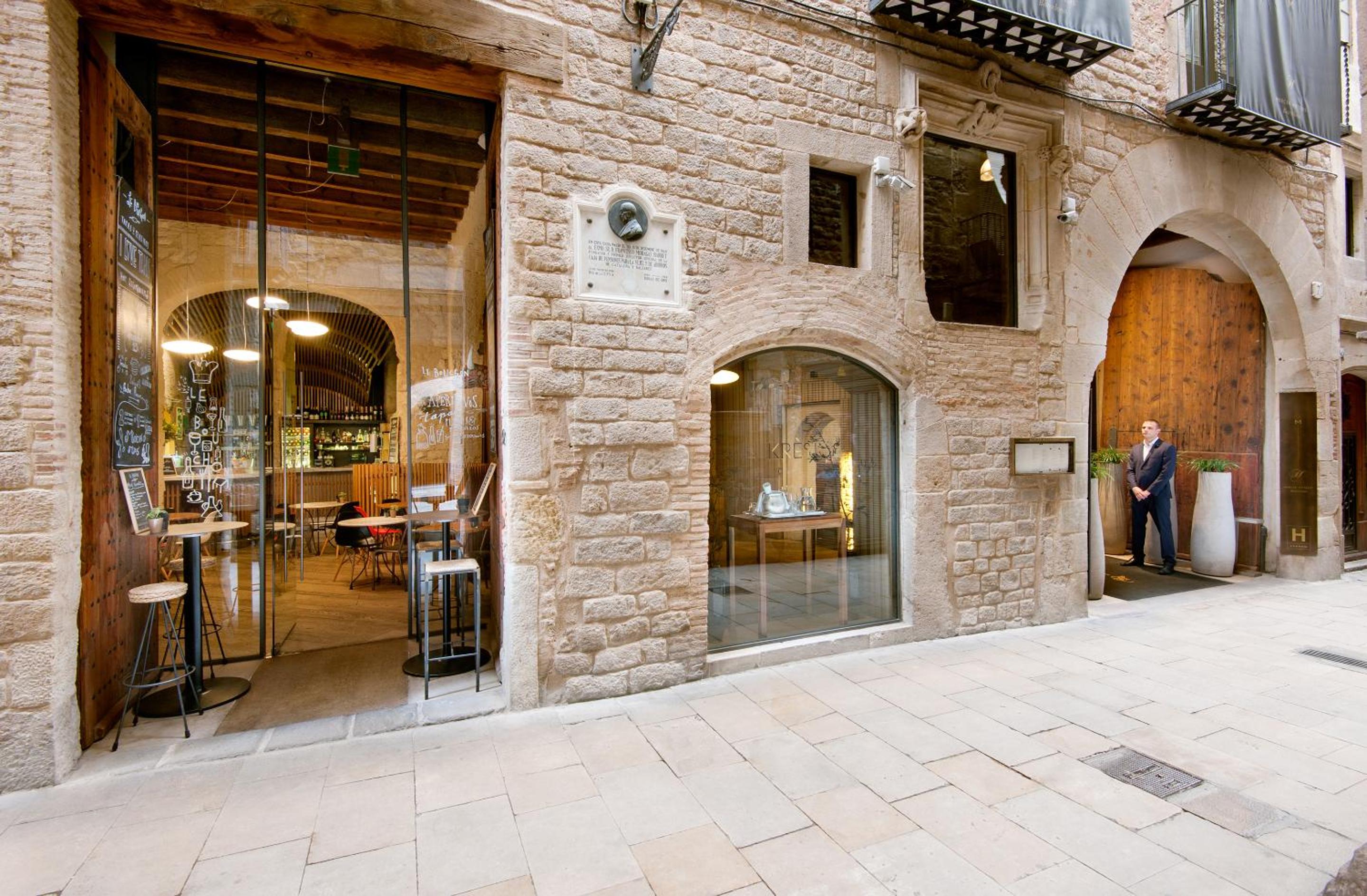
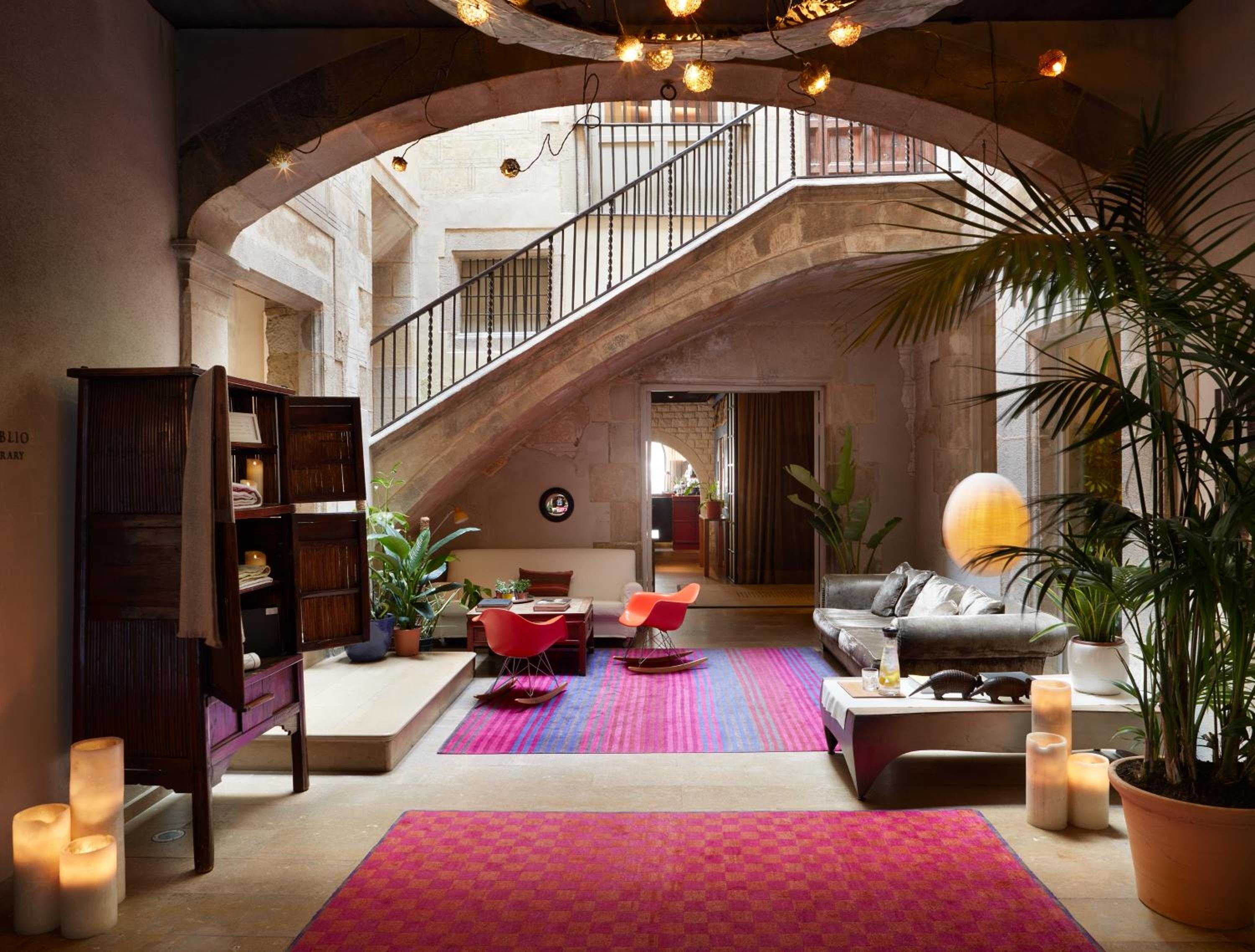
The entrance is easy to miss. A discreet doorway on Carrer dels Lledoners opens into a lobby where first-century Roman wall fragments sit alongside contemporary design, and the effect is less curated museum than living archaeology. Mercer Hotel Barcelona occupies a building whose foundations stretch back over two thousand years, layering Roman, medieval, and Gothic elements beneath a sensitive restoration by the architect Rafael Moneo. Original stone arches frame modern interventions. Frescoes from the twelfth century share corridors with clean-lined furniture and restrained palettes of linen, leather, and dark wood. The result is a 28-room hotel that feels both ancient and unmistakably present, a place where history isn't displayed so much as inhabited.
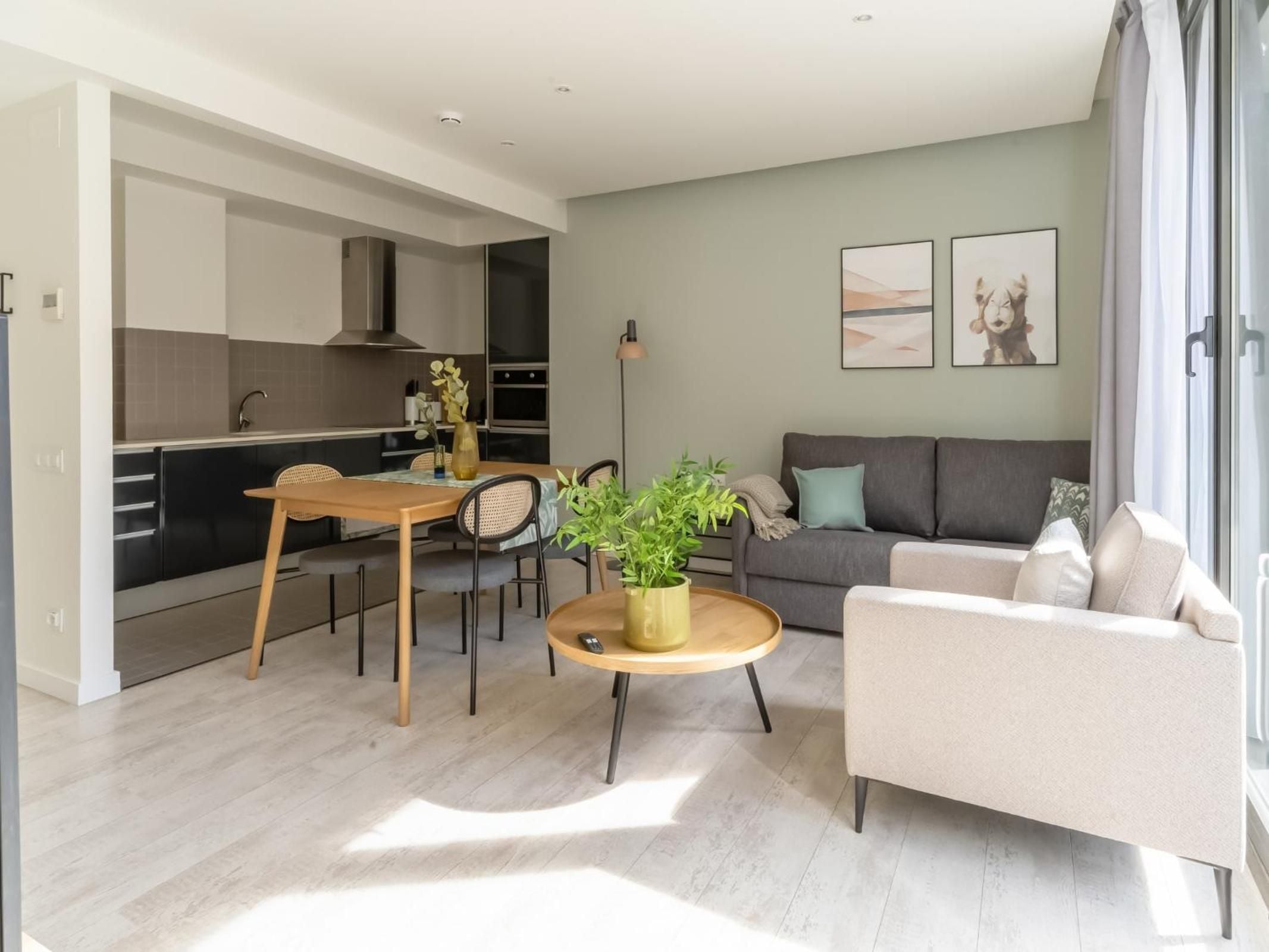
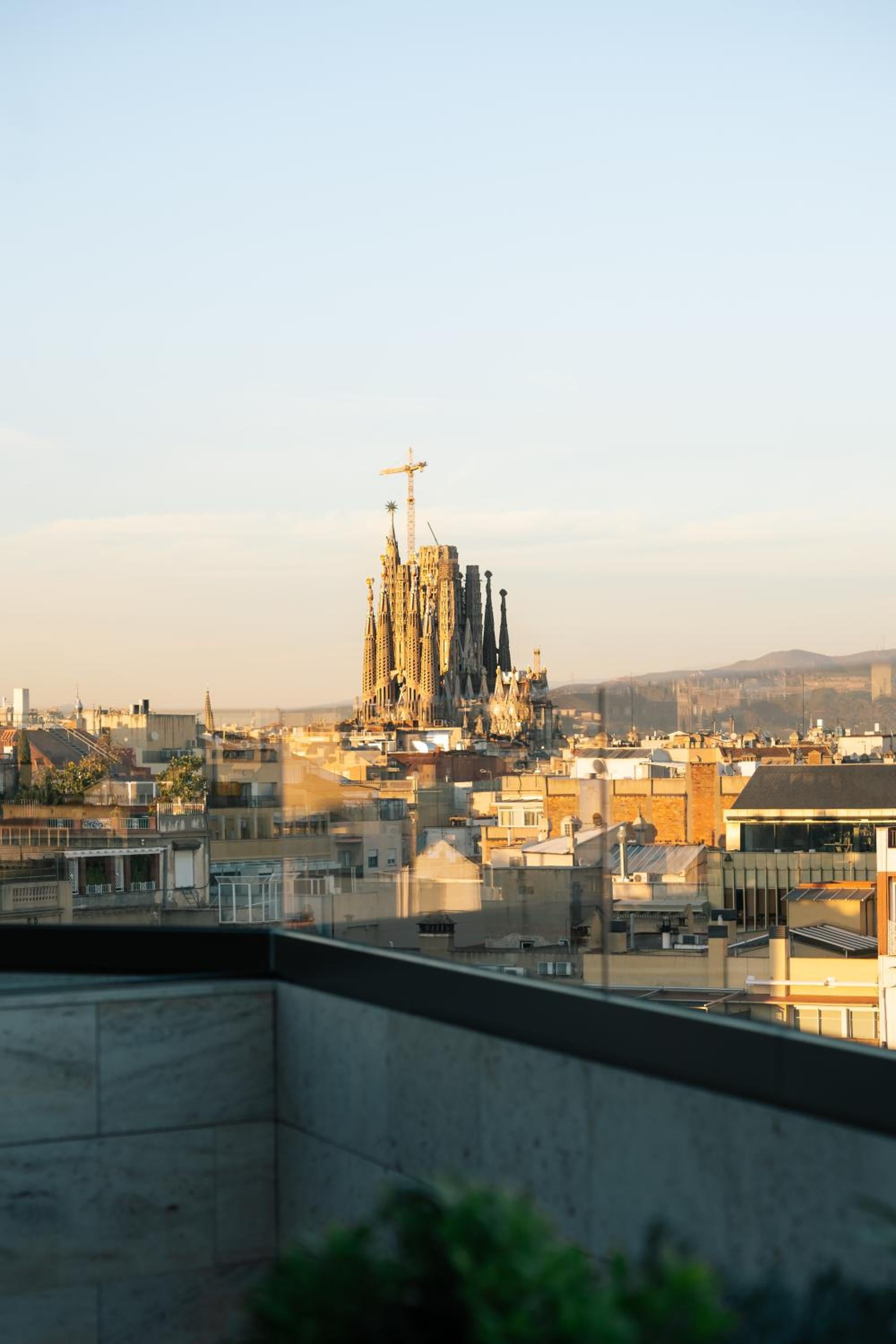
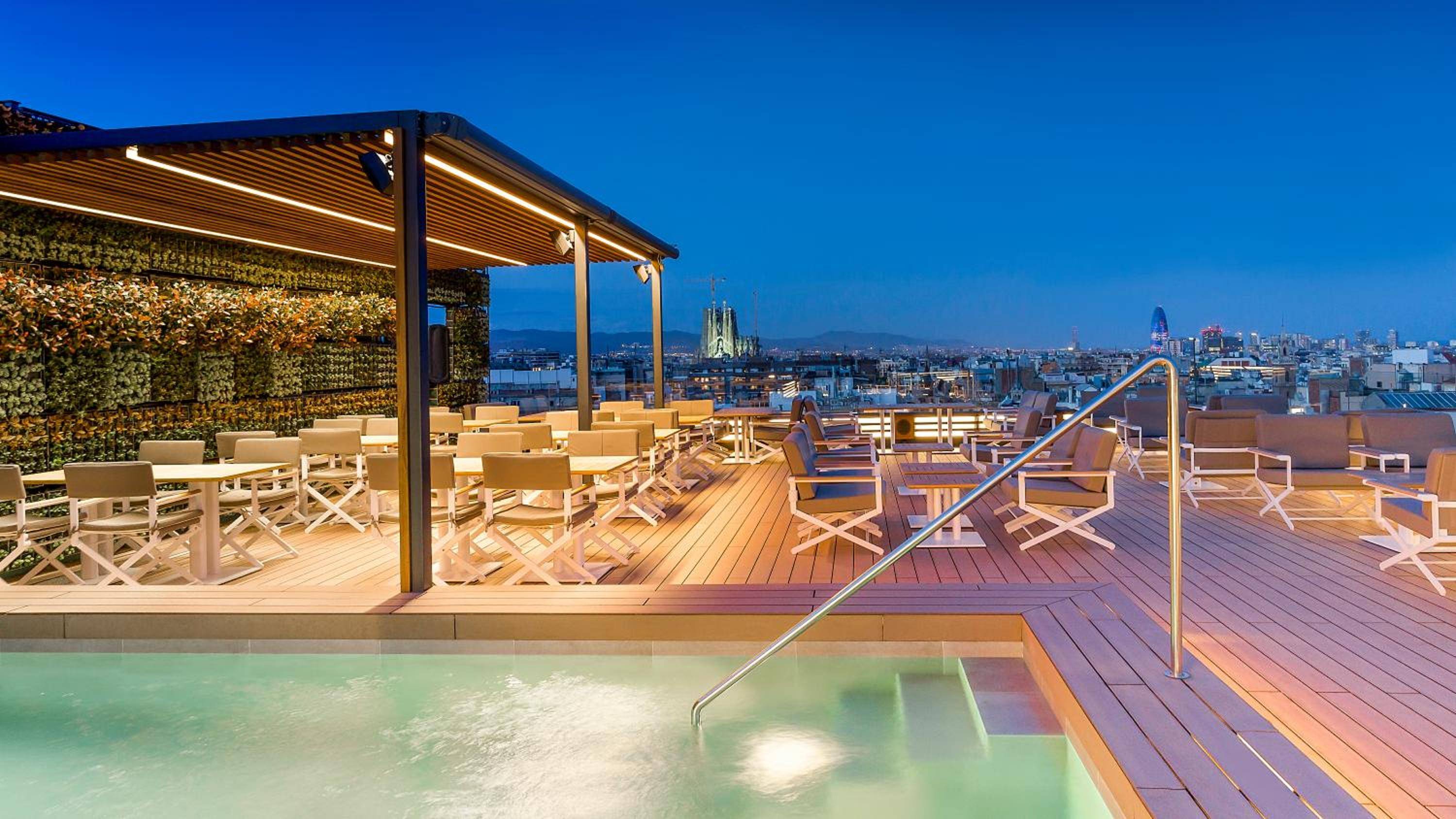
Rooms are individually shaped by the building's irregular medieval bones, meaning no two are quite alike. Some reveal sections of the original Roman wall. Others look out over the rooftops of the Gothic Quarter or down into the hotel's interior courtyard. The design throughout favors warmth over austerity, with custom furnishings, natural materials, and a palette that lets the centuries-old stonework remain the dominant visual texture. A rooftop plunge pool and terrace offer a rare vantage point over the dense, layered cityscape of the Barri Gòtic, with cathedral spires and terra-cotta rooflines stretching in every direction. It is one of the few elevated outdoor spaces in this part of the old city, and guests tend to settle here in the late afternoon as the light shifts.
The hotel's restaurant and cocktail bar occupy the ground floor and courtyard, serving a menu rooted in Mediterranean cooking that draws on local Catalan produce. Meals unfold beneath stone arches or in the open air of the courtyard, where the scale is intimate enough that the space never loses its residential character. The bar, framed by the building's original Gothic structure, is a natural gathering point for guests before or after dinner.
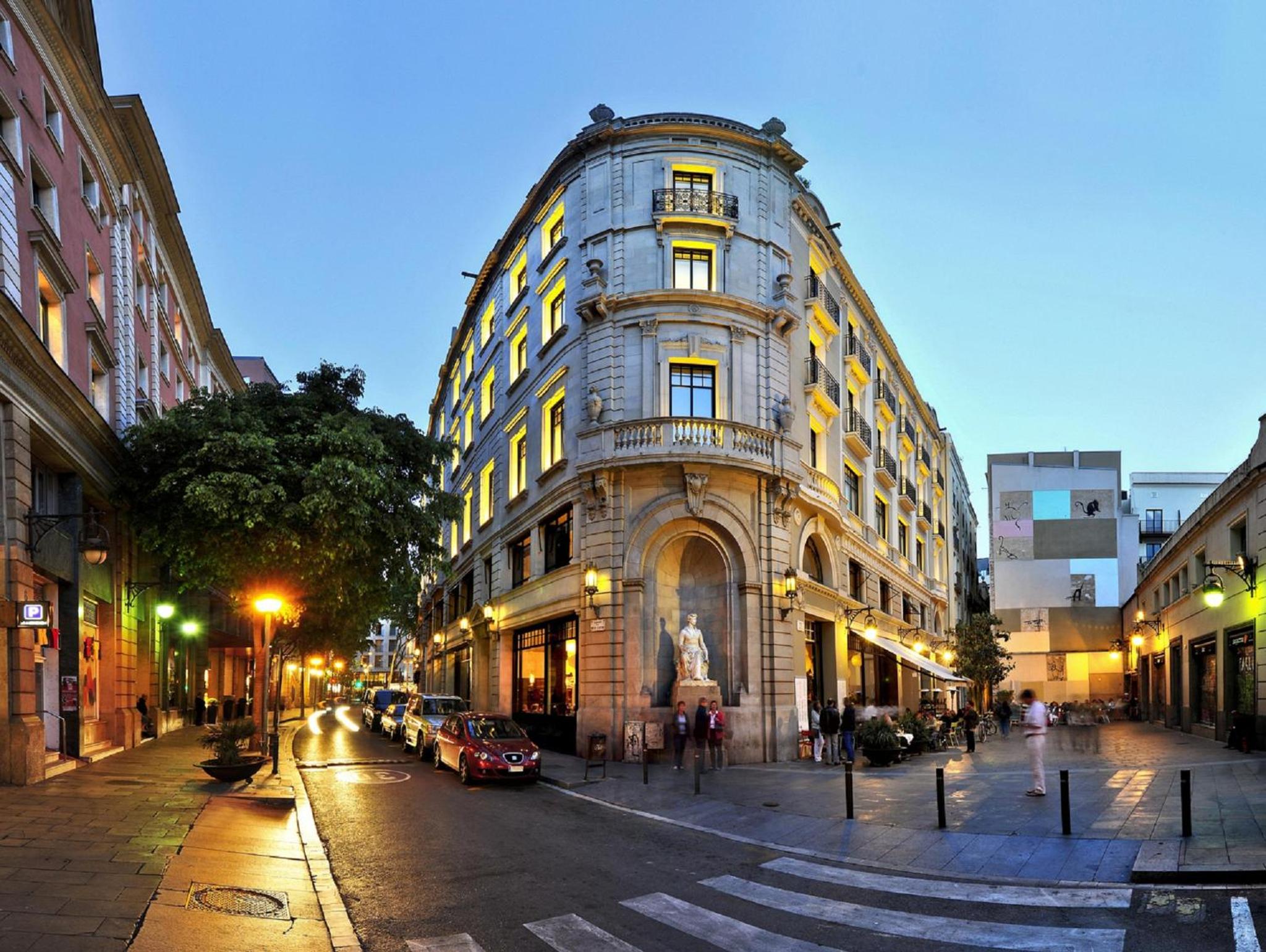
Mercer Hotel Barcelona sits at the southern edge of the Gothic Quarter, steps from Plaça Sant Jaume, the Cathedral of Barcelona, and the remnants of the ancient Roman city of Barcino. The density of the neighborhood means that the hotel's immediate surroundings are walkable, layered, and unhurried, a network of narrow stone streets where small galleries, restaurants, and centuries-old churches reveal themselves without announcement. The proximity to the city's cultural and architectural landmarks is measured in footsteps rather than minutes.
What stays with you is the texture. Not the idea of history, but the physical encounter with it: a hand on a column that predates the city's name, morning light falling across a wall that has stood for eight hundred years. Mercer Hotel Barcelona is a place where the past is not narrated but felt, and where the present has been shaped, carefully and quietly, to deserve the setting.