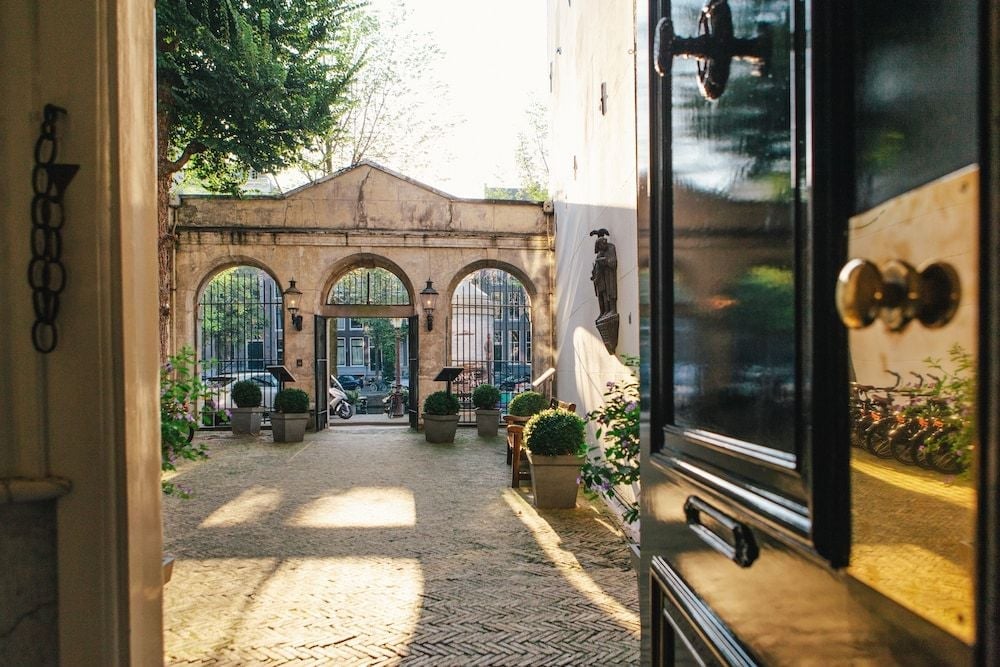
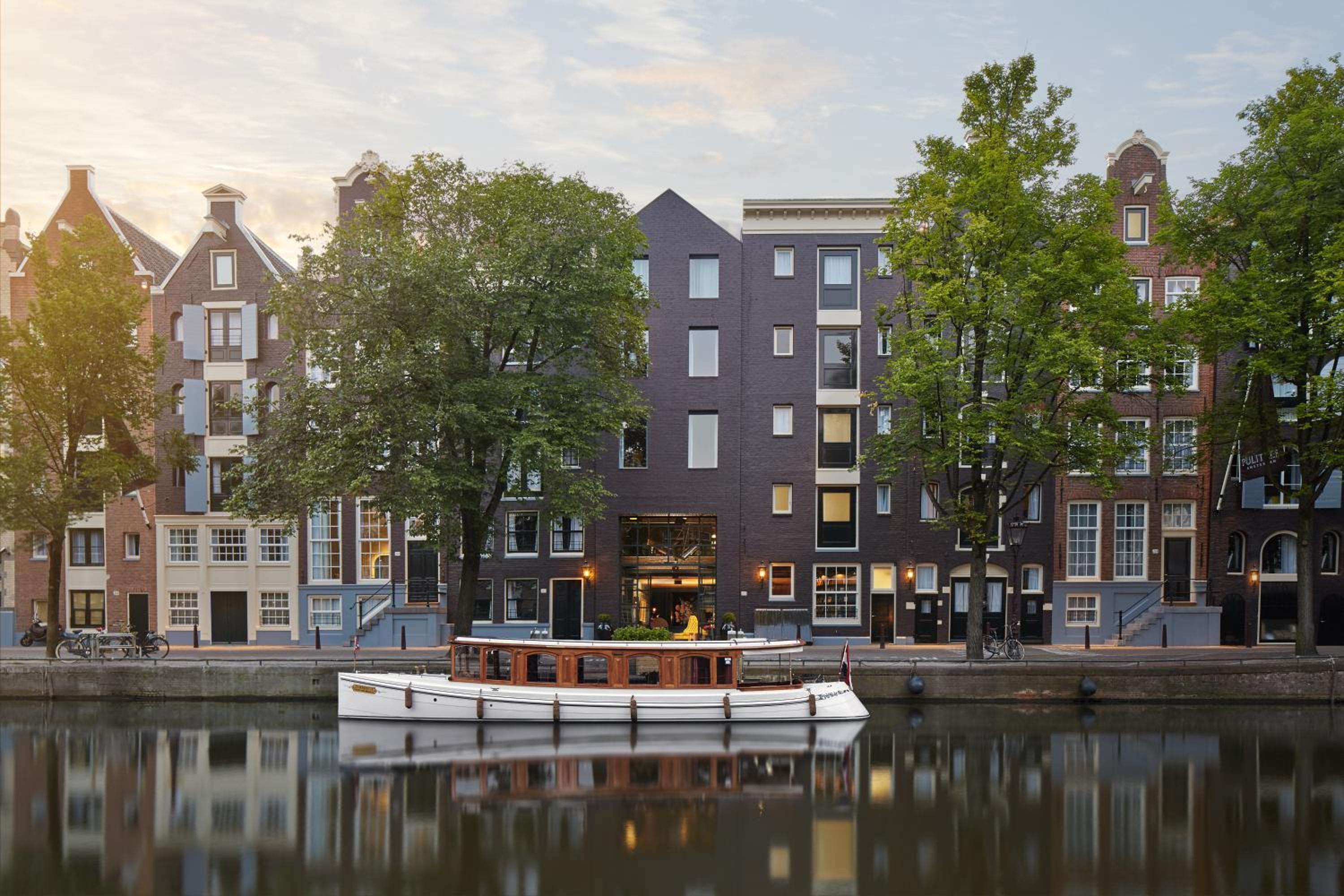
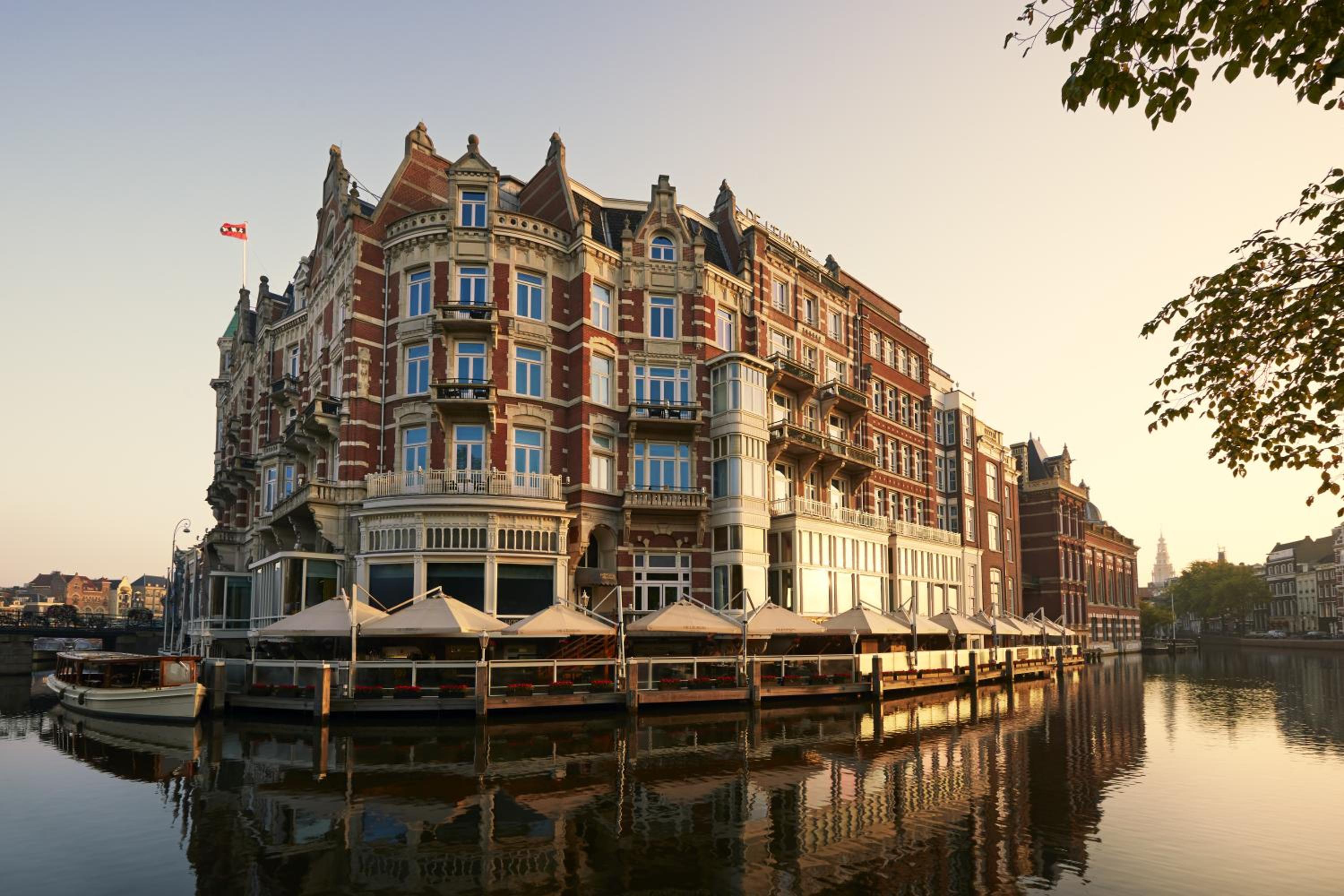
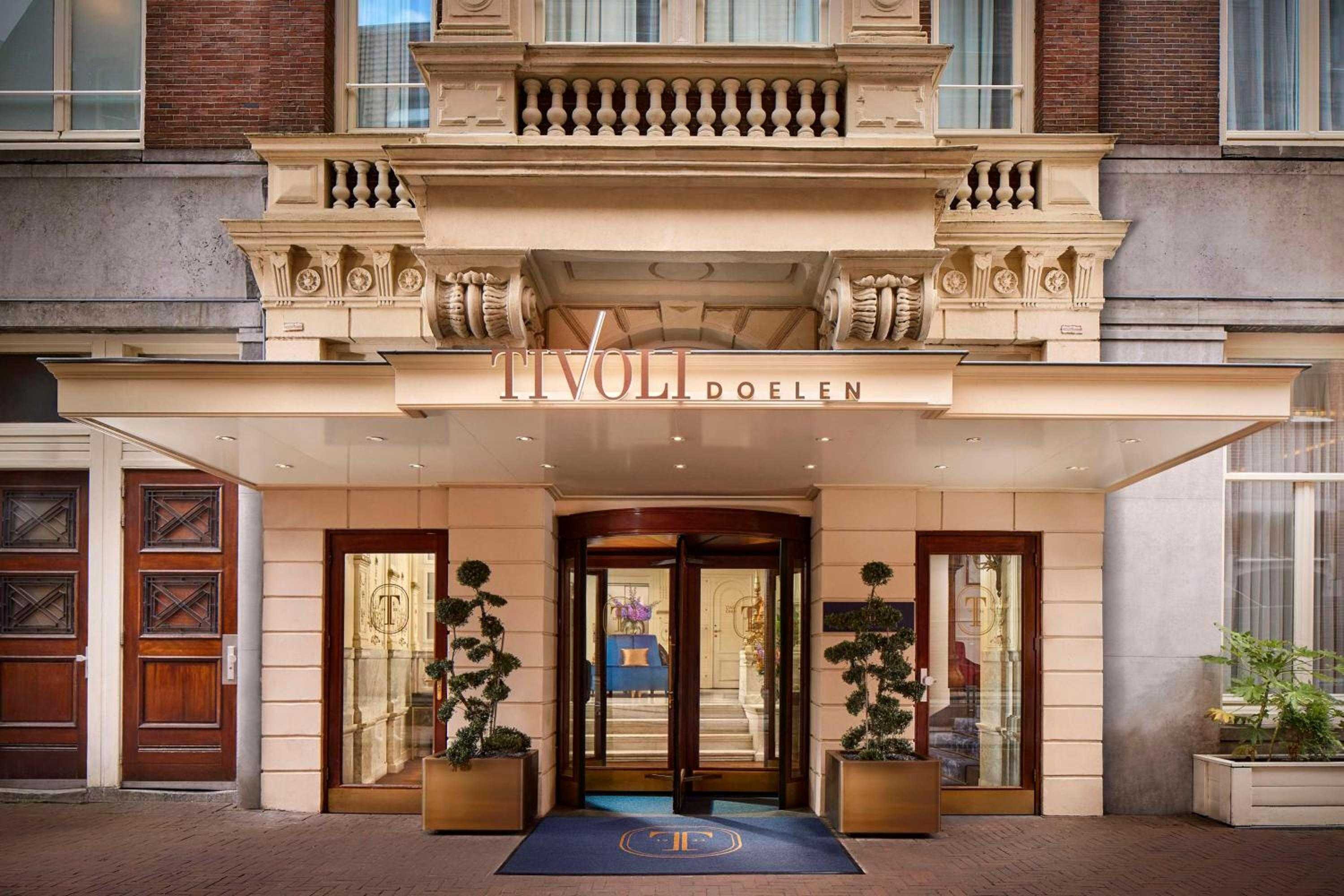
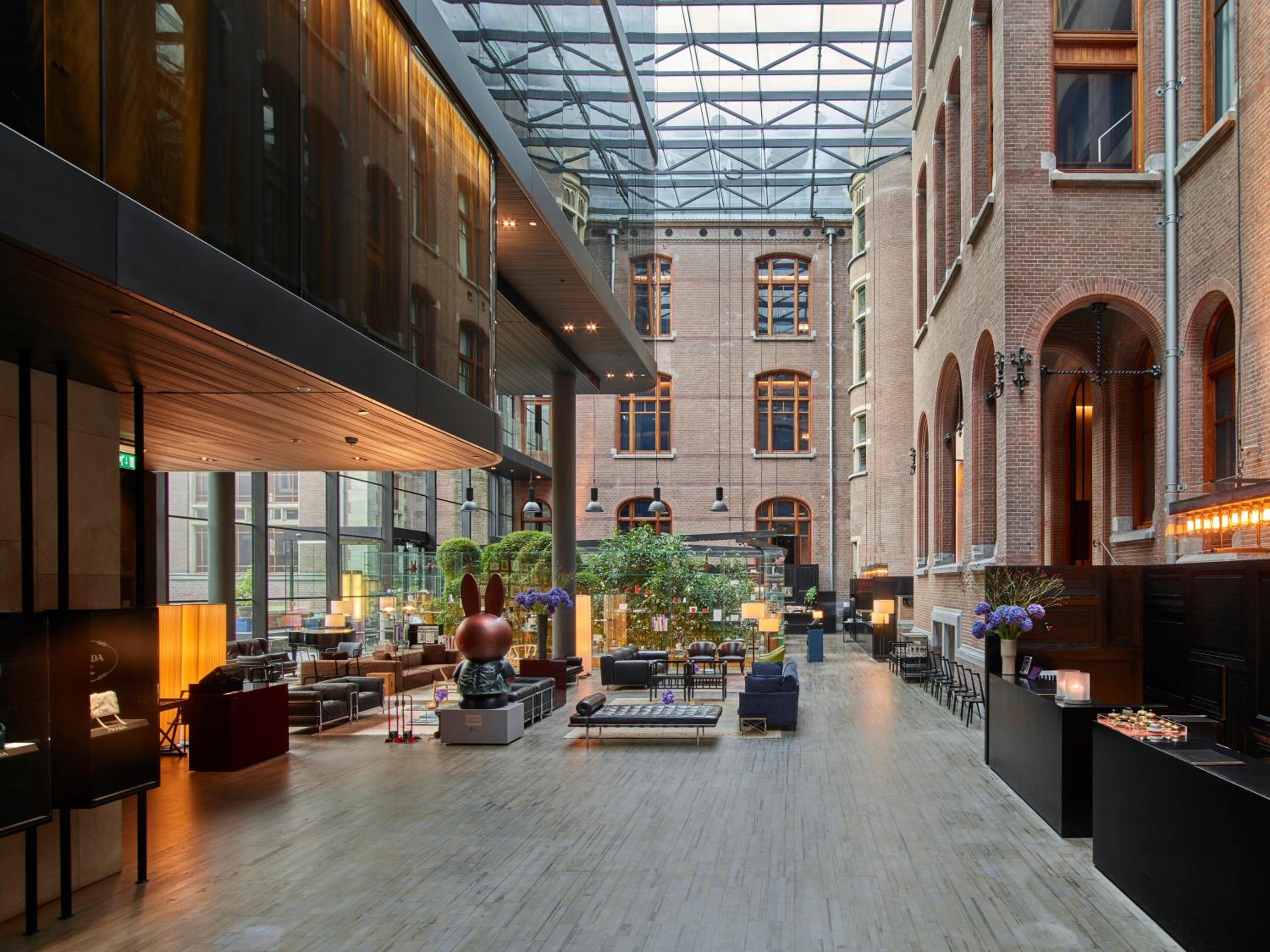
Step through the entrance on Keizersgracht and the city falls away. The Dylan Amsterdam occupies a 17th-century building that once served as the Amstel Toneelschool, a former municipal theater, and the architecture still carries a sense of occasion. The brick façade is classically Dutch, restrained and handsome, but the interior reveals something more layered. Original structural details meet contemporary design across intimate public spaces and a central courtyard that feels uncommonly private for a property situated along one of the city's most storied canals.
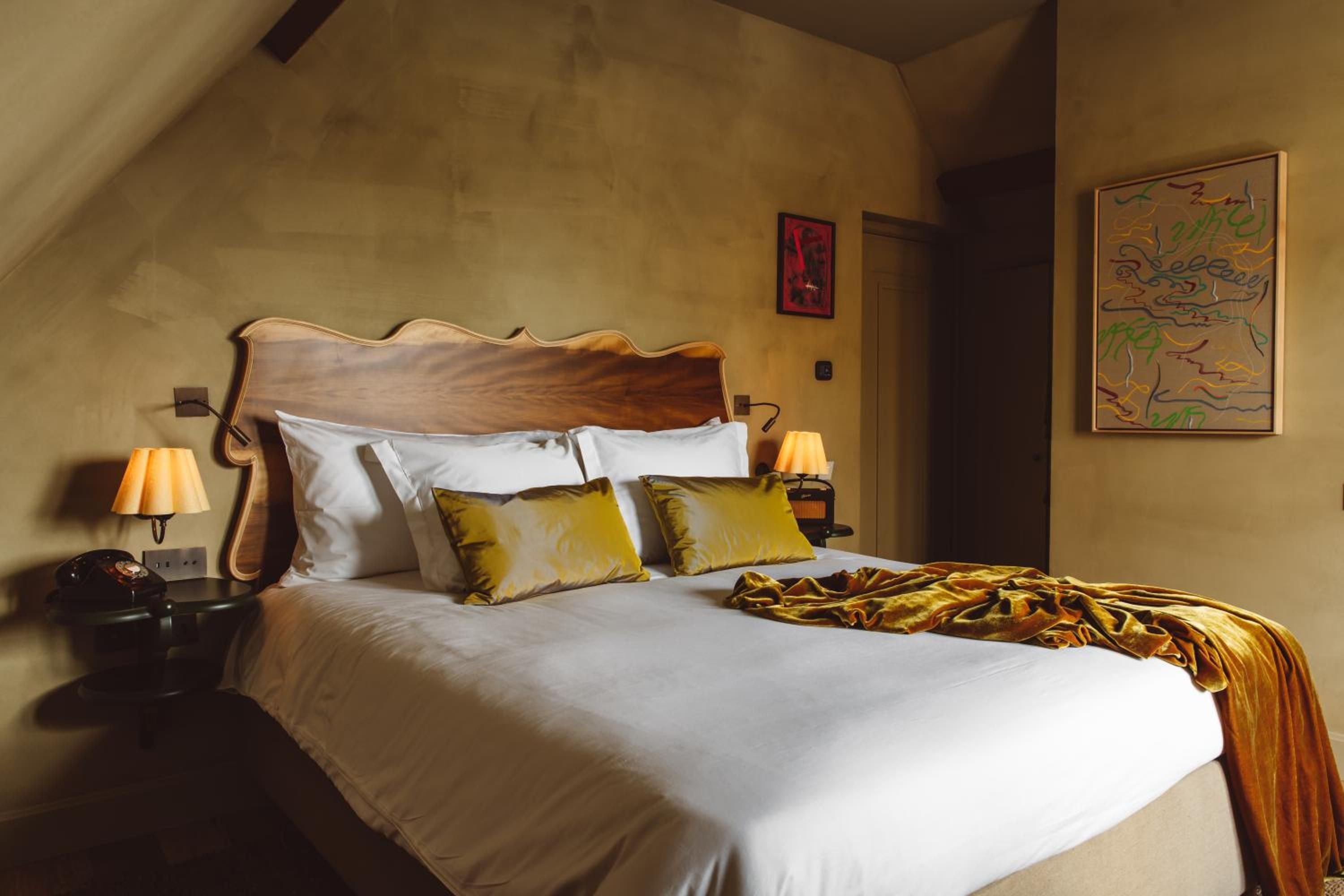
The hotel's 40 rooms and suites are individually designed, each one shaped by the building's historic bones rather than conforming to a single template. Expect bold fabrics, considered color palettes, and a mix of antique and modern furnishings that give every room its own character. Some overlook the canal, others face the courtyard garden, and the variation between them is part of the appeal. This is not a property built for uniformity. The Loft suite, set beneath exposed timber beams, feels particularly distinctive, drawing on the building's theatrical past while remaining firmly grounded in contemporary comfort.
Dining at The Dylan centers on Vinkeles, the hotel's restaurant set within the original 18th-century bakery of the building. The space retains its period wall paintings and decorative flourishes, creating a room that feels genuinely historic rather than staged. The menu is rooted in French technique with seasonal Dutch ingredients, and the setting alone justifies a visit. For something less formal, the Bar is a warm, low-lit gathering point where cocktails and lighter fare set a more relaxed tempo for the evening. The courtyard garden, accessible from both dining spaces, offers an open-air pause that feels rare in central Amsterdam, a place to sit with a glass of wine beneath climbing greenery while the canal house walls rise quietly around you.
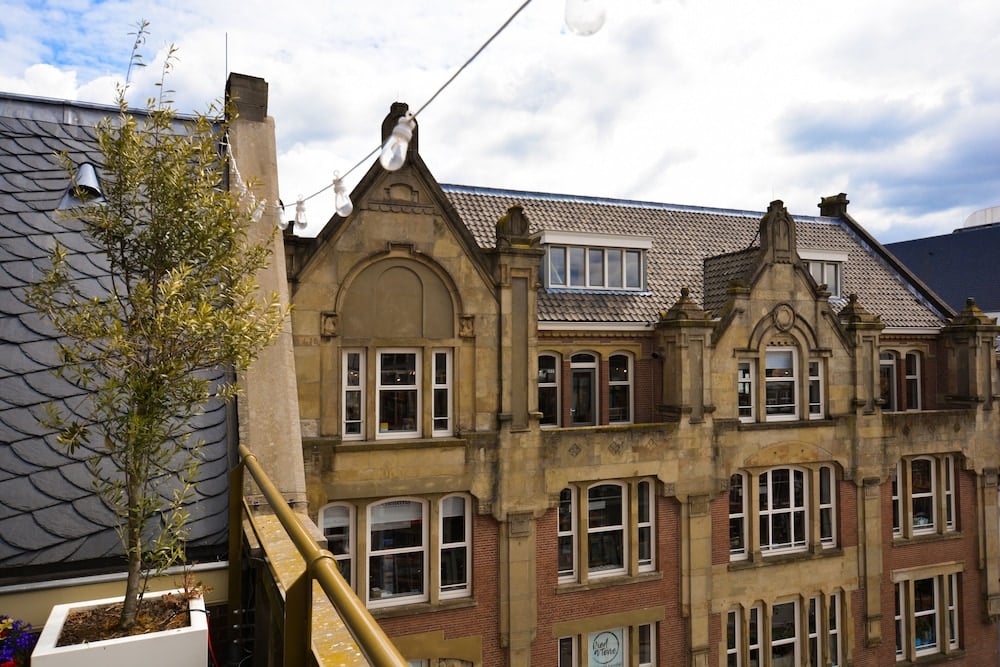
The Dylan sits along Keizersgracht, one of the principal canals in Amsterdam's UNESCO-listed canal ring. The Nine Streets shopping district is steps away, and the Rijksmuseum, the Anne Frank House, and the Jordaan neighborhood are all within easy reach. Yet the property's courtyard-centered layout creates a sense of enclosure that makes the surrounding city feel optional rather than urgent. This is a hotel that rewards slowing down, where the scale is deliberately intimate and the atmosphere carries the confidence of a place that has inhabited its address for centuries. What lingers after a stay at The Dylan is not spectacle but proportion, the rare feeling of a hotel whose rooms, restaurant, and rhythms feel shaped by the building itself rather than imposed upon it.