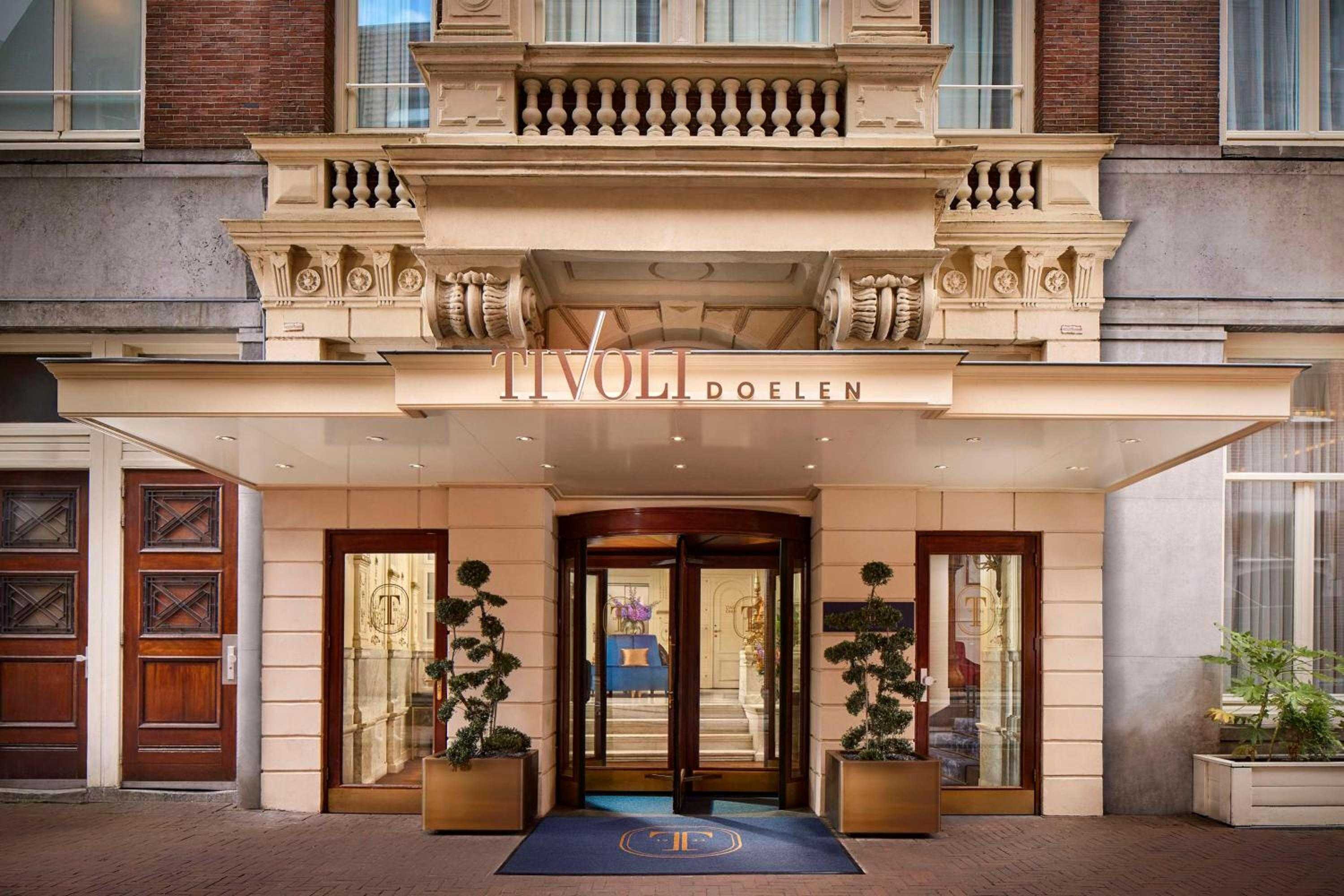
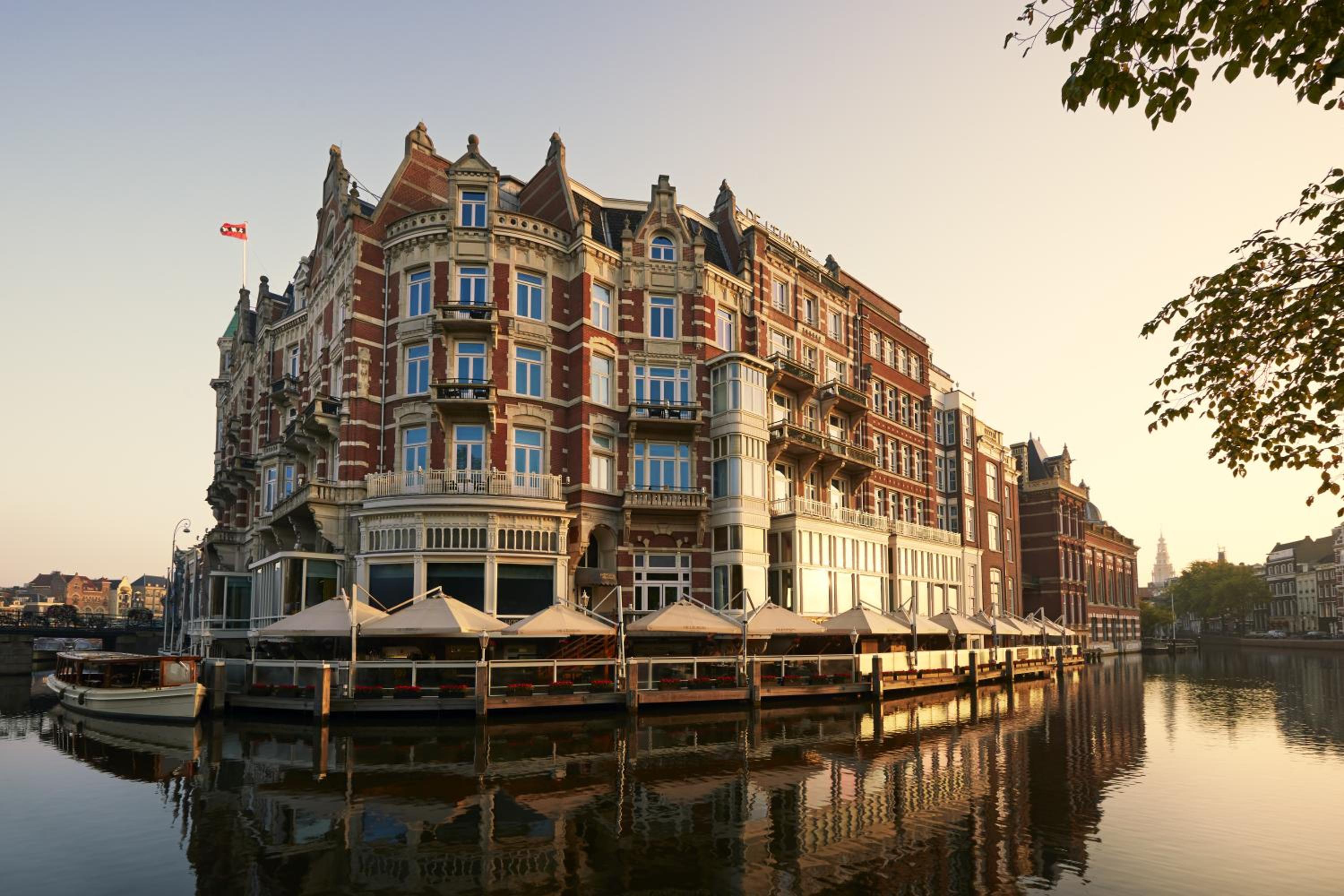
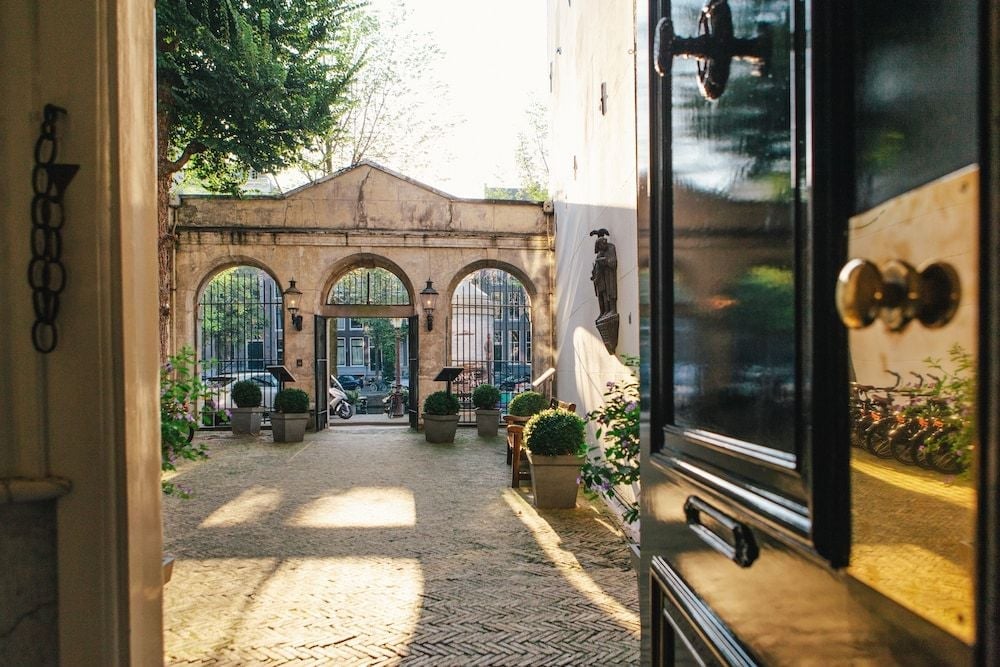
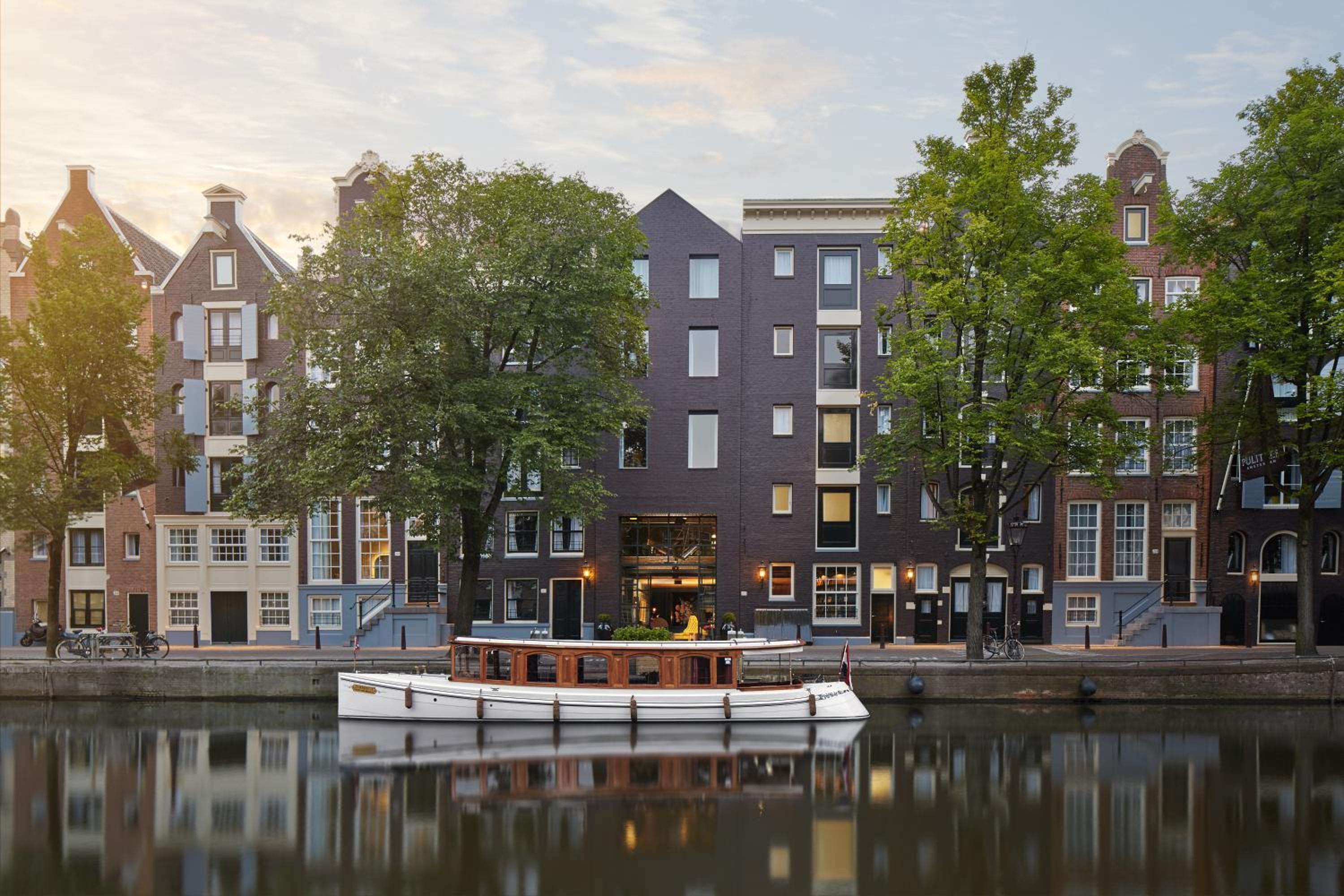
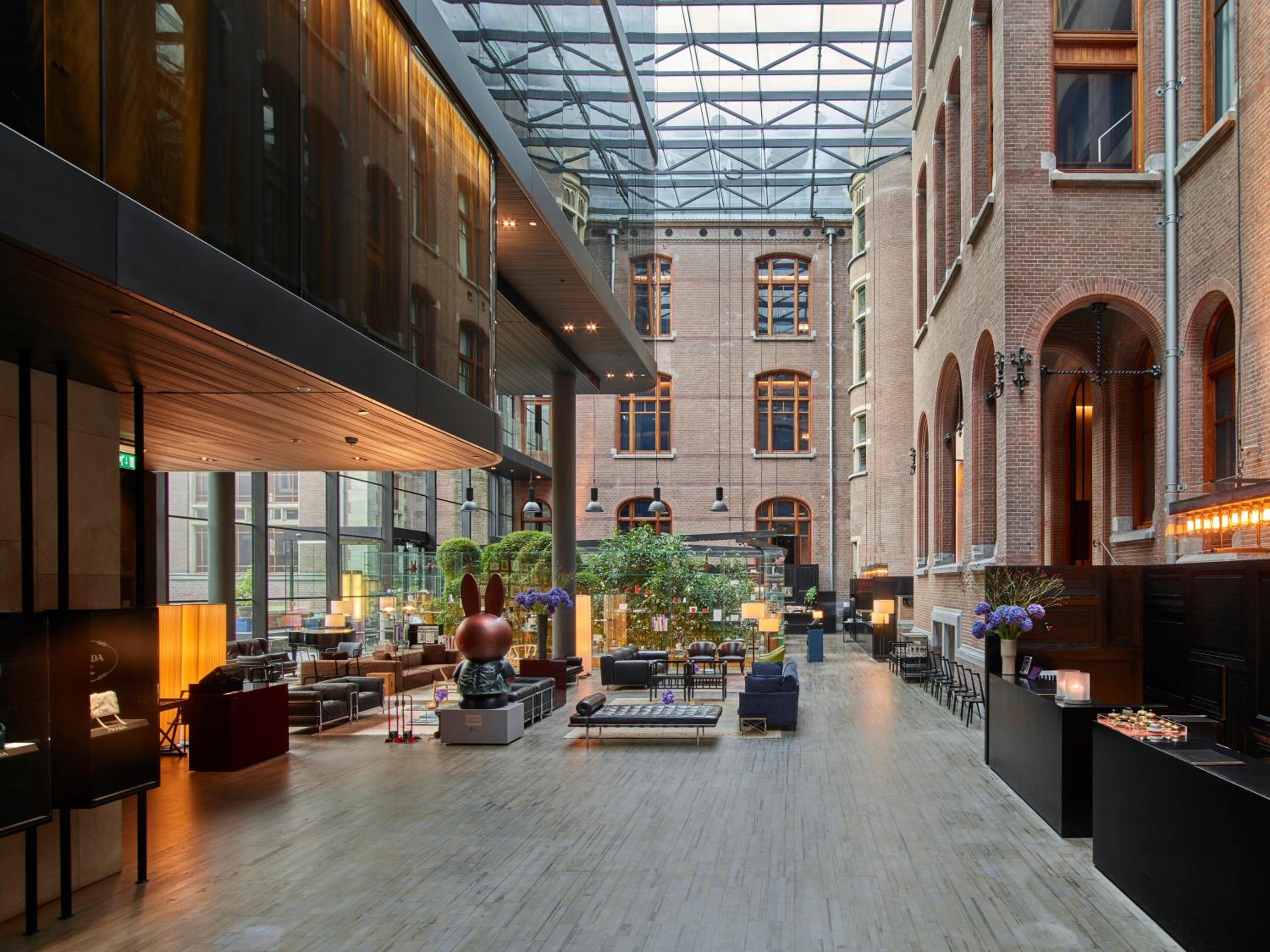
The oldest hotel in Amsterdam does not announce itself with grandeur. It simply stands where it has always stood, directly on the Amstel River at the edge of Muntplein, its facade woven into the fabric of a city built on water and memory. Tivoli Doelen Amsterdam Hotel has occupied this stretch of canal since 1815, though the building's history reaches further still, back to a time when civic guard militias gathered in the Kloveniersdoelen on this very site. Rembrandt painted The Night Watch here in 1642, a detail the hotel carries not as decoration but as quiet provenance. Stepping inside, the proportions feel distinctly Dutch: tall windows pulling in reflections off the water, a lobby that bridges old-world formality with a warmth that feels genuinely lived in.
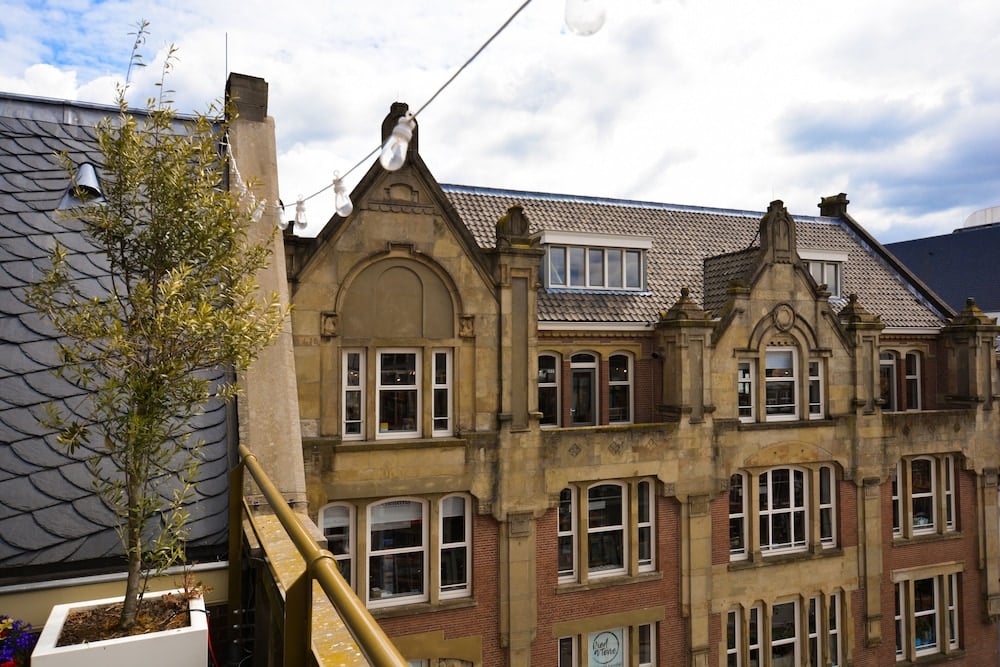
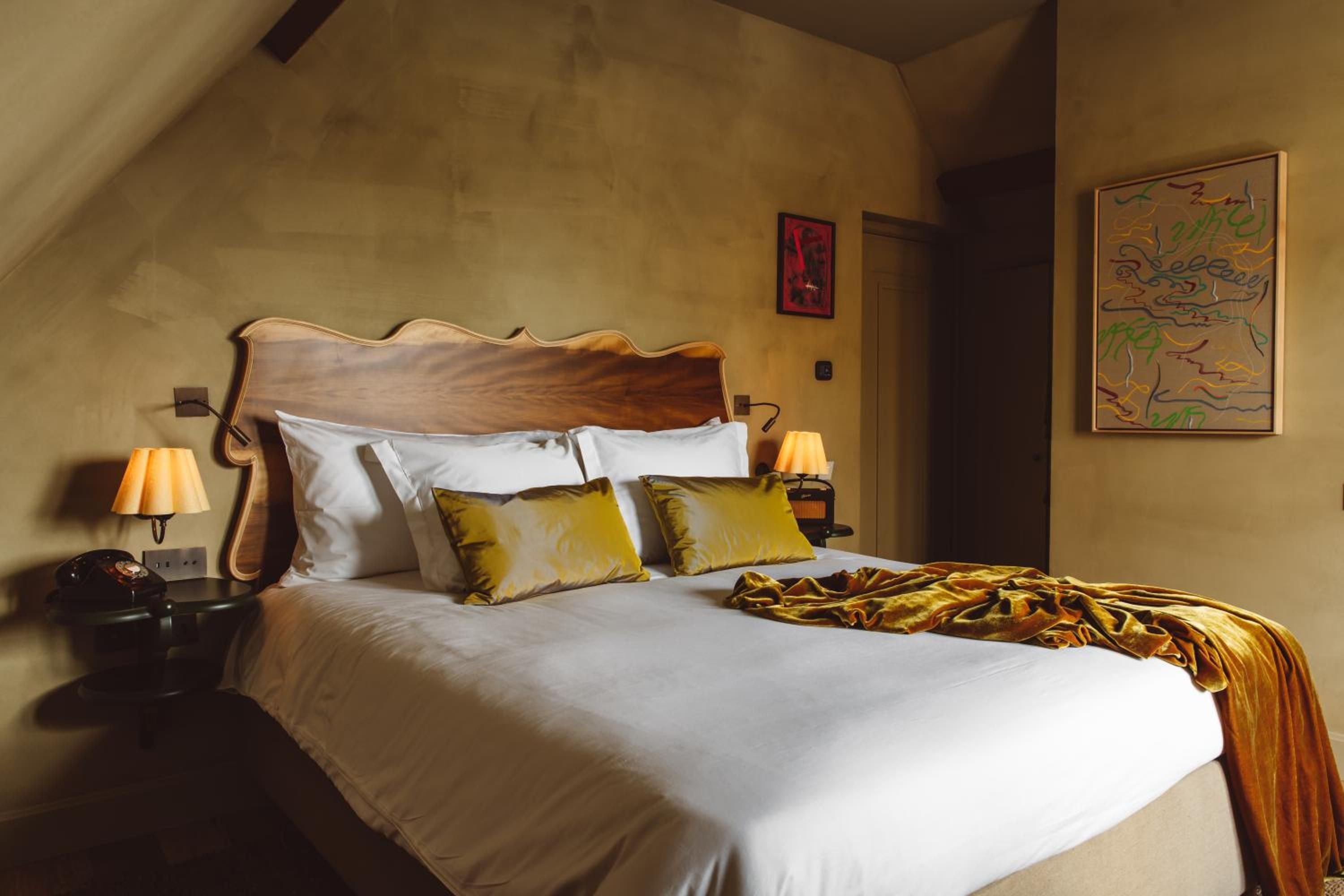
The hotel's 81 rooms and suites look out over the Amstel River or the rooftops of Amsterdam's historic center. Interiors are traditional in character, with high ceilings, period details, and a sense of proportion that rewards stillness. River-facing rooms frame one of the city's most recognizable waterway views, where houseboats, bridges, and the changing light create an ever-shifting tableau. The Presidential Suite occupies a privileged position along the canal, offering generous living space and what is arguably one of the most storied vantage points in the city.
Downstairs, Café Doelen serves as the hotel's social anchor, a classic Amsterdam brown café atmosphere where hotel guests and locals share space over coffee, drinks, and Dutch-inspired dishes. The setting is unpretentious and convivial, a place where conversation comes easily against the backdrop of dark wood and canal-side windows. For more intimate dining, the hotel offers refined options that draw on both local and international traditions, though the café remains the beating heart of the ground floor experience.
Location here is not a supplement to the stay but its defining condition. The hotel sits at the junction of some of Amsterdam's most compelling neighborhoods. The Rembrandtplein is moments away. The flower market, the narrow streets of the Nine Streets shopping district, and the Rijksmuseum are all within easy reach on foot or by bike. The Amstel itself connects the property to the rhythm of the city in the most literal sense, with boat traffic, bridges, and waterside life unfolding just beyond the front door. This is not a hotel on the periphery looking in. It is embedded in the oldest layer of Amsterdam's urban life.
What stays with you after Tivoli Doelen is the sense of continuity. There is no reinvention here, no design spectacle competing for attention. Instead, there is a property that has understood its place along the river for more than two centuries and has chosen, with admirable restraint, to simply remain itself.