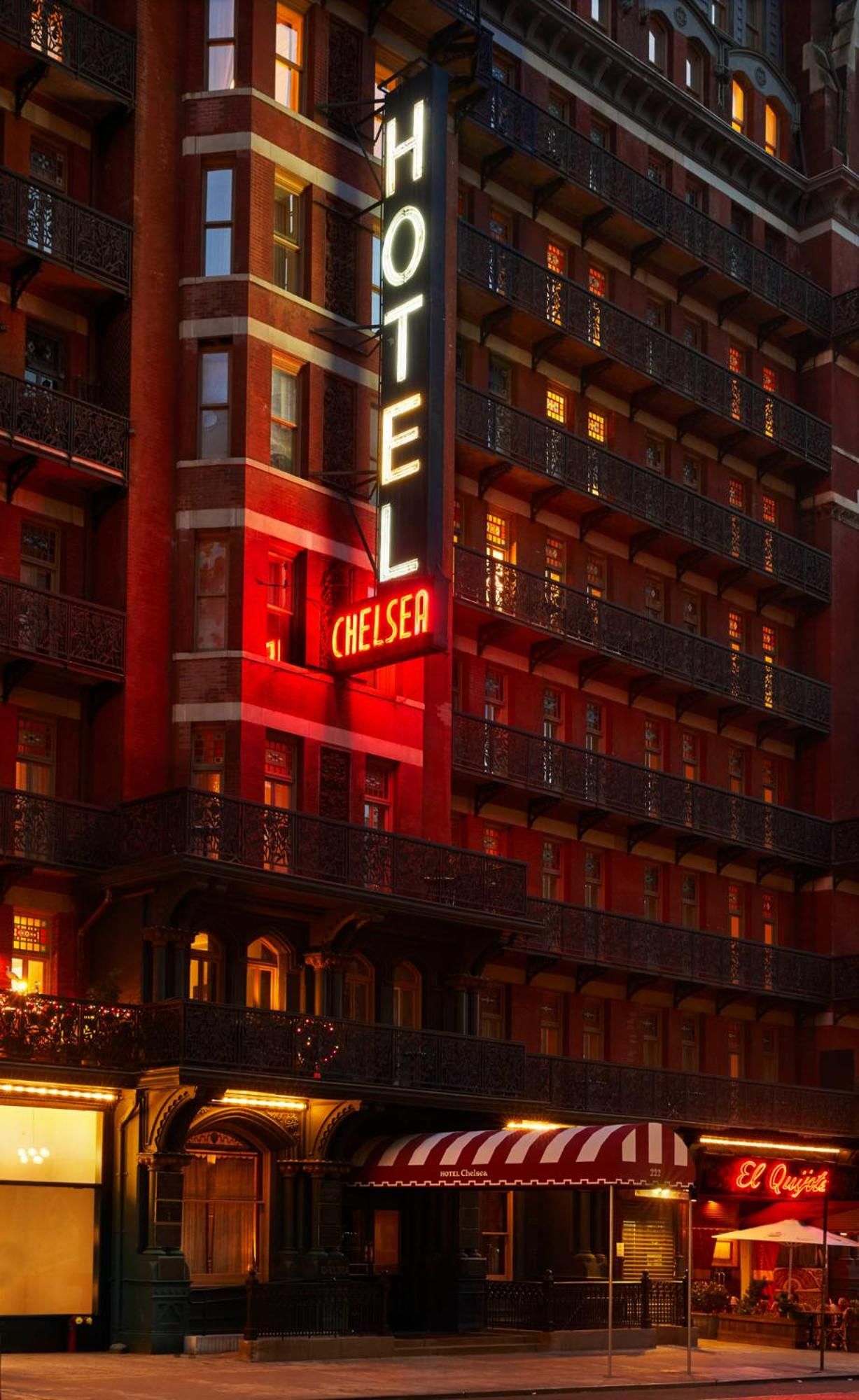
The iron balconies appear first, stacked twelve stories high in a rhythm of Victorian ambition that has anchored West 23rd Street since 1884. The Hotel Chelsea is not a place that needs to announce itself. Its red brick facade and grand staircase have witnessed more than a century of creative life, and walking through its doors today feels less like checking into a hotel than stepping into a living archive. A recent and meticulous restoration has honored the building's storied bones while introducing a new chapter of considered design, where original architectural details meet contemporary comfort in rooms that feel singular rather than standardized.
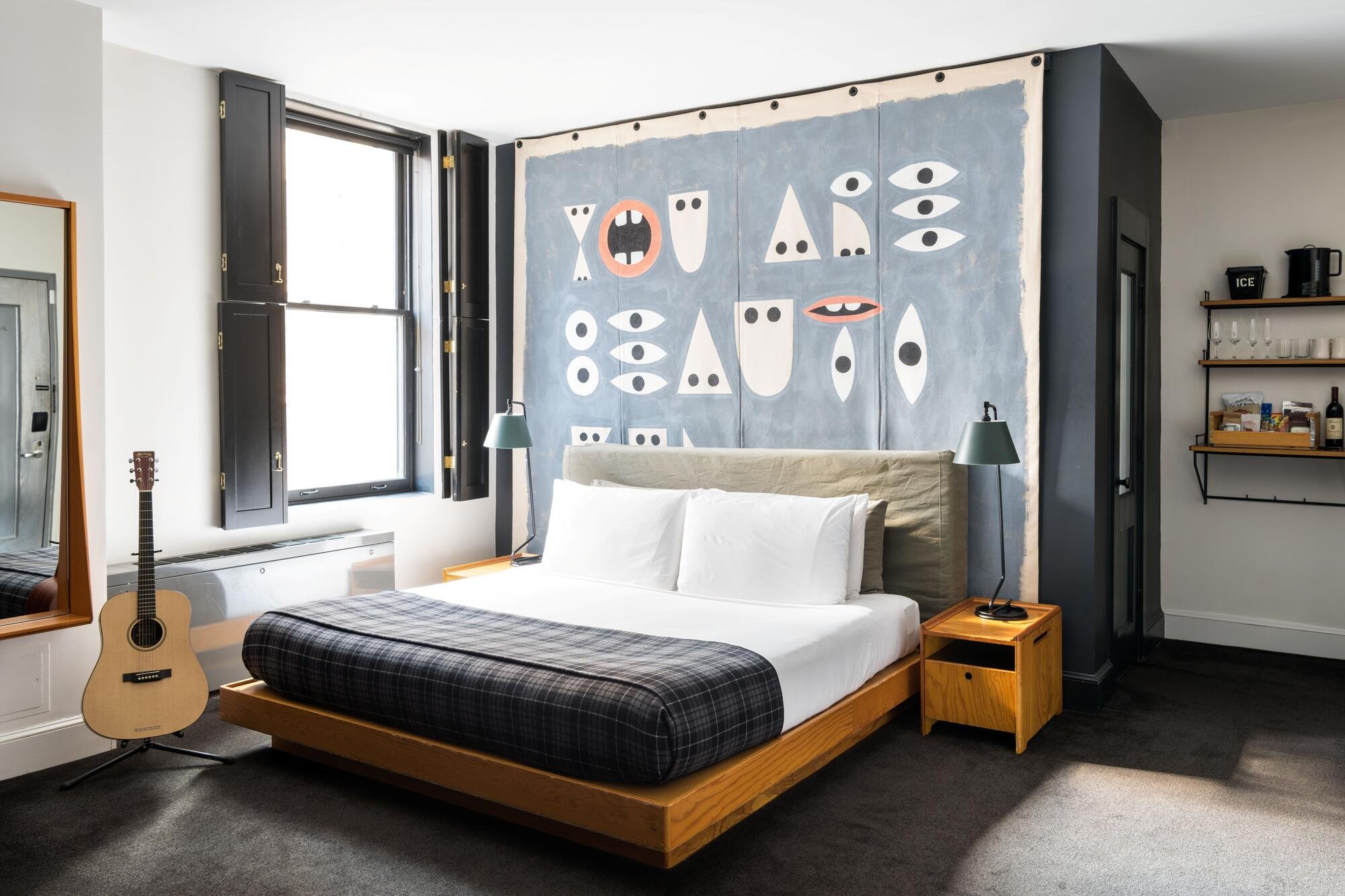
The accommodations span a range of configurations, from intimate guest rooms to sprawling suites, each shaped by the building's idiosyncratic layout. No two rooms are quite alike. Ceilings reach unexpected heights, windows frame the Chelsea streetscape from varying angles, and the interiors layer vintage furnishings with custom pieces that nod to the building's artistic lineage without turning it into a museum. Throughout the property, artwork and photography drawn from its deep cultural history line the hallways and common spaces, offering quiet encounters at every turn.
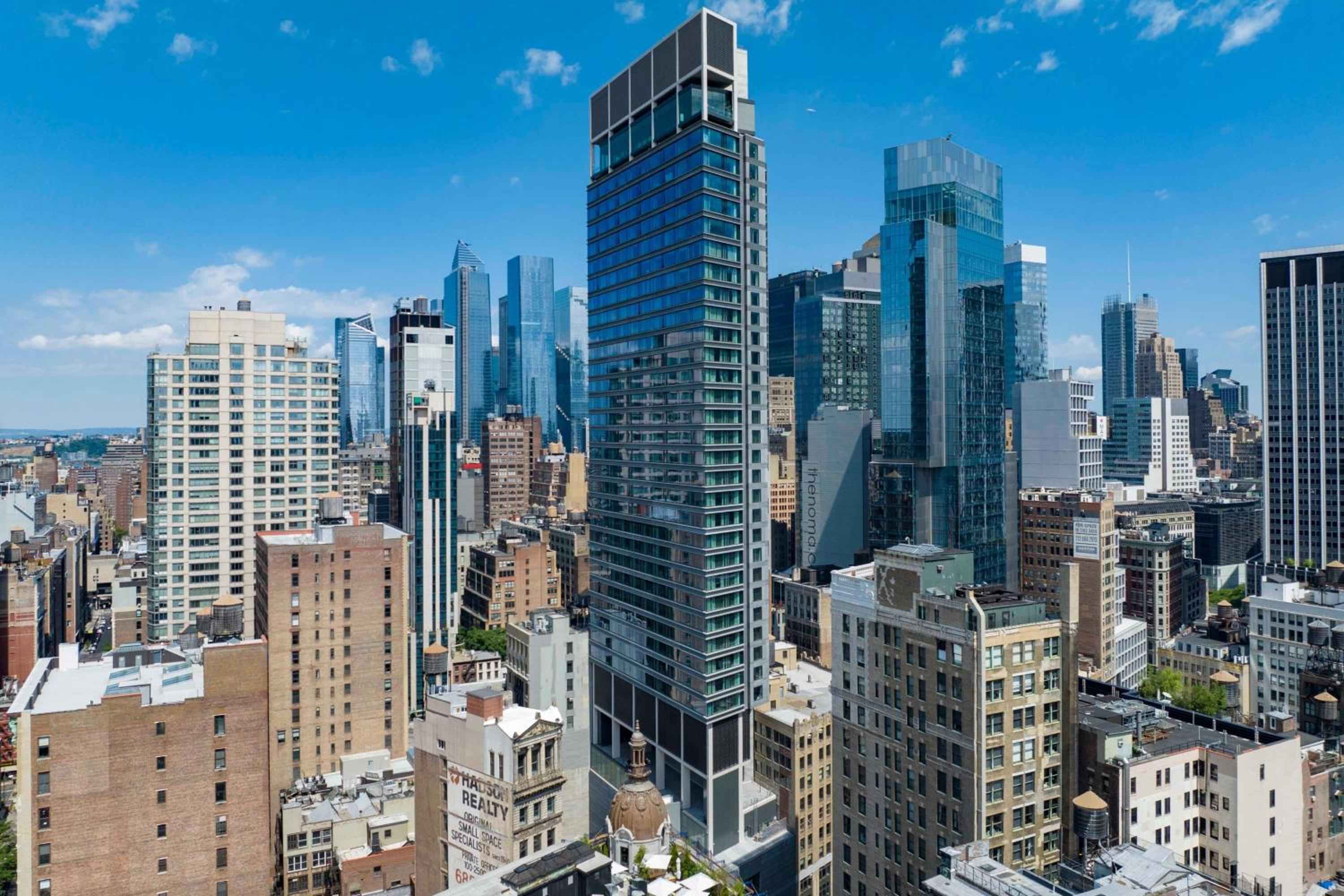
On the ground floor, El Quijote has been revived as a gathering place that carries forward its own long legacy on this block. The restaurant's retro-romantic atmosphere and Spanish-inflected menu make it a destination in its own right, drawing hotel guests and neighborhood regulars into the same room. Upstairs, the rooftop bar offers a more intimate vantage point, where drinks arrive against a backdrop of Midtown towers and water tanks, the kind of perspective that reminds you how much of Manhattan still rewards those who look up. A private garden and additional lounge spaces give guests room to settle into the building at their own pace.
The Hotel Chelsea sits at the crossroads of Chelsea's gallery district and the bustle of the Flatiron neighborhood, a stretch of Manhattan where creative energy has never needed permission. The High Line is a short walk west, and the density of restaurants, independent shops, and cultural spaces nearby means the hotel functions as a genuine base for exploring the city rather than a retreat from it. But the building's gravitational pull is strong. There is a particular quality to spending time within these walls, a sense that the space itself carries a frequency tuned to creative restlessness and romantic impermanence. You may arrive planning to use the hotel as a launchpad, only to find yourself lingering in its hallways, drawn back to El Quijote for one more glass, content to let the city wait.