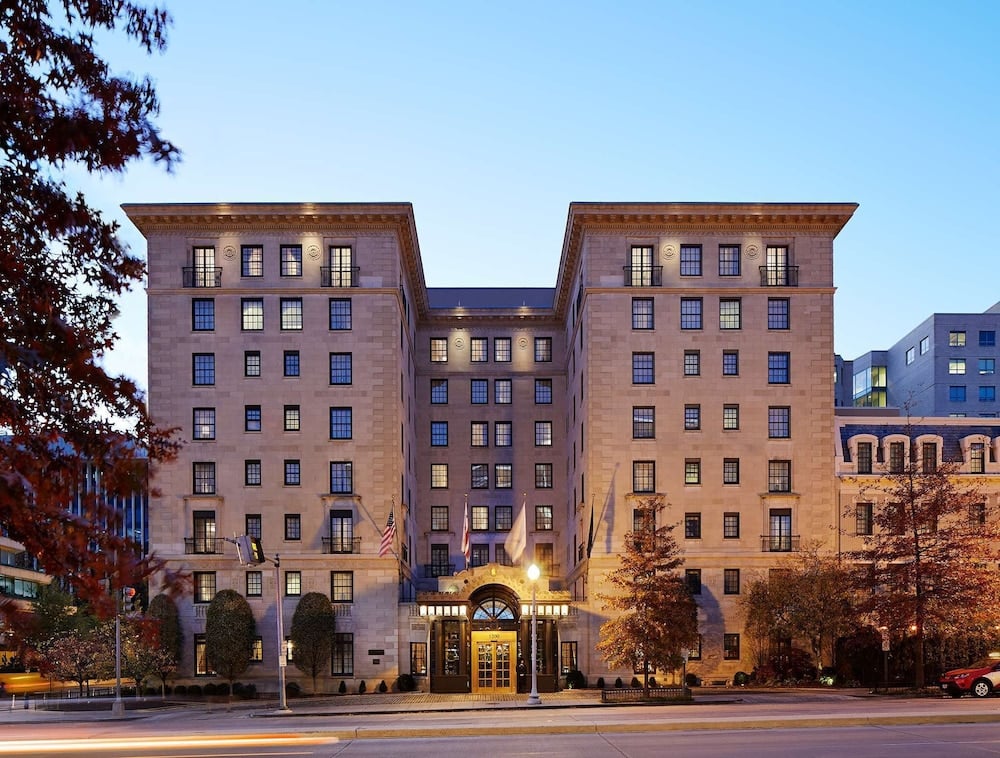
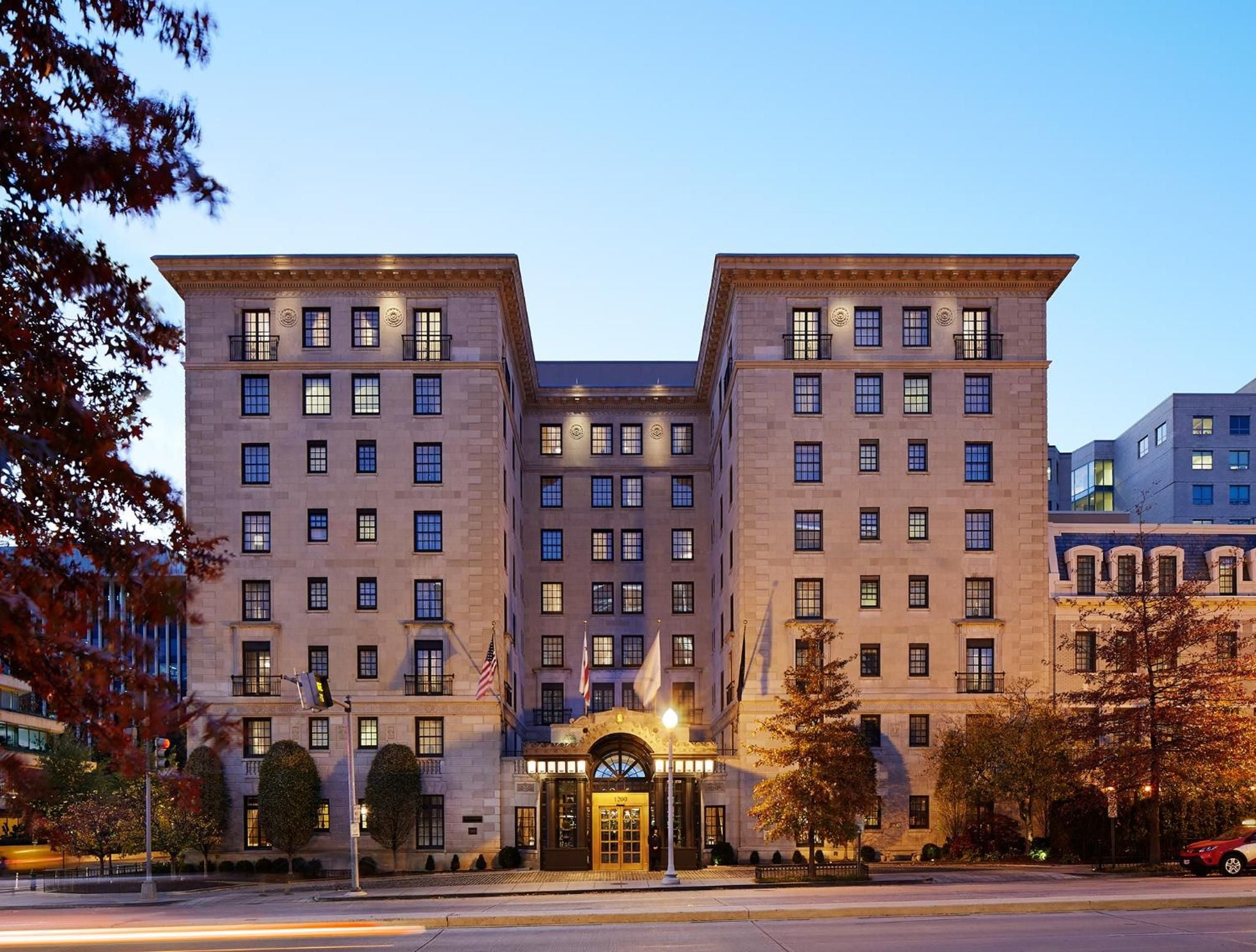
There is a particular kind of grandeur that belongs to buildings that were never meant to be hotels at all. The Jefferson, Washington, D.C., occupies a Beaux-Arts landmark just steps from the White House, a property whose origins trace to 1923 and whose interiors carry the weight of a private collection rather than a design scheme. The lobby is intimate, more akin to entering a well-kept residence than a conventional hotel. Original documents signed by Thomas Jefferson himself are displayed throughout the public spaces, and the architectural details, from the ornate plasterwork to the skylit rotunda, speak to an era when craftsmanship was meant to endure.
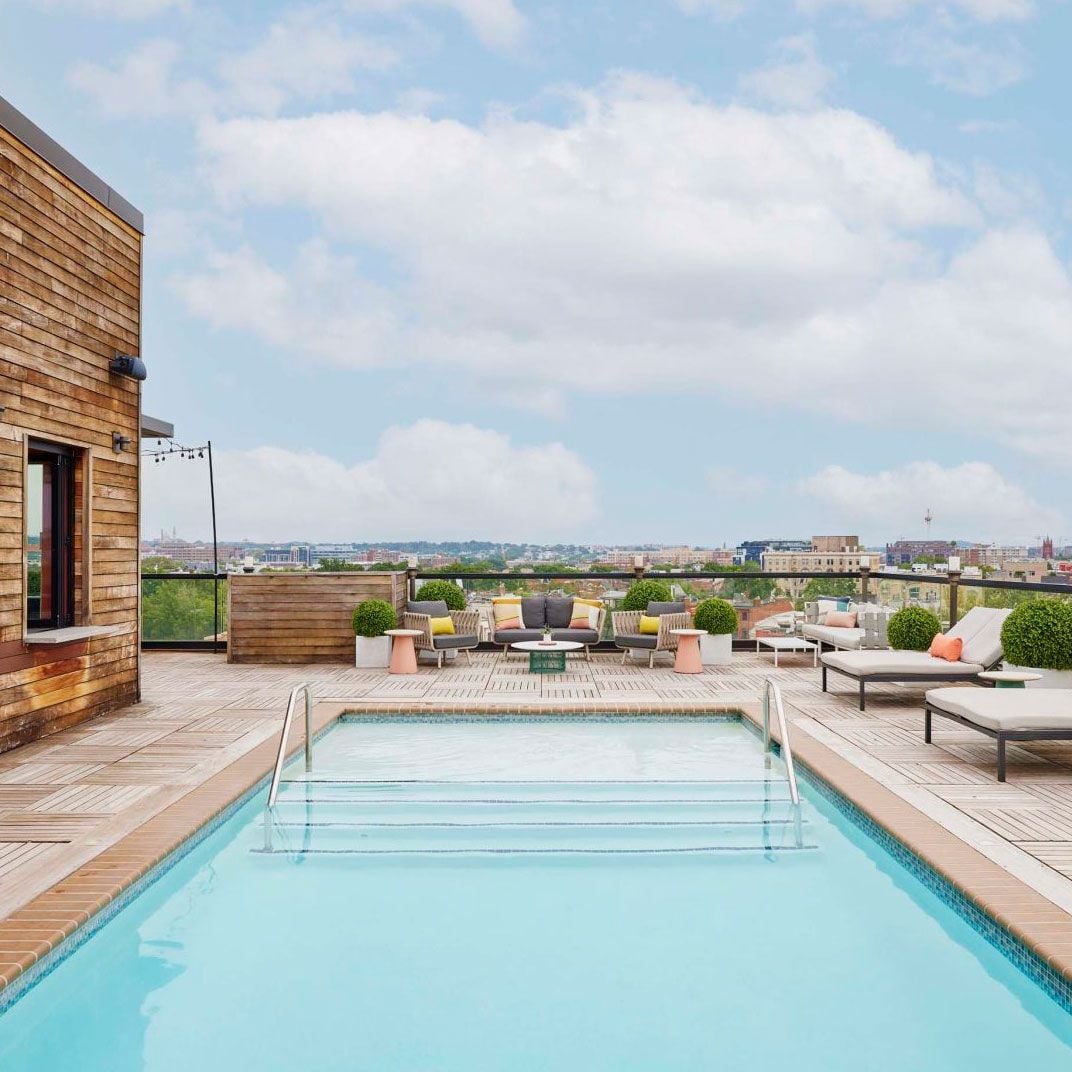
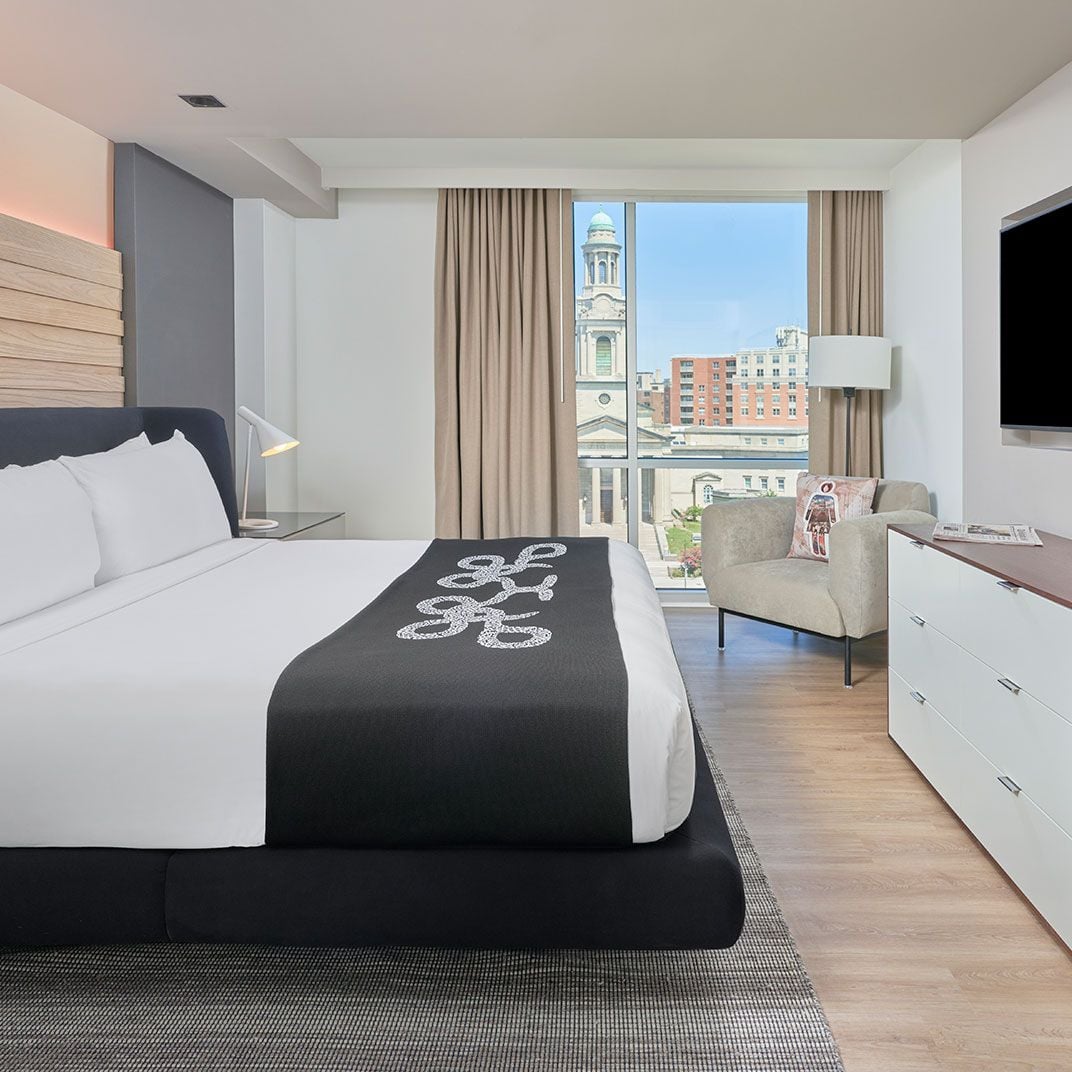
The hotel's 99 rooms and suites are individually appointed, each one distinct in layout and character. Antique furnishings sit alongside modern comforts, and the scale remains deliberately residential. There is no sprawling corridor of identical doors here. Suites feel like private apartments, with silk draperies, fine art, and marble bathrooms that reward a slower pace. The Penthouse Suite, with its terrace and sweeping views, occupies its own tier entirely. Throughout, the sensibility is one of curated restraint, where every object feels chosen rather than placed.
Quill, the hotel's restaurant, anchors the ground floor with a menu rooted in seasonal American cooking. The dining room is refined without formality, a space where both a quiet weeknight dinner and a celebratory evening feel equally at home. The adjoining bar offers a more spirited atmosphere, with craft cocktails and a selection of rare spirits served beneath low lighting and rich millwork. Afternoon tea in the lobby lounge has become something of a Washington institution, a ritual that draws locals and guests alike to settle into plush seating with tiered trays of pastries and finger sandwiches. For those seeking privacy, in-room dining maintains the same kitchen-driven standard.
The Jefferson sits along 16th Street NW, positioned within walking distance of the monuments, museums, and cultural institutions that define the nation's capital. The proximity to Dupont Circle and downtown lends a sense of connection to the city's intellectual and political energy without ever feeling consumed by it. This is a neighborhood of embassies, historic townhouses, and tree-lined sidewalks, a setting that mirrors the hotel's own sense of discretion. A dedicated concierge team tailors experiences around the city, from private gallery tours to reservations at Washington's most sought-after tables.
What lingers about The Jefferson is its refusal to behave like a large hotel. The staff knows returning guests by name. The scale invites a kind of familiarity that cannot be manufactured. It is the rare property where history is not merely referenced in the décor but genuinely felt in the rhythm of daily life, where a capital city's intensity gives way, behind these doors, to something unhurried and deeply personal.