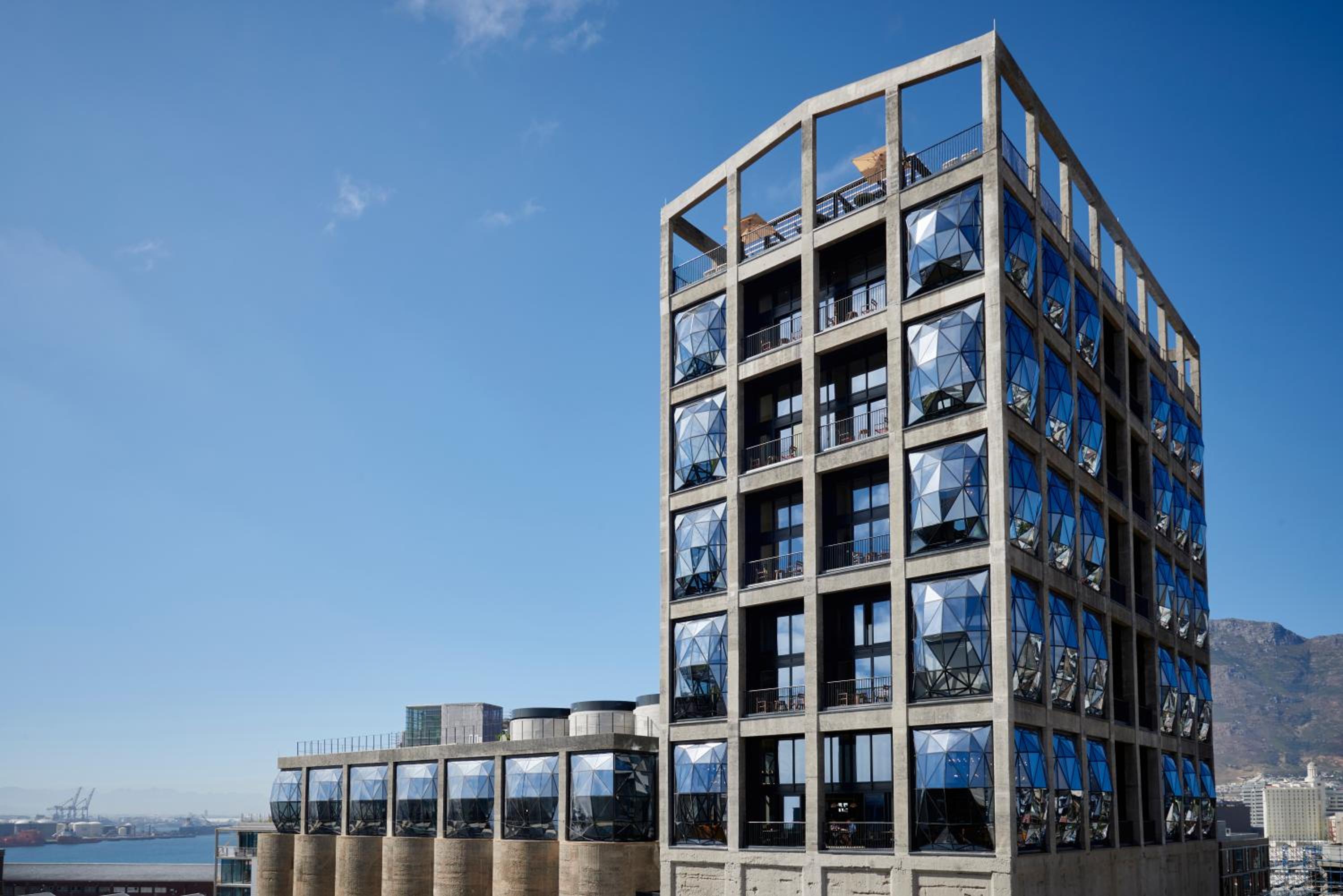
Six stories above the V&A Waterfront, cradled within the pillowed glass windows of a century-old grain elevator complex, The Silo occupies one of the most structurally audacious hotel conversions anywhere in the world. The building's original concrete silos rise through the center of the property like a geological core sample, and around them, architect Thomas Heatherwick inserted bulging panels of glass that catch and refract the South African light in constantly shifting patterns. The effect from inside is kaleidoscopic. From outside, the building appears to breathe. It is a property where the architecture is not backdrop but protagonist, and every corridor, every threshold, every room carries the weight and wonder of an industrial past made luminous.
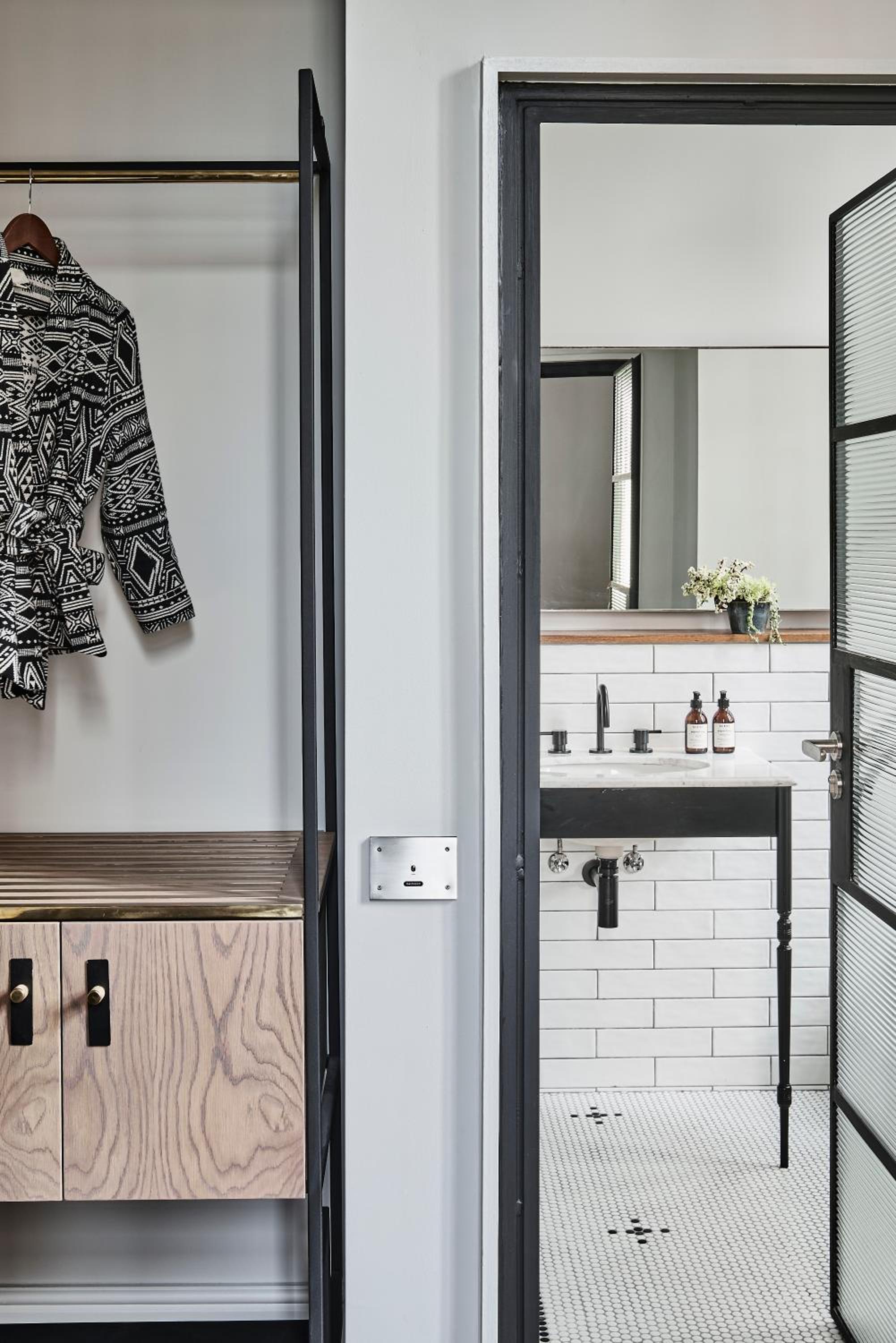
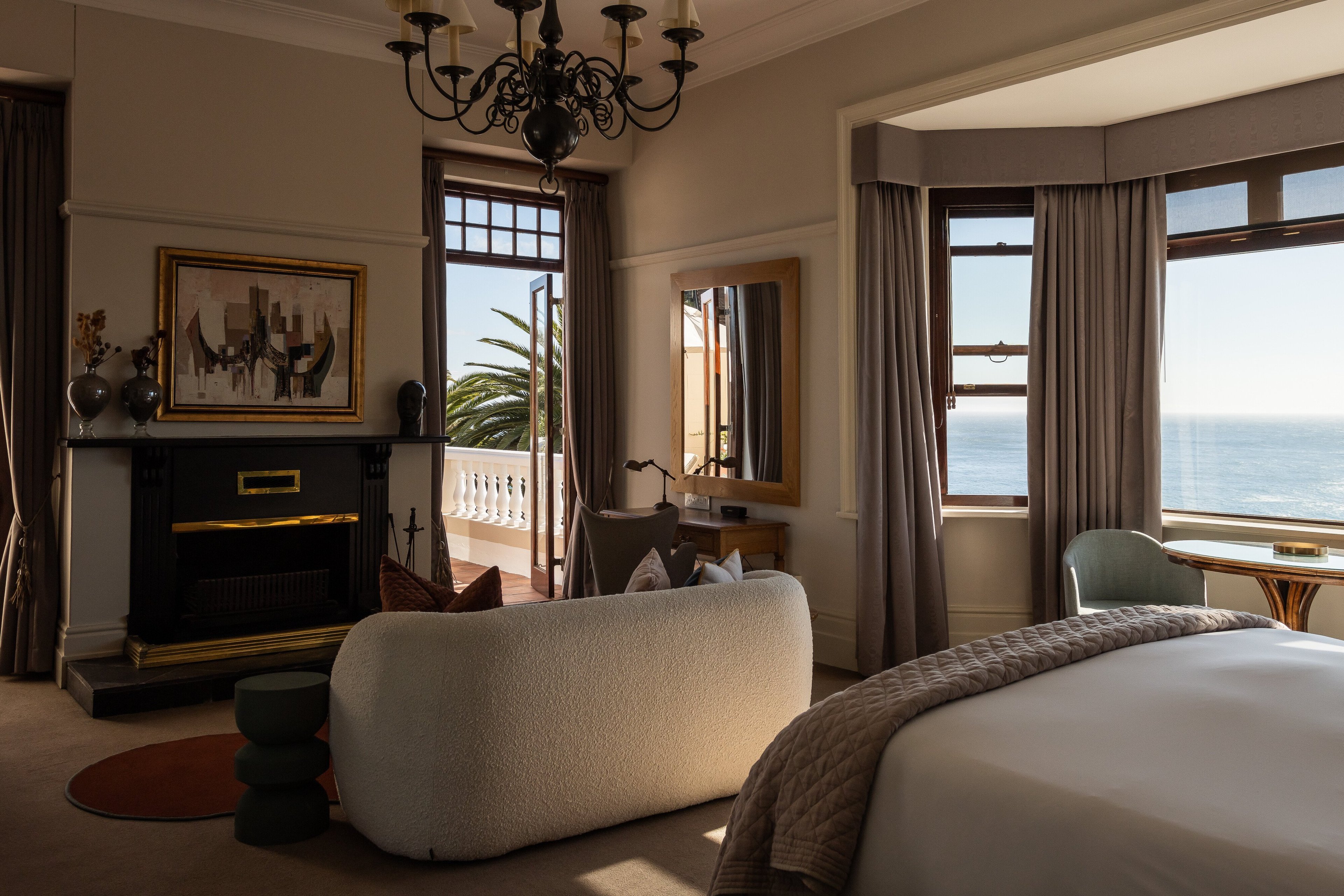
The Silo houses 28 rooms and suites, each one individually designed and filled with a curated collection of contemporary African art. Floor-to-ceiling windows frame views of Table Mountain, the harbor, and the city beyond, while the interiors layer bold color, bespoke furniture, and gallery-worthy pieces into spaces that feel deeply personal rather than formulaic. On the rooftop, a heated pool and bar offer panoramic views across the waterfront and the mountain, creating one of Cape Town's most compelling gathering points. The Willaston Bar, located on the sixth floor, serves as the hotel's social anchor with craft cocktails and a intimate atmosphere shaped by the original silo structure. For dining, The Granary Café presents a menu rooted in South African ingredients within a striking space that honors the building's industrial heritage.
The property sits directly above the Zeitz Museum of Contemporary Art Africa, which occupies the lower floors of the same grain silo complex. This relationship is not incidental. It places guests in physical proximity to the largest museum of contemporary African art on the continent, and the cultural energy of that institution permeates the hotel's identity. Beyond the building, the V&A Waterfront stretches out with its restaurants, markets, and harbor life, while Table Mountain and the broader Cape Town landscape remain within close reach for those drawn to the region's natural drama.
What stays with you after The Silo is not a single detail but a kind of spatial memory. The way light bends through those extraordinary windows at different hours. The quiet authority of concrete walls that once held grain and now hold some of the continent's most important contemporary art. The rooftop at dusk, Table Mountain turning violet against the last light. It is a hotel that earns its reputation not through opulence but through conviction, a place where bold architectural vision and deep cultural intention produce something genuinely unrepeatable.