Hiiragiya
The art of stillness on a quiet Kyoto street
Reserve this StayBoutique Hotel in Kyoto, Kyoto
/Hiiragiya
Hiiragiya
7 Total Rooms
7 Room Types
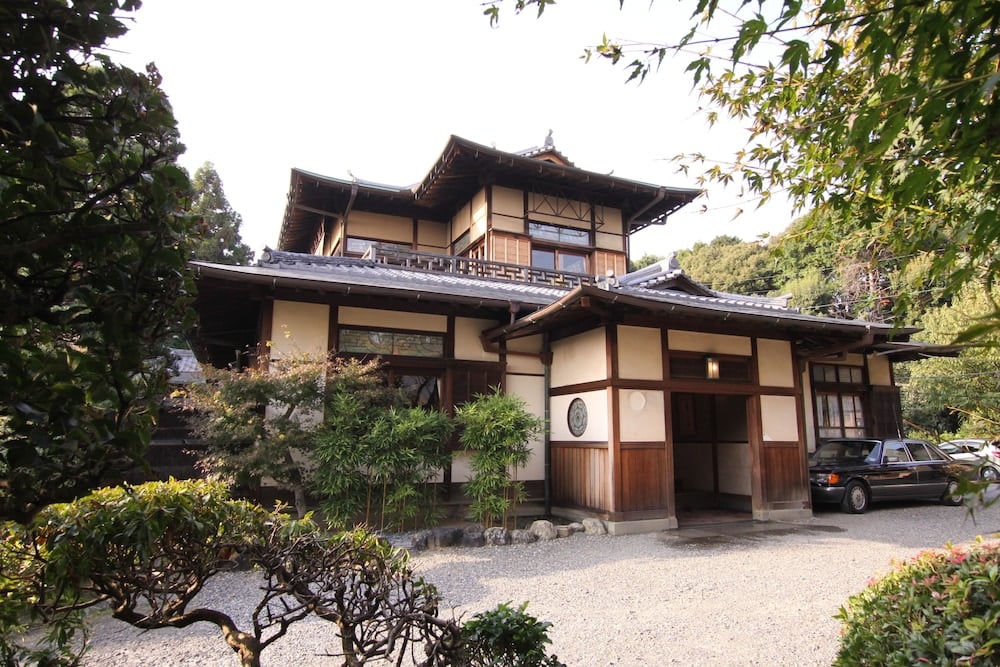
A wooden entrance lantern glows softly on Fuyacho Street, marking a threshold that has welcomed travelers for nearly two centuries. Hiiragiya, established in 1818, is one of Kyoto's most revered ryokan, a traditional Japanese inn where hospitality is practiced not as service but as an inherited art form. Six generations of the same family have tended this property, and the result is something that cannot be replicated or rushed: a sense of care so deeply embedded in the architecture and daily rhythms that it feels less like accommodation and more like an invitation into a living tradition. The building itself carries the quiet weight of time, with polished wooden corridors, shoji screens filtering natural light, and interiors that honor the Japanese principle of restraint as beauty.
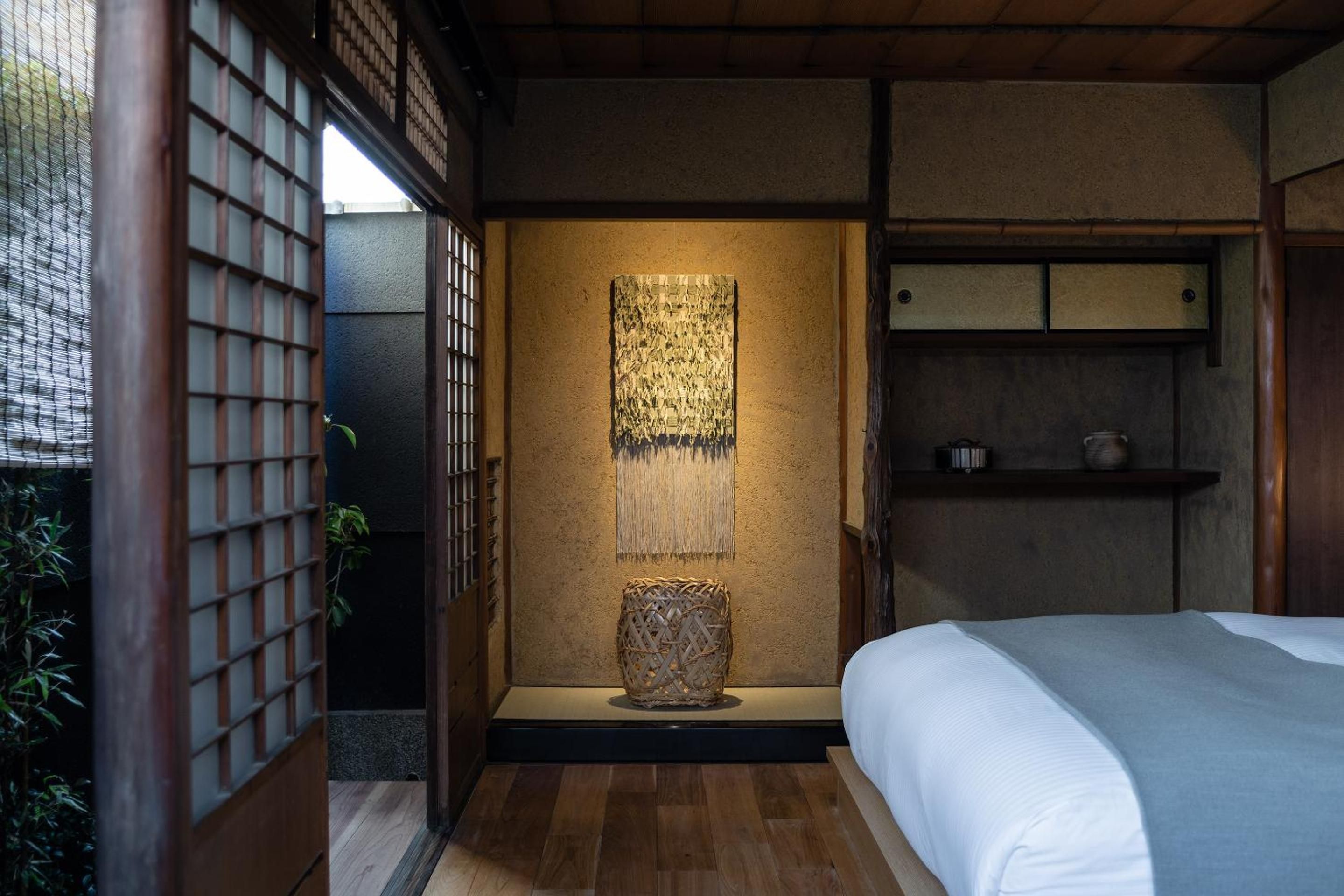
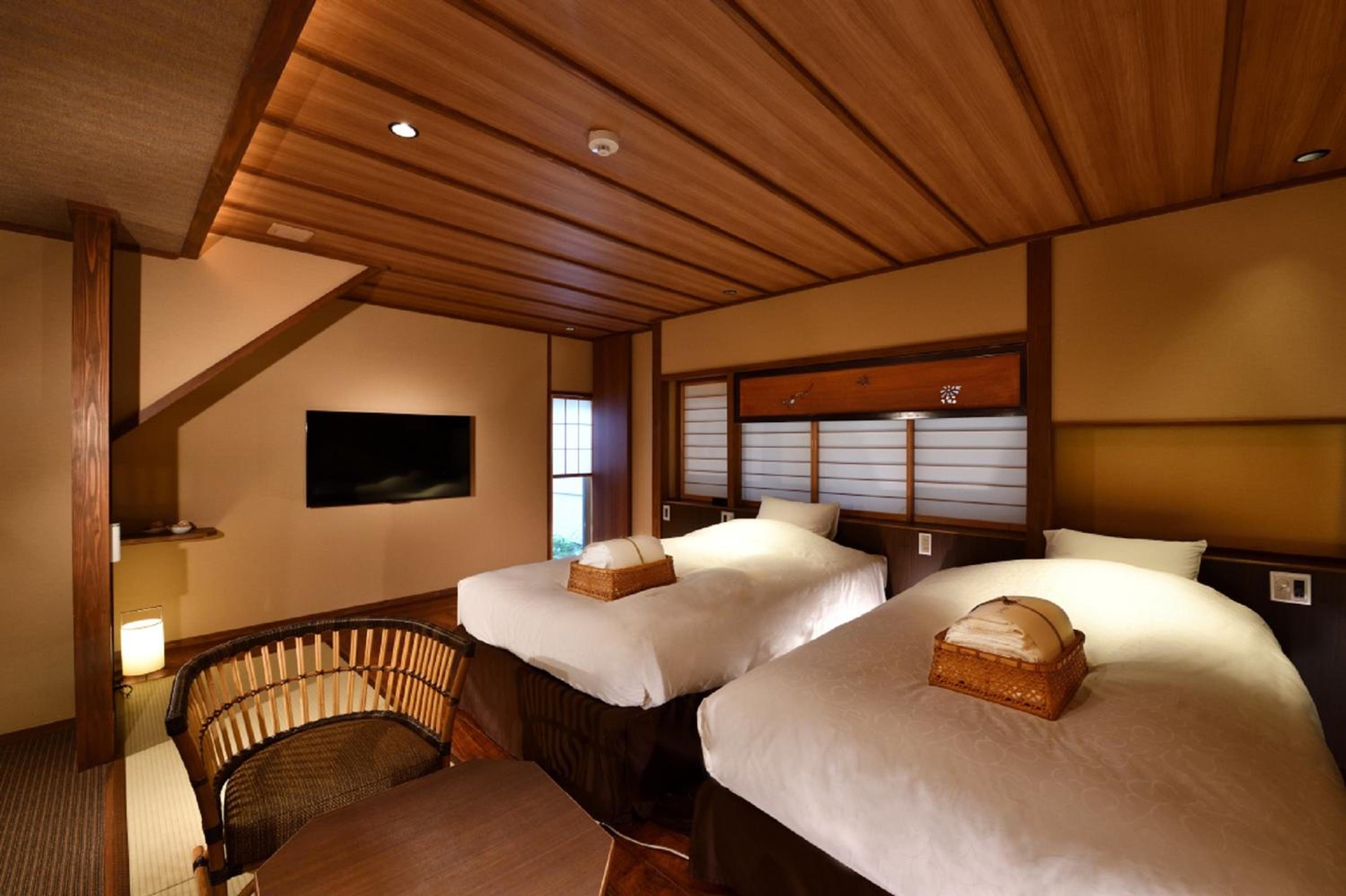
The inn offers 28 guest rooms across two wings. The original honkan, or main building, preserves the character of a historic Kyoto machiya, with rooms featuring traditional tatami flooring, alcove displays of seasonal calligraphy or flower arrangements, and deep hinoki cypress baths. Each room is distinct in layout and atmosphere, shaped by its position within the building and the garden view it frames. The newer wing, designed by architect Gobō Itō, introduces a more contemporary interpretation of the ryokan form while maintaining the same commitment to natural materials and handcrafted detail. Guests sleep on futons laid out each evening by attendants who also prepare the rooms for morning. The ritual of arrival includes matcha tea and a seasonal sweet, offered in the privacy of your room by a dedicated nakai, the personal attendant assigned for the duration of your stay.
Dining at Hiiragiya is a kaiseki experience, the traditional multi-course Japanese cuisine rooted in seasonality, precision, and visual composition. Meals are served in your room, each course presented on carefully chosen ceramics that complement the ingredients. The menu shifts with the calendar, drawing from Kyoto's deep culinary traditions and the finest seasonal produce available from local markets. Breakfast follows a similarly considered format, a spread of small dishes that feels both nourishing and ceremonial. There is no restaurant to visit, no lobby bar to linger in. The inn's rhythm turns inward, organized around the private space of the guest room and the attentive, unhurried pace of the staff.
Hiiragiya sits in Kyoto's Nakagyo ward, within walking distance of the Nishiki Market, the shops of Teramachi Street, and the geisha district of Pontocho. The Imperial Palace grounds are a short walk north, and the city's network of temples, shrines, and gardens extends in every direction. Yet the inn's location on a narrow, unassuming side street gives it a quality of concealment that feels deliberate. You step off the city grid and into a stillness governed by older customs. What stays with you is not any single detail but the cumulative effect of a place where every gesture, from the angle of a flower stem to the temperature of the bath, has been considered across generations. It is hospitality as a form of devotion, offered without spectacle and impossible to forget.
A wooden entrance lantern glows softly on Fuyacho Street, marking a threshold that has welcomed travelers for nearly two centuries. Hiiragiya, established in 1818, is one of Kyoto's most revered ryokan, a traditional Japanese inn where hospitality is practiced not as service but as an inherited art form. Six generations of the same family have tended this property, and the result is something that cannot be replicated or rushed: a sense of care so deeply embedded in the architecture and daily rhythms that it feels less like accommodation and more like an invitation into a living tradition. The building itself carries the quiet weight of time, with polished wooden corridors, shoji screens filtering natural light, and interiors that honor the Japanese principle of restraint as beauty.
The inn offers 28 guest rooms across two wings. The original honkan, or main building, preserves the character of a historic Kyoto machiya, with rooms featuring traditional tatami flooring, alcove displays of seasonal calligraphy or flower arrangements, and deep hinoki cypress baths. Each room is distinct in layout and atmosphere, shaped by its position within the building and the garden view it frames. The newer wing, designed by architect Gobō Itō, introduces a more contemporary interpretation of the ryokan form while maintaining the same commitment to natural materials and handcrafted detail. Guests sleep on futons laid out each evening by attendants who also prepare the rooms for morning. The ritual of arrival includes matcha tea and a seasonal sweet, offered in the privacy of your room by a dedicated nakai, the personal attendant assigned for the duration of your stay.
Dining at Hiiragiya is a kaiseki experience, the traditional multi-course Japanese cuisine rooted in seasonality, precision, and visual composition. Meals are served in your room, each course presented on carefully chosen ceramics that complement the ingredients. The menu shifts with the calendar, drawing from Kyoto's deep culinary traditions and the finest seasonal produce available from local markets. Breakfast follows a similarly considered format, a spread of small dishes that feels both nourishing and ceremonial. There is no restaurant to visit, no lobby bar to linger in. The inn's rhythm turns inward, organized around the private space of the guest room and the attentive, unhurried pace of the staff.


What we love about this stay
You feel it the moment you step inside — this is a place that has been listening to its guests for over two hundred years and has quietly refined every gesture in response. Hiiragiya doesn't perform tradition; it inhabits it, with just 28 rooms that feel less like accommodations and more like carefully kept secrets, each one furnished with antiques and oriented toward garden views that impose a kind of gentle stillness. The intimacy of the scale matters here — there's nowhere to hide behind grandeur, so the hospitality has to be real, and it is, shaped by generations of the same innkeeping family. The kaiseki, the tea ceremonies, the private onsen — none of it feels staged for you; it feels like you've been admitted into a rhythm that existed long before you arrived and will continue long after. That's the thing that lingers: not luxury, but continuity.
Explore our Accommodations
Where you'll be staying
Nakahakusancho, Fuyacho Anekoji-agaru, Nakagyo-ku, Kyoto, Kyoto, JP
What you need to know
3 PM
Not allowed
11:00 AM
Watch this Stay
Get notified when this stay runs special offers or becomes available during your preferred travel dates. We'll also connect you to the property so you can be eligible for insider rewards and premium experiences.
Similar stays around Kyoto