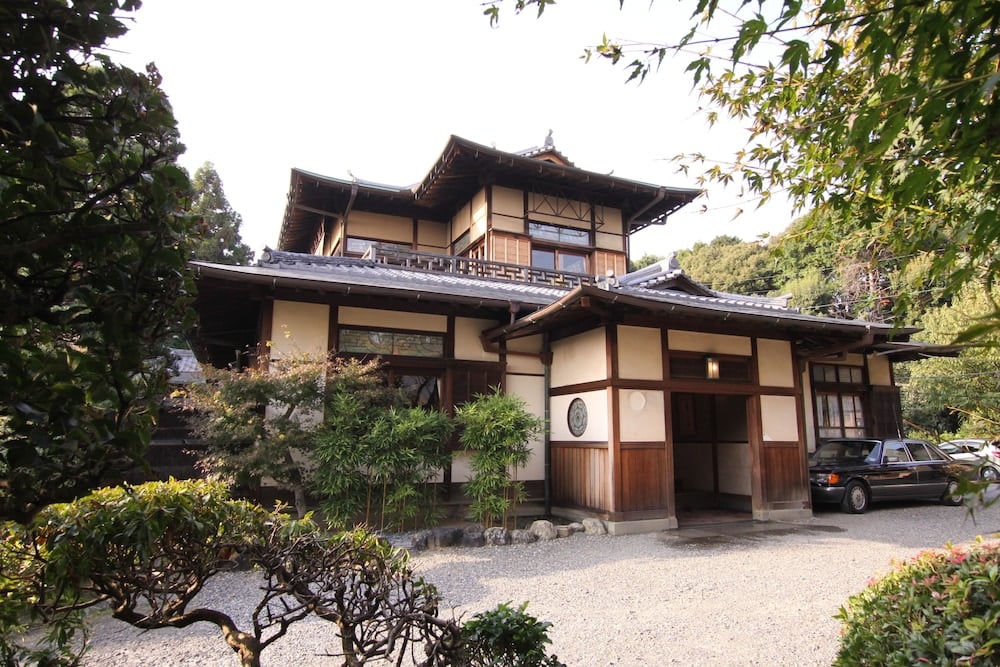
The approach alone tells you something has shifted. A stone path climbs gently through a wooded hillside on the eastern edge of Kyoto, the city falling away with each step. At the top, a wooden gate opens onto Ryokan Yoshida-sanso, a traditional inn whose origins trace to a villa once belonging to a prince of the imperial family. The architecture carries that lineage quietly. Low-slung wooden structures settle into the slope of Yoshida Hill with an intimacy that feels both ancestral and deeply personal, their cedar and cypress frames softened by decades of careful tending. Latticed screens slide open to reveal views of maple canopy and distant mountain ridgelines, and the scent of hinoki wood lingers in corridors worn smooth underfoot.
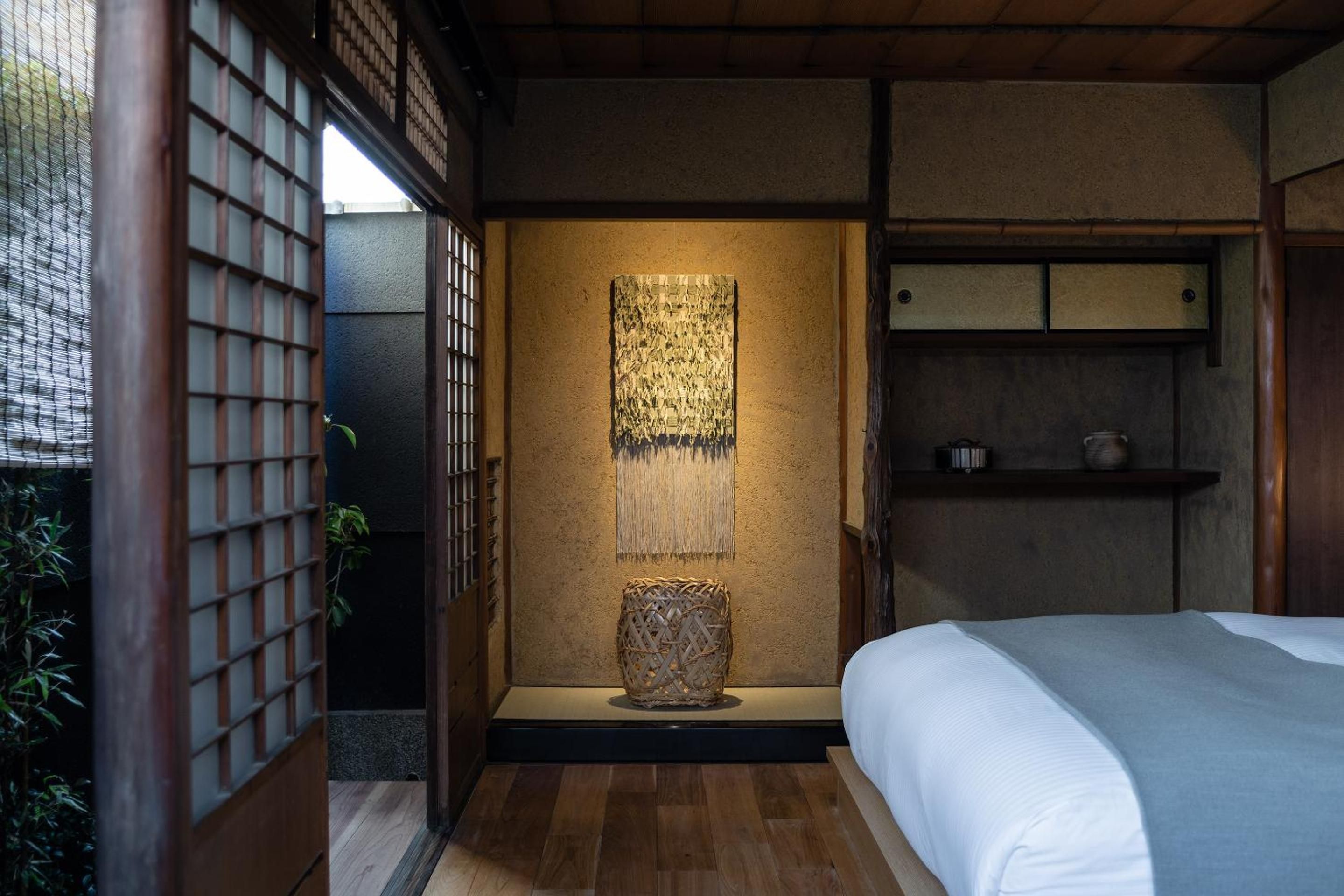
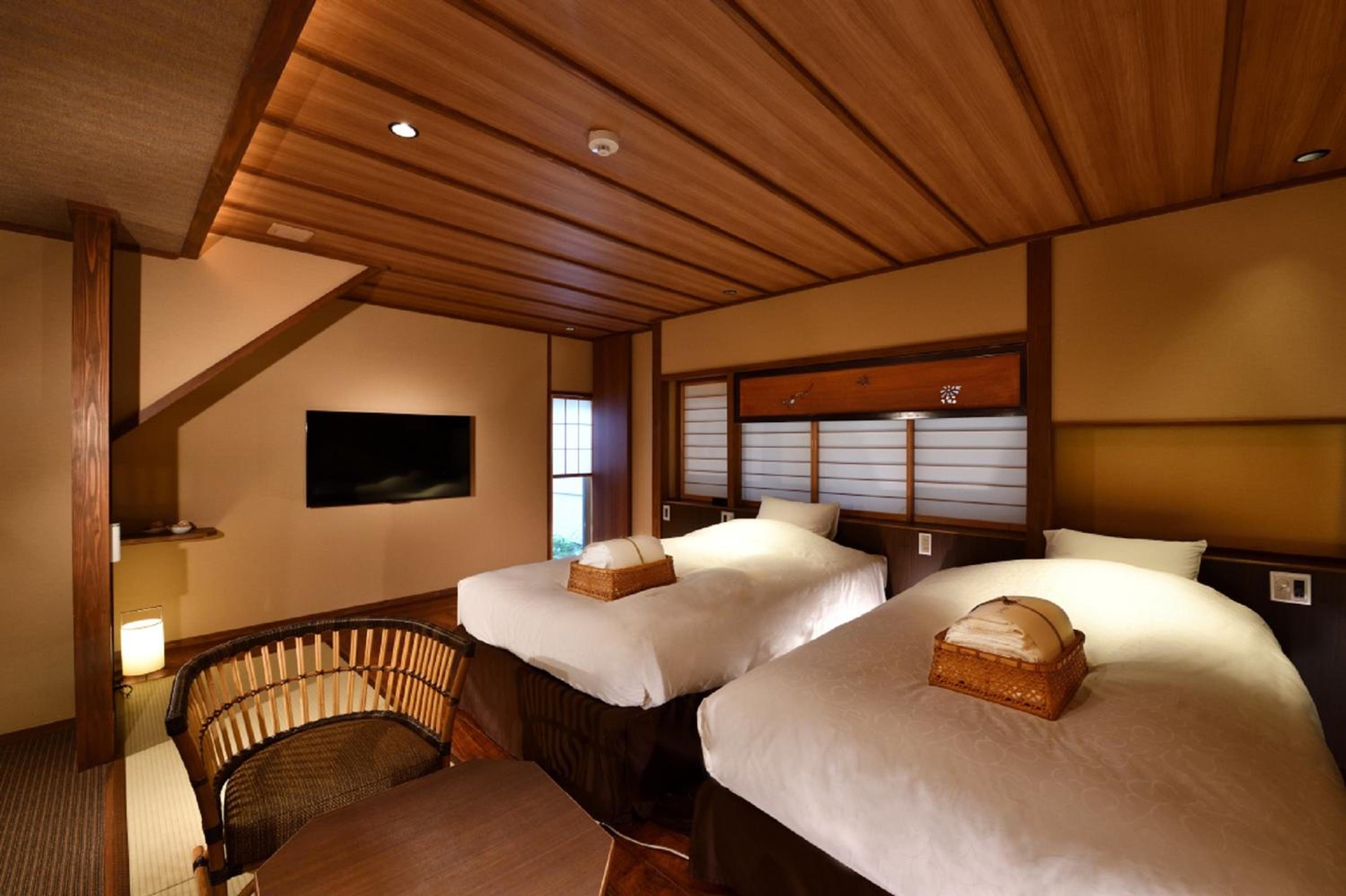
The inn holds just a handful of guest rooms, each designed in the traditional Japanese style with tatami flooring, tokonoma alcoves, and futon bedding prepared each evening by the staff. Some rooms look out over the surrounding forest, others onto meticulously maintained gardens where moss, stone, and seasonal plantings shift with the months. The scale is deliberately small, the atmosphere closer to a private residence than a hotel. Common areas invite quiet contemplation: a sitting room with garden views, a deep soaking bath fed by heated water where the rituals of bathing unfold without hurry. The building itself functions as an aesthetic experience, its proportions, materials, and details reflecting the spare beauty of sukiya-style architecture.
Dinner at Ryokan Yoshida-sanso follows the kaiseki tradition, a multi-course meal that moves through the seasons with precision and restraint. Each course arrives on carefully chosen ceramics, the ingredients drawn from Kyoto's culinary landscape and prepared in a style that honors the deep connection between Japanese cuisine and the turning of the year. Breakfast, too, is a composed affair, served in-room or in a shared dining space, with grilled fish, pickled vegetables, miso, and rice arranged with the same attention. Meals here are not supplementary to the stay. They are integral to its rhythm, marking the passage of time as deliberately as the light moving across the garden.
Yoshida Hill places you within walking distance of some of Kyoto's most revered sites. The Philosopher's Path traces a canal lined with cherry trees just below. Ginkaku-ji, the Silver Pavilion, sits at the foot of the neighboring hillside. The grounds of Kyoto University spread to the west. Yet the inn's elevated position creates a sense of remove, as though the city exists at a respectful distance. Evenings are remarkably still. You hear wind through the trees, the occasional temple bell, and little else. Ryokan Yoshida-sanso offers no spa menu, no curated itinerary, no programmed entertainment. What it offers instead is rarer: a place where the architecture, the food, the garden, and the silence work together to create a kind of attention you may not have realized you had lost.