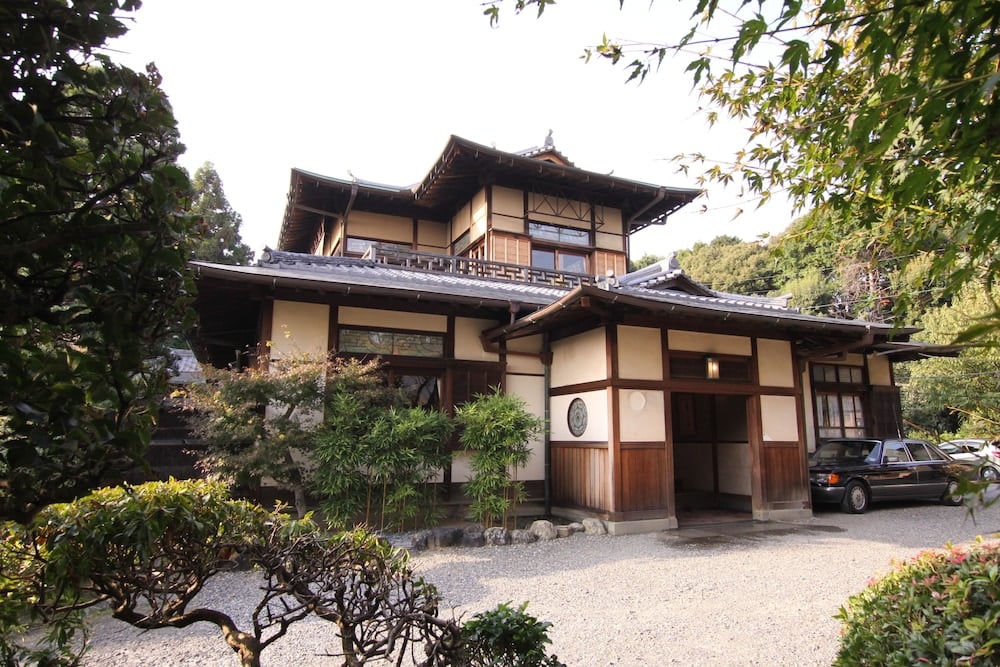
Down a narrow lane in Kyoto's Muromachi district, where the textile merchants once kept their storied residences, a traditional machiya facade conceals one of the city's most personal hospitality experiences. Muromachi Yutone Kyokoyado is not a hotel in the conventional sense. It is a kyokoyado, a style of small Japanese inn where the room count is kept deliberately minimal and the kitchen takes center stage. Here, architecture, cuisine, and the rituals of Japanese hospitality converge in a space that feels closer to a private residence than a place of lodging.
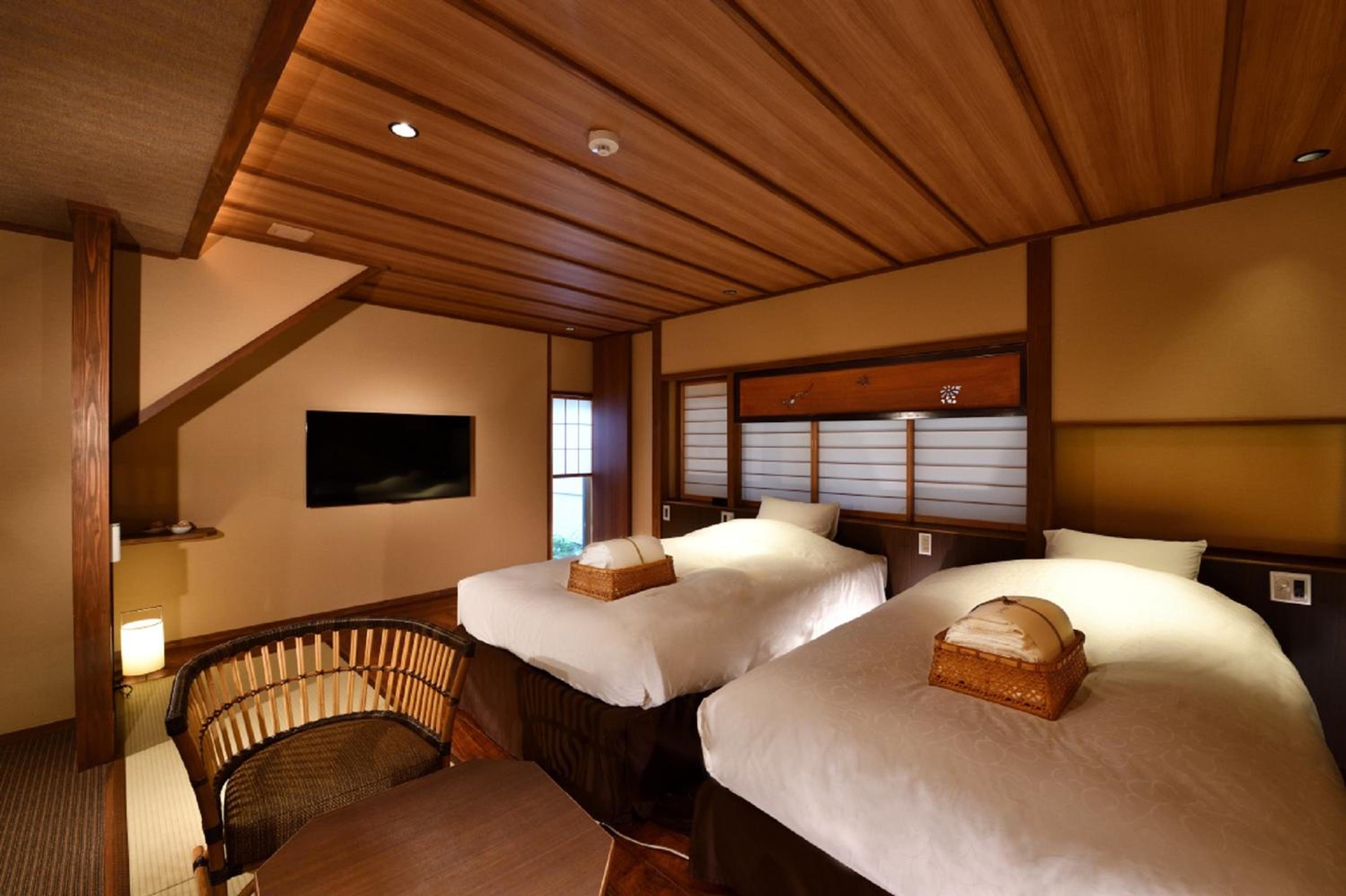
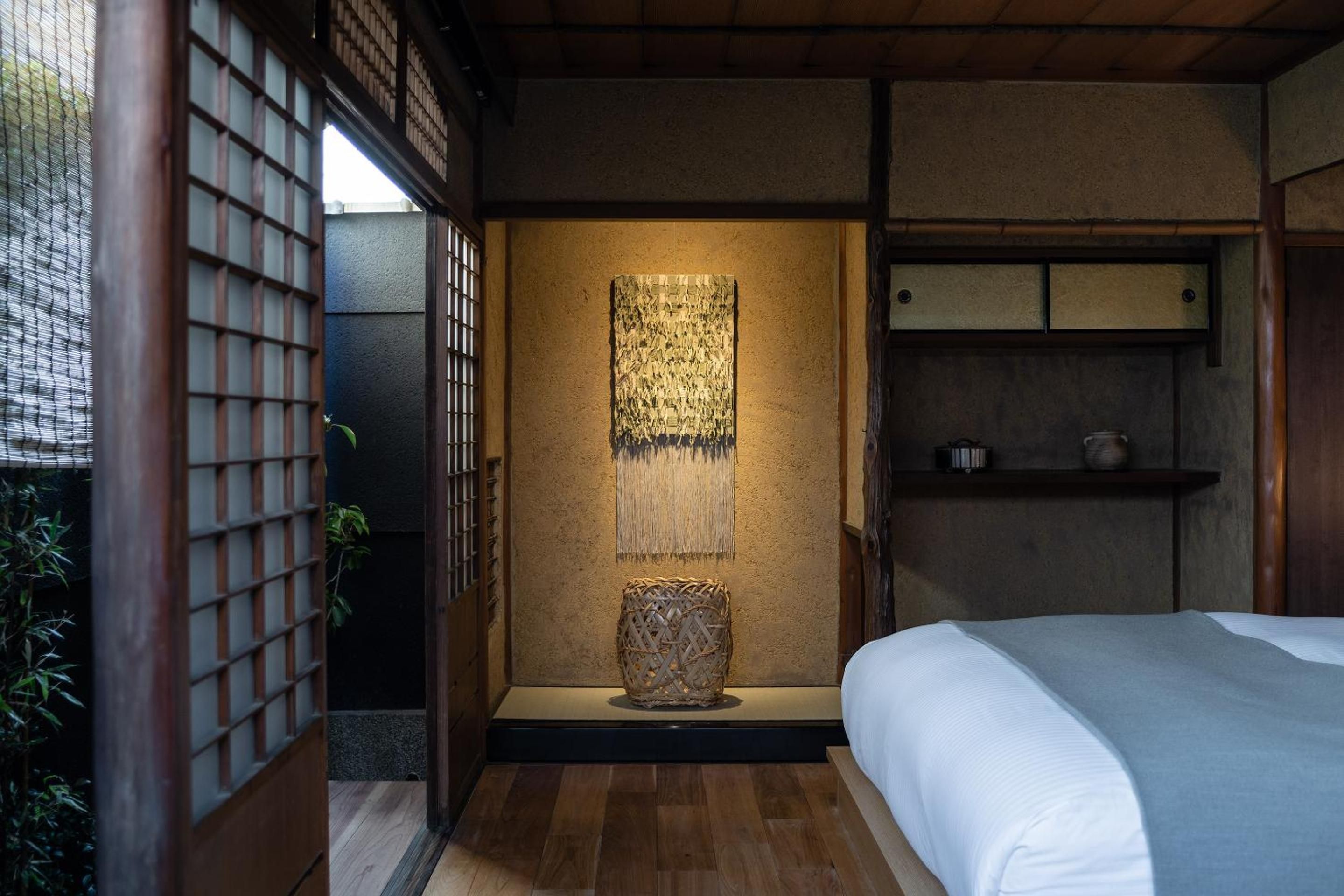
The structure honors the machiya tradition with its restrained wooden interiors, sliding fusuma panels, and the kind of spatial quietness that defines Kyoto's most treasured domestic architecture. Guest rooms are few, ensuring an atmosphere of near-total privacy. Each room draws on the proportions and materials of classical Kyoto design, with tatami flooring, natural wood, and careful attention to the relationship between interior space and filtered natural light. The intimacy of the inn means that every stay feels unhurried and personal, shaped by the rhythms of the house rather than the logistics of a larger operation.
At the heart of Muromachi Yutone is its kaiseki cuisine. The inn operates as a dining-centric ryokan where multi-course kaiseki meals are prepared with seasonal Kyoto ingredients and served as part of the stay. Dinner and breakfast are central to the experience, presented in courses that follow the traditional kaiseki progression. Ingredients shift with the calendar, drawing from Kyoto's deep culinary traditions and its network of local producers. The dining experience is not a restaurant in the public sense but rather a private meal prepared for the guests of the house, served within the intimate setting of the inn itself. This integration of lodging and cuisine is the defining feature of the kyokoyado format, and Muromachi Yutone executes it with a level of care that reflects generations of Kyoto culinary knowledge.
The Muromachi neighborhood places guests within easy reach of Kyoto's cultural landmarks, with the Nishiki Market, Imperial Palace, and the city's major temple complexes all accessible nearby. Yet the surrounding streets themselves carry a distinct character, shaped by centuries of merchant culture and the quiet residential fabric that still defines this part of central Kyoto. What stays with you after Muromachi Yutone is not a single dramatic gesture but rather the accumulation of small, precise details: the seasonal arrangement on a ceramic plate, the sound of water in a narrow garden, the particular silence of a machiya at night. It is a place where Kyoto does not perform for you but simply continues, and invites you to pay attention.